


Primary sourceDocument6 March 1819
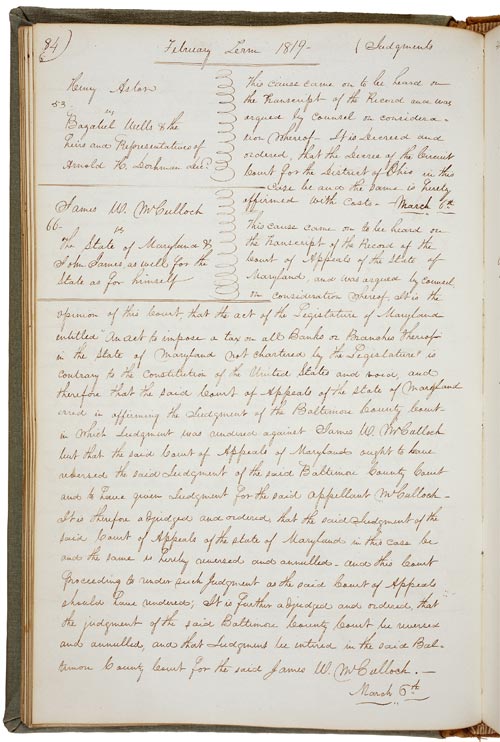
McCulloch v. Maryland
John Marshall · 6 March 1819
The Supreme Court's 1819 decree upholding the constitutionality of the national bank chartered under Madison, a ruling that renewed debate over his earlier constitutional objections.
Webster argued for the Bank in this case; Marshall's opinion drew on his argument.
About this source
What it is
This is a handwritten page from the engrossed minutes of the U.S. Supreme Court, recording the Court's decree in McCulloch v. Maryland, dated March 6, 1819. The case was decided by Chief Justice John Marshall. It is held in the National Archives.
Why it matters
The ruling addressed whether Congress had the power to charter a national bank and whether states could tax it. The Court decided the Federal Government had the power to create the bank and that states could not tax it. This bank was the Second National Bank, established in 1816 while Madison was President, even though Madison himself had earlier raised constitutional objections to the idea of a national bank in 1791. The case shows how a decision Madison made as President continued to shape debates about federal power after he left office.
Look closer
- Why might a handwritten court record from 1819 be considered an important historical document today?
- What does this case reveal about disagreements between state and federal power in the early United States?
- How might Madison's earlier objections to a national bank connect to this later legal dispute?
This document is part of the curated material that grounds the AI version of Daniel Webster, Roger B. Taney, James Madison, John Tyler, John Marshall and John C. Calhoun on Humy.ai — when students ask about related events, the AI can quote it and cite it.
More Daniel Webster sources
Meet the AI Daniel Webster →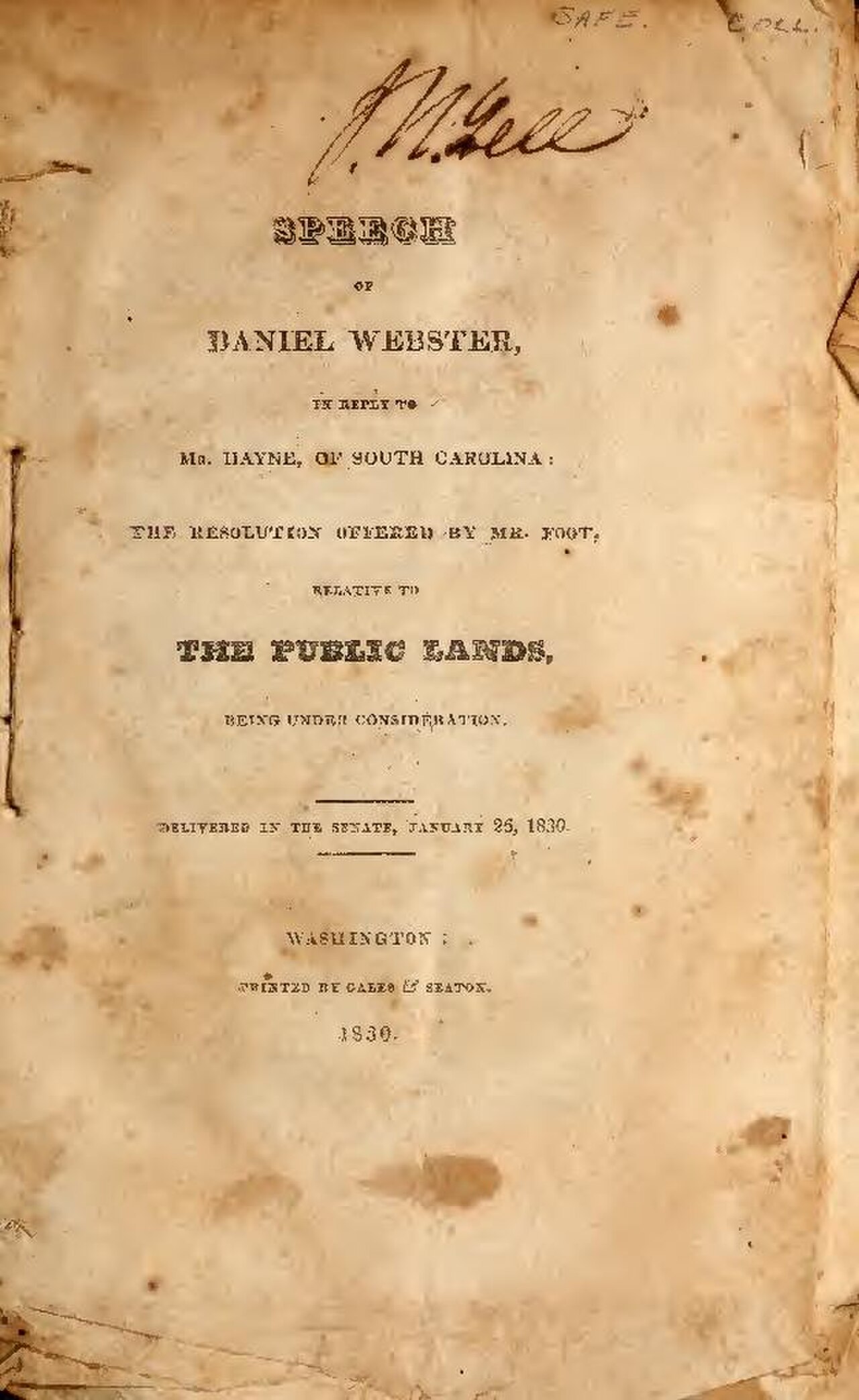 Speech
Primary source
Second Reply to Hayne
Daniel Webster · 26-27 January 1830
Primary source
The Seventh of March Speech
Daniel Webster · 7 March 1850
 Document
Primary source
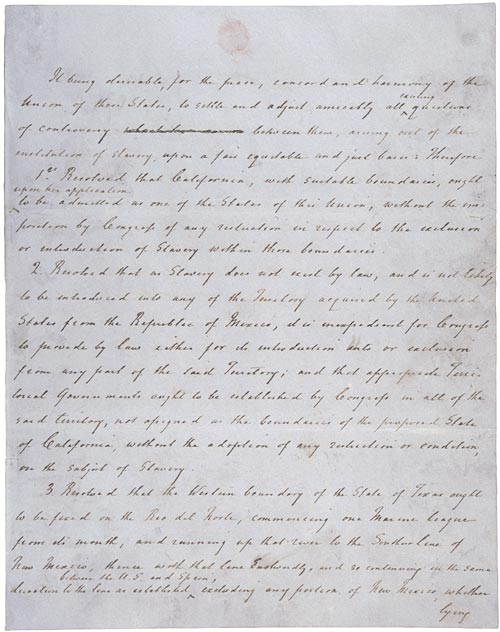
Compromise of 1850
Henry Clay · 29 January 1850 (resolutions); statutes enacted September 1850
 Document
Primary source
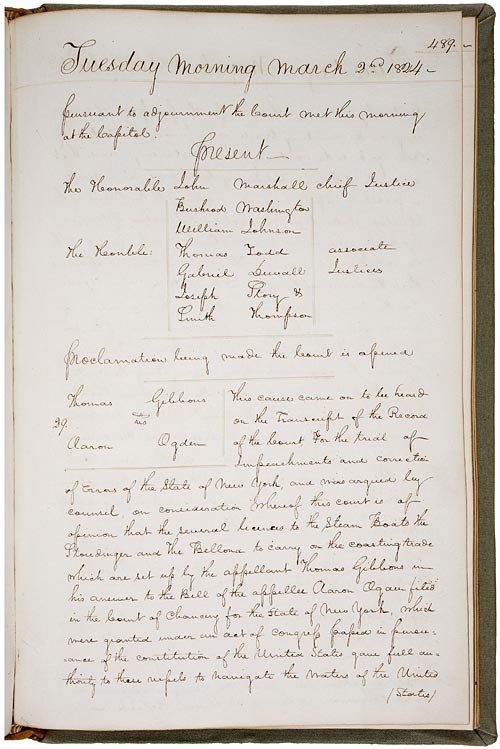
Gibbons v. Ogden
John Marshall · 1824
 Document
Primary source
Dartmouth College v. Woodward
U.S. Supreme Court · 1819
Ready when you are
Start chatting with Daniel Webster now.
20 messages free · No credit card · Available in 50+ languages.