


Primary sourceDocument
Ex parte Secombe
Roger B. Taney
A Supreme Court opinion from 60 U.S. 9 on a request to order the judges of the Minnesota Territory Supreme Court to undo the removal of an attorney from practice.
Shows Taney writing a Supreme Court opinion on a mandamus request about a territorial court's removal of an attorney, showing his judicial reasoning on courts' authority.
About this source
What it is
This is a Supreme Court text in Ex parte in the Matter of Secombe, reported as 60 U.S. 9. It concerns a motion for a writ of mandamus directed to the judges of the Supreme Court of the Territory of Minnesota. The motion asked the Court to order those judges to vacate and set aside an order from January term 1856 that removed David A. Secombe from his office as an attorney and counsellor. The text includes Secombe's own petition. In it he states that he was admitted to practice on 9 July 1852 and was a practising attorney until 5 February 1856. The archive lists Taney as the author.
Why it matters
The case shows how the federal Supreme Court could be asked to review decisions of a territorial court. It also shows how a lawyer could use a formal petition, with supporting certificates, to challenge his removal. The petition puts Secombe's own account of his career at the centre of the text. Taney wrote the opinion while serving as chief justice, a position he had held since 1836.
Look closer
- What does Secombe's petition emphasize about his own record, and why might that matter?
- Why would a federal court be asked to act on a decision made by a territorial court?
- What parts of the dispute between Secombe and the territorial judges are not described in this excerpt?
This document is part of the curated material that grounds the AI version of Roger B. Taney on Humy.ai — when students ask about related events, the AI can quote it and cite it.
More Roger B. Taney sources
Meet the AI Roger B. Taney →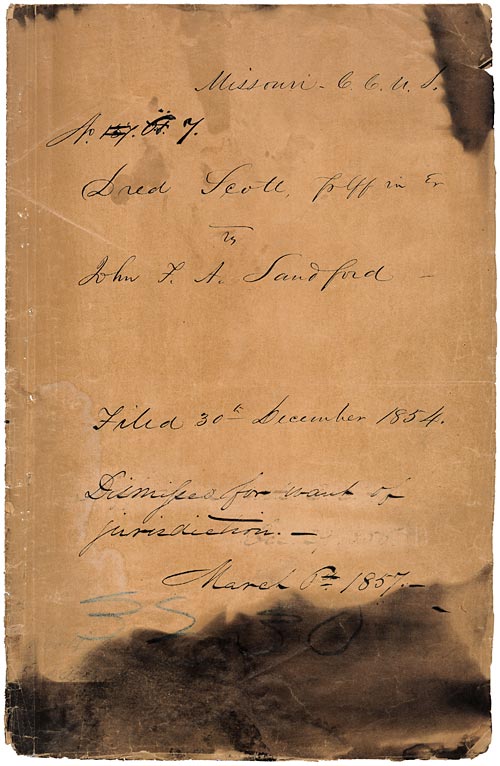 Document
Primary source
Dred Scott v. Sandford
Roger B. Taney · 6 March 1857
 Document
Primary source
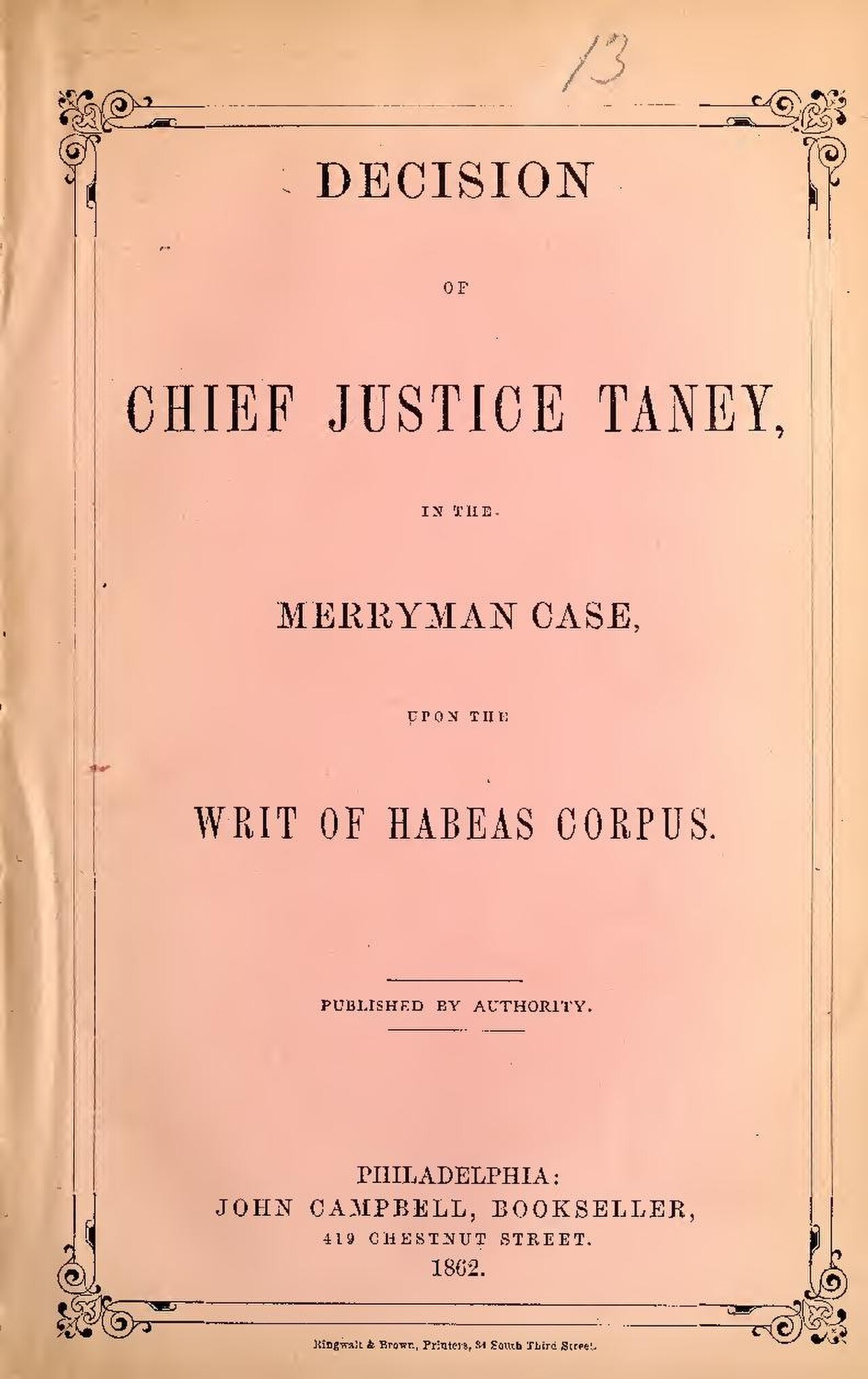
Ex parte Merryman opinion
Roger B. Taney · 1861
 Photograph
Primary source
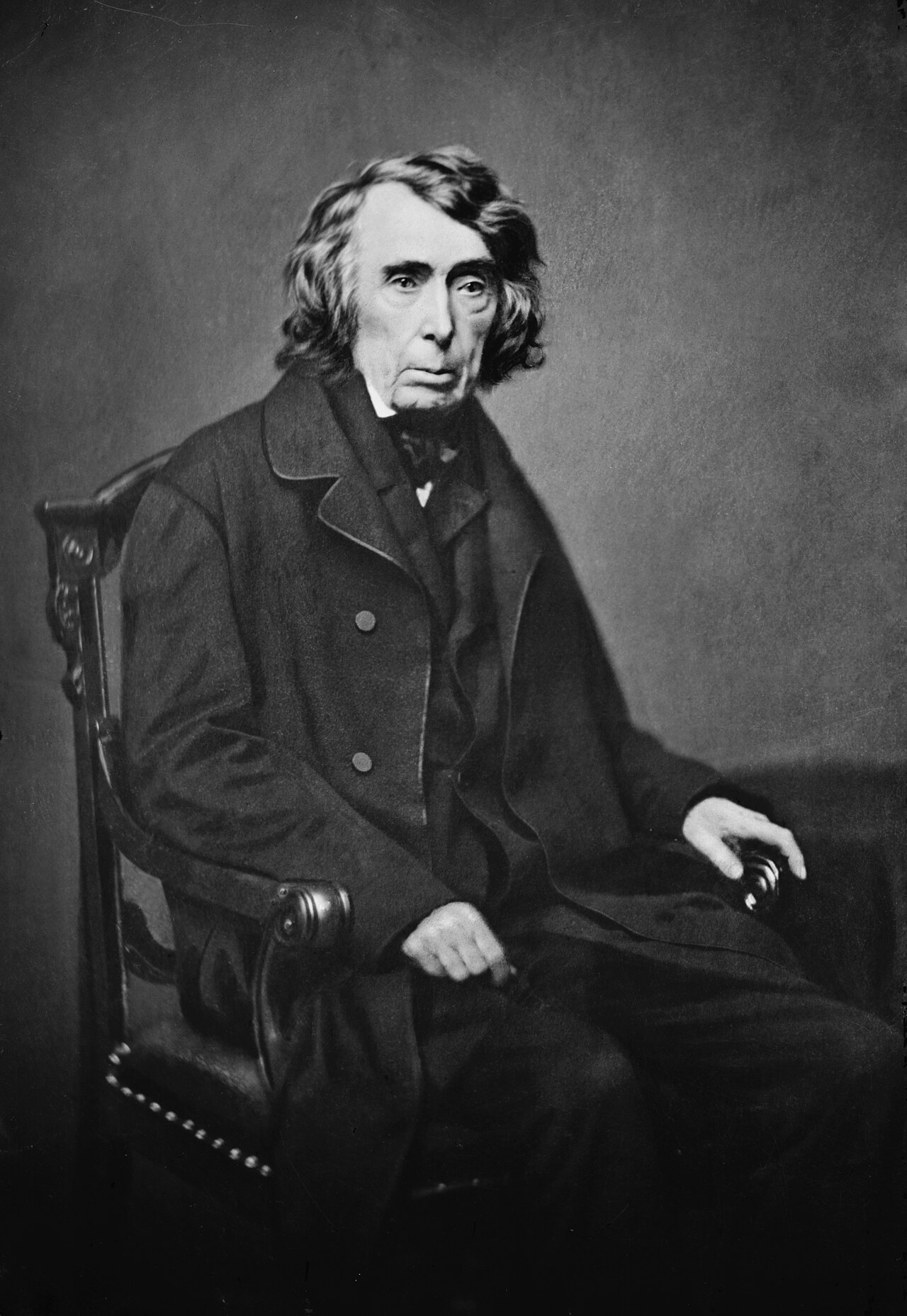
Roger B. Taney - Brady-Handy
Mathew Benjamin Brady
Primary source
Charles River Bridge v. Warren Bridge opinion
Roger B. Taney · 1837
Primary source
House Divided Speech
Abraham Lincoln · 16 June 1858
Ready when you are
Start chatting with Roger B. Taney now.
20 messages free · No credit card · Available in 50+ languages.