


Primary sourceDocument1850
United States v. Boisdor
Roger B. Taney · 1850
An 1850 opinion of the United States Supreme Court, written by Roger B. Taney, on a motion to dismiss an appeal over a large Spanish-era land grant in Mississippi. It shows how federal land claims were decided.
Taney wrote this Supreme Court opinion as chief justice, deciding whether the Court could hear a federal land appeal.
About this source
What it is
This is the text of the Supreme Court's opinion in United States v. Boisdor, decided in 1850 (49 U.S. 113). Roger B. Taney, then chief justice, wrote it. The case began with a petition to the federal district court in Mississippi. The petitioners asked the court to confirm a large tract of land they said had been granted to their ancestors by Spanish authorities. The government argued that the acts of Congress of 1824 and 1844 had expired, so the Court had no appeal power. The opinion is available as a transcription on Wikisource.
Why it matters
The case shows how the United States handled land claims that came from Spanish rule after the territory changed hands. Congress set the rules, and the courts applied them. The ruling is a reminder that the time limits in a statute could decide whether a family's land claim was ever heard.
Look closer
- Why does the motion to dismiss depend on the dates in the acts of Congress?
- What does the opinion leave out about the families who claimed the land?
- How might a time limit in a law affect people who lived far from the courts?
This document is part of the curated material that grounds the AI version of Roger B. Taney on Humy.ai — when students ask about related events, the AI can quote it and cite it.
More Roger B. Taney sources
Meet the AI Roger B. Taney →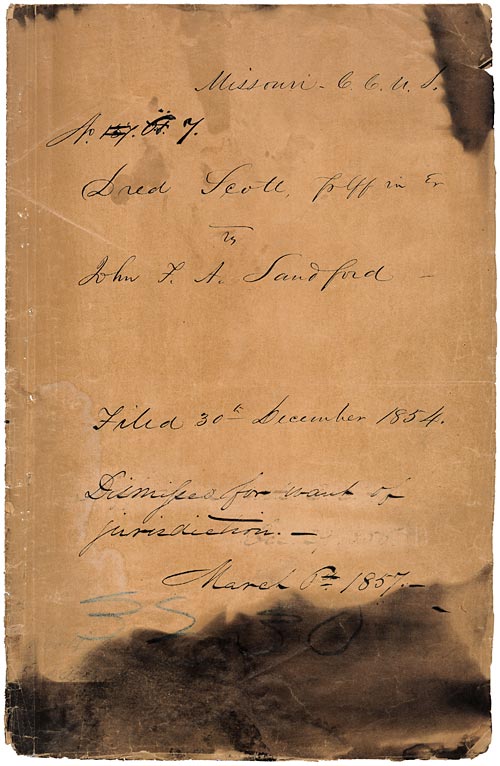 Document
Primary source
Dred Scott v. Sandford
Roger B. Taney · 6 March 1857
 Document
Primary source
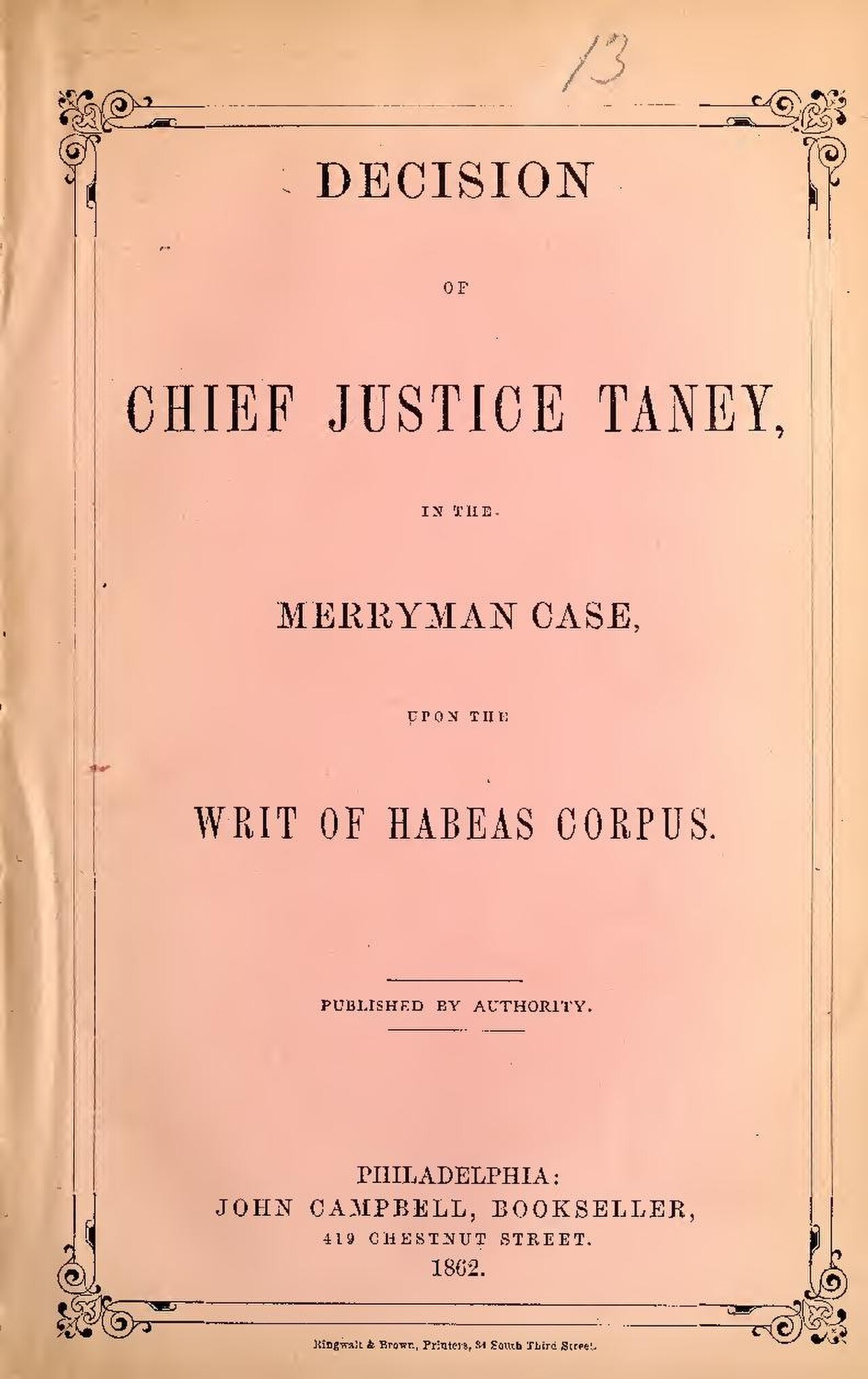
Ex parte Merryman opinion
Roger B. Taney · 1861
 Photograph
Primary source
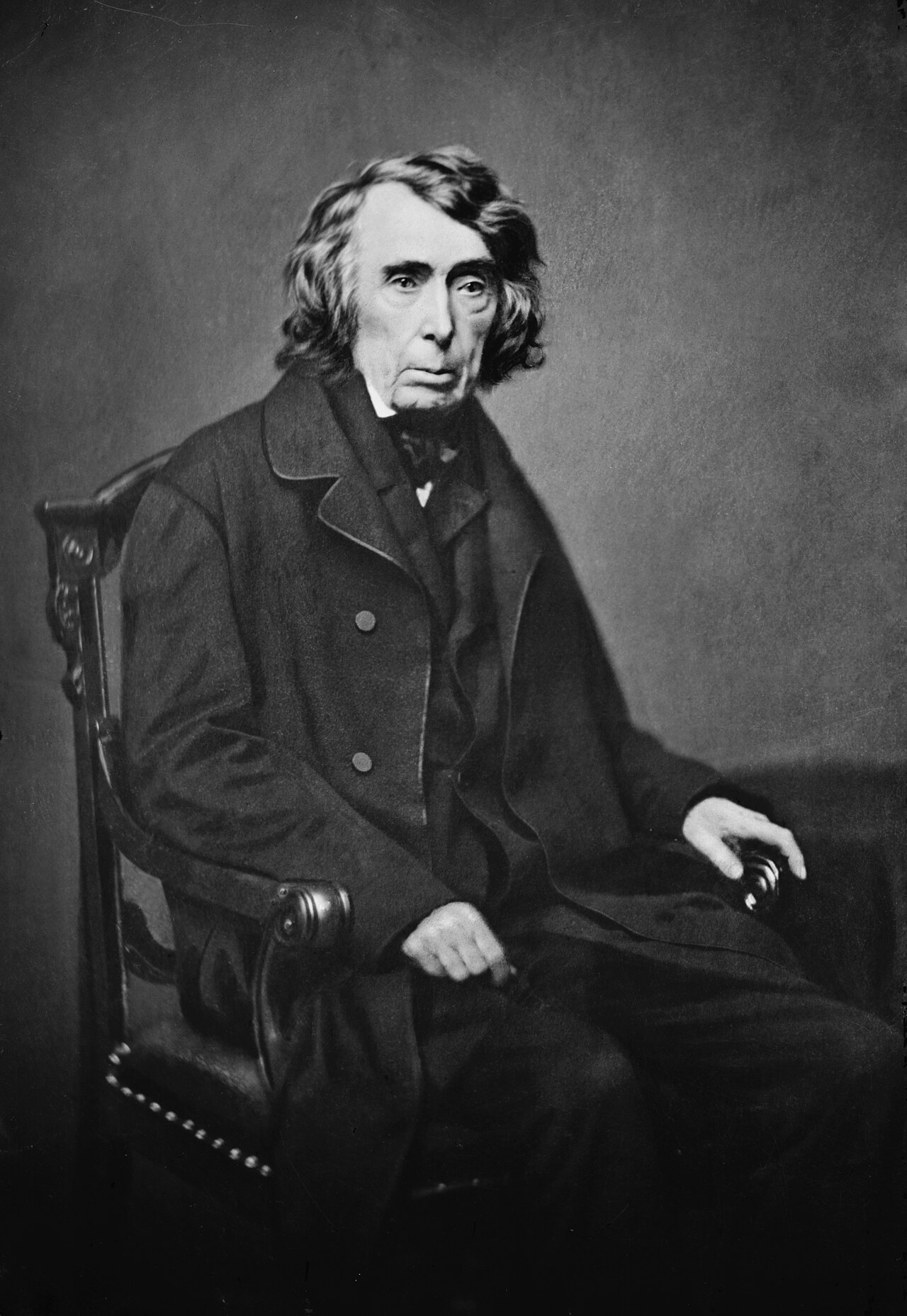
Roger B. Taney - Brady-Handy
Mathew Benjamin Brady
Primary source
Charles River Bridge v. Warren Bridge opinion
Roger B. Taney · 1837
Primary source
House Divided Speech
Abraham Lincoln · 16 June 1858
Ready when you are
Start chatting with Roger B. Taney now.
20 messages free · No credit card · Available in 50+ languages.