


Primary sourceDocument1851
Henderson v. Tennessee
Roger B. Taney · 1851
An 1851 Supreme Court opinion by Roger B. Taney about a disputed ejectment case over land title and a judge's charge to the jury.
Taney wrote this Court opinion as chief justice, reviewing a lower court's handling of a land possession trial.
About this source
What it is
This is the Supreme Court opinion in Henderson v. Tennessee, 51 U.S. 311, dated 1851 and written by Roger B. Taney, who was chief justice of the United States. The record lists it in the Wikisource collection of Court opinions. The case was an ejectment action, a suit over possession of land. The opinion discusses how Thomas Henderson had taken possession for the heirs of Andrew Miller, and it criticizes a judge's charge to the jury as unwarranted. It also refers to the Judiciary Act's twenty-fifth section, which allowed the Supreme Court to review final judgments.
Why it matters
The opinion shows how the Court checked the conduct of lower courts and held that a trial judge's statements to a jury could not simply stand unchallenged. It also shows how legal arguments about possession and outstanding titles were handled in the mid-1800s. The curator's note describes the case as having limited teaching value, so it is best read as an example of how appellate review worked.
Look closer
- Why did the Court say the judge's charge could not be taken as legal and true?
- What does the case reveal about how land possession was proven in this period?
- Which people involved in the dispute are not named clearly in this excerpt, and how might that change the story?
This document is part of the curated material that grounds the AI version of Roger B. Taney on Humy.ai — when students ask about related events, the AI can quote it and cite it.
More Roger B. Taney sources
Meet the AI Roger B. Taney →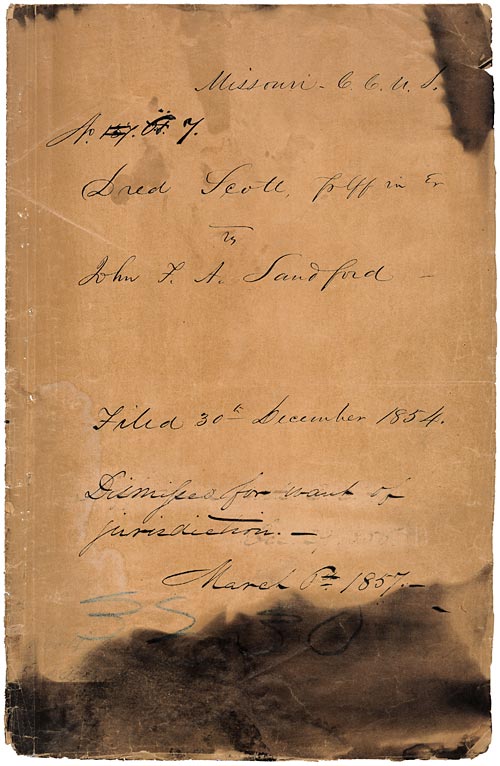 Document
Primary source
Dred Scott v. Sandford
Roger B. Taney · 6 March 1857
 Document
Primary source
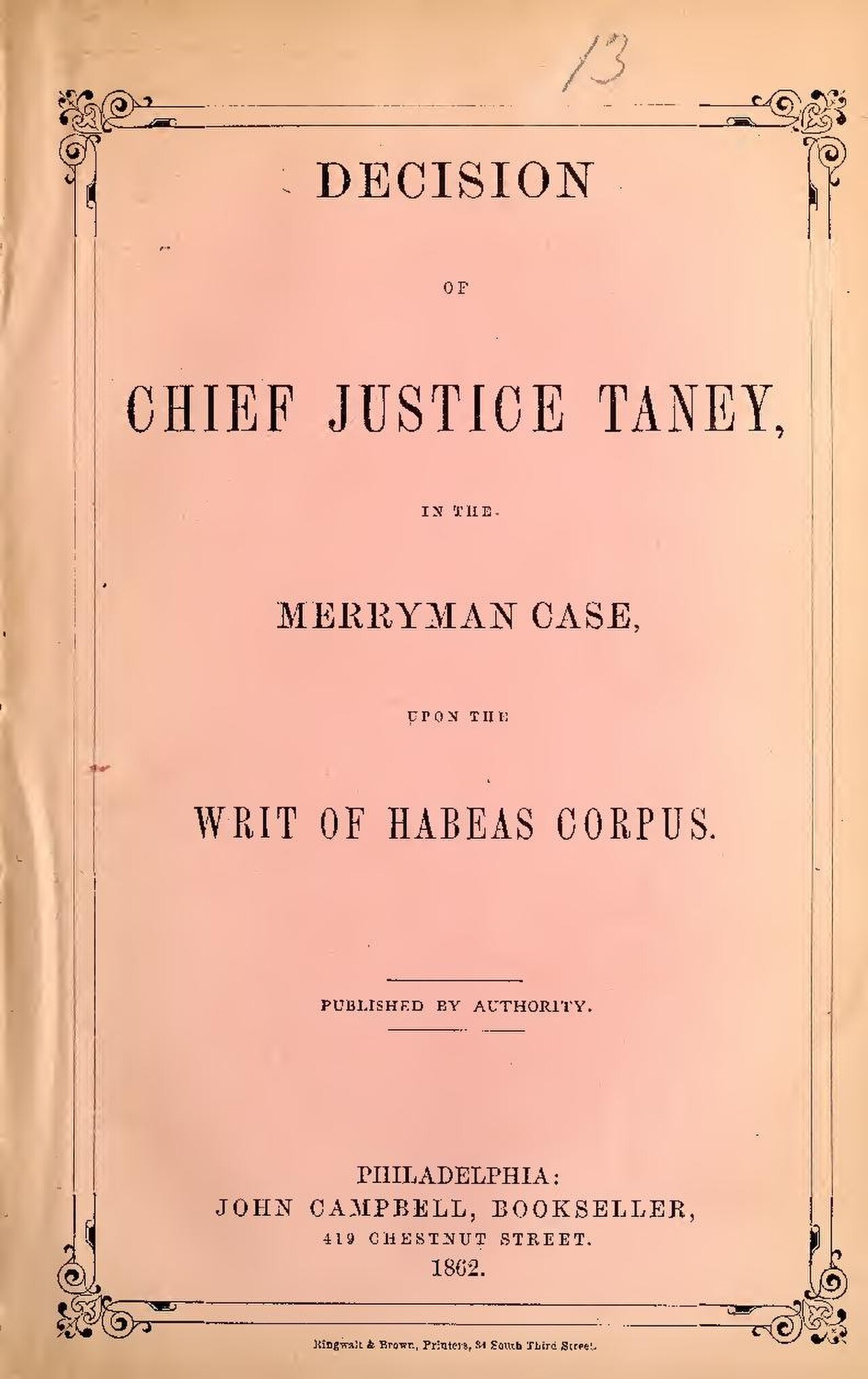
Ex parte Merryman opinion
Roger B. Taney · 1861
 Photograph
Primary source
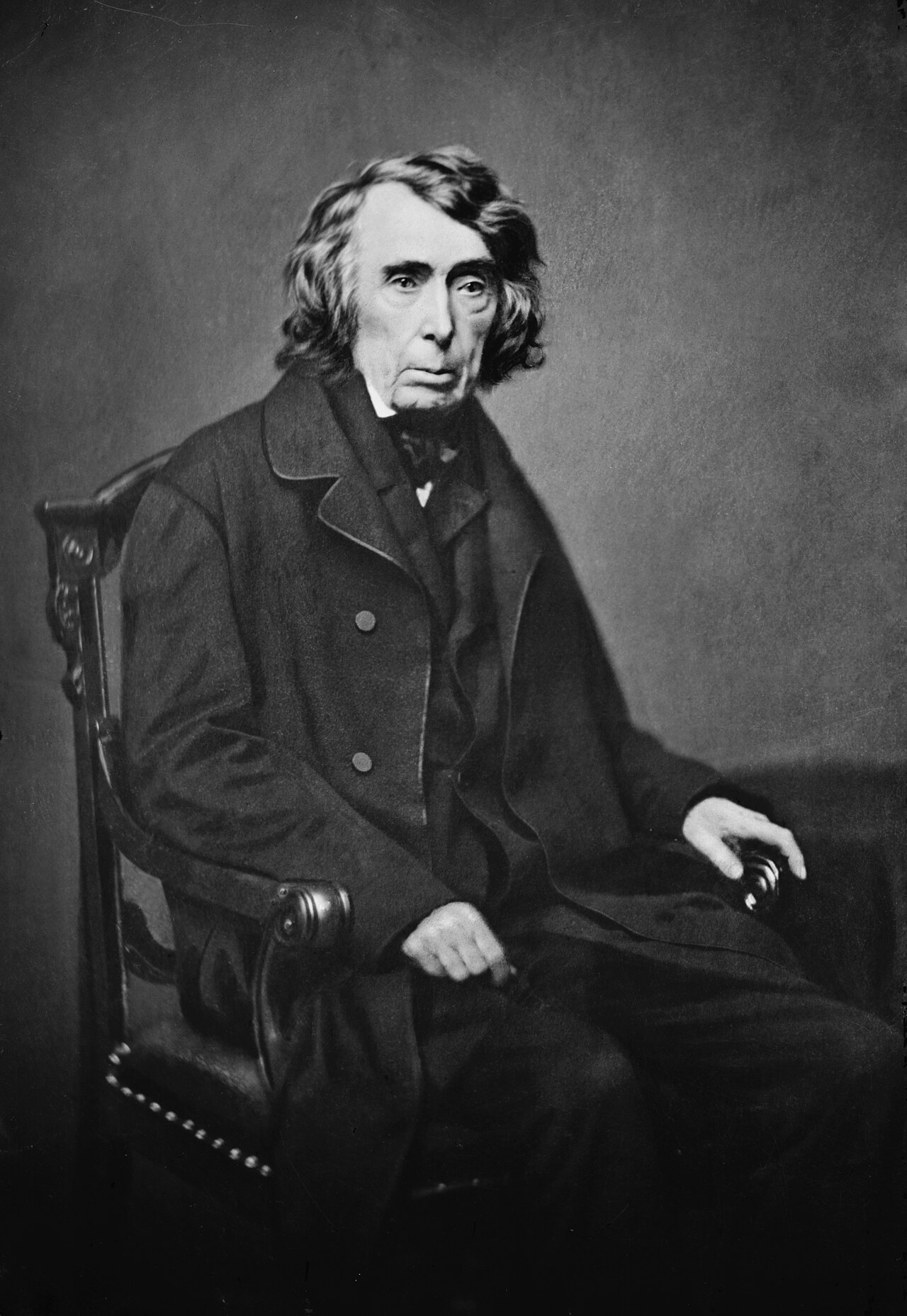
Roger B. Taney - Brady-Handy
Mathew Benjamin Brady
Primary source
Charles River Bridge v. Warren Bridge opinion
Roger B. Taney · 1837
Primary source
House Divided Speech
Abraham Lincoln · 16 June 1858
Ready when you are
Start chatting with Roger B. Taney now.
20 messages free · No credit card · Available in 50+ languages.