


Primary sourceDocument1865
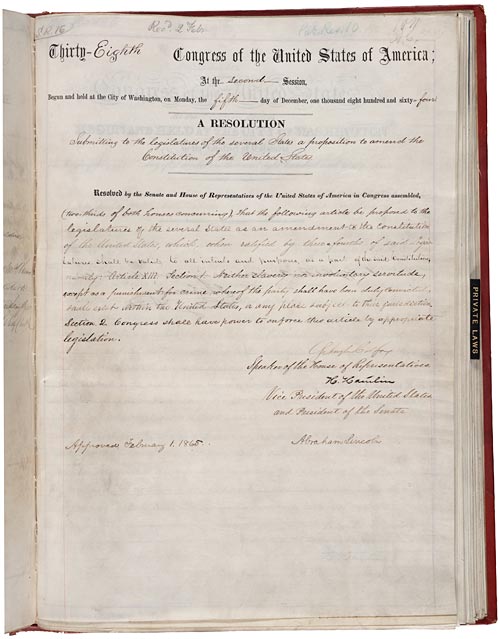
13th Amendment to the U.S. Constitution
1865
The 1865 constitutional amendment abolishing slavery in the United States, the cause for which Harriet Tubman had risked her life.
Abolition under this amendment ended the Underground Railroad work Still had led and prompted his later published history of it.
About this source
What it is
This is the House Joint Resolution proposing the 13th Amendment to the U.S. Constitution, passed by Congress on January 31, 1865, and approved by President Lincoln on February 1, 1865. It is held by the U.S. National Archives.
Why it matters
The amendment abolished slavery and involuntary servitude throughout the United States, going further than the Emancipation Proclamation, which had only freed enslaved people in Confederate-held areas. Harriet Tubman, who had escaped slavery and spent years helping others do the same, saw this amendment enact in law the freedom she had risked her life for. President Lincoln personally pushed for its passage through Congress.
Look closer
- Why was a constitutional amendment needed in addition to the Emancipation Proclamation?
- What do the handwritten signatures on the document tell you about how laws were formally enacted?
- How might Tubman have felt seeing this become law after her own escape and rescue missions?
This document is part of the curated material that grounds the AI version of William Still, Roger B. Taney, Lucy Stone, Biddy Mason, Wendell Phillips, Elizabeth Van Lew, Harriet Tubman, Frederick Douglass, Sojourner Truth, Elizabeth Cady Stanton, Susan B. Anthony, James A. Garfield, Andrew Johnson, Harriet Beecher Stowe, William Lloyd Garrison, John Wilkes Booth, Robert E. Lee, Robert Smalls, Levi Coffin, Lucretia Mott, William H. Seward, Charles Sumner, Martin Delany, Thaddeus Stevens, Joseph Rainey, Harriet Robinson Scott, Henry Highland Garnet and Harriet Jacobs on Humy.ai — when students ask about related events, the AI can quote it and cite it.
More William Still sources
Meet the AI William Still → Book
Primary source
The Underground Rail Road
William Still · 1872
 Photograph
Primary source
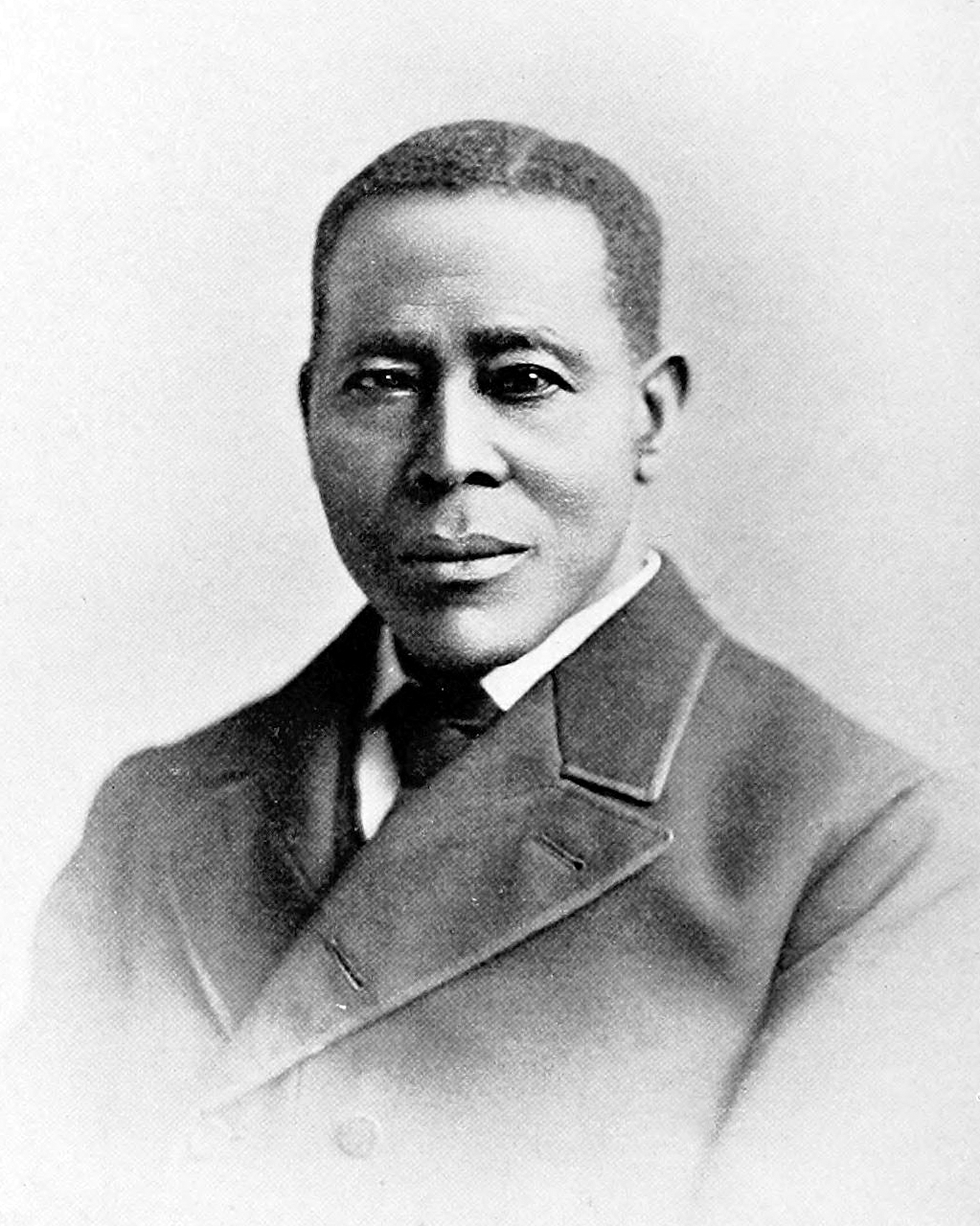
Portrait of William Still
 Painting
Primary source
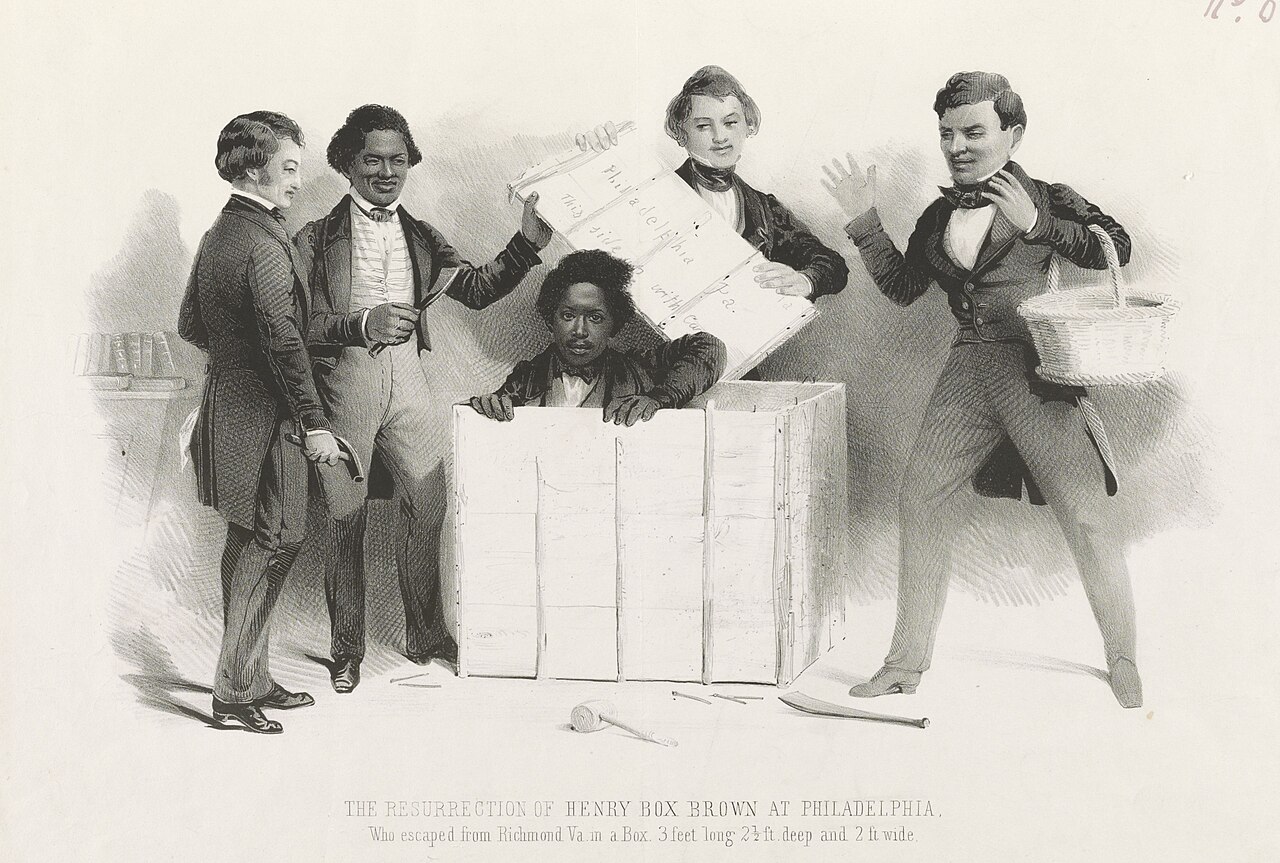
The Resurrection of Henry Box Brown at Philadelphia
Samuel W. Rowse · 1850
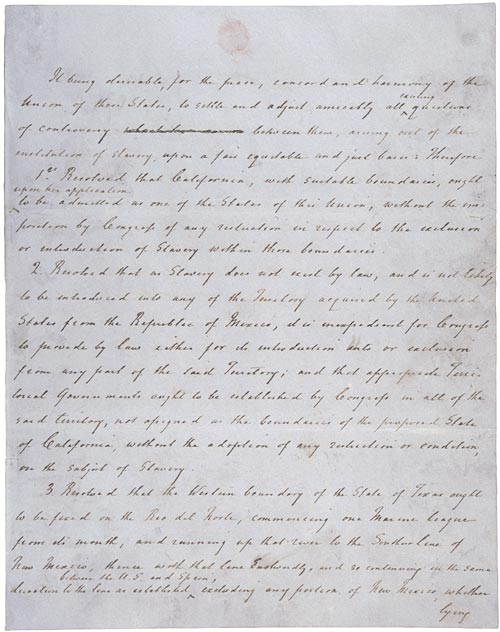 Document
Primary source
Compromise of 1850
Henry Clay · 29 January 1850 (resolutions); statutes enacted September 1850
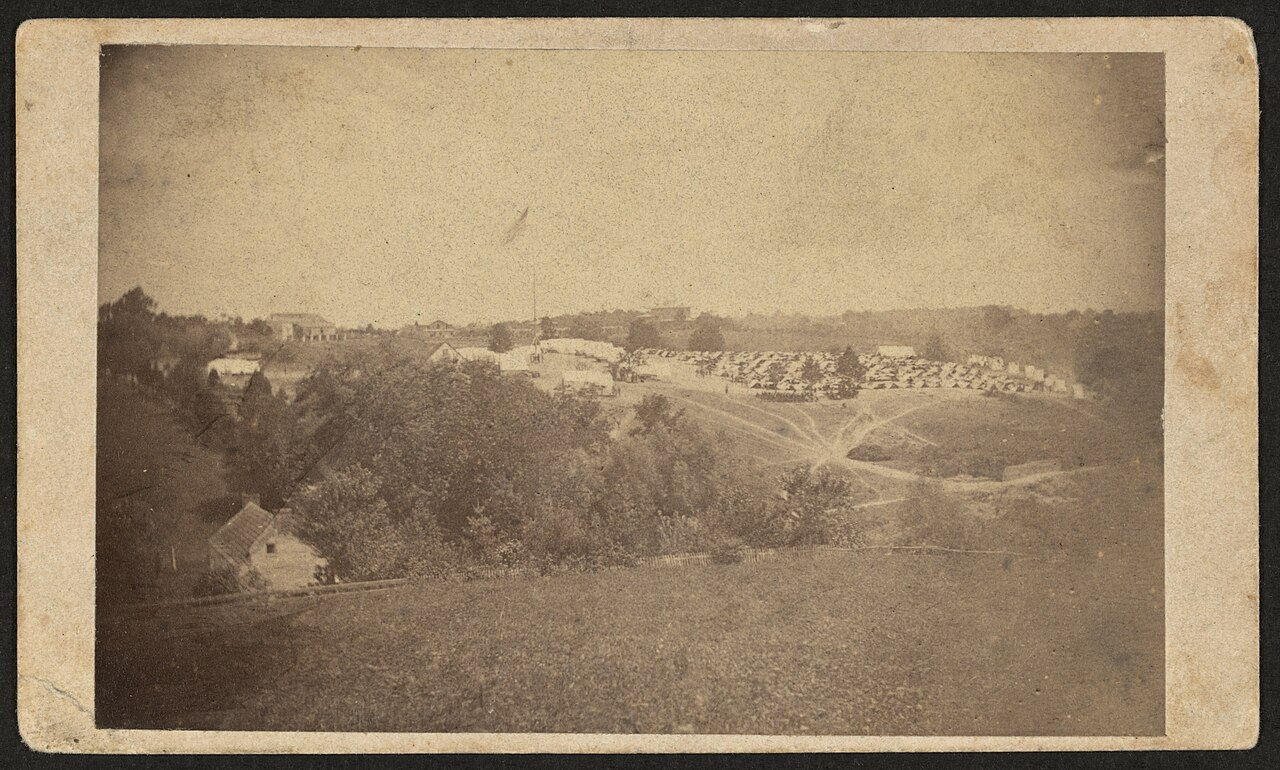 Photograph
Primary source
Camp William Penn
B.F. Reimer · 1863
Ready when you are
Start chatting with William Still now.
20 messages free · No credit card · Available in 50+ languages.