


Primary sourceDocument1851
Parks v. Turner
Roger B. Taney · 1851
An 1851 Supreme Court opinion by Roger B. Taney about a promissory note that the borrower said had no consideration.
Taney wrote this Court opinion as chief justice, reviewing a federal trial over a promissory note in Louisiana.
About this source
What it is
This is the Supreme Court opinion in Parks v. Turner, 53 U.S. 39, dated 1851 and written by Roger B. Taney, who was chief justice of the United States. The record lists it in the Wikisource collection of Court opinions. The case began in the Circuit Court for the Eastern District of Louisiana, where Turner and Renshaw sued Parks over a promissory note for a large sum of dollars. Parks answered that the note was given without any consideration and was therefore void. A jury found for the plaintiffs, and the court gave judgment for them. Parks then brought a writ of error to the Supreme Court.
Why it matters
The opinion shows how the Court reviewed the trial of a commercial debt and how a contract defense of lack of consideration was handled. It reflects the ordinary business of federal courts in the 1850s. The curator's note describes it as a routine case with limited value for students, so it is most useful as a record of everyday commercial litigation.
Look closer
- What did Parks argue, and why would a lack of consideration matter to a promissory note?
- What does the jury's short verdict tell you about how trials were recorded?
- What details about the parties and their business relationship does the opinion leave out?
This document is part of the curated material that grounds the AI version of Roger B. Taney on Humy.ai — when students ask about related events, the AI can quote it and cite it.
More Roger B. Taney sources
Meet the AI Roger B. Taney →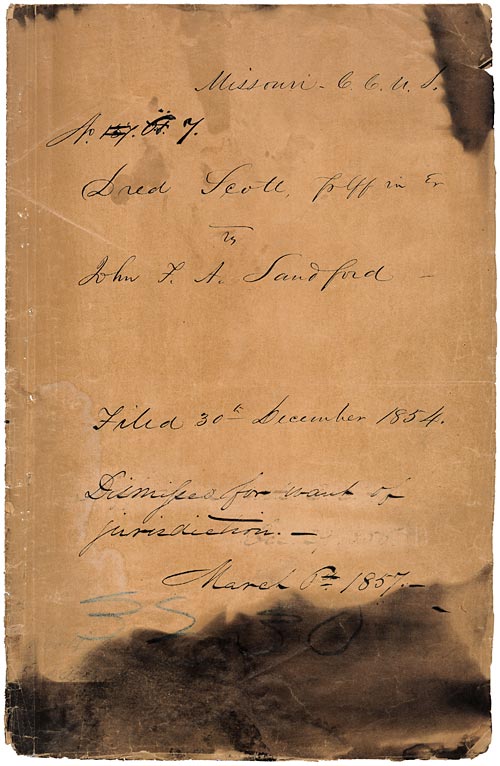 Document
Primary source
Dred Scott v. Sandford
Roger B. Taney · 6 March 1857
 Document
Primary source
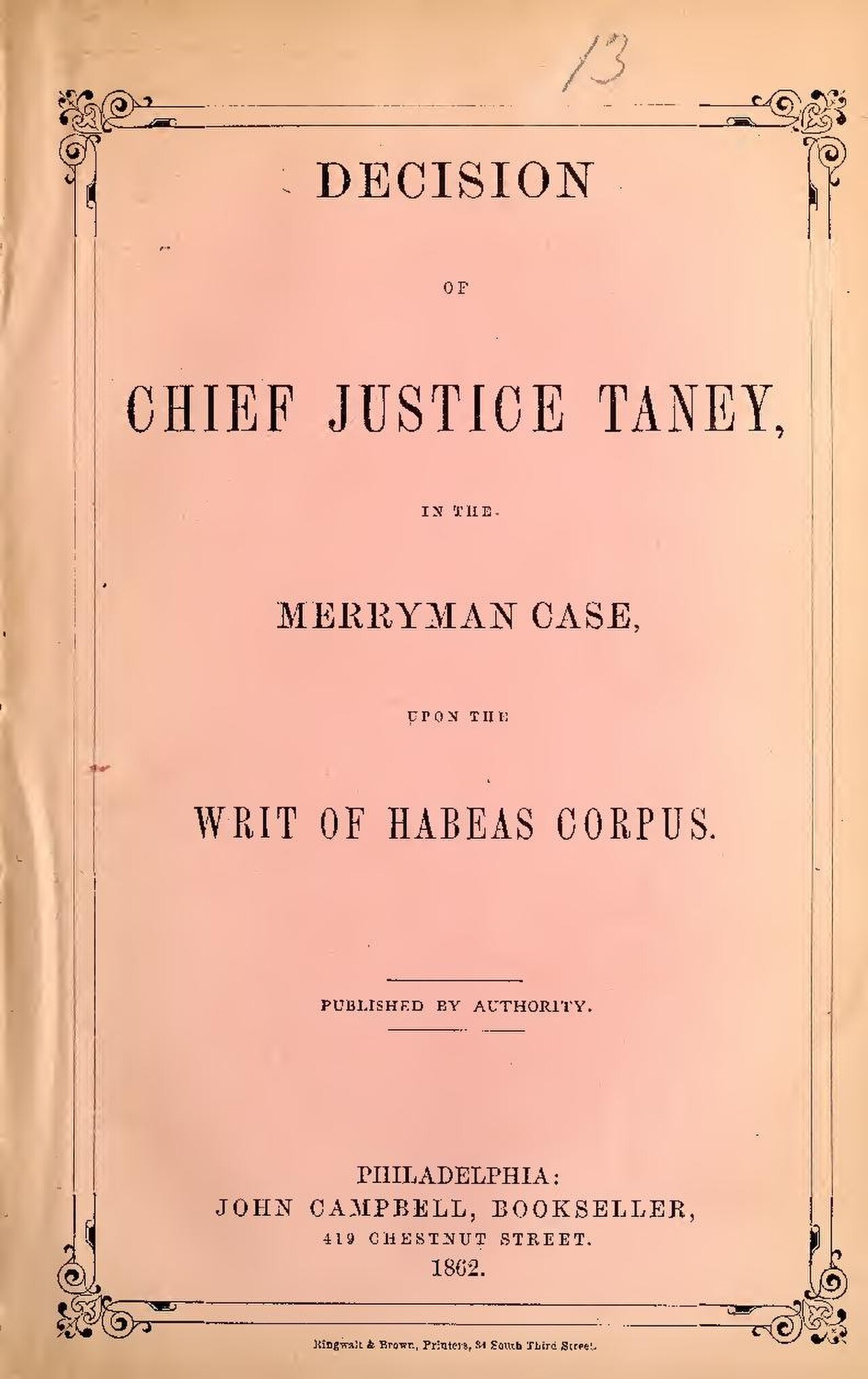
Ex parte Merryman opinion
Roger B. Taney · 1861
 Photograph
Primary source
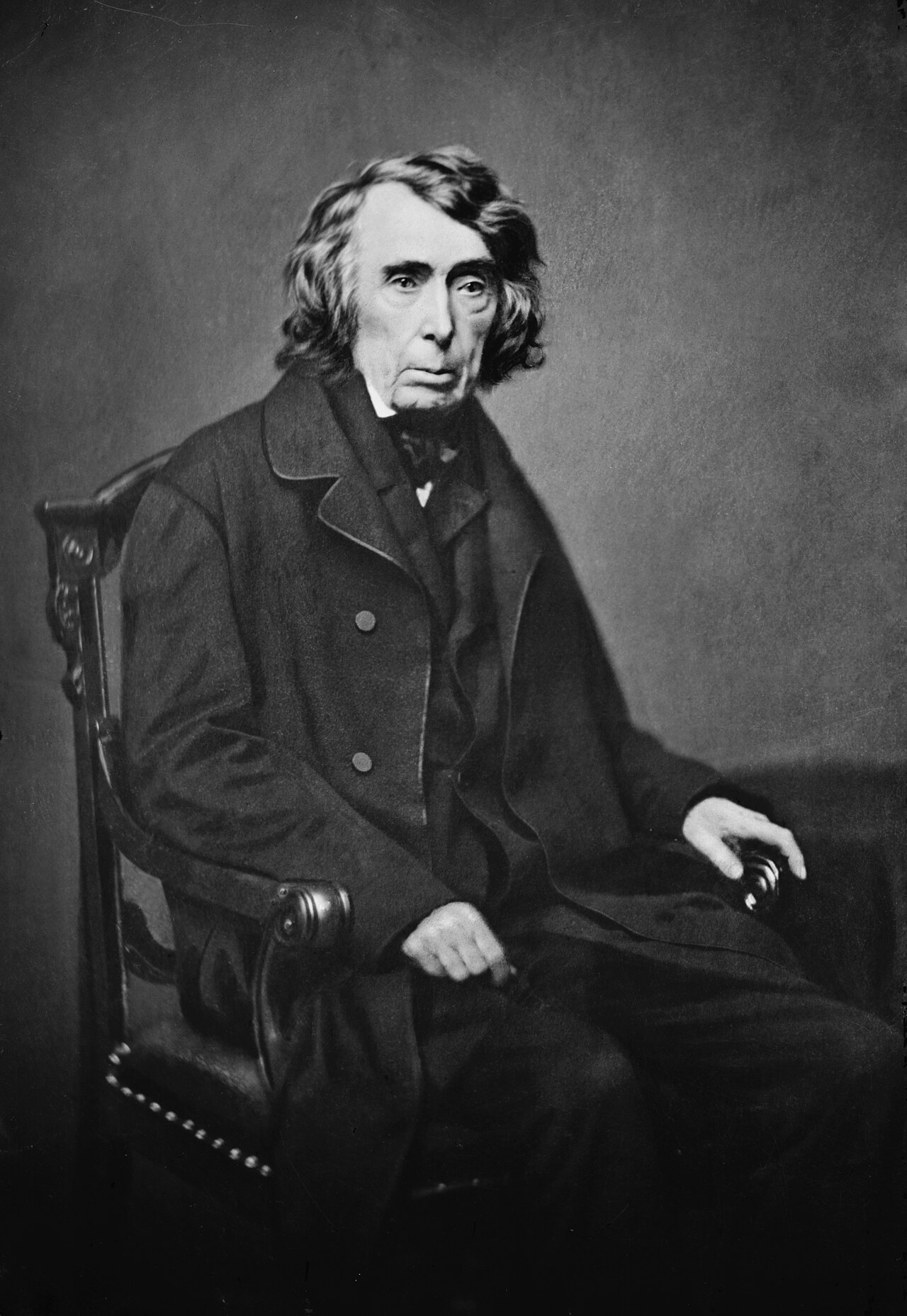
Roger B. Taney - Brady-Handy
Mathew Benjamin Brady
Primary source
Charles River Bridge v. Warren Bridge opinion
Roger B. Taney · 1837
Primary source
House Divided Speech
Abraham Lincoln · 16 June 1858
Ready when you are
Start chatting with Roger B. Taney now.
20 messages free · No credit card · Available in 50+ languages.