


Primary sourceArtifactbegun 1519
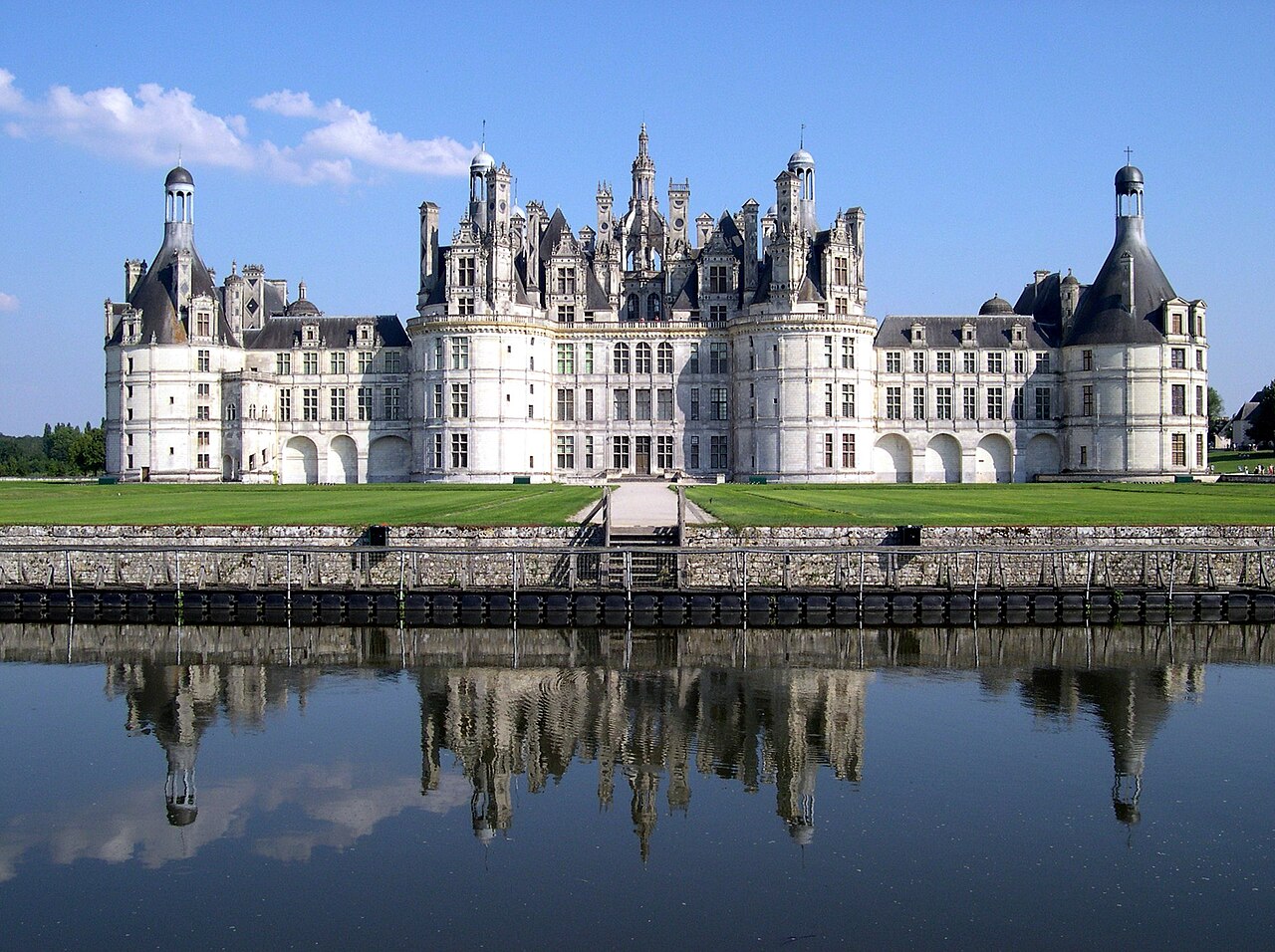
Château de Chambord
Domenico da Cortona (attributed) · begun 1519
A huge Renaissance hunting château in the Loire Valley, commissioned by Francis I and built from 1519 to 1547.
Francis I commissioned Chambord as a grand display of his wealth, power and Italianate artistic taste.
About this source
What it is
The Château de Chambord in the Loire Valley was commissioned by Francis I of France and built between 1519 and 1547 as a hunting lodge. Its design is attributed to the Tuscan architect Domenico da Cortona, and Leonardo da Vinci may have influenced it, including possibly its famous double-spiral staircase.
Why it matters
Chambord blends French medieval castle features with Italian Renaissance style, showing Francis's fascination with Italy and his desire to display wealth and power. He later used it to host his rival, Charles V, Holy Roman Emperor. It is the largest château in the Loire Valley and remains one of the most recognisable buildings in France.
Look closer
- What features of Chambord look like a castle, and which look purely decorative?
- Why might a king build such an impractical, expensive hunting lodge?
- What does using it to impress a rival ruler tell you about its real purpose?
This artifact is part of the curated material that grounds the AI version of Francis I of France on Humy.ai — when students ask about related events, the AI can quote it and cite it.
More Francis I of France sources
Browse all 92 →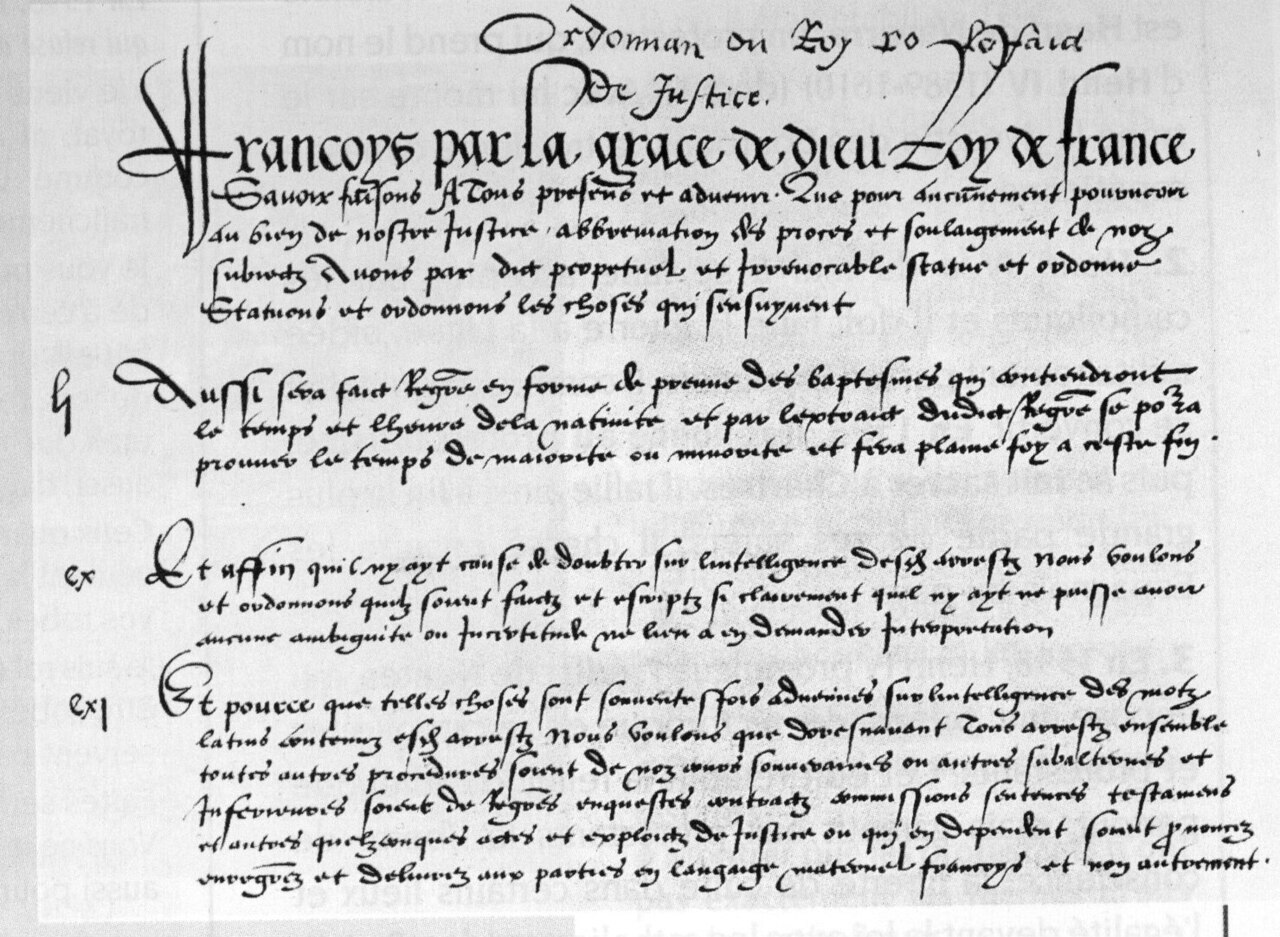 Document
Primary source
Ordinance of Villers-Cotterêts
Francis I of France · 10 August 1539
 Painting
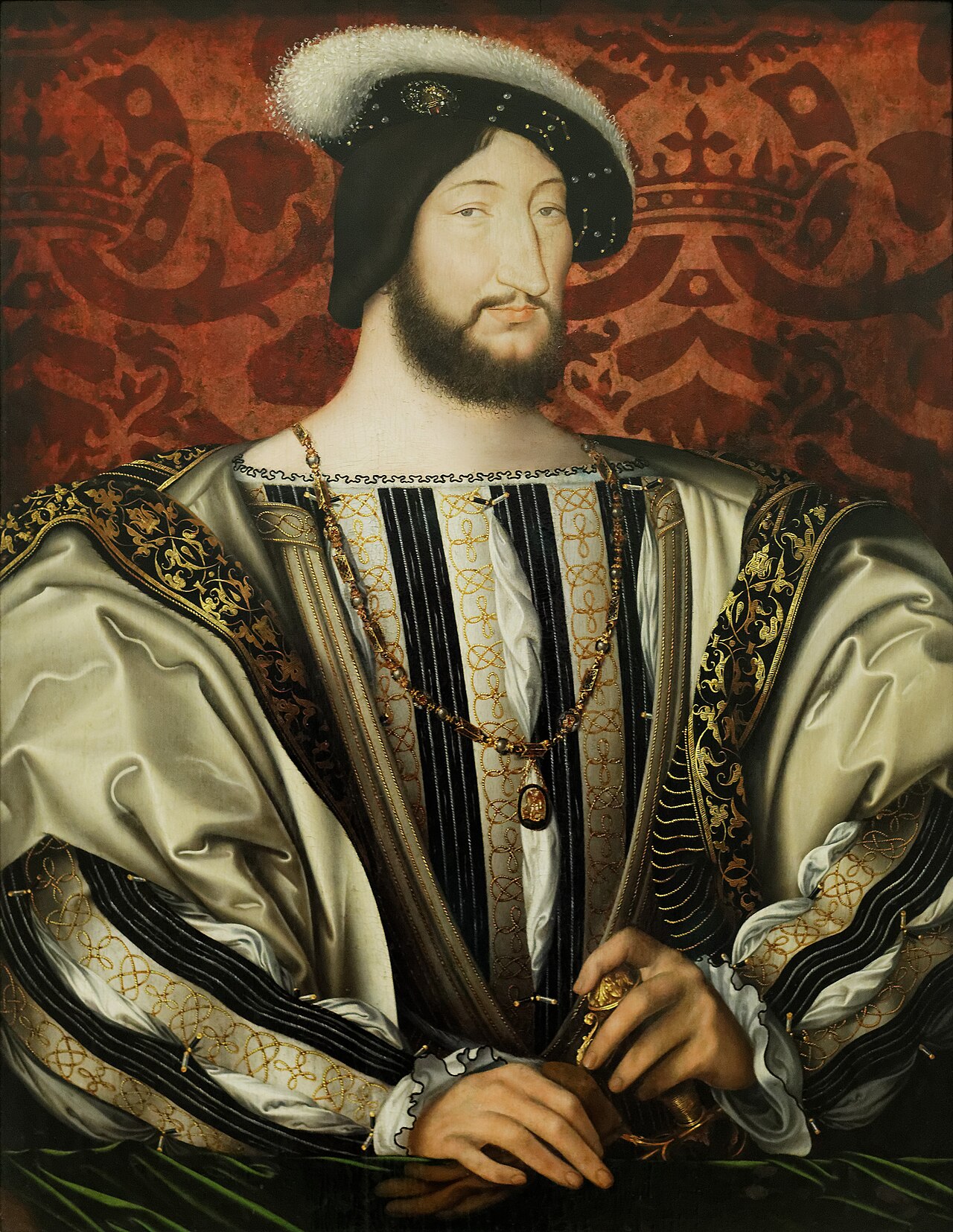
Primary source
Francis I, King of France
Jean Clouet · c. 1528-1530
 Painting
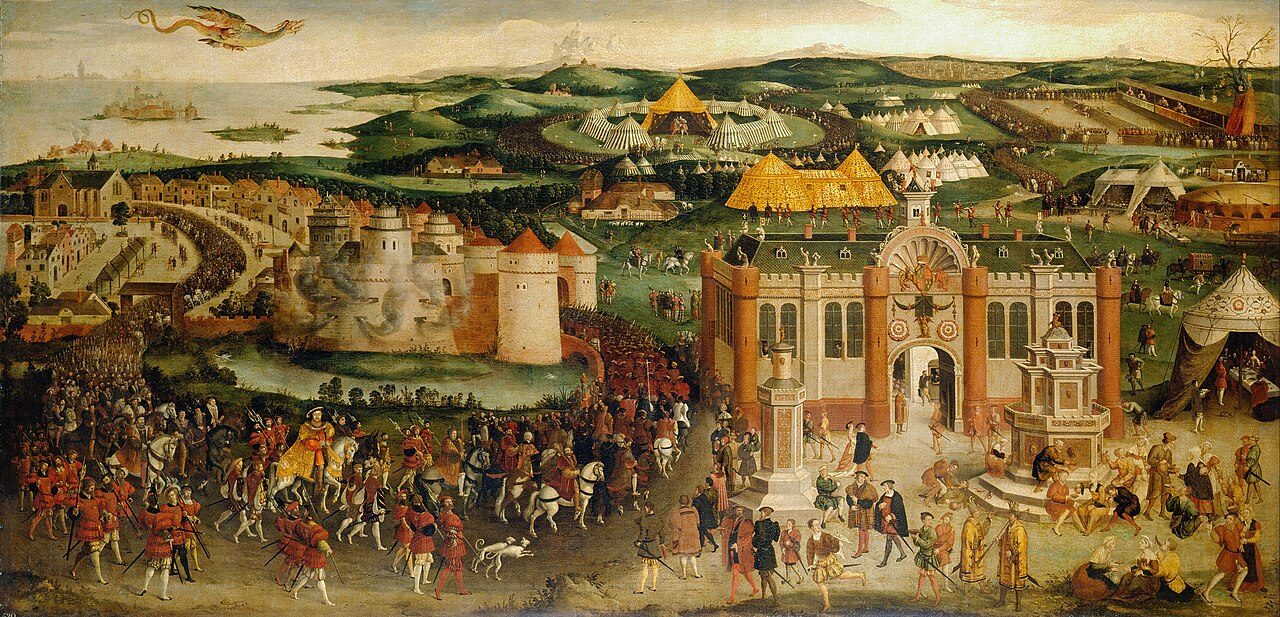
Secondary source
Field of the Cloth of Gold
British School (previously attributed to Hans Holbein the Younger)
 Document
Primary source
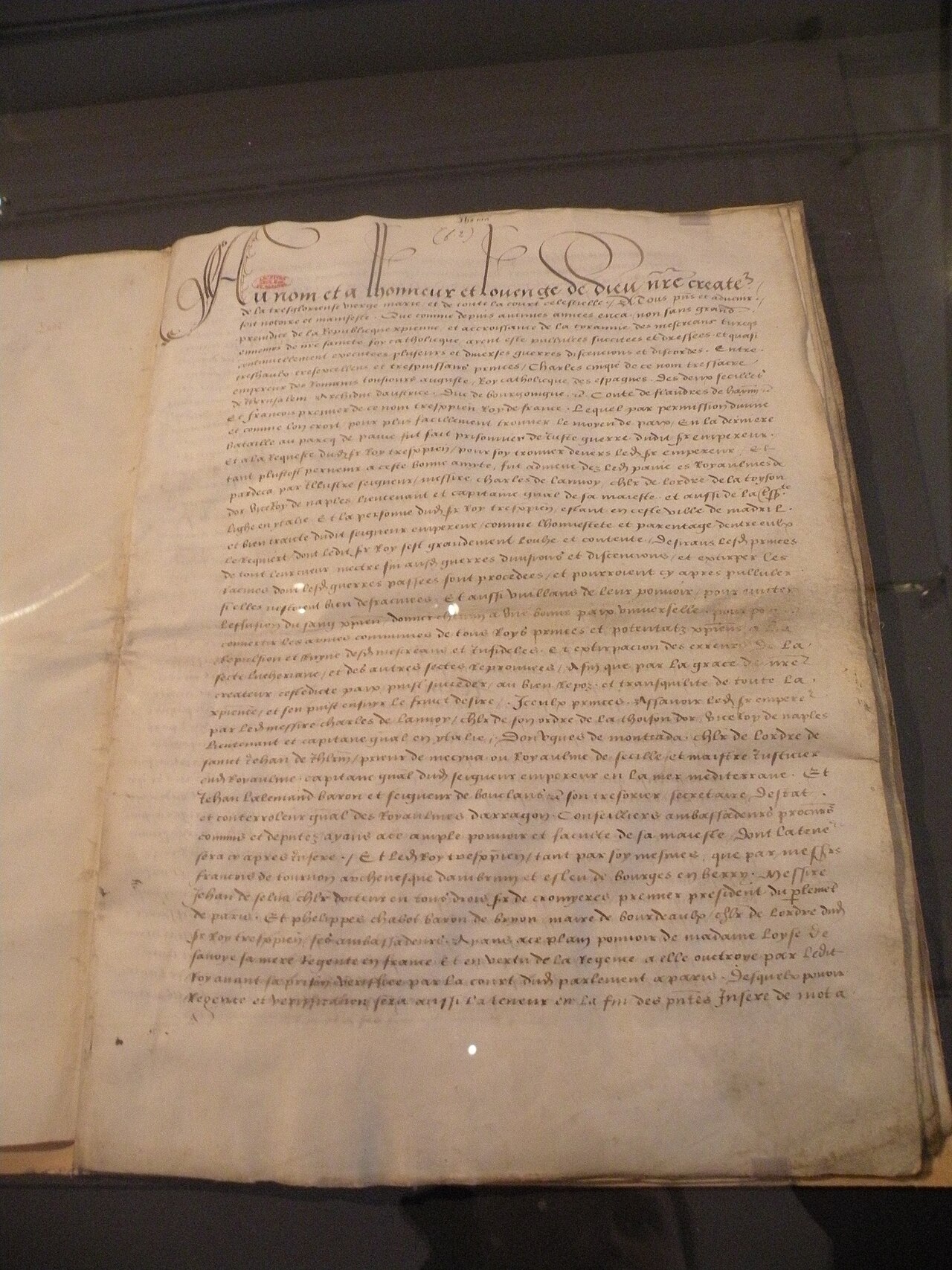
Treaty of Madrid
1526
Free account
Read every Francis I of France source
Sign up free →
Ready when you are
Start chatting with Francis I of France now.
20 messages free · No credit card · Available in 50+ languages.