


Primary sourceDocument1526
Treaty of Madrid
1526
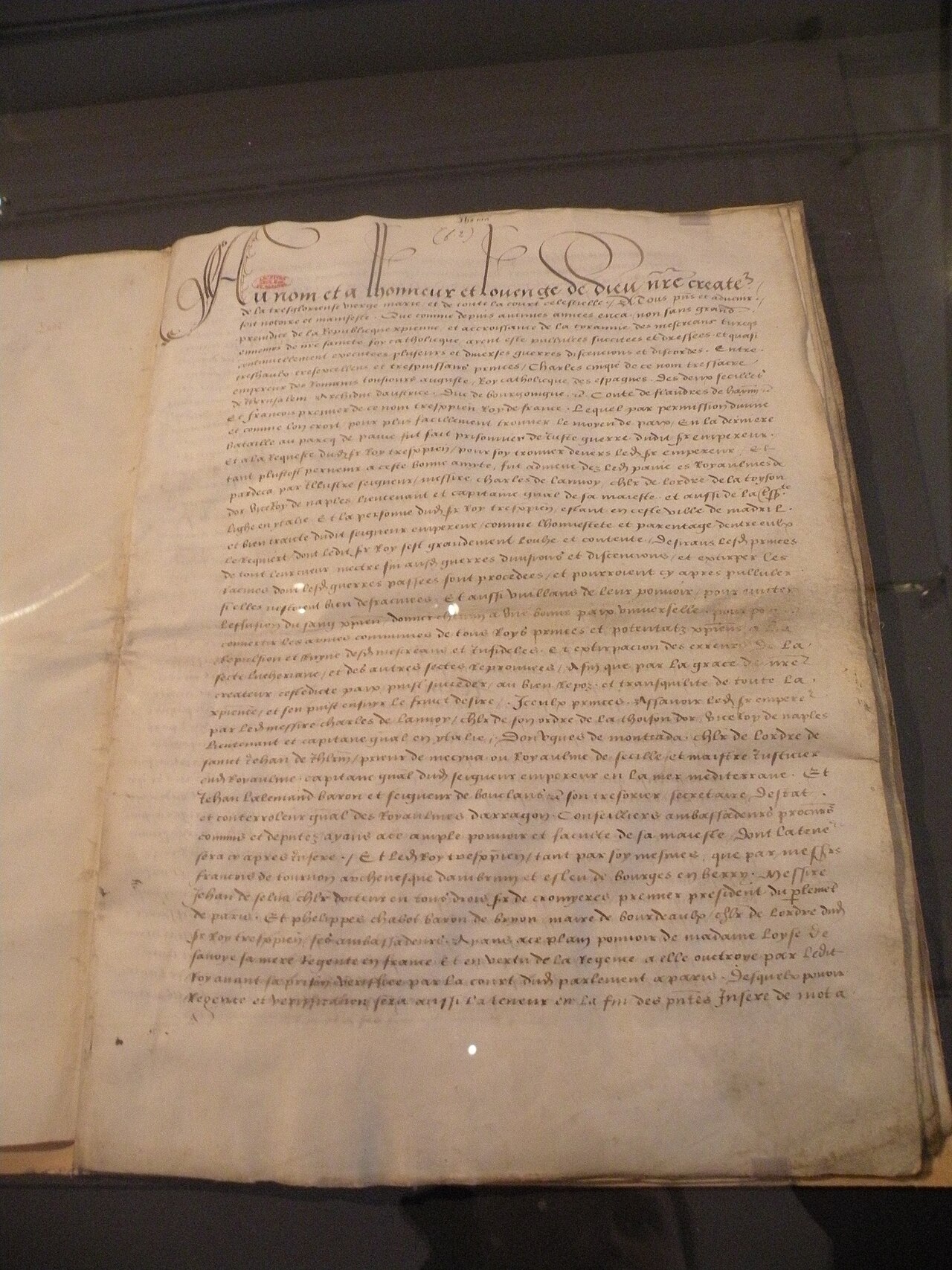
The 1526 treaty Charles V forced on the captive French king Francis I after his victory at Pavia, demanding Burgundy and French claims in Italy.
Charles imposed this treaty on his captive rival Francis I, marking the peak of his triumph after Pavia.
About this source
What it is
This is a treaty signed in 1526 between Charles V, Holy Roman Emperor and Francis I of France, who had been captured at the Battle of Pavia. It forced Francis to renounce his claims in Italy, give up Burgundy, and abandon sovereignty over Flanders and Artois. The document is held in Madrid.
Why it matters
The treaty marked the high point of Charles's victory over his great rival Francis. It shows how rulers used captivity and diplomacy, not just battle, to win territory. Francis later repudiated the treaty once released, showing how fragile such imposed peace could be.
Look closer
- What does the handwriting and sealing of the document suggest about how treaties were made official?
- Why might a captured king agree to terms he later broke?
- What does this treaty leave out about how Francis felt or what happened after his release?
This document is part of the curated material that grounds the AI version of Charles V, Holy Roman Emperor on Humy.ai — when students ask about related events, the AI can quote it and cite it.
More Charles V, Holy Roman Emperor sources
Browse all 97 →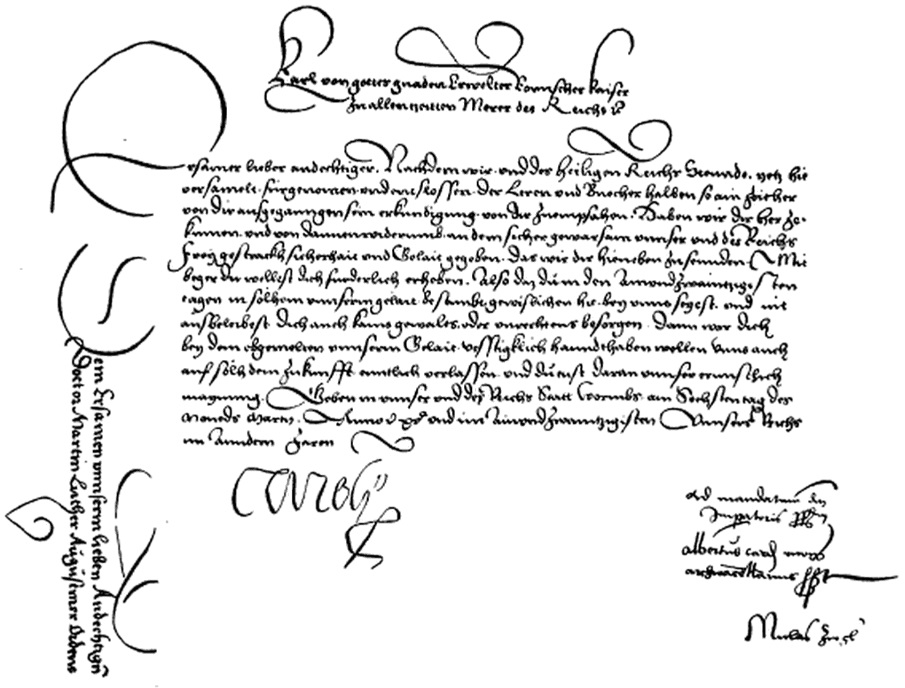 Document
Primary source
Summons for Luther to appear at the Diet of Worms
1521
 Painting
Primary source
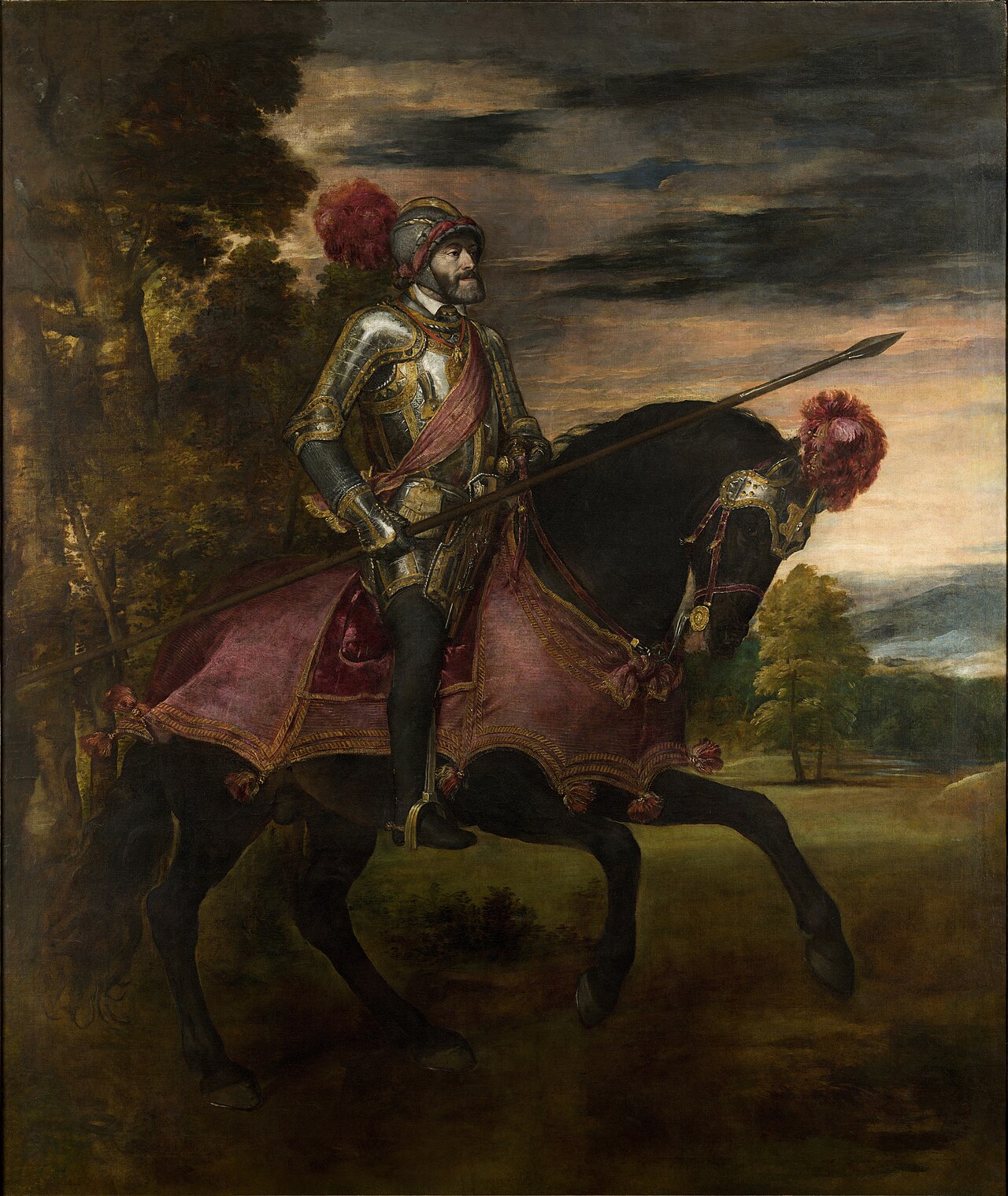
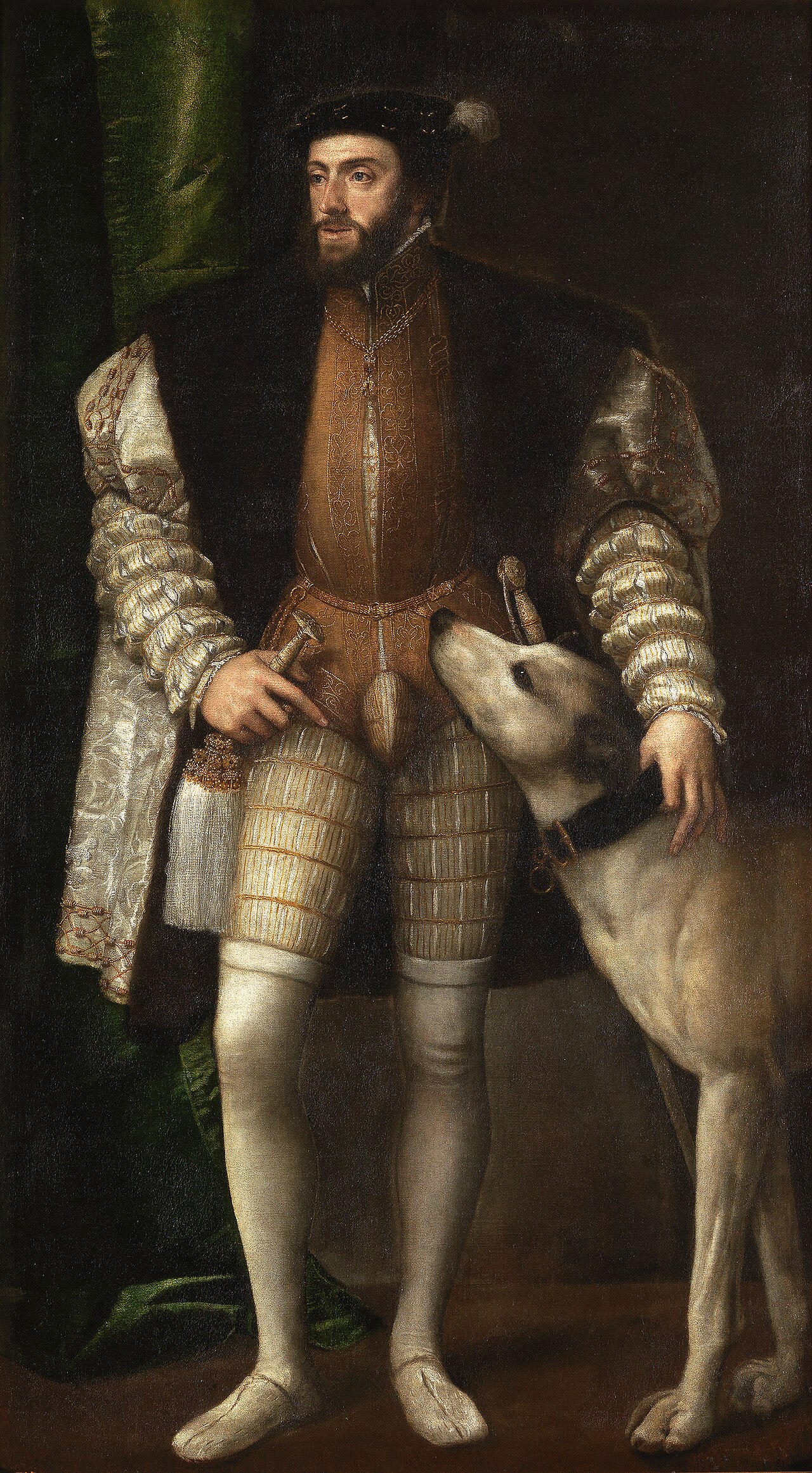
Equestrian Portrait of Charles V
Titian · 1548
 Document
Primary source
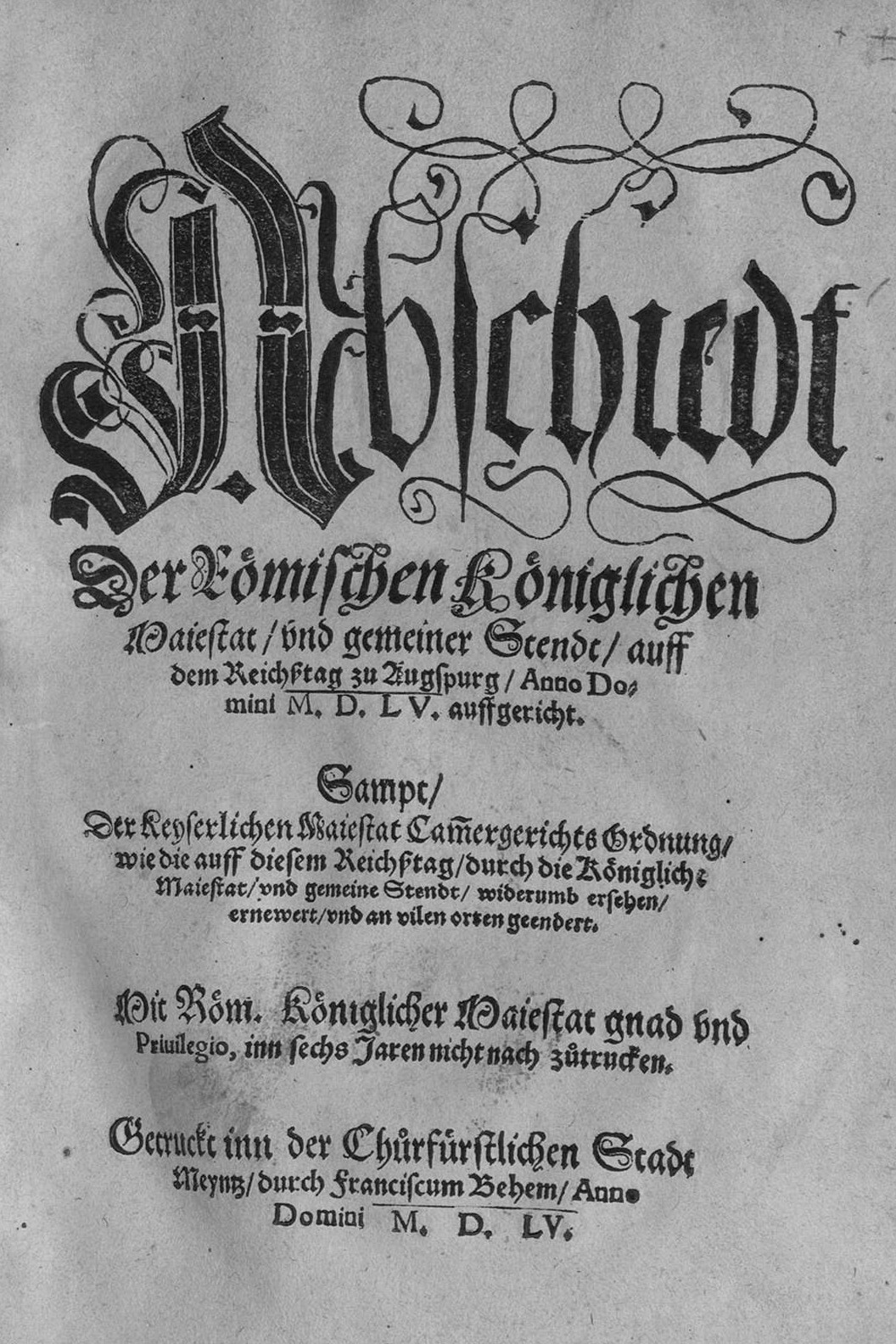
Peace of Augsburg
1555
 Letter
Primary source
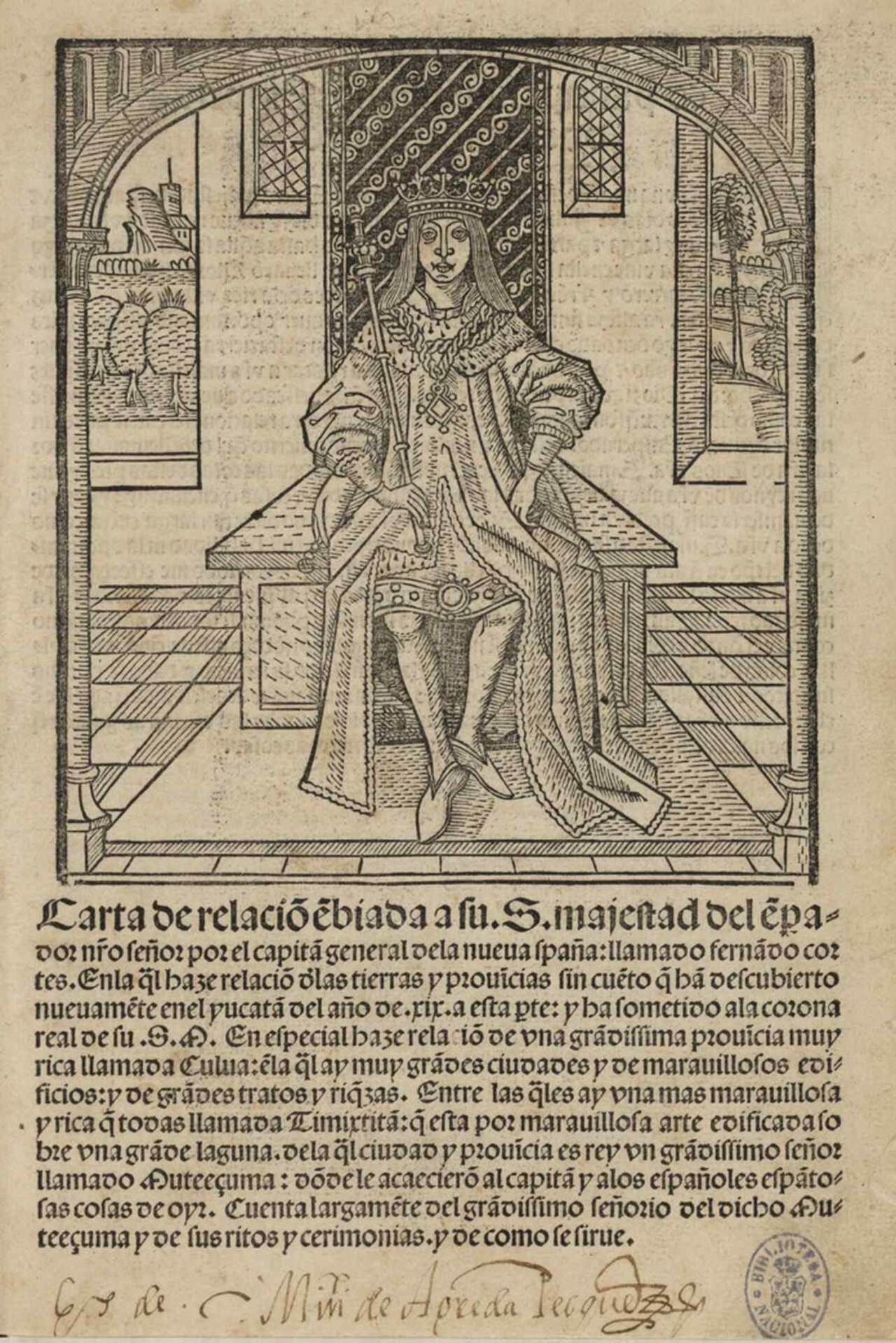
Second Letter to Charles V
Hernán Cortés · 1520 (printed 1522)
Free account
Browse every Charles V, Holy Roman Emperor source
Sign up free →
Ready when you are
Start chatting with Charles V, Holy Roman Emperor now.
20 messages free · No credit card · Available in 50+ languages.