


Secondary sourcePainting1801
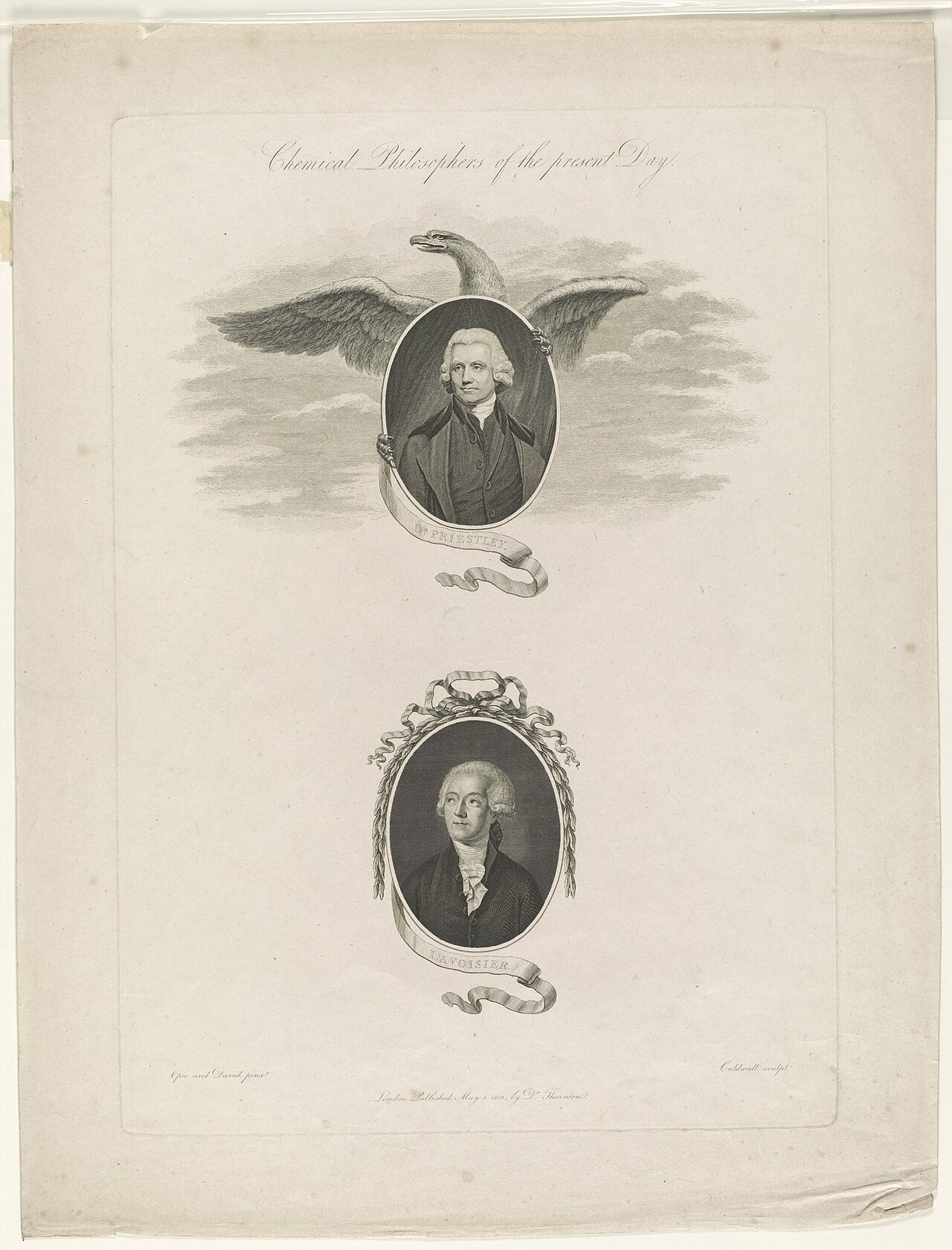
Chemical Philosophers of the Present Day: Priestley and Lavoisier
James Caldwall · 1801
An 1801 engraving by James Caldwall showing Lavoisier beside Priestley, made seven years after Lavoisier's death, from paintings by John Opie and Jacques-Louis David.
Shows Lavoisier beside Joseph Priestley in an 1801 engraving, made after his death, showing the reputation he had in print.
About this source
What it is
This is an engraving printed on a plate of 460 by 320 millimetres. It shows two oval portraits. At the top is a man in a wig and dark coat, with an eagle with spread wings behind him, labelled Dr. Priestley. At the bottom is a man in a wig and white cravat, framed by a laurel wreath and ribbon, labelled Lavoisier. The catalogue record gives the title as Chemical philosophers of the present day, names Opie and David as the painters and James Caldwall as the engraver, and dates the print to 1801. It is held by the Wellcome Collection and was also recorded on Wikimedia Commons.
Why it matters
Lavoisier was executed in 1794, so this print shows how his reputation was kept alive in print seven years later. It places him beside Priestley, a chemist whose work was often compared with his. The painters Opie and David and the engraver Caldwall all shaped the final image. The print shows how a scientist's public standing could be built through pictures sold to readers.
Look closer
- What does the placing of Priestley above and Lavoisier below suggest about how the makers ranked them?
- Why might the title describe both men as chemical philosophers?
- What does the print not tell us about the scientific disagreements between these two men?
This painting is part of the curated material that grounds the AI version of Antoine Lavoisier on Humy.ai — when students ask about related events, the AI can quote it and cite it.
More Antoine Lavoisier sources
Browse all 87 →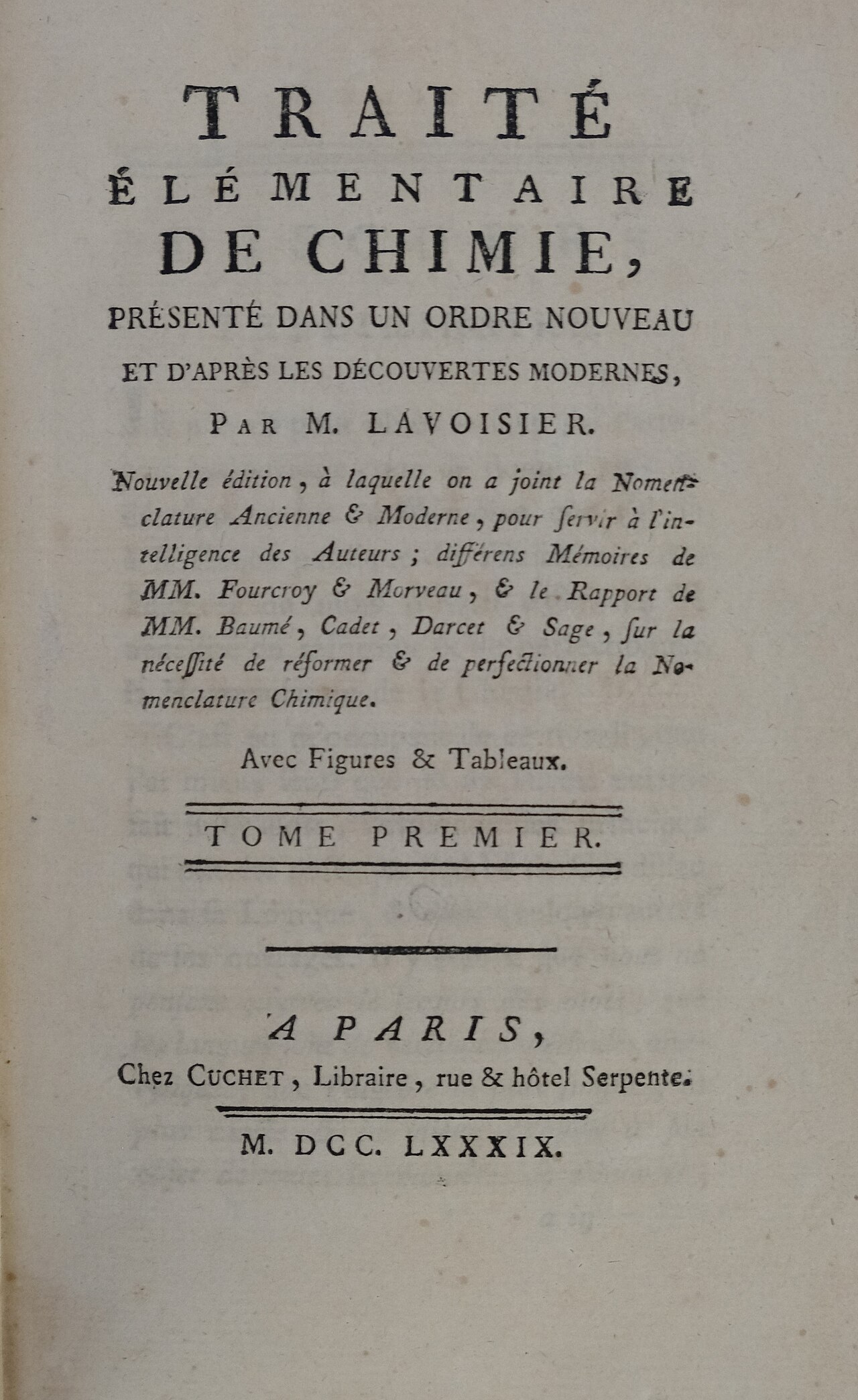 Book
Primary source
Traité Élémentaire de Chimie
Antoine Lavoisier · 1789
 Painting
Primary source
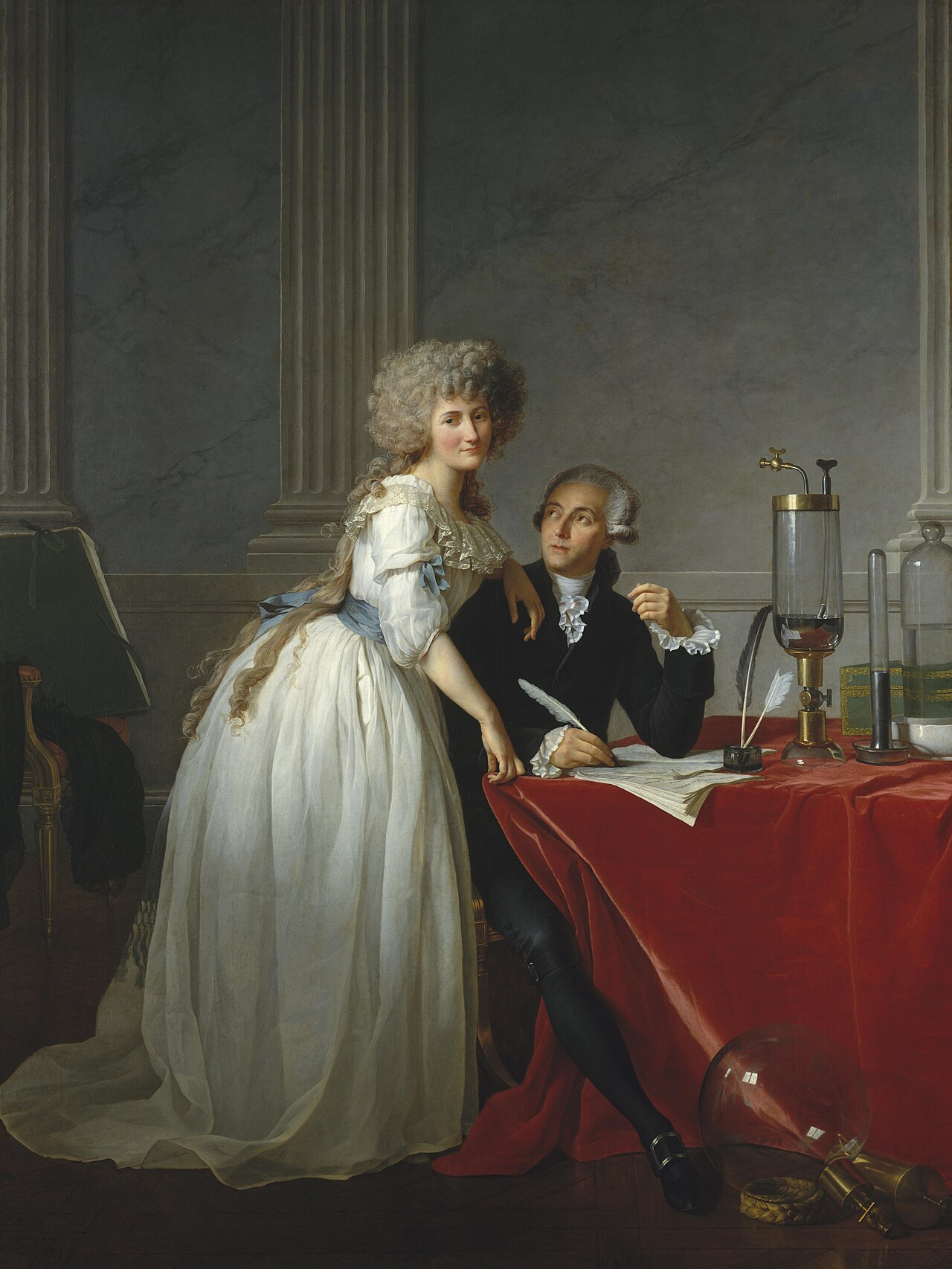
Portrait of Antoine-Laurent Lavoisier and his wife
Jacques-Louis David · 1788
 Artifact
Primary source
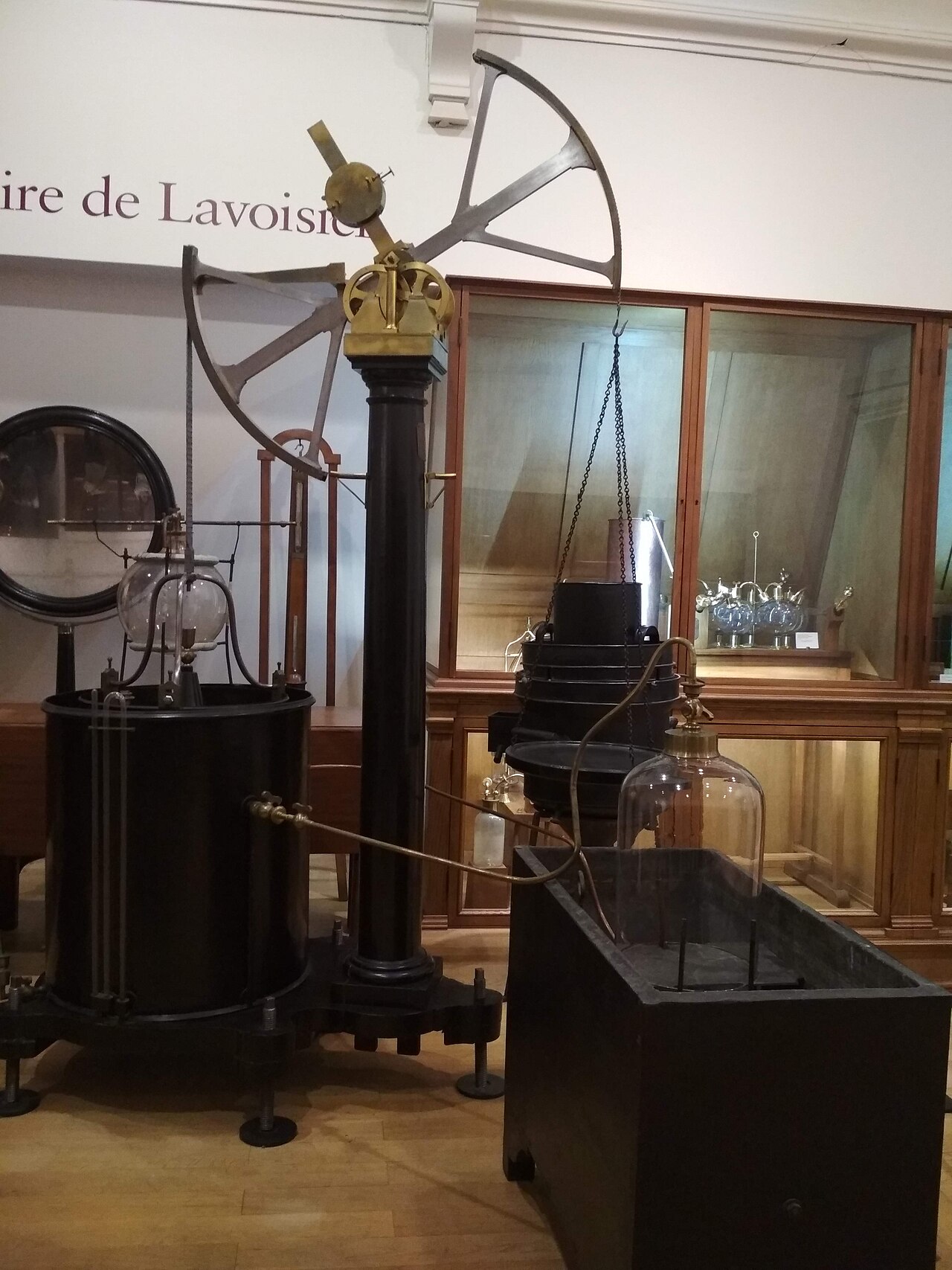
Lavoisier's ice calorimeter
Antoine Lavoisier and Pierre-Simon Laplace · c. 1782-1783
 Artifact
Primary source
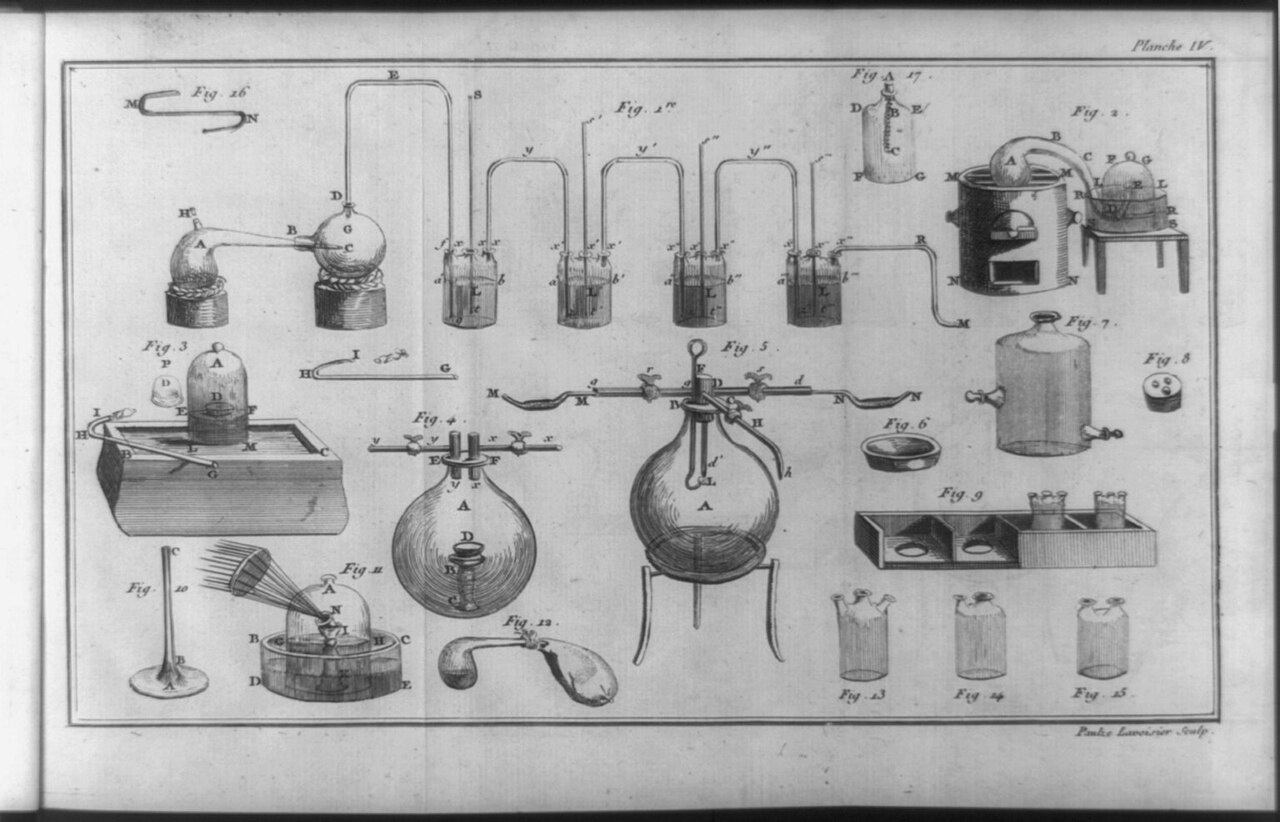
Scientific Apparatus Used by Lavoisier in Studying Chemical Reactions
Marie-Anne Paulze Lavoisier
Free account
Read every Antoine Lavoisier source
Sign up free →
Ready when you are
Start chatting with Antoine Lavoisier now.
20 messages free · No credit card · Available in 50+ languages.