


Primary sourceArtifactc. 1782-1783
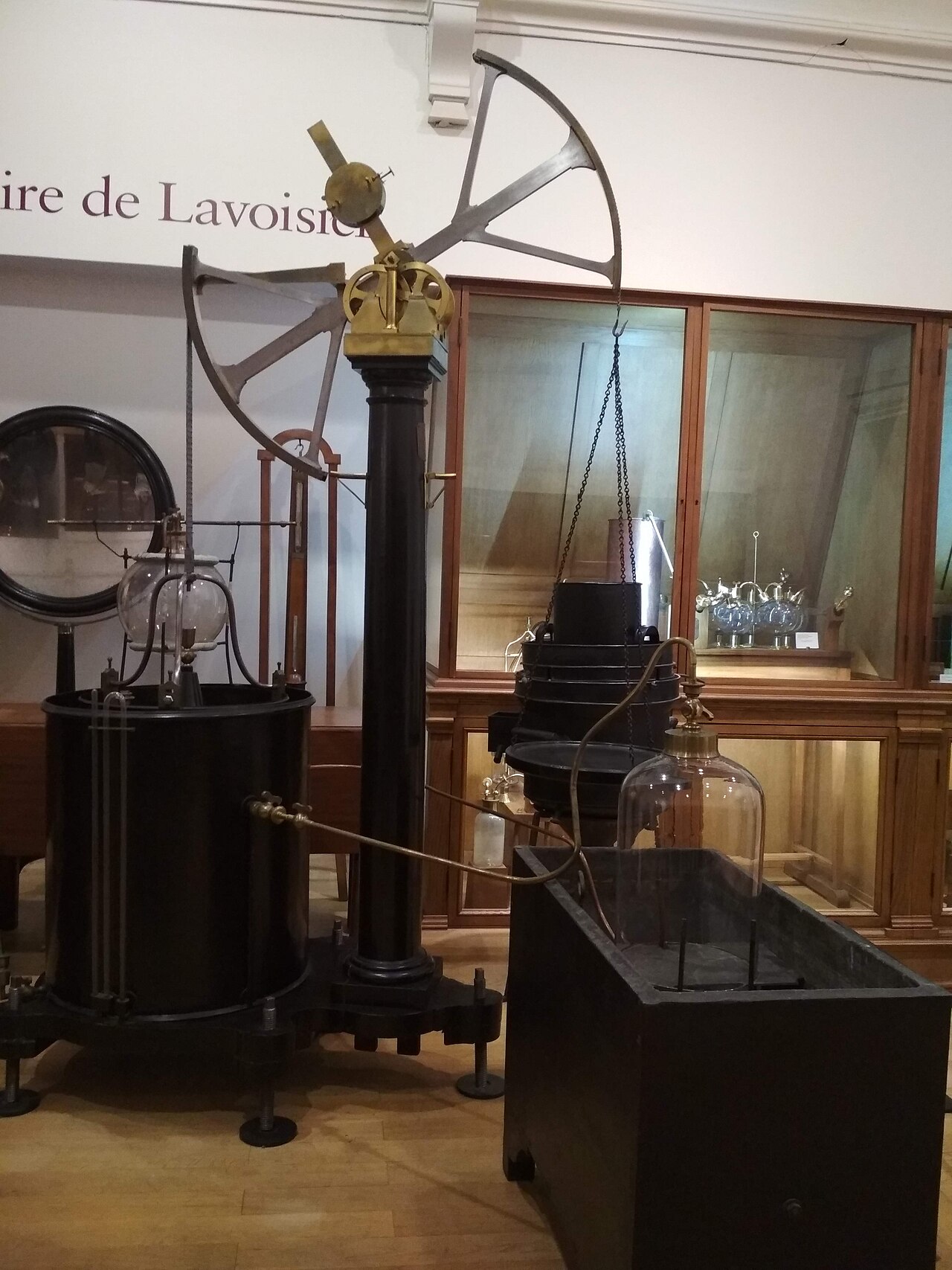
Lavoisier's ice calorimeter
Antoine Lavoisier and Pierre-Simon Laplace · c. 1782-1783
An instrument built by Lavoisier and Laplace around 1782-83 to measure heat produced by combustion and respiration.
Lavoisier built and used this instrument himself to measure heat, central to his experimental chemistry.
About this source
What it is
This is an ice calorimeter, built around 1782-1783 by Antoine Lavoisier together with the mathematician Pierre-Simon Laplace. It is now kept at the Musée des Arts et Métiers in Paris.
Why it matters
This device was the first instrument designed to measure heat quantitatively, launching the science of calorimetry. Lavoisier and Laplace used it to measure heat given off during combustion and by living animals during respiration, connecting chemistry to the study of life processes. It reflects Lavoisier's broader approach to science: turning vague ideas like "heat" into something that could be carefully measured and compared.
Look closer
- Why would measuring heat precisely matter for understanding chemical reactions?
- What does the complexity of the apparatus suggest about the difficulty of this kind of experiment in the 1780s?
- Why might Lavoisier have needed a mathematician like Laplace to work with him on this instrument?
This artifact is part of the curated material that grounds the AI version of Antoine Lavoisier on Humy.ai — when students ask about related events, the AI can quote it and cite it.
More Antoine Lavoisier sources
Meet the AI Antoine Lavoisier →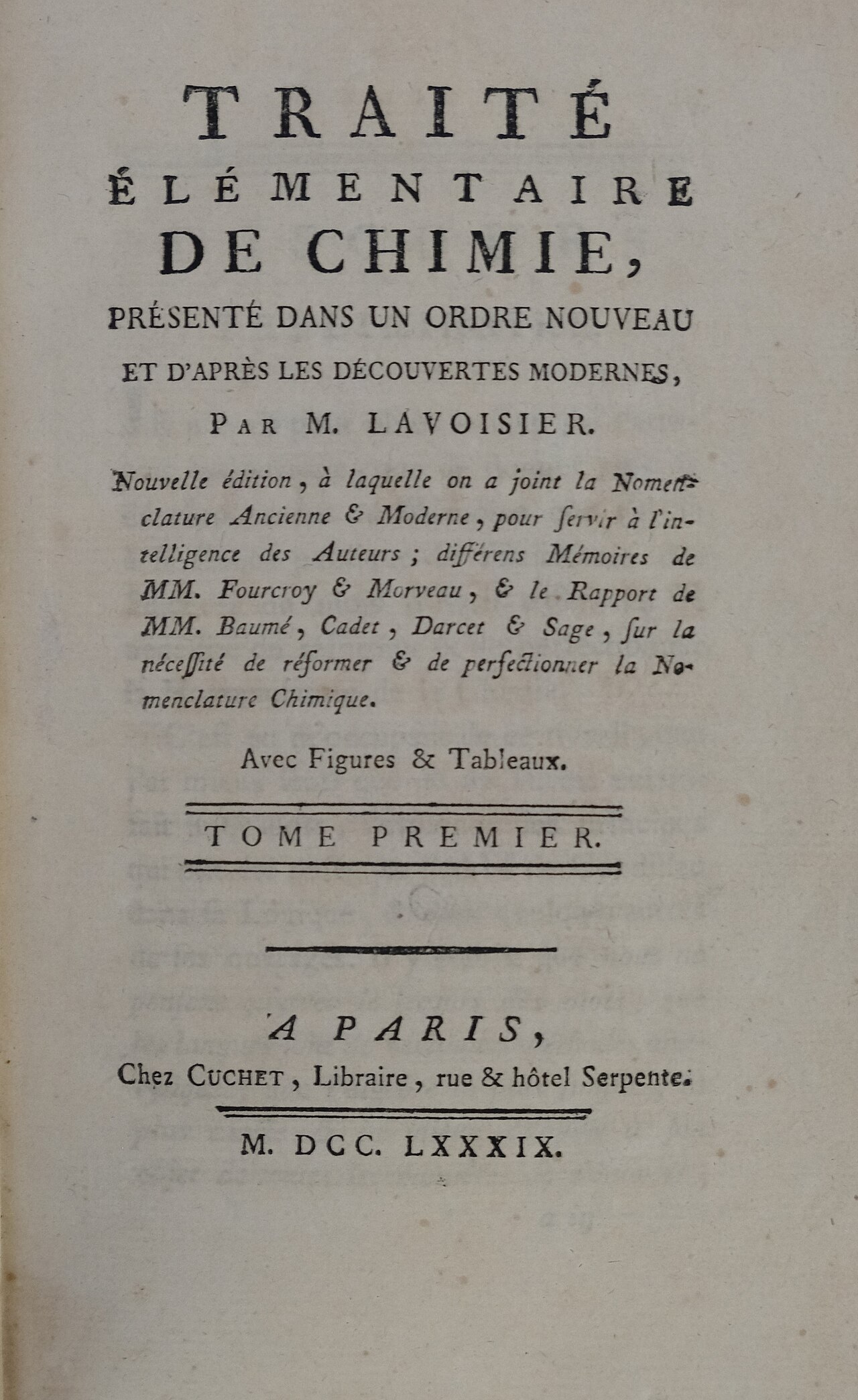 Book
Primary source
Traité Élémentaire de Chimie
Antoine Lavoisier · 1789
 Painting
Primary source
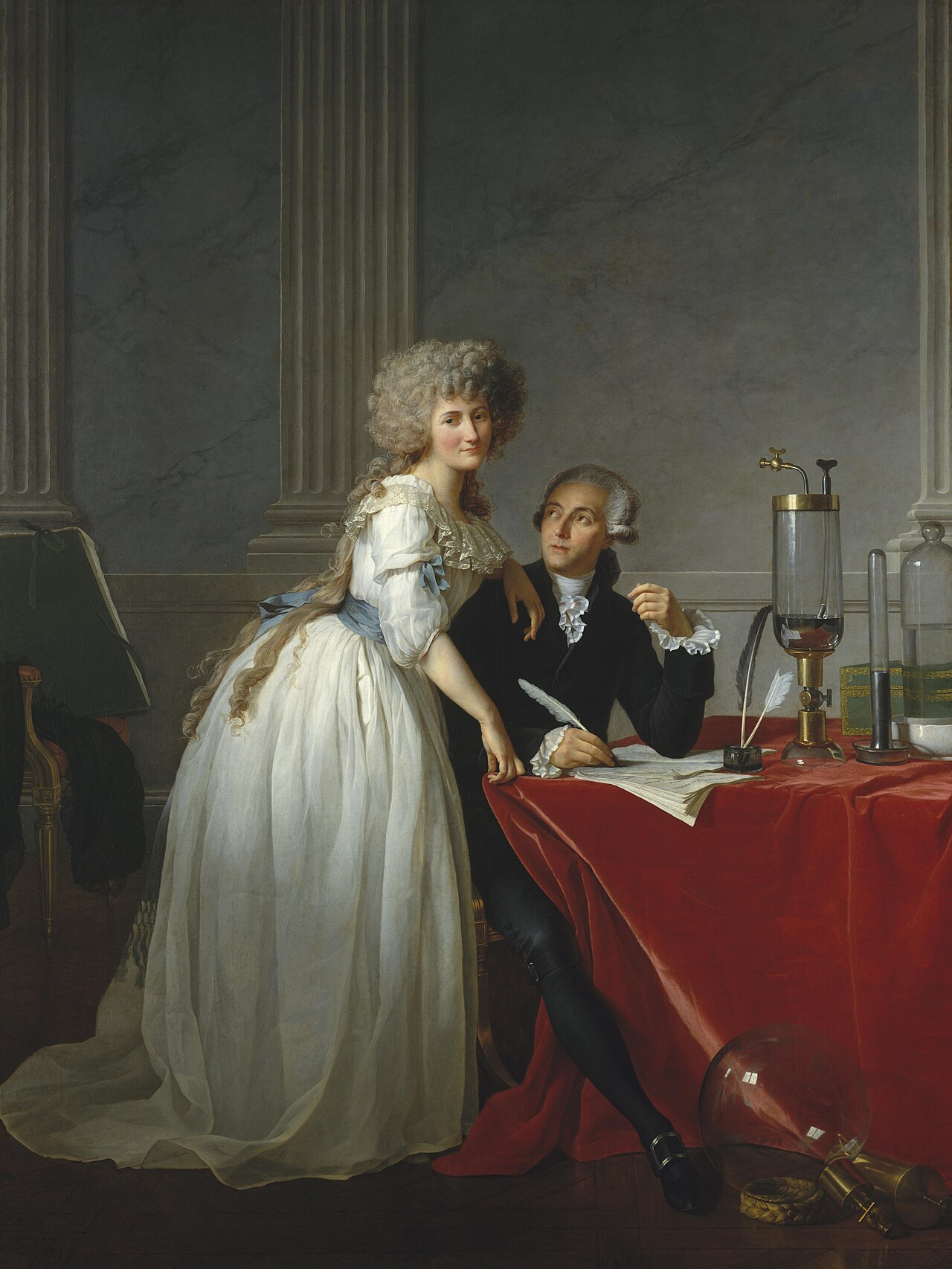
Portrait of Antoine-Laurent Lavoisier and his wife
Jacques-Louis David · 1788
 Book
Primary source
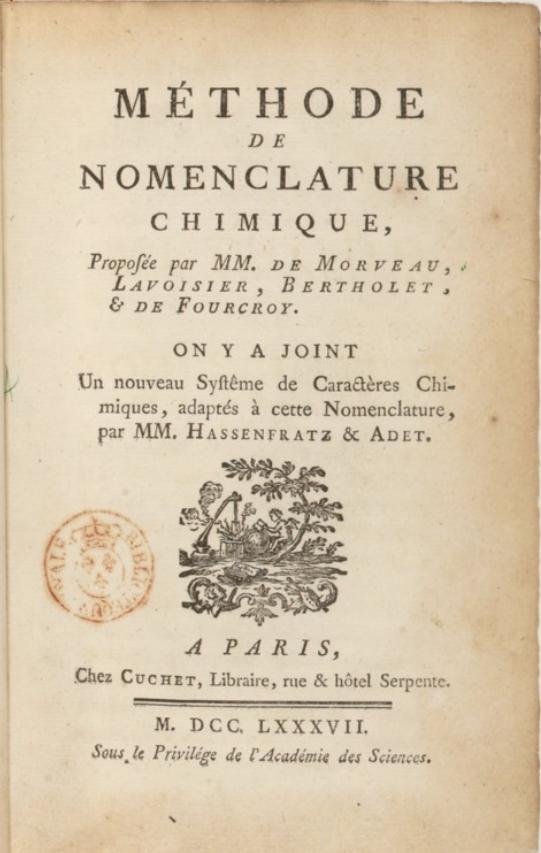
Méthode de nomenclature chimique
Antoine Lavoisier, Louis-Bernard Guyton de Morveau, Claude-Louis Berthollet, Antoine François de Fourcroy · 1787
 Artifact
Primary source
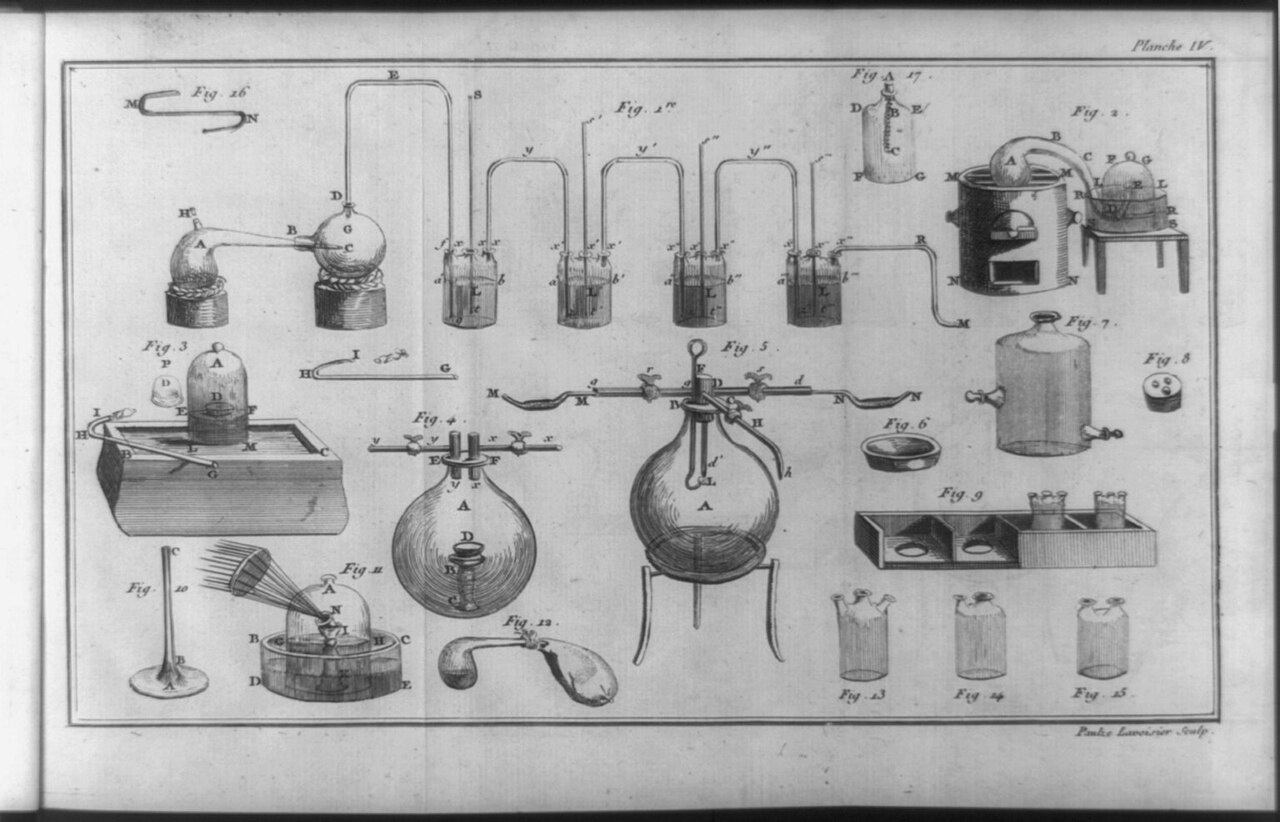
Scientific Apparatus Used by Lavoisier in Studying Chemical Reactions
Marie-Anne Paulze Lavoisier
 Document
Secondary source
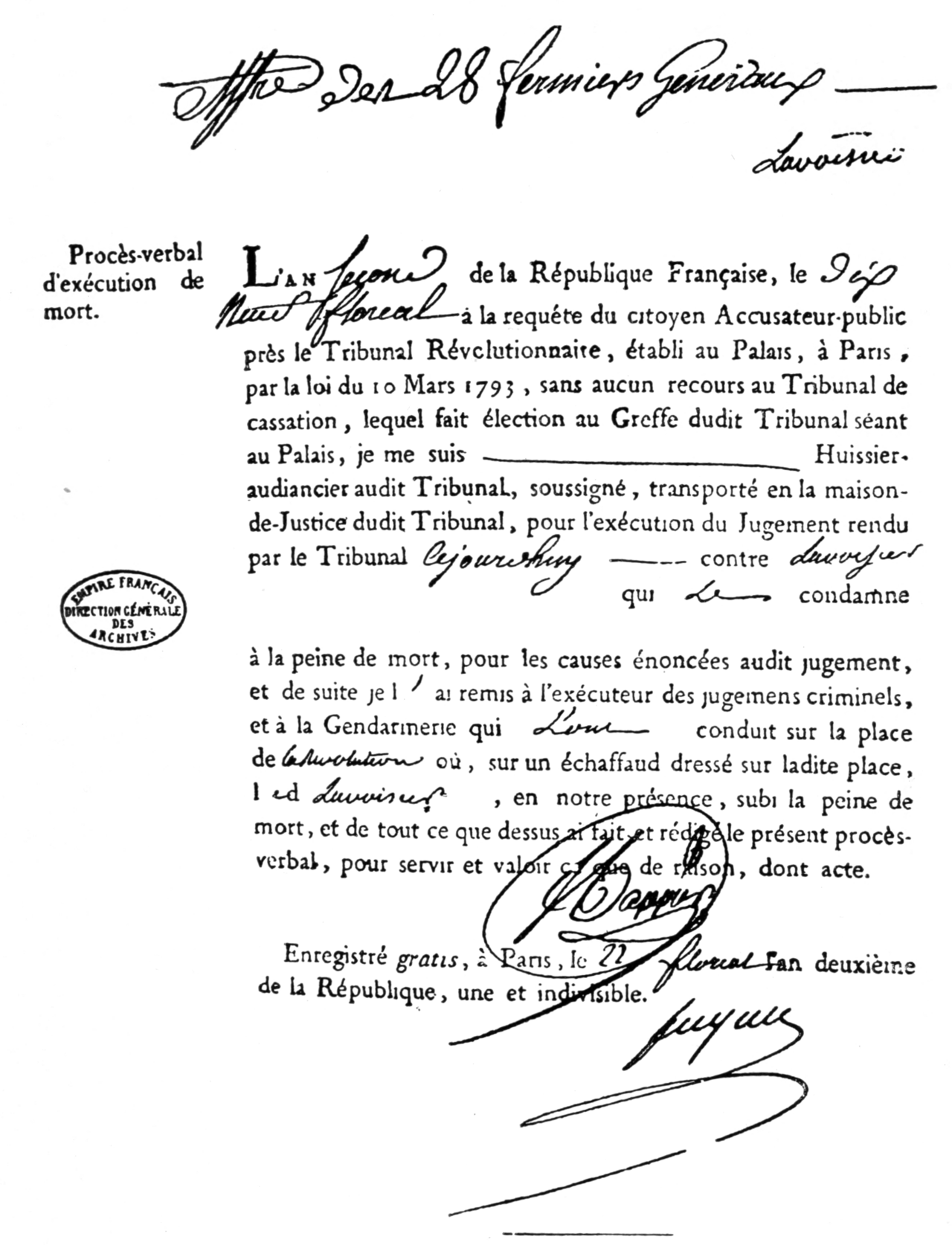
Death Warrant of Lavoisier
Republic of France · 1794
Ready when you are
Start chatting with Antoine Lavoisier now.
20 messages free · No credit card · Available in 50+ languages.