


Primary sourceBook1787
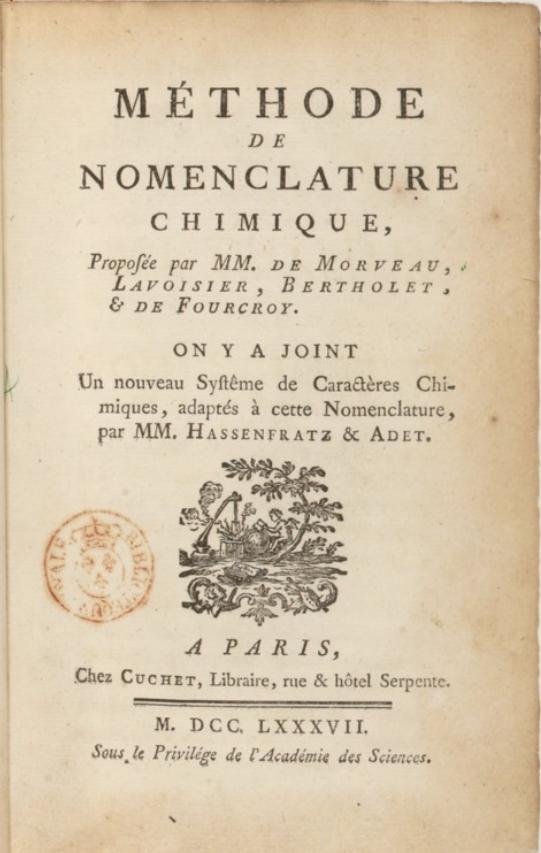
Méthode de nomenclature chimique
Antoine Lavoisier, Louis-Bernard Guyton de Morveau, Claude-Louis Berthollet, Antoine François de Fourcroy · 1787
A 1787 book co-written by Lavoisier that created the systematic chemical naming system still used today.
Lavoisier co-authored this book, helping create the systematic chemical language that underlies his later work.
About this source
What it is
This book was published in Paris in 1787, written jointly by Antoine Lavoisier, Louis-Bernard Guyton de Morveau, Claude-Louis Berthollet, and Antoine François de Fourcroy. It lists old alchemical names for substances alongside new, systematic chemical names.
Why it matters
Before this book, chemical substances were often known by confusing or mystical names inherited from alchemy. This collaborative work replaced them with a logical naming system based on chemical composition, much of which is still used by chemists today. It shows chemistry becoming an organized, shared science rather than a collection of individual traditions.
Look closer
- Why might four chemists have worked together on this book instead of one person doing it alone?
- Compare an old name and a new name for the same substance in the list — what information does the new name give that the old one does not?
- Why would a shared naming system matter for scientists working in different countries?
This book is part of the curated material that grounds the AI version of Antoine Lavoisier on Humy.ai — when students ask about related events, the AI can quote it and cite it.
More Antoine Lavoisier sources
Meet the AI Antoine Lavoisier →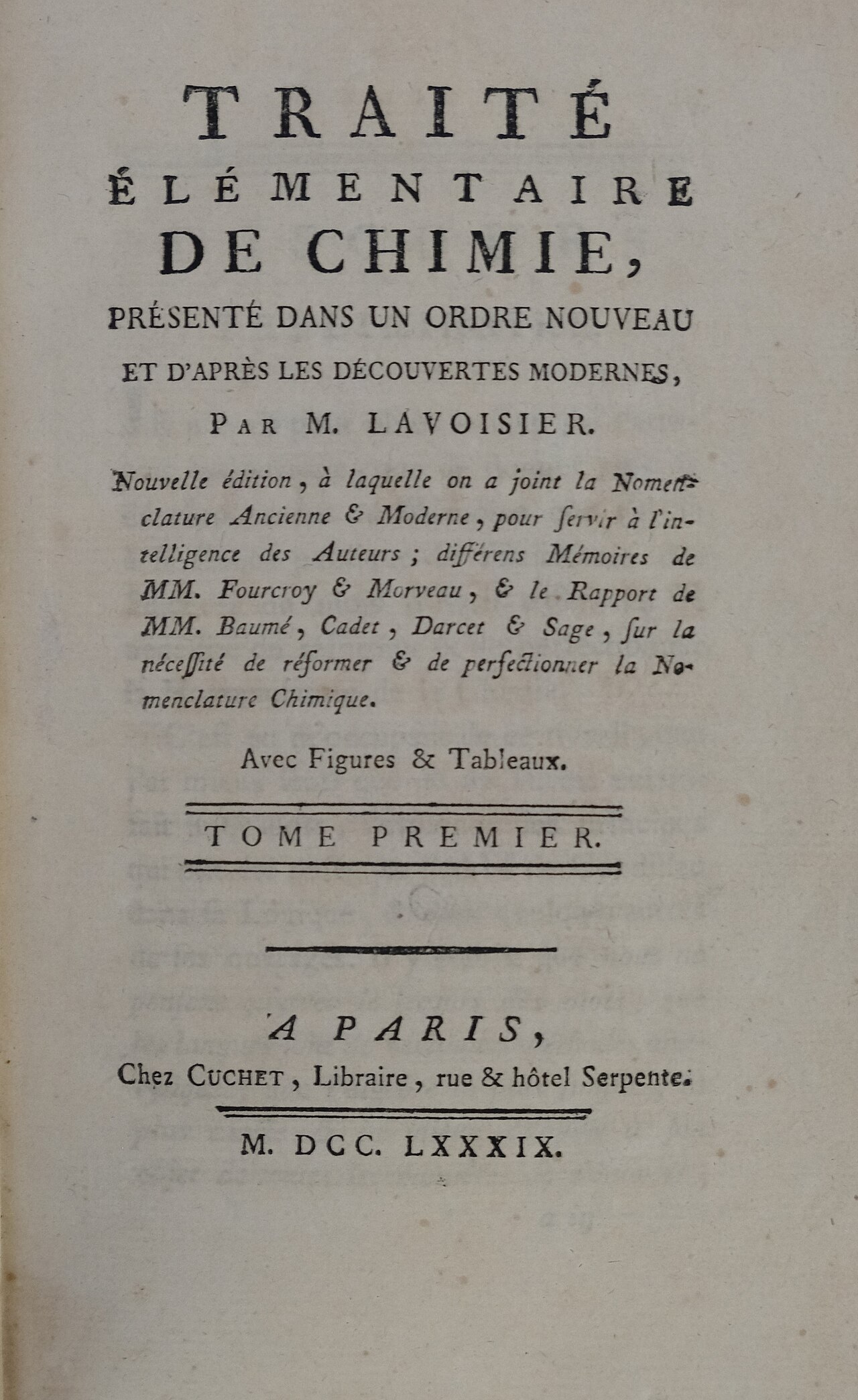 Book
Primary source
Traité Élémentaire de Chimie
Antoine Lavoisier · 1789
 Painting
Primary source
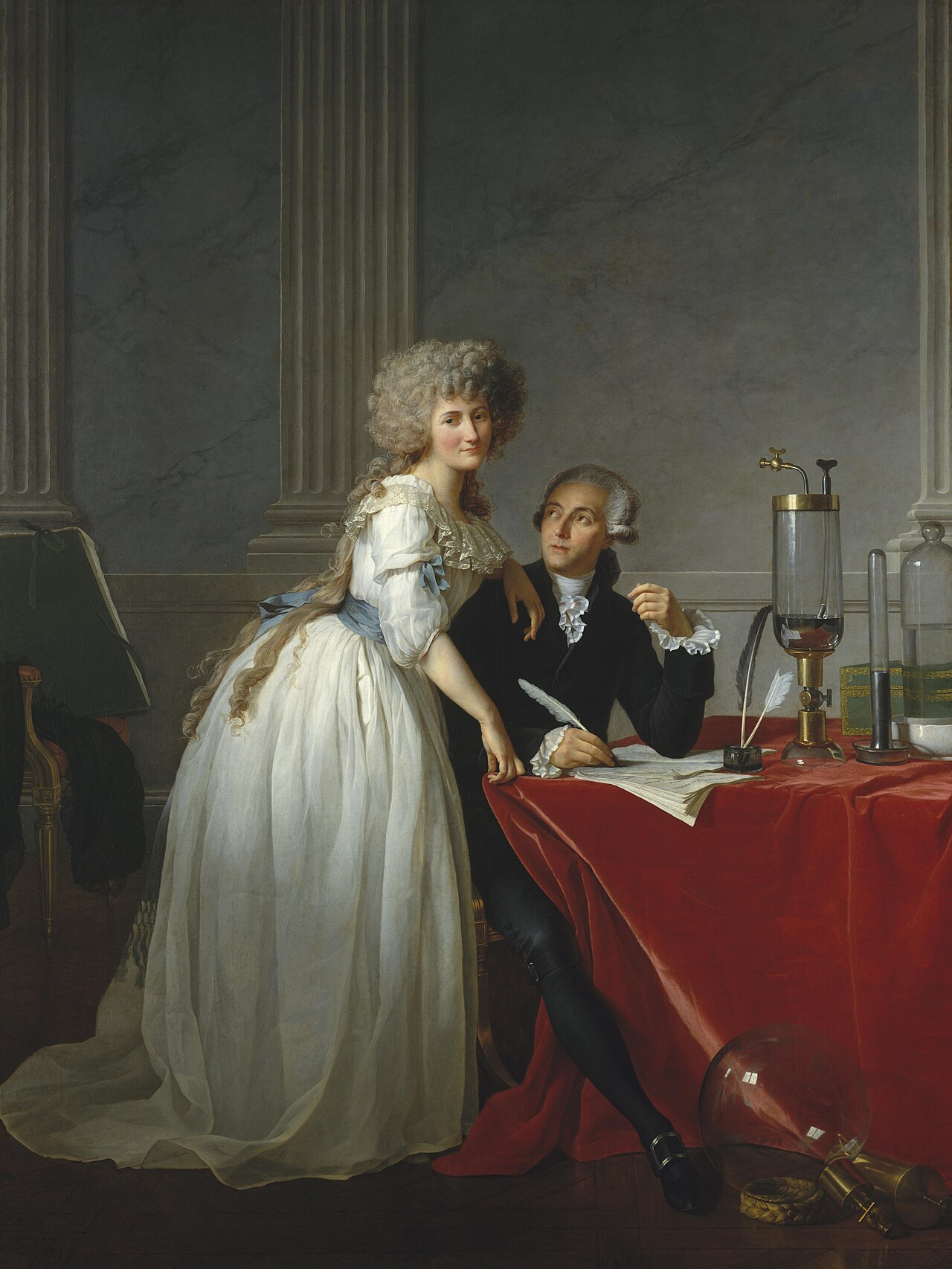
Portrait of Antoine-Laurent Lavoisier and his wife
Jacques-Louis David · 1788
 Artifact
Primary source
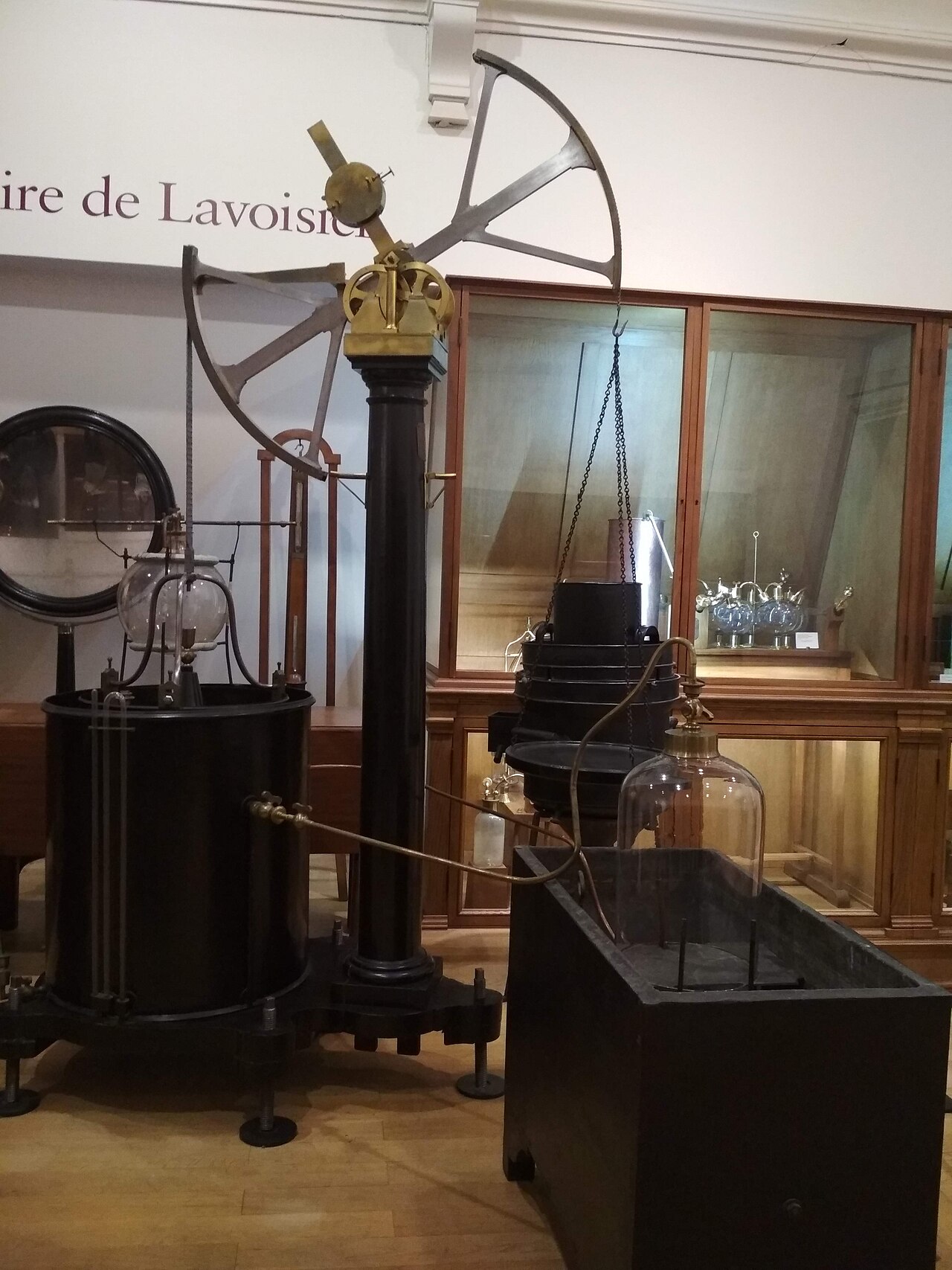
Lavoisier's ice calorimeter
Antoine Lavoisier and Pierre-Simon Laplace · c. 1782-1783
 Artifact
Primary source
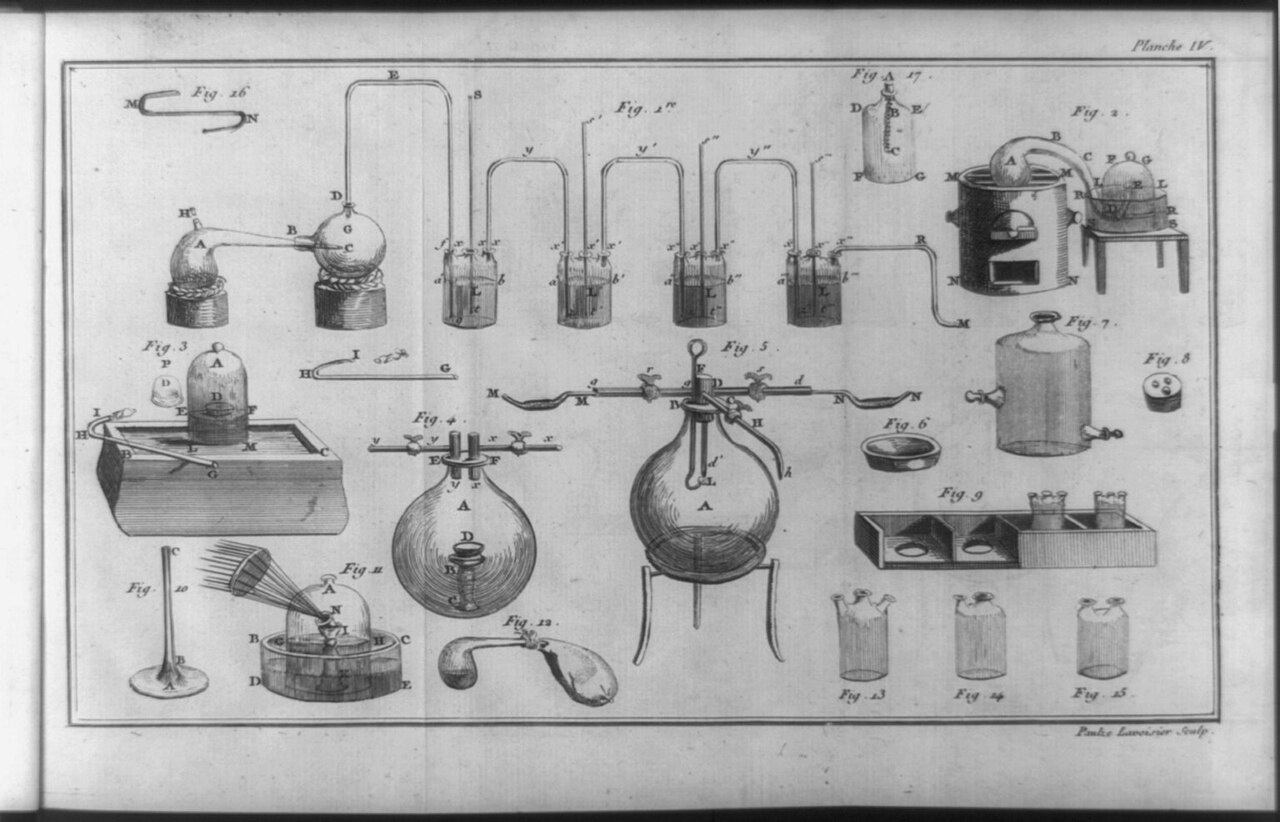
Scientific Apparatus Used by Lavoisier in Studying Chemical Reactions
Marie-Anne Paulze Lavoisier
 Document
Secondary source
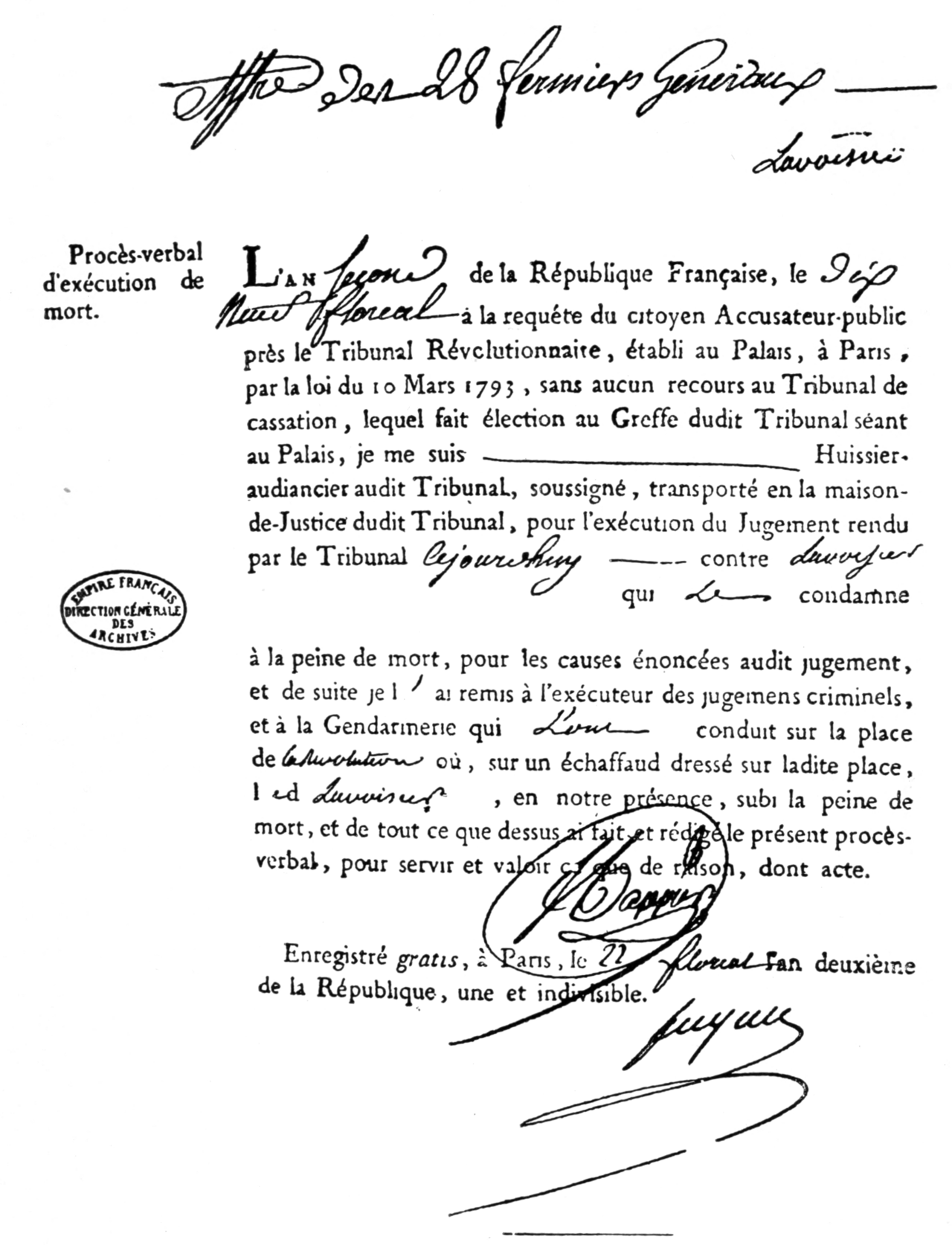
Death Warrant of Lavoisier
Republic of France · 1794
Ready when you are
Start chatting with Antoine Lavoisier now.
20 messages free · No credit card · Available in 50+ languages.