


Primary sourceDocument1885
Chinese Immigration Act of 1885
1885
A Canadian law passed under Macdonald's government imposing a head tax on Chinese immigrants, now seen as a central stain on his legacy.
Macdonald's government passed this act, which is central to criticism of his legacy regarding racial discrimination.
About this source
What it is
This is the Chinese Immigration Act, 1885, a law passed by the Parliament of Canada that placed a $50 head tax on Chinese immigrants entering the country. It followed recommendations of a royal commission and was given royal assent in July 1885.
Why it matters
Passed by Prime Minister John A. Macdonald's government soon after the Canadian Pacific Railway was completed with the labour of thousands of Chinese workers, the act was the first Canadian law to exclude immigrants by ethnic origin. Macdonald had initially resisted such measures but eventually agreed to them, and the law is central to modern criticism of his legacy.
Look closer
- Why might a government welcome immigrant labour for one project and then restrict the same immigrants once the work was done?
- What does the small number of Chinese witnesses heard by the royal commission tell you about whose views shaped the law?
- How might studying this law change the way we remember a figure celebrated mainly for founding a country?
This document is part of the curated material that grounds the AI version of Sir John A. Macdonald on Humy.ai — when students ask about related events, the AI can quote it and cite it.
More Sir John A. Macdonald sources
Meet the AI Sir John A. Macdonald →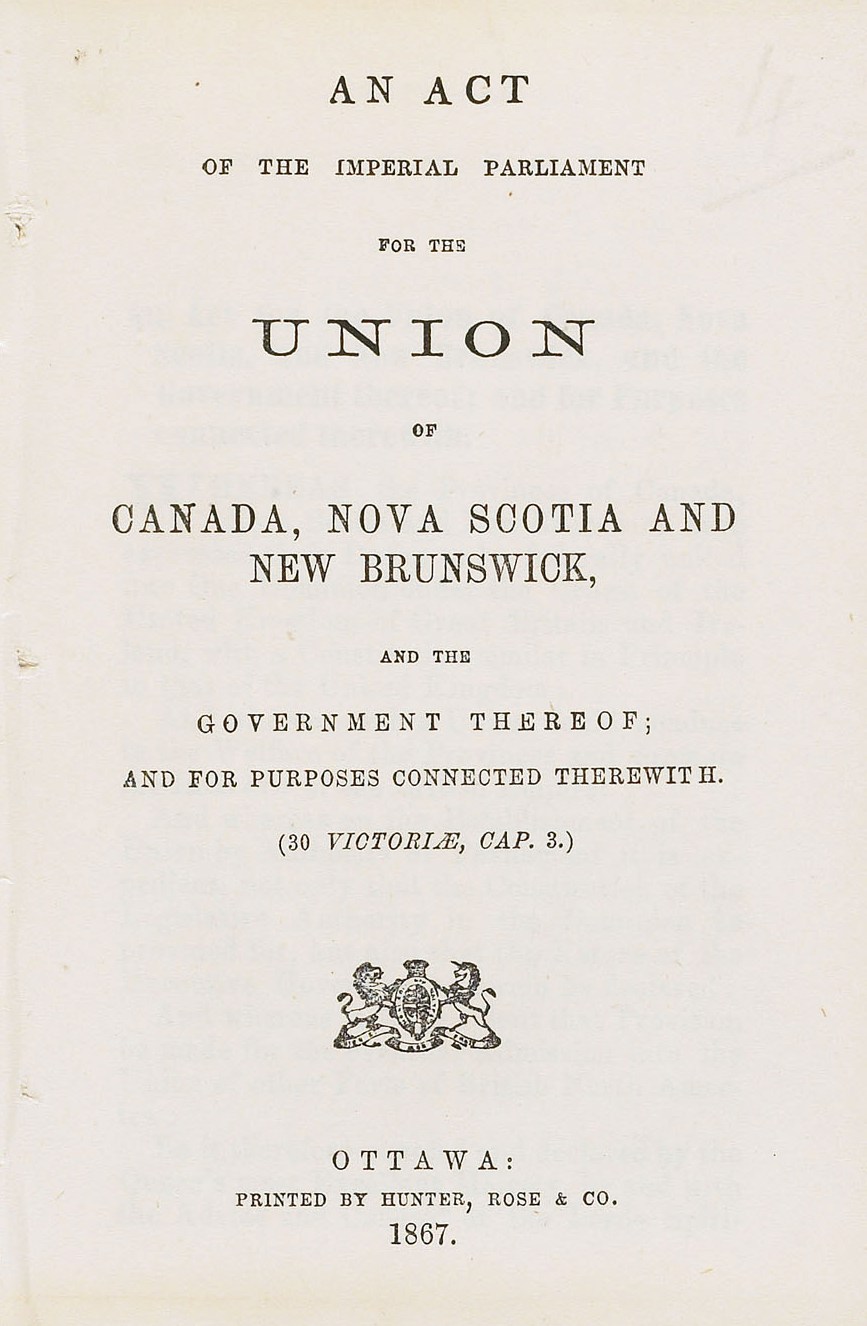 Document
Primary source
Constitution Act, 1867
1867
 Document
Primary source
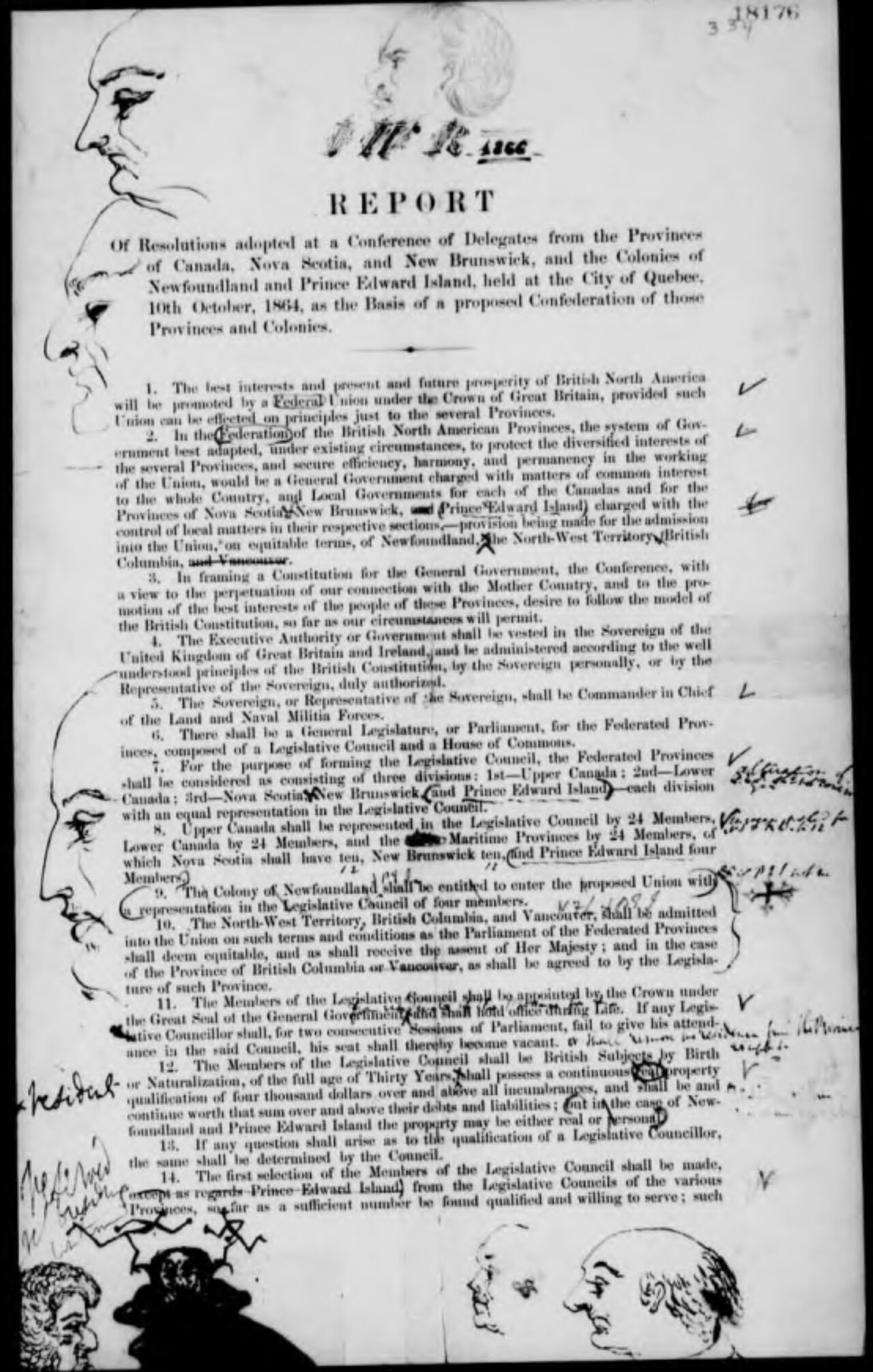
Quebec Resolutions (Seventy-Two Resolutions)
Delegates of the Quebec Conference (principal drafter John A. Macdonald) · 1864
 Photograph
Primary source
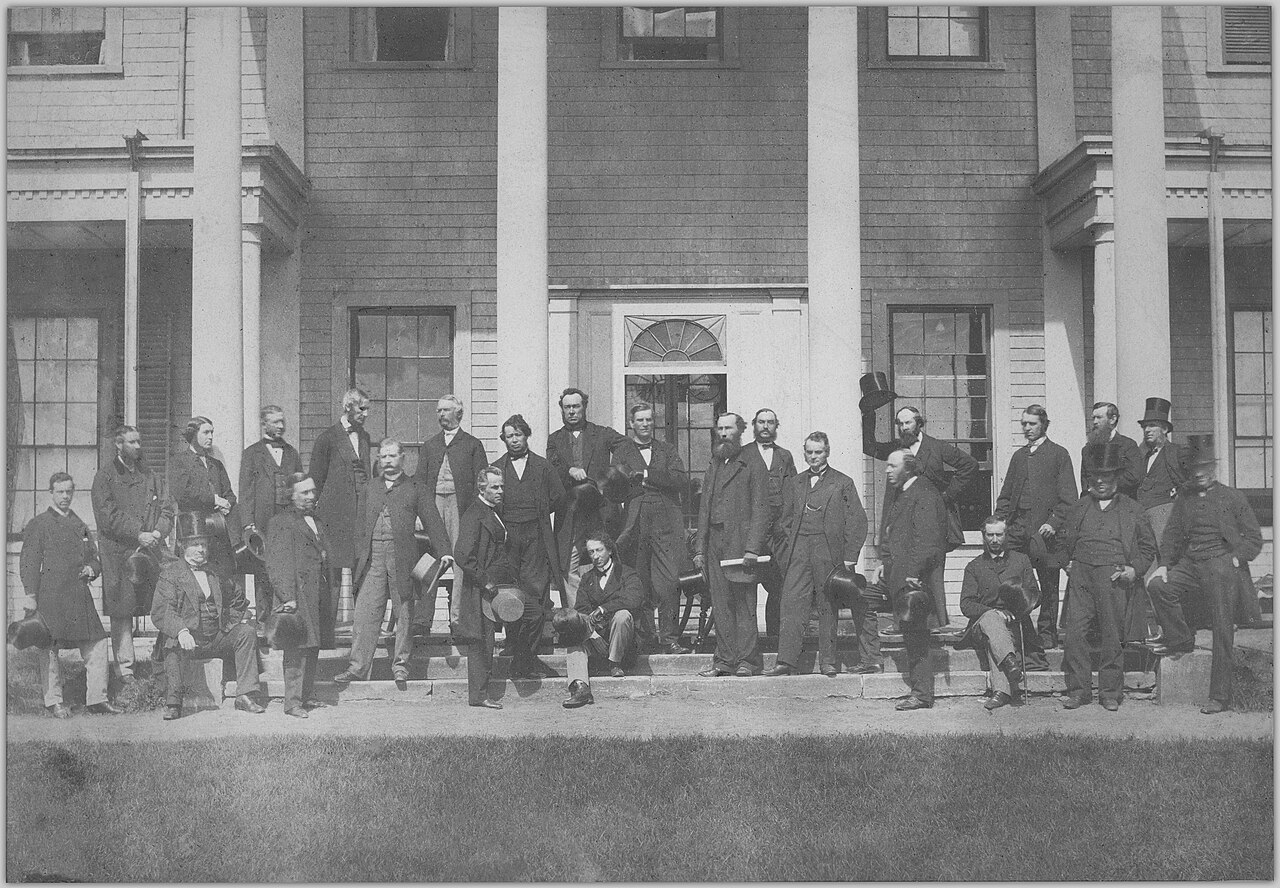
Charlottetown Conference Delegates, September 1864
George P. Roberts · September 1864
 Painting
Primary source
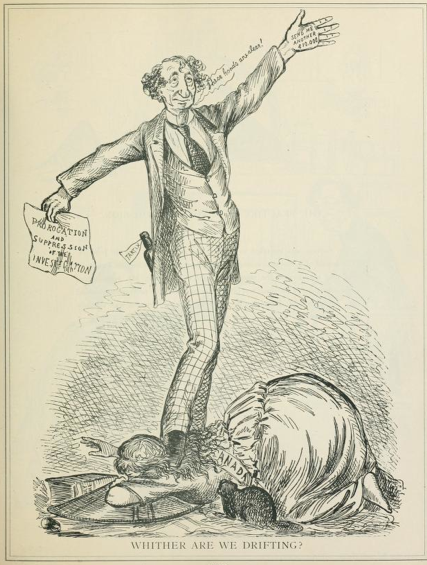
"Whither Are We Drifting?" cartoon, Grip
J. W. Bengough · 1873
 Document
Primary source
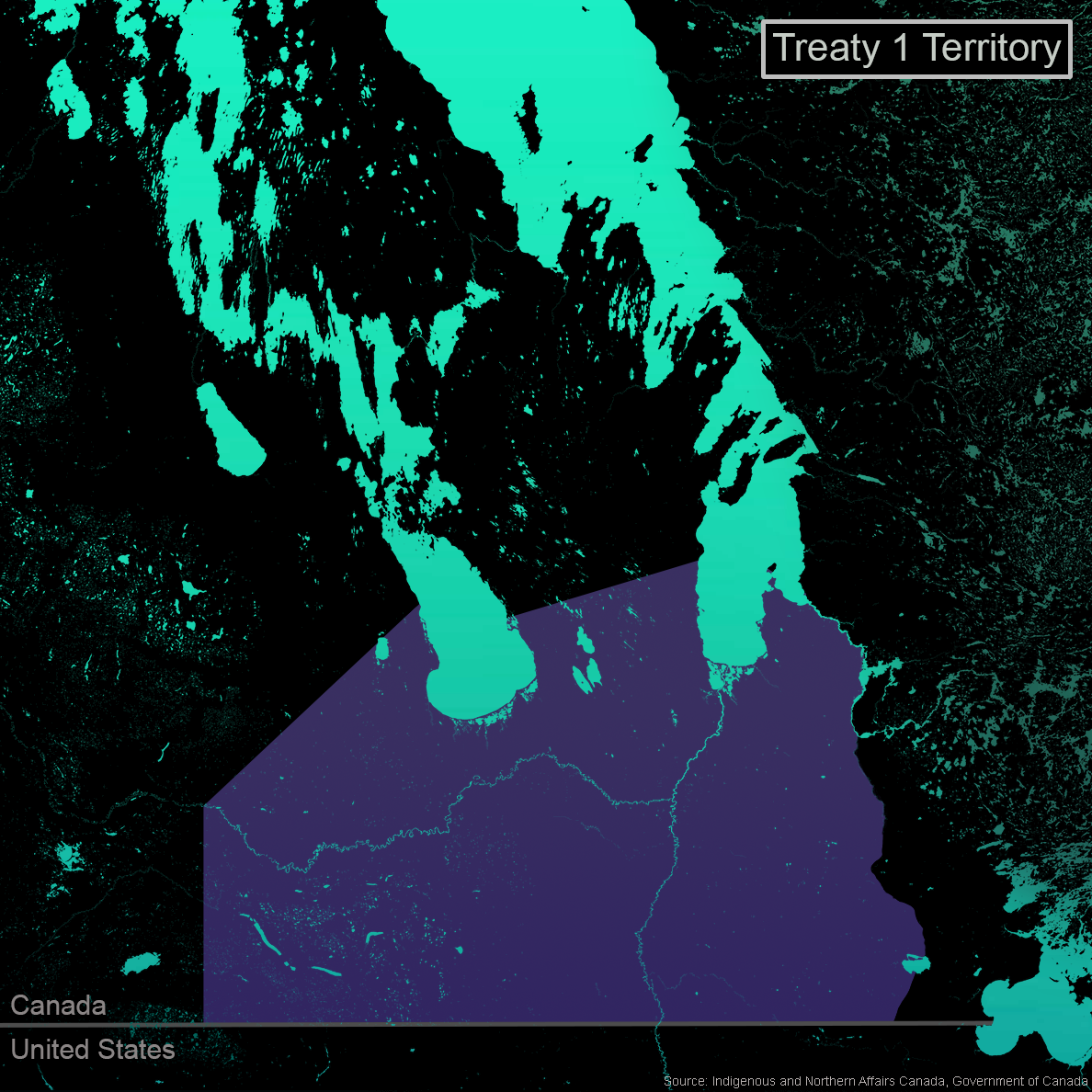
Treaty 1
3 August 1871
Ready when you are
Start chatting with Sir John A. Macdonald now.
20 messages free · No credit card · Available in 50+ languages.