


Secondary sourcePainting1562-1563
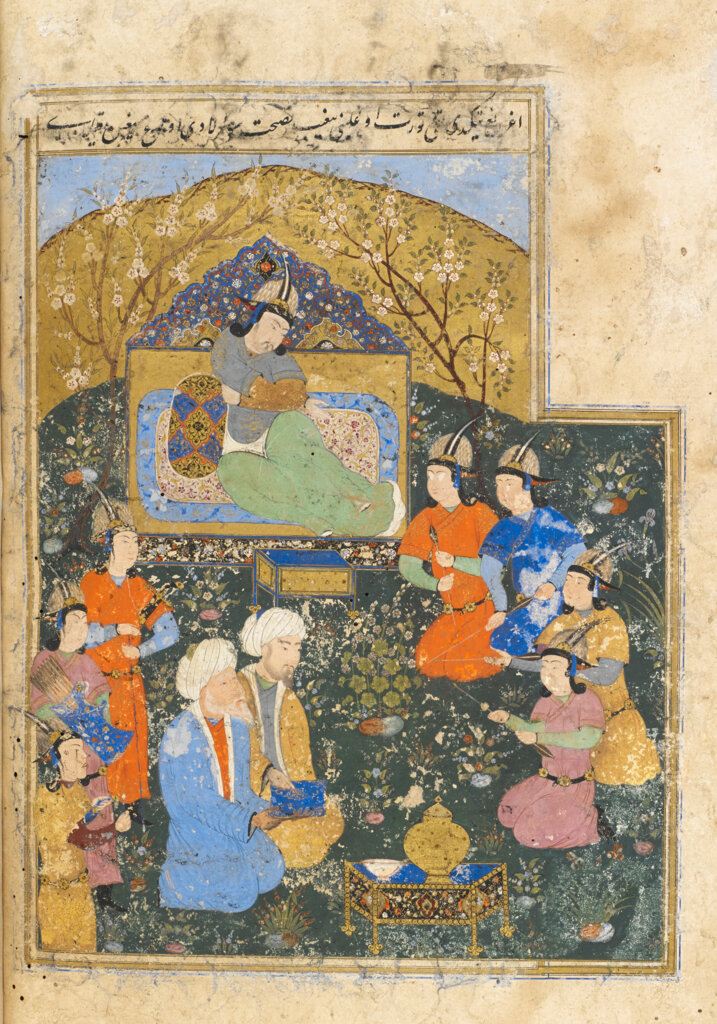
Chinggis Khan Advising His Sons
1562-1563
A sixteenth-century Persian manuscript folio showing Genghis Khan urging his sons to remain united.
Depicts Genghis Khan advising his sons to stay united, reflecting his concern for the empire's future after his death.
About this source
What it is
This folio comes from Tevarih-i Guzide (Nusret-name), a Persian historical manuscript made in 1562-1563. It shows Genghis Khan seated under a canopy, advising his sons to maintain unity and set aside their disputes so that no harm would come to the empire he built.
Why it matters
Painted long after his death, this scene reflects the lasting concern among later chroniclers that unity among Genghis Khan's descendants was essential to preserving Mongol power. It shows how his legacy as a unifier and founder was remembered and moralized by later generations.
Look closer
- What gestures or positions suggest Genghis Khan is giving advice rather than commanding?
- Why might later writers emphasize this message of unity among his sons?
- What can and can't this painting tell us about the real relationships between Genghis Khan and his sons?
This painting is part of the curated material that grounds the AI version of Genghis Khan on Humy.ai — when students ask about related events, the AI can quote it and cite it.
More Genghis Khan sources
Meet the AI Genghis Khan →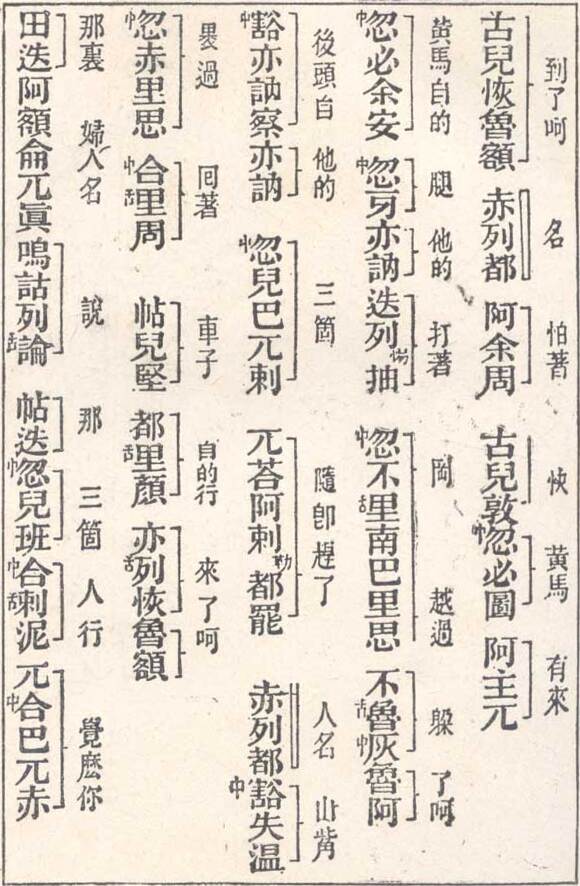 Book
Secondary source
The Secret History of the Mongols
c. 1228 (completed after 1227)
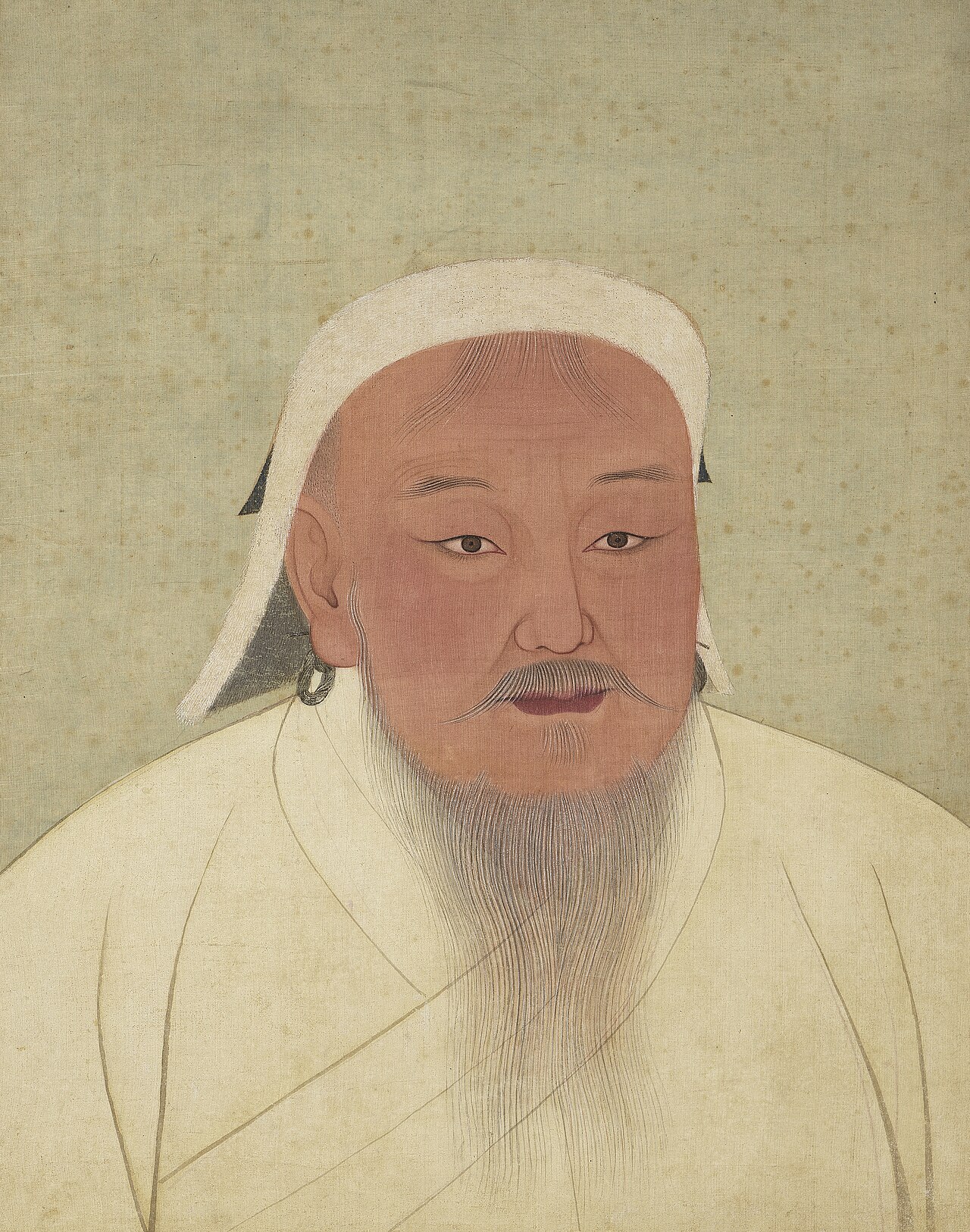 Painting
Secondary source
Portrait of Genghis Khan
Unknown Yuan court painter
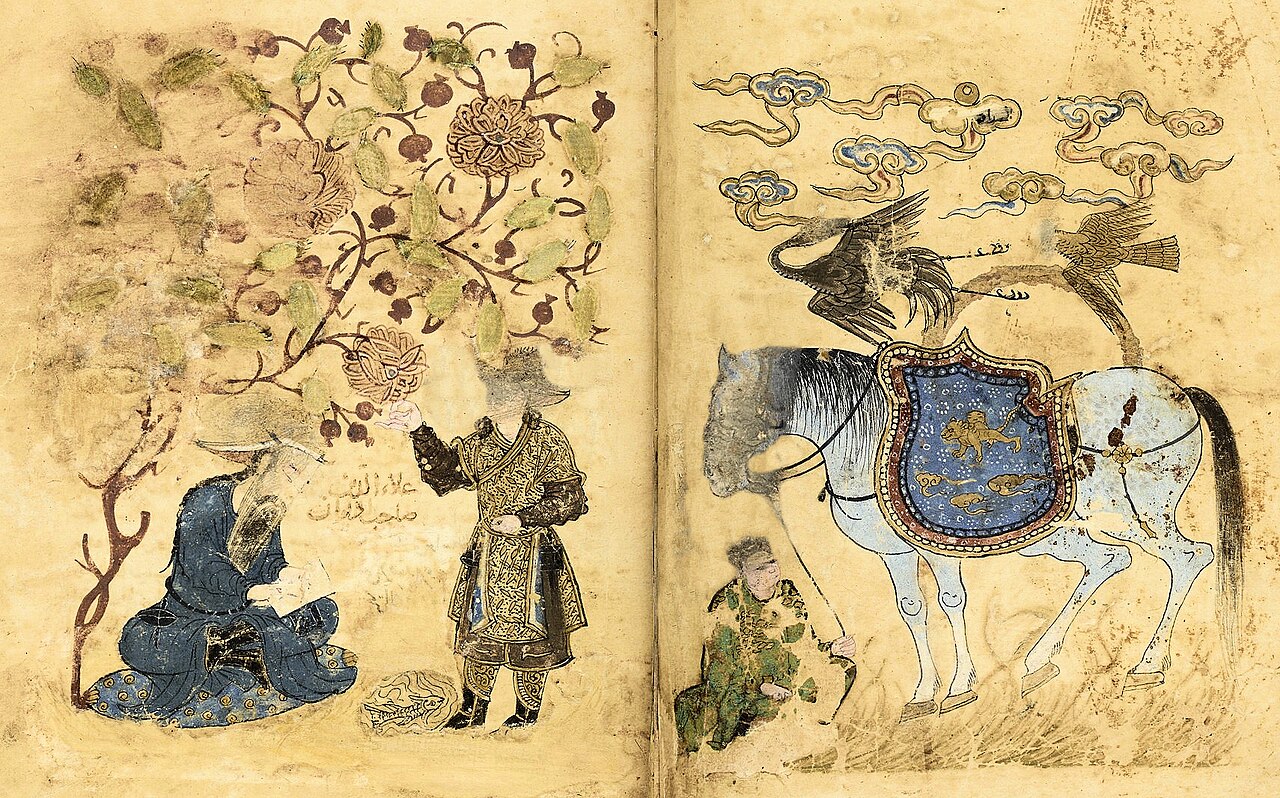 Book
Secondary source
Tarikh-i Jahangushay-i Juvaini
Ata-Malik Juvayni
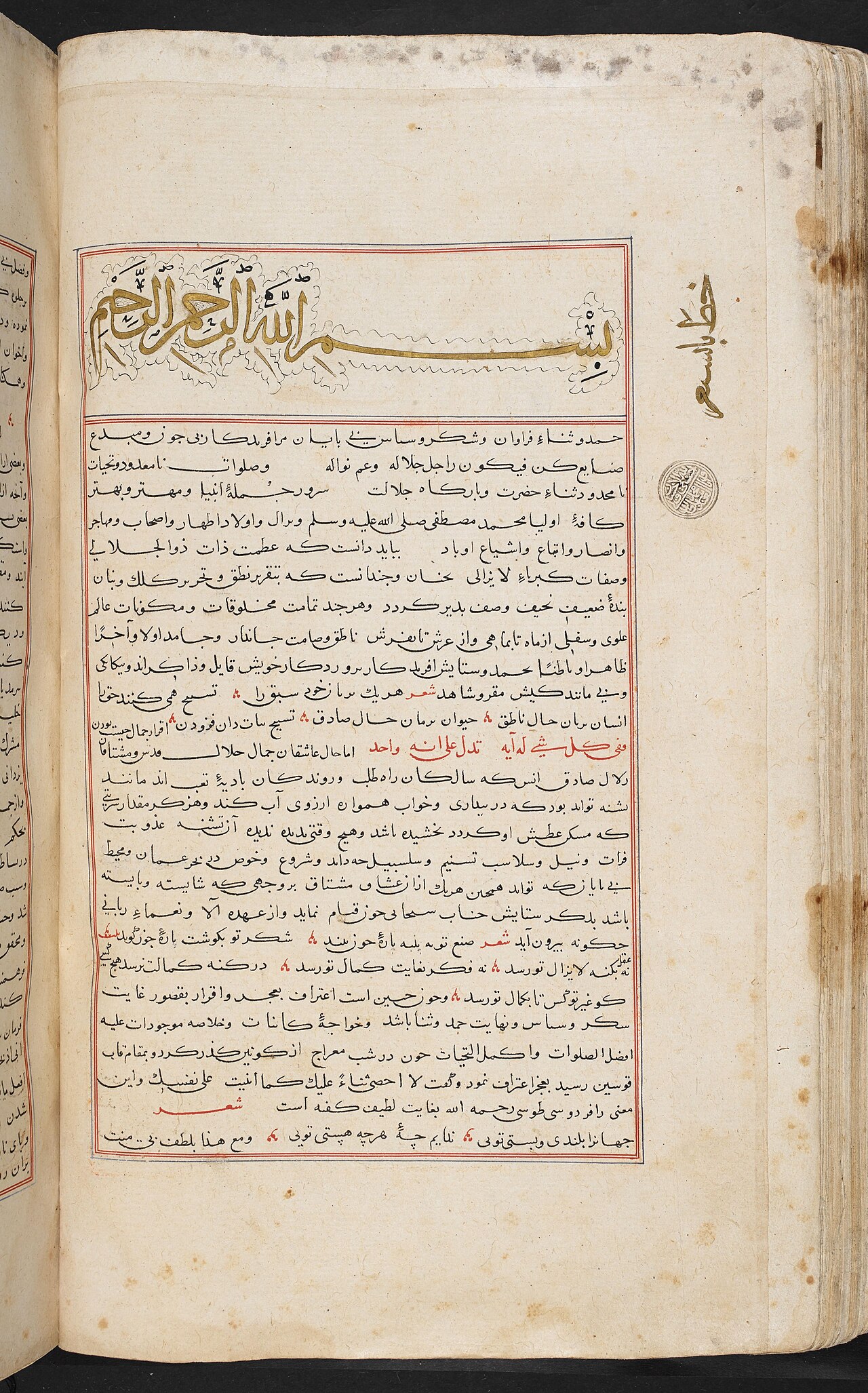 Book
Secondary source
Jami' al-tawarikh
Rashid al-Din Hamadani · c. 1400 (manuscript copy)
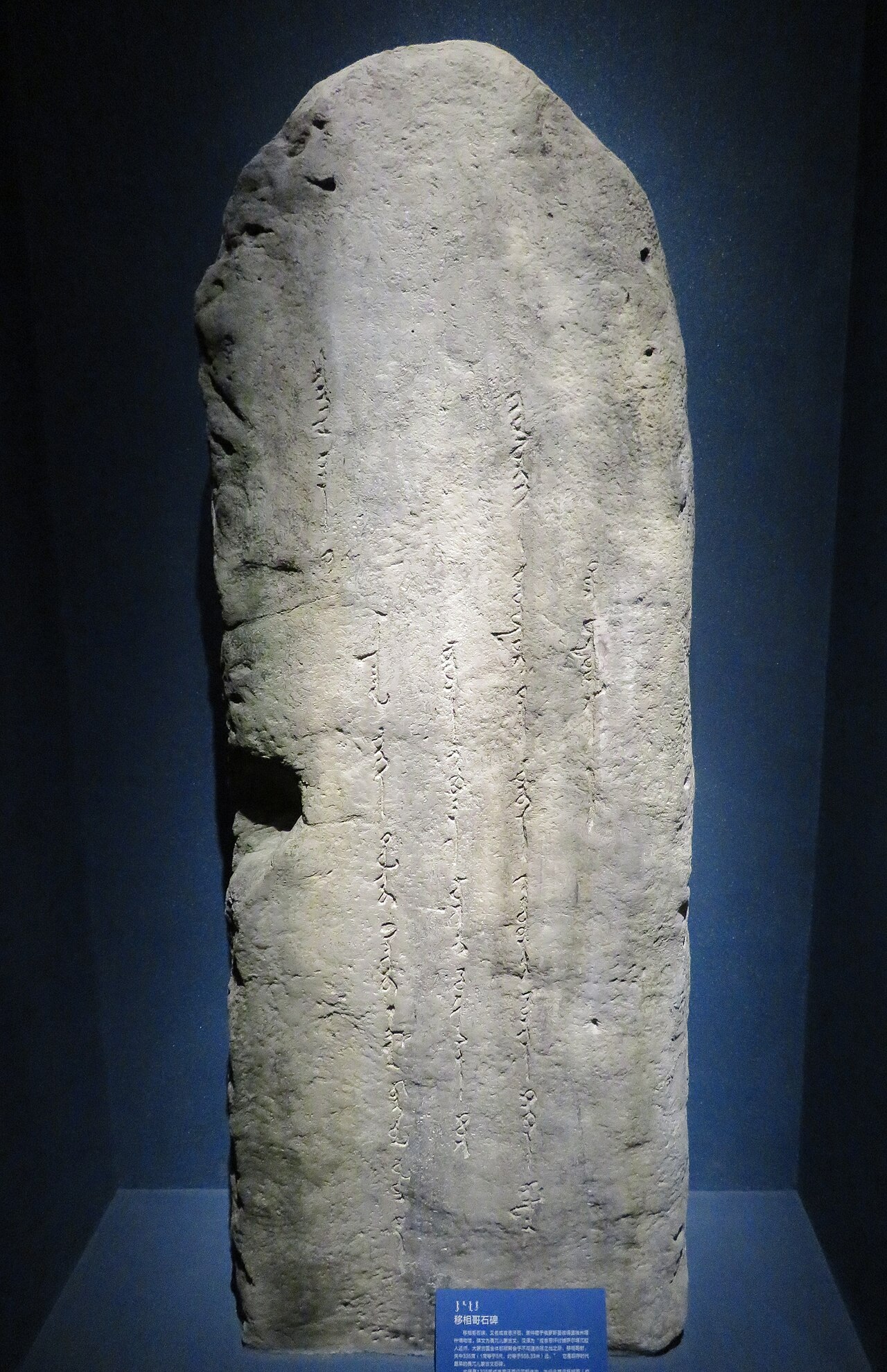 Artifact
Primary source
Stele of Genghis Khan
c. 1224-1225
Ready when you are
Start chatting with Genghis Khan now.
20 messages free · No credit card · Available in 50+ languages.