


Secondary sourcePainting16th century
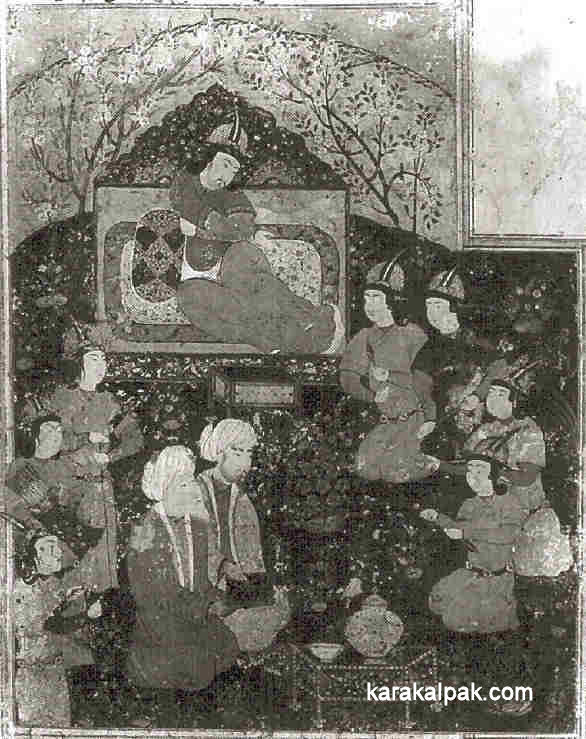
Chinggis Khan Assigning Lands to His Four Sons
16th century
A sixteenth-century Persian manuscript illustration imagining Genghis Khan dividing his empire among his four sons.
Shows Genghis Khan dividing his empire among his four sons, a key decision shaping the Mongol Empire's later history.
About this source
What it is
This miniature painting illustrates the Ta'rikh-i guzida-i Nusratnama, a sixteenth-century Persian history manuscript now held at the British Library in London. It depicts Genghis Khan assigning lands among his four sons, a scene recalling how the Mongol Empire was later divided after his death.
Why it matters
Though painted centuries after the events, the image reflects the long memory of Genghis Khan's decision to divide his empire among his sons, which shaped the later history of the Mongol successor states. It shows how Persian historians retold his legacy as a founder of dynasties.
Look closer
- What does the formal seating arrangement suggest about power and hierarchy?
- Why might later historians focus on this moment of division among the sons?
- How might this scene differ from what actually happened?
This painting is part of the curated material that grounds the AI version of Genghis Khan on Humy.ai — when students ask about related events, the AI can quote it and cite it.
More Genghis Khan sources
Meet the AI Genghis Khan →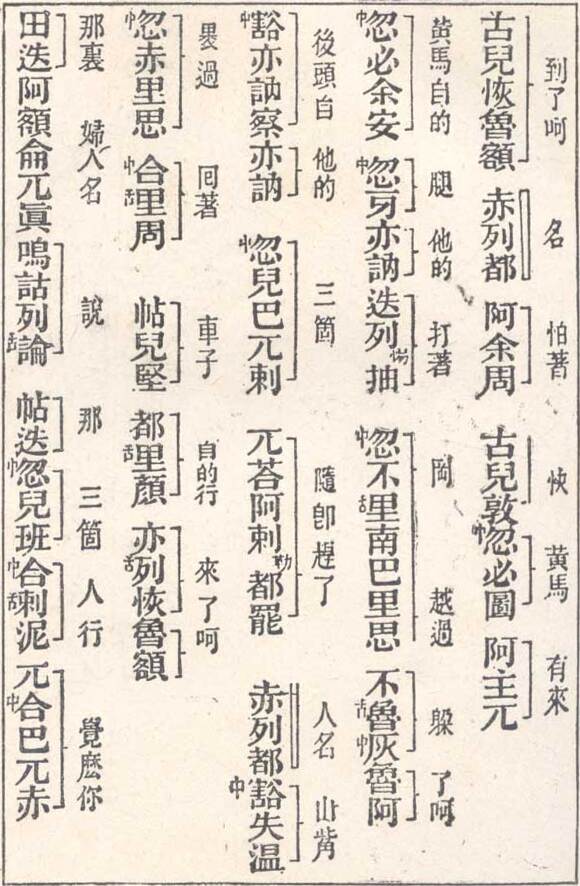 Book
Secondary source
The Secret History of the Mongols
c. 1228 (completed after 1227)
 Painting
Secondary source
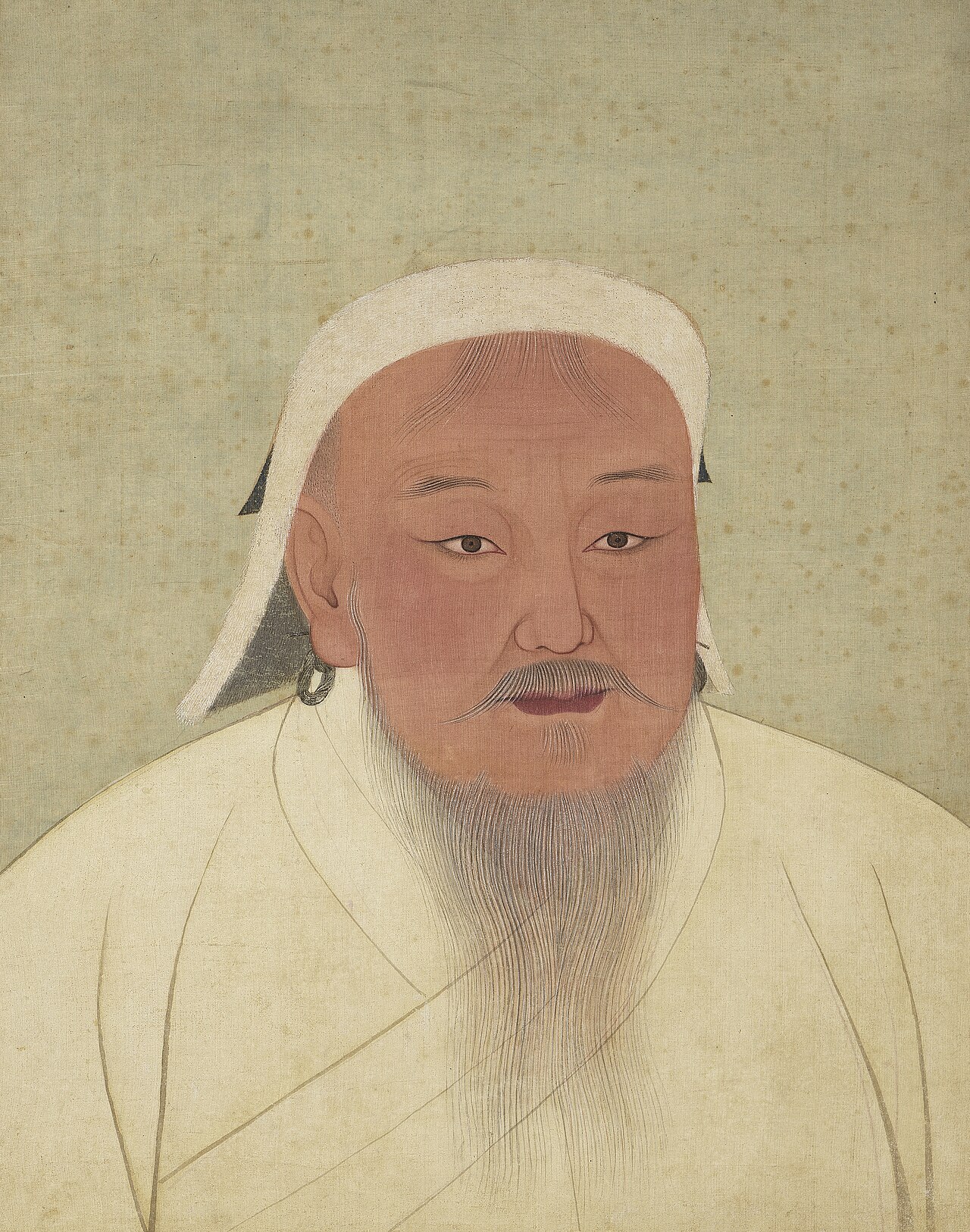
Portrait of Genghis Khan
Unknown Yuan court painter
 Book
Secondary source
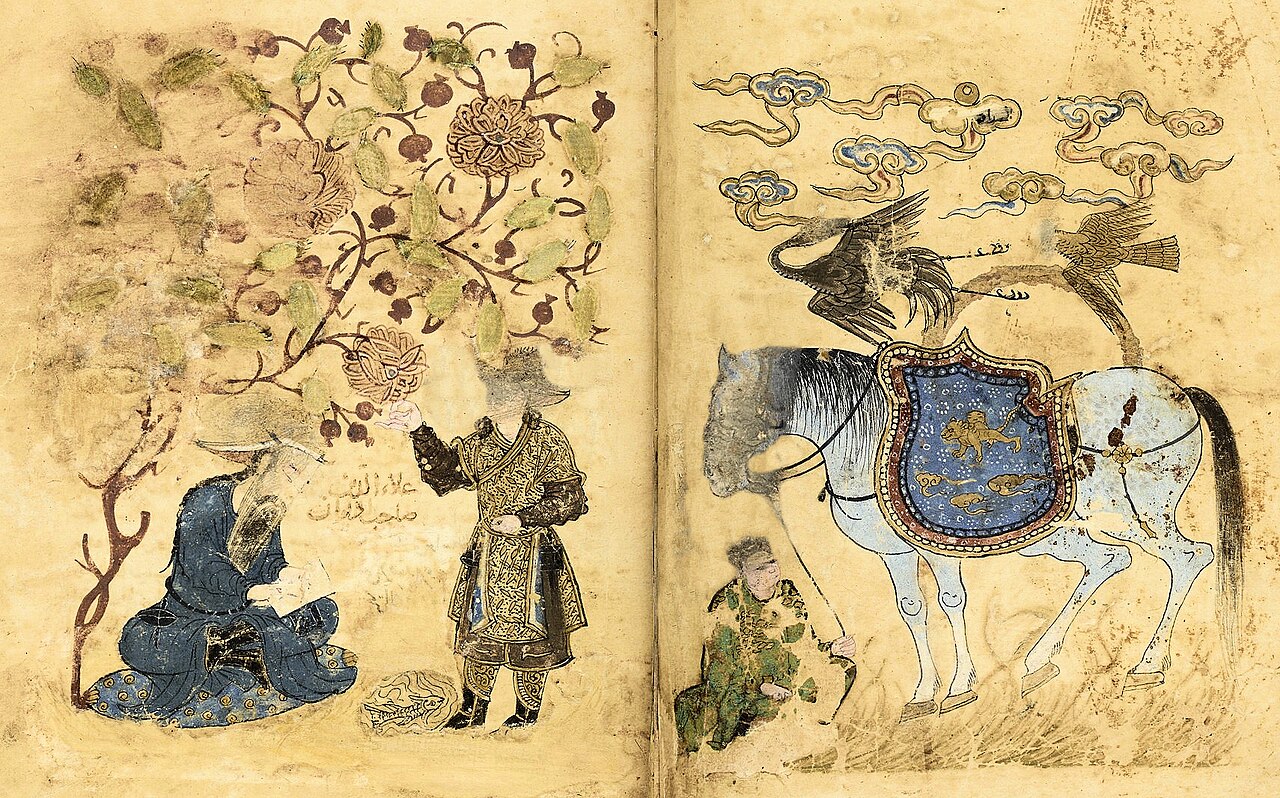
Tarikh-i Jahangushay-i Juvaini
Ata-Malik Juvayni
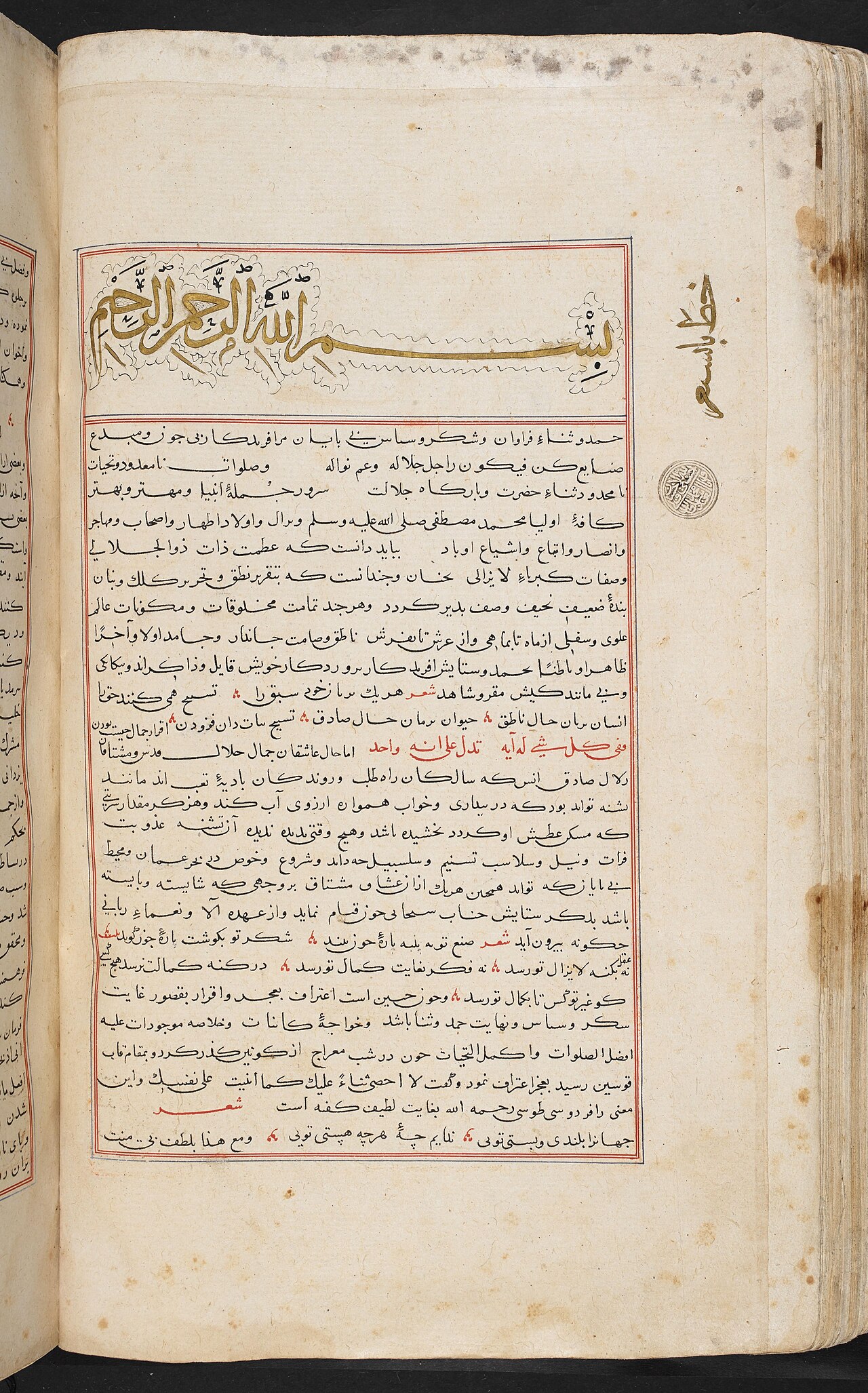 Book
Secondary source
Jami' al-tawarikh
Rashid al-Din Hamadani · c. 1400 (manuscript copy)
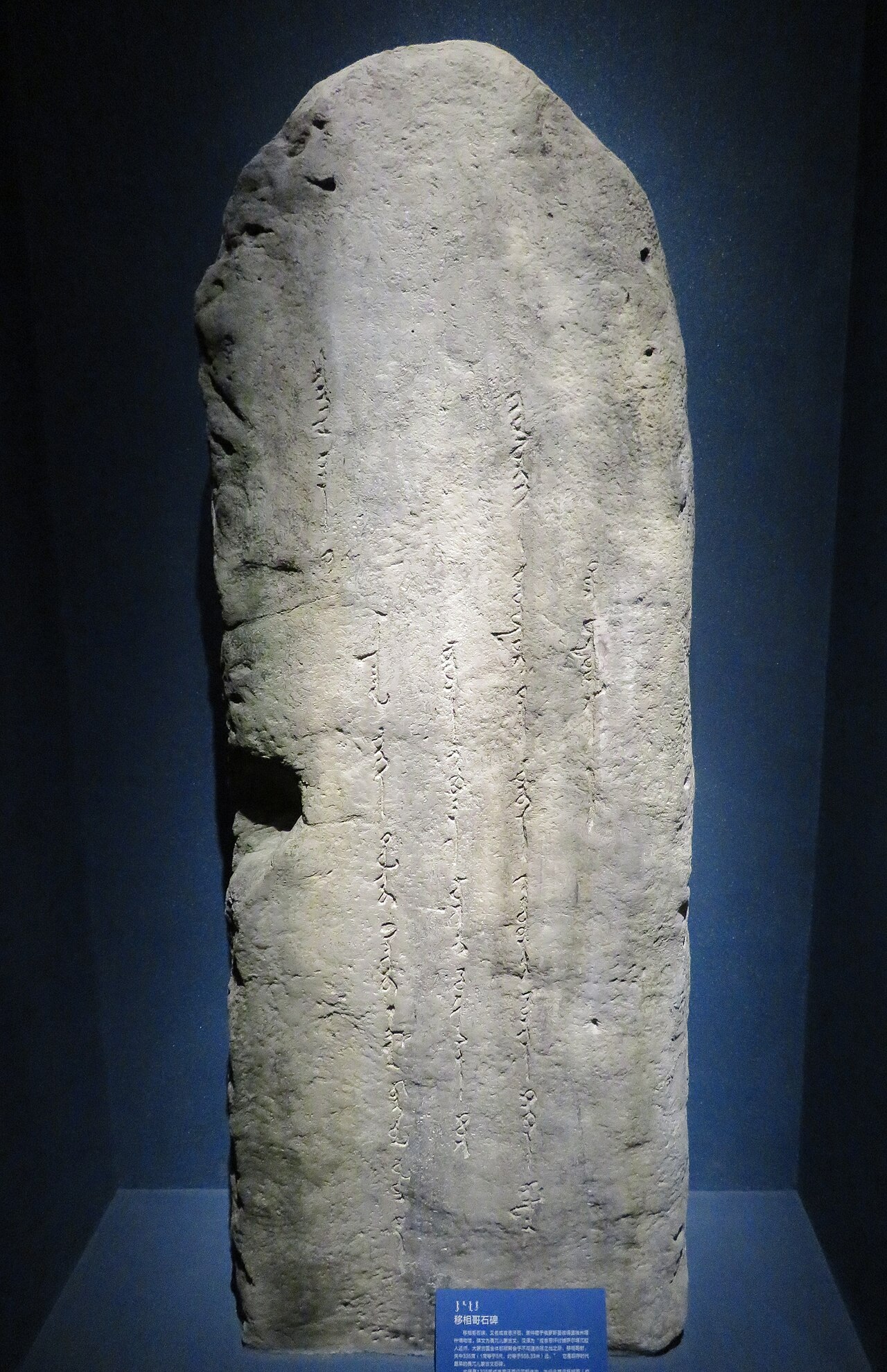 Artifact
Primary source
Stele of Genghis Khan
c. 1224-1225
Ready when you are
Start chatting with Genghis Khan now.
20 messages free · No credit card · Available in 50+ languages.