


Secondary sourcePainting15th century
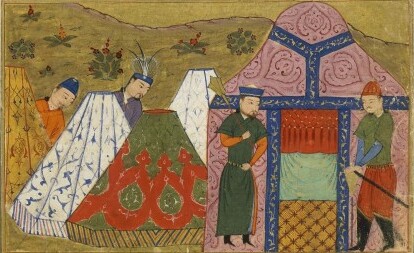
Chinggis Khan's Encampment
Rashid al-Din (workshop) · 15th century
A manuscript painting of a Mongol camp, from a later copy of Rashid al-Din's history of the Mongols.
Shows the encampment associated with Genghis Khan, illustrating how his court and camp were imagined after his death.
About this source
What it is
This miniature painting shows a Mongol encampment with patterned tents, made for a manuscript copy of Rashid al-Din's Jami al-Tawarikh in the 15th century, based on an earlier early 14th-century original. It is linked to depictions of Chinggis Khan's camp and court.
Why it matters
The image reflects how Persian artists, working after the Mongol conquests, imagined daily life and power in the Mongol camp. Though painted after Genghis Khan's death, it draws on traditions close to his era and gives students a sense of how Mongol life was pictured by outsiders.
Look closer
- What details suggest this is a camp rather than a city or palace?
- Who might the figures in colorful robes represent, and why are they shown this way?
- What would be missing from this scene if we compare it to a firsthand description of Mongol life?
This painting is part of the curated material that grounds the AI version of Genghis Khan on Humy.ai — when students ask about related events, the AI can quote it and cite it.
More Genghis Khan sources
Meet the AI Genghis Khan →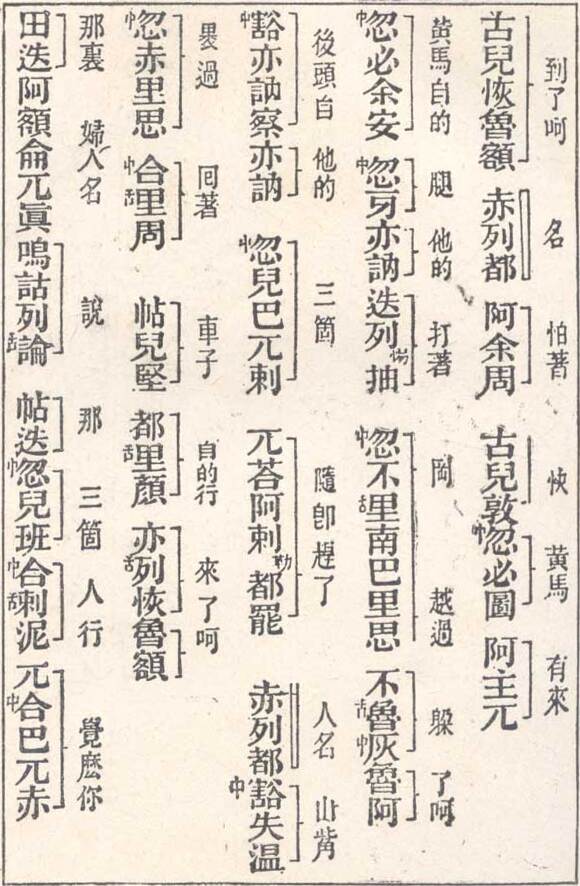 Book
Secondary source
The Secret History of the Mongols
c. 1228 (completed after 1227)
 Painting
Secondary source
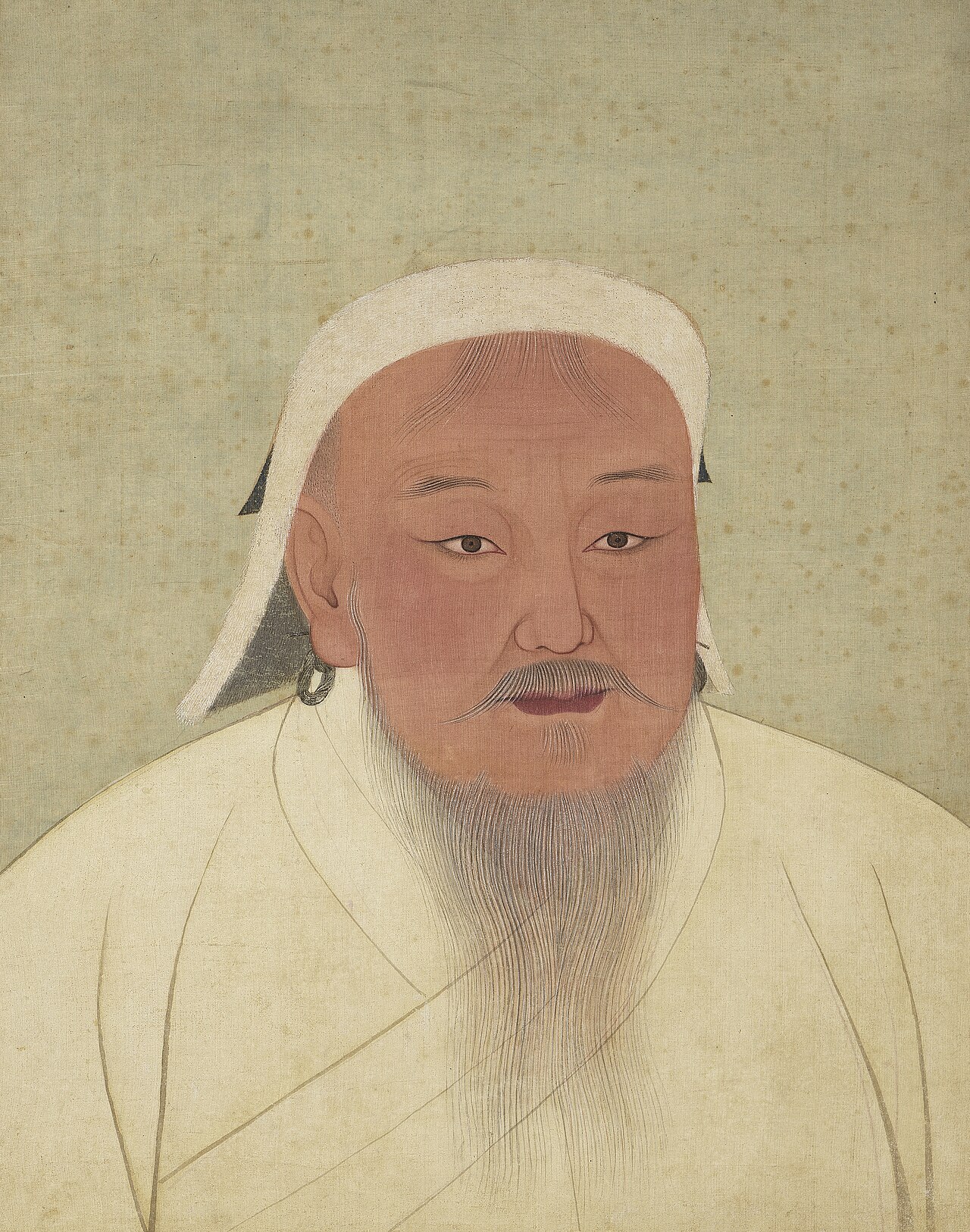
Portrait of Genghis Khan
Unknown Yuan court painter
 Book
Secondary source
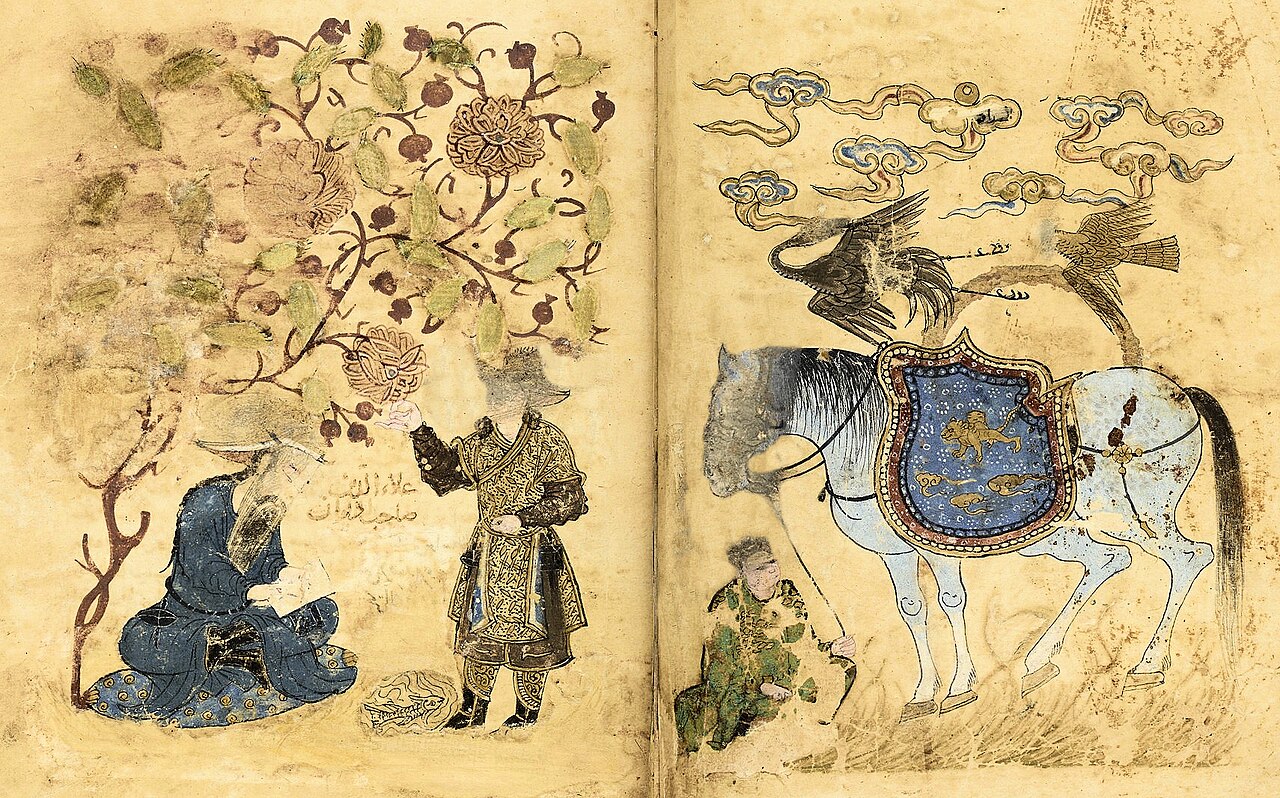
Tarikh-i Jahangushay-i Juvaini
Ata-Malik Juvayni
 Book
Secondary source
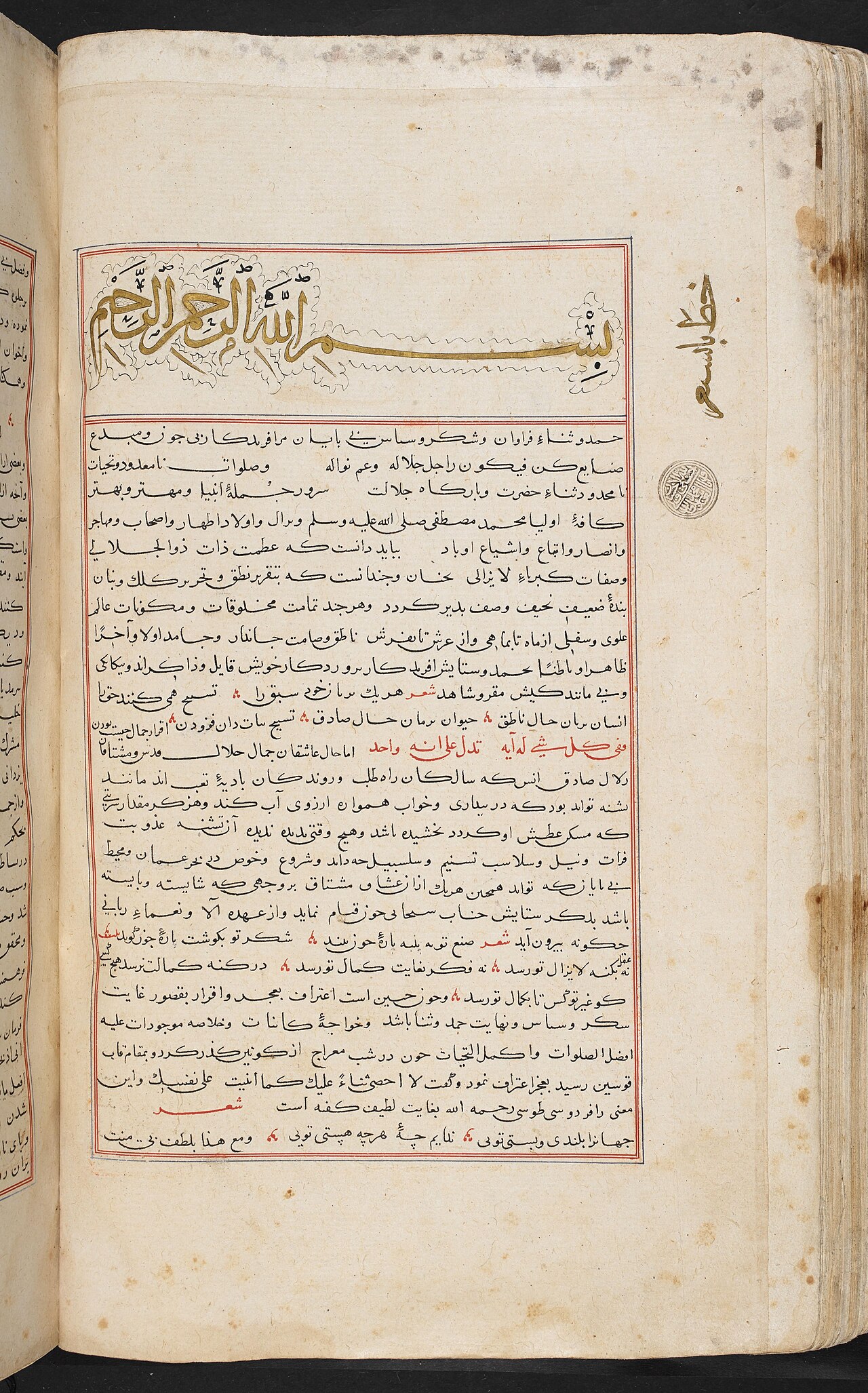
Jami' al-tawarikh
Rashid al-Din Hamadani · c. 1400 (manuscript copy)
 Artifact
Primary source
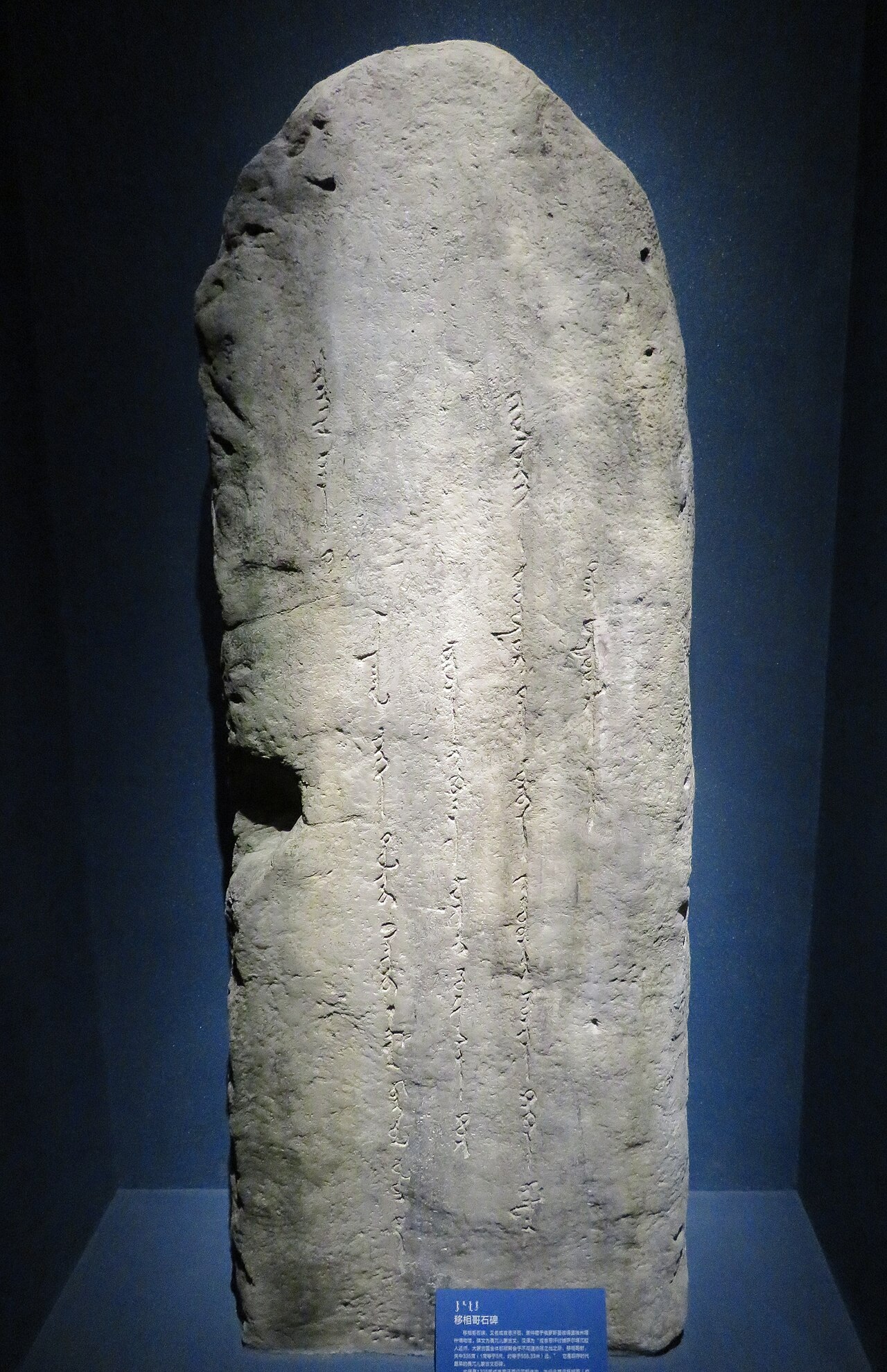
Stele of Genghis Khan
c. 1224-1225
Ready when you are
Start chatting with Genghis Khan now.
20 messages free · No credit card · Available in 50+ languages.