


Secondary sourceArtifact12th century (Angevin phase)
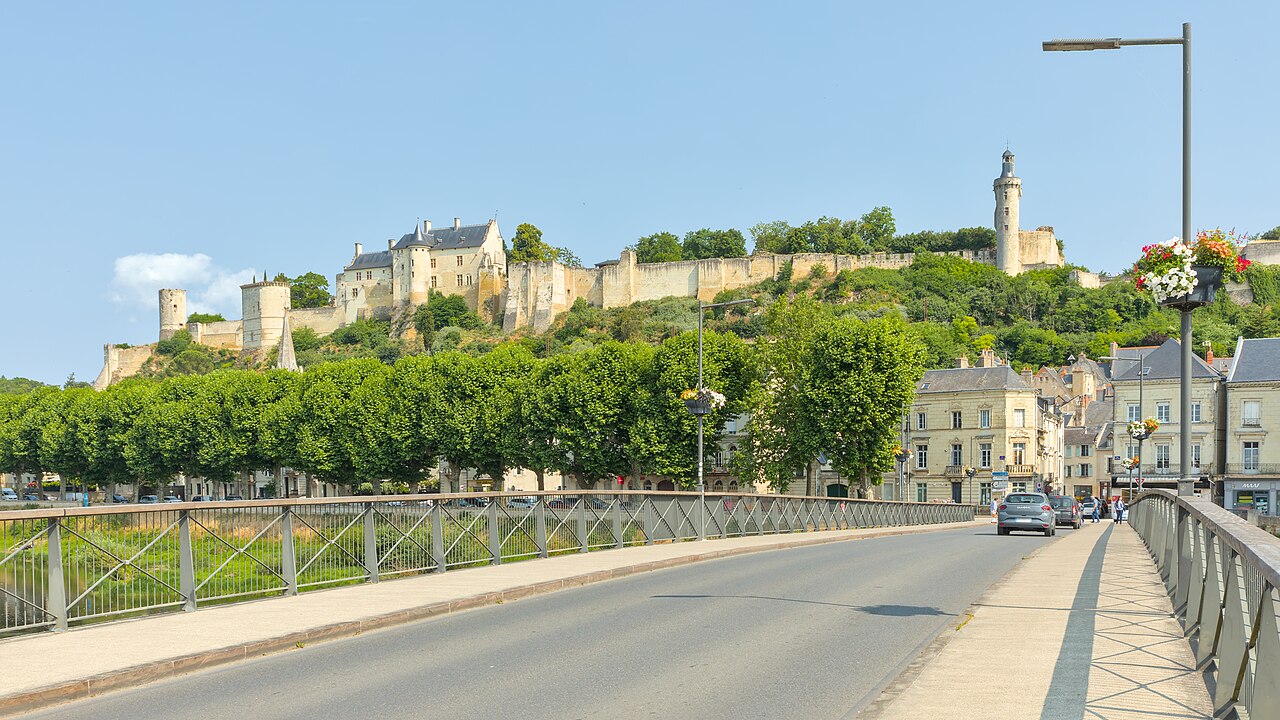
Chinon Castle
12th century (Angevin phase)
A royal Angevin fortress where Henry II died in 1189, central to the family politics of Eleanor of Aquitaine and her sons.
Chinon was a key Angevin stronghold tied to Eleanor's family, later passing to her son Richard after Henry II's death there.
About this source
What it is
Chinon Castle is a fortress-residence built up during the Angevin period, used by King Henry II of England. He died there in 1189. It still stands today as the Forteresse royale de Chinon in France.
Why it matters
Chinon was a stage for the power struggles within Henry II's family, including his marriage to Eleanor of Aquitaine. After Henry's death, the castle passed to Richard the Lionheart, Eleanor's son. The castle's history reflects the tangled politics between Eleanor, Henry, and their children.
Look closer
- Why might a fortress like this have been important for controlling a large territory?
- What does the castle's location tell you about medieval power and defense?
- What parts of the family's political struggles happened within these walls that we can't see just from the building?
This artifact is part of the curated material that grounds the AI version of Eleanor of Aquitaine on Humy.ai — when students ask about related events, the AI can quote it and cite it.
More Eleanor of Aquitaine sources
Meet the AI Eleanor of Aquitaine →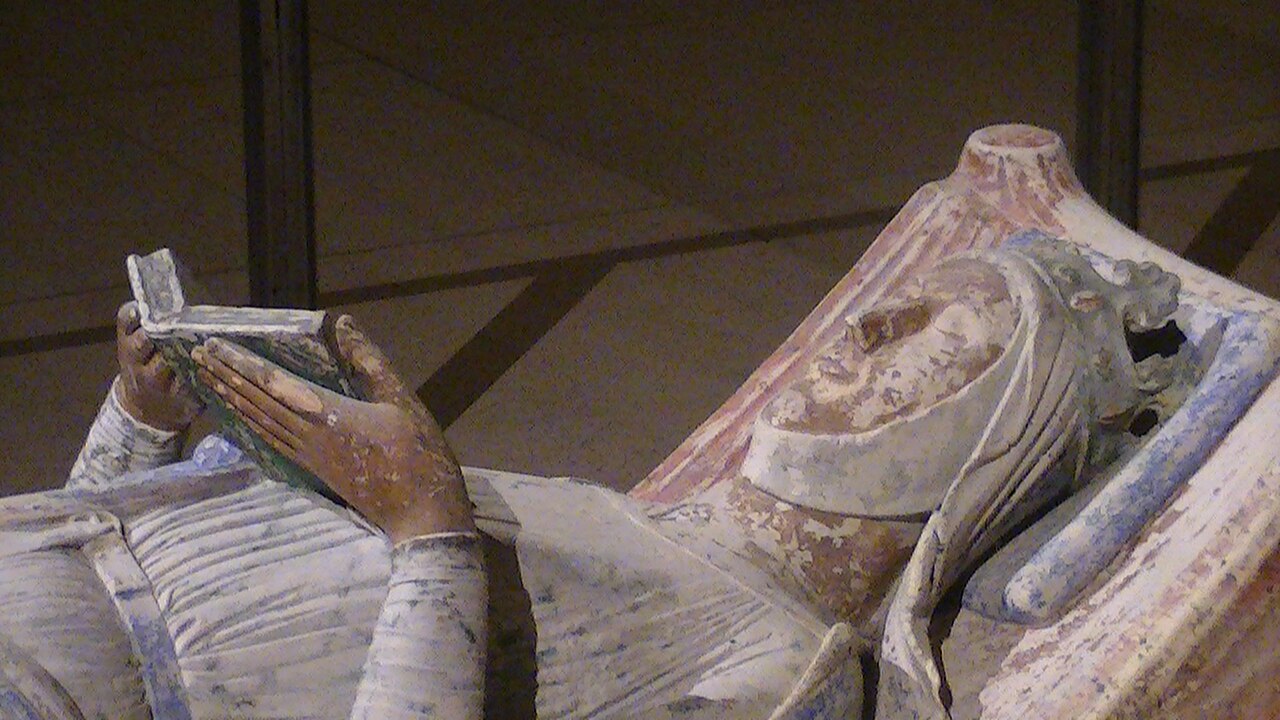 Sculpture
Primary source
Grave of Eleanor of Aquitaine
 Painting
Secondary source
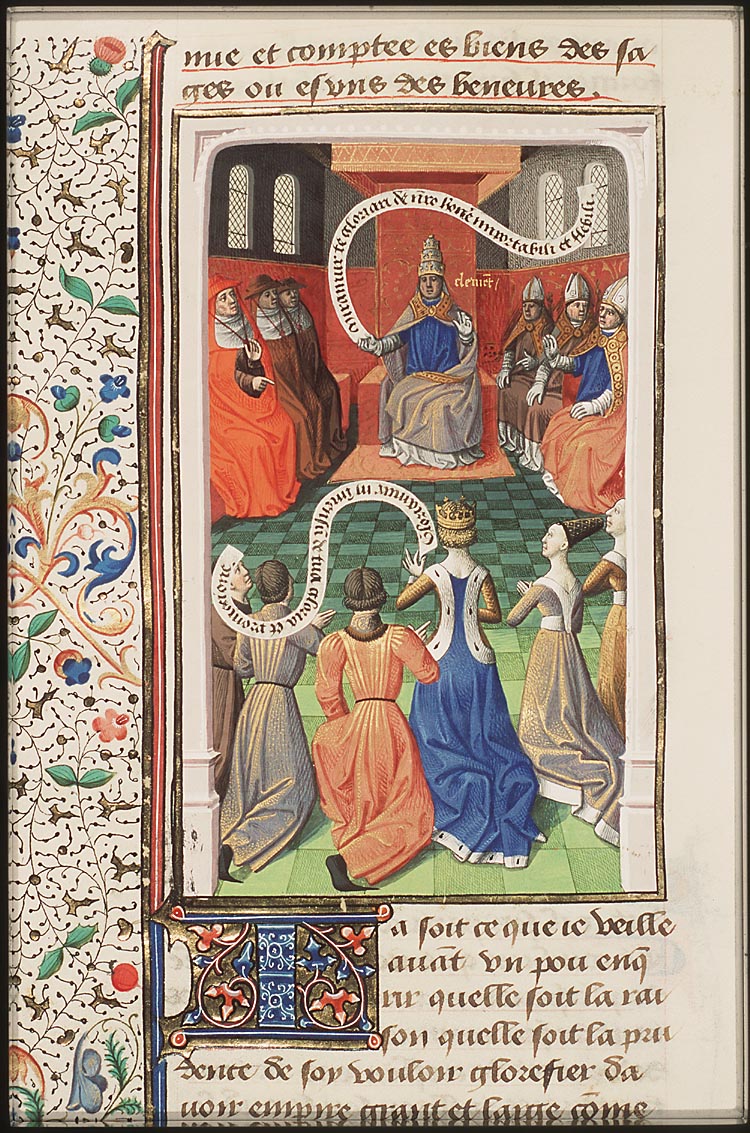
The Queen of England, Eleanor of Aquitaine, before Pope Clement III
Maïtre François
 Artifact
Primary source
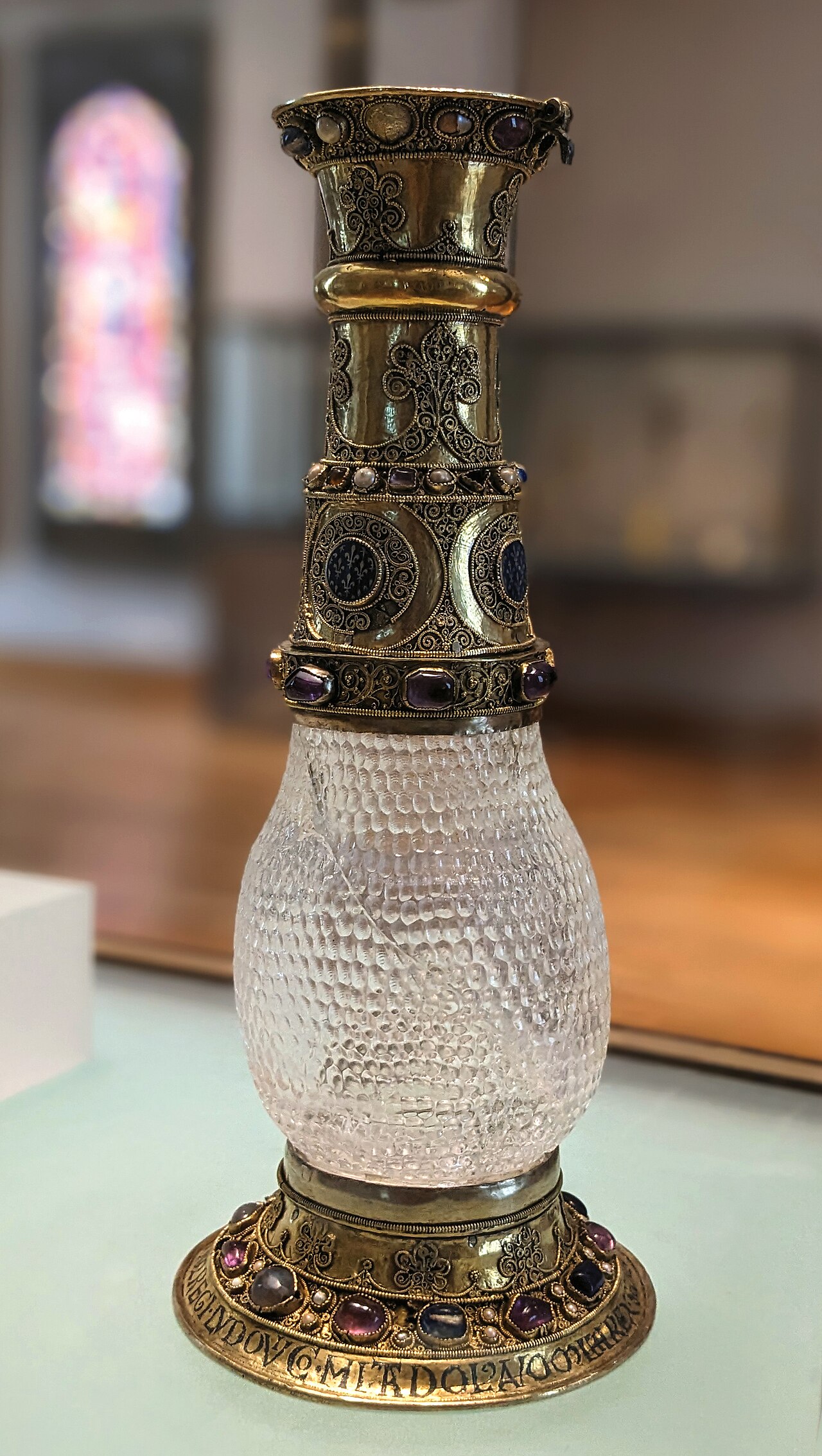
Crystal Vase of Eleanor of Aquitaine
c. 600 (object), given in the 12th century
 Artifact
Primary source
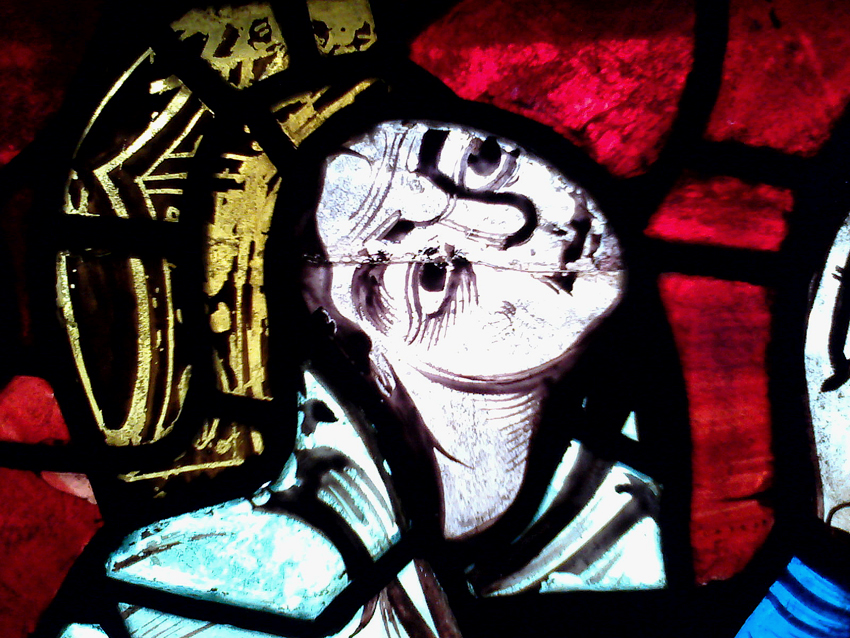
Crucifixion Window of Poitiers Cathedral
c. 1165-1170
 Book
Primary source
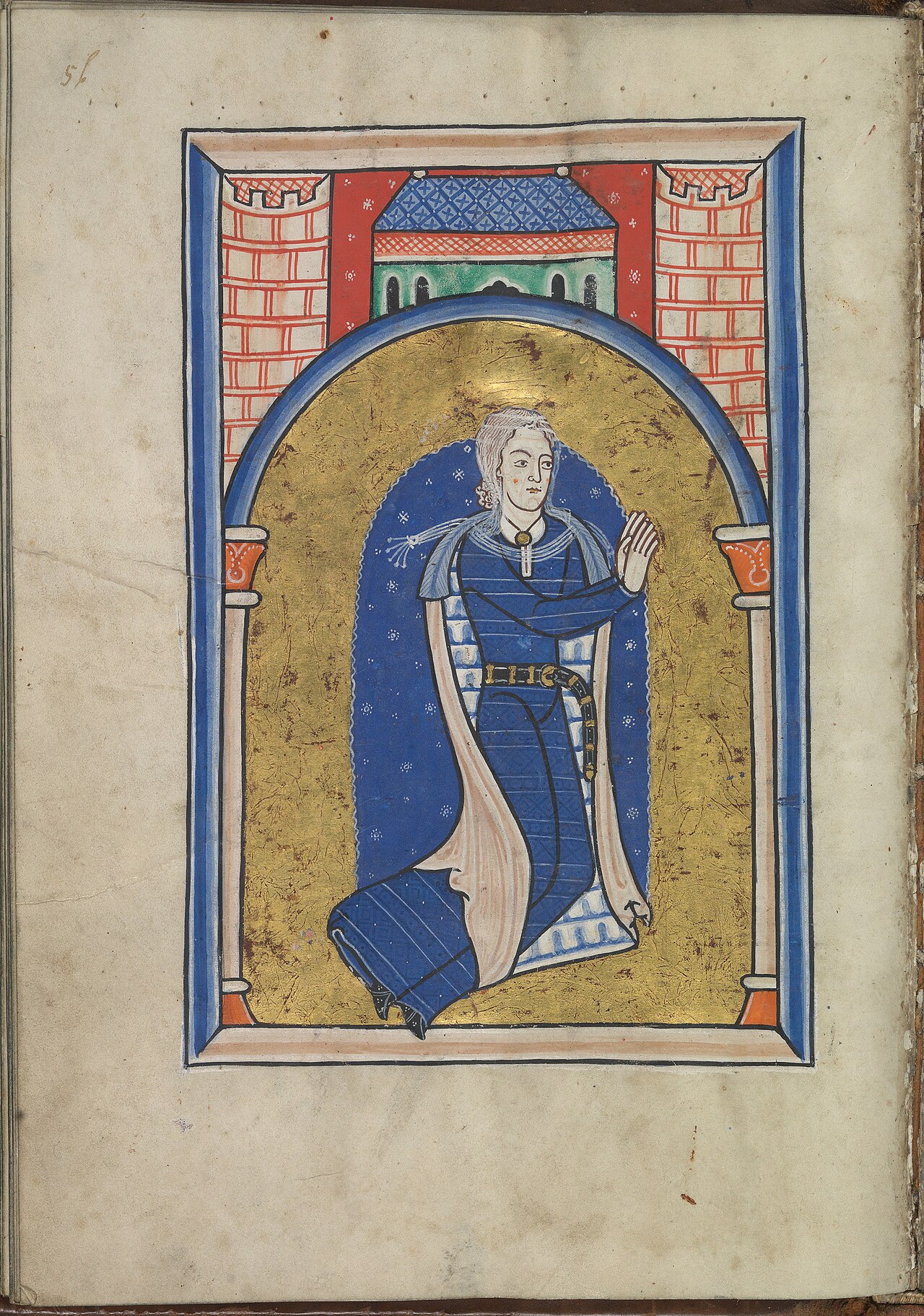
Psalter of Eleanor of Aquitaine
c. 1180
Ready when you are
Start chatting with Eleanor of Aquitaine now.
20 messages free · No credit card · Available in 50+ languages.