


Primary sourceSculpture
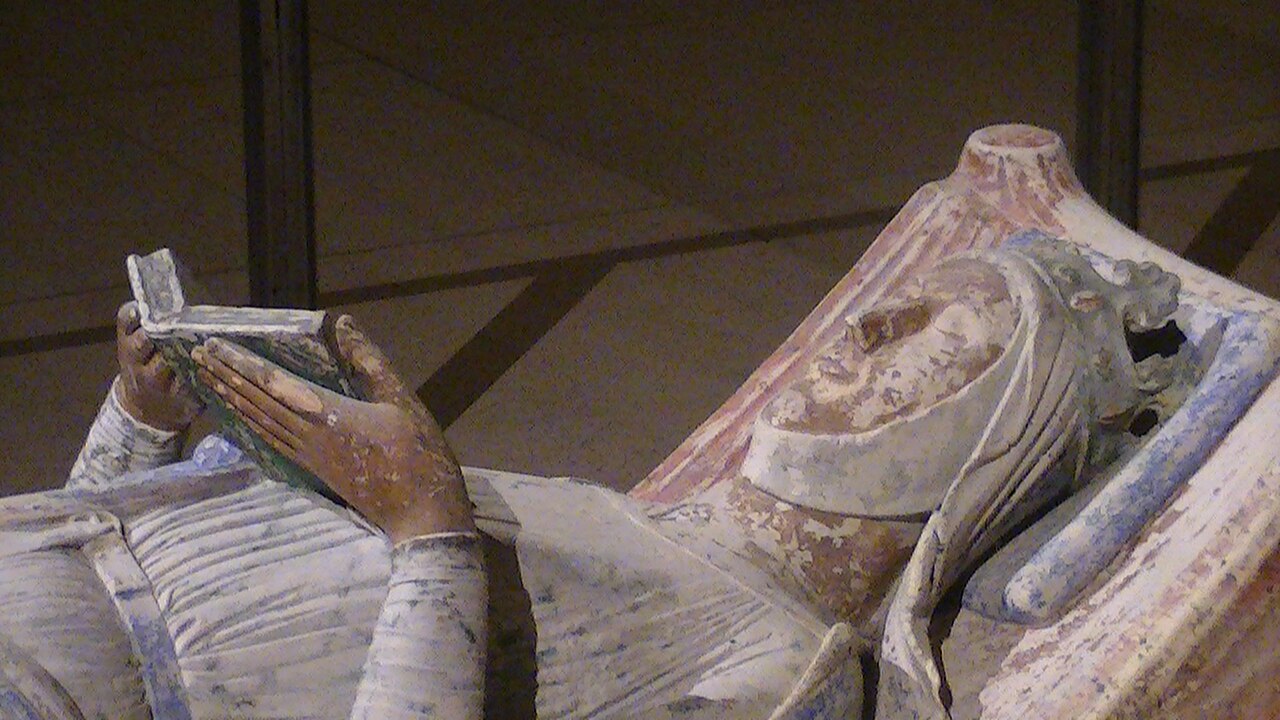
Grave of Eleanor of Aquitaine
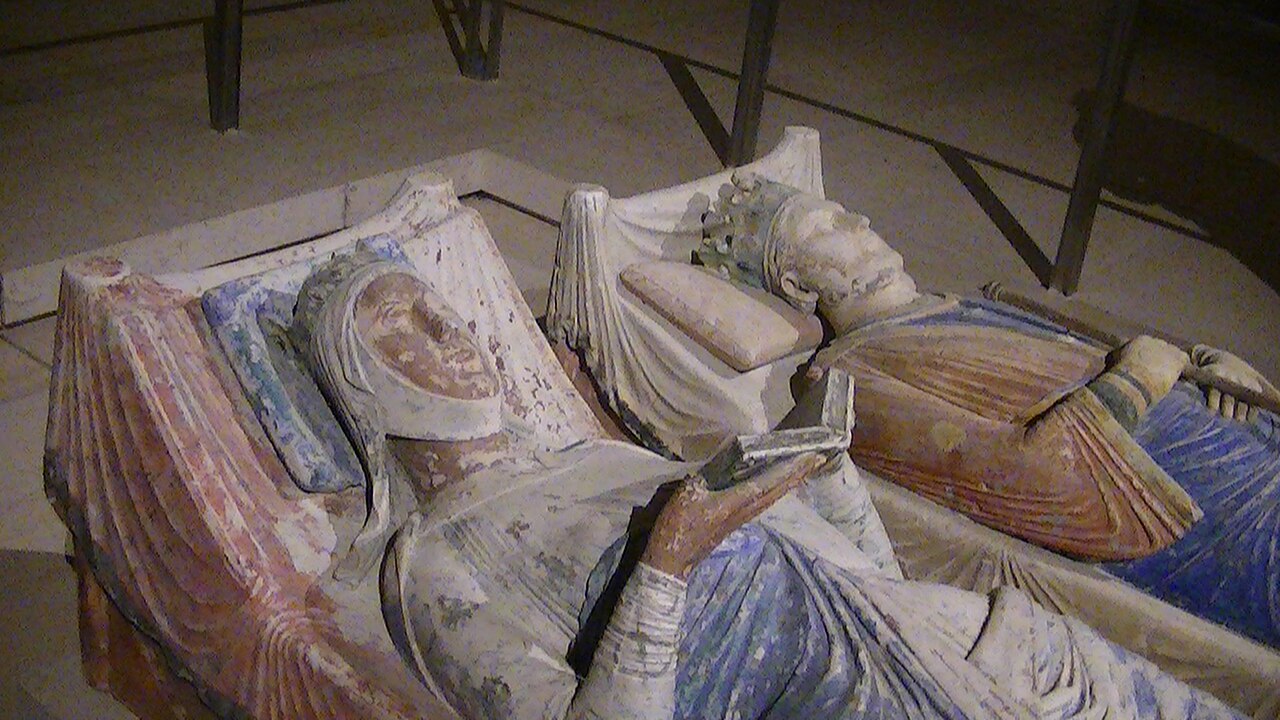
A painted stone tomb effigy at Fontevraud Abbey showing Eleanor of Aquitaine reading a book, carved to mark her burial beside her husband and son.
Her own tomb effigy, showing how Eleanor chose to be remembered at Fontevraud beside her husband and son.
About this source
What it is
This is the carved stone effigy placed on Eleanor of Aquitaine's tomb in the church of Fontevraud Abbey. The painted figure lies as if resting, holding an open book, and was made at or soon after her death in the early 13th century.
Why it matters
Because it was made so close to her lifetime, this effigy is considered the nearest thing we have to a real likeness of Eleanor. It also shows how she wanted to be remembered: as a reader, not just a queen, and lying alongside her husband Henry II and her son Richard I in a shared dynastic tomb.
Look closer
- Why might the sculptor have chosen to show Eleanor holding a book rather than a crown or sword?
- What does it suggest that she chose to be buried here, at Fontevraud, rather than elsewhere?
- How reliable do you think a tomb effigy is as a portrait of a real person?
This sculpture is part of the curated material that grounds the AI version of Eleanor of Aquitaine on Humy.ai — when students ask about related events, the AI can quote it and cite it.
More Eleanor of Aquitaine sources
Meet the AI Eleanor of Aquitaine →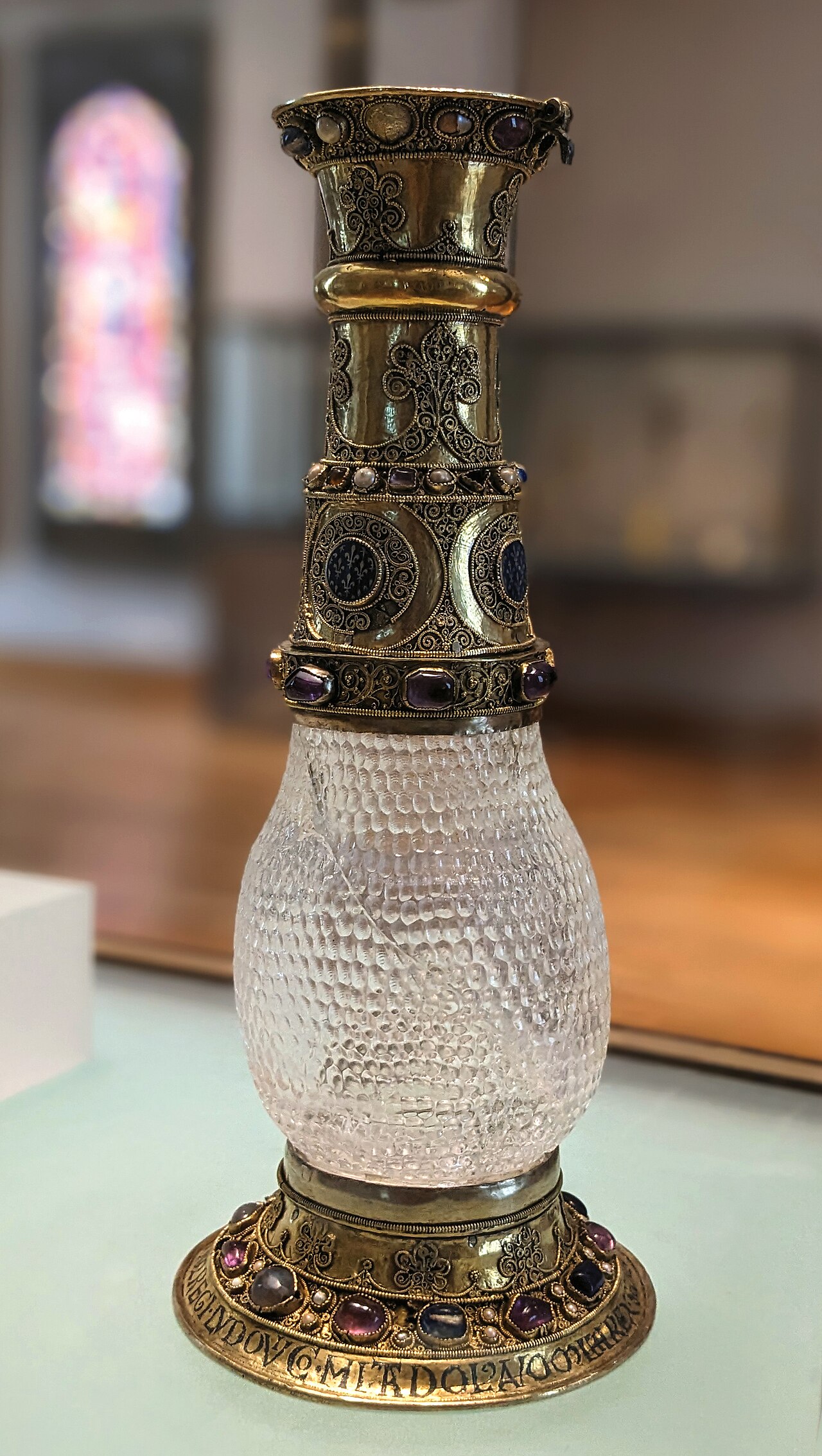 Artifact
Primary source
Crystal Vase of Eleanor of Aquitaine
c. 600 (object), given in the 12th century
 Artifact
Primary source
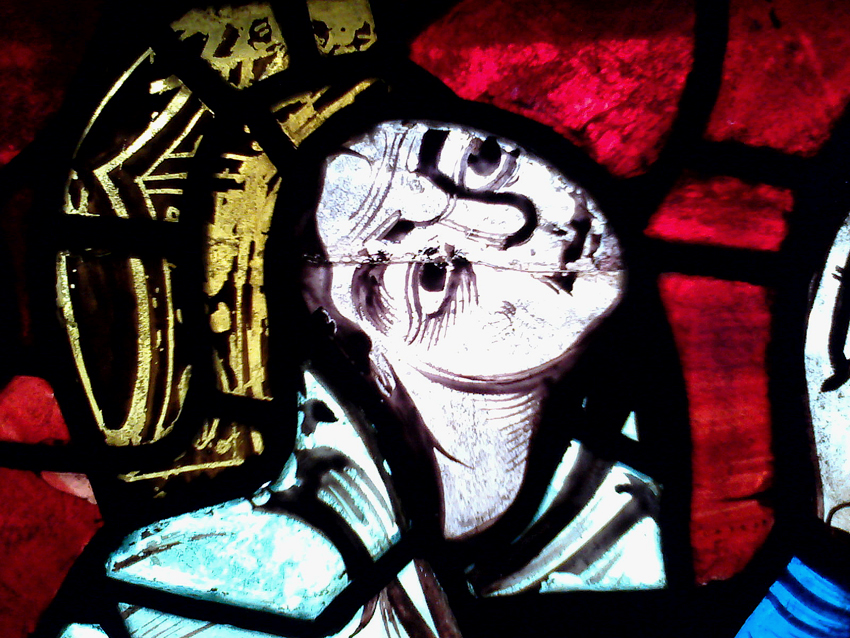
Crucifixion Window of Poitiers Cathedral
c. 1165-1170
 Book
Primary source
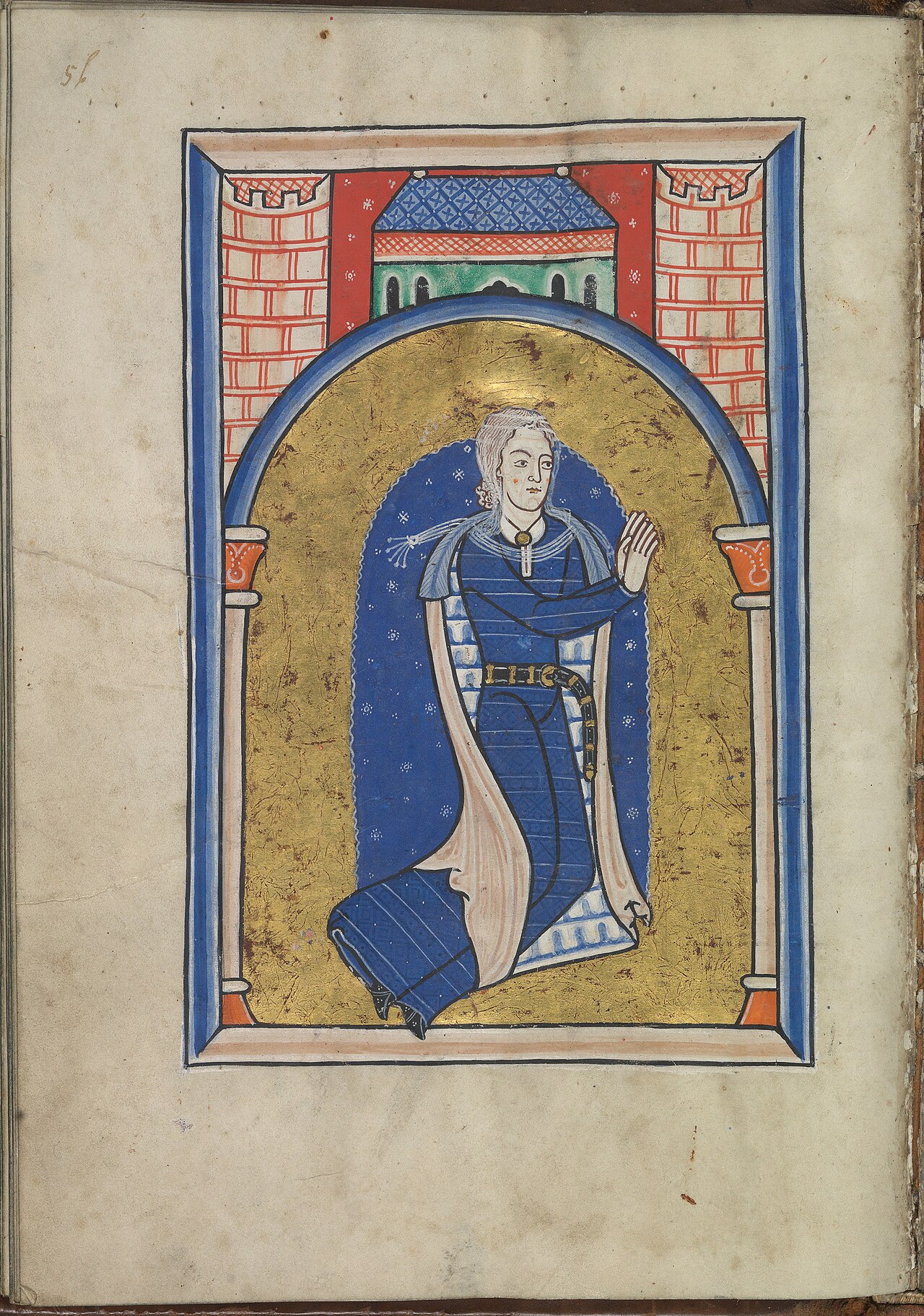
Psalter of Eleanor of Aquitaine
c. 1180
 Artifact
Primary source
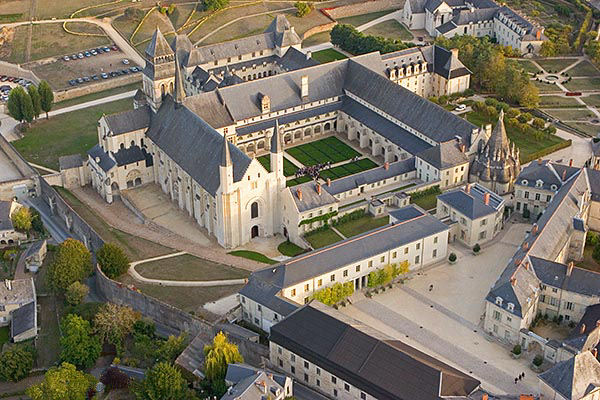
Royal Abbey of Fontevraud
Robert of Arbrissel · founded 1101
 Sculpture
Secondary source
Tomb Effigy of Henry II at Fontevraud
c. 1200
Ready when you are
Start chatting with Eleanor of Aquitaine now.
20 messages free · No credit card · Available in 50+ languages.