


Secondary sourceSculpturec. 1200
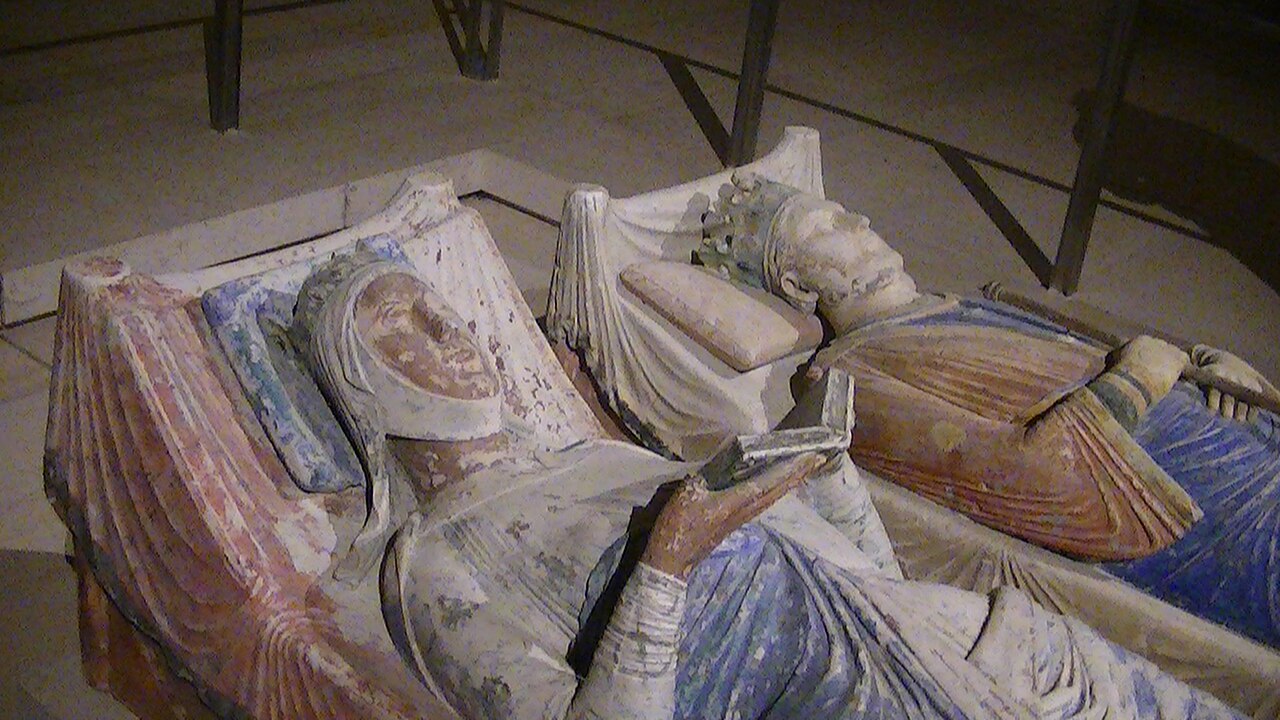
Tomb Effigy of Henry II at Fontevraud
c. 1200
A painted stone effigy of King Henry II, lying beside Eleanor of Aquitaine's own tomb effigy in the abbey church of Fontevraud.
Henry II's effigy lies beside Eleanor's at Fontevraud, the mausoleum she helped shape for her family.
About this source
What it is
This is a painted stone tomb effigy (gisant) of King Henry II of England, made around 1200 and kept at Fontevraud Abbey. It lies next to the effigy of Eleanor of Aquitaine as part of the Plantagenet family burial place.
Why it matters
Henry II was Eleanor's husband, and the two effigies placed side by side show how the family wanted to be remembered together after a marriage that included long periods of conflict, including her imprisonment. Fontevraud became a mausoleum for the Plantagenet dynasty, and the choice to bury Henry and Eleanor together says something about how their successors wanted their story told.
Look closer
- What does it mean that the effigies are placed side by side, despite their troubled marriage?
- What do the objects each figure holds or wears tell you about how they wanted to be remembered?
- Why might later generations have wanted to show them as a unified royal pair?
This sculpture is part of the curated material that grounds the AI version of Eleanor of Aquitaine on Humy.ai — when students ask about related events, the AI can quote it and cite it.
More Eleanor of Aquitaine sources
Meet the AI Eleanor of Aquitaine →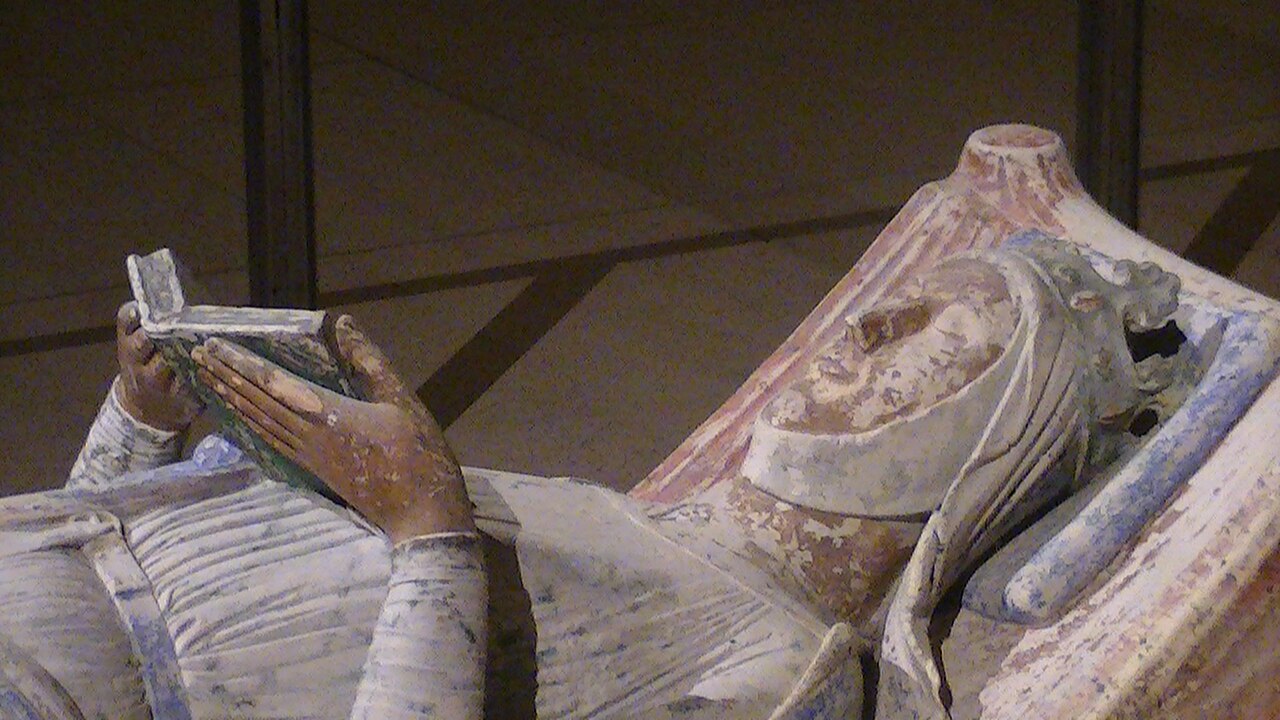 Sculpture
Primary source
Grave of Eleanor of Aquitaine
 Artifact
Primary source
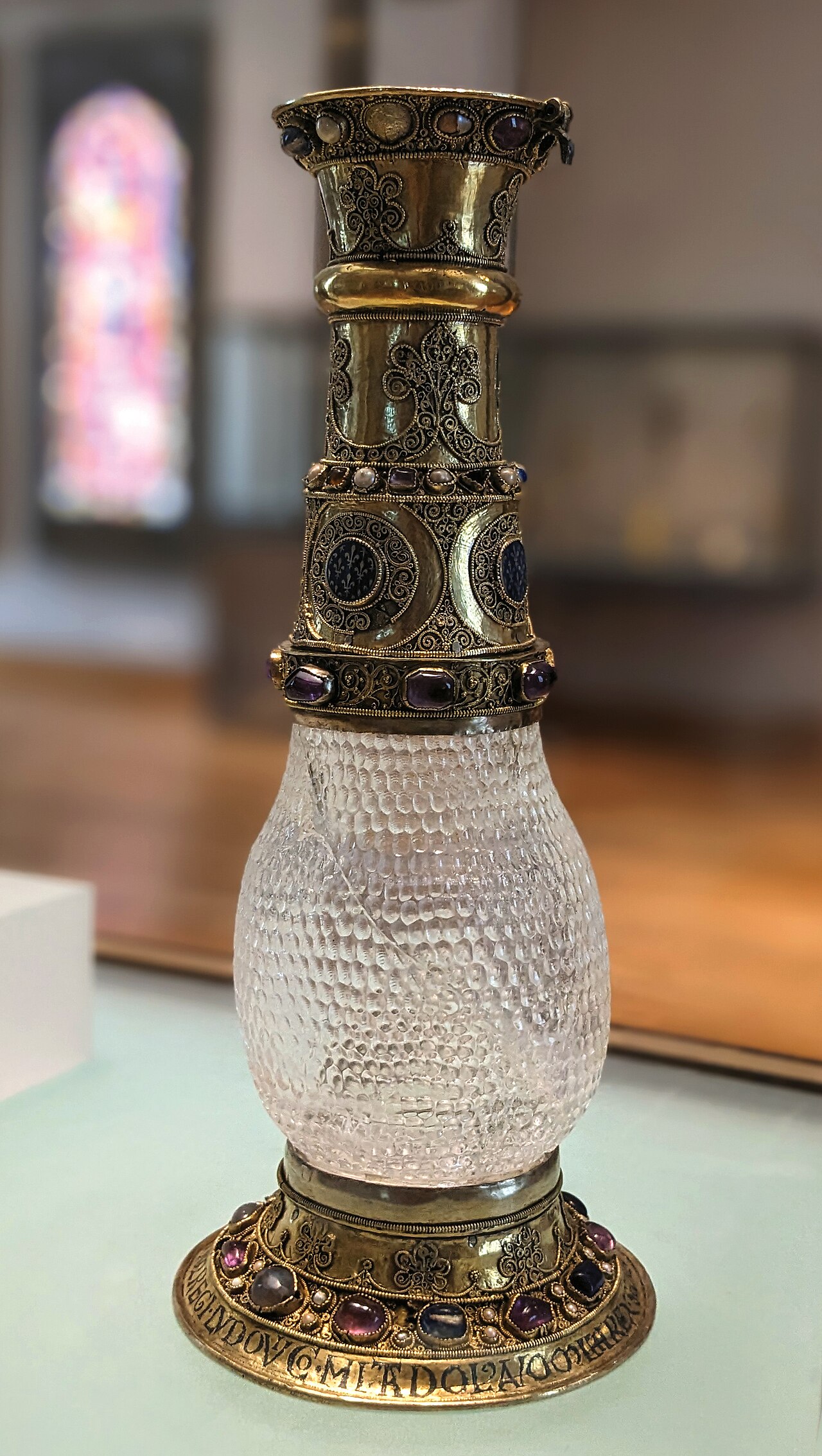
Crystal Vase of Eleanor of Aquitaine
c. 600 (object), given in the 12th century
 Artifact
Primary source
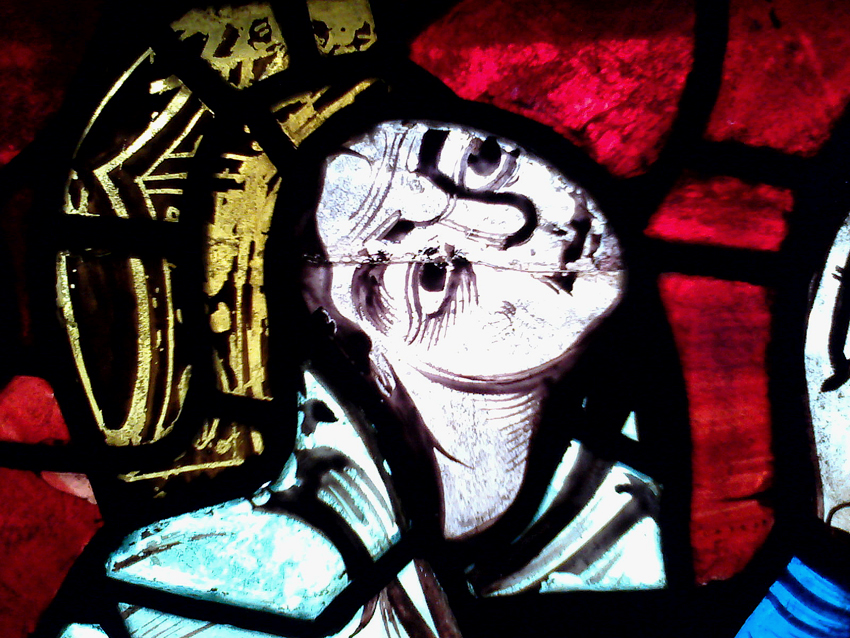
Crucifixion Window of Poitiers Cathedral
c. 1165-1170
 Book
Primary source
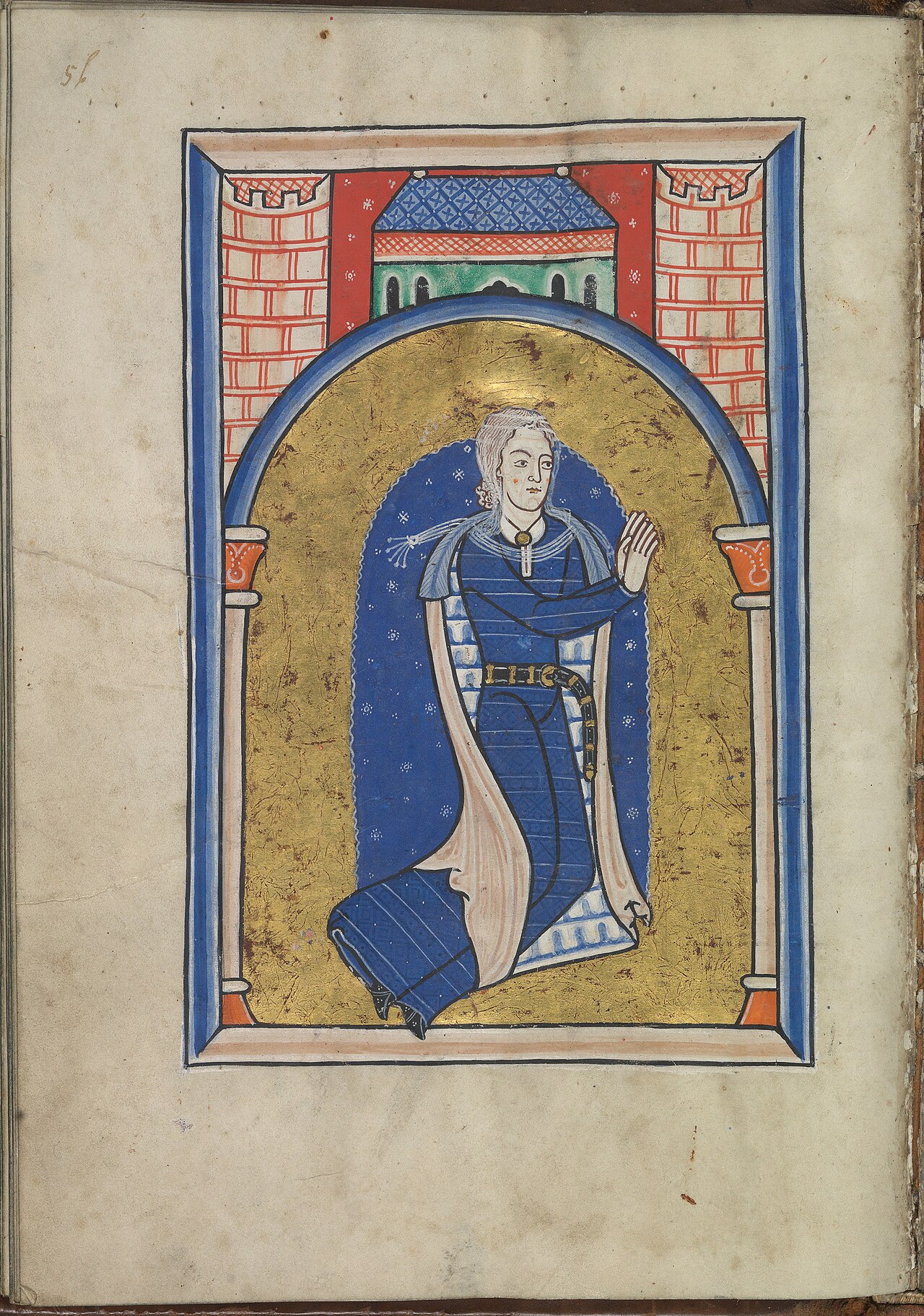
Psalter of Eleanor of Aquitaine
c. 1180
 Artifact
Primary source
Royal Abbey of Fontevraud
Robert of Arbrissel · founded 1101
Ready when you are
Start chatting with Eleanor of Aquitaine now.
20 messages free · No credit card · Available in 50+ languages.