


Primary sourceArtifactrebuilt 1519-1520
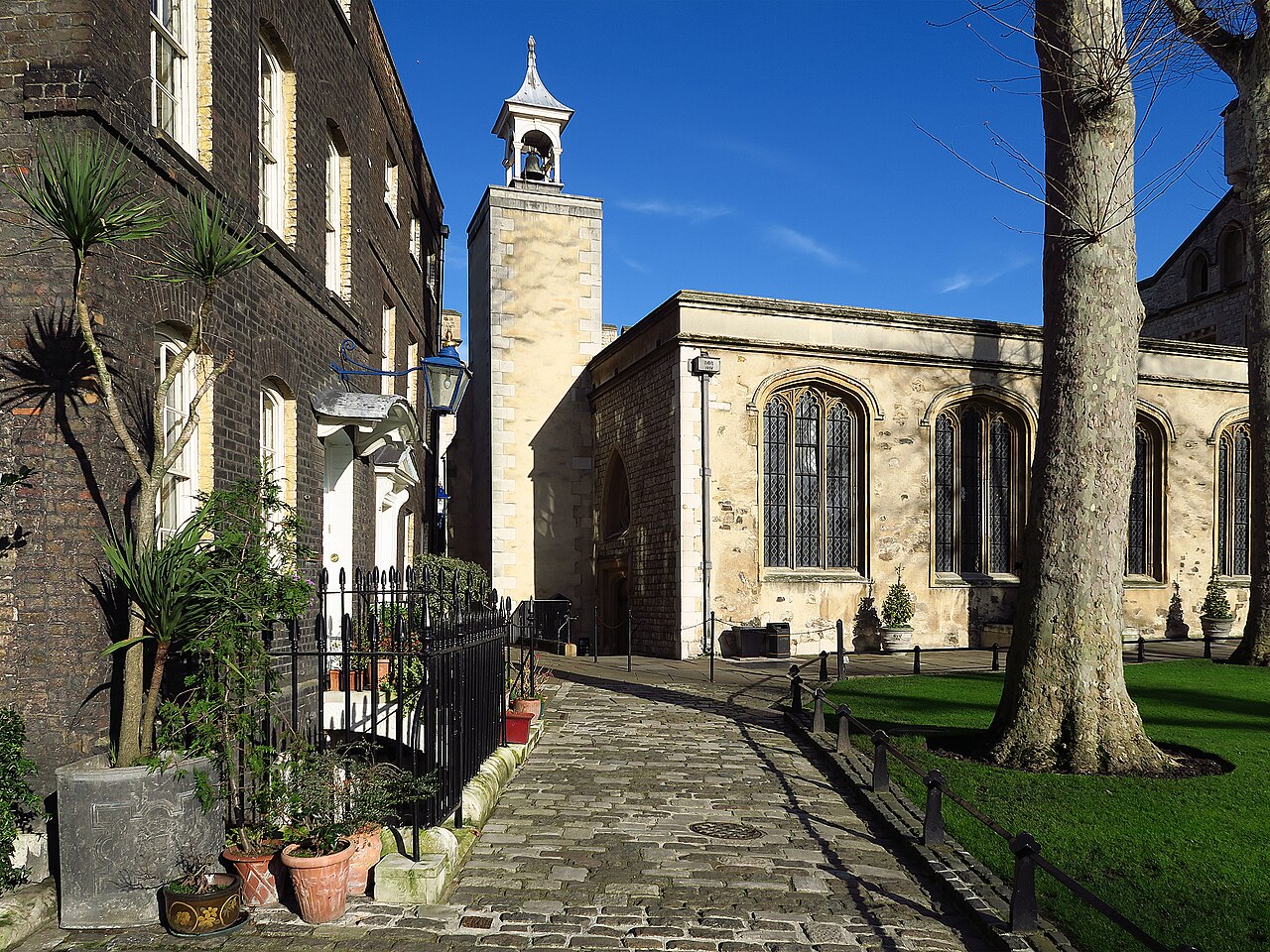
Church of St Peter ad Vincula, Tower of London
rebuilt 1519-1520
The chapel within the Tower of London where Anne Boleyn was buried in an unmarked grave after her execution in 1536.
Anne was buried here in an unmarked grave after her execution, beside her brother and others executed in 1536.
About this source
What it is
St Peter ad Vincula is the chapel of the Tower of London, rebuilt for Henry VIII between 1519 and 1520 after a fire. It serves as the burial place of several famous prisoners executed at the Tower.
Why it matters
Anne Boleyn was buried here without a marked grave after her execution on Tower Green in 1536, alongside her brother George Boleyn and others executed that year. Later, other notable figures such as Catherine Howard and Lady Jane Grey were also buried here, making the chapel a powerful symbol of the dangers faced by those closest to Tudor power.
Look closer
- Why might Anne have been buried without a marked grave?
- What does the chapel's long list of burials tell us about the risks of life at the Tudor court?
- How does visiting or picturing this building change how we think about Anne's death?
This artifact is part of the curated material that grounds the AI version of Ann Boleyn on Humy.ai — when students ask about related events, the AI can quote it and cite it.
More Ann Boleyn sources
Meet the AI Ann Boleyn →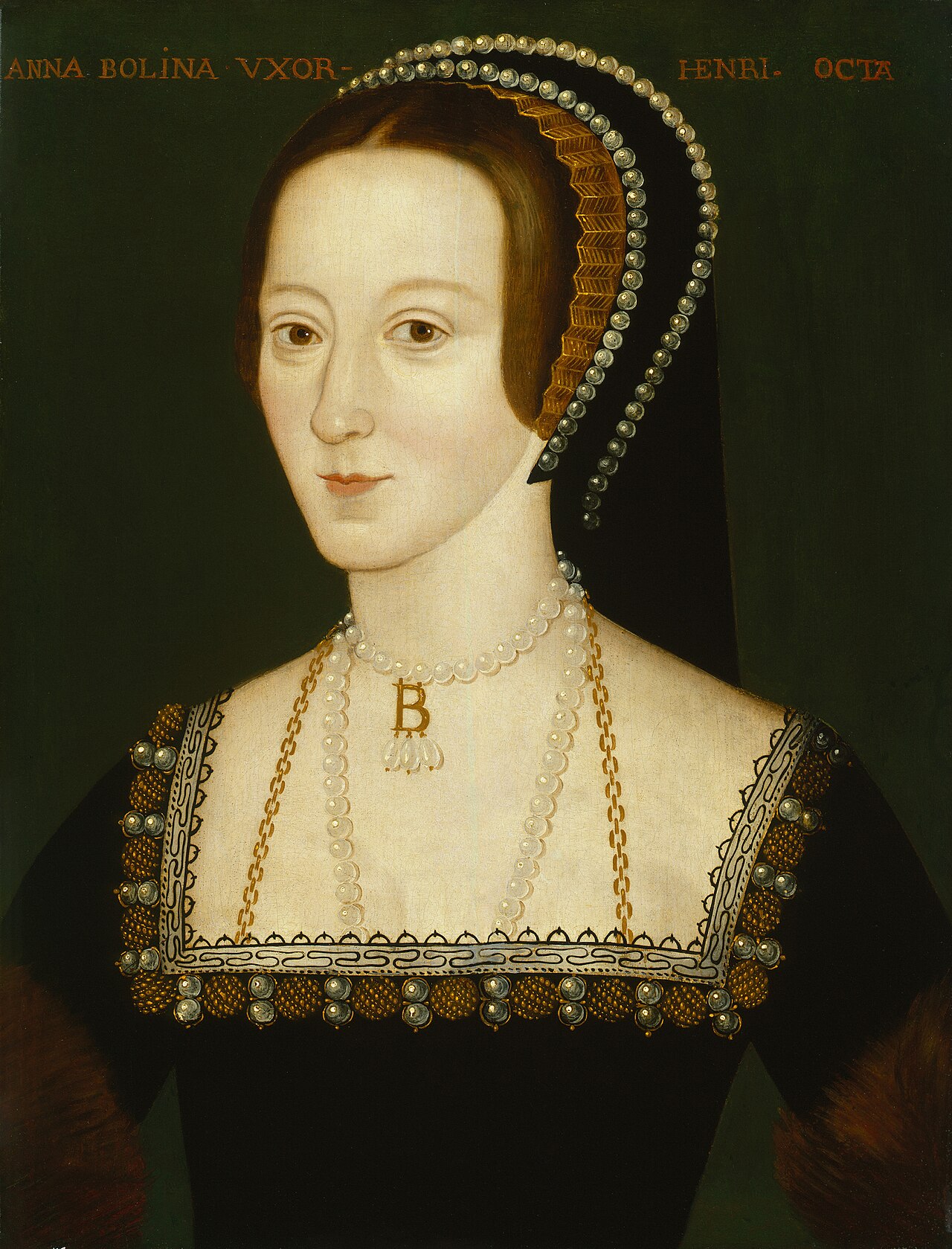 Painting
Secondary source
Anne Boleyn
Unknown artist · late 16th century (copy of lost original)
 Letter
Primary source
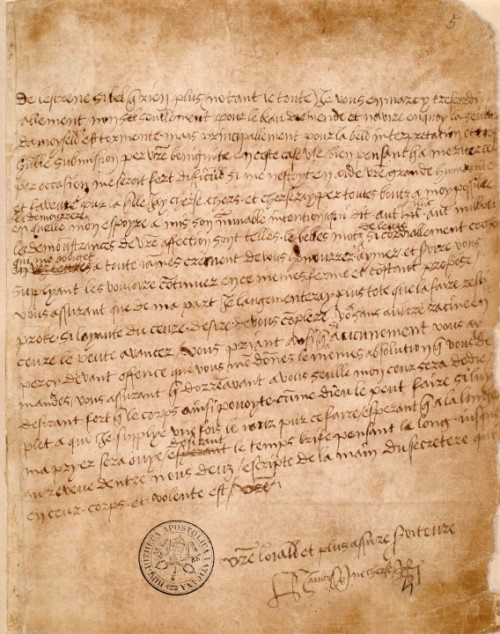
Love letters of Henry VIII to Anne Boleyn
Henry VIII · c. 1527–1528
 Painting
Primary source
Anna Bollein Queen
Hans Holbein the Younger · c. 1533–1536
 Painting
Primary source
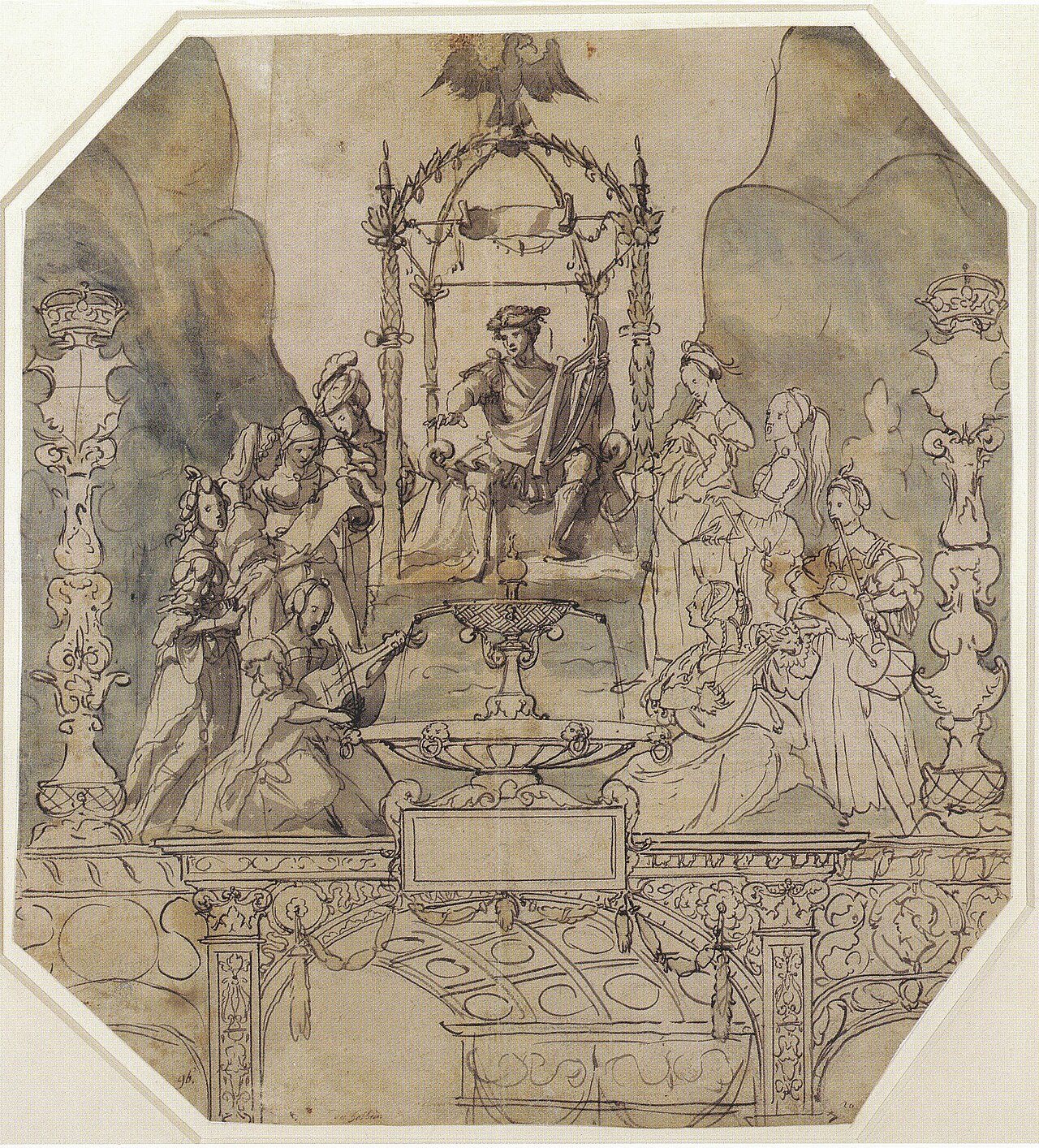
Apollo and the Muses on Parnassus
Hans Holbein the Younger · 1533
 Document
Primary source
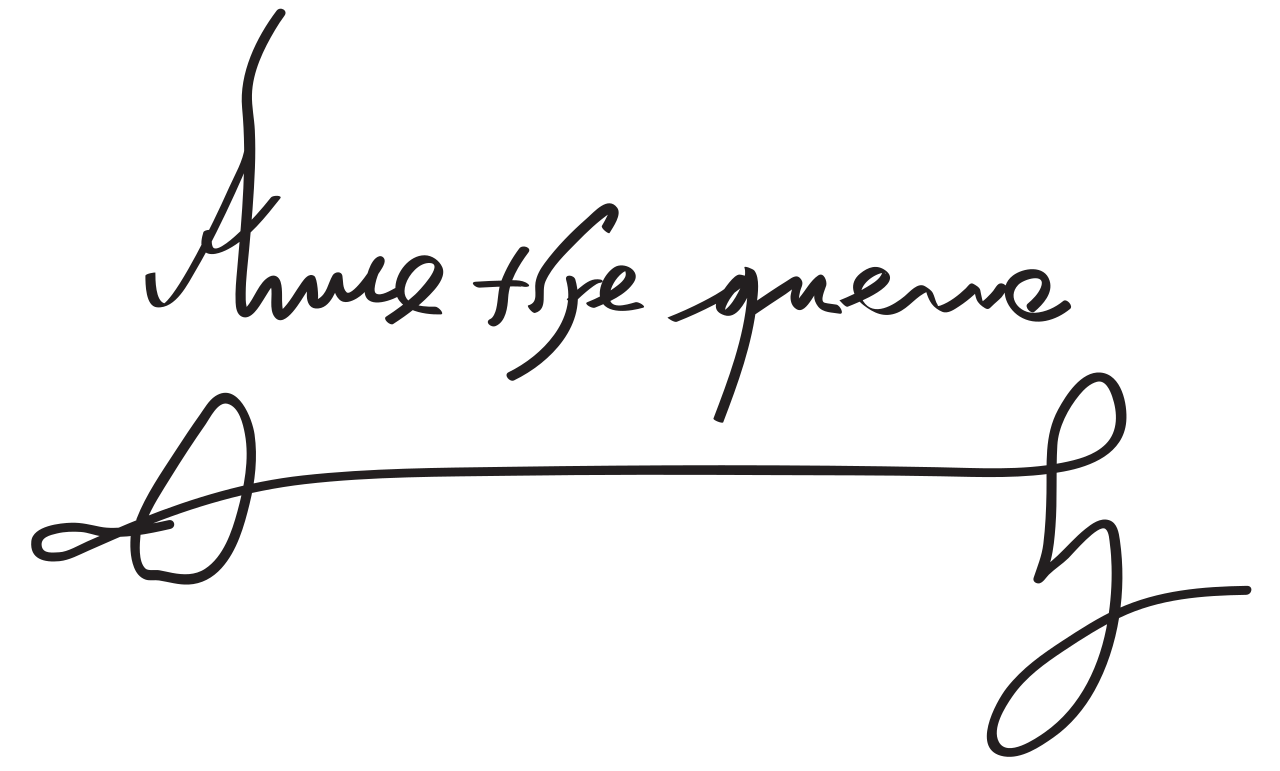
Signature of Anne Boleyn
Anne Boleyn
Ready when you are
Start chatting with Ann Boleyn now.
20 messages free · No credit card · Available in 50+ languages.