


Secondary sourceDocument126 (copying text of 27 BC)
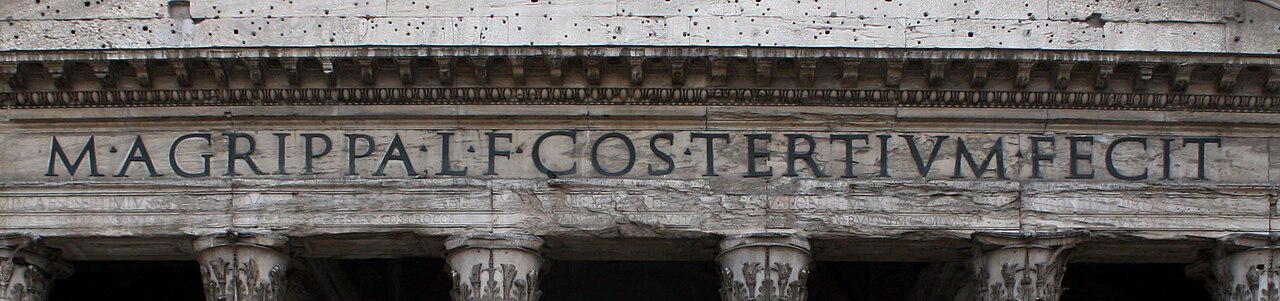
CIL VI, 896 (Pantheon Dedication Inscription)
126 (copying text of 27 BC)
The bronze-lettered inscription on the Pantheon's facade naming Agrippa as builder, copied from his original dedication of 27 BC.
Agrippa's name and title as three-time consul are inscribed on the Pantheon he originally built.
About this source
What it is
This is the inscription carved across the front of the Pantheon in Rome, reading 'M. AGRIPPA L. F. COS. TERTIVM. FECIT' ('Marcus Agrippa, son of Lucius, built this when consul for the third time'). It dates to the rebuilding of the Pantheon in AD 126, but it copies the wording of Agrippa's original dedication from his third consulship in 27 BC. The building still stands in Rome.
Why it matters
When the emperor Hadrian rebuilt the Pantheon after Agrippa's original burned down, he chose to keep Agrippa's name on the front rather than putting his own. This shows how closely tied Agrippa's name was to Augustan Rome and its monuments, even generations later.
Look closer
- Why might Hadrian have kept someone else's name on a building he rebuilt himself?
- What does this inscription tell us about how Romans wanted to be remembered?
- What does it leave out about who actually paid for or built the later version?
This document is part of the curated material that grounds the AI version of Marcus Vipsanius Agrippa on Humy.ai — when students ask about related events, the AI can quote it and cite it.
More Marcus Vipsanius Agrippa sources
Browse all 97 →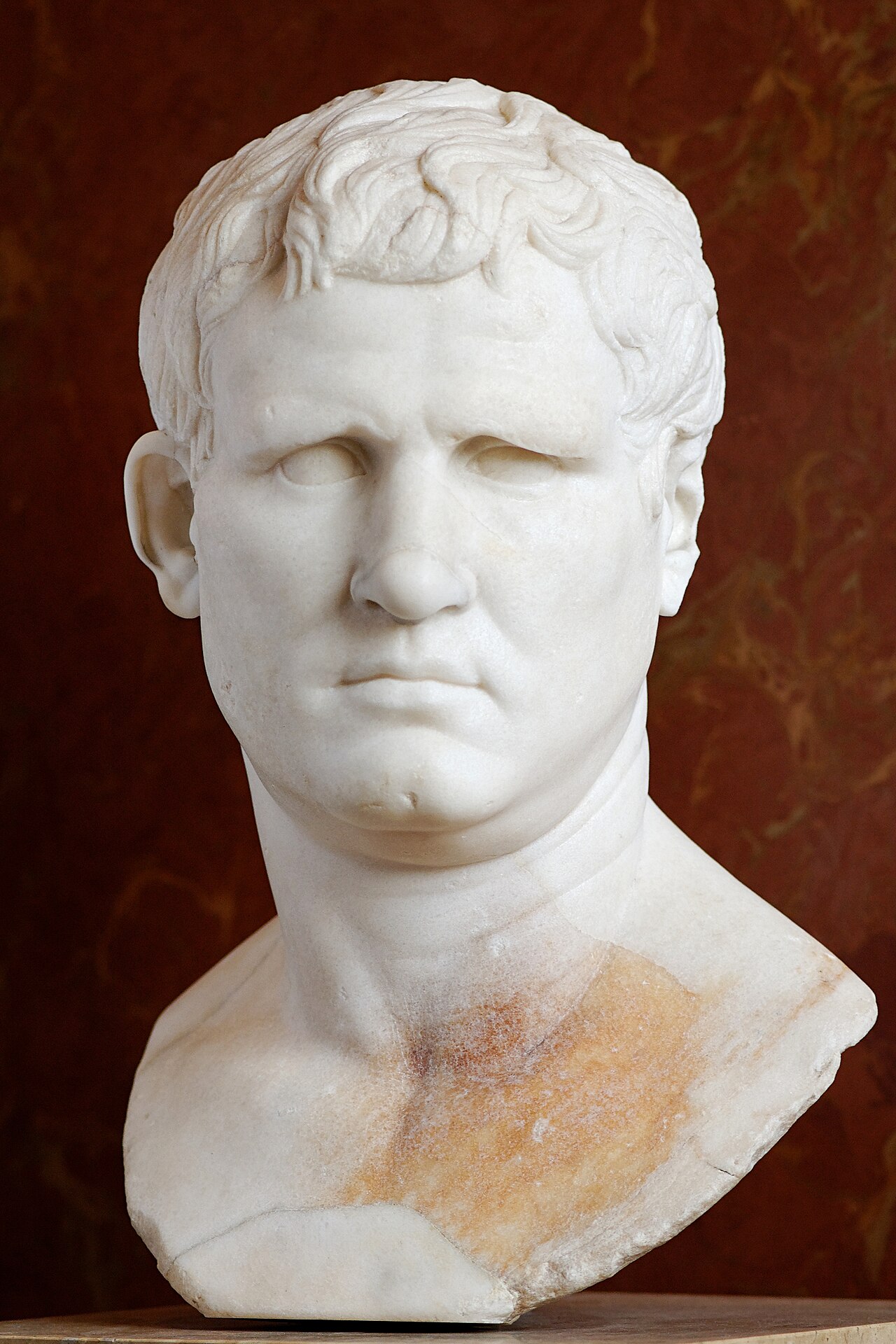 Sculpture
Primary source
Portrait of Marcus Vipsanius Agrippa (Gabii type)
c. 25–24 BC
 Artifact
Primary source
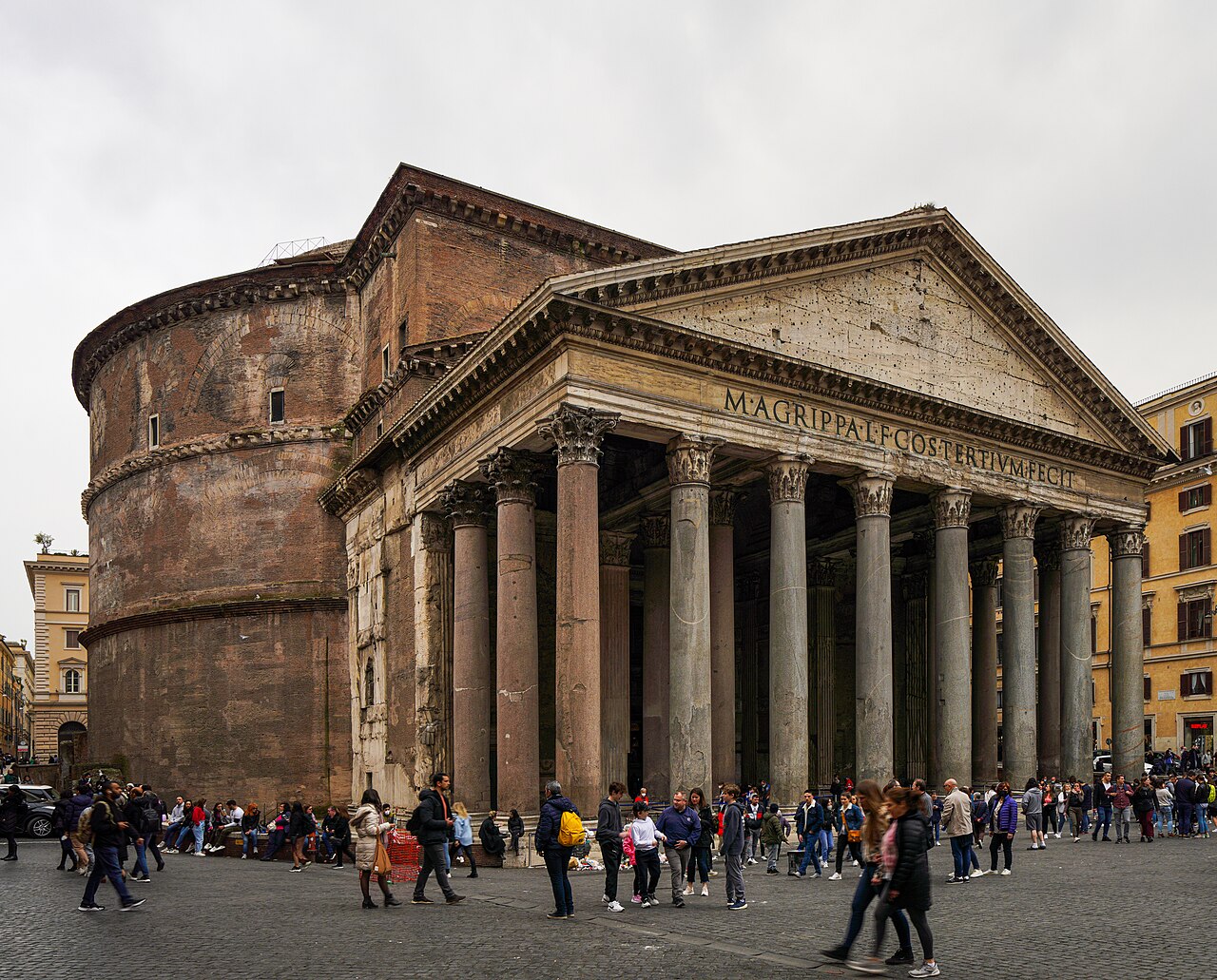
Pantheon
Hadrian · c. AD 126-128
 Document
Primary source
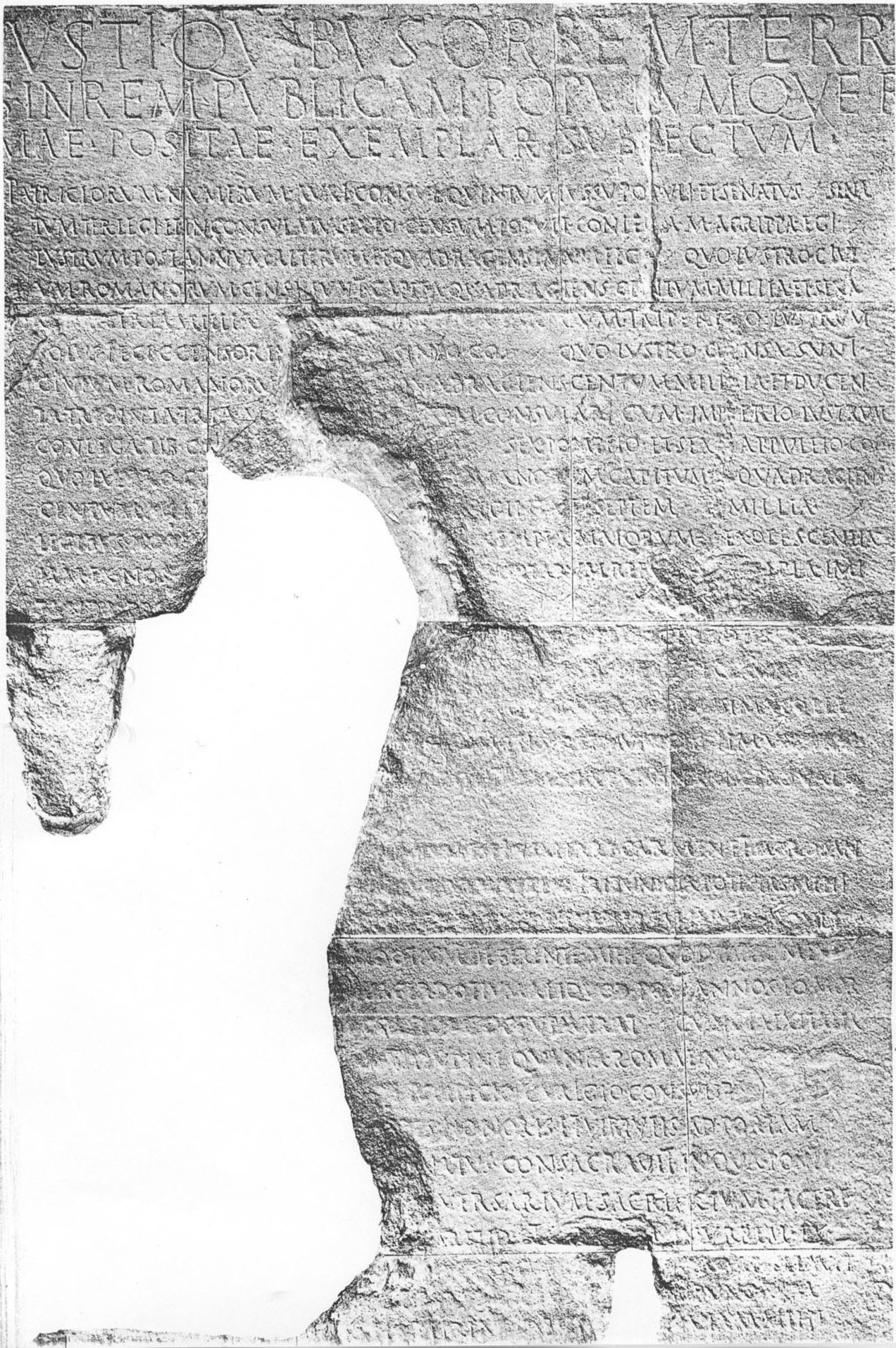
Res Gestae Divi Augusti
Augustus · 14 AD
 Book
Secondary source
De aquaeductu
Sextus Julius Frontinus · late 1st century AD
Free account
Read every Marcus Vipsanius Agrippa source
Sign up free →
Ready when you are
Start chatting with Marcus Vipsanius Agrippa now.
20 messages free · No credit card · Available in 50+ languages.