


Primary sourceSculpturec. 25–24 BC
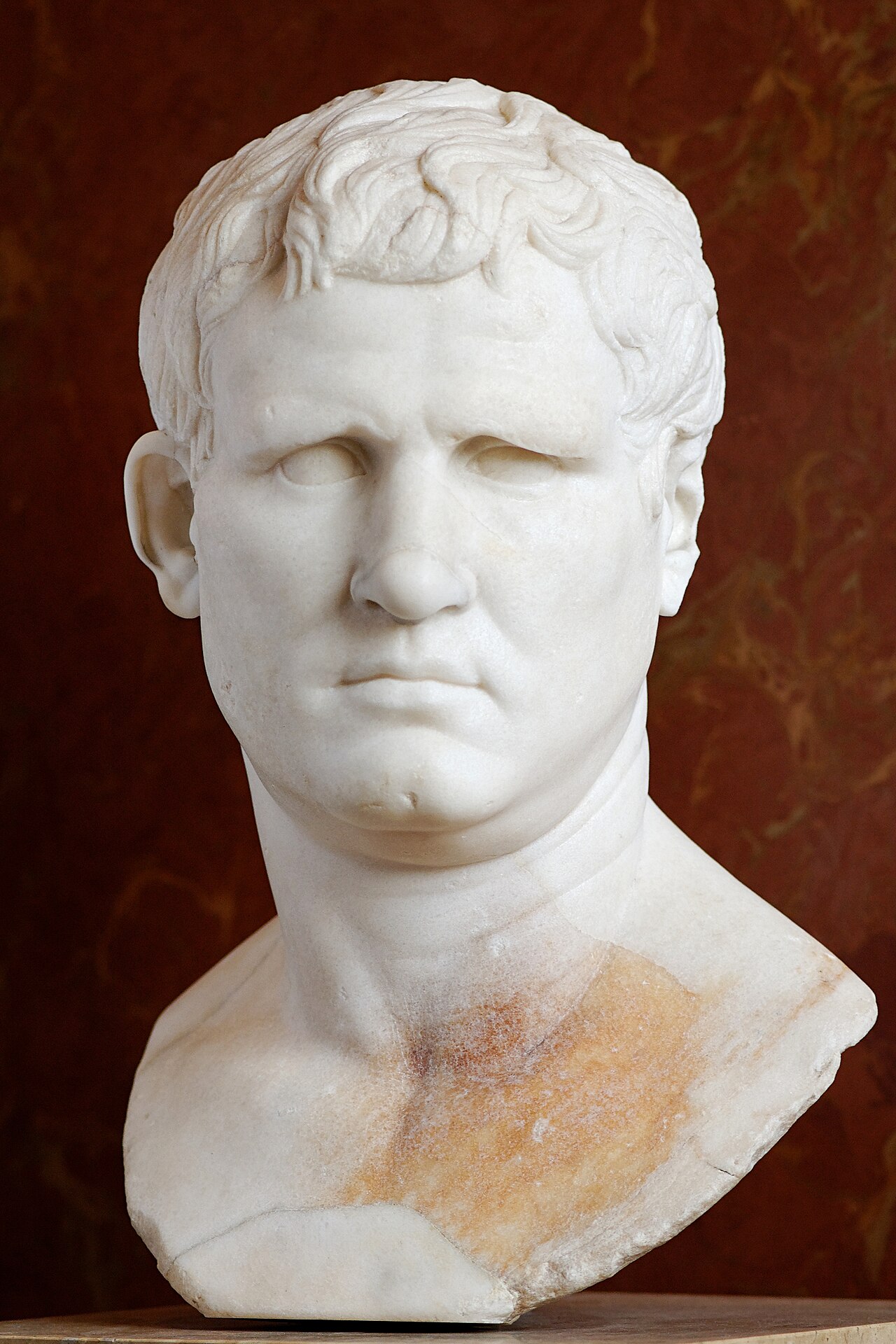
Portrait of Marcus Vipsanius Agrippa (Gabii type)
c. 25–24 BC
A marble bust of Agrippa, the standard surviving portrait used to identify him, carved around 25–24 BC.
This bust is the standard surviving portrait of Agrippa, made during his own lifetime.
About this source
What it is
This marble bust shows a man with short curly hair, a heavy brow and a stern, closed-mouth expression. It was found at Gabii and dates to about 25–24 BC, meaning it was made while Agrippa was still alive. It is now in the Louvre.
Why it matters
This bust set the 'type' that art historians use to recognize Agrippa in other sculptures, since it is considered the most reliable portrait of him. Its stern, plain style reflects how Roman statesmen of the early imperial period wanted to appear: serious, dutiful, unadorned.
Look closer
- What does the expression and style of the carving suggest the sculptor wanted viewers to think about this man?
- Why might a portrait made during someone's lifetime be especially useful to historians?
- What can't a bust like this tell us about a person's character or actions?
This sculpture is part of the curated material that grounds the AI version of Marcus Vipsanius Agrippa on Humy.ai — when students ask about related events, the AI can quote it and cite it.
More Marcus Vipsanius Agrippa sources
Browse all 97 →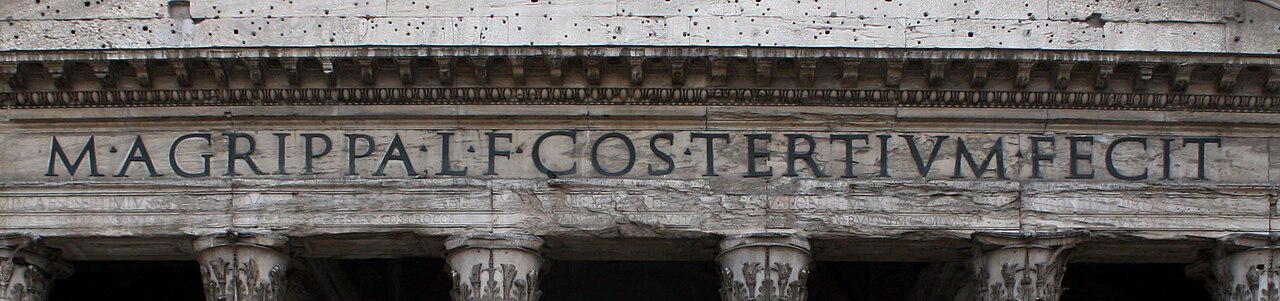 Document
Secondary source
CIL VI, 896 (Pantheon Dedication Inscription)
126 (copying text of 27 BC)
 Artifact
Primary source
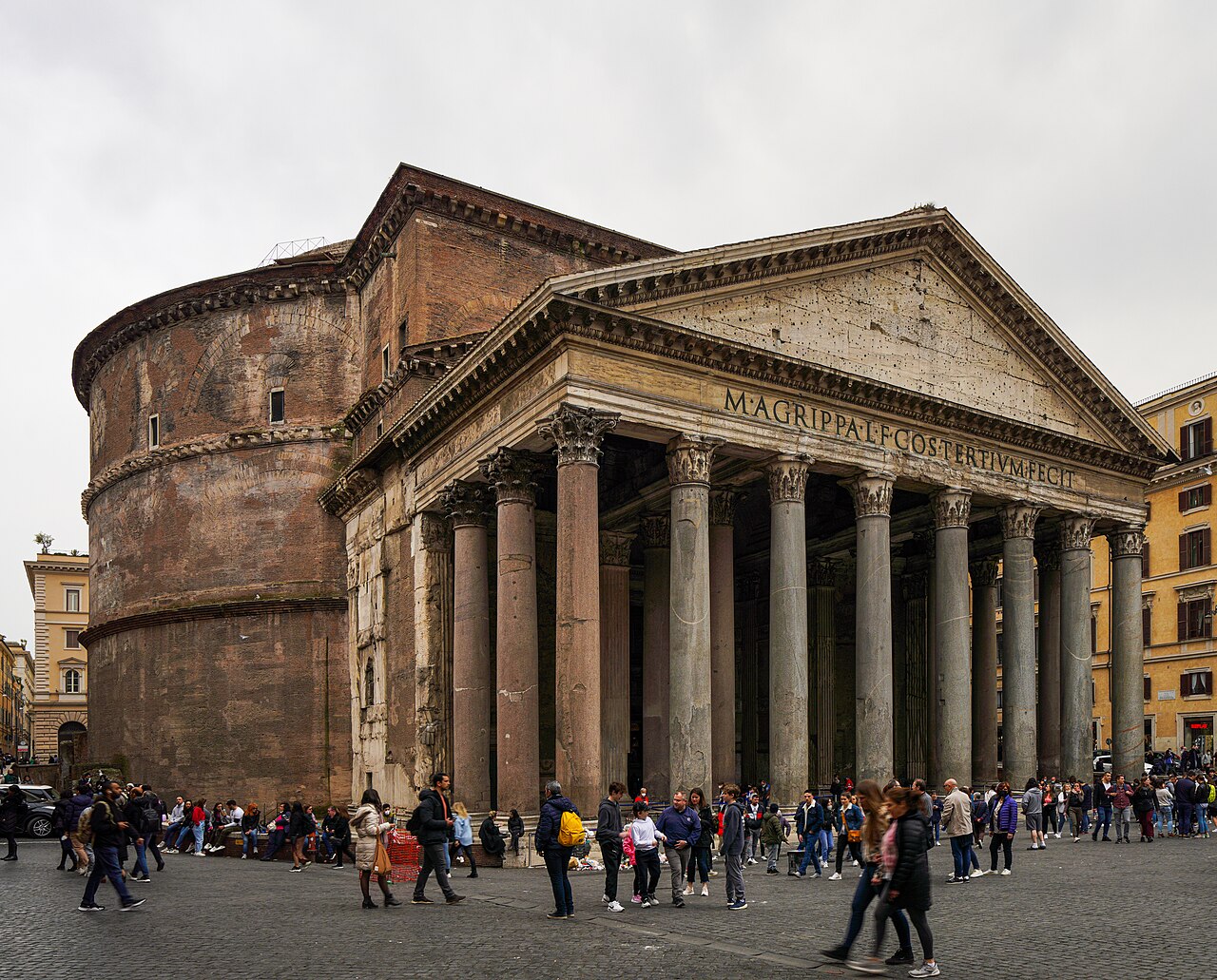
Pantheon
Hadrian · c. AD 126-128
 Document
Primary source
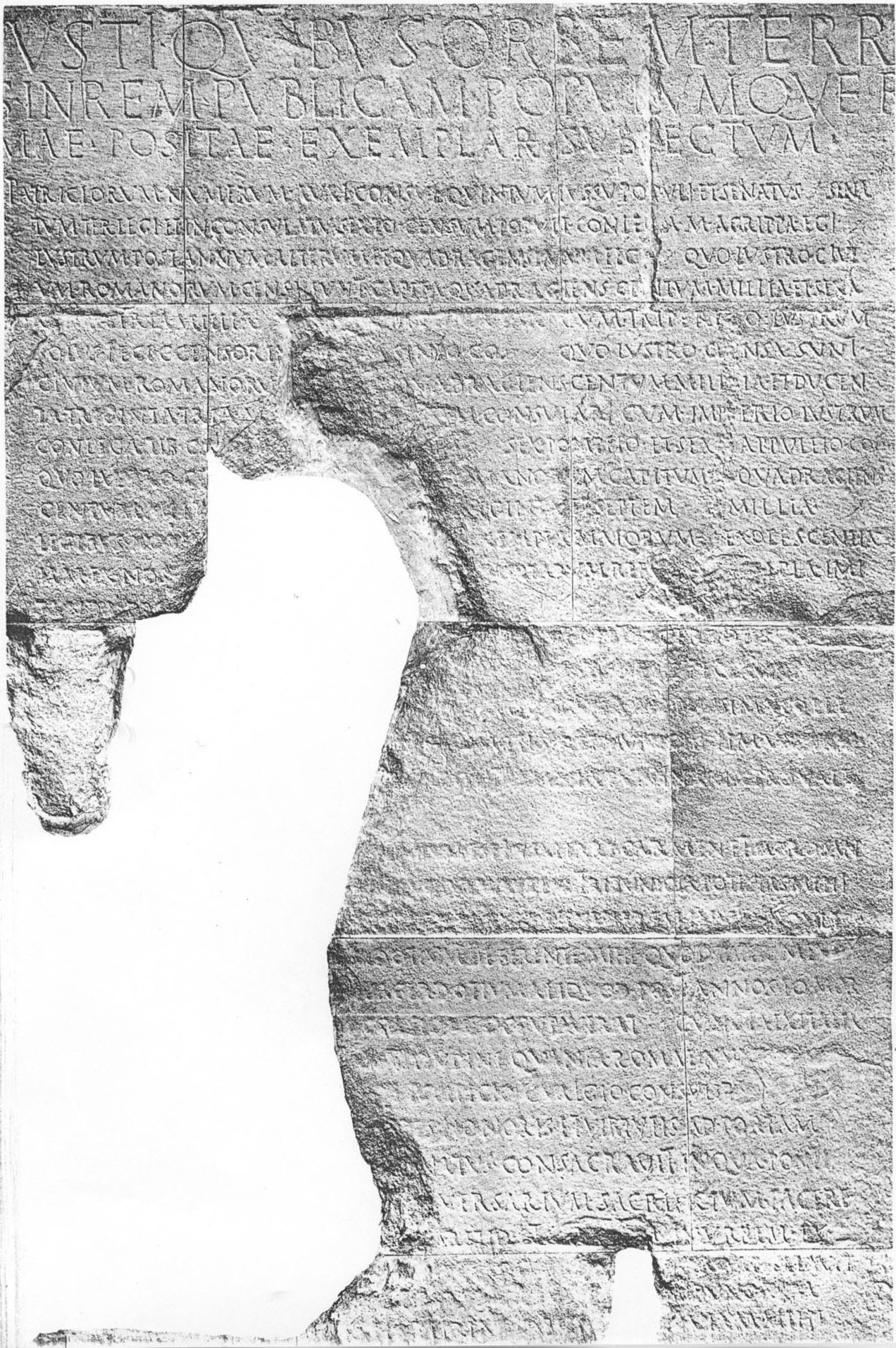
Res Gestae Divi Augusti
Augustus · 14 AD
 Book
Secondary source
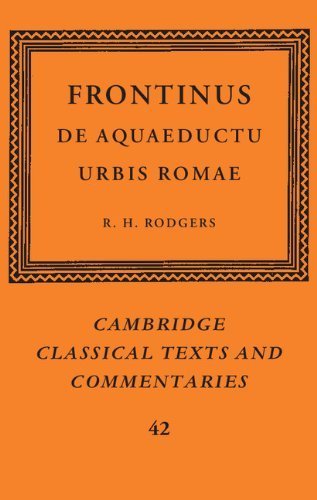
De aquaeductu
Sextus Julius Frontinus · late 1st century AD
Free account
Read every Marcus Vipsanius Agrippa source
Sign up free →
Ready when you are
Start chatting with Marcus Vipsanius Agrippa now.
20 messages free · No credit card · Available in 50+ languages.