


Primary sourceDocument
Cipher and Code Tables of Mary, Queen of Scots
Mary, Queen of Scots
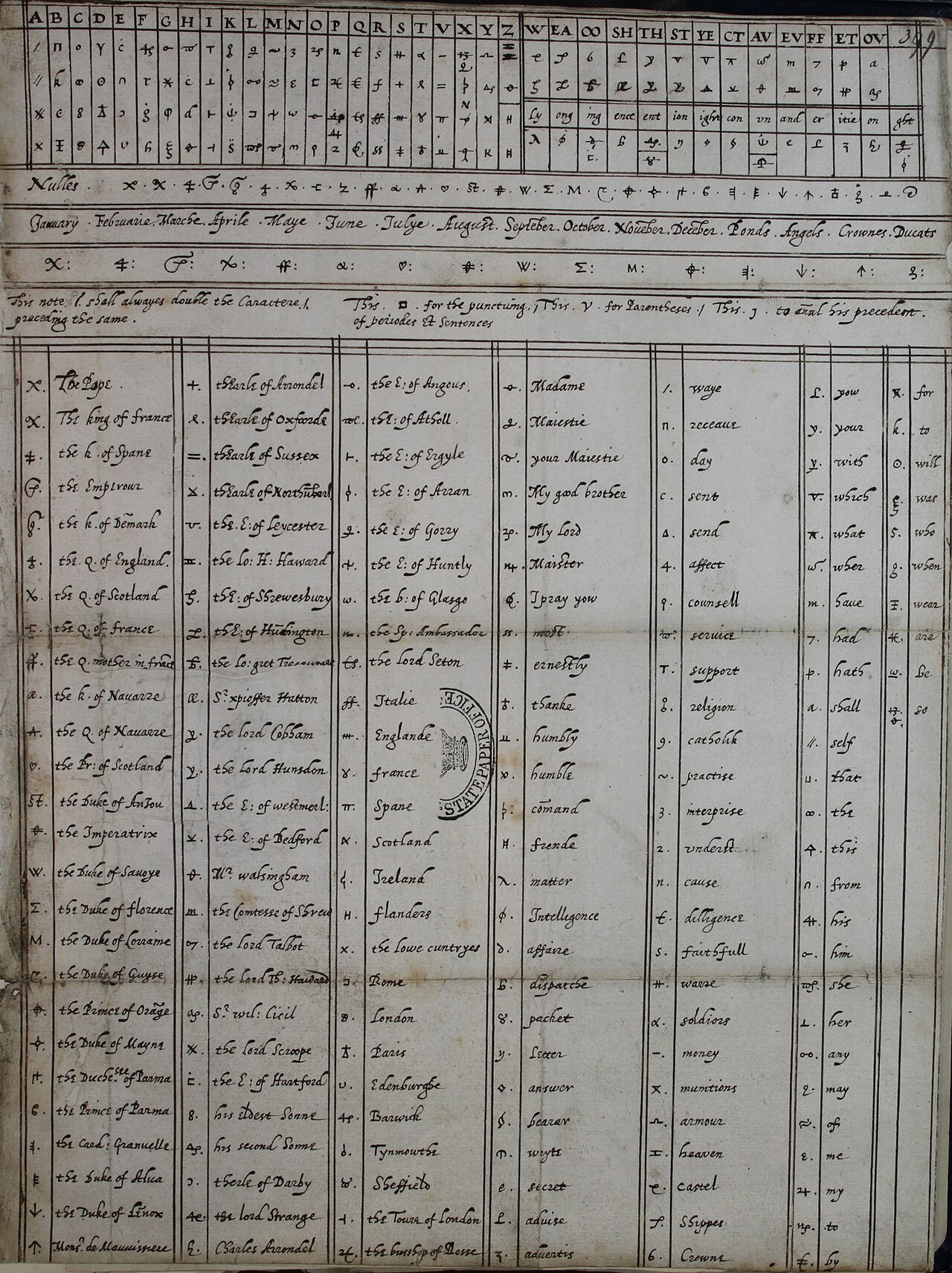
Handwritten cipher tables Mary used to send secret coded letters during her imprisonment in England.
Mary created and used these ciphers herself to conspire secretly with supporters while imprisoned.
About this source
What it is
This manuscript page shows handwritten cipher and nomenclator tables, with alphabet substitutions, null symbols, and code-words standing for names such as the Pope, the King of France, and the Earl of Arundel. It carries a State Paper Office stamp.
It was created and used by Mary, Queen of Scots during her captivity in England.
Why it matters
Mary used codes like this to secretly communicate with supporters plotting on her behalf while she was a prisoner. Elizabeth I's spymaster Francis Walsingham managed to break these ciphers, which let him intercept and read Mary's secret letters. The tables reveal both Mary's efforts to resist her captivity and the sophisticated spying operation working against her.
Look closer
- Why would a prisoner need a secret code at all?
- What does the choice of code-words (like 'the Pope' or 'Ducats') suggest about what Mary was discussing?
- How might breaking a code change the course of history?
This document is part of the curated material that grounds the AI version of Mary, Queen of Scots on Humy.ai — when students ask about related events, the AI can quote it and cite it.
More Mary, Queen of Scots sources
Browse all 88 →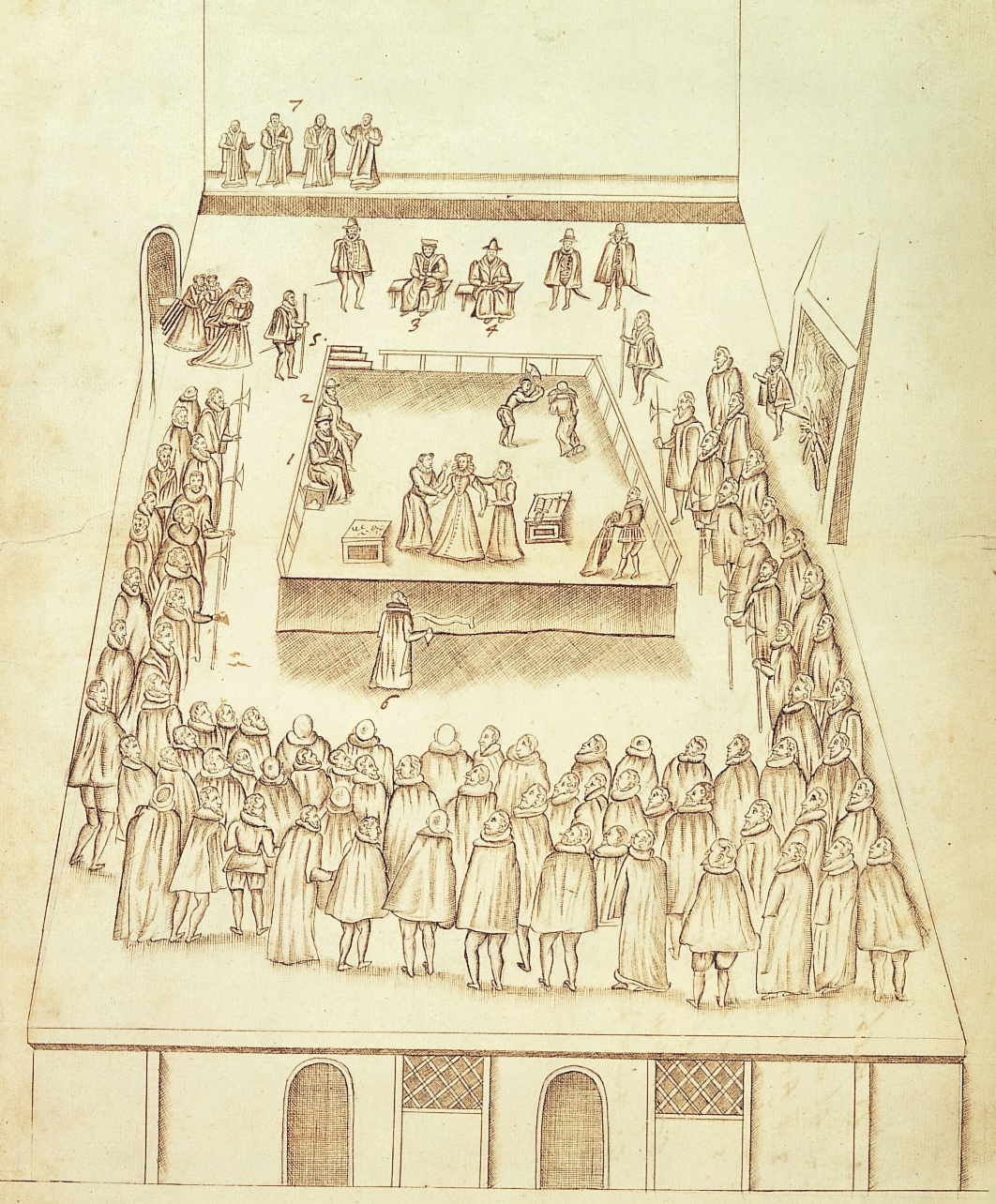 Painting
Primary source
Drawing of the Execution of Mary, Queen of Scots at Fotheringhay
Unknown artist (Beale papers) · 1587
 Painting
Primary source
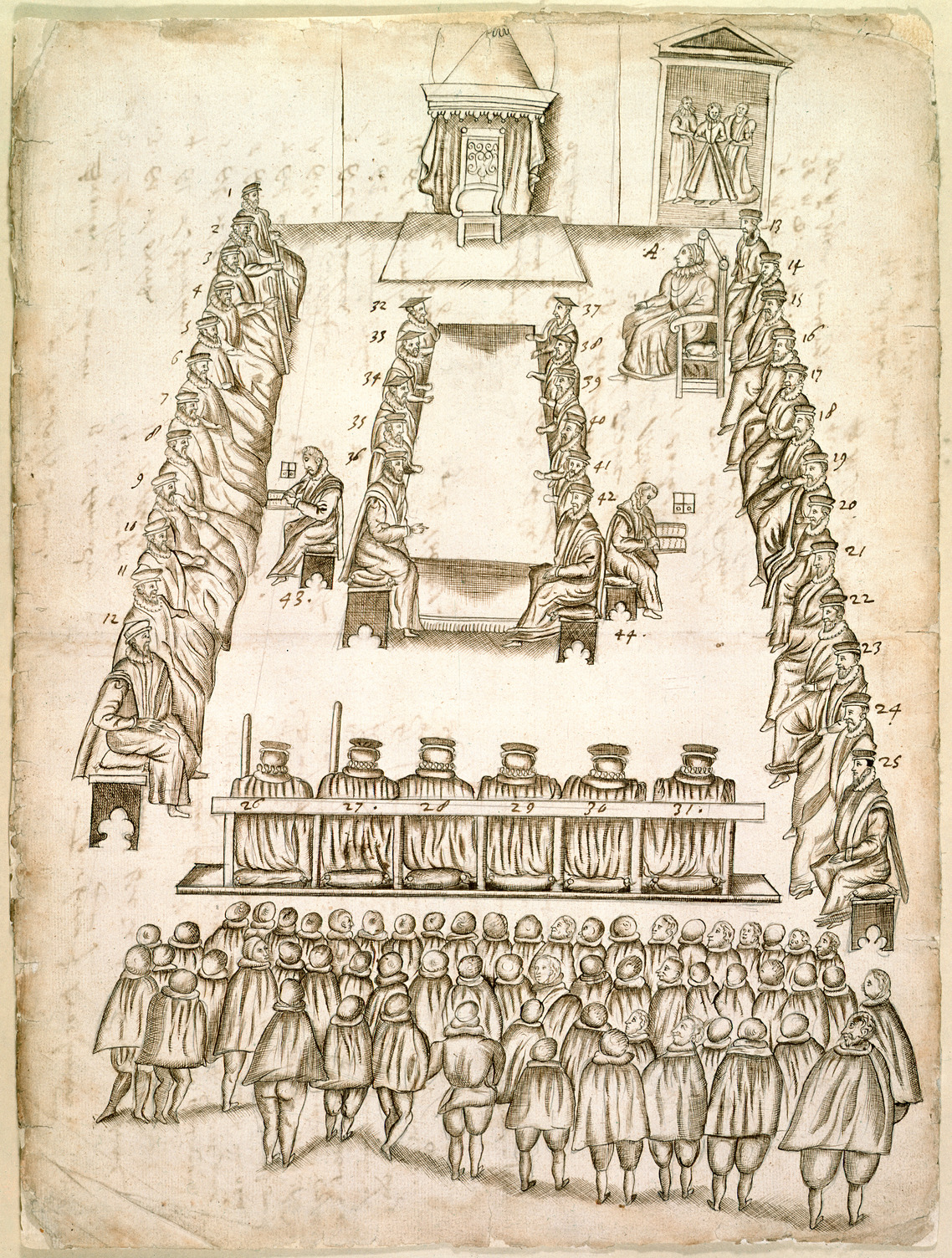
Drawing of the Trial of Mary, Queen of Scots
Unknown artist · 14-15 October 1586
 Letter
Primary source
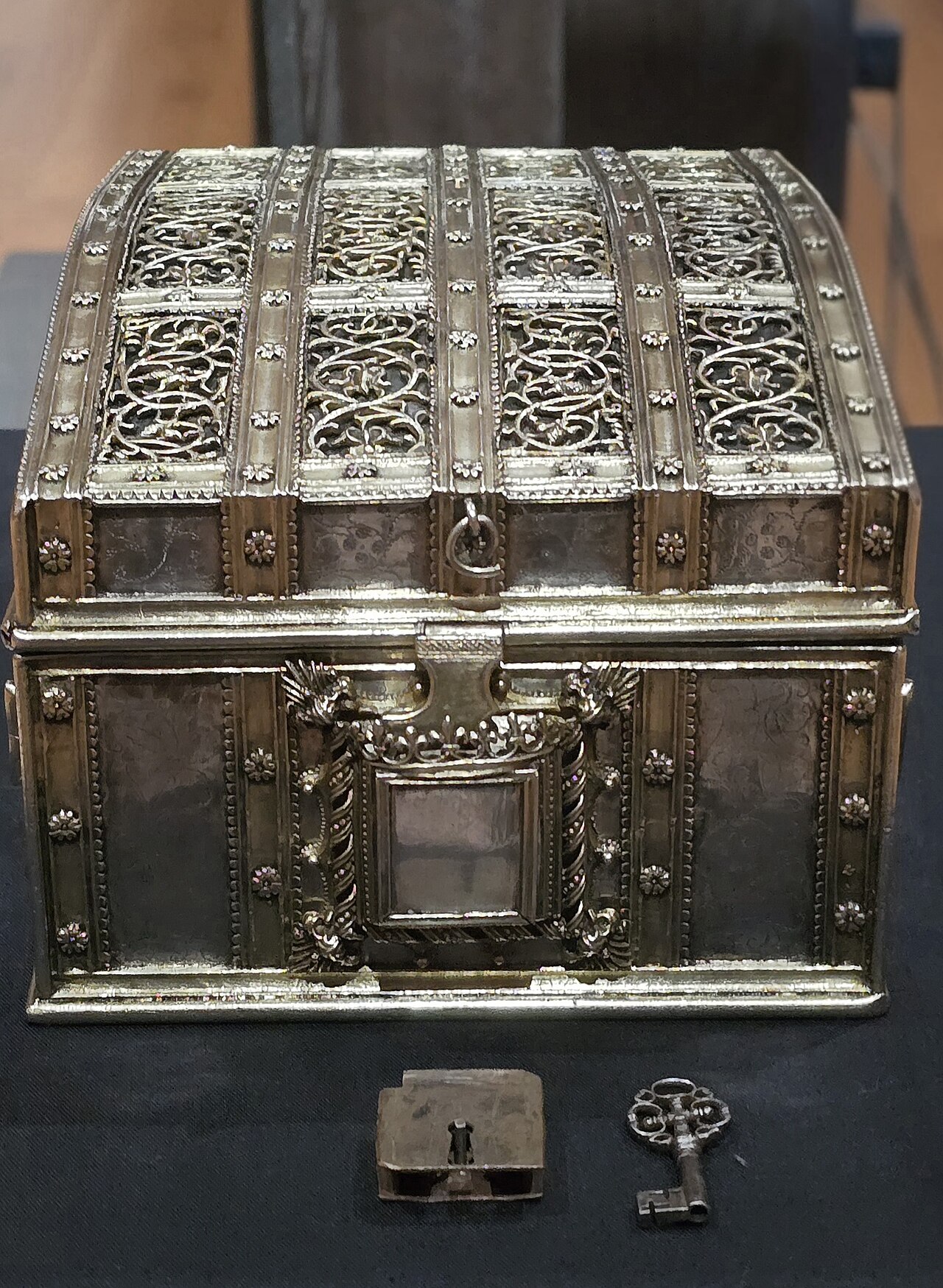
Casket Letters
Attributed to Mary, Queen of Scots (disputed) · January-April 1567
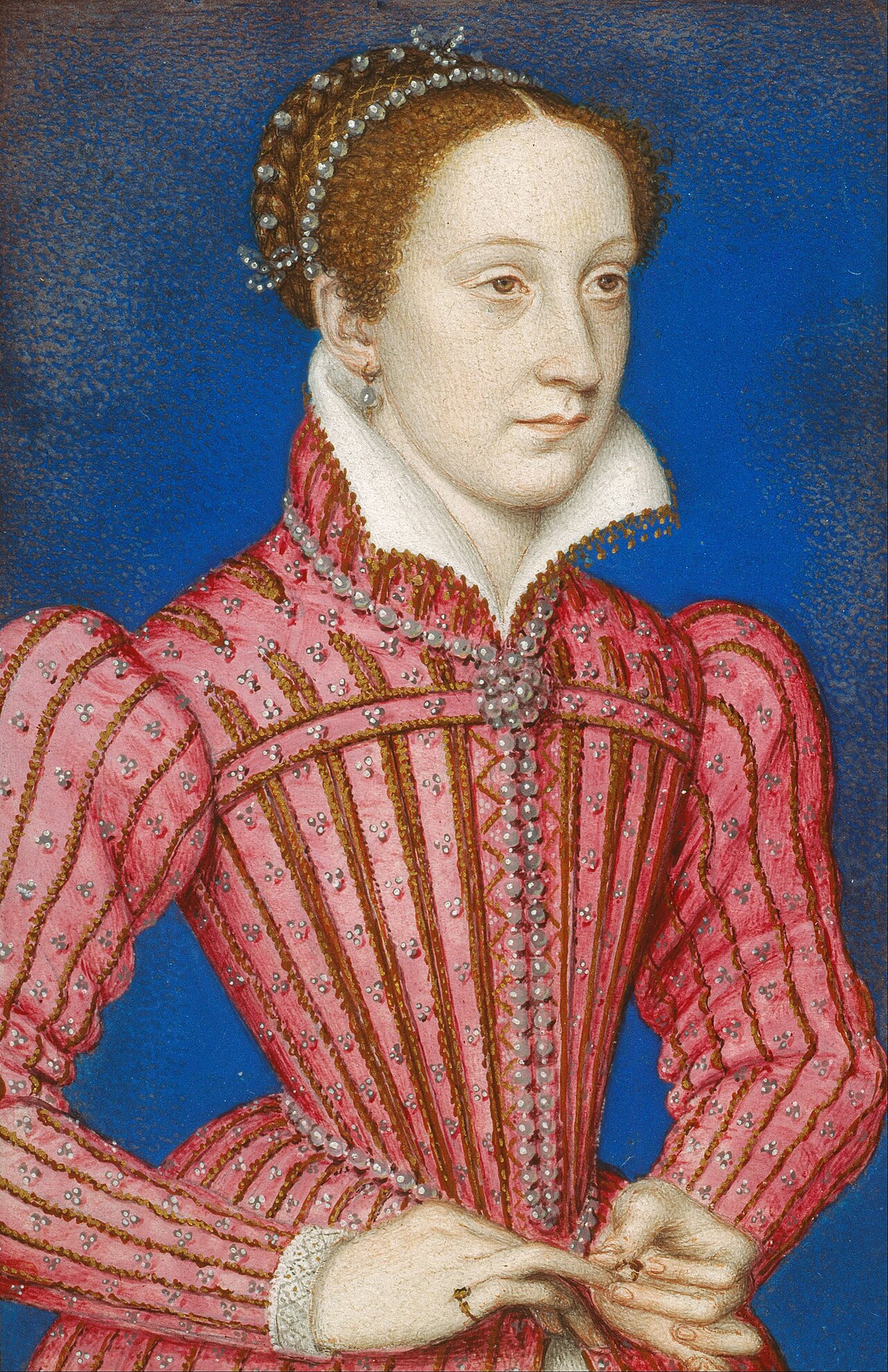 Painting
Primary source
Mary, Queen of Scots
François Clouet · 1558
Free account
Read every Mary, Queen of Scots source
Sign up free →
Ready when you are
Start chatting with Mary, Queen of Scots now.
20 messages free · No credit card · Available in 50+ languages.