


Primary sourcePainting1587
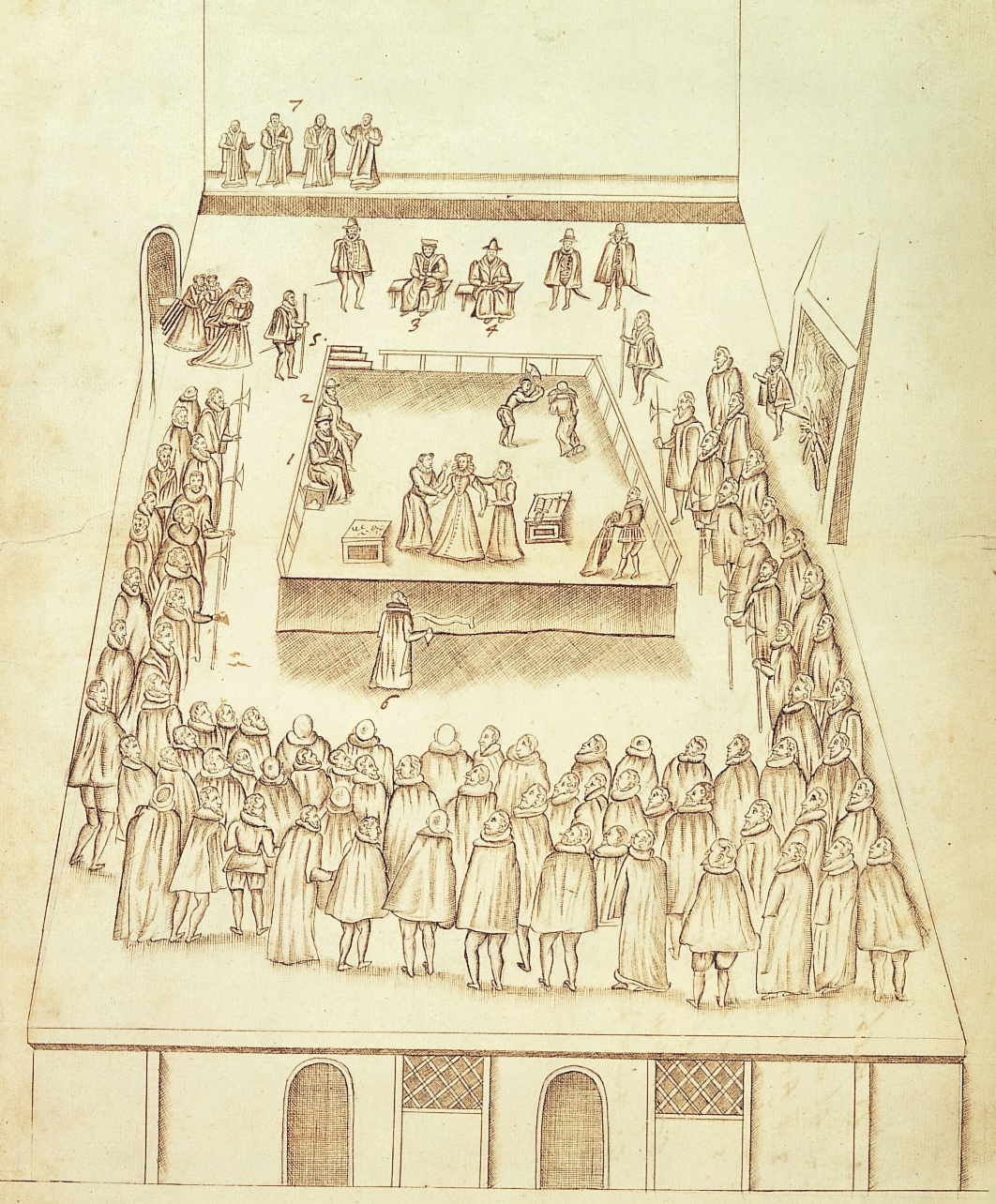
Drawing of the Execution of Mary, Queen of Scots at Fotheringhay
Unknown artist (Beale papers) · 1587
An eyewitness-based drawing showing the scaffold and stages of Mary's 1587 execution at Fotheringhay Castle.
This eyewitness drawing depicts Mary's execution at Fotheringhay in three stages.
About this source
What it is
This pen-and-ink drawing, from the papers of Robert Beale, Clerk of the Privy Council to Elizabeth I, shows the execution of Mary, Queen of Scots on 8 February 1587 at Fotheringhay Castle. It depicts the scaffold, officials, and Mary in several stages of the event, viewed from above. It is held by the British Library.
Why it matters
Beale was an eyewitness who had read Mary her death warrant the night before and wrote the official record of the execution. The drawing names officials present, including the Earls of Shrewsbury and Kent and Mary's guard Sir Amias Paulet, showing how the English state carefully staged and documented Mary's death.
Look closer
- Why might an official record include a drawing like this?
- What does the arrangement of numbered officials tell you about who controlled the event?
- What is left out of a drawing like this that a photograph might show?
This painting is part of the curated material that grounds the AI version of Mary, Queen of Scots on Humy.ai — when students ask about related events, the AI can quote it and cite it.
More Mary, Queen of Scots sources
Browse all 88 →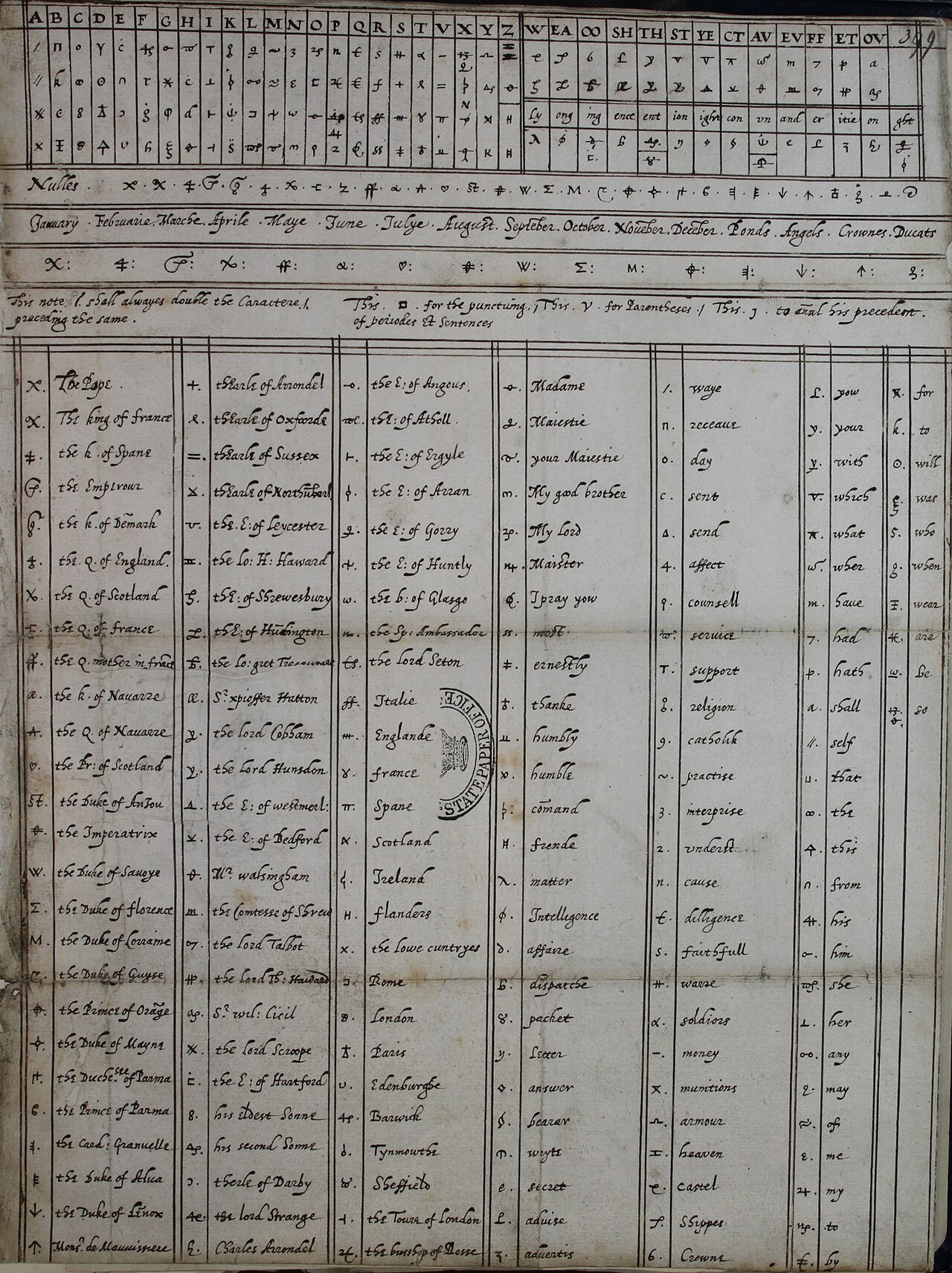 Document
Primary source
Cipher and Code Tables of Mary, Queen of Scots
Mary, Queen of Scots
 Painting
Primary source
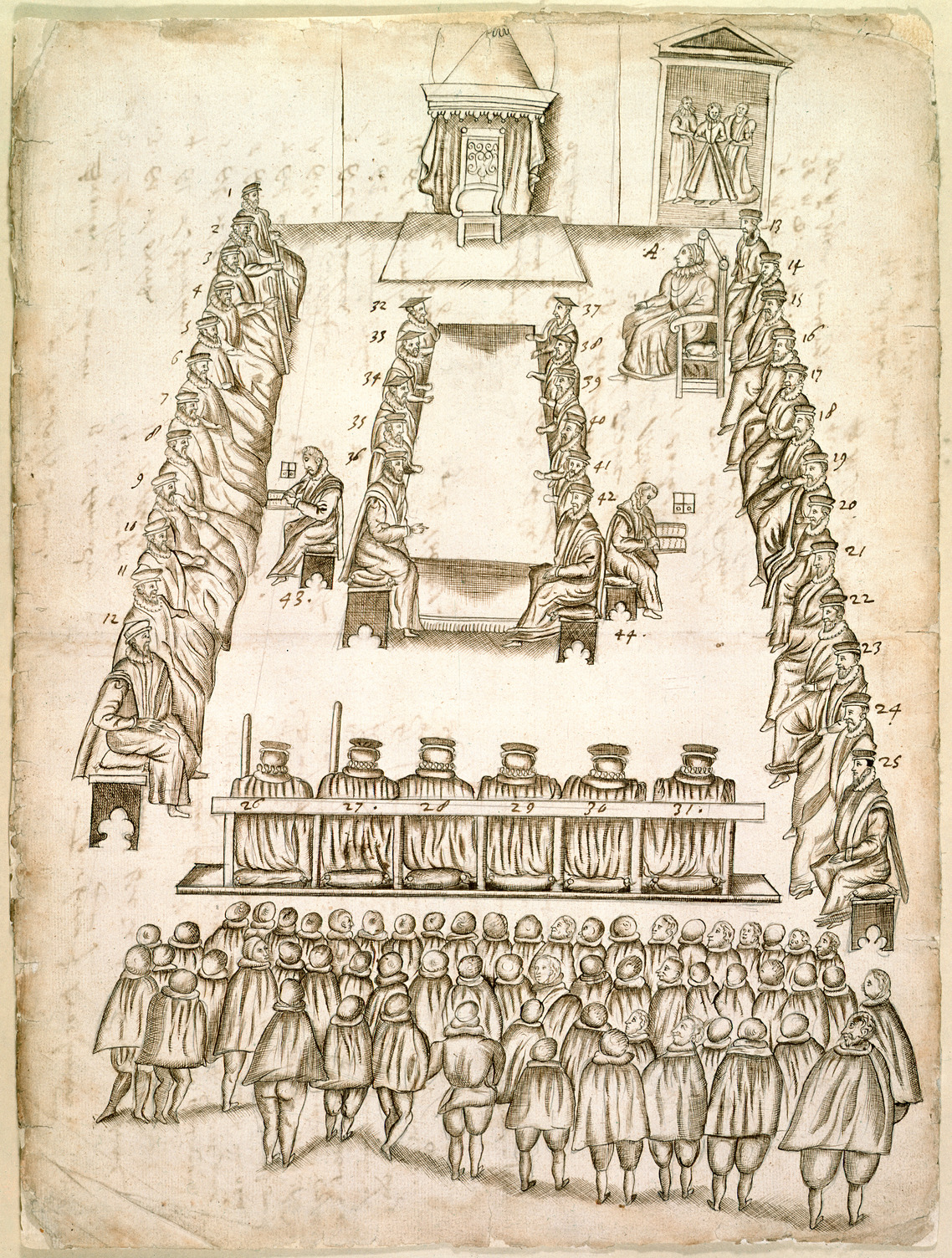
Drawing of the Trial of Mary, Queen of Scots
Unknown artist · 14-15 October 1586
 Letter
Primary source
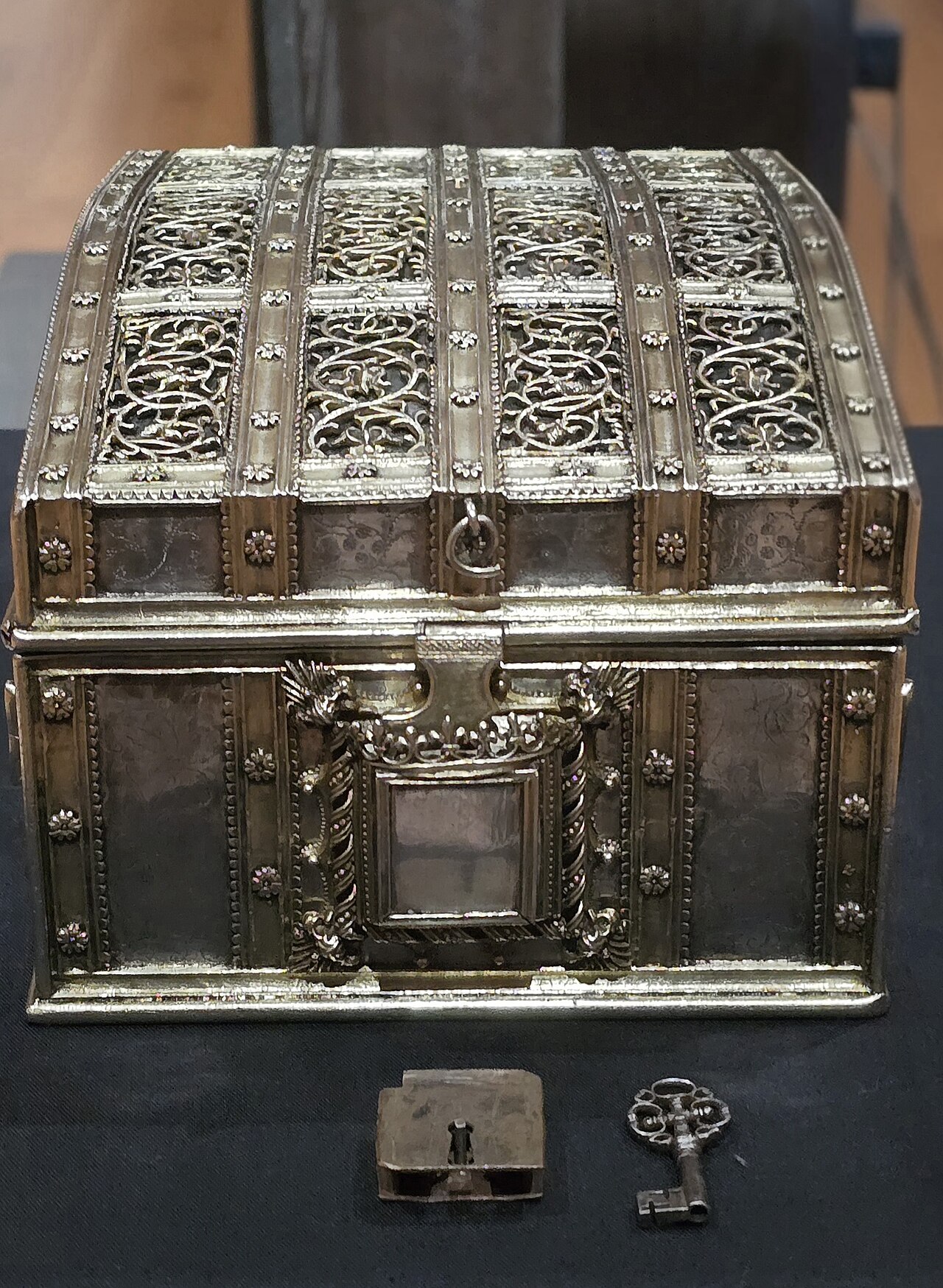
Casket Letters
Attributed to Mary, Queen of Scots (disputed) · January-April 1567
 Painting
Primary source
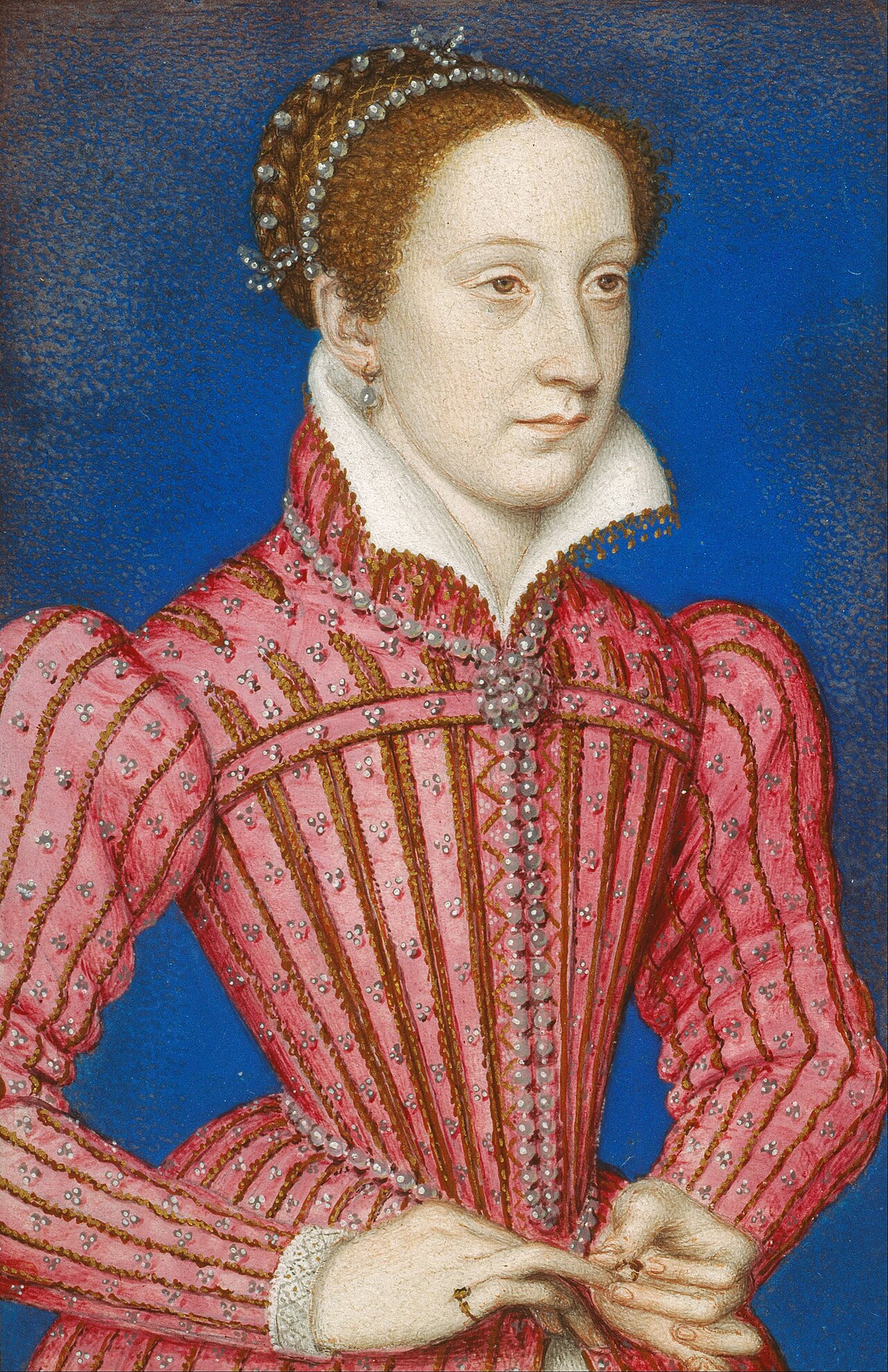
Mary, Queen of Scots
François Clouet · 1558
Free account
Read every Mary, Queen of Scots source
Sign up free →
Ready when you are
Start chatting with Mary, Queen of Scots now.
20 messages free · No credit card · Available in 50+ languages.