


Primary sourceDocument1 March 1875
Civil Rights Act of 1875
1 March 1875
A federal law signed by Grant guaranteeing equal access to public accommodations, the last major Reconstruction-era civil rights law.
Grant signed this act, marking the final major civil rights law of Reconstruction, though he did little to enforce it.
About this source
What it is
This law, drafted by Senator Charles Sumner and passed by Congress as a memorial after his death, was signed into law by President Ulysses S. Grant on March 1, 1875. It guaranteed citizens equal treatment in public accommodations like inns, transportation, and theaters, regardless of race.
Why it matters
The act marks the high point and the end of Reconstruction-era civil rights legislation. Grant signed it but, according to historians, never enforced it strongly, and the Supreme Court struck down its main provisions in 1883. It would be more than 80 years before Congress passed another major civil rights law.
- Why might a law be passed but not enforced?
- What does the opposition of most newspapers at the time tell you about public opinion?
- How did the Supreme Court later limit what this law could do, and why?
This document is part of the curated material that grounds the AI version of Ulysses S Grant on Humy.ai — when students ask about related events, the AI can quote it and cite it.
More Ulysses S Grant sources
Meet the AI Ulysses S Grant →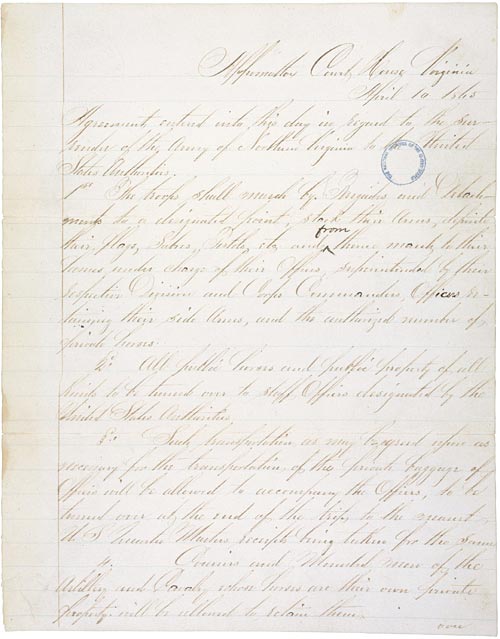 Document
Primary source
Articles of Agreement Relating to the Surrender of the Army of Northern Virginia
Ulysses S. Grant · 10 April 1865
 Book
Primary source
Personal Memoirs of U. S. Grant
Ulysses S. Grant · 1885
Primary source
Third Enforcement Act
20 April 1871
 Document
Primary source
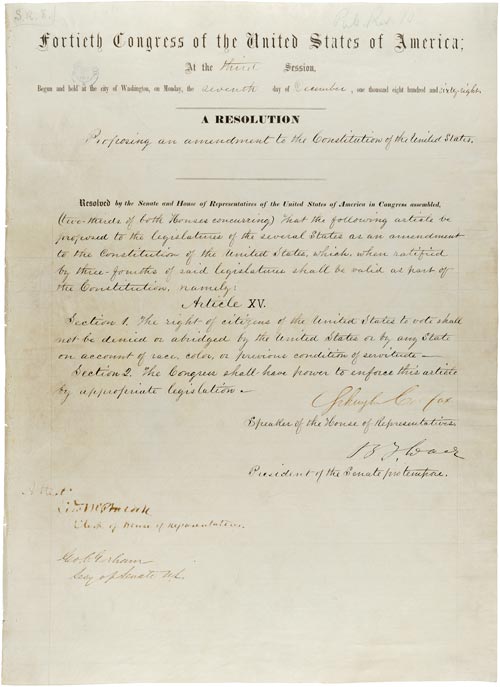
15th Amendment to the U.S. Constitution: Voting Rights
United States Congress · 1870
 Document
Primary source
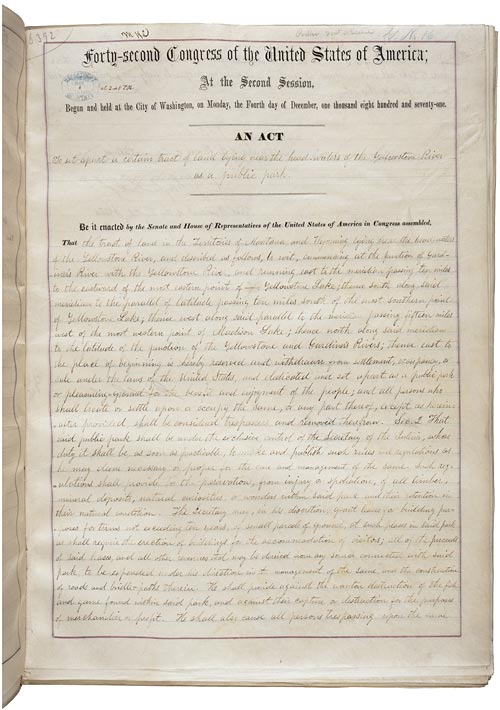
Yellowstone National Park Protection Act
1 March 1872
Ready when you are
Start chatting with Ulysses S Grant now.
20 messages free · No credit card · Available in 50+ languages.