


Primary sourceDocument20 April 1871
Third Enforcement Act
20 April 1871
Also called the Ku Klux Klan Act, this 1871 law Grant requested and signed let him use federal force to crush Klan violence against Black citizens.
Grant requested this act and used it to suppress the Klan, a central act of his Reconstruction civil rights policy.
About this source
What it is
This law, passed by Congress and signed by President Ulysses S. Grant on April 20, 1871, made Klan violence against citizens' rights a federal crime and let the president deploy troops and suspend habeas corpus to stop it.
Why it matters
Grant himself asked Congress for this power after receiving reports of racial violence in the Deep South, especially South Carolina. He used it repeatedly, and as a result the Klan of that era was largely broken up. The act shows Grant actively defending the civil rights of Black Americans during Reconstruction, and parts of it are still used in civil rights lawsuits today.
- Why did Grant feel he needed new legal powers rather than using existing laws?
- What does the vote split between Republicans and Democrats tell you about the politics of Reconstruction?
- What happened to the Klan decades later that this act could not prevent?
This document is part of the curated material that grounds the AI version of Ulysses S Grant on Humy.ai — when students ask about related events, the AI can quote it and cite it.
More Ulysses S Grant sources
Meet the AI Ulysses S Grant →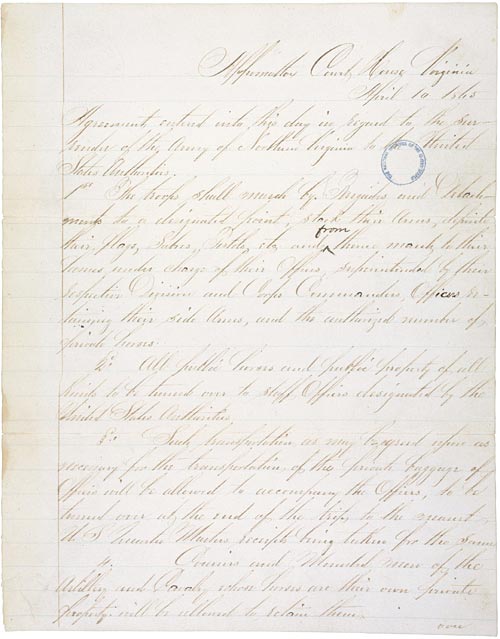 Document
Primary source
Articles of Agreement Relating to the Surrender of the Army of Northern Virginia
Ulysses S. Grant · 10 April 1865
 Book
Primary source
Personal Memoirs of U. S. Grant
Ulysses S. Grant · 1885
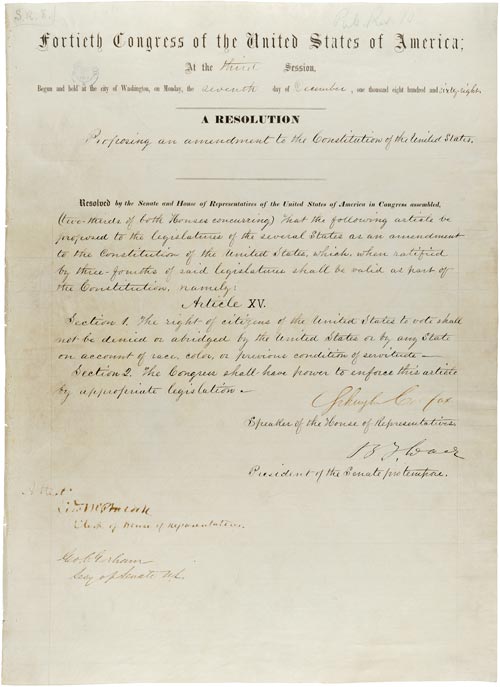 Document
Primary source
15th Amendment to the U.S. Constitution: Voting Rights
United States Congress · 1870
Primary source
Civil Rights Act of 1875
1 March 1875
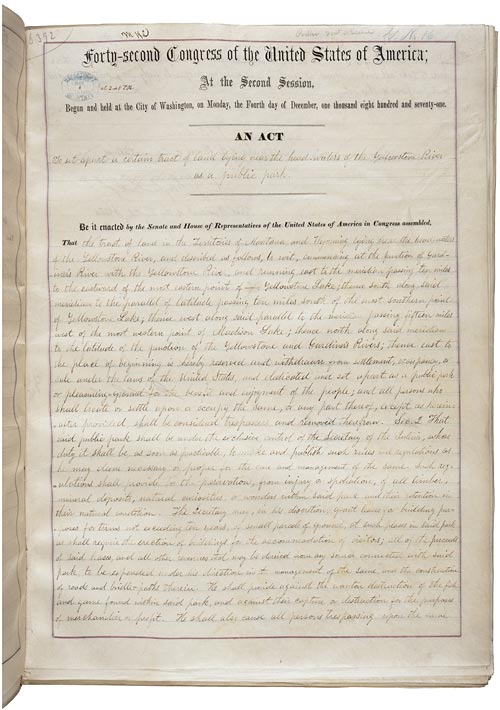 Document
Primary source
Yellowstone National Park Protection Act
1 March 1872
Ready when you are
Start chatting with Ulysses S Grant now.
20 messages free · No credit card · Available in 50+ languages.