


Secondary sourcePhotograph1860
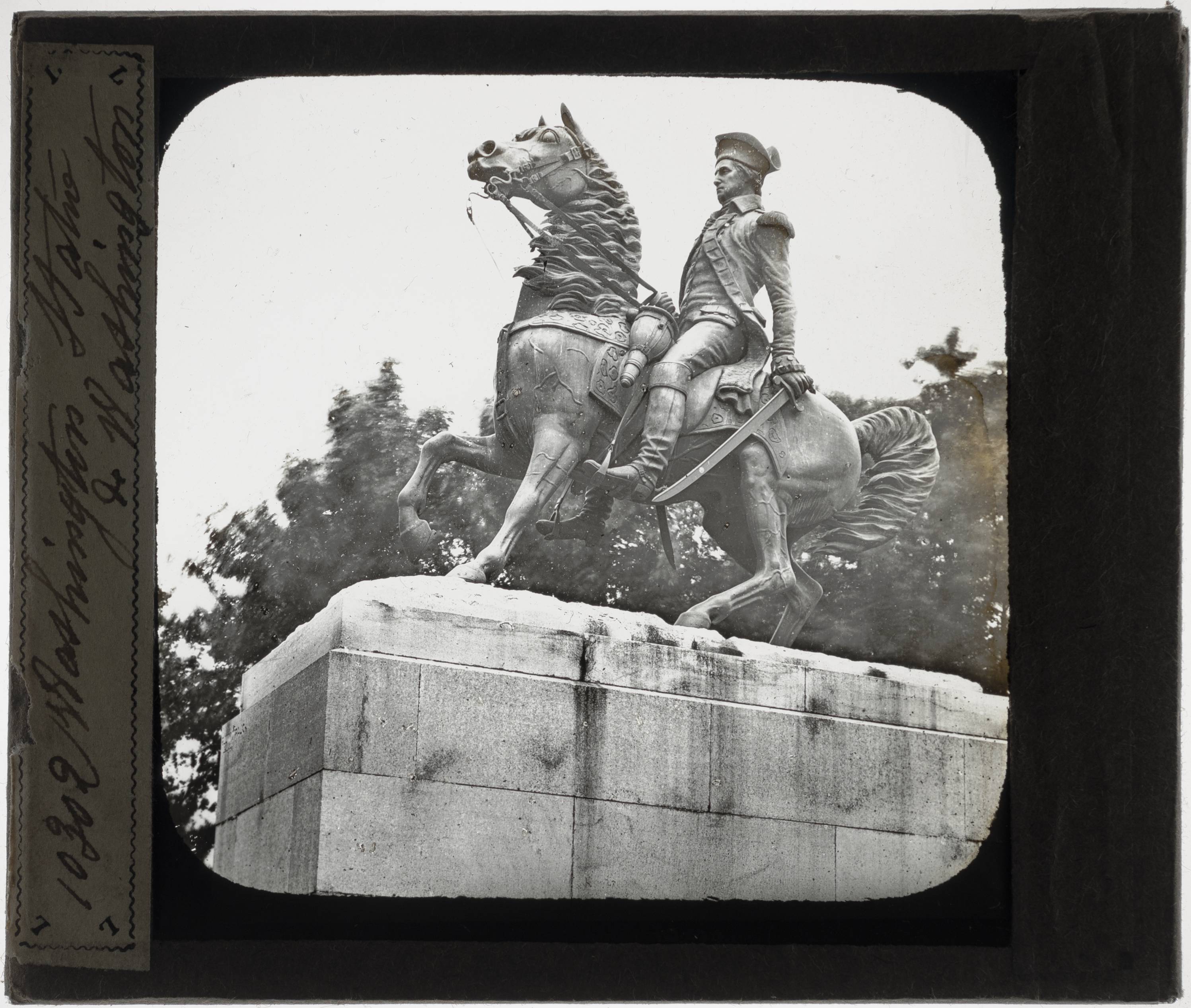
Clark Mills Equestrian Statue of George Washington
Clark Mills · 1860
A glass-slide photograph of the 1860 bronze equestrian statue of George Washington by Clark Mills in Washington Circle, D.C.
This statue, erected in Washington, D.C. in 1860, shows how Washington was commemorated as a military leader long after his death.
About this source
What it is
This is a black-and-white glass lantern slide photograph of a bronze equestrian statue of George Washington, created by the sculptor Clark Mills in 1860. The statue stands on a stone pedestal in Washington Circle, Washington, D.C.
Why it matters
Made decades after Washington's death, this monument is part of a tradition of memorial sculpture that shaped how Americans remembered their first president. The photograph itself, taken on a glass slide used for lectures, shows how such monuments were studied and shared before modern photography.
Look closer
- Why might Washington be shown on a rearing horse rather than standing still?
- What does the choice to place the statue in a public circle suggest about its purpose?
- What can this glass slide tell us about how people learned about art and history long ago?
This photograph is part of the curated material that grounds the AI version of George Washington on Humy.ai — when students ask about related events, the AI can quote it and cite it.
More George Washington sources
Meet the AI George Washington →Primary source
To John Augustine Washington, 18 July 1755
George Washington · 18 July 1755
Primary source
General Orders, 9 July 1776
George Washington · 9 July 1776
Primary source
Circular to the States
George Washington · 8 June 1783
 Painting
Primary source
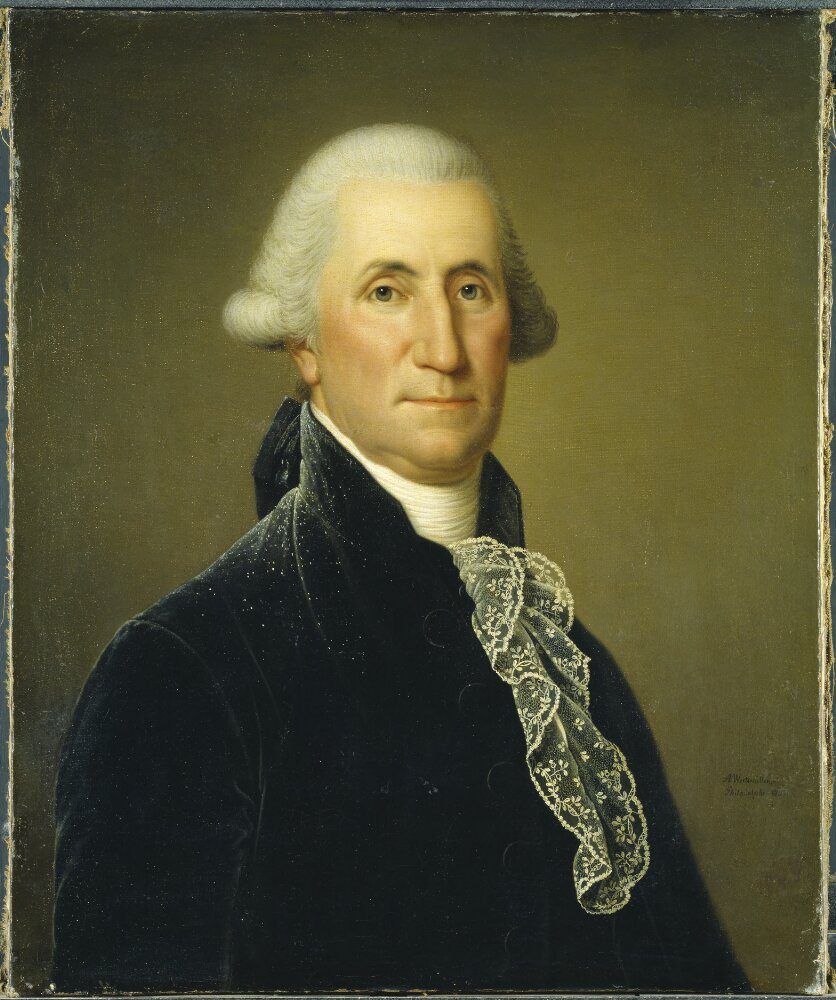
Portrait of George Washington by Wertmüller
Adolf Ulrik Wertmüller · 1795
 Speech
Primary source
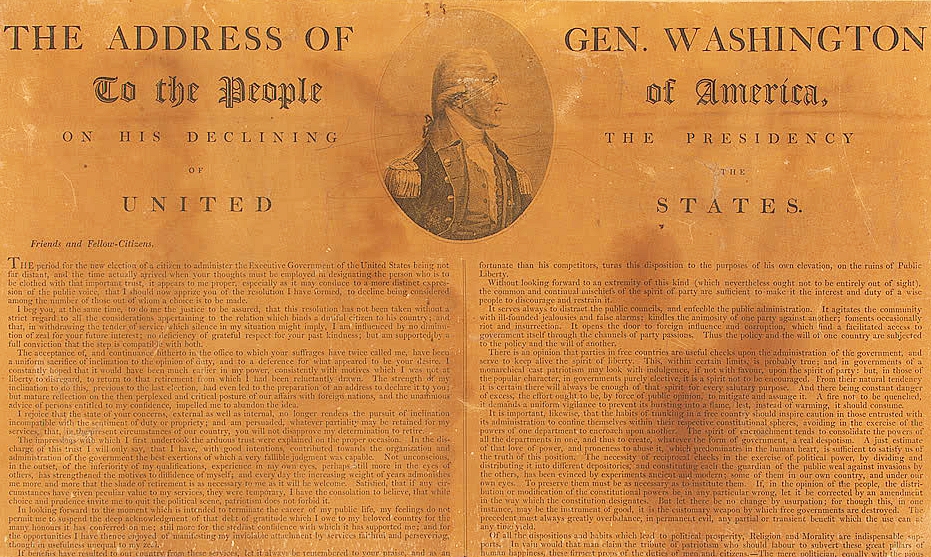
George Washington's Farewell Address
George Washington · 19 September 1796
Ready when you are
Start chatting with George Washington now.
20 messages free · No credit card · Available in 50+ languages.