


Primary sourceDocumentc. 331 BCE or later
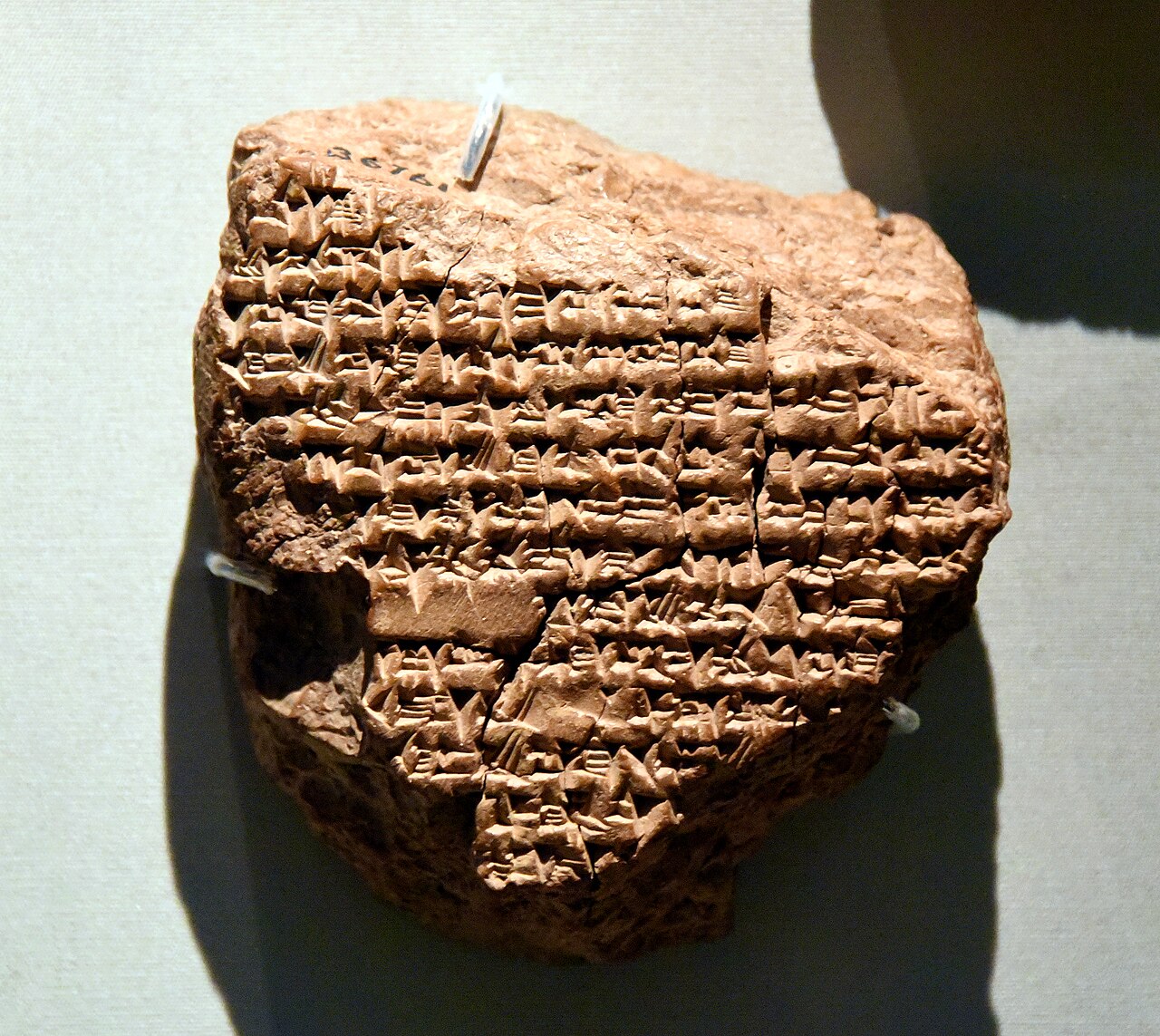
Clay tablet recording Alexander's victory and entry into Babylon
c. 331 BCE or later
An ancient Babylonian clay tablet said to record Alexander's defeat of Darius III and his entry into Babylon.
A Babylonian record describing Alexander's victory over Darius III and his entry into Babylon.
About this source
What it is
This is a clay tablet covered in cuneiform script, from Babylon in Mesopotamia (modern Iraq), now held in the British Museum. It is said to record Alexander the Great's defeat of the last Achaemenid king, Darius III, at the Battle of Gaugamela, and his triumphant entry into Babylon.
Why it matters
This tablet is a rare kind of source: a record made in the region itself, in the Babylonian tradition of keeping official chronicles, describing events connected to Alexander's conquest of the Persian Empire. It shows how local scribes recorded the dramatic change of power from Darius III to Alexander.
Look closer
- What does the broken, worn condition of the tablet tell you about its age and survival?
- Why might Babylonian scribes have recorded this event, and for whom?
- What is missing from a brief chronicle entry that a longer historical account might include?
This document is part of the curated material that grounds the AI version of Alexander the Great on Humy.ai — when students ask about related events, the AI can quote it and cite it.
More Alexander the Great sources
Meet the AI Alexander the Great →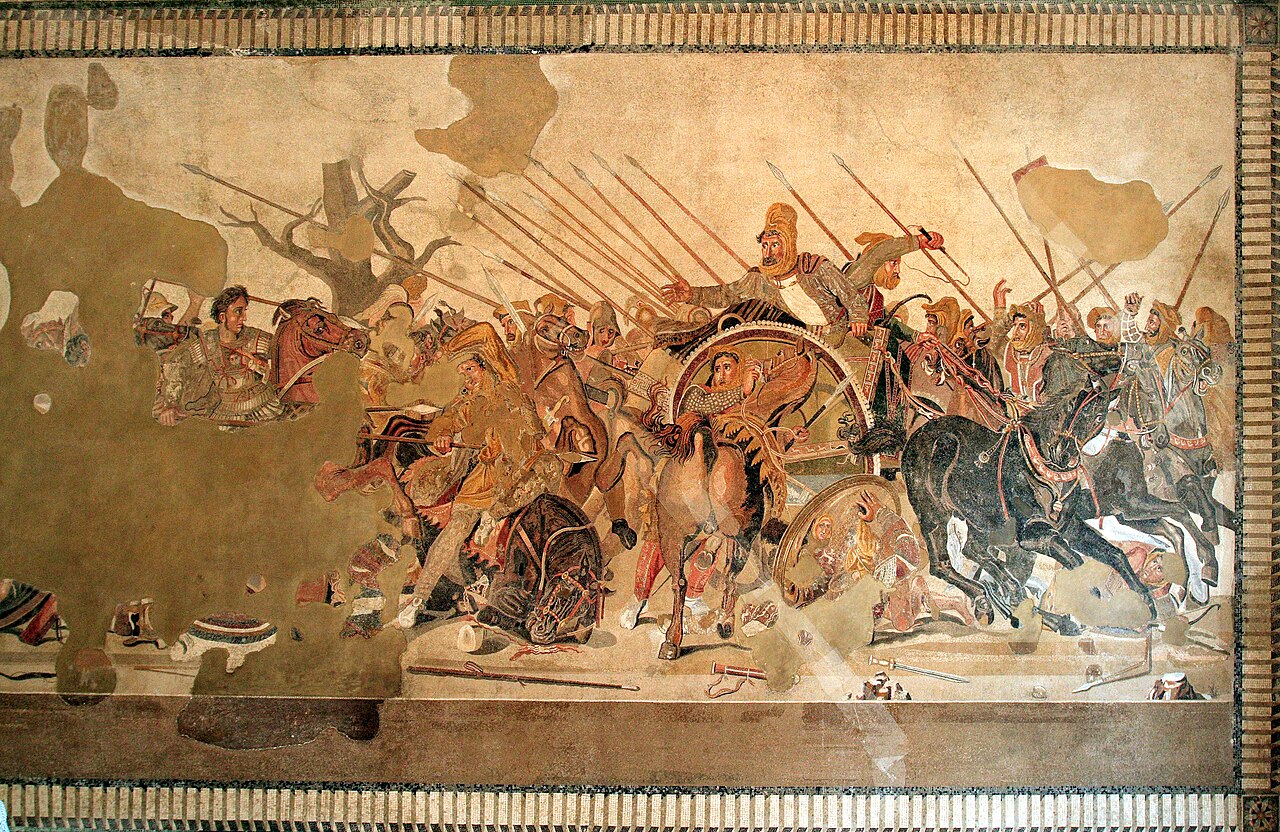 Artifact
Secondary source
Alexander Mosaic
Philoxenus of Eretria · c. 120-100 BCE (copy of an earlier Hellenistic painting)
 Painting
Secondary source
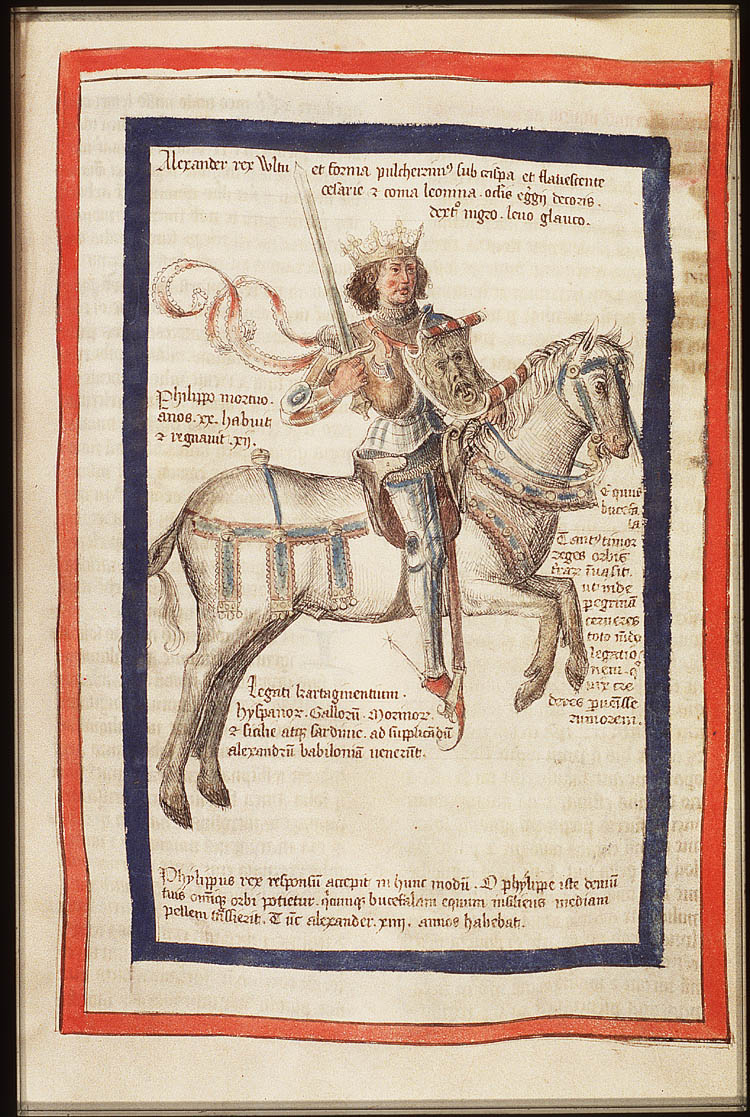
Alexander the Great riding Bucephalus
1460
 Artifact
Primary source
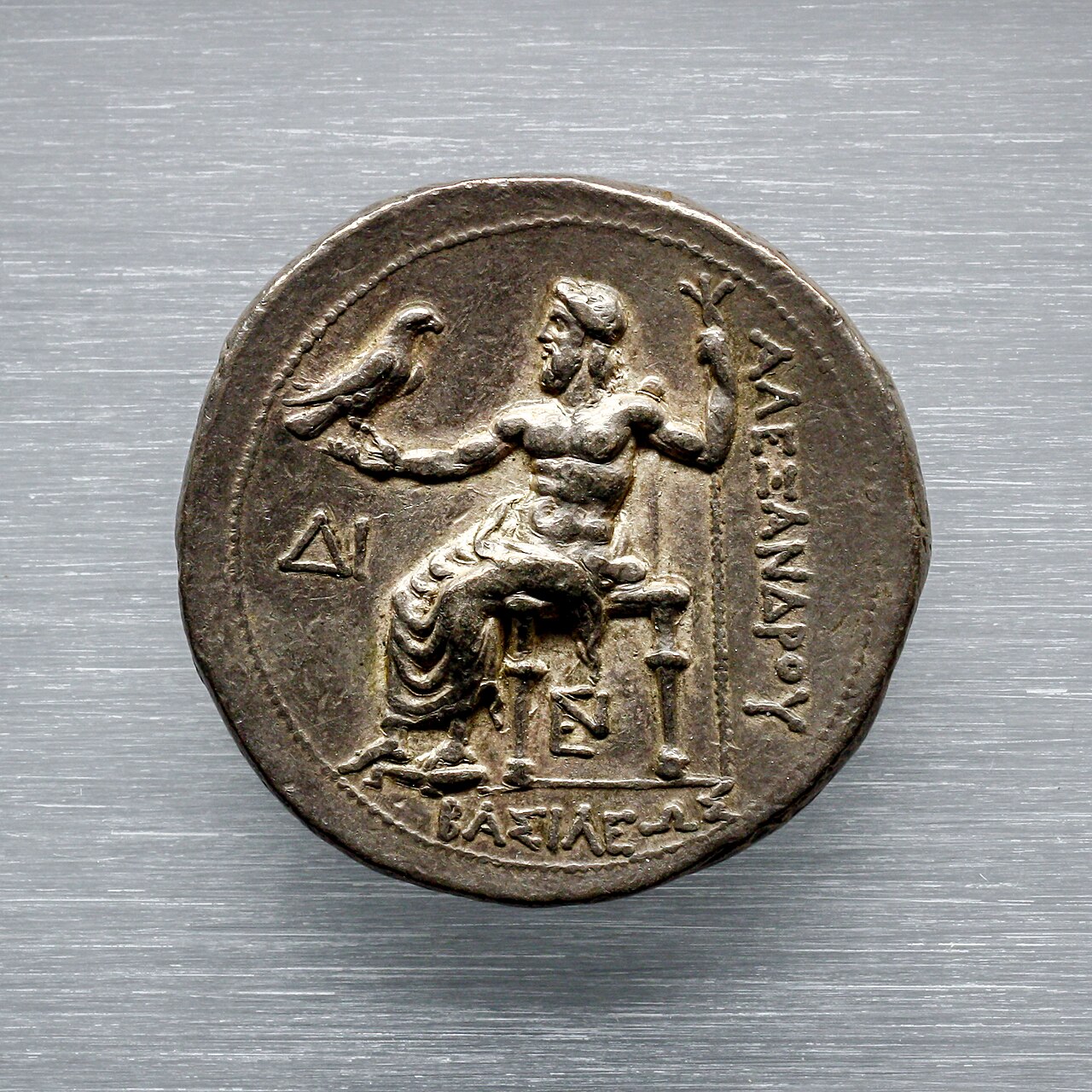
Silver Tetradrachm of Alexander the Great
Royal mints of Alexander III · c. 336-323 BCE
 Painting
Secondary source
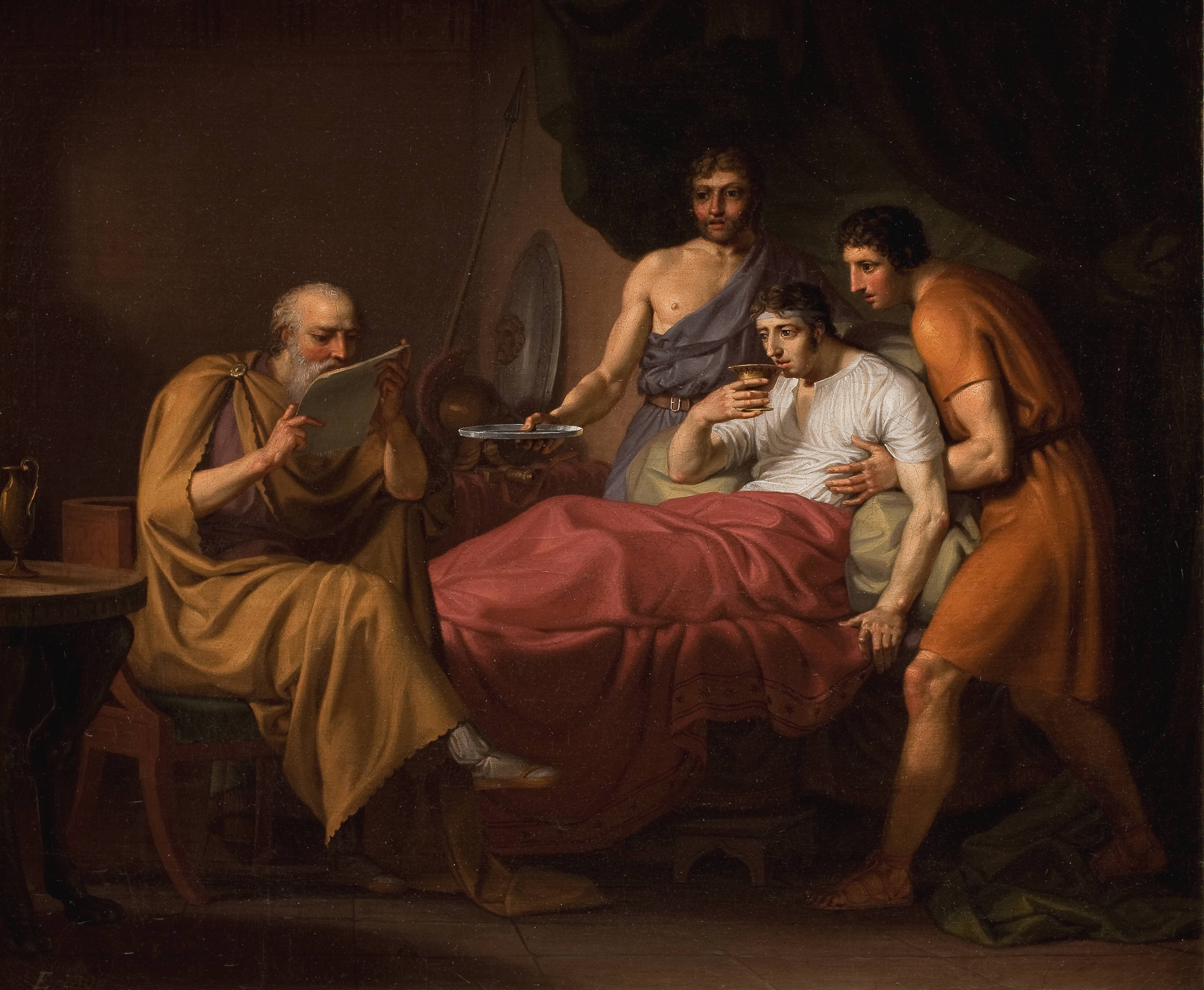
Alexander the Great on his Sickbed
1806
 Book
Secondary source
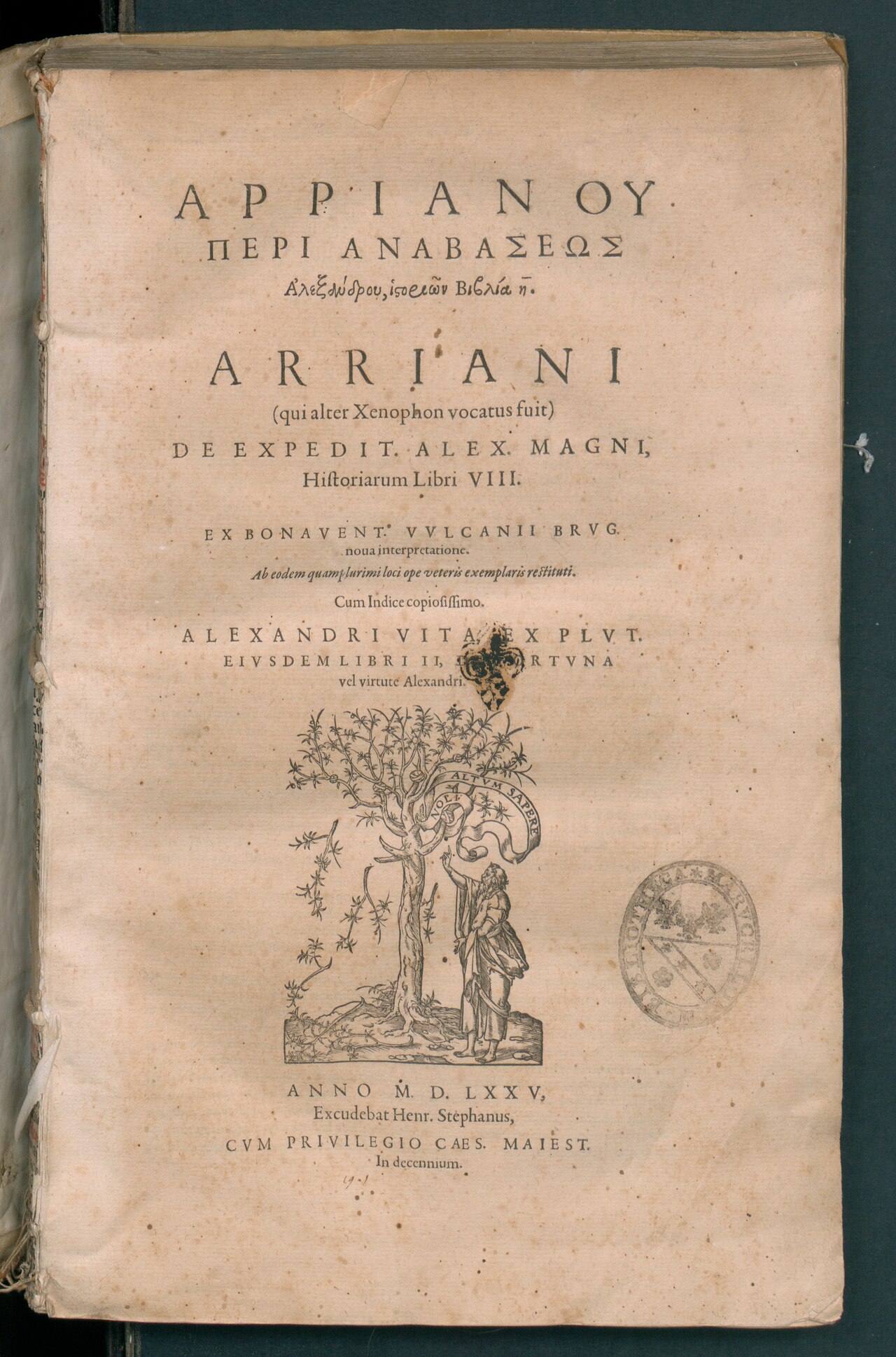
Anabasis of Alexander
Arrian · c. 150 AD
Ready when you are
Start chatting with Alexander the Great now.
20 messages free · No credit card · Available in 50+ languages.