


Primary sourceArtifact
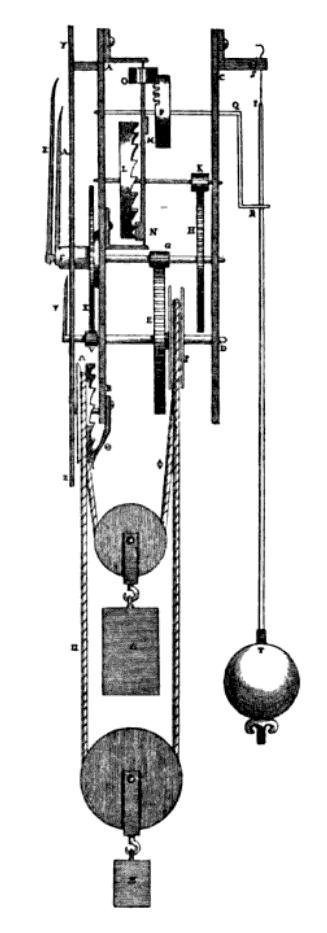
Clock designed by Christiaan Huygens
Salomon Coster
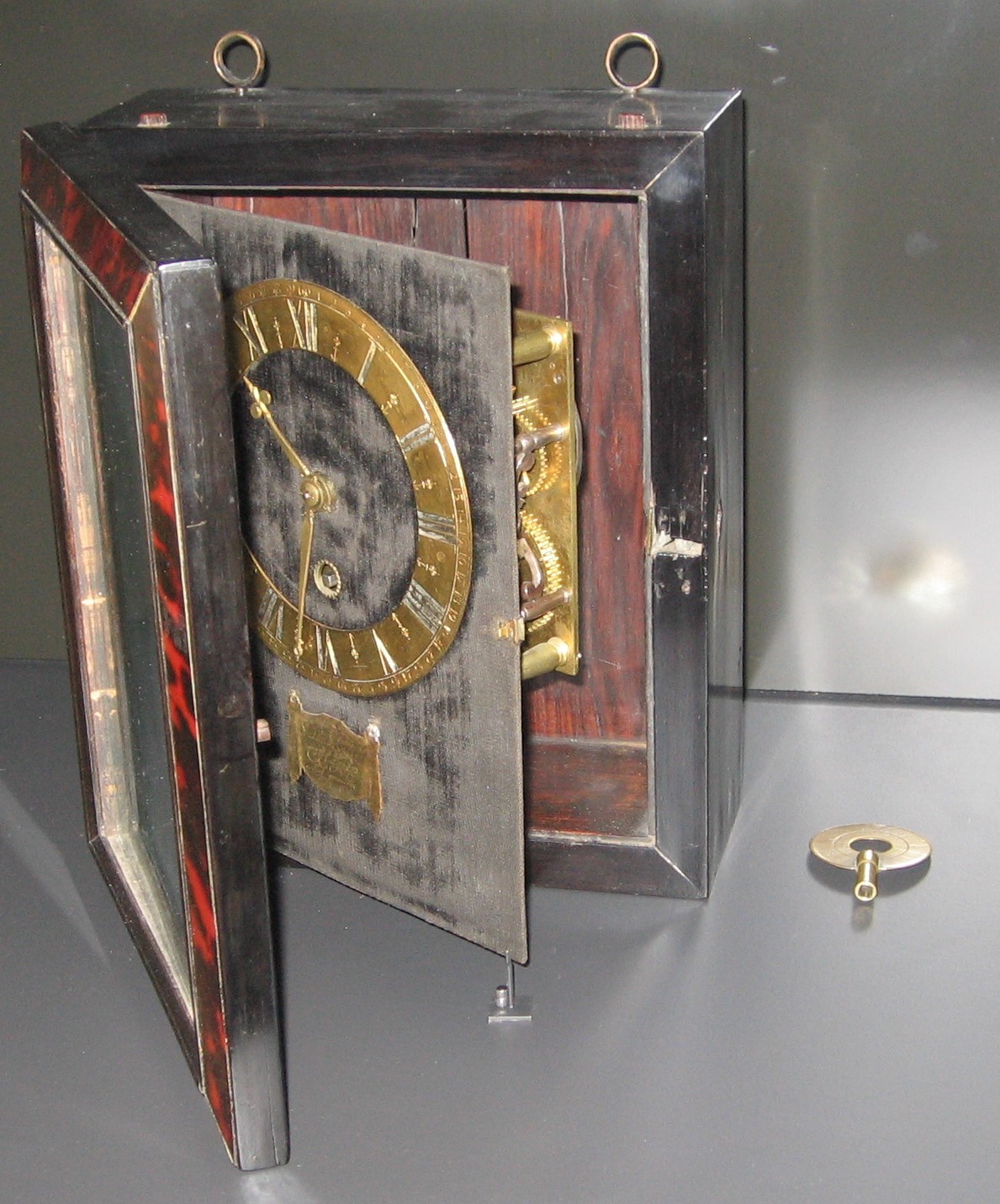
A pendulum clock built to Huygens's design by Hague clockmaker Salomon Coster, showing how his invention was actually manufactured and sold.
A clock built to Huygens's own pendulum design, showing his invention as it reached real customers.
About this source
What it is
This is a wall-mounted pendulum clock built following Christiaan Huygens's design and signed by Salomon Coster, a clockmaker in The Hague, in the late 1650s. It is held by the Rijksmuseum in Amsterdam. The clock has a brass dial, a velvet-covered panel, and a brass movement visible inside its open front door.
Why it matters
Huygens invented the pendulum clock mechanism and patented it, but it was craftsmen like Coster who actually built and sold clocks to this design. This object shows the partnership between a scientist's idea and a craftsman's skill, and how Huygens's theoretical work on pendulum motion became a practical, marketable device that spread across Europe and improved timekeeping.
Look closer
- What does the open door, showing the gears, suggest about how the clock was meant to be studied or displayed?
- Why might a scientist need a skilled craftsman to turn his ideas into a working object?
- How might an accurate clock have mattered to people in the 1600s?
This artifact is part of the curated material that grounds the AI version of Christiaan Huygens on Humy.ai — when students ask about related events, the AI can quote it and cite it.
More Christiaan Huygens sources
Browse all 64 →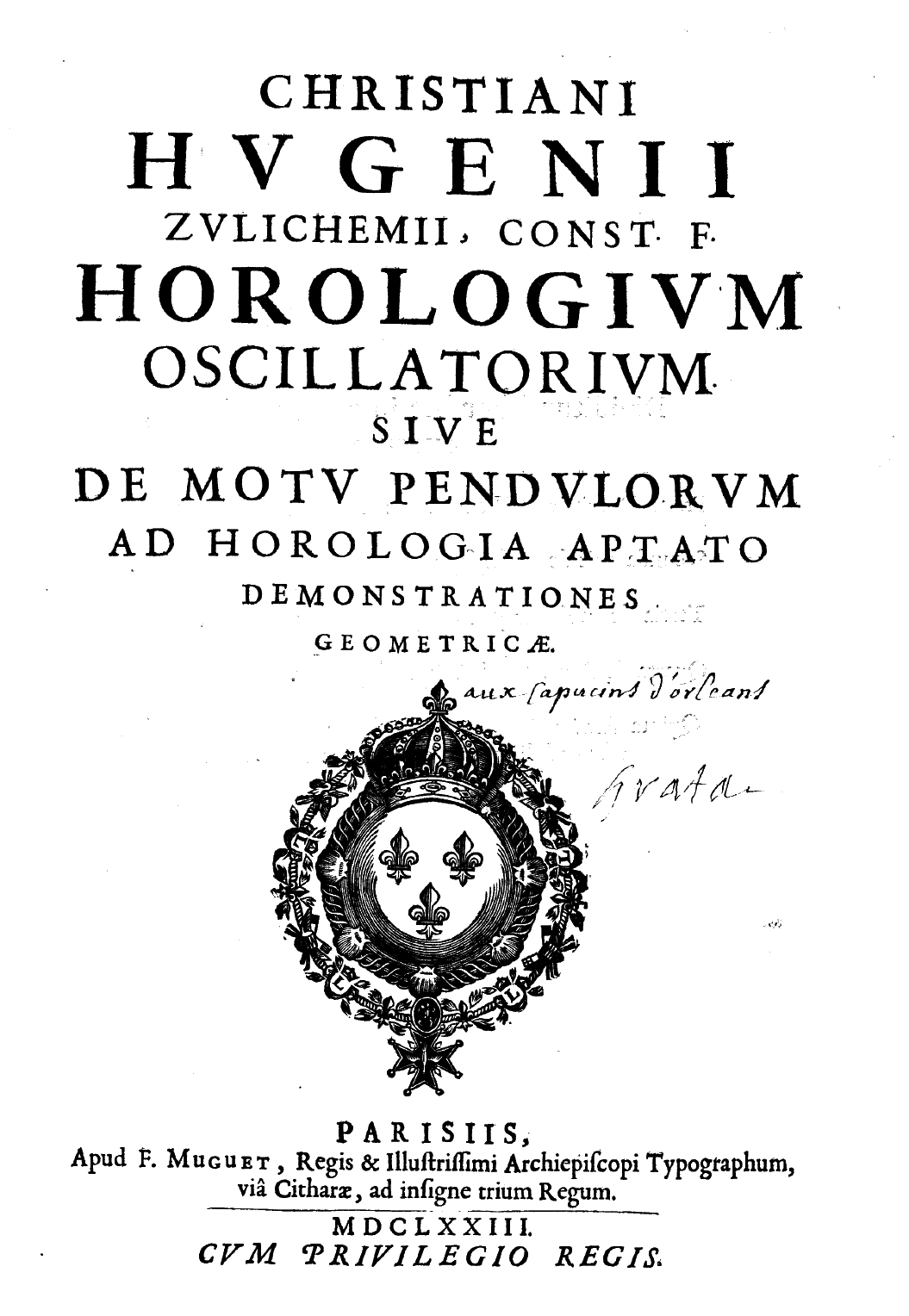 Book
Primary source
Horologium Oscillatorium
Christiaan Huygens · 1673
 Book
Primary source
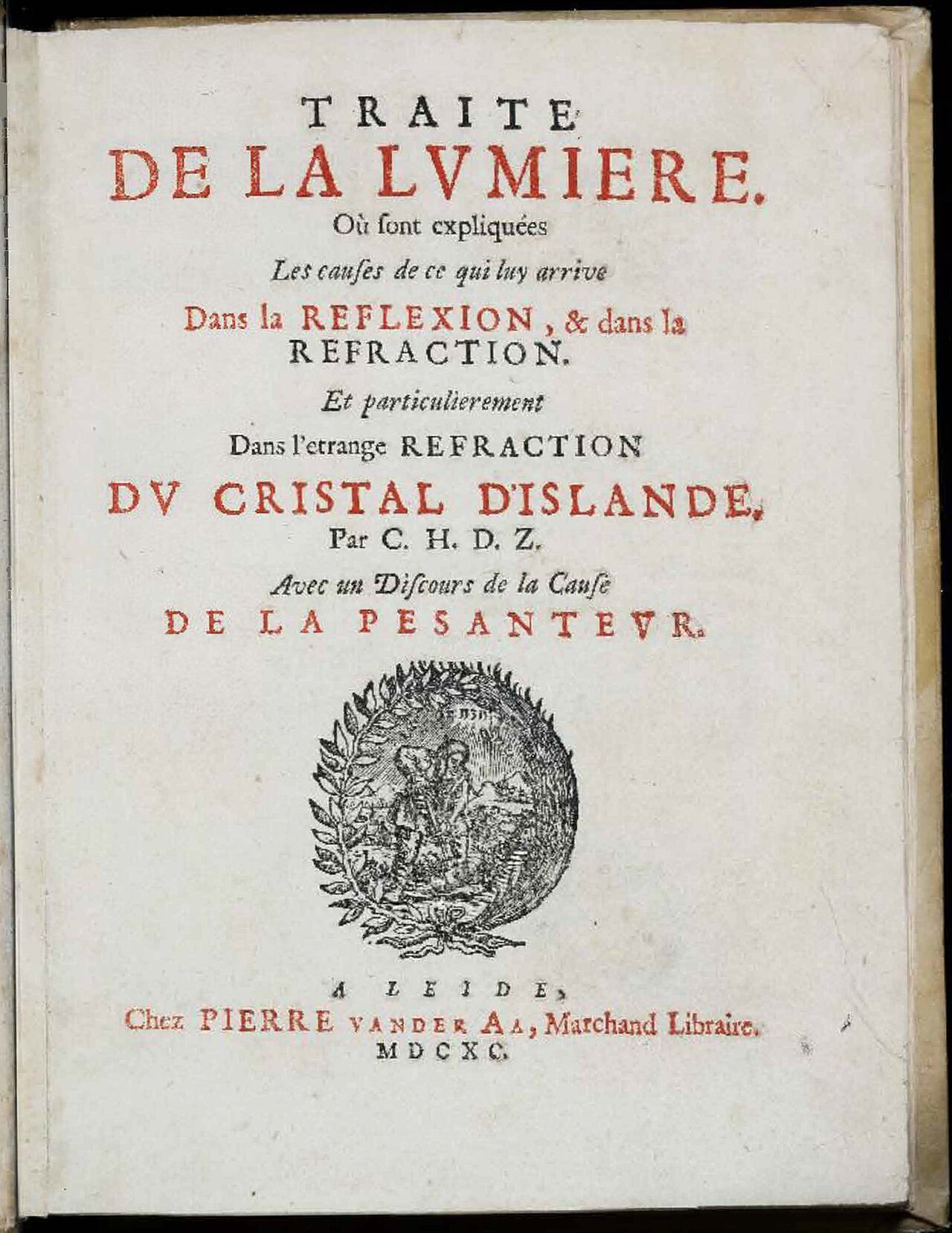
Treatise on Light
Christiaan Huygens · 1690
 Painting
Primary source
Portrait of Christiaan Huygens
Caspar Netscher · 1671
 Painting
Primary source
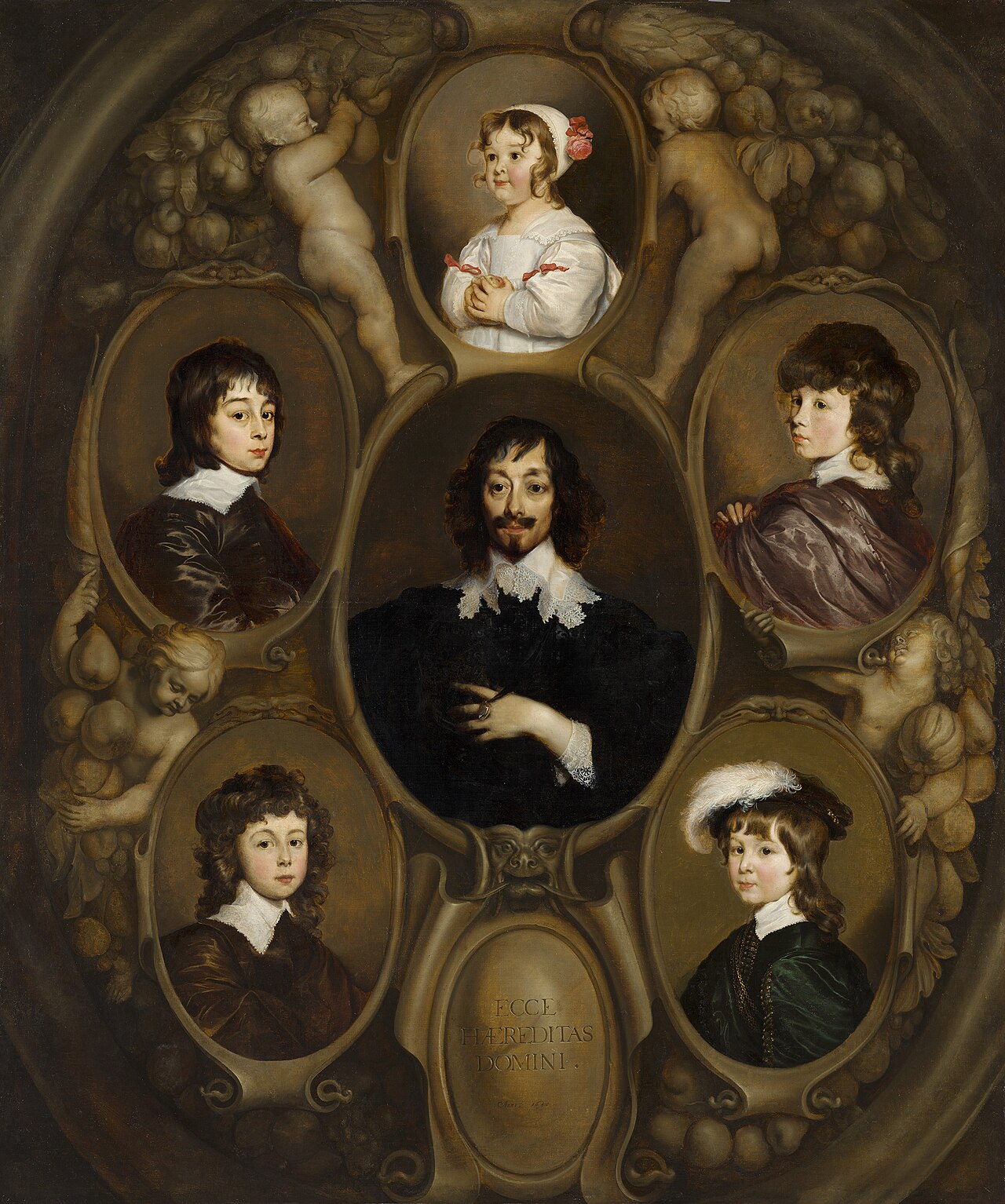
Portrait of Constantijn Huygens and his Five Children
Adriaen Hanneman · 1640
Free account
Browse every Christiaan Huygens source
Sign up free →
Ready when you are
Start chatting with Christiaan Huygens now.
20 messages free · No credit card · Available in 50+ languages.