


Primary sourceBook1673
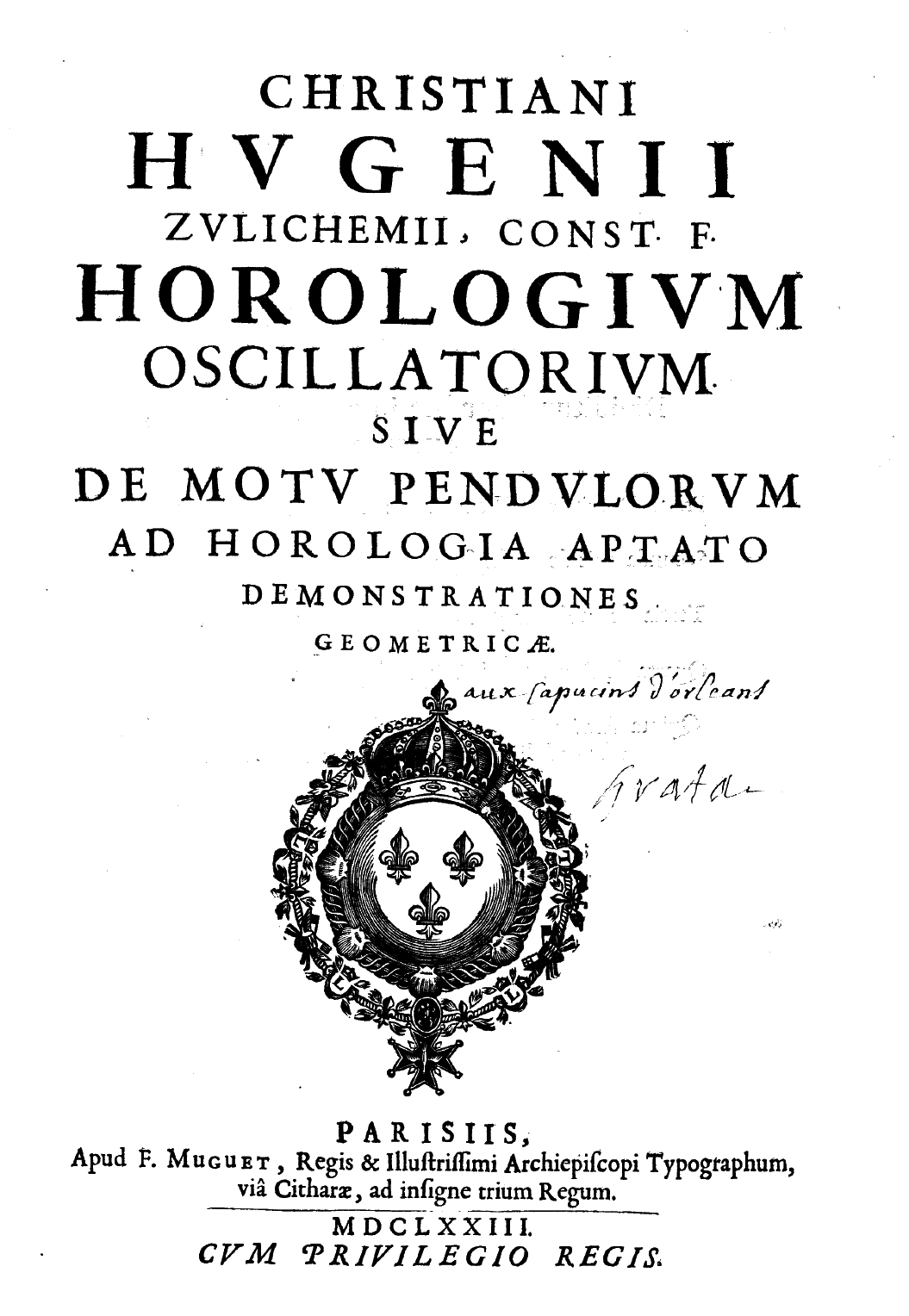
Horologium Oscillatorium
Christiaan Huygens · 1673
Huygens's 1673 masterwork on pendulum clocks, combining practical clock design with the mathematics of cycloids and oscillation.
Huygens's own major treatise, combining his clock invention with the mathematics he developed to perfect it.
About this source
What it is
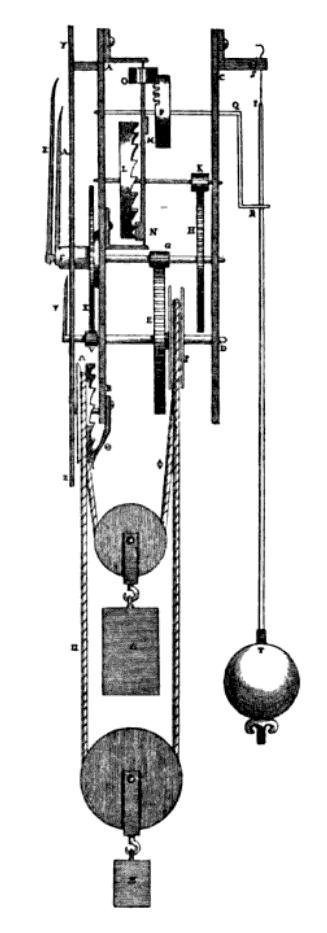
This is a book published in 1673 by Christiaan Huygens, written in Latin and printed in Paris. It describes his pendulum clock design and the mathematics behind it, including the theory of evolutes and the curve called the cycloid.
Why it matters
Historians rank this book among the most important works on mechanics of the 1600s, alongside the works of Galileo and Newton. It shows how Huygens turned a practical problem — keeping accurate time — into a question that could be solved with geometry. The book also carries a dedication to King Louis XIV, which reveals the political pressures Huygens faced as a Dutch scientist working in France while the two countries were at war.
Look closer
- Why might a scientist dedicate his book to a king from an enemy country?
- What does combining clock-making instructions with difficult mathematics tell you about who Huygens expected to read this book?
- How might reliable clocks have mattered to a trading nation like the Dutch Republic?
This book is part of the curated material that grounds the AI version of Christiaan Huygens on Humy.ai — when students ask about related events, the AI can quote it and cite it.
More Christiaan Huygens sources
Browse all 64 →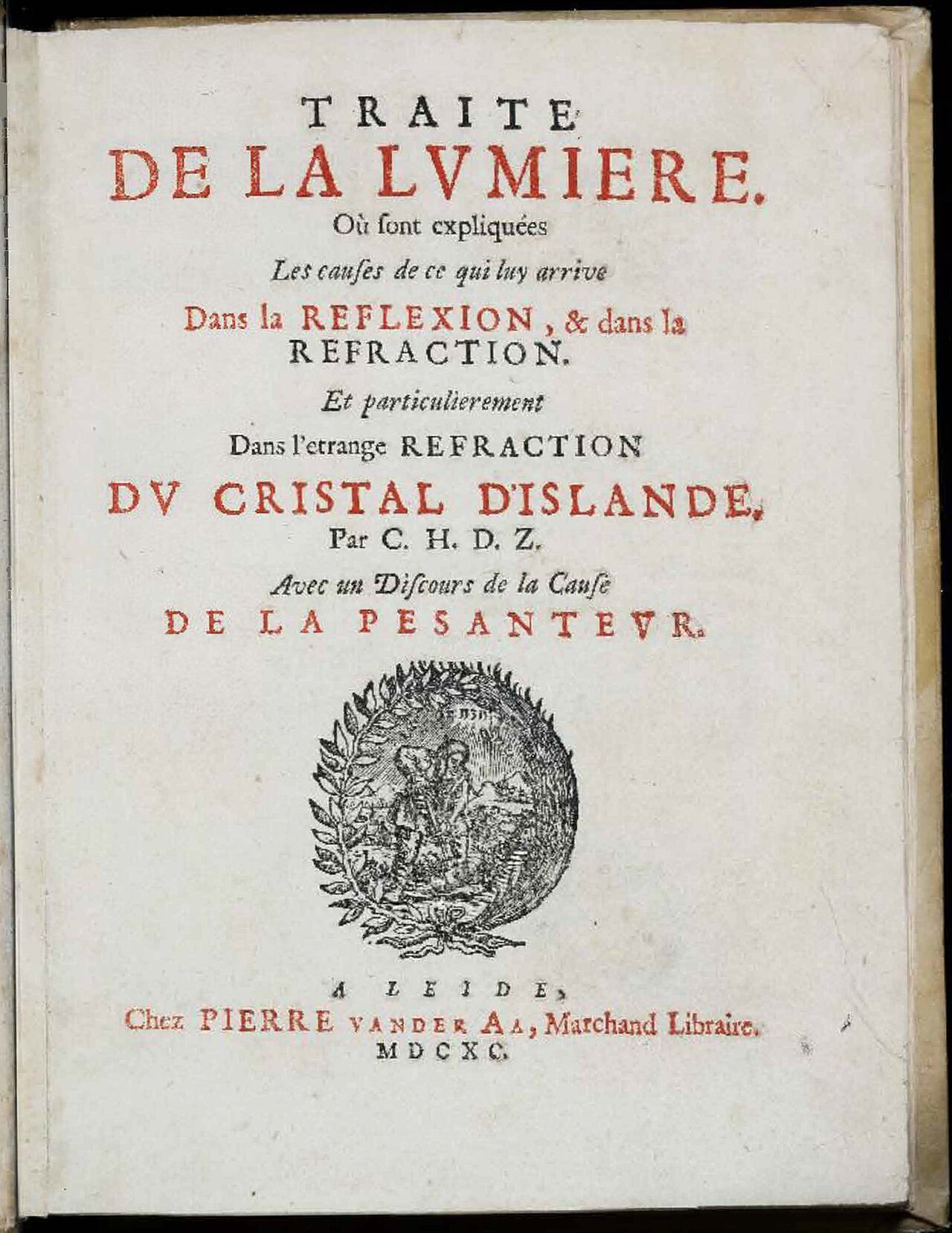 Book
Primary source
Treatise on Light
Christiaan Huygens · 1690
 Artifact
Primary source
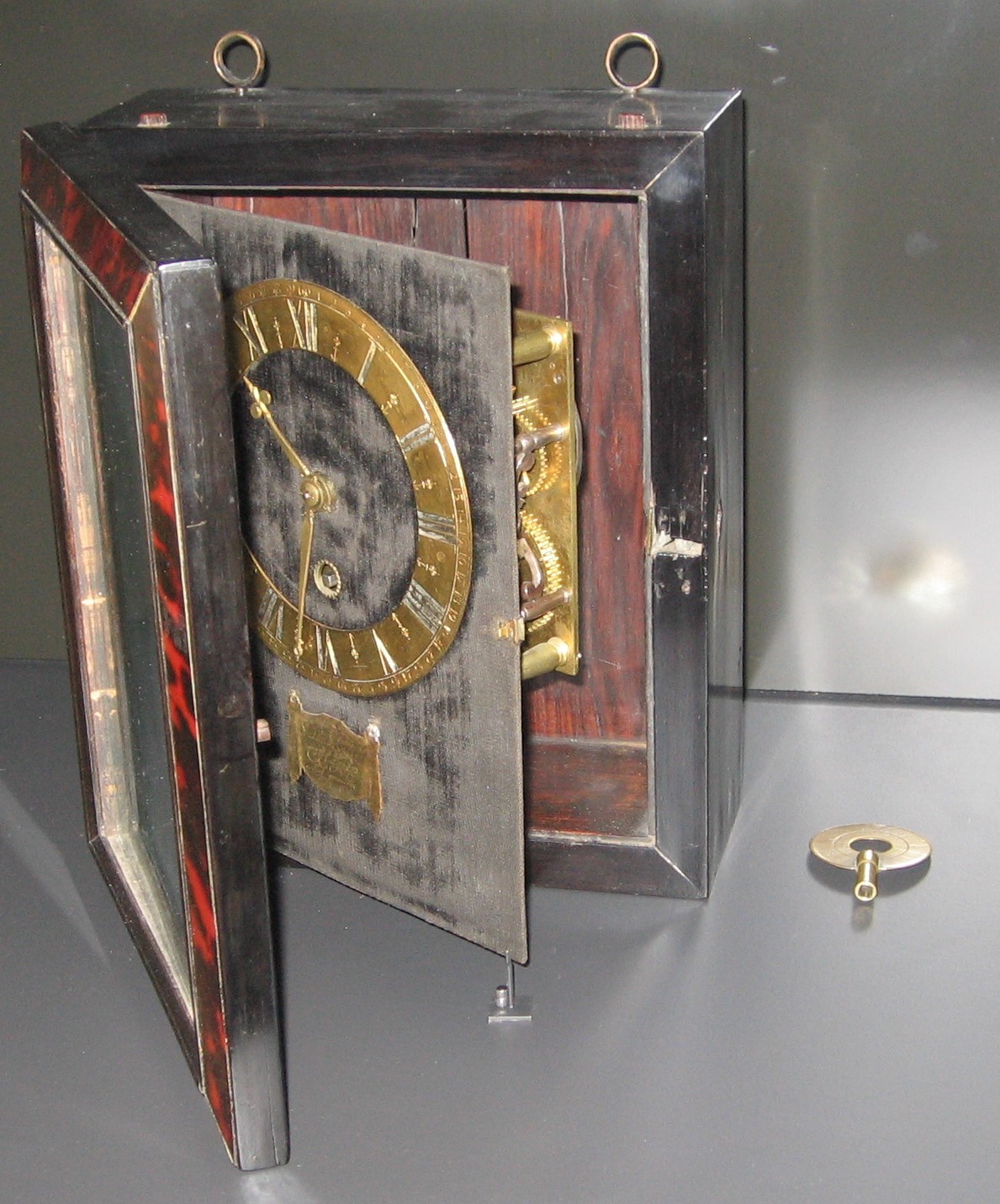
Clock designed by Christiaan Huygens
Salomon Coster
 Painting
Primary source
Portrait of Christiaan Huygens
Caspar Netscher · 1671
 Painting
Primary source
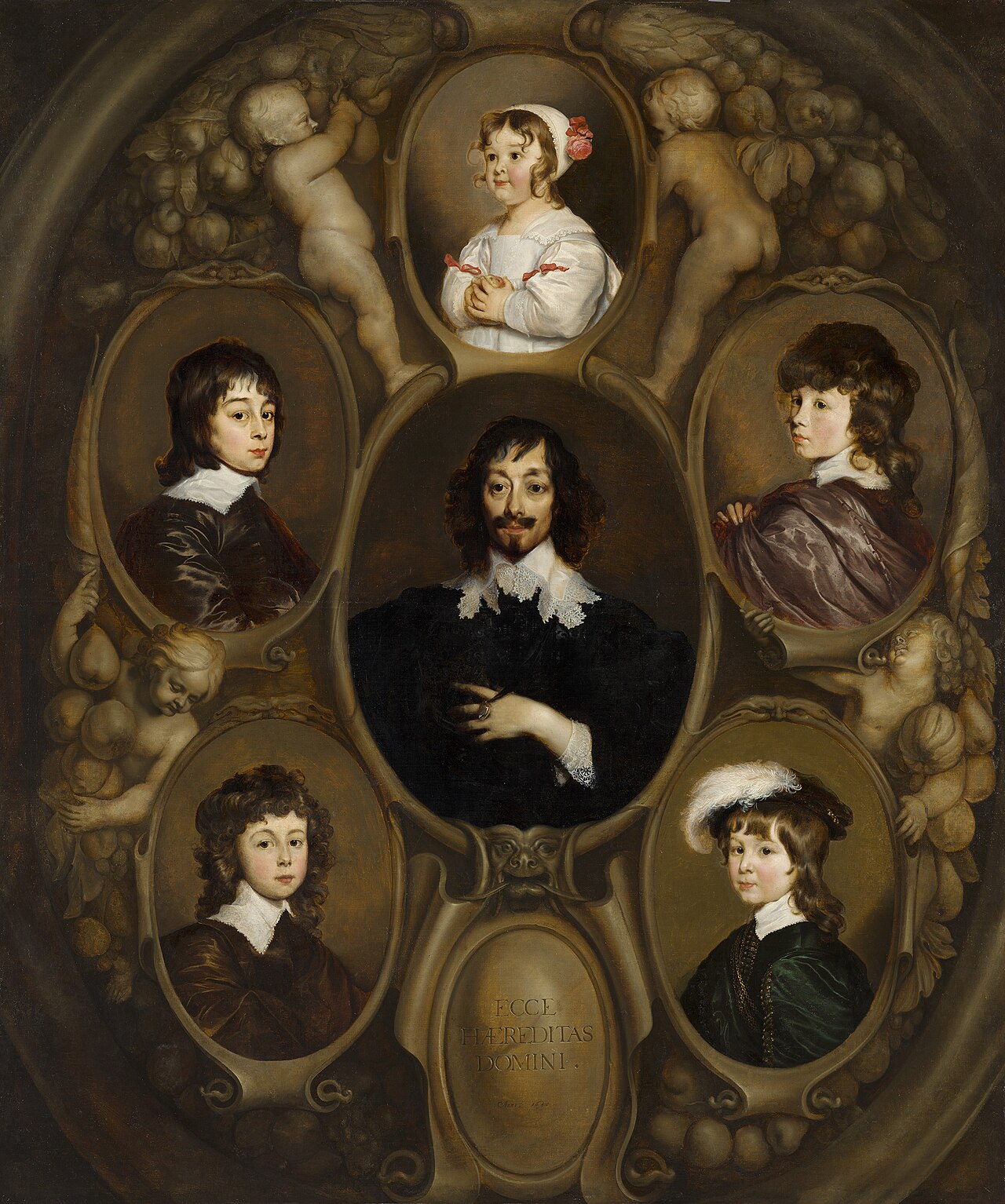
Portrait of Constantijn Huygens and his Five Children
Adriaen Hanneman · 1640
Free account
Browse every Christiaan Huygens source
Sign up free →
Ready when you are
Start chatting with Christiaan Huygens now.
20 messages free · No credit card · Available in 50+ languages.