


Secondary sourceDocument1959
COBOL
CODASYL · 1959
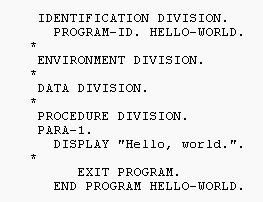
COBOL is a business programming language whose English-like design was based on Grace Hopper's earlier FLOW-MATIC language.
COBOL extended Hopper's FLOW-MATIC and her philosophy of English-like programming languages.
About this source
What it is
COBOL (Common Business-Oriented Language) is a programming language whose design began in 1959, created by a committee called CODASYL. It was partly based on FLOW-MATIC, the English-like data-processing language designed by Grace Hopper, who was among the representatives at the early meetings that led to COBOL's creation.
Why it matters
COBOL became one of the most widely used programming languages in business, finance, and government, and much of it survives in systems still running today. It shows how Hopper's idea that programming languages should use plain English, rather than complex mathematical notation, shaped an entire generation of computing, carried forward by groups like the Department of Defense and manufacturers who adopted it.
Look closer
- Why might using English-like words such as MOVE and TO make a programming language easier for more people to use?
- What does the involvement of government and industry representatives in creating COBOL tell you about why it spread so widely?
- What does the example code leave out about how COBOL programs actually work?
This document is part of the curated material that grounds the AI version of Grace Hopper on Humy.ai — when students ask about related events, the AI can quote it and cite it.
More Grace Hopper sources
Meet the AI Grace Hopper →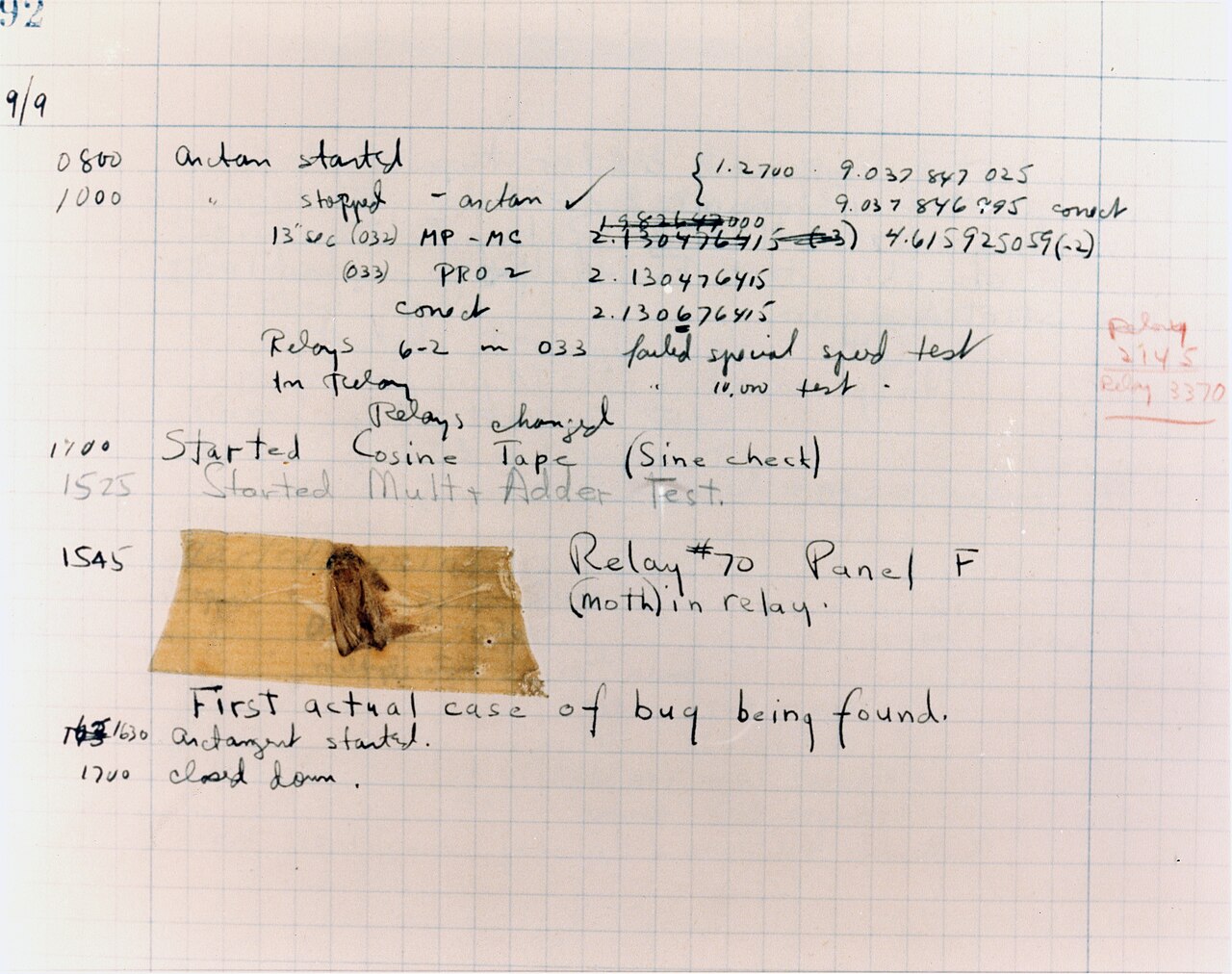 Document
Primary source
First Computer Bug
9 September 1947
 Photograph
Primary source
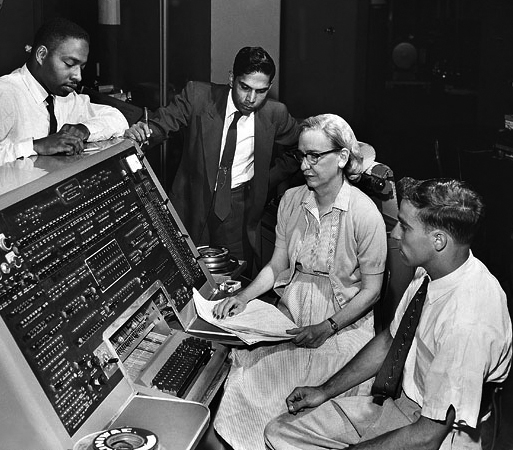
Grace Hopper and UNIVAC
Unknown · June 1957
 Photograph
Primary source
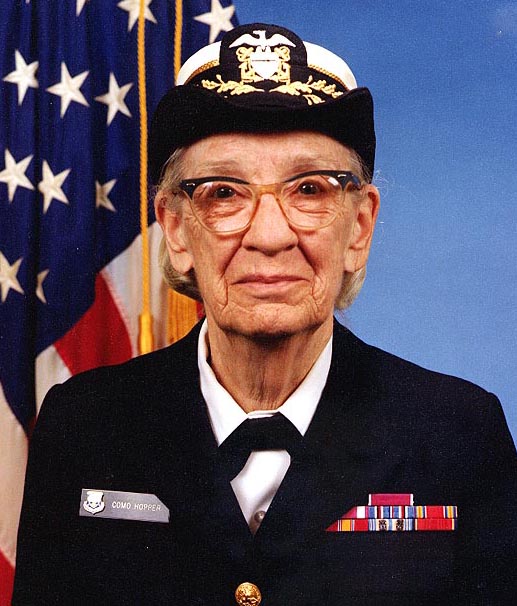
Grace Hopper
James S. Davis · 1984
Primary source
Future Possibilities - Data, Hardware, Software, and People
Grace Hopper · 1982
 Artifact
Primary source
Wire Nanosecond
Ready when you are
Start chatting with Grace Hopper now.
20 messages free · No credit card · Available in 50+ languages.