


Primary sourceArtifact1478-1518
Codex Windsor
Leonardo da Vinci · 1478-1518
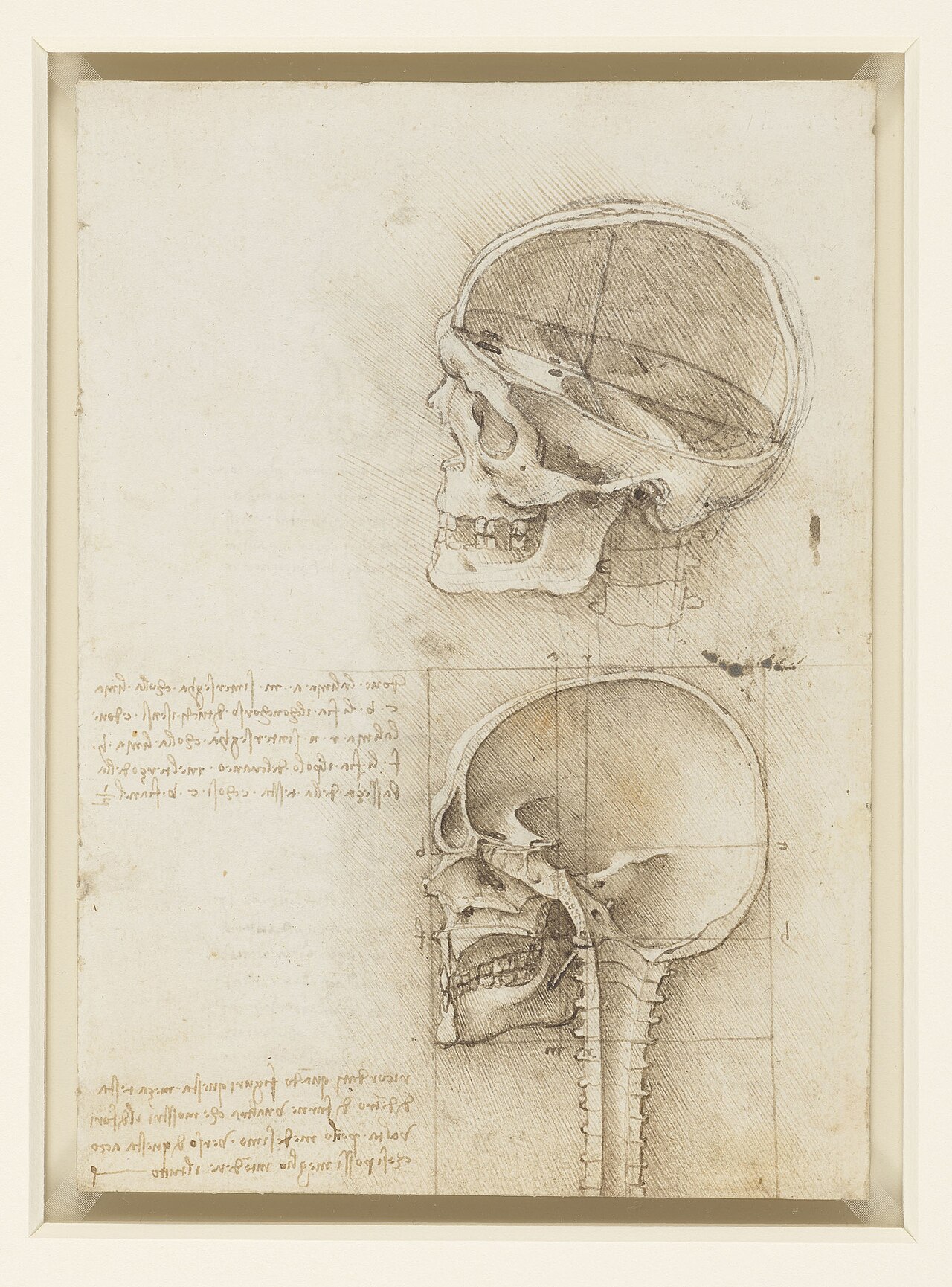
A collection of manuscript sheets by Leonardo da Vinci, including detailed anatomical drawings made from his own dissections.
These anatomical drawings, made from Leonardo's own dissections, show his scientific side alongside his art.
About this source
What it is
The Codex Windsor is a group of over 600 manuscript sheets by Leonardo da Vinci, made between 1478 and 1518. It includes drawings of art, people, animals, plants, mechanics, weapons, and anatomy. It is now kept in the Royal Collection at Windsor Castle.
Why it matters
Leonardo performed dissections himself and recorded what he saw in detailed drawings. These anatomical sheets show him working almost like a modern scientist, studying the body's structure directly rather than relying on old texts, which makes him an early pioneer of anatomical illustration.
Look closer
- Why might Leonardo have written his notes in mirror script?
- What does the careful detail in the skull drawing tell you about how closely he observed real bodies?
- What parts of the body are missing from this sheet, and why might that be?
This artifact is part of the curated material that grounds the AI version of Leonardo da Vinci on Humy.ai — when students ask about related events, the AI can quote it and cite it.
More Leonardo da Vinci sources
Meet the AI Leonardo da Vinci →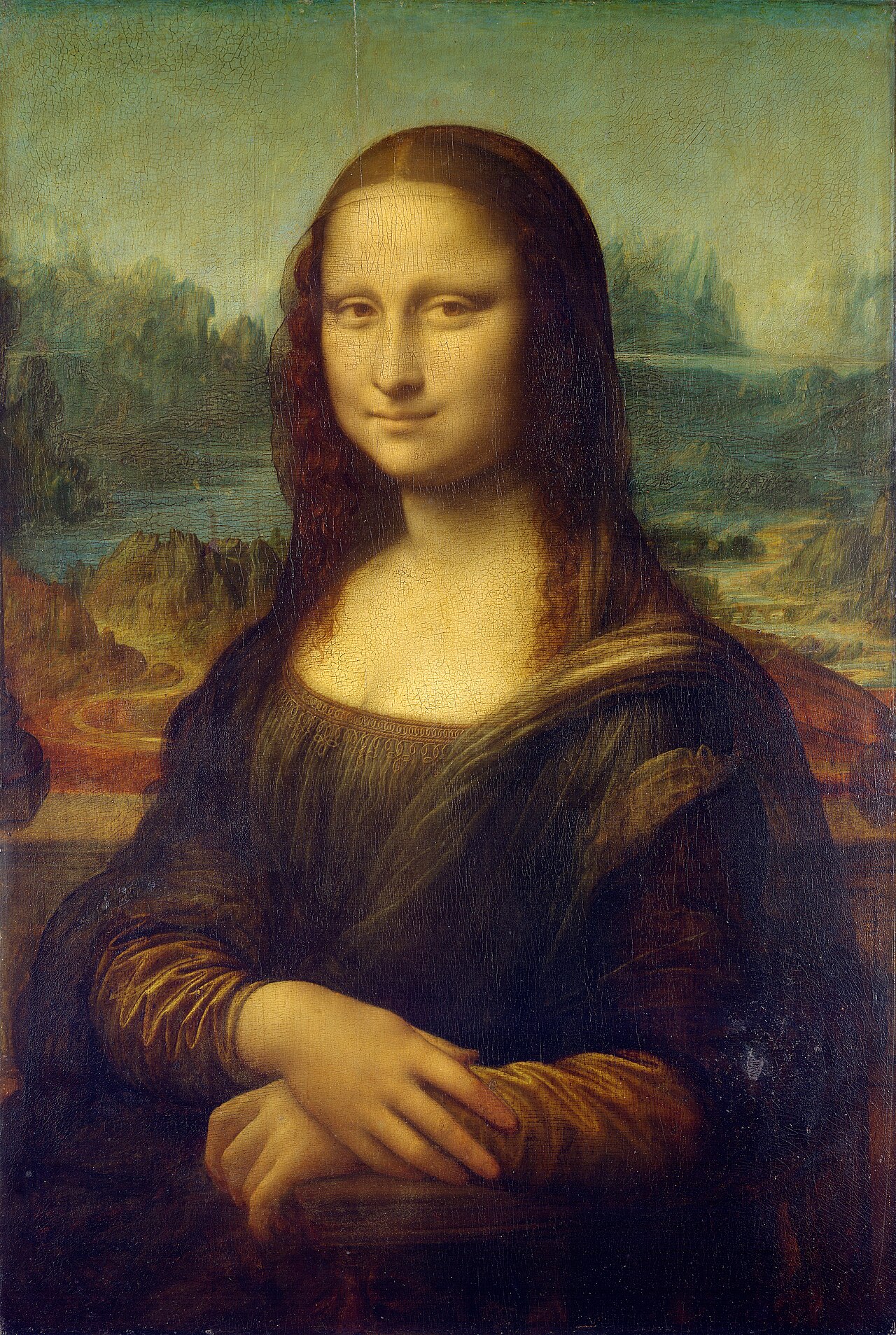 Painting
Primary source
Mona Lisa
Leonardo da Vinci · c. 1503-1519
 Painting
Secondary source
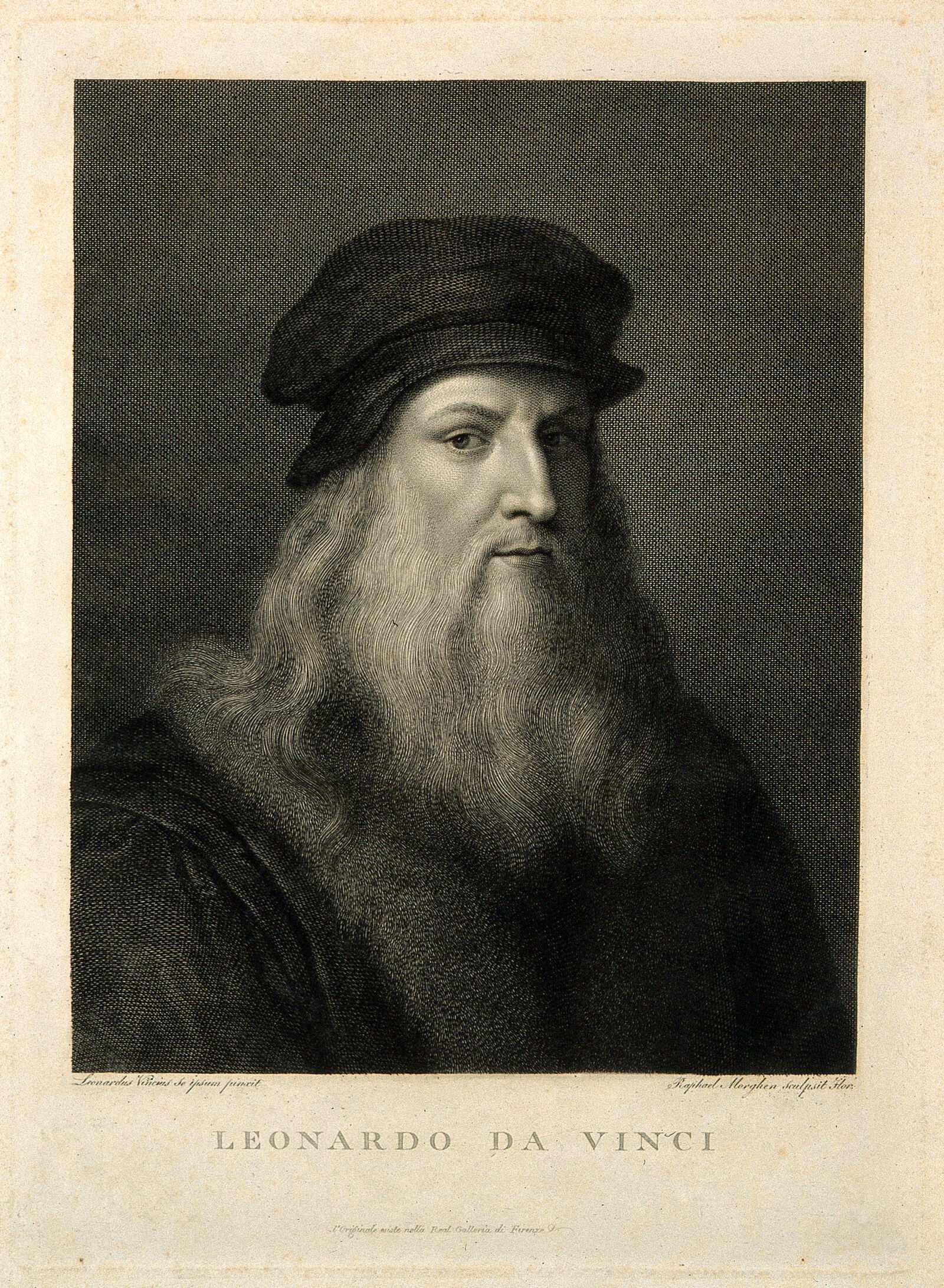
Leonardo da Vinci portrait line engraving by Raphael Morghen
R. Morghen
 Book
Primary source
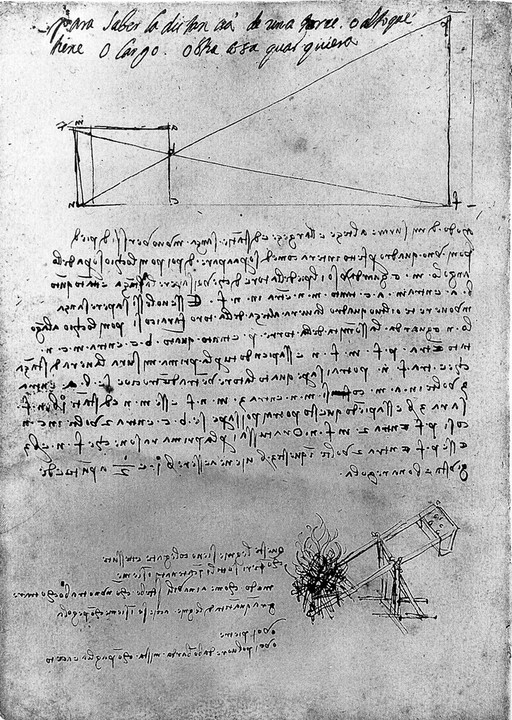
Manuscript Notebook MS B
Leonardo da Vinci
 Painting
Primary source
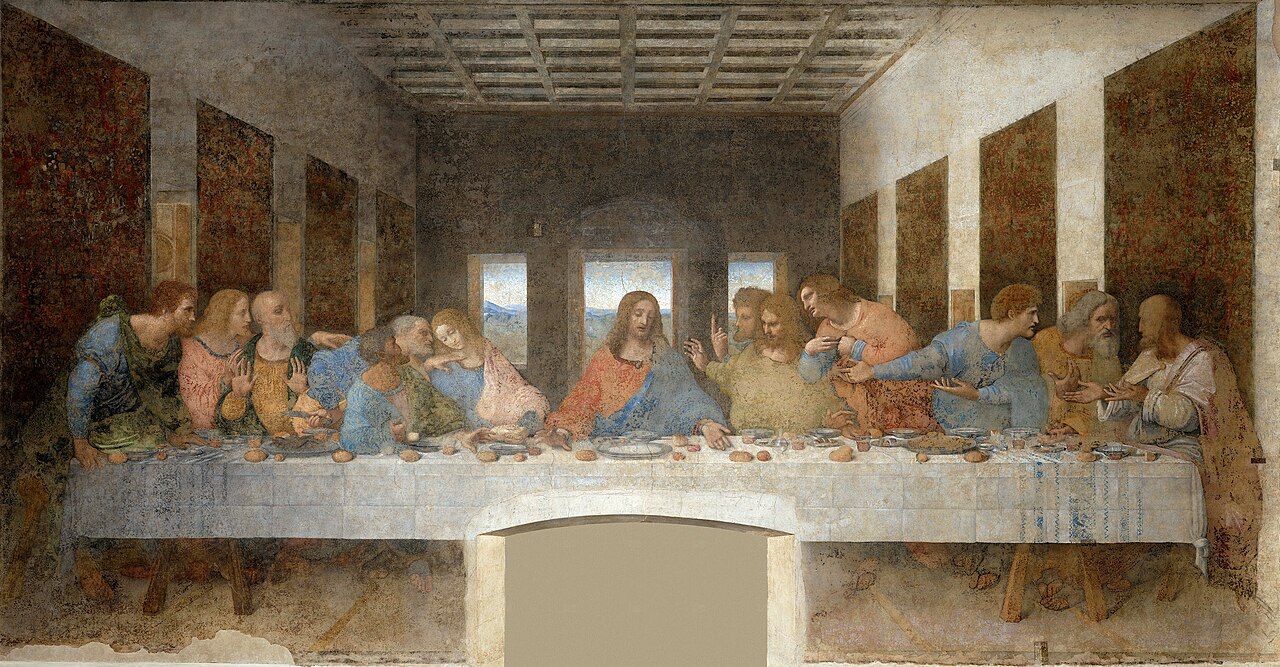
The Last Supper
Leonardo da Vinci · c. 1495-1498
 Painting
Primary source
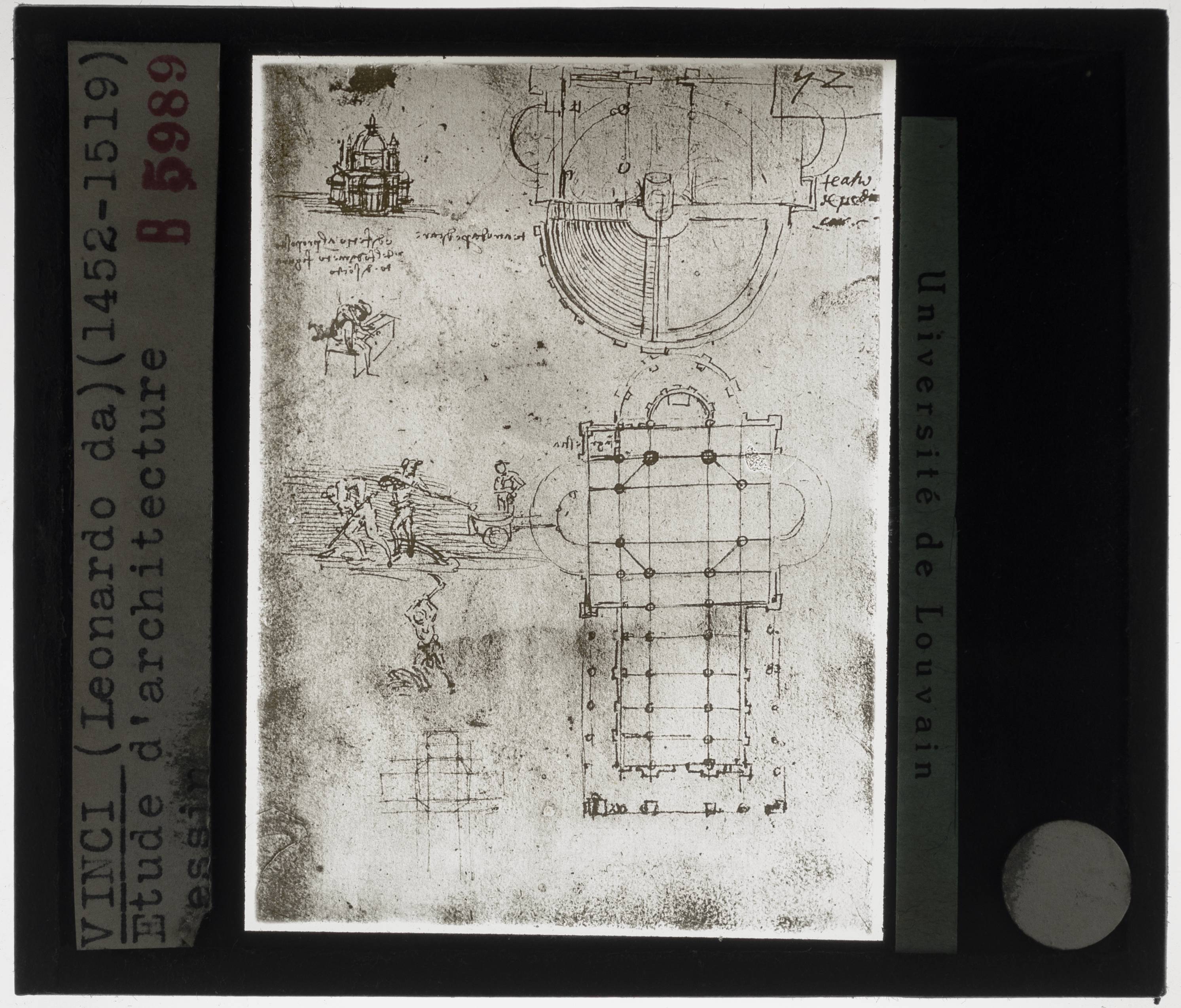
Architectural Studies
Leonardo da Vinci · c. 1500
Ready when you are
Start chatting with Leonardo da Vinci now.
20 messages free · No credit card · Available in 50+ languages.