


Primary sourceDocument2 April 1792
Coinage Act of 1792
United States Congress · 2 April 1792
A law signed by Washington that created the U.S. dollar, the Mint, and the national coinage system.
Washington signed this law, backing Alexander Hamilton's financial plan to create the U.S. dollar and the Mint.
About this source
What it is
This is the Coinage Act of 1792, passed by Congress and signed into law by President George Washington. It established the United States dollar and its subunits, created the United States Mint, and set rules for the design and production of gold, silver, and copper coins.
Why it matters
The Act was part of the financial system pushed by Treasury Secretary Alexander Hamilton, which Washington backed as president. It shows the new government building the basic tools of a national economy, replacing foreign currencies like the Spanish dollar with an American one, and gave the country its first mint, built in Philadelphia.
Look closer
- Why might a new nation need to create its own coins and mint rather than keep using foreign currency?
- What does the choice of symbols like 'Liberty' and the eagle tell you about how the new nation wanted to present itself?
- Why would Washington's signature matter on a law about money rather than politics?
This document is part of the curated material that grounds the AI version of George Washington on Humy.ai — when students ask about related events, the AI can quote it and cite it.
More George Washington sources
Meet the AI George Washington →Primary source
To John Augustine Washington, 18 July 1755
George Washington · 18 July 1755
Primary source
General Orders, 9 July 1776
George Washington · 9 July 1776
Primary source
Circular to the States
George Washington · 8 June 1783
 Painting
Primary source
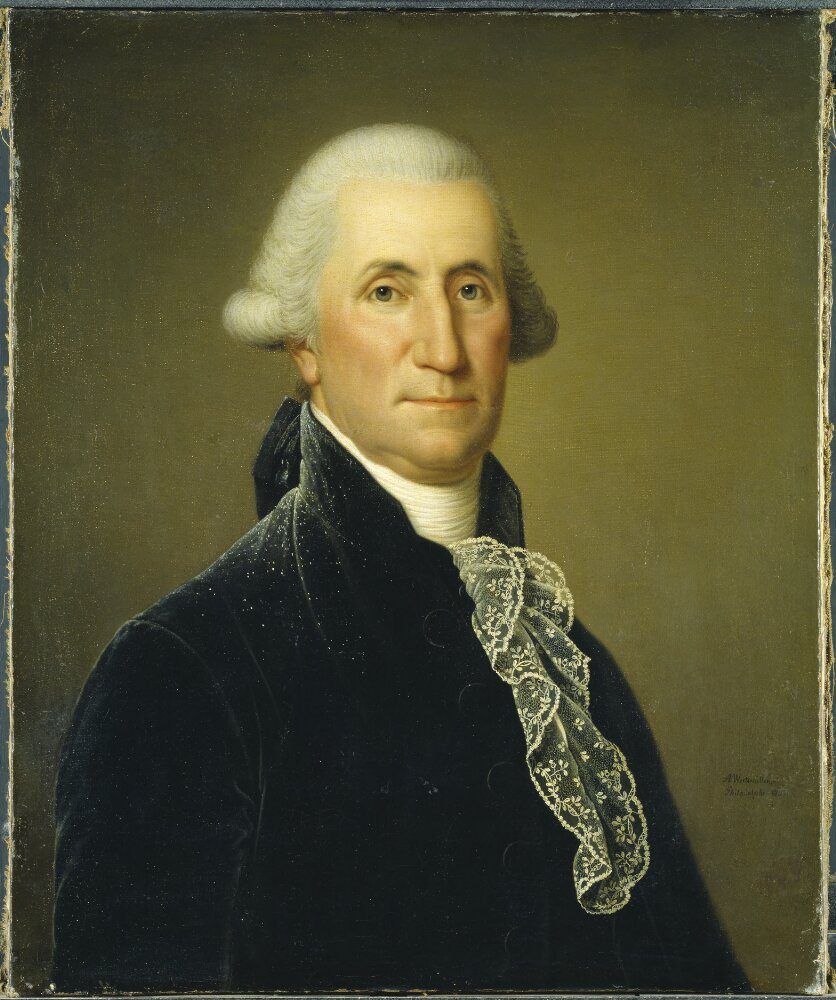
Portrait of George Washington by Wertmüller
Adolf Ulrik Wertmüller · 1795
 Speech
Primary source
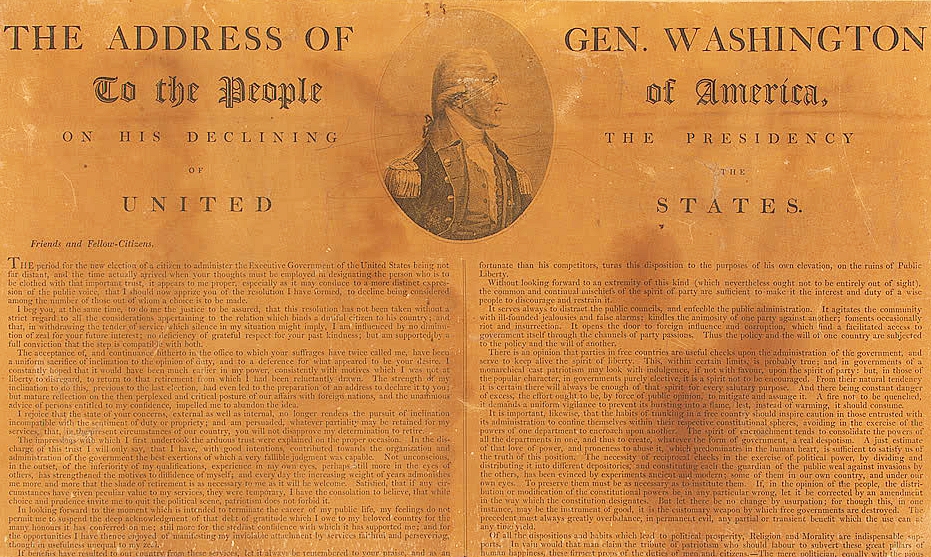
George Washington's Farewell Address
George Washington · 19 September 1796
Ready when you are
Start chatting with George Washington now.
20 messages free · No credit card · Available in 50+ languages.