


Primary sourceBook1850
Complete History of the Late Mexican War: Battles of Mexico
1850
An 1850 account of the Mexican-American War describing Zachary Taylor's command at Fort Jesup and in the early campaigns.
Describes Taylor's early command of U.S. forces at Fort Jesup leading into the Mexican-American War.
About this source
What it is
This is a chapter from an 1850 written history of the Mexican-American War, titled 'Battles of Mexico.' It describes the causes of the war and the movements of the United States Army, including the forces placed under the command of Zachary Taylor.
Why it matters
The text shows how Taylor, then a colonel, was placed in charge of troops sent to the Texas border, a role that began the military career that later made him a national hero and president. It reflects how contemporary writers quickly tried to explain and record the causes and course of the war for the American public.
Look closer
- Why might the author explain the causes of the war before describing the fighting?
- What does the account suggest about how the United States and Texas worked together against Mexico?
- What might be left out of a history written so soon after the events it describes?
This book is part of the curated material that grounds the AI version of Zachary Taylor on Humy.ai — when students ask about related events, the AI can quote it and cite it.
More Zachary Taylor sources
Meet the AI Zachary Taylor →Primary source
Treaty of Guadalupe Hidalgo
Nicholas Trist; Mexican commission · 2 February 1848
 Document
Primary source
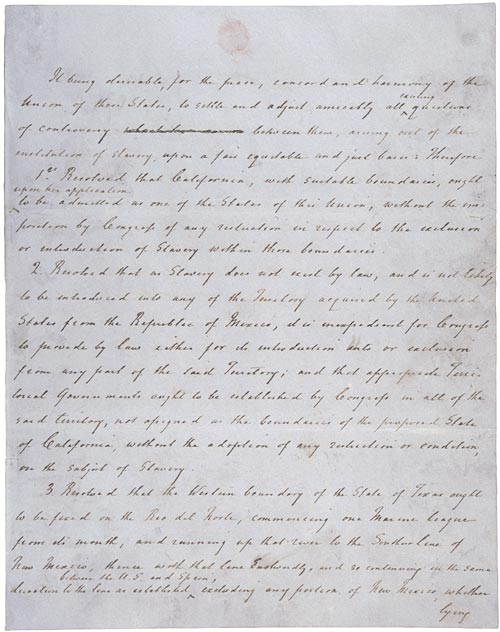
Compromise of 1850
Henry Clay · 29 January 1850 (resolutions); statutes enacted September 1850
Primary source
Inaugural Address of Zachary Taylor
Zachary Taylor · 5 March 1849
 Photograph
Primary source
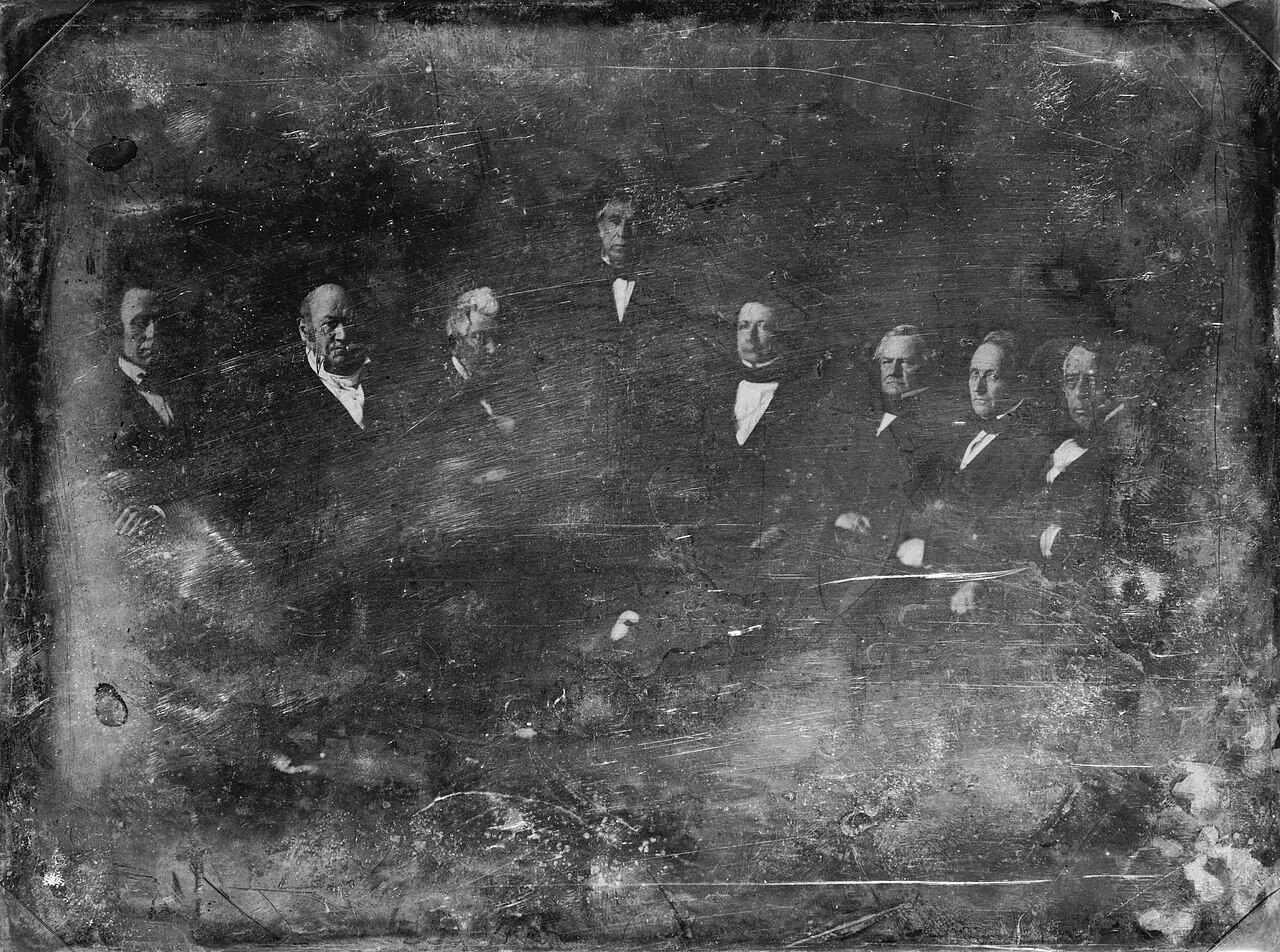
The Taylor Administration
Mathew Benjamin Brady · 1849
 Photograph
Primary source
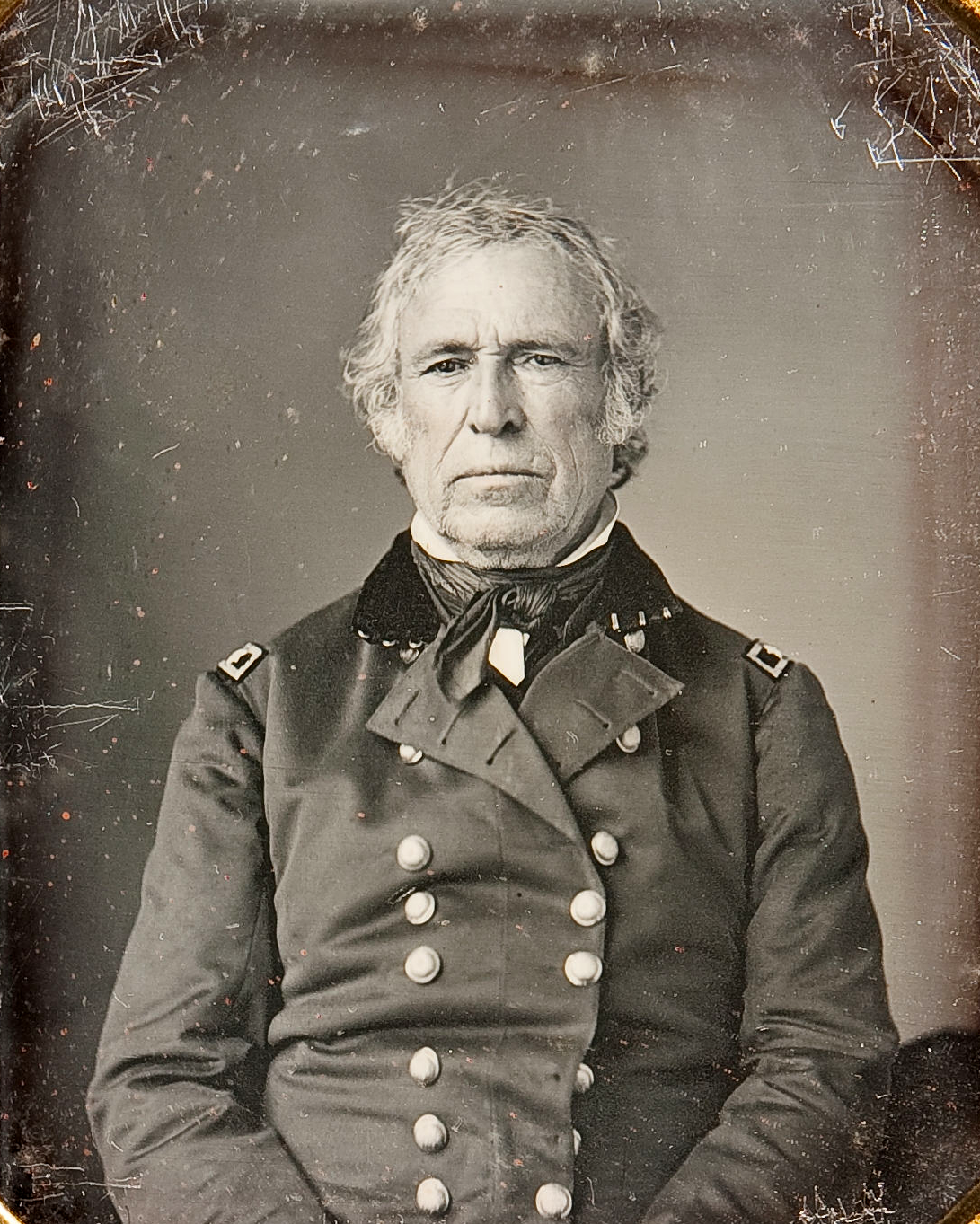
Zachary Taylor half plate daguerreotype
unknown, possibly Maguire of New Orleans · c. 1843-1845
Ready when you are
Start chatting with Zachary Taylor now.
20 messages free · No credit card · Available in 50+ languages.