


Primary sourceBook1837, published 1847
Concord Hymn
Ralph Waldo Emerson · 1837, published 1847
Emerson's poem written for the 1837 dedication of the Concord battle monument, famous for the phrase 'the shot heard round the world.'
Emerson wrote this poem himself for his hometown's monument, linking him personally to Revolutionary memory.
About this source
What it is
"Concord Hymn" is a poem by Ralph Waldo Emerson, written at the request of the Battle Monument Committee for the 1837 dedication of an obelisk in Concord, Massachusetts, commemorating the 1775 battles of Lexington and Concord. It was first sung as a hymn at the dedication and later republished in Emerson's 1847 collection of poems.
Why it matters
The poem coined the enduring phrase "the shot heard round the world," which became part of the lore of the American Revolution. Emerson had a personal connection to the event: his grandfather, William Emerson Sr., witnessed the battle. The poem shows Emerson turning a local, personal history into a national symbol of liberty, and it established him as a poet.
Look closer
- Why might Emerson have left out specific details of the battle itself?
- How does the poem connect Emerson's own family history to a national story?
- Why do you think this phrase became so famous compared to the rest of the poem?
This book is part of the curated material that grounds the AI version of Ralph Waldo Emerson on Humy.ai — when students ask about related events, the AI can quote it and cite it.
More Ralph Waldo Emerson sources
Meet the AI Ralph Waldo Emerson →Primary source
Nature
Ralph Waldo Emerson · 1836
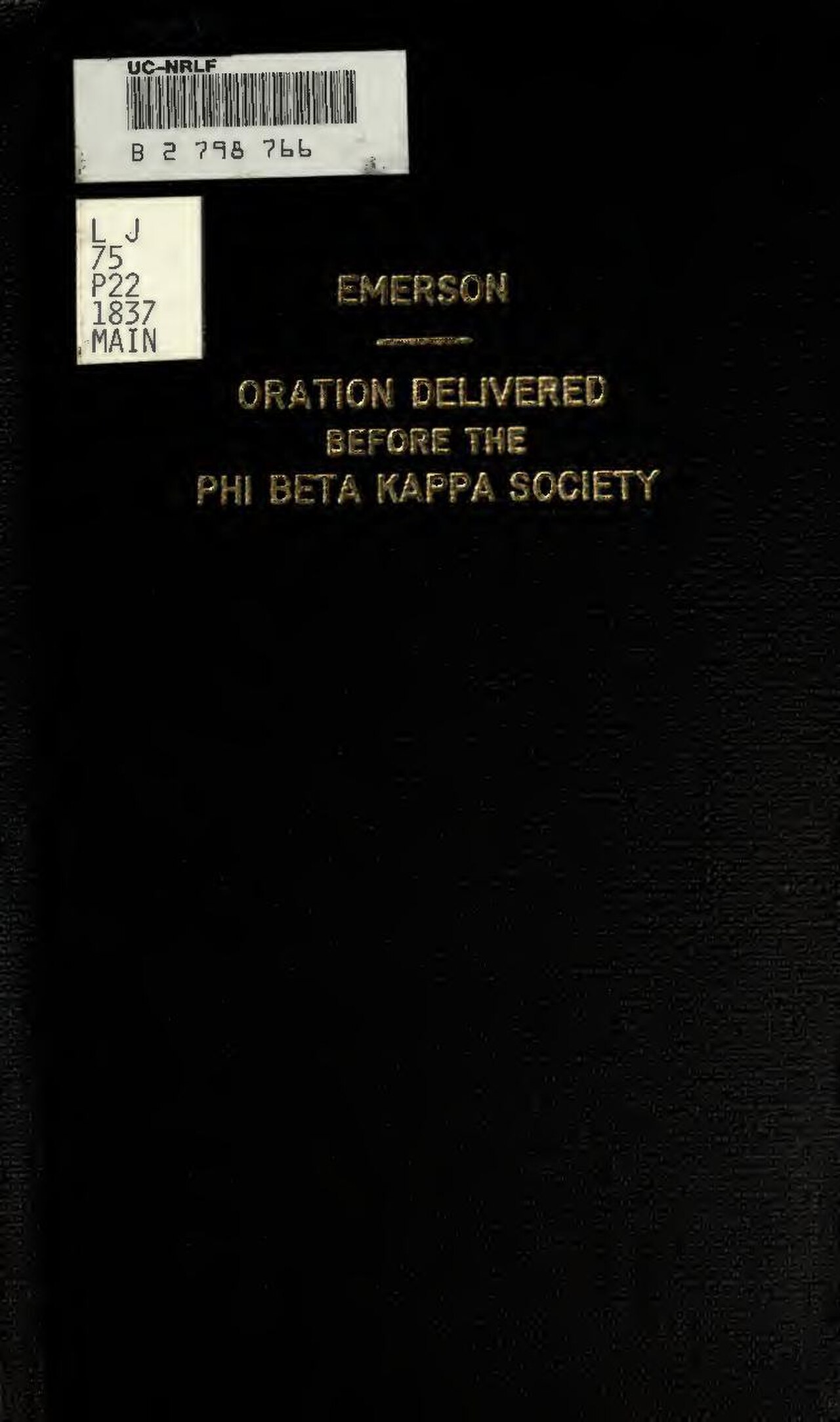 Speech
Primary source
The American Scholar
Ralph Waldo Emerson · 31 August 1837
Primary source
Essays: First Series
Ralph Waldo Emerson · 1841
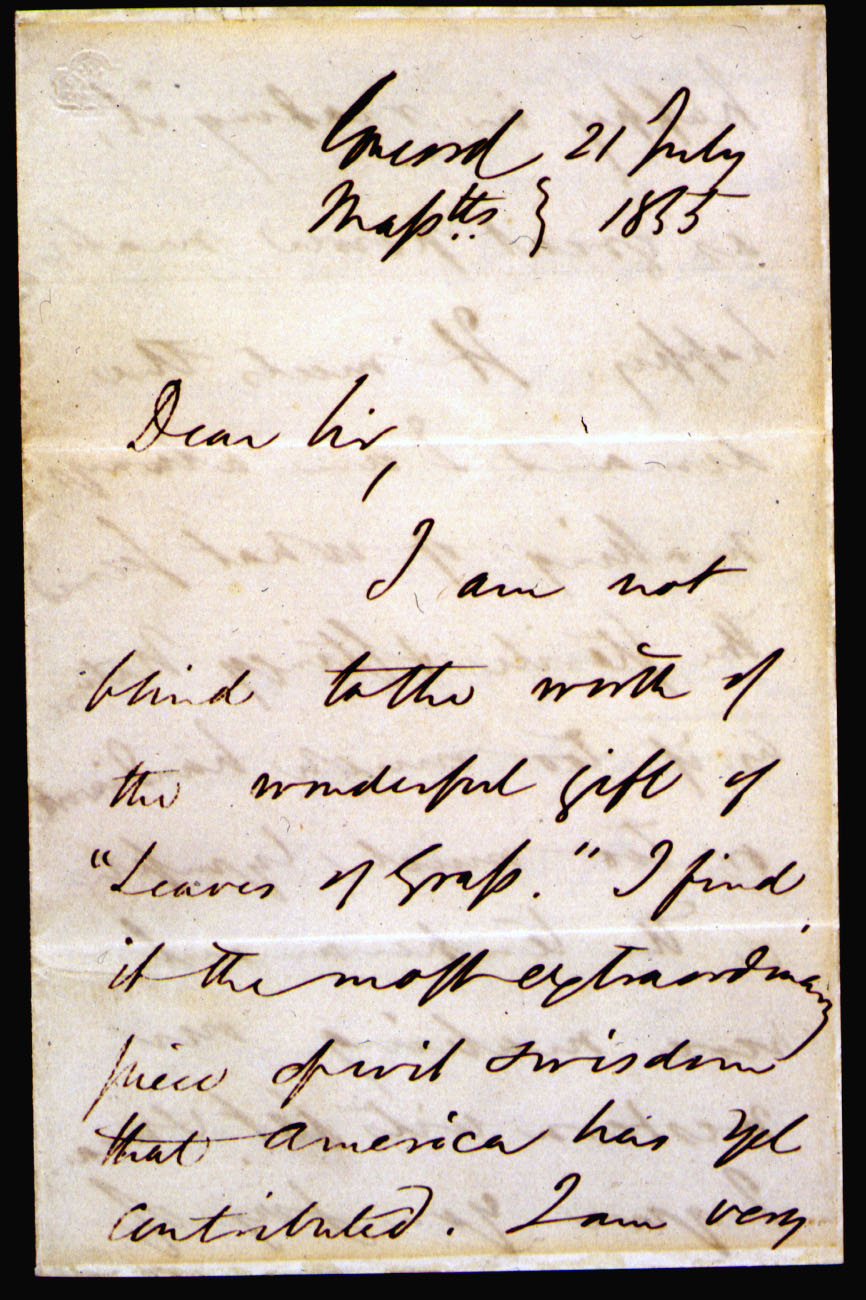 Letter
Primary source
Emerson's Letter to Whitman
Ralph Waldo Emerson · 21 July 1855
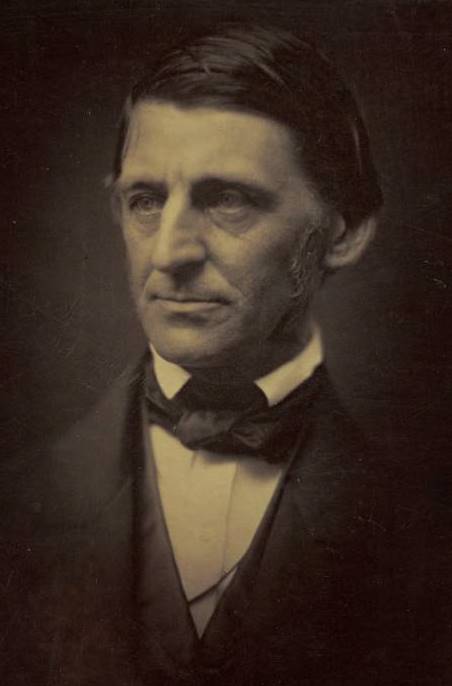 Photograph
Primary source
Ralph Waldo Emerson, ca. 1857
Southworth & Hawes · c. 1857
Ready when you are
Start chatting with Ralph Waldo Emerson now.
20 messages free · No credit card · Available in 50+ languages.