


Primary sourceBook1836
Nature
Ralph Waldo Emerson · 1836
Ralph Waldo Emerson's 1836 essay setting out the foundation of transcendentalism, a belief that the divine suffuses nature. Thoreau read it as a Harvard student and it shaped his later work.
Emerson's essay was the founding text of the transcendentalist circle that shaped Thoreau's thinking and his path as a writer.
About this source
What it is
Nature is a book-length essay by Ralph Waldo Emerson, published by James Munroe and Company in 1836. In it Emerson lays out the foundation of transcendentalism, a belief that the divine suffuses nature and that reality can be understood by studying nature. He divides nature into four usages: commodity, beauty, language and discipline.
Why it matters
The essay gave the movement its core ideas. A review published in January 1837 disparagingly called its followers Transcendentalists, coining the name. Henry David Thoreau read Nature as a senior at Harvard College and took it to heart. It became an essential influence on his later writing, including Walden, and Emerson's encouragement helped Thoreau pursue his desire to be a published author.
Look closer
- Which of Emerson's four usages of nature do you find most convincing, and why?
- Emerson writes that our age is retrospective; what does he think people should do instead?
- What does the essay leave out, such as the views of people outside Emerson's circle?
This book is part of the curated material that grounds the AI version of Henry David Thoreau and Ralph Waldo Emerson on Humy.ai — when students ask about related events, the AI can quote it and cite it.
More Henry David Thoreau sources
Meet the AI Henry David Thoreau →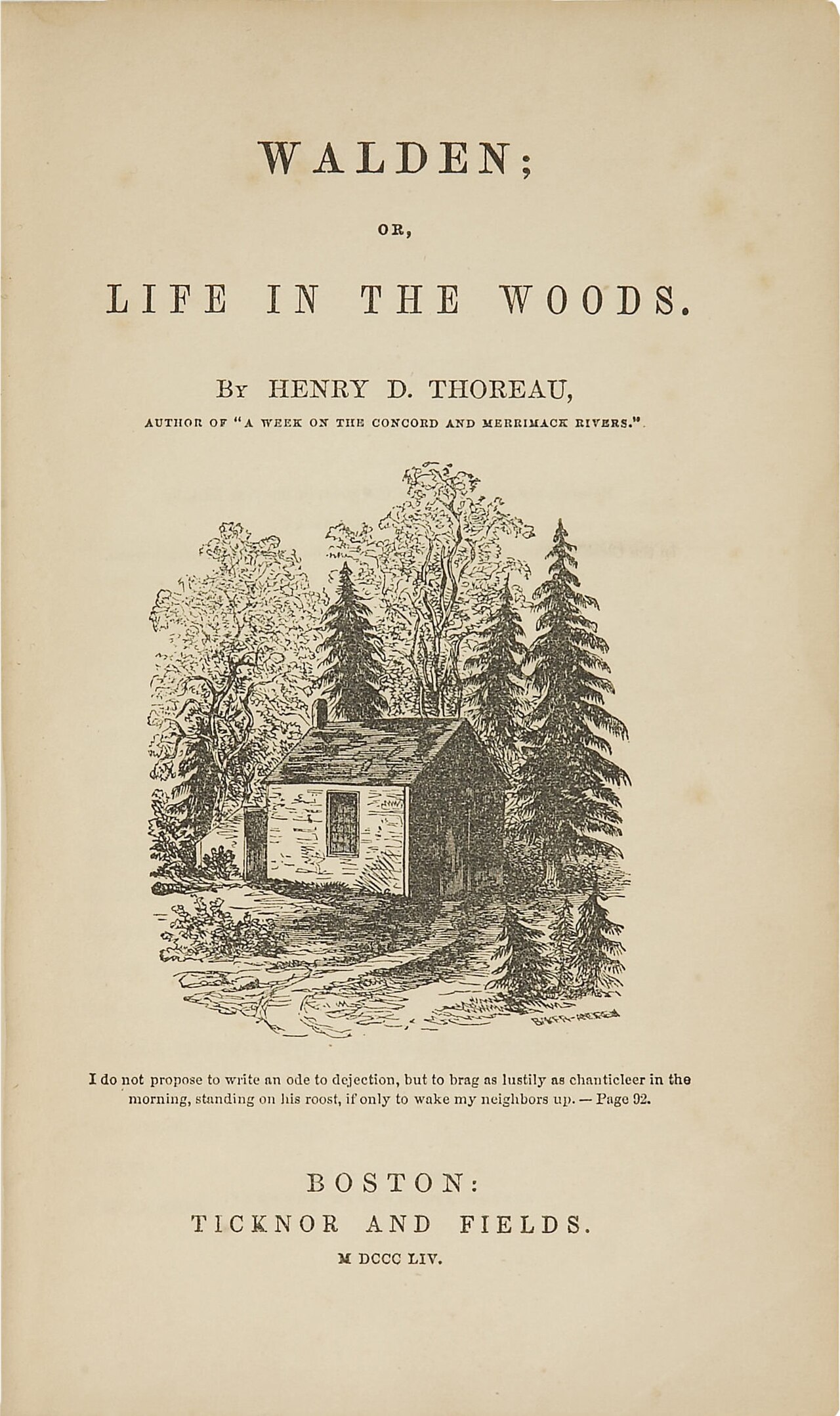 Book
Primary source
Walden
Henry David Thoreau · 1854
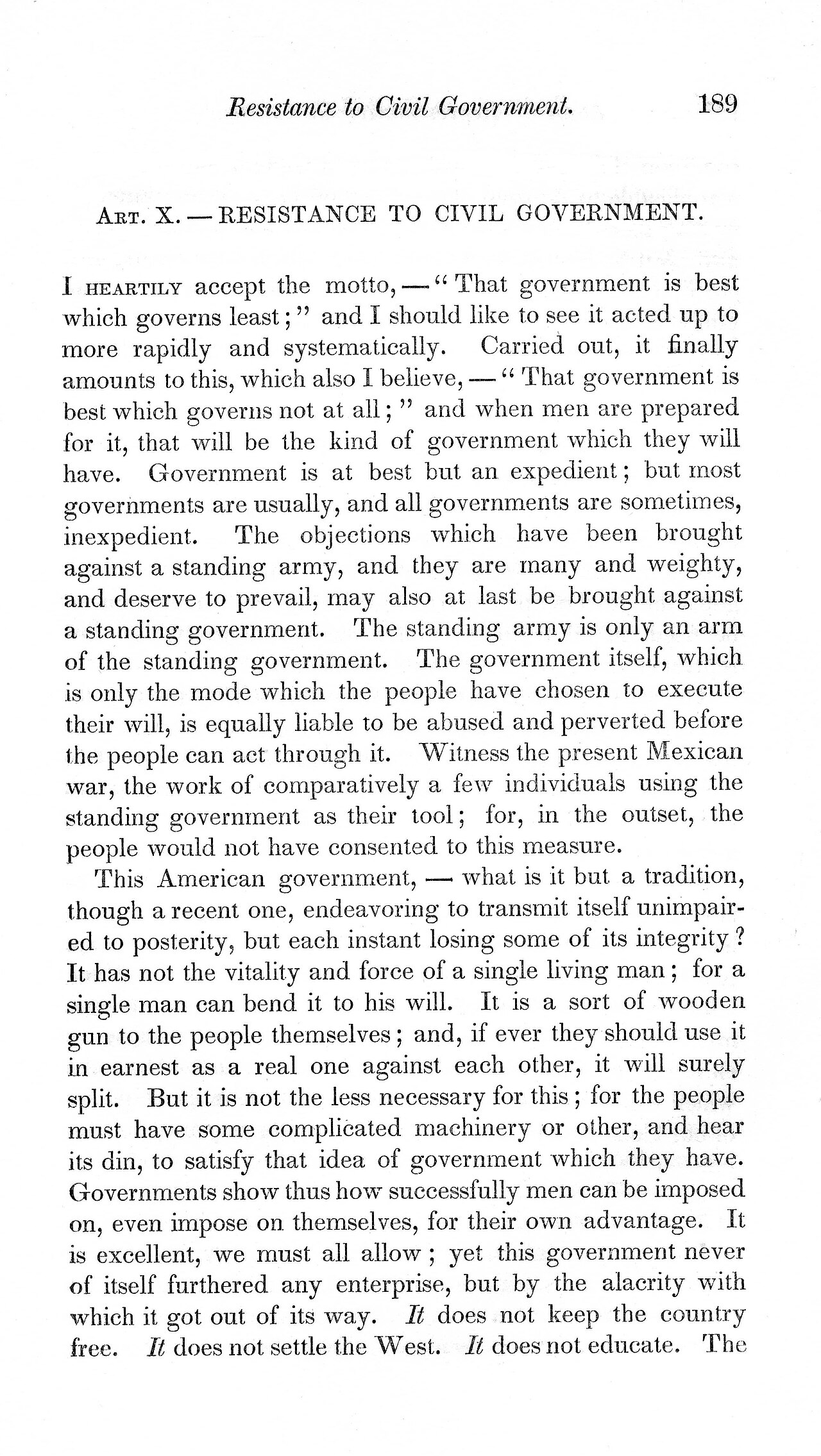 Book
Primary source
Civil Disobedience
Henry David Thoreau · 1849
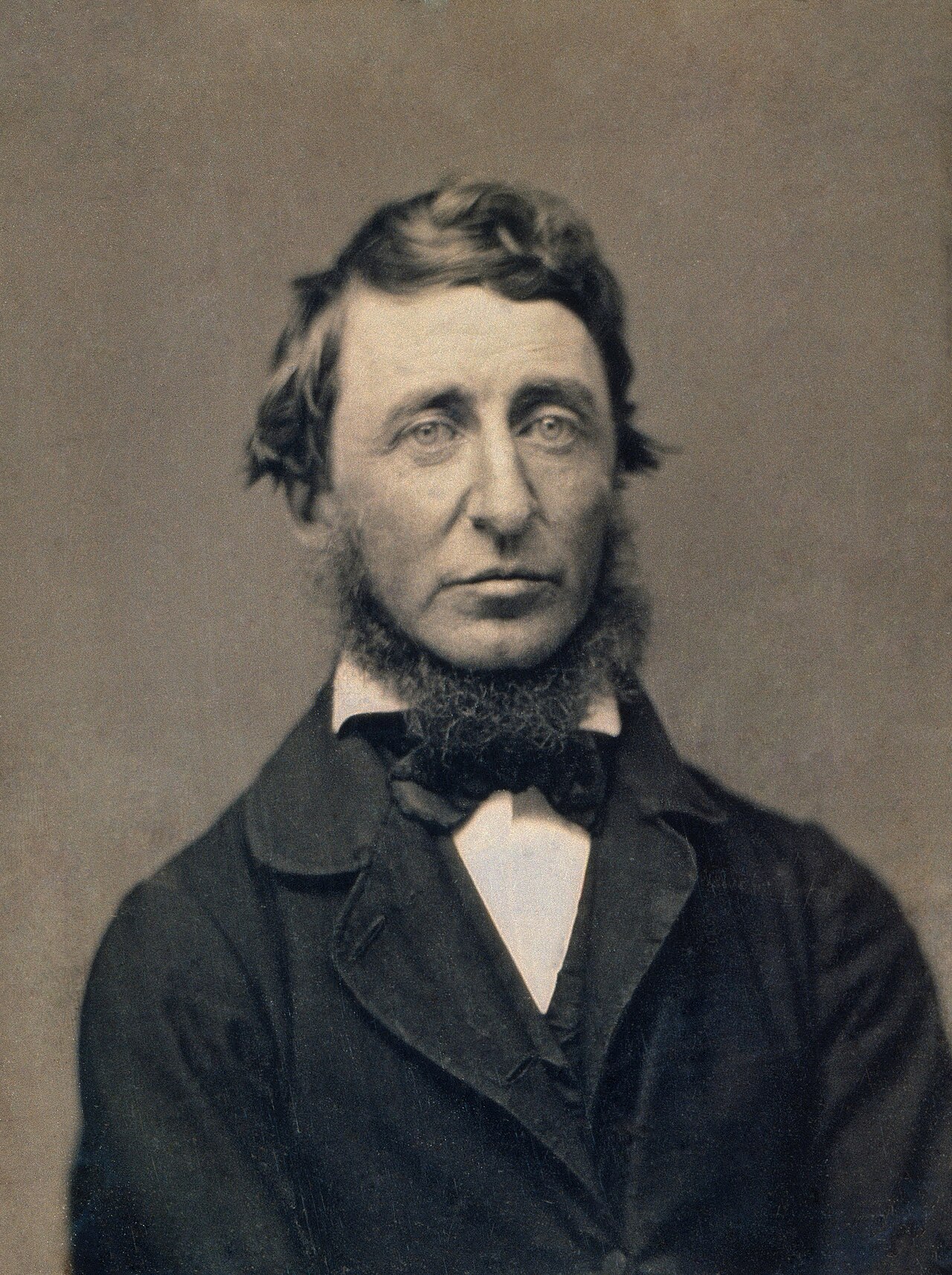 Photograph
Primary source
Daguerreotype Portrait of Henry David Thoreau
Benjamin D. Maxham · 18 June 1856
Primary source
Slavery in Massachusetts
Henry David Thoreau · 4 July 1854
Primary source
A Plea for Captain John Brown
Henry David Thoreau · 30 October 1859
Ready when you are
Start chatting with Henry David Thoreau now.
20 messages free · No credit card · Available in 50+ languages.