


Primary sourceBook1849
Civil Disobedience
Henry David Thoreau · 1849
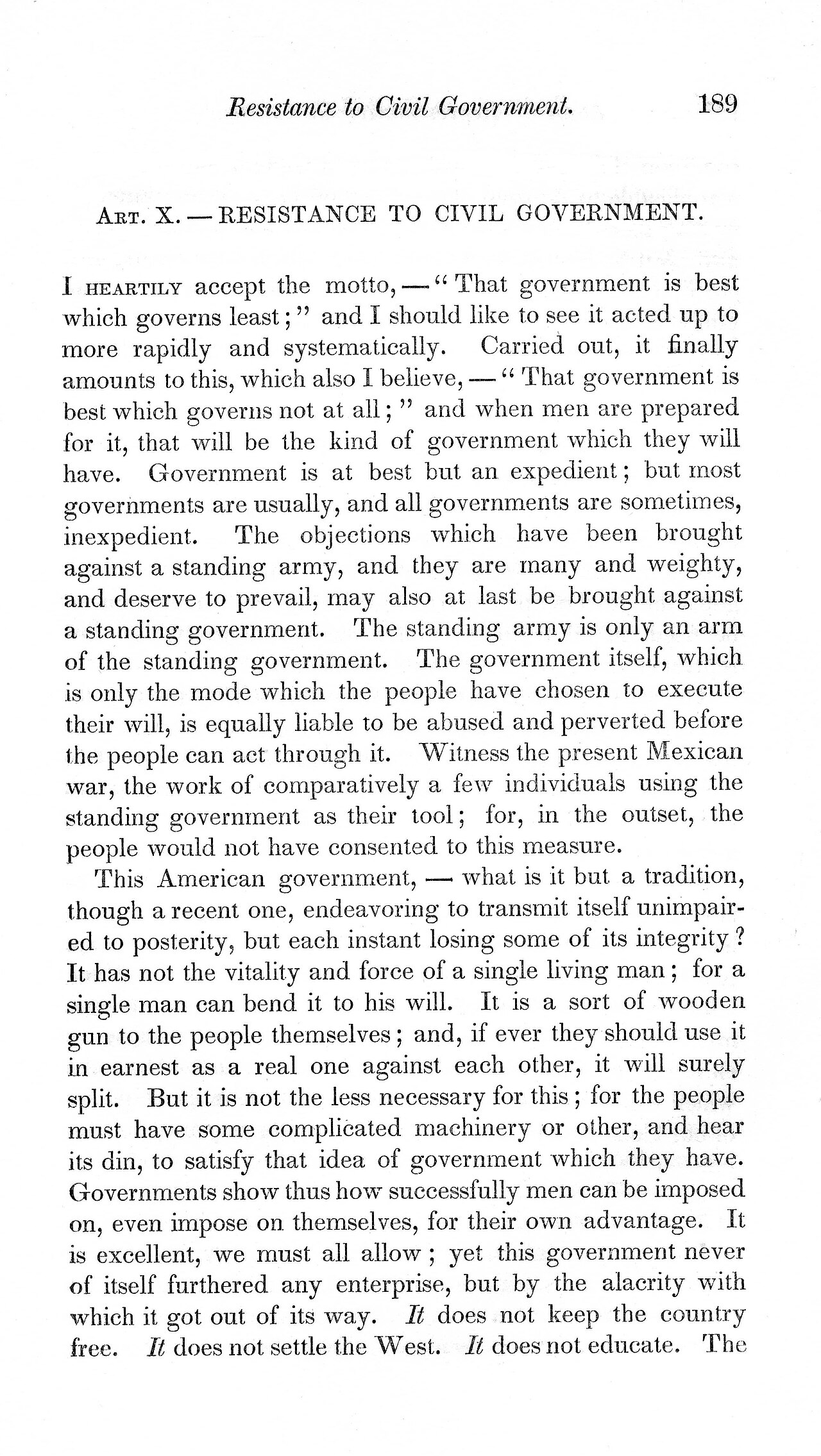
Henry David Thoreau's 1849 essay protesting taxes that supported Polk's Mexican-American War and slavery.
Thoreau wrote this essay defending civil disobedience, drawing on his own night in jail for refusing the poll tax.
About this source
What it is
This is an essay by Henry David Thoreau, first published in 1849 under the title "Resistance to Civil Government" in Elizabeth Peabody's anthology Aesthetic Papers. In it, Thoreau argues that individuals should follow their conscience over unjust laws and that passive obedience to government enables injustice.
Why it matters
Thoreau wrote partly in response to his opposition to the Mexican-American War and slavery, both tied to President Polk's policies. His refusal to pay taxes supporting these causes became the most famous literary protest against Polk's administration. The essay later influenced figures like Mahatma Gandhi and Martin Luther King Jr. in movements of nonviolent resistance.
Look closer
- Why does Thoreau call the Mexican war "the work of comparatively a few individuals" rather than the whole nation?
- What does Thoreau's personal refusal to pay taxes suggest about how individuals can respond to government policy they disagree with?
- How might Polk himself have responded to Thoreau's argument?
This book is part of the curated material that grounds the AI version of Henry David Thoreau on Humy.ai — when students ask about related events, the AI can quote it and cite it.
More Henry David Thoreau sources
Meet the AI Henry David Thoreau → Book
Primary source
Walden
Henry David Thoreau · 1854
 Photograph
Primary source
Daguerreotype Portrait of Henry David Thoreau
Benjamin D. Maxham · 18 June 1856
Primary source
Slavery in Massachusetts
Henry David Thoreau · 4 July 1854
Primary source
A Plea for Captain John Brown
Henry David Thoreau · 30 October 1859
 Document
Primary source
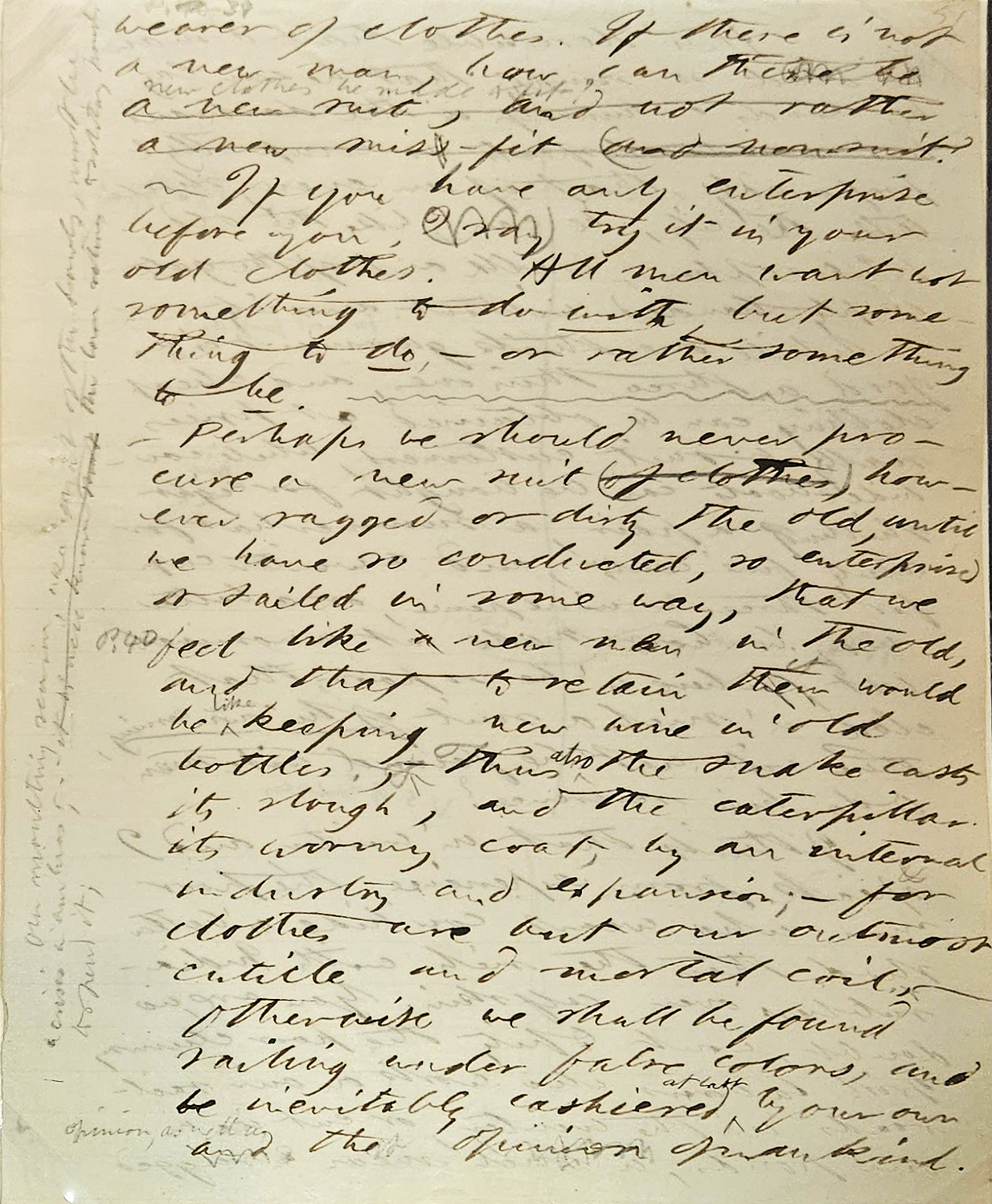
Walden Manuscript Draft
Henry David Thoreau · 1846–1854
Ready when you are
Start chatting with Henry David Thoreau now.
20 messages free · No credit card · Available in 50+ languages.