


Primary sourcePhotograph18 June 1856
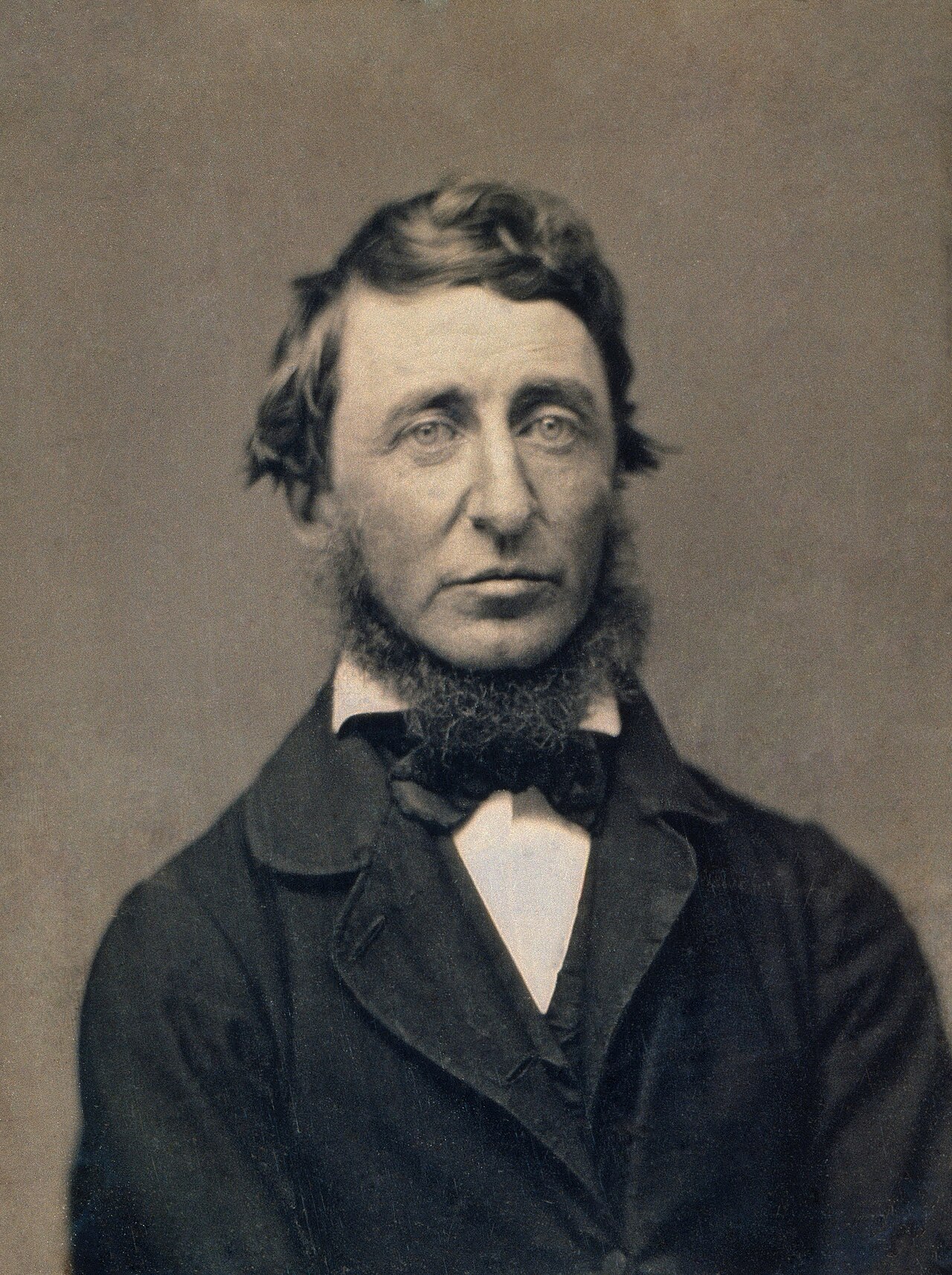
Daguerreotype Portrait of Henry David Thoreau
Benjamin D. Maxham · 18 June 1856
The 1856 Maxham daguerreotype, the best-known photographic likeness of Thoreau made during his lifetime.
This daguerreotype is the most famous surviving photographic likeness of Thoreau, taken during his lifetime.
About this source
What it is
This ninth-plate daguerreotype portrait of Henry David Thoreau was taken by photographer Benjamin D. Maxham in Worcester, Massachusetts, in 1856. Thoreau sat for three such images after being asked for a likeness by an admirer, Calvin R. Greene, who had been corresponding with him since early that year.
Why it matters
Thoreau was reluctant to have his portrait made, telling Greene he was "not worth seeing personally." The sitting shows how admirers sought images of writers they respected, and the surviving prints — one kept by friends in Worcester, one sent to Greene — reveal how Thoreau's image circulated among a small circle after Walden had made him known.
Look closer
- What does Thoreau's reluctance to be photographed suggest about how he saw himself versus his writing?
- Why might an admirer have wanted a photograph rather than relying only on Thoreau's books?
- What can and can't a single posed photograph tell us about a person?
This photograph is part of the curated material that grounds the AI version of Henry David Thoreau on Humy.ai — when students ask about related events, the AI can quote it and cite it.
More Henry David Thoreau sources
Meet the AI Henry David Thoreau →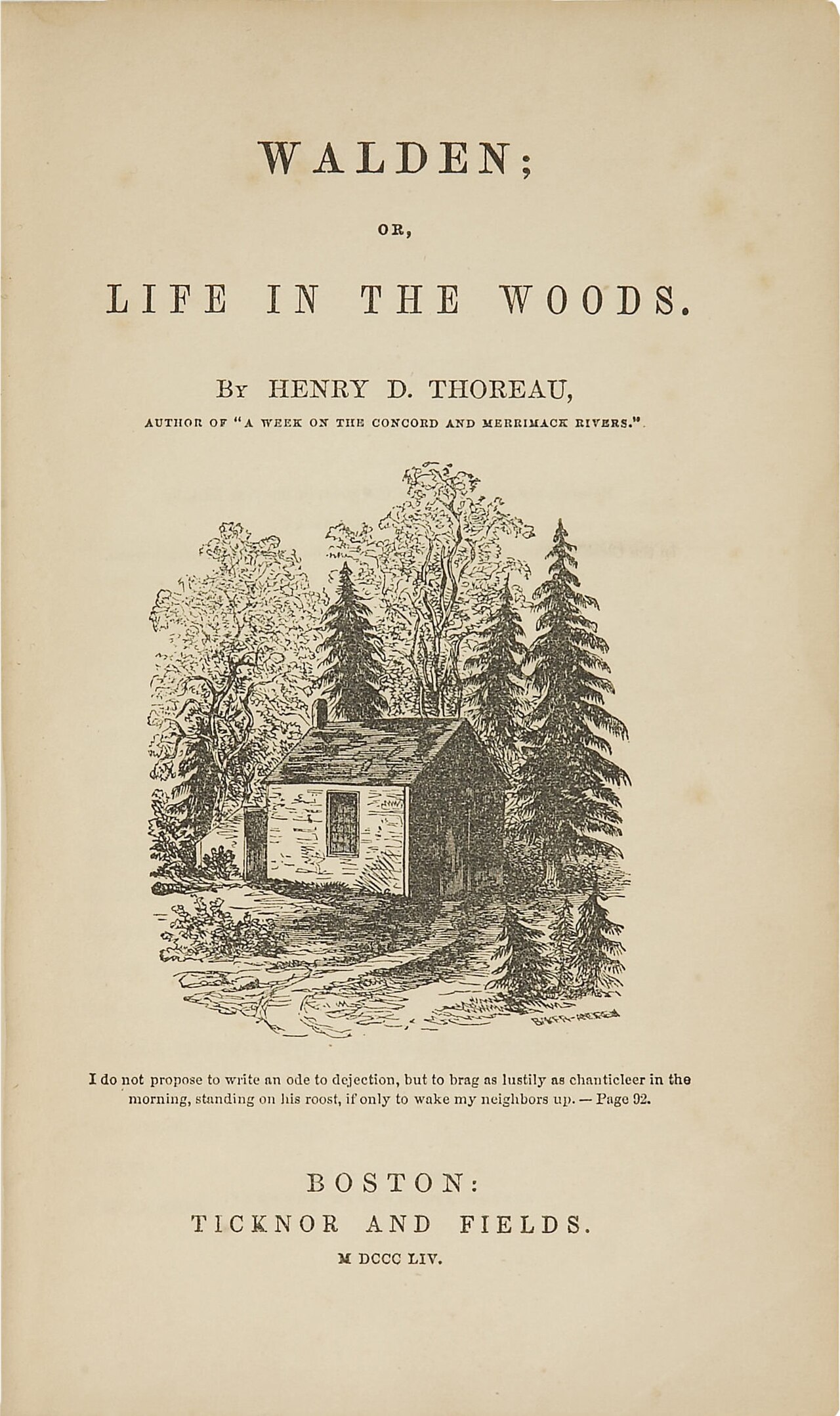 Book
Primary source
Walden
Henry David Thoreau · 1854
 Book
Primary source
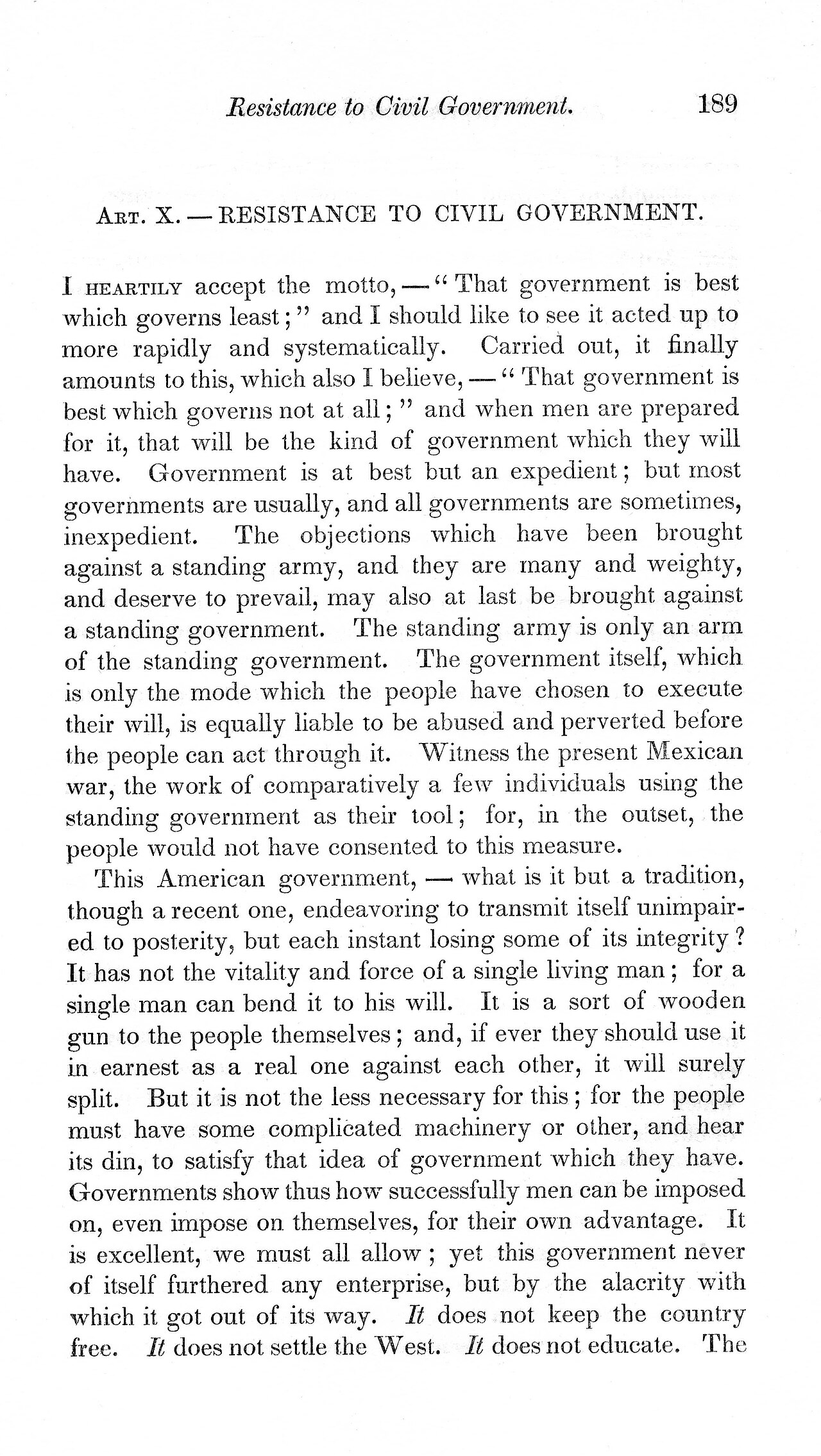
Civil Disobedience
Henry David Thoreau · 1849
Primary source
Slavery in Massachusetts
Henry David Thoreau · 4 July 1854
Primary source
A Plea for Captain John Brown
Henry David Thoreau · 30 October 1859
 Document
Primary source
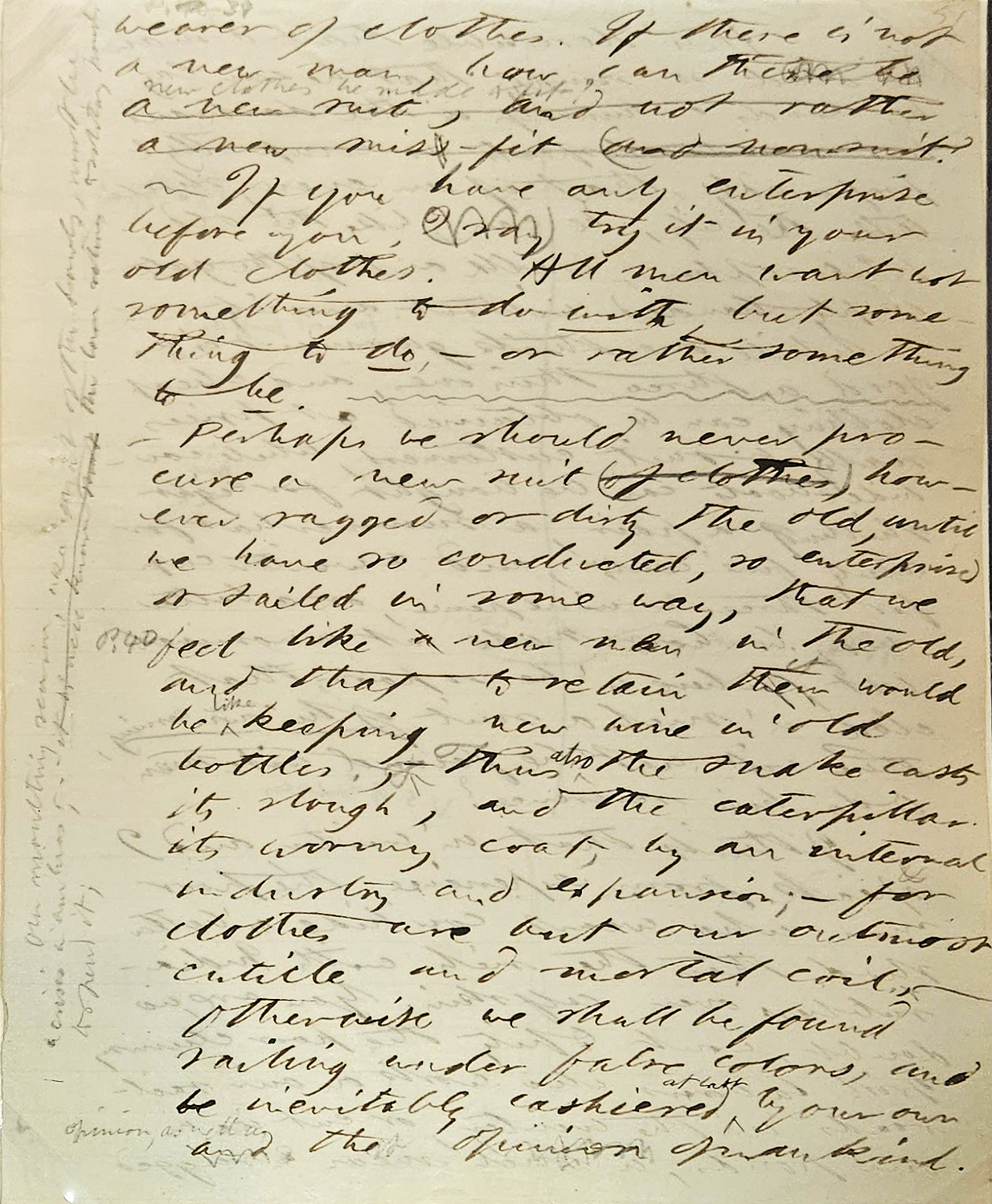
Walden Manuscript Draft
Henry David Thoreau · 1846–1854
Ready when you are
Start chatting with Henry David Thoreau now.
20 messages free · No credit card · Available in 50+ languages.