


Primary sourceSpeech4 July 1854
Slavery in Massachusetts
Henry David Thoreau · 4 July 1854
Thoreau's 1854 essay based on his fiery speech against the Fugitive Slave Act, delivered after the forced return of fugitive Anthony Burns.
Thoreau delivered this speech himself at the Framingham rally, showing his direct activism against slavery.
About this source
What it is
This essay by Henry David Thoreau grew out of a speech he gave at an anti-slavery rally in Framingham, Massachusetts, on 4 July 1854, following the re-enslavement in Boston of fugitive Anthony Burns.
Why it matters
Thoreau delivered this speech at a moment of public anger over the Fugitive Slave Act, criticizing his fellow citizens of Massachusetts for focusing on distant political disputes while ignoring injustice happening in their own state. It shows Thoreau moving from philosophical reflection toward direct, passionate political protest against slavery.
Look closer
- Why does Thoreau contrast the "destiny of Nebraska" with slavery "in Massachusetts" itself?
- What does his anger at his neighbors' indifference tell you about the mood of the time?
- How does this speech compare in tone to his earlier writing on civil disobedience?
This speech is part of the curated material that grounds the AI version of Henry David Thoreau on Humy.ai — when students ask about related events, the AI can quote it and cite it.
More Henry David Thoreau sources
Meet the AI Henry David Thoreau →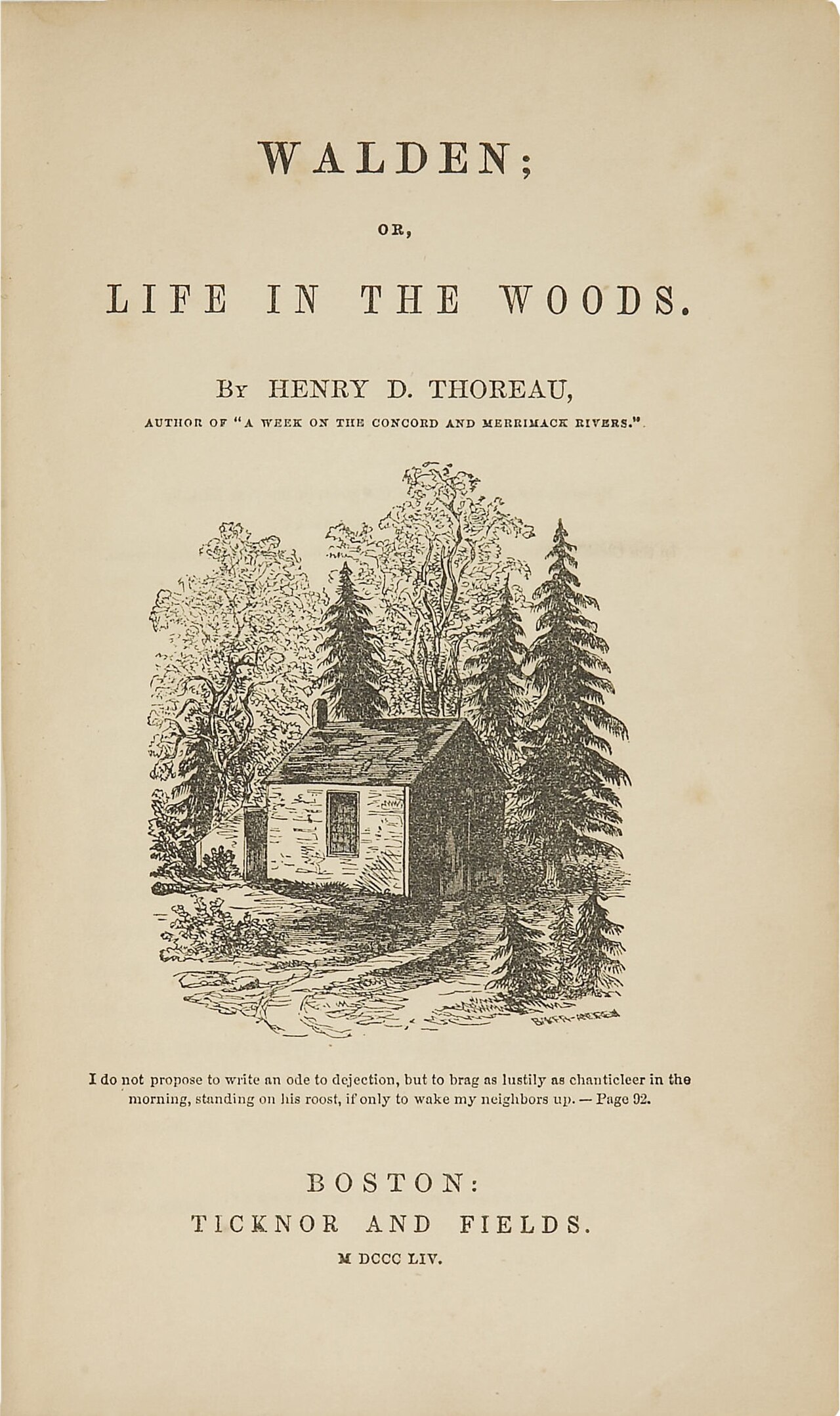 Book
Primary source
Walden
Henry David Thoreau · 1854
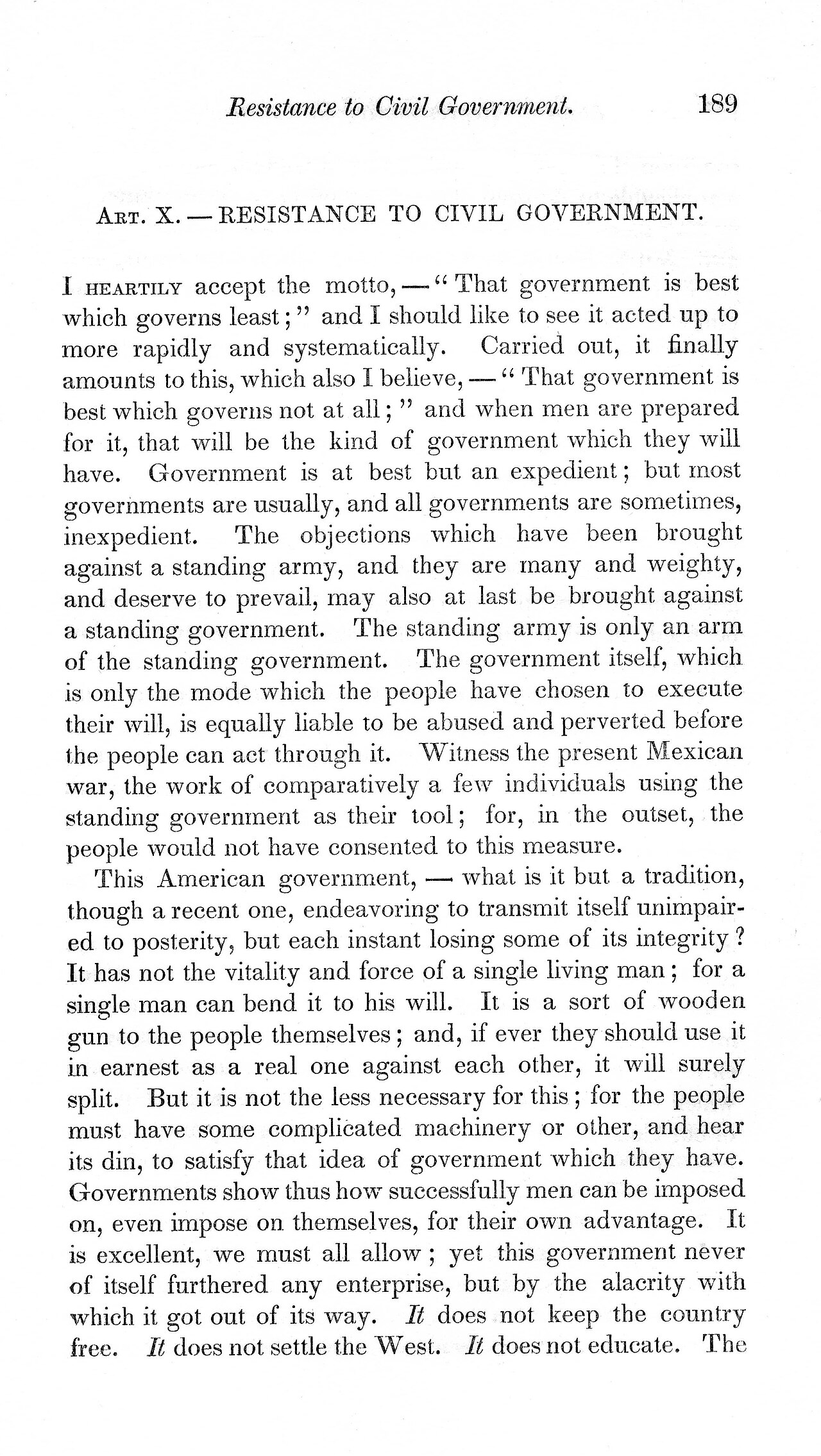 Book
Primary source
Civil Disobedience
Henry David Thoreau · 1849
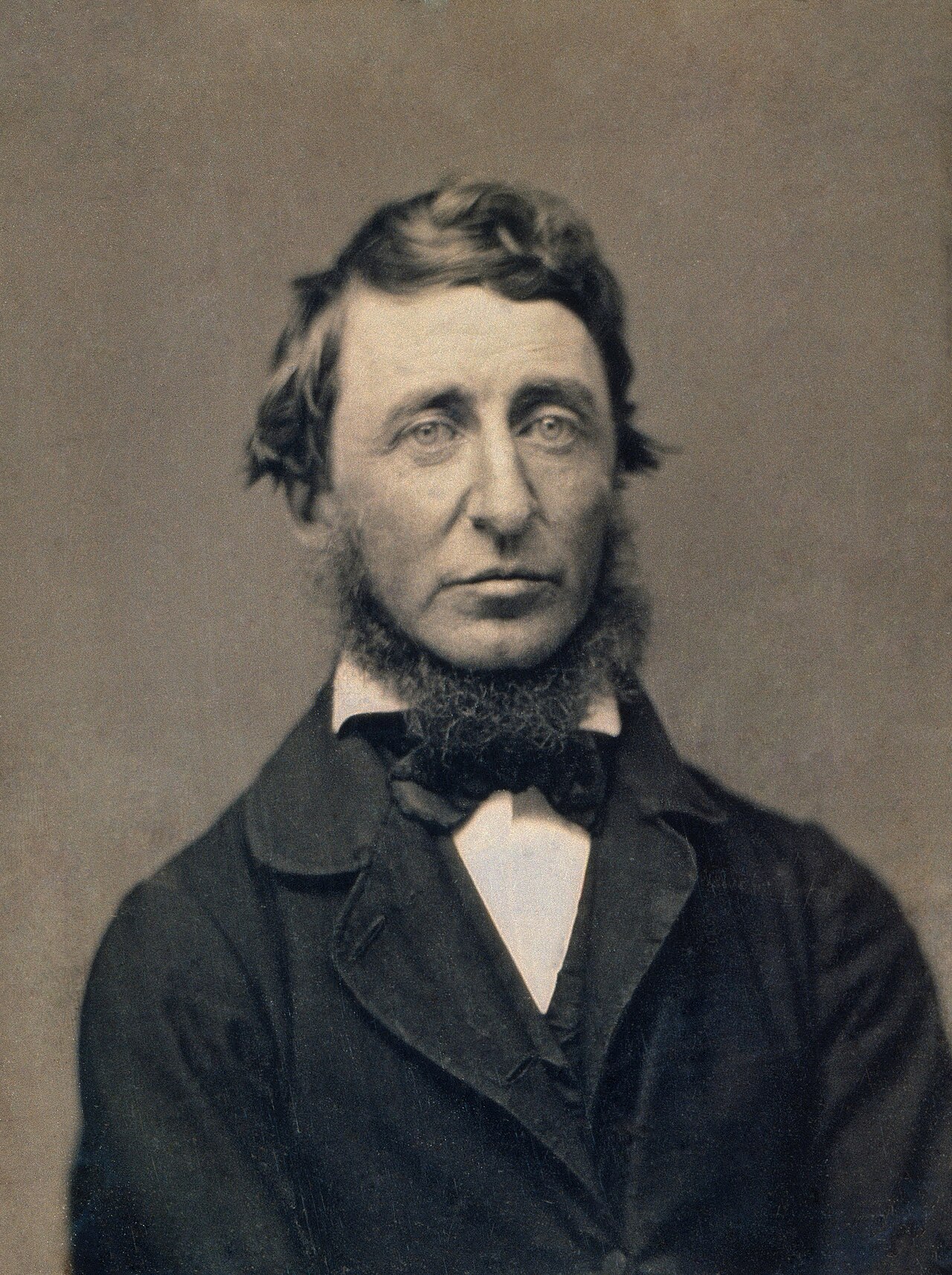 Photograph
Primary source
Daguerreotype Portrait of Henry David Thoreau
Benjamin D. Maxham · 18 June 1856
Primary source
A Plea for Captain John Brown
Henry David Thoreau · 30 October 1859
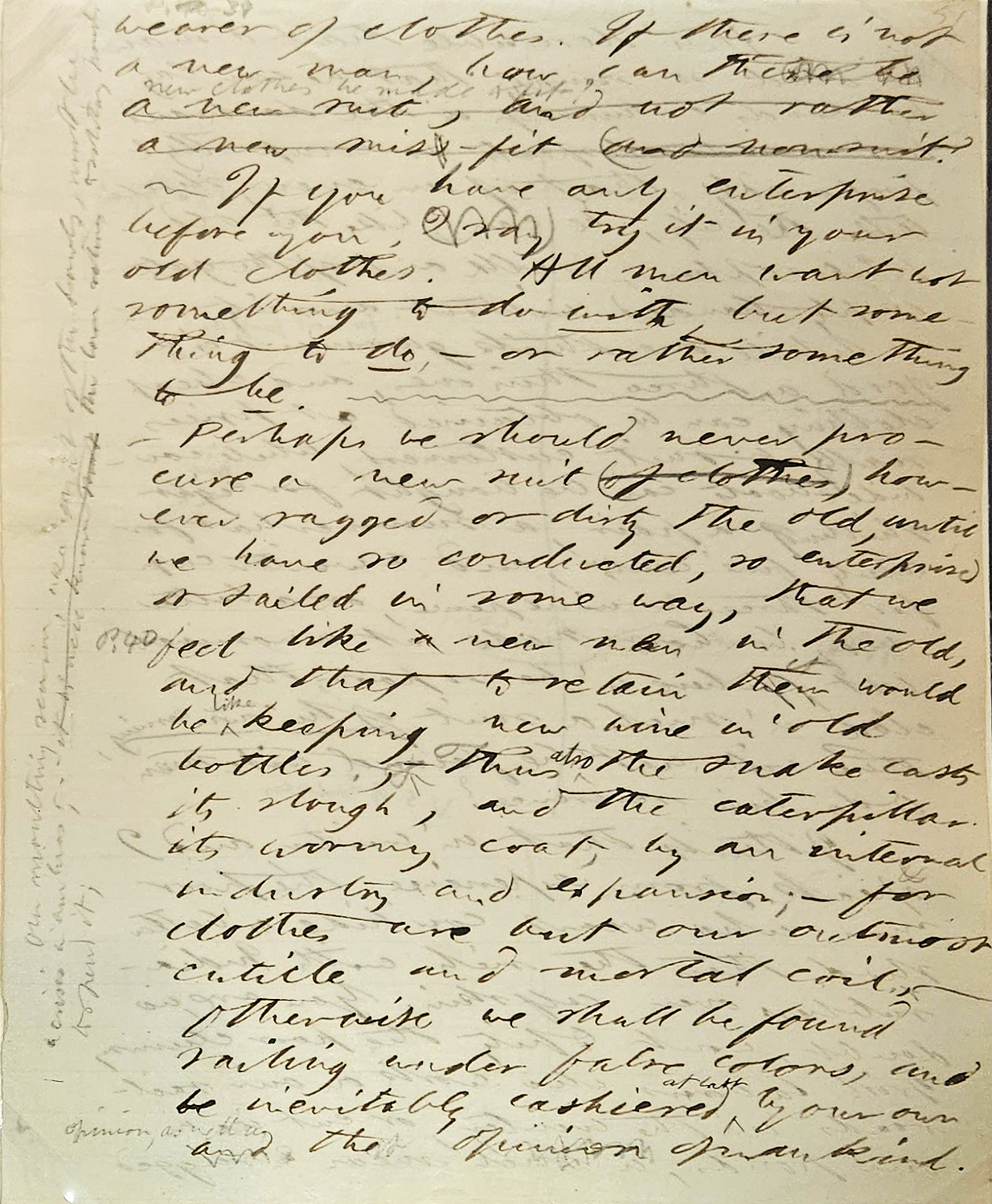 Document
Primary source
Walden Manuscript Draft
Henry David Thoreau · 1846–1854
Ready when you are
Start chatting with Henry David Thoreau now.
20 messages free · No credit card · Available in 50+ languages.