


Primary sourceDocument2. August 1732
Confirmation of mining privilege for St Andreasberg, 1732
George II of Great Britain · 2. August 1732
A 1732 legal decree, issued in George II's name as Elector of Hanover, confirming the old mining privileges of the town of St Andreasberg.
This 1732 decree is issued in George II's name as Elector of Hanover, showing him exercising legal authority over a German mining town.
About this source
What it is
This is a legal decree dated 2 August 1732, written in German. It is issued in the name of George II, who styles himself King of Great Britain, France and Ireland, Defender of the Faith, and Elector of the Holy Roman Empire. The text confirms the privileges that the mining town of St Andreasberg had received in 1521 from the Counts of Hohnstein and had kept in peaceful possession. The record comes from Wikisource, where it is a transcription of the original text; the opening lines here are a partial text.
Why it matters
The decree shows George II acting as ruler of Hanover, a German territory he governed as Elector, not only as King of Great Britain. It reveals how older rights were preserved by successive rulers, including his predecessors and relatives, and how a mining town depended on written privileges from its lord.
Look closer
- Which titles does George II use at the start of the decree, and why might he list so many?
- Whose earlier rights does the decree promise to keep, and what does that suggest about how rulers handled the past?
- What does this legal text leave out about the miners themselves and their daily lives?
This document is part of the curated material that grounds the AI version of George II on Humy.ai — when students ask about related events, the AI can quote it and cite it.
More George II sources
Meet the AI George II →Primary source
Charter of the Colony of Georgia
George II / Crown of Great Britain · 1732
Primary source
Zadok the Priest
George Frideric Handel · 1727
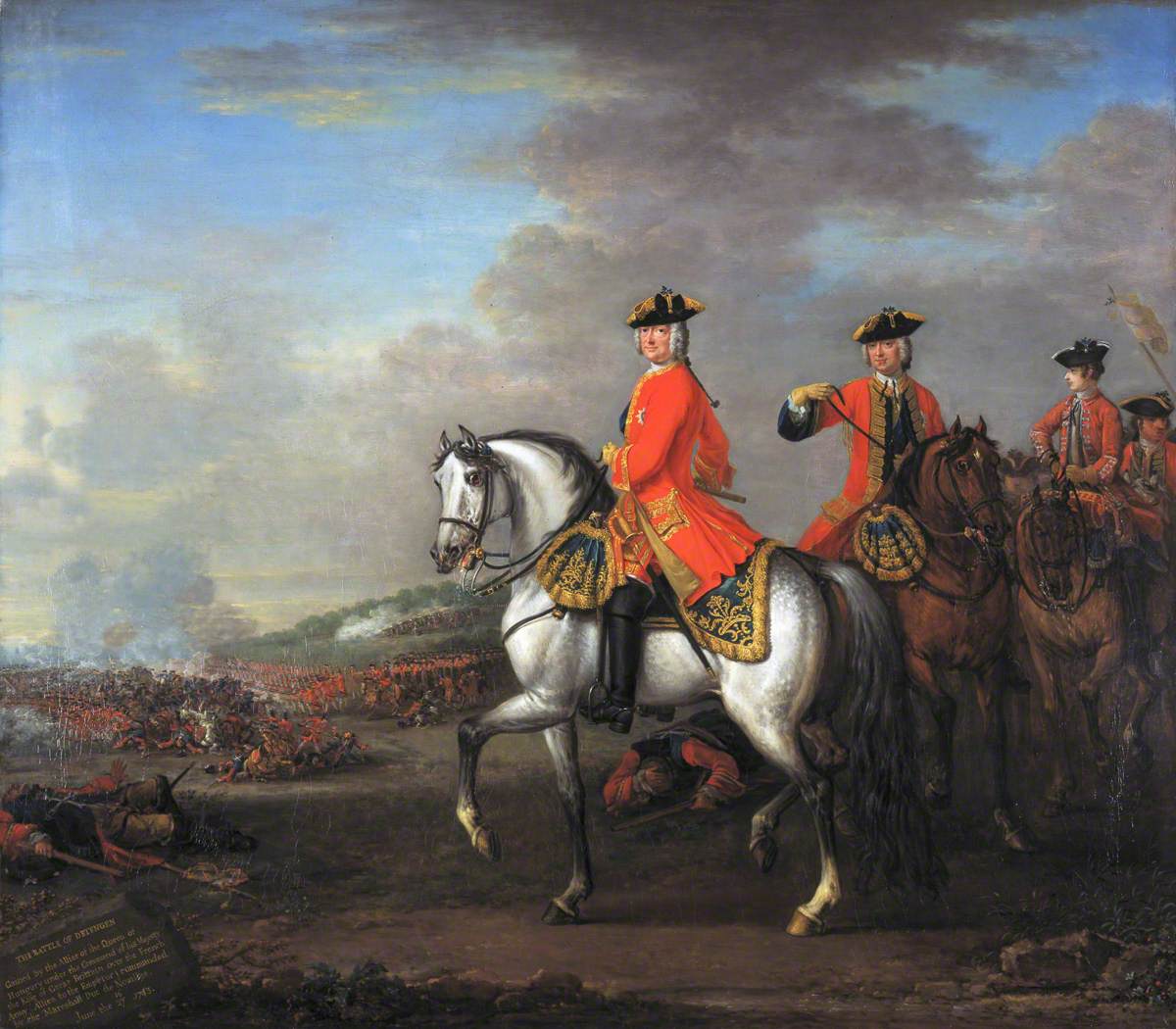 Painting
Primary source
George II at the Battle of Dettingen, with the Duke of Cumberland and Robert, 4th Earl of Holderness
John Wootton · 1743
Primary source
Memoirs of the Reign of George the Second, from his Accession to the Death of Queen Caroline
John Hervey, Baron Hervey
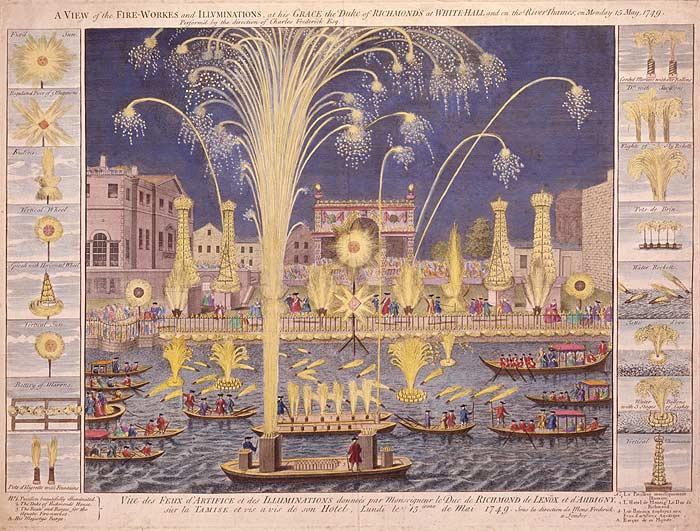 Document
Primary source
Music for the Royal Fireworks
George Frideric Handel · 1749
Ready when you are
Start chatting with George II now.
20 messages free · No credit card · Available in 50+ languages.