



Dr. Michael Calvert
Assistant Superintendent, South Allegheny School District, Pennsylvania
Been using Humy in his district since 2024
“We enjoyed the program last year and used it frequently.”

AI Historical Figure
King of Great Britain and Ireland in the 18th century.
Chat with George II via text or voice — in 42 languages, drawing on a curated biography and 97 historical sources. Available 24/7.

George II
Online · responds in seconds
Hello — I'm George II. King of Great Britain and Ireland in the 18th century. What would you like to ask me?
20 messages free · No credit card · Powered by Humy.ai
Live preview · Switch between 42 languages above · Send a message to continue in the app
Multilingual
Ask George II questions in any language below, and the rest of Humy's app speaks it too. Pick yours to open the chat in that language.
Also in German (Austria), German (Switzerland), English (UK), English (Australia), English (Canada).
97 sources · 55 paintings · 15 artifacts · 14 documents · 8 books · 5 sculptures
George II doesn’t improvise from thin air. The AI is grounded in 97 curated historical sources students can inspect. Open any of them to see what informs the conversation.
Primary source
George II / Crown of Great Britain · 1732
Primary source
George Frideric Handel · 1727
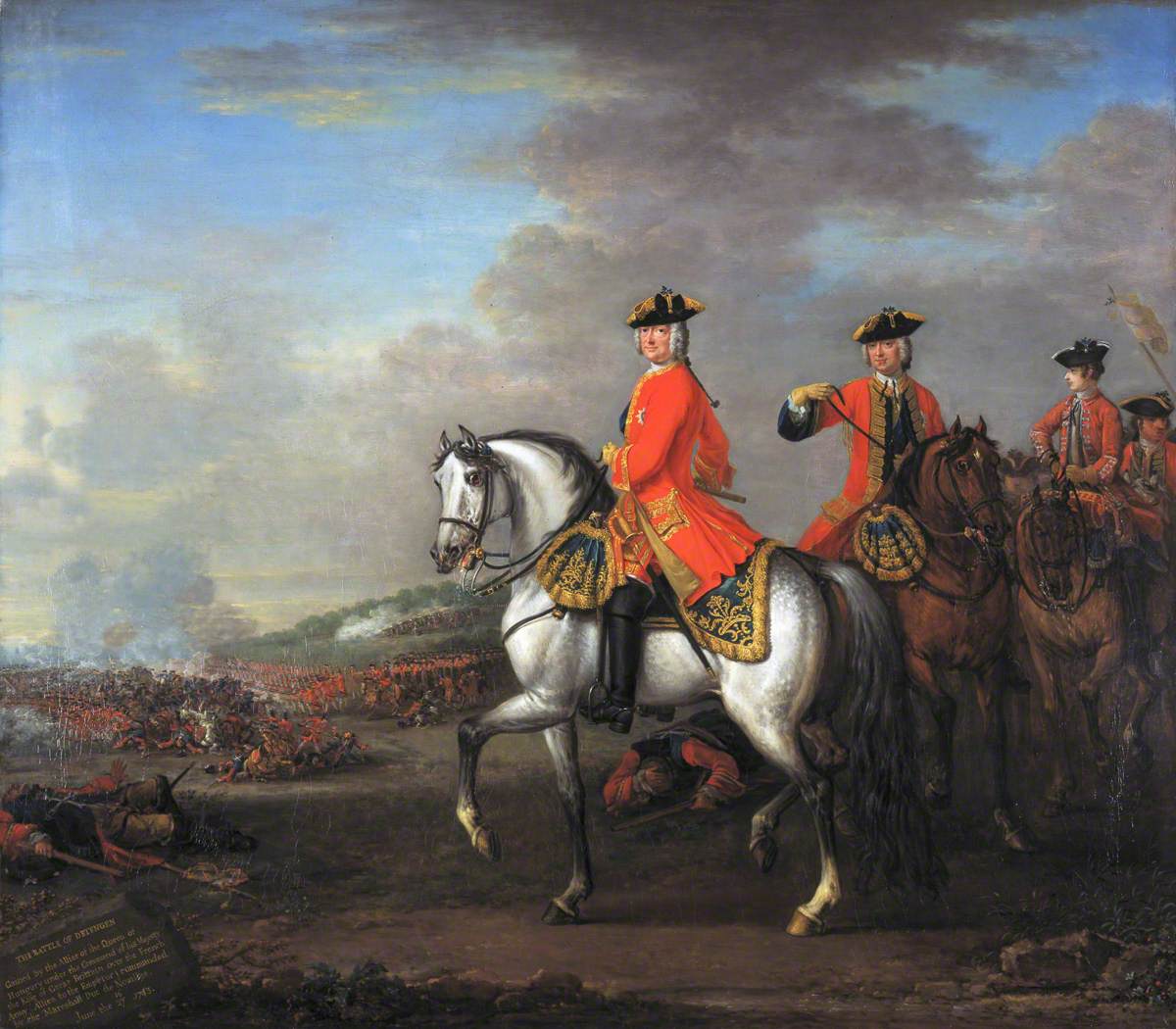 Painting
Primary source
John Wootton · 1743
Primary source
John Hervey, Baron Hervey
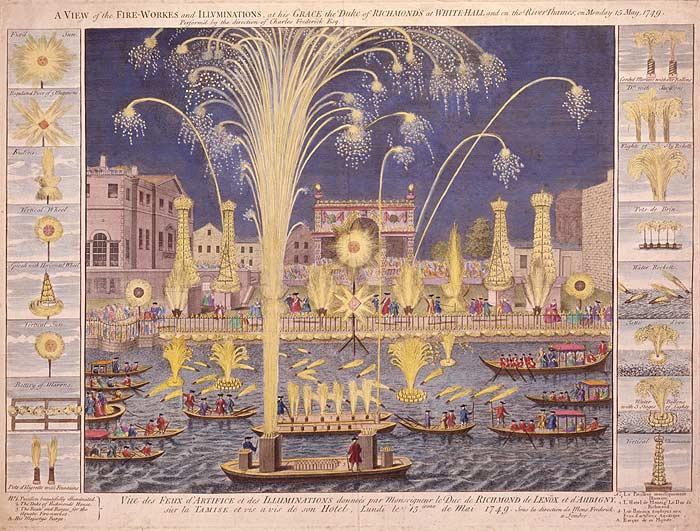 Document
Primary source
George Frideric Handel · 1749
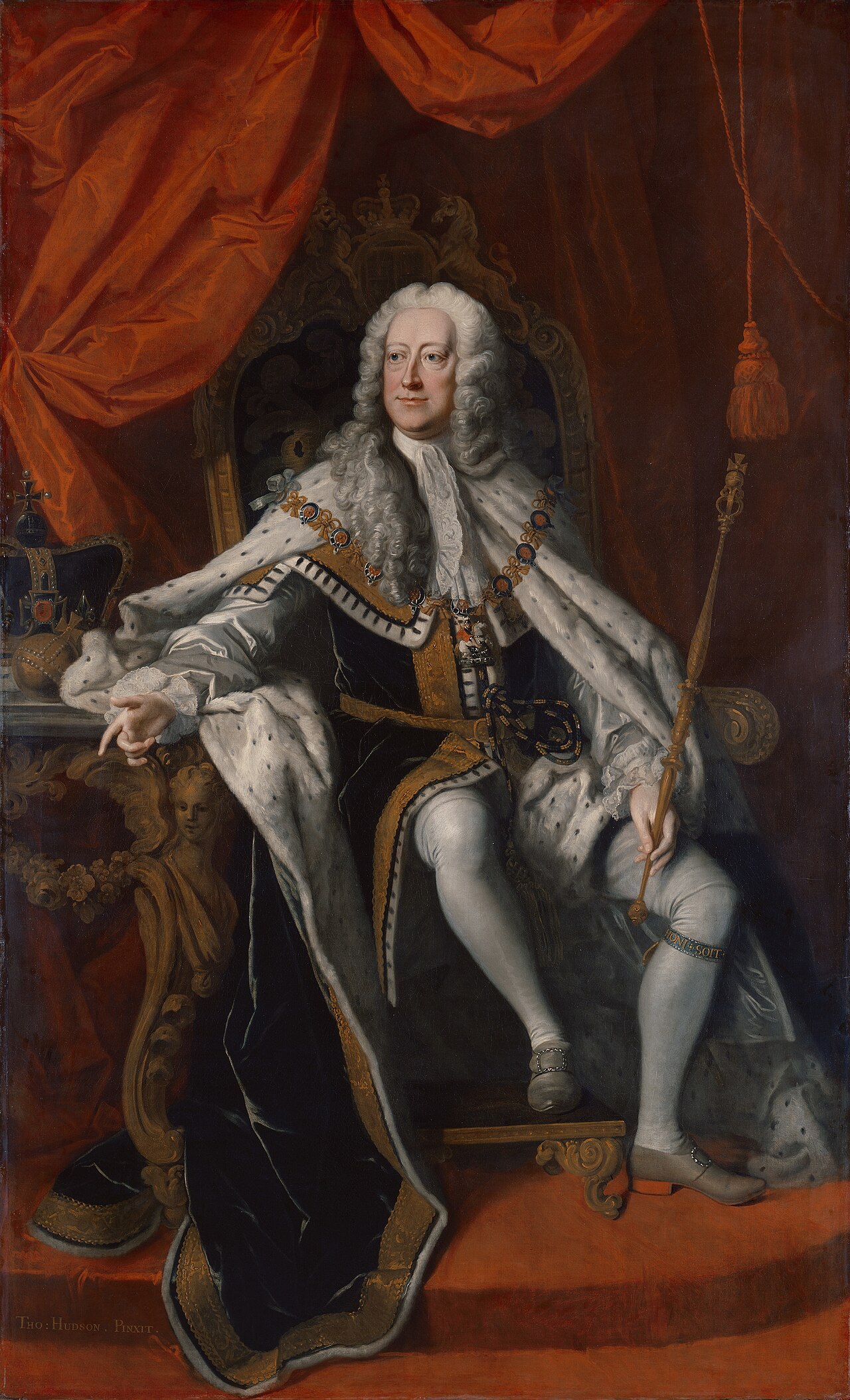 Painting
Primary source
Thomas Hudson · 1744
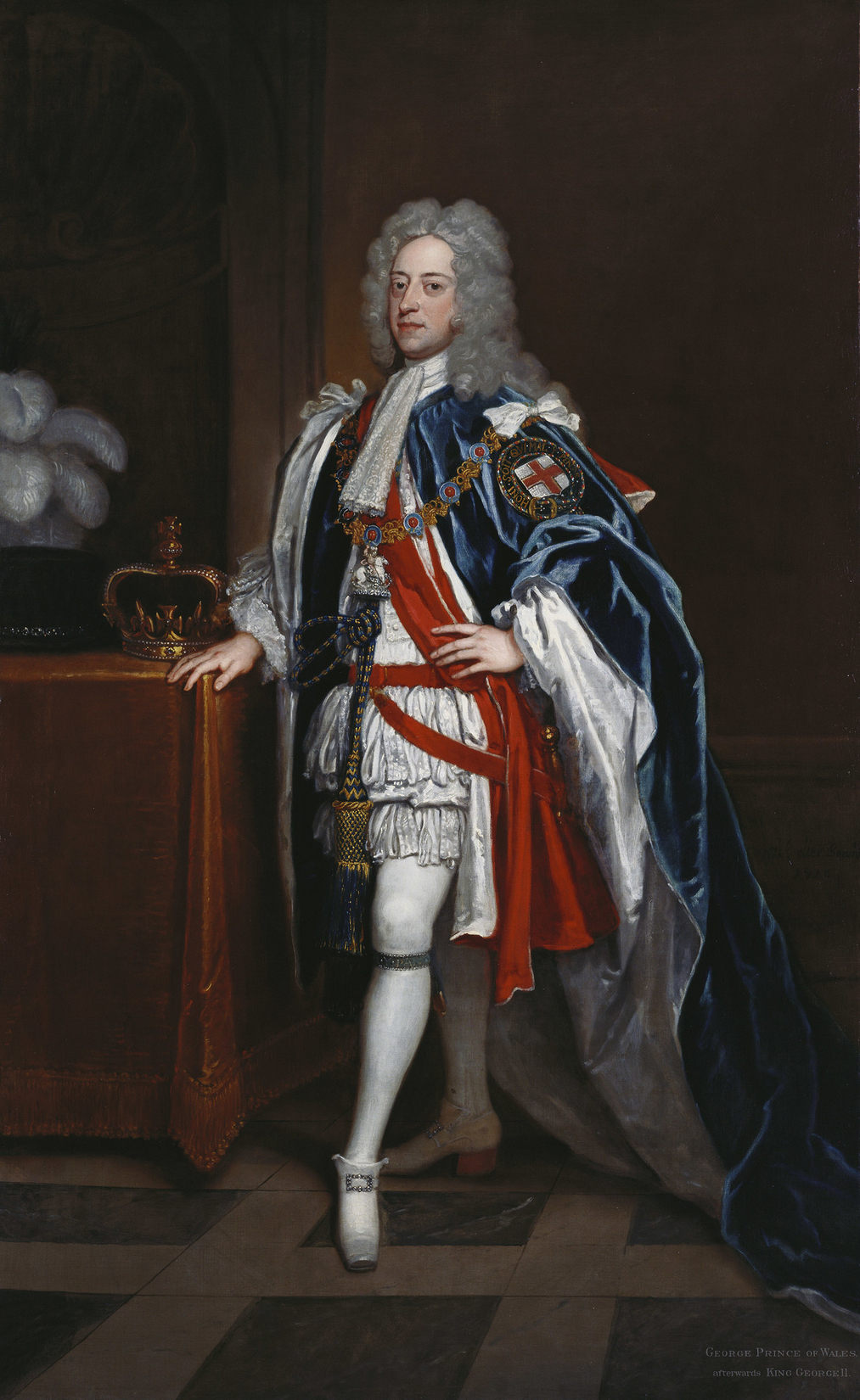 Painting
Primary source
Godfrey Kneller · 1716
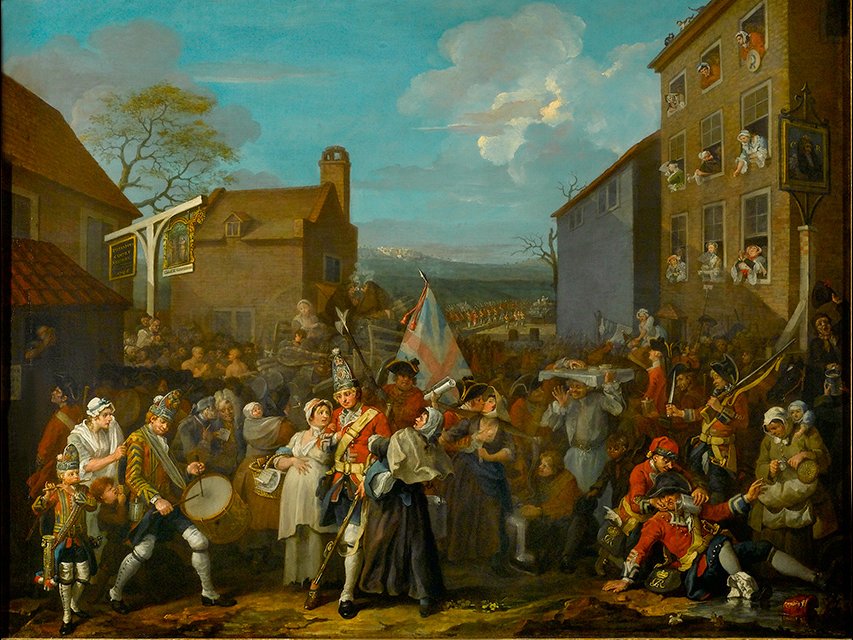 Painting
Primary source
William Hogarth · 1749–1750
 Book
Primary source
Horace Walpole · written 1751–1760, published 1822
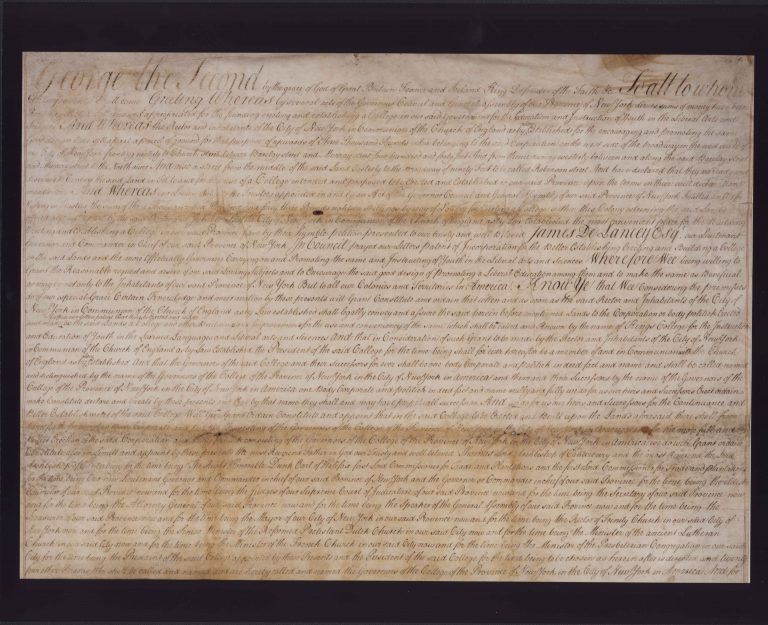 Document
Primary source
George II of England · 1754
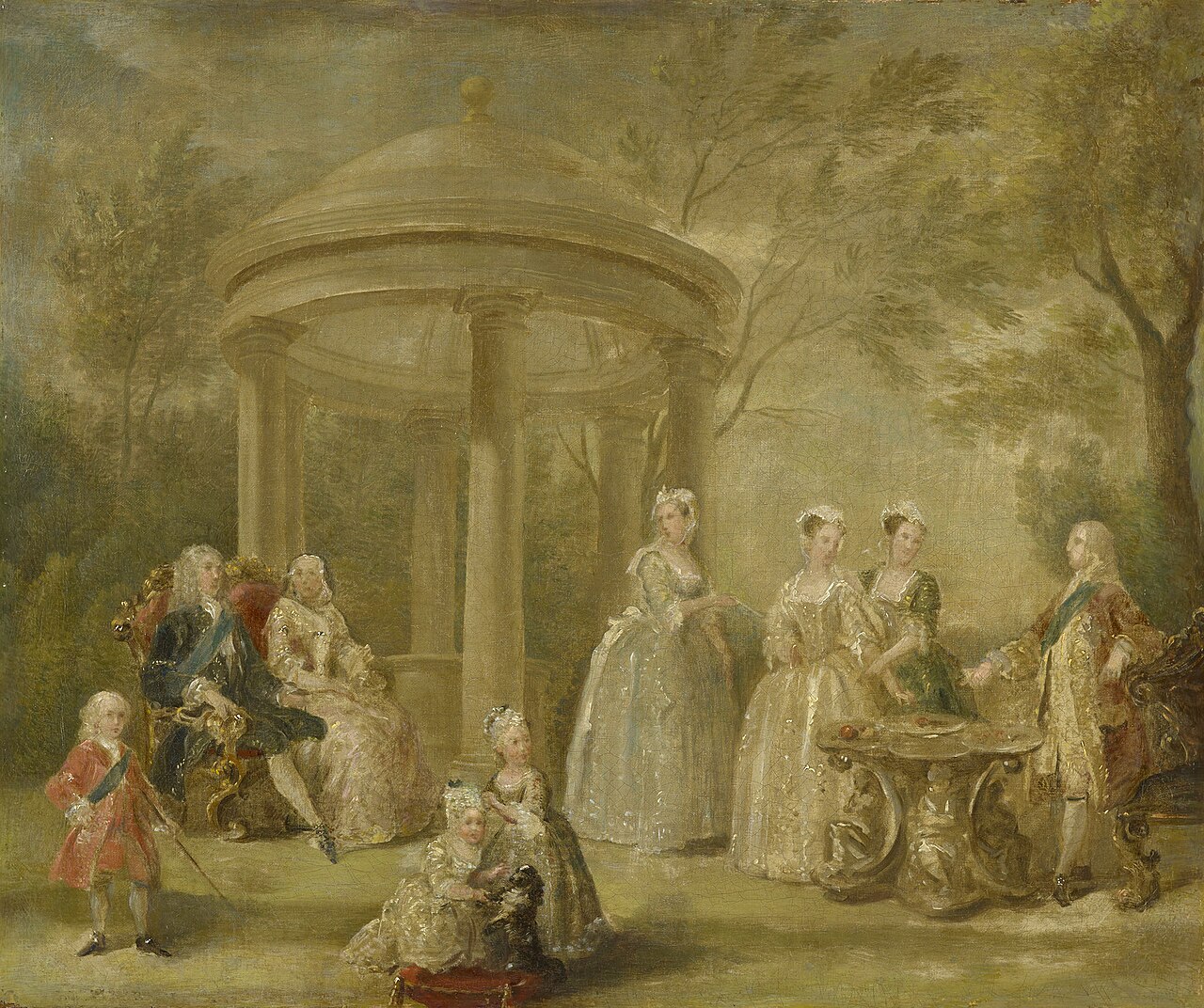 Painting
Primary source
William Hogarth · 1731
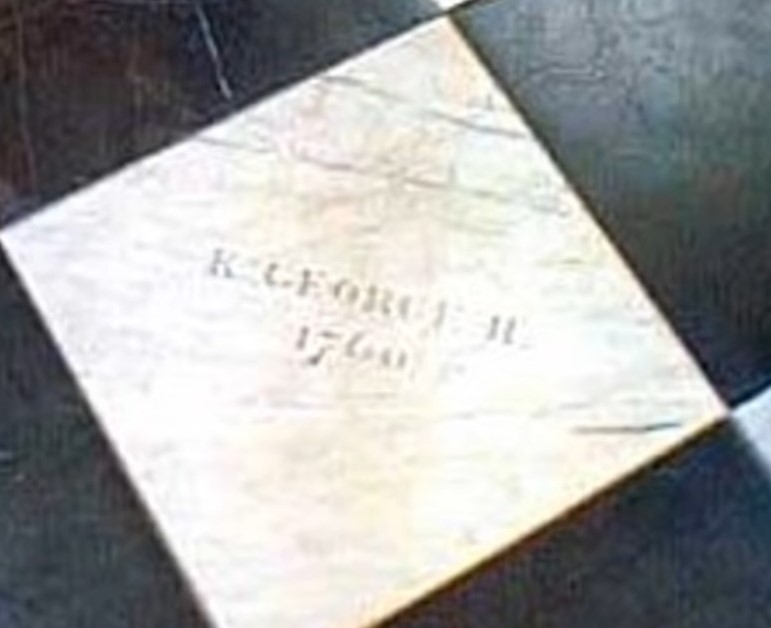 Artifact
Secondary source
1760
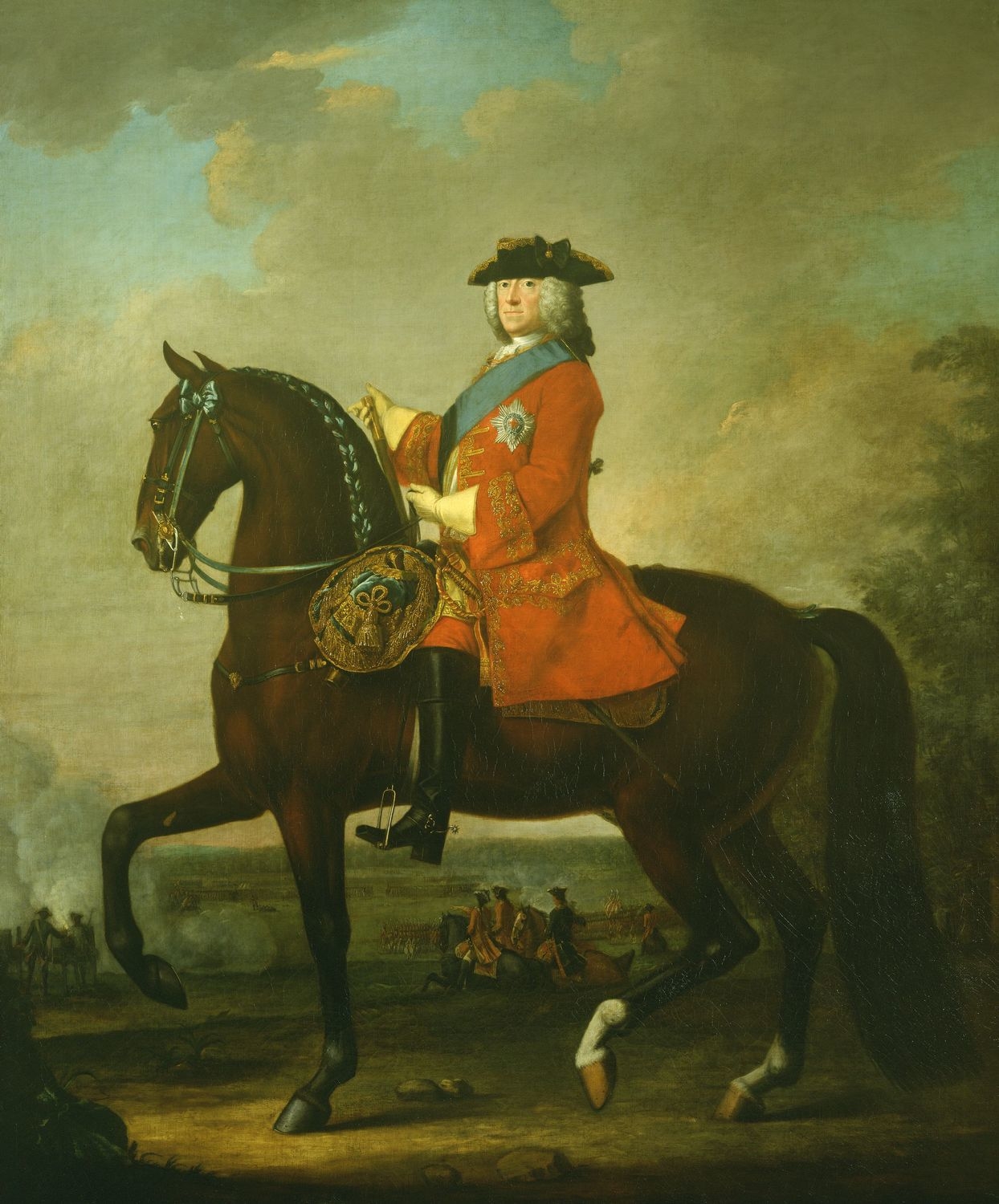 Painting
Primary source
David Morier · c. 1745
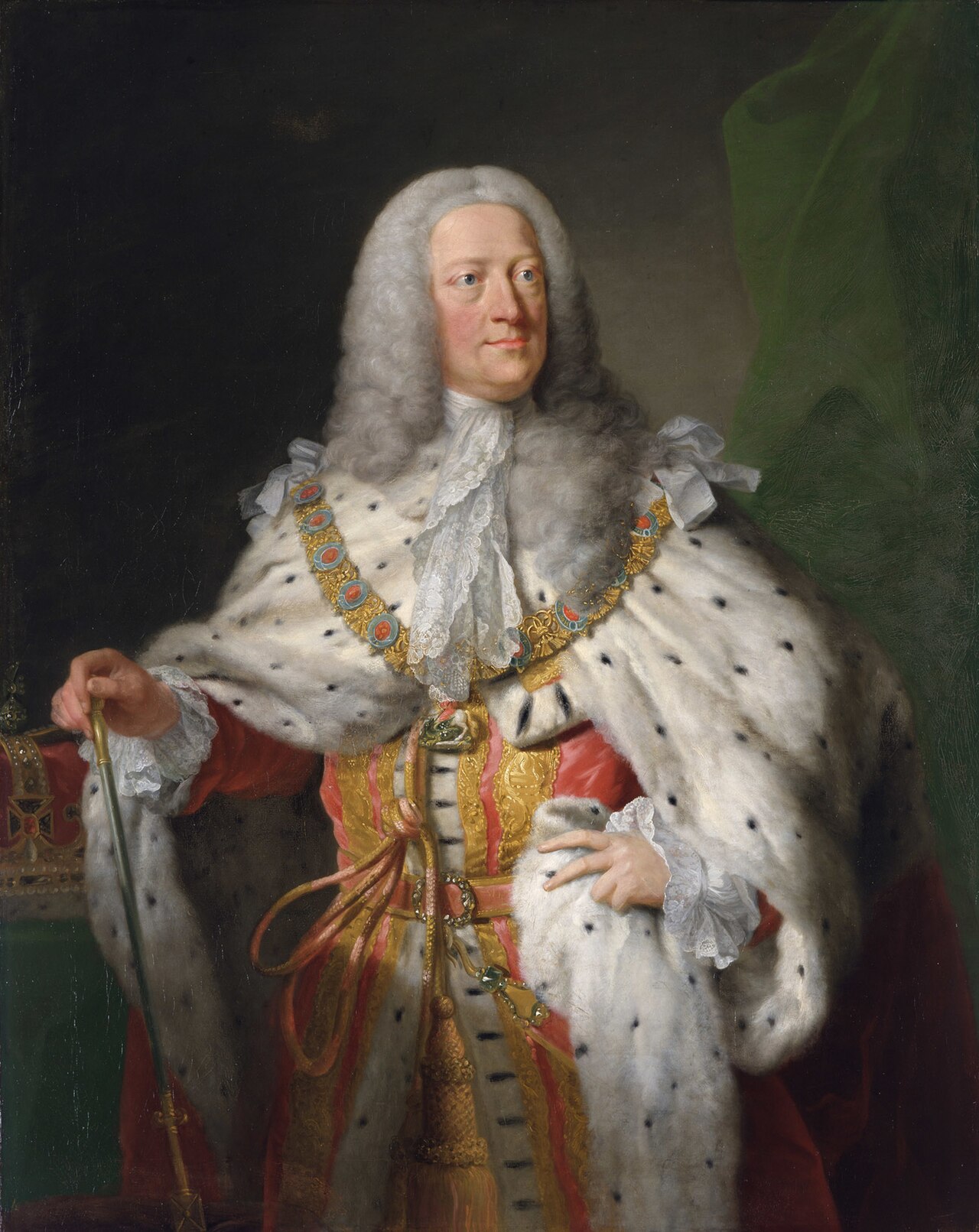 Painting
Primary source
John Shackleton · 1750
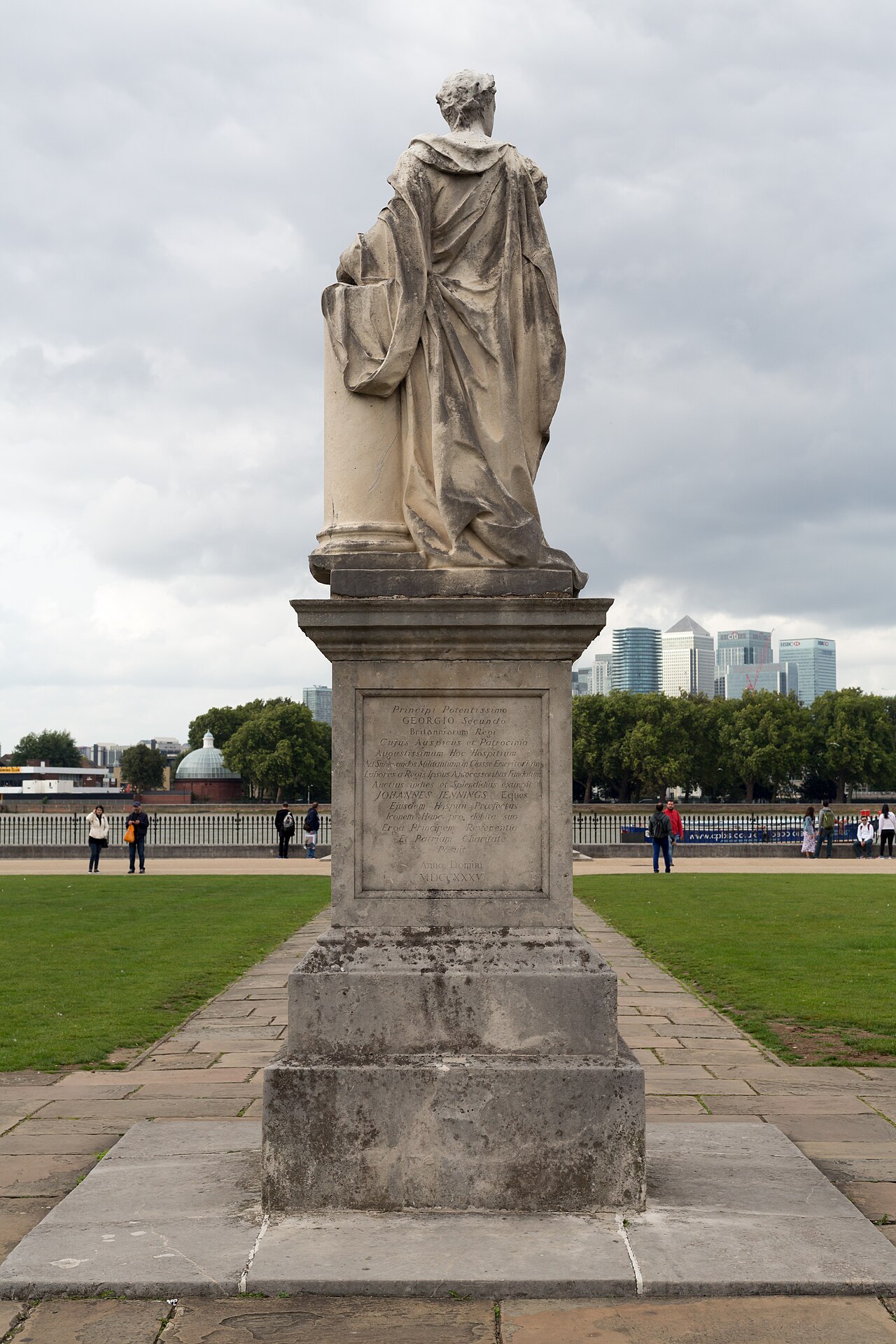 Sculpture
Primary source
John Michael Rysbrack · 1735
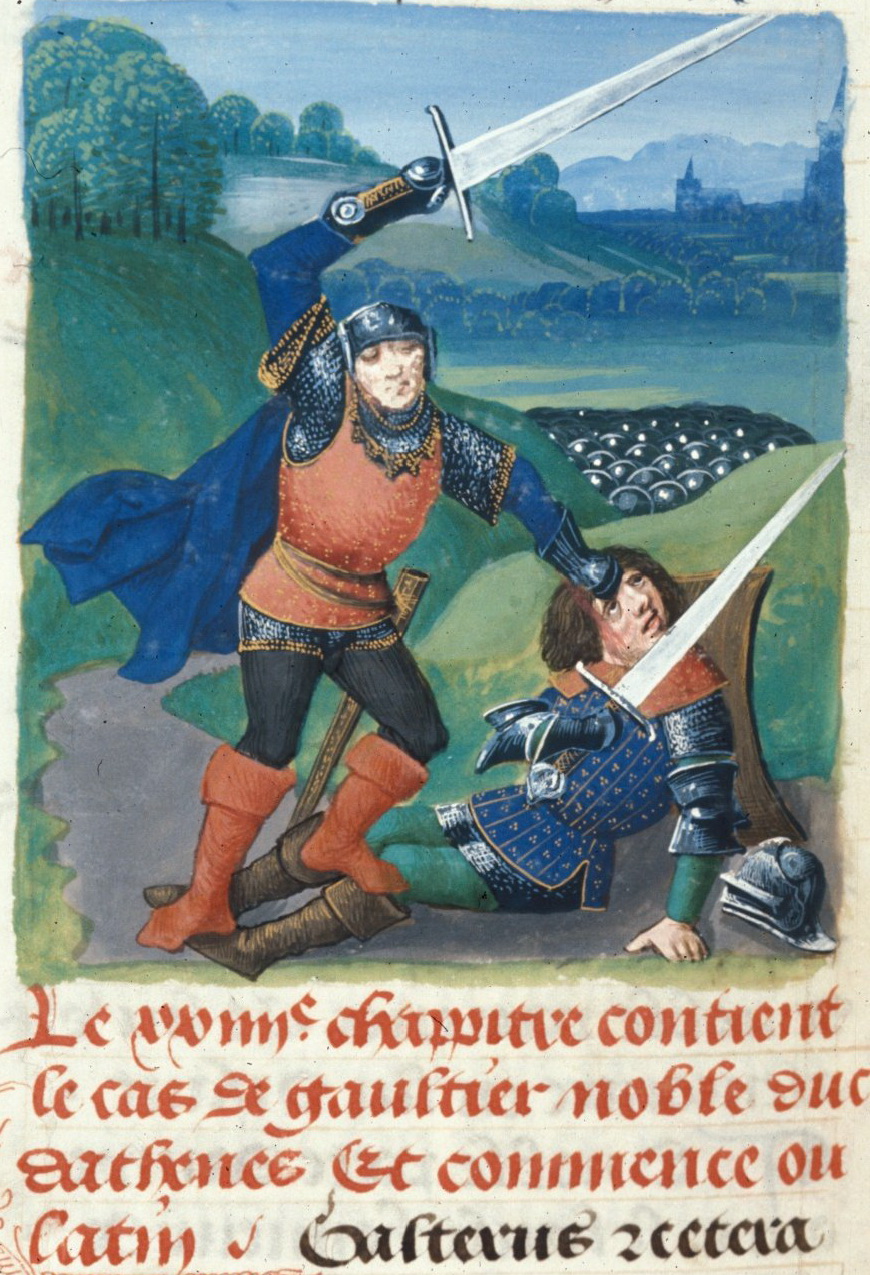 Artifact
Primary source
1757 (donation)
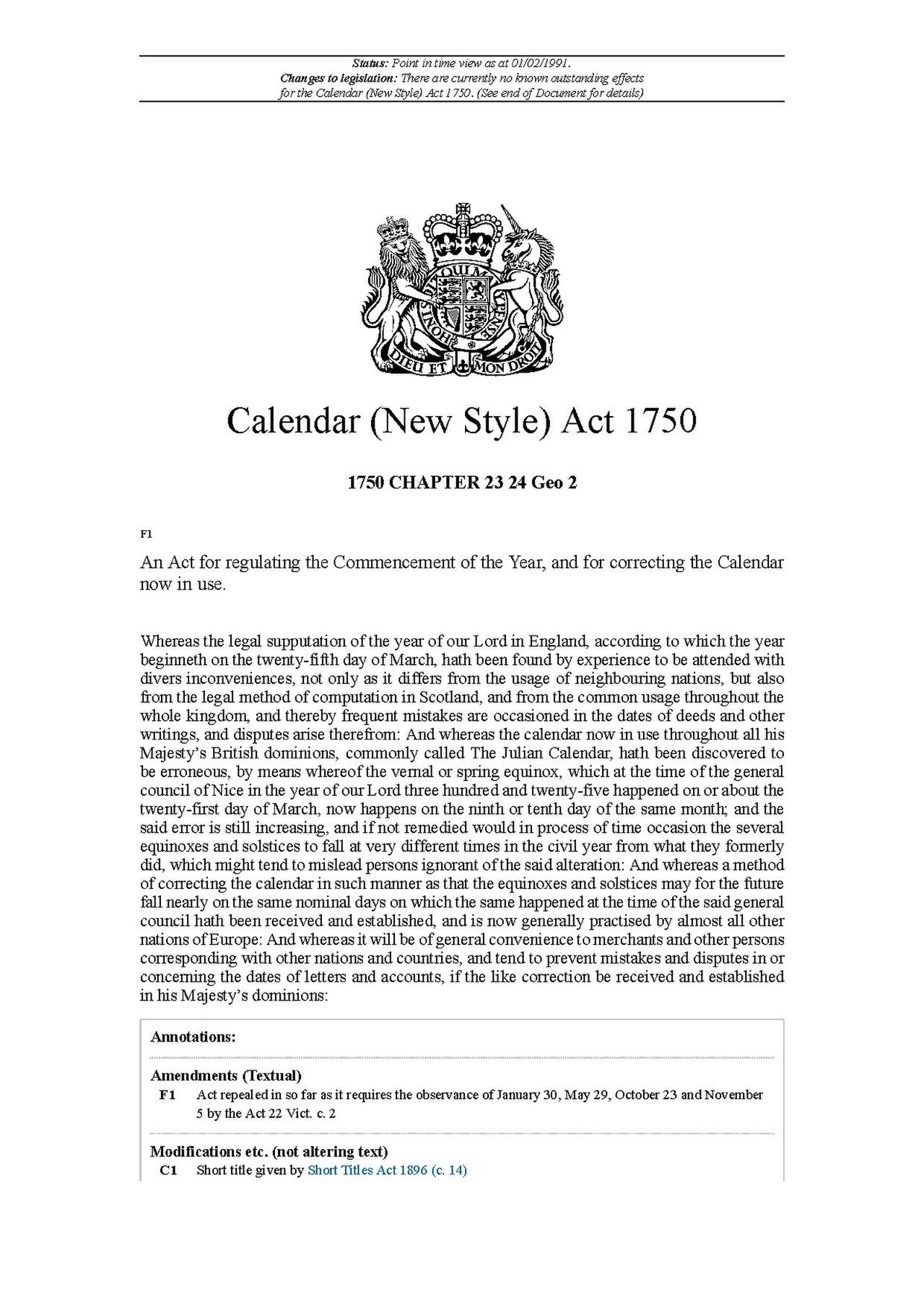 Document
Primary source
1750
 Document
Primary source
George II of Great Britain
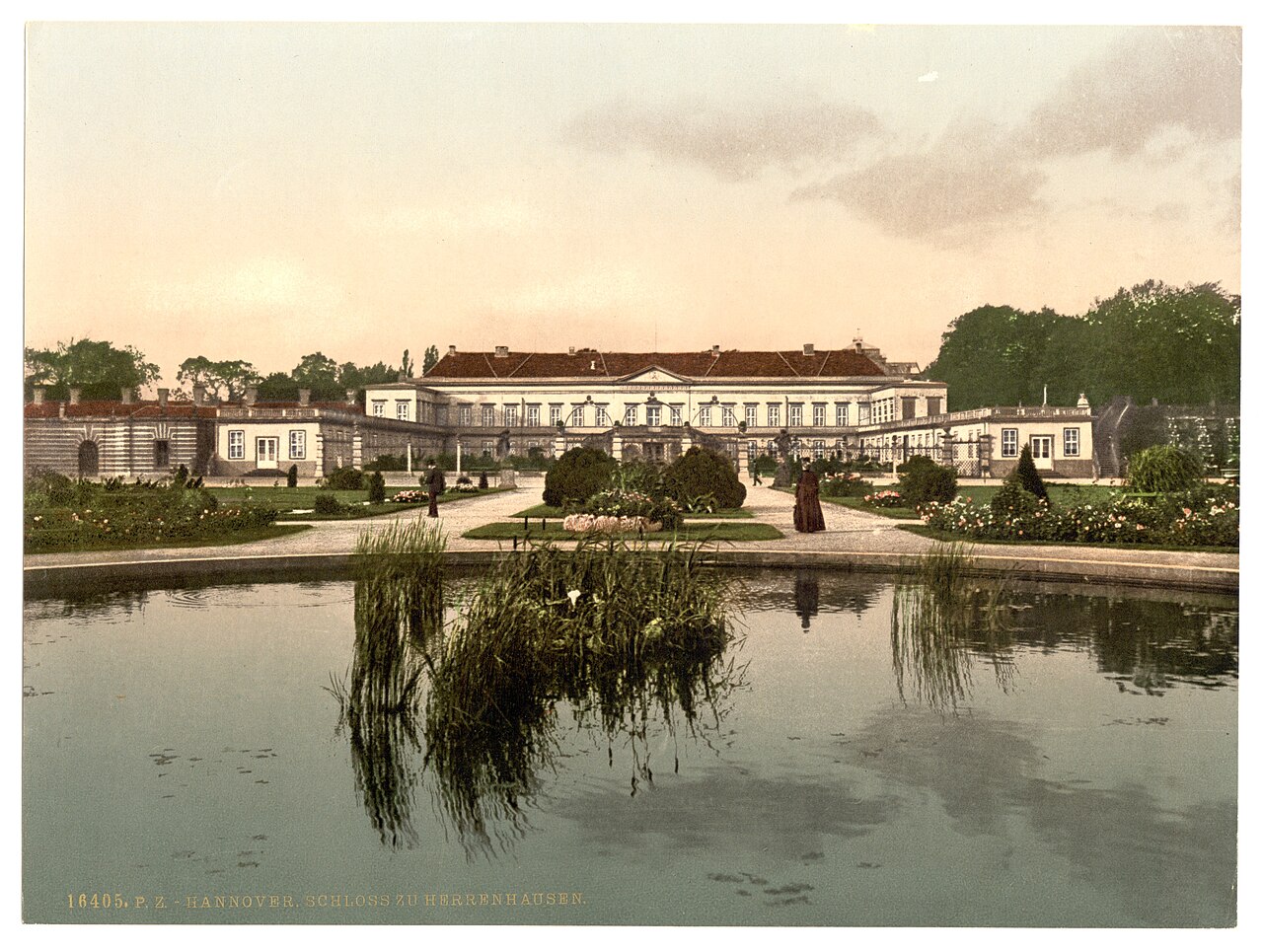 Artifact
Secondary source
1640, enlarged later
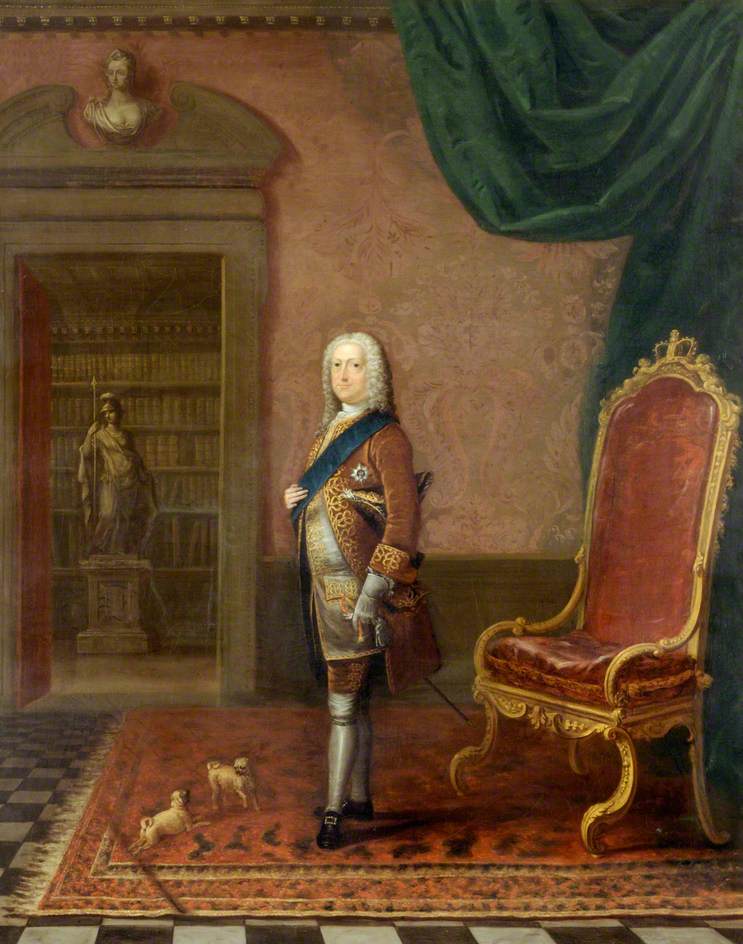 Painting
Primary source
Charles Philips · 1737
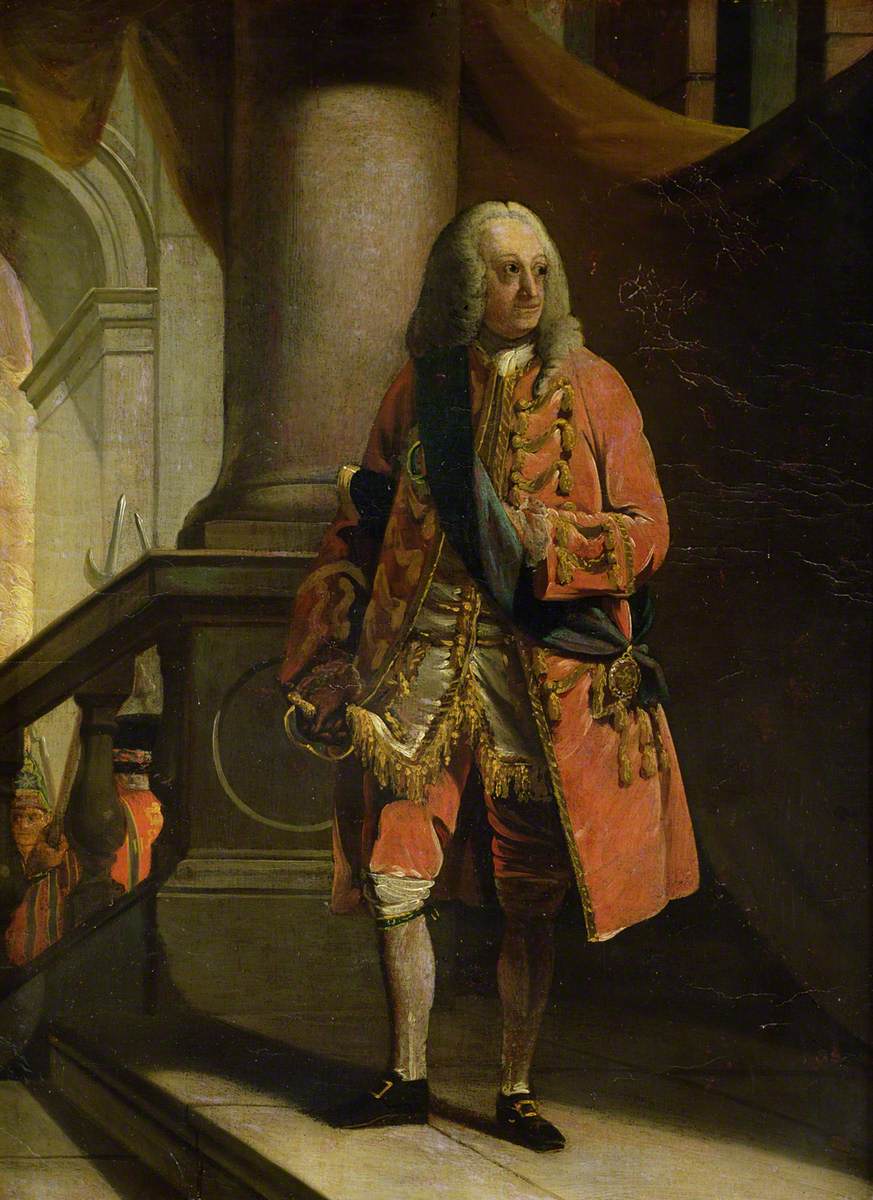 Painting
Primary source
Robert Edge Pine
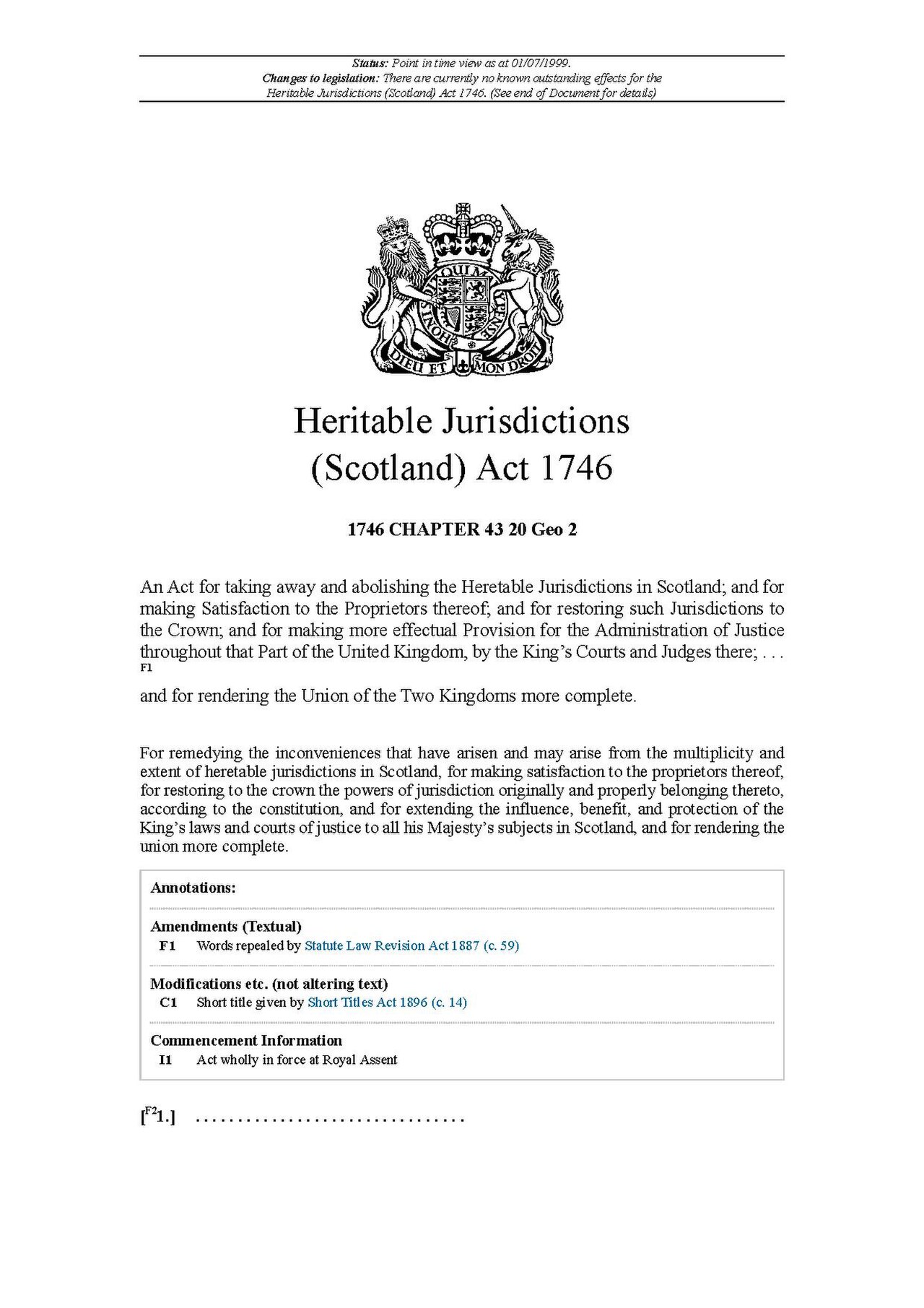 Document
Primary source
1746
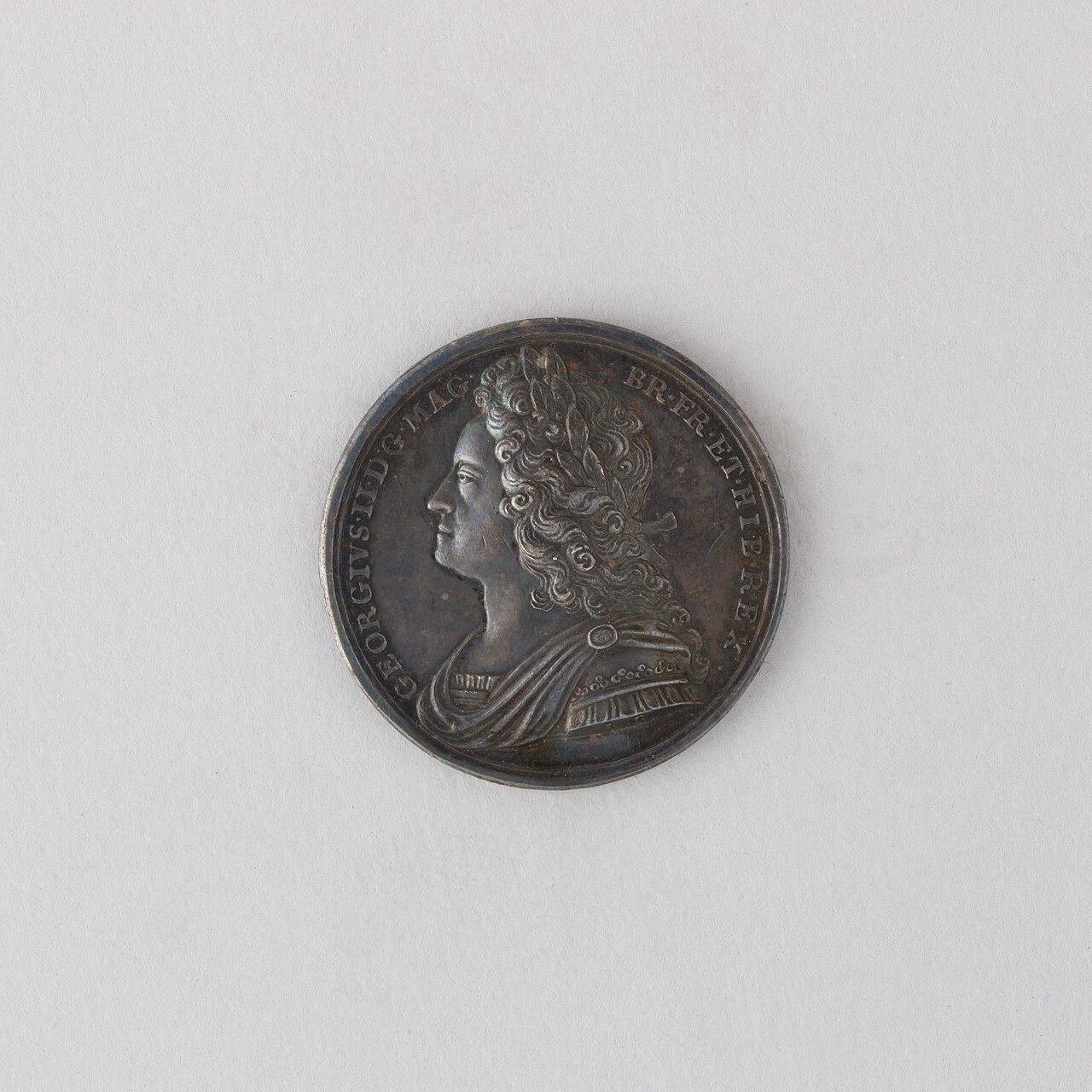 Artifact
Primary source
John Croker · 1727
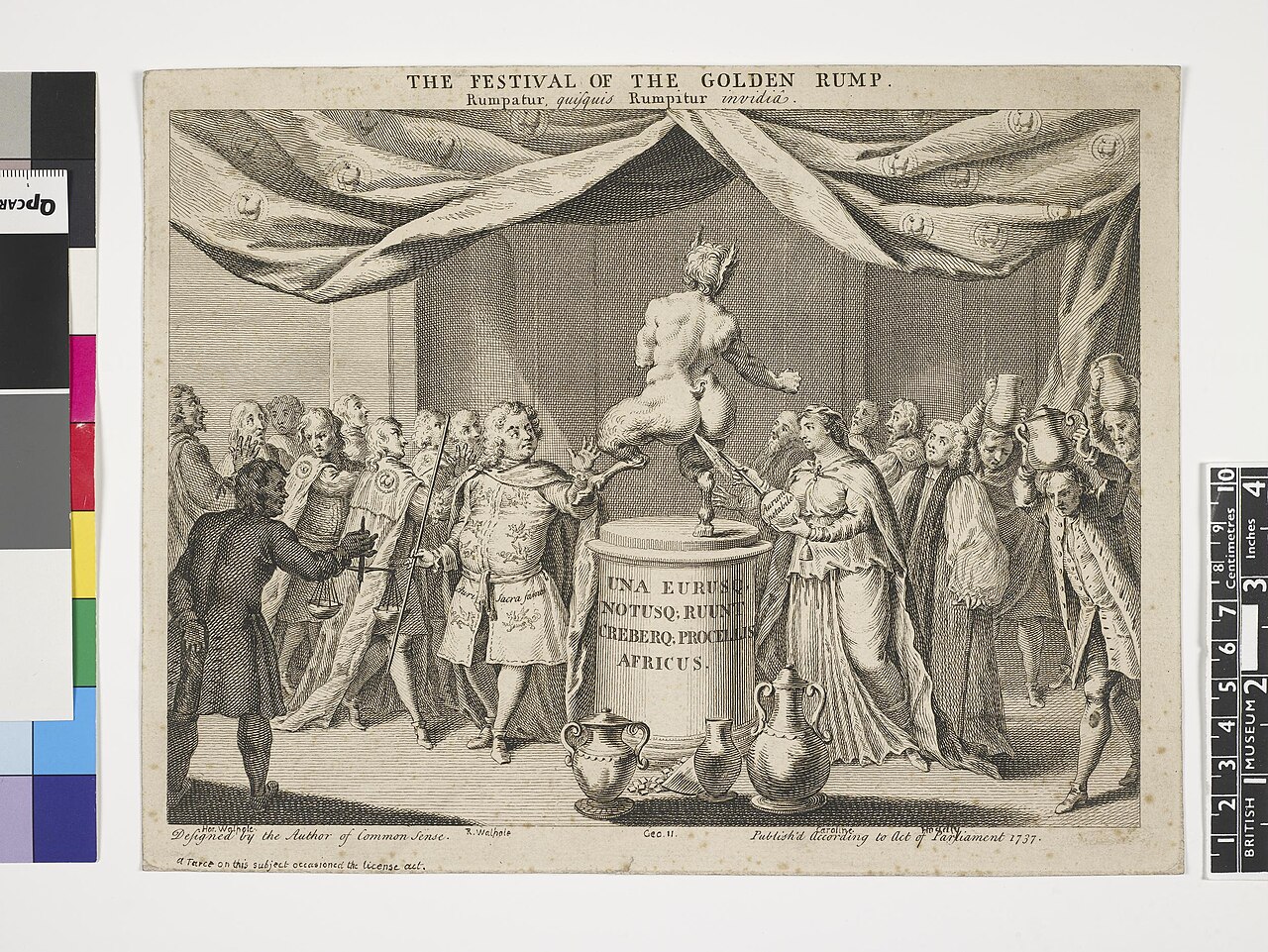 Painting
Primary source
Anonymous · 1737
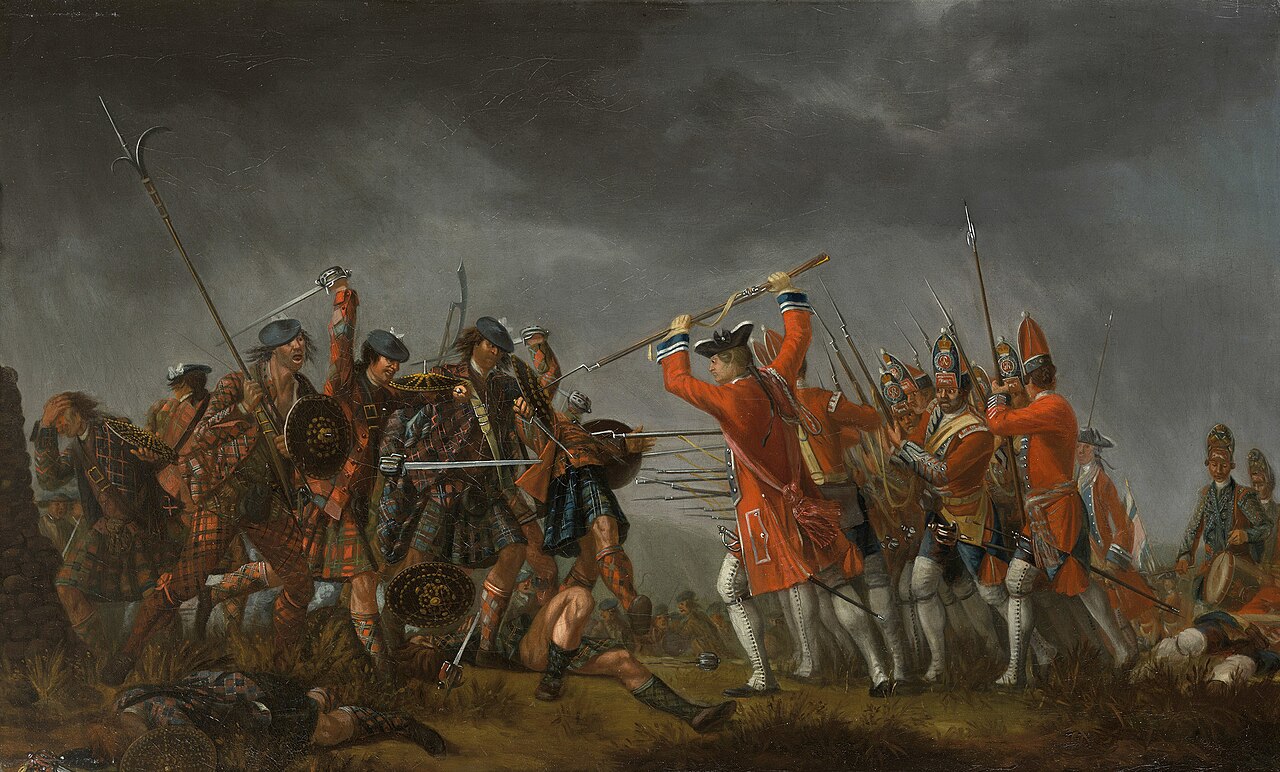 Painting
Secondary source
David Morier · 1746-1765
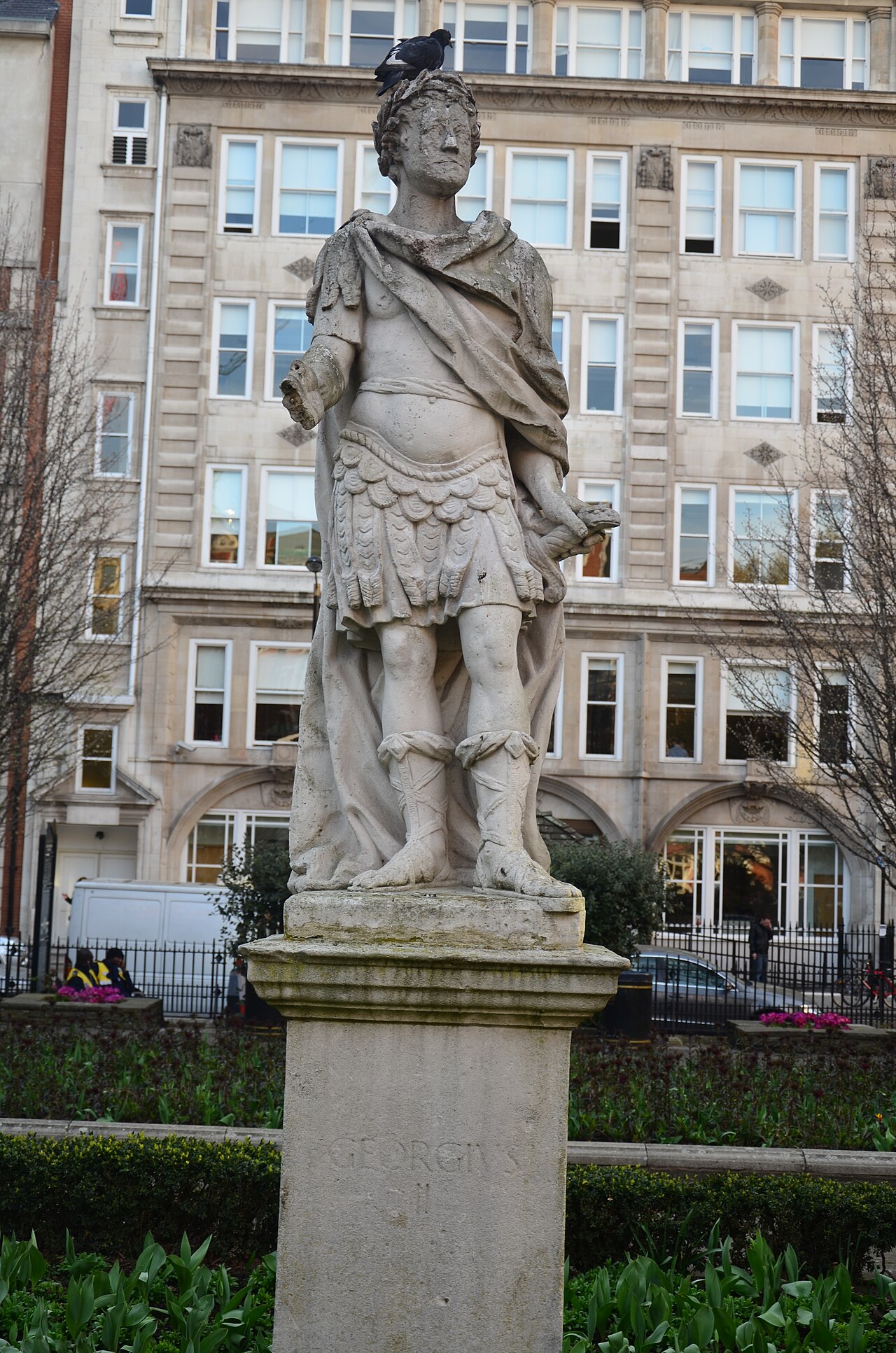 Sculpture
Secondary source
John Nost · c. 1720 (erected c. 1753)
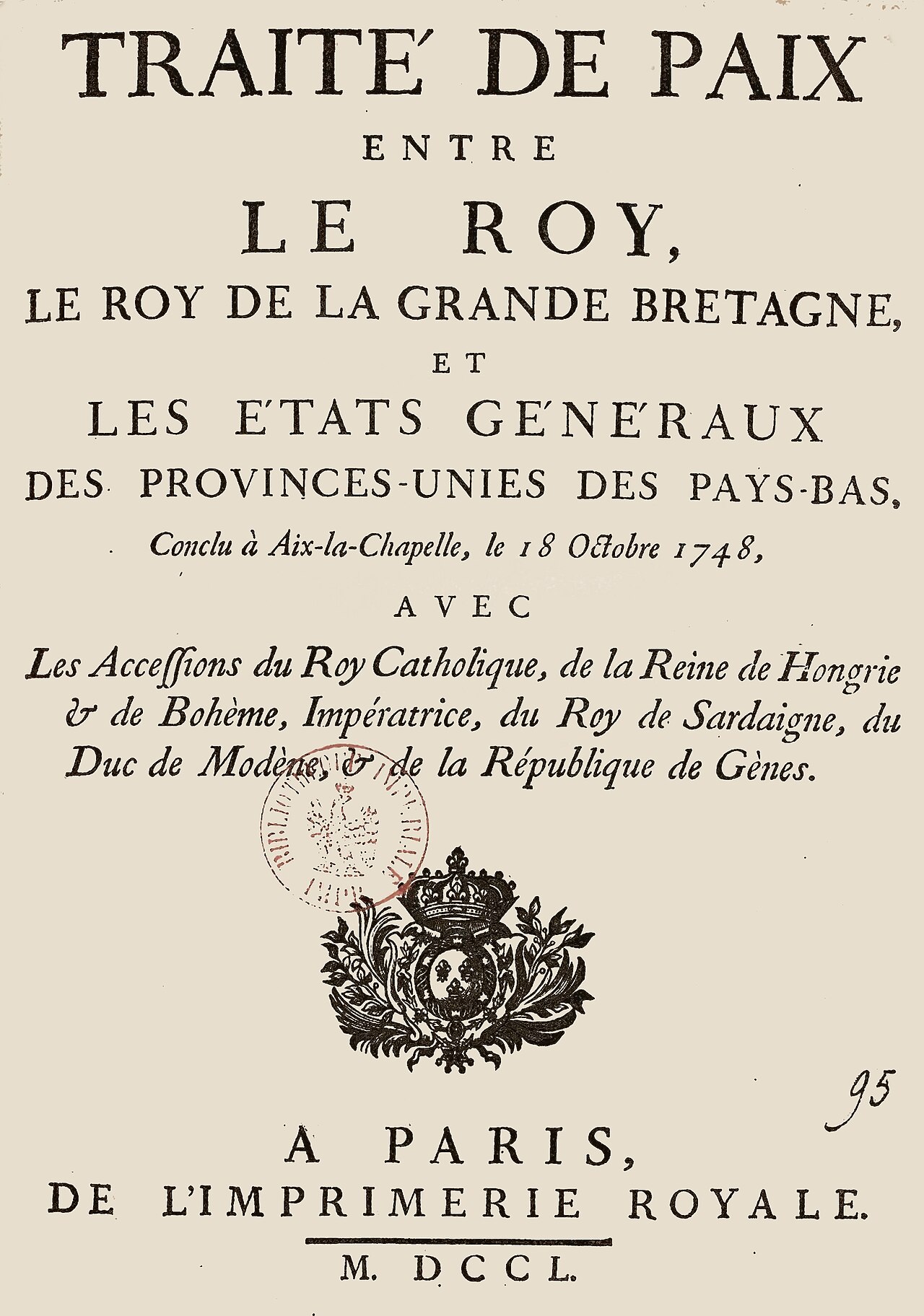 Document
Primary source
18 October 1748
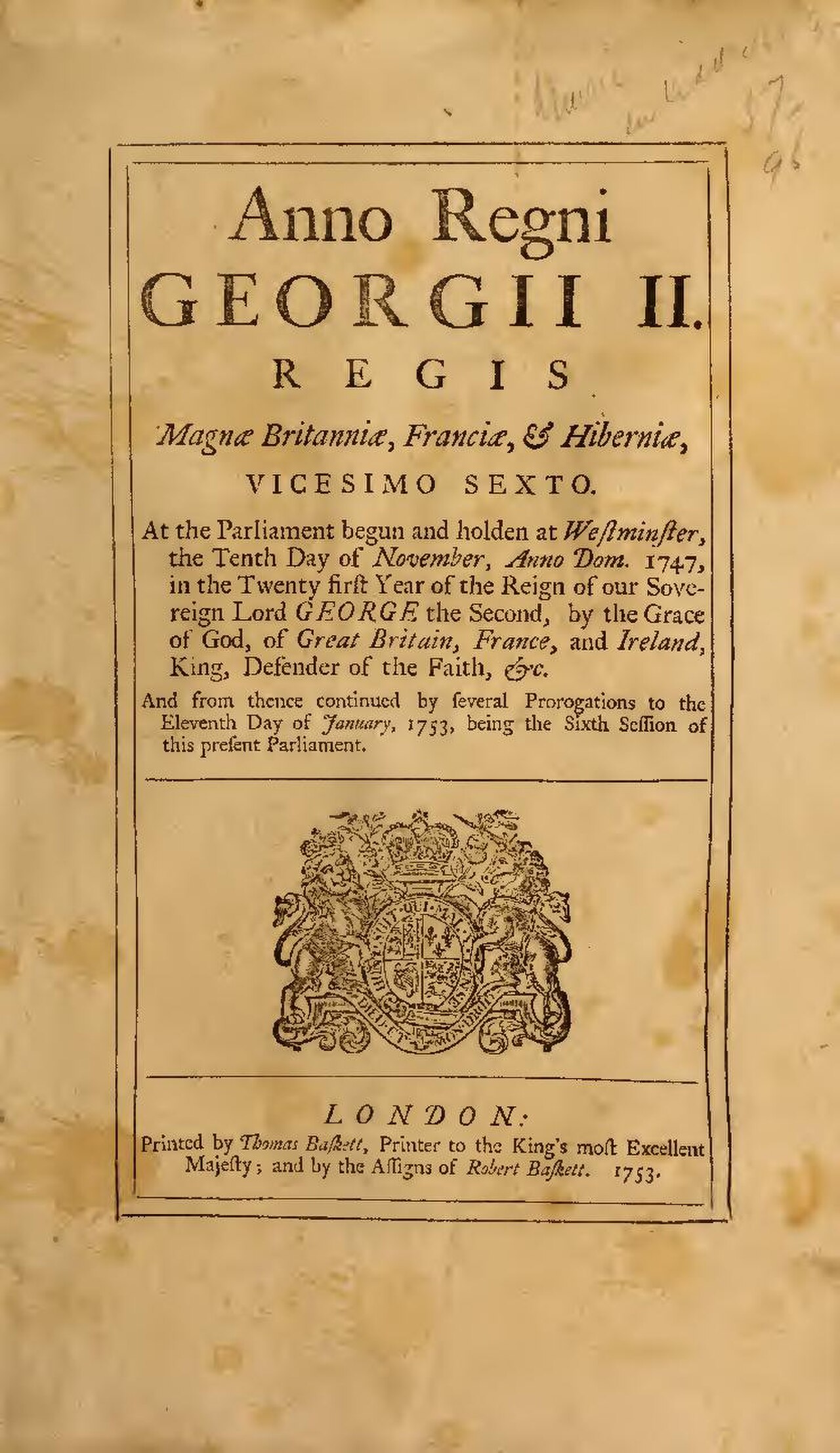 Document
Primary source
Great Britain · 1753
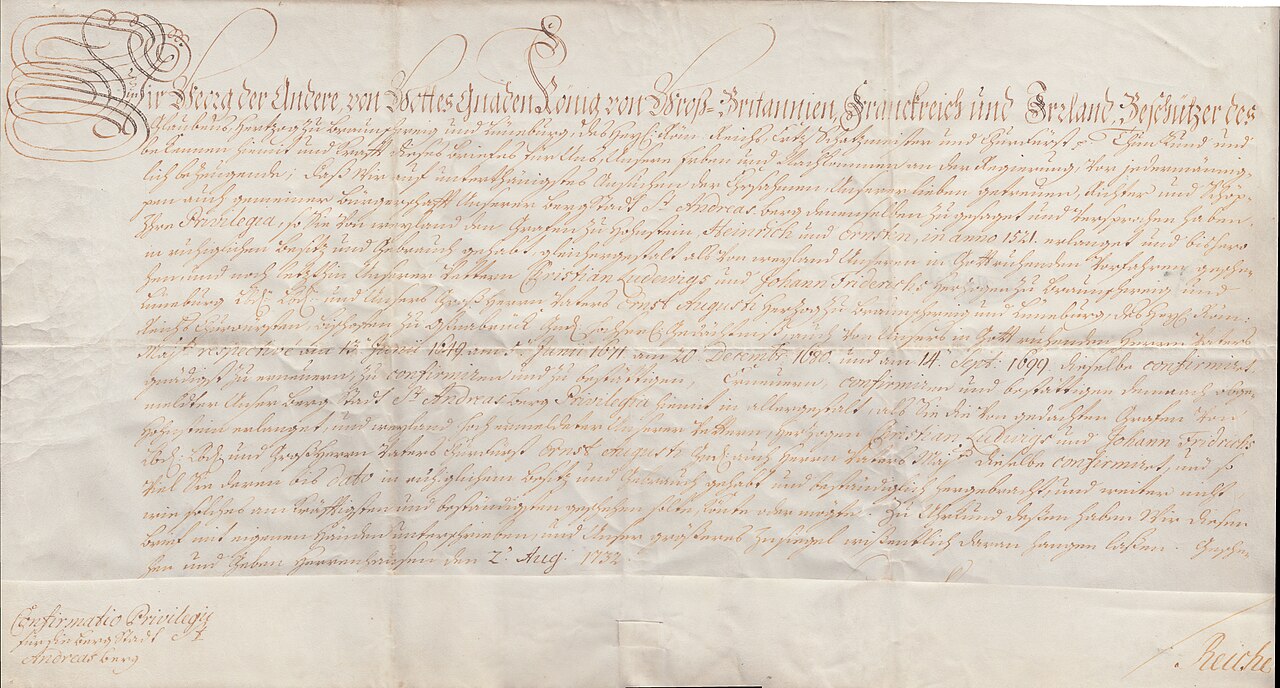 Document
Primary source
George II of Great Britain · 1732
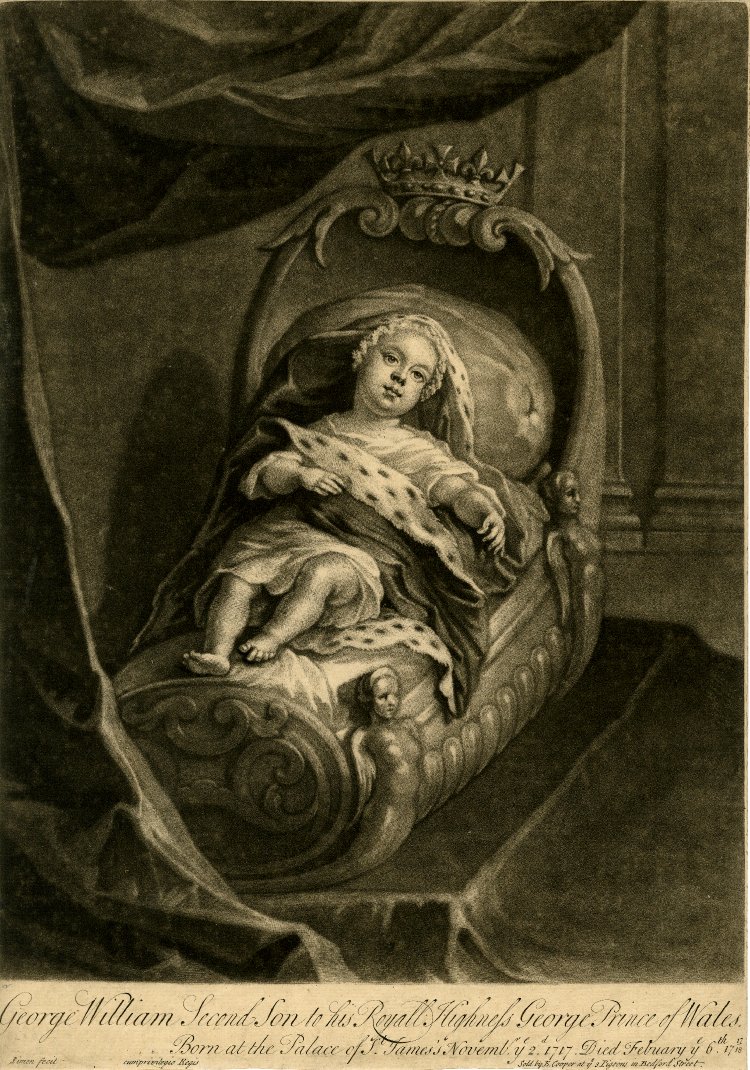 Painting
Primary source
John Simon · 1717-1718
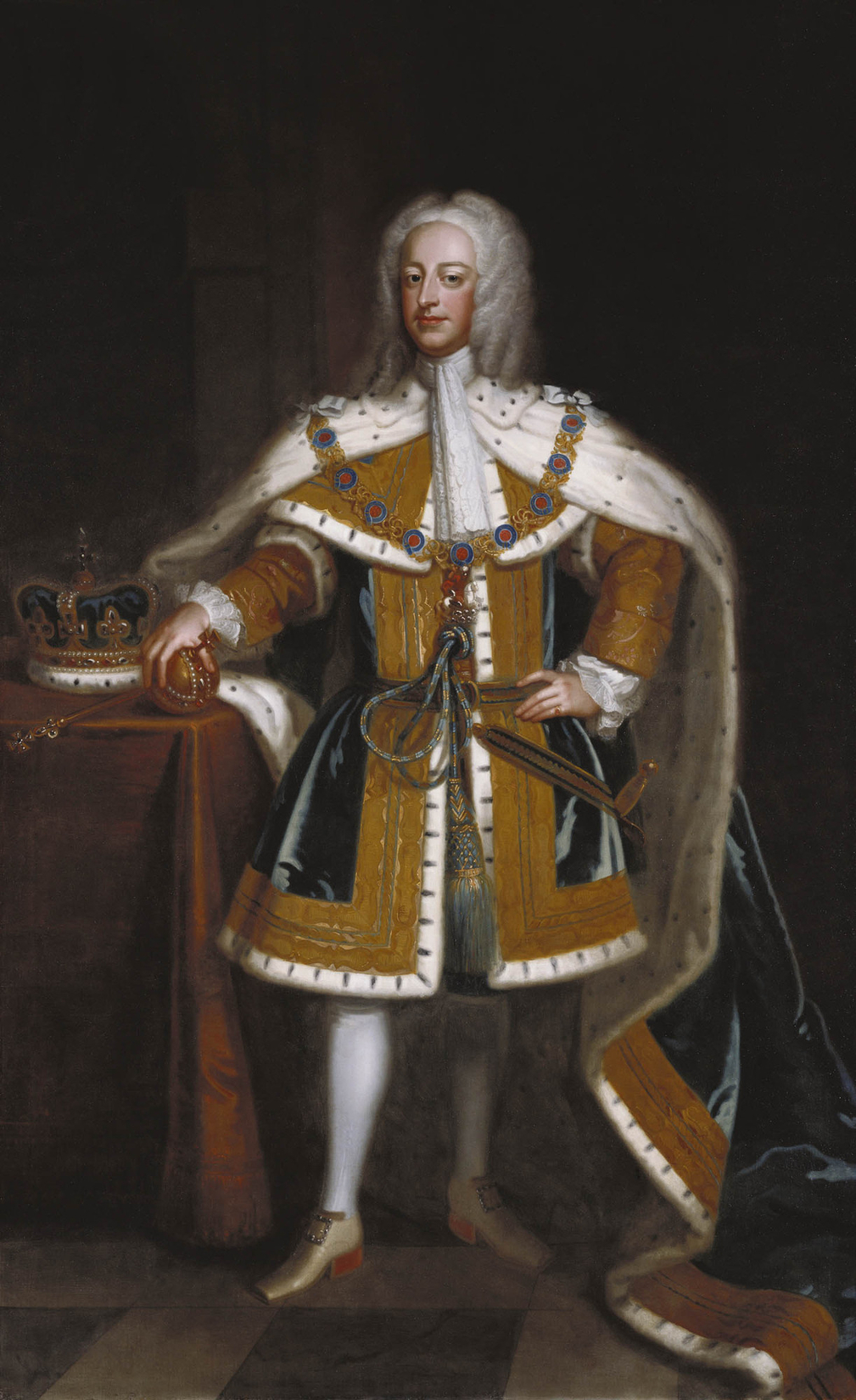 Painting
Primary source
Enoch Seeman · c. 1730
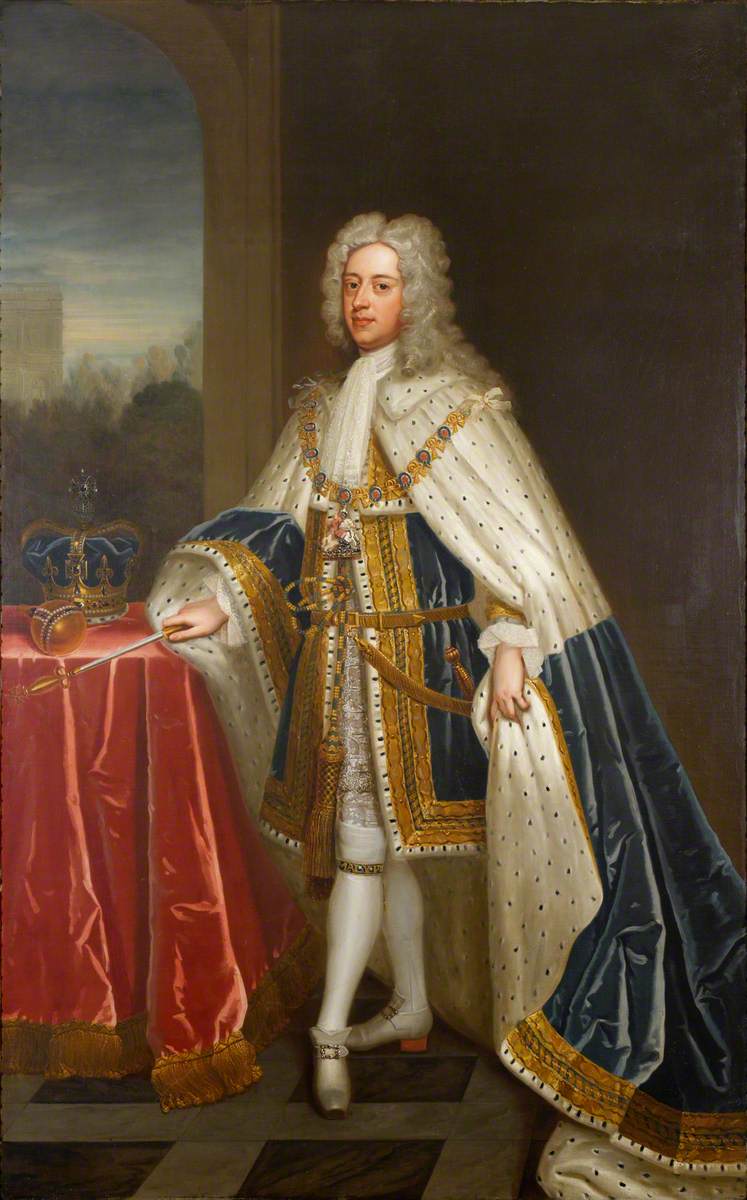 Painting
Primary source
Charles Jervas (studio of)
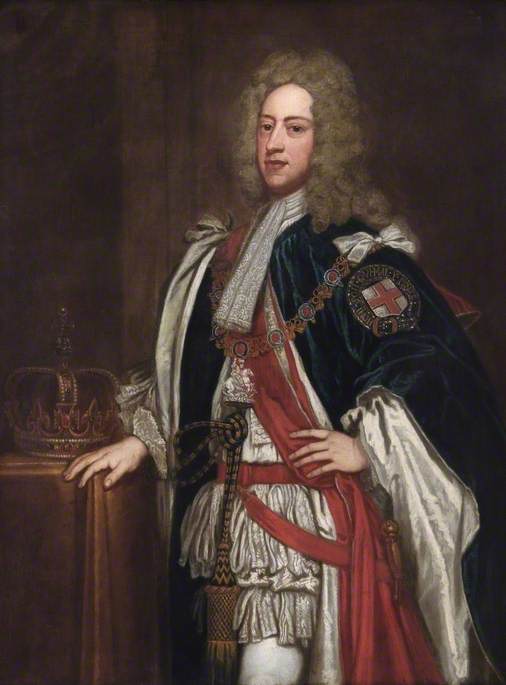 Painting
Primary source
George Knapton
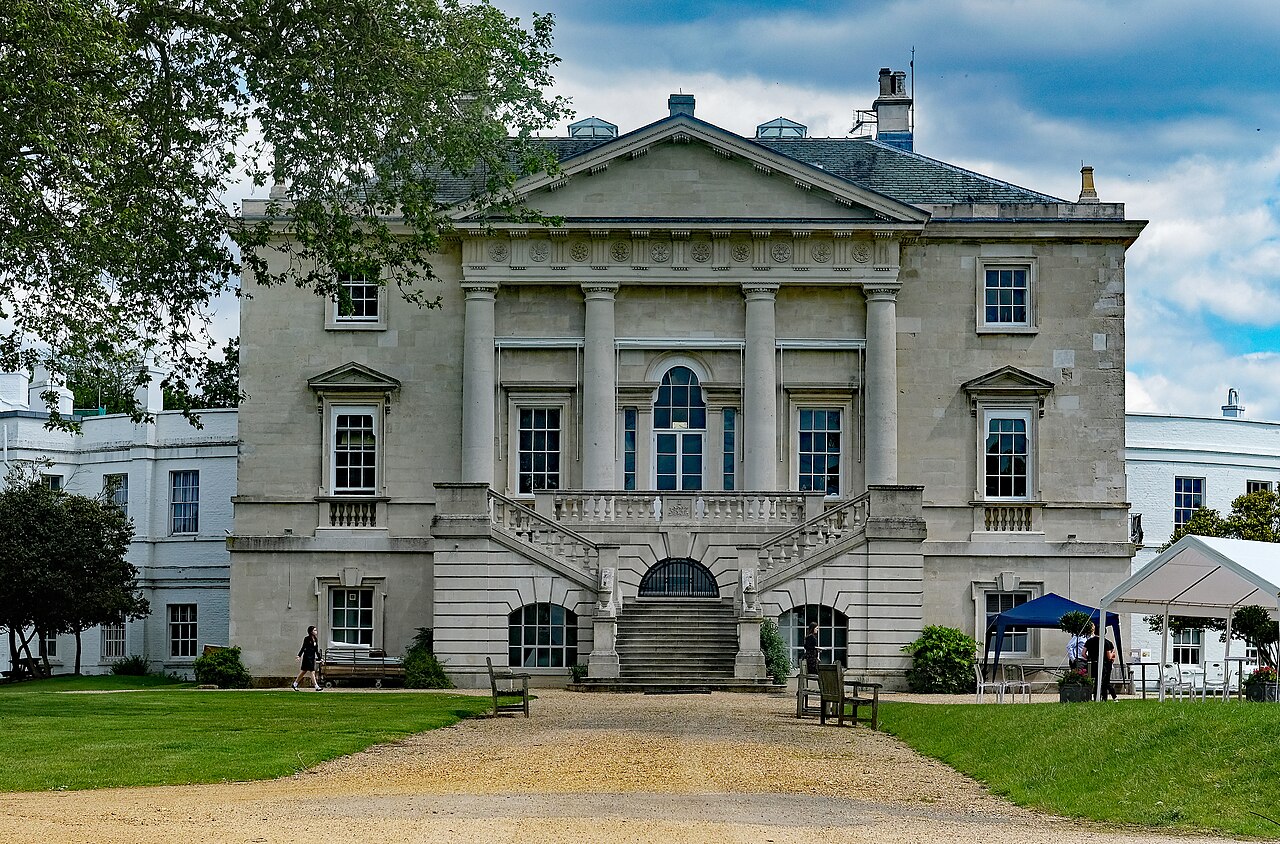 Artifact
Primary source
Roger Morris · begun 1727, completed 1730
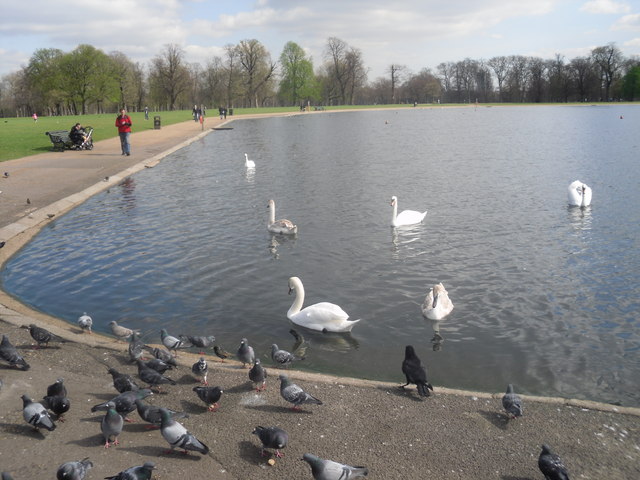 Artifact
Primary source
George II of Great Britain · 1730
 Artifact
Primary source
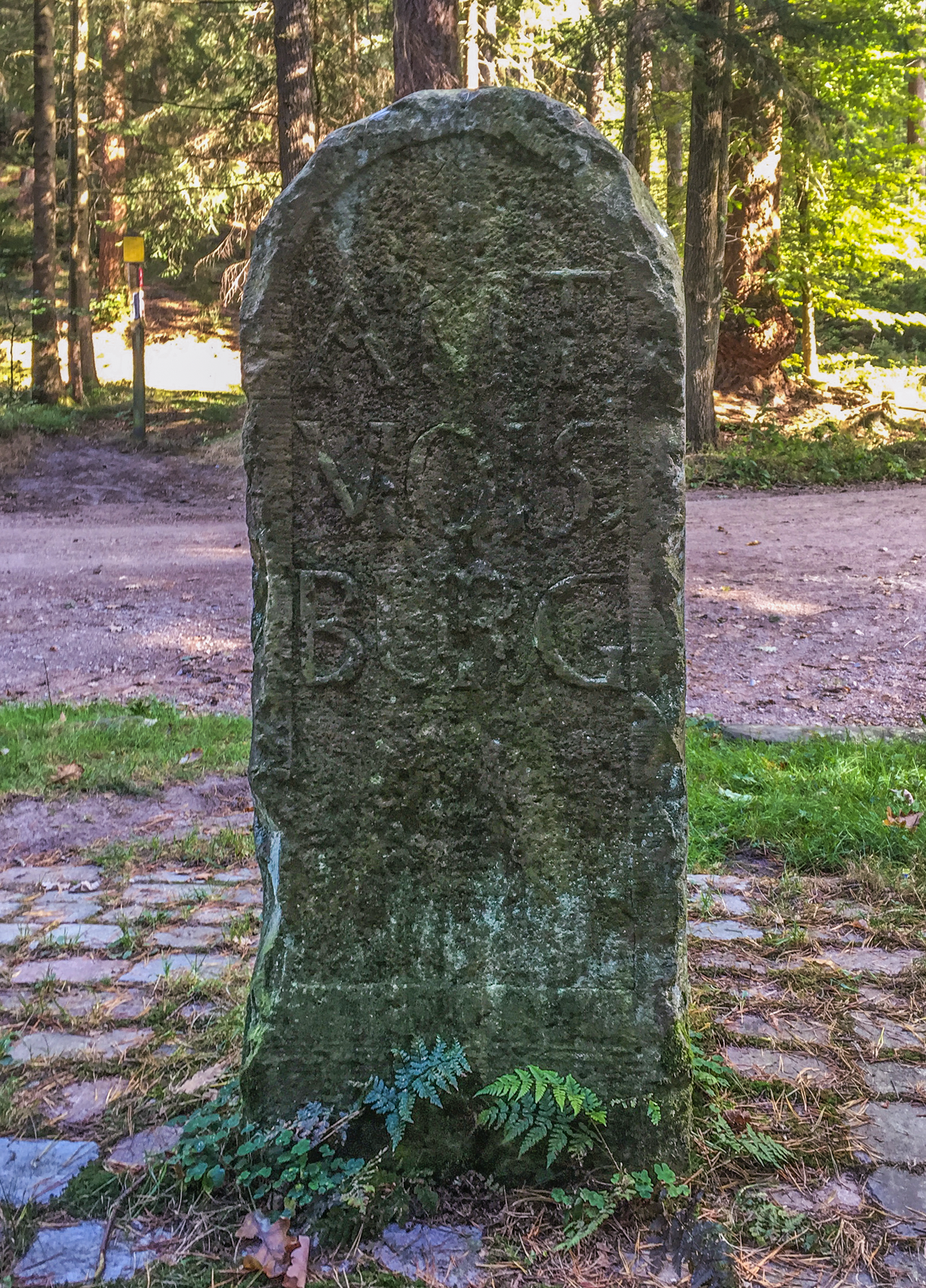 Artifact
Primary source
1754
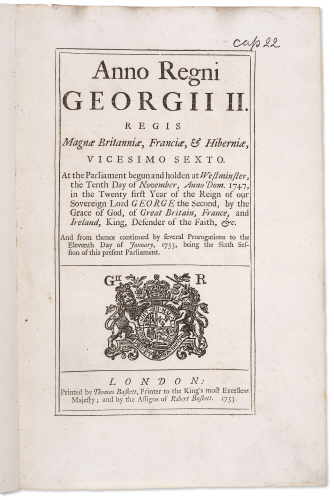 Document
Primary source
1753
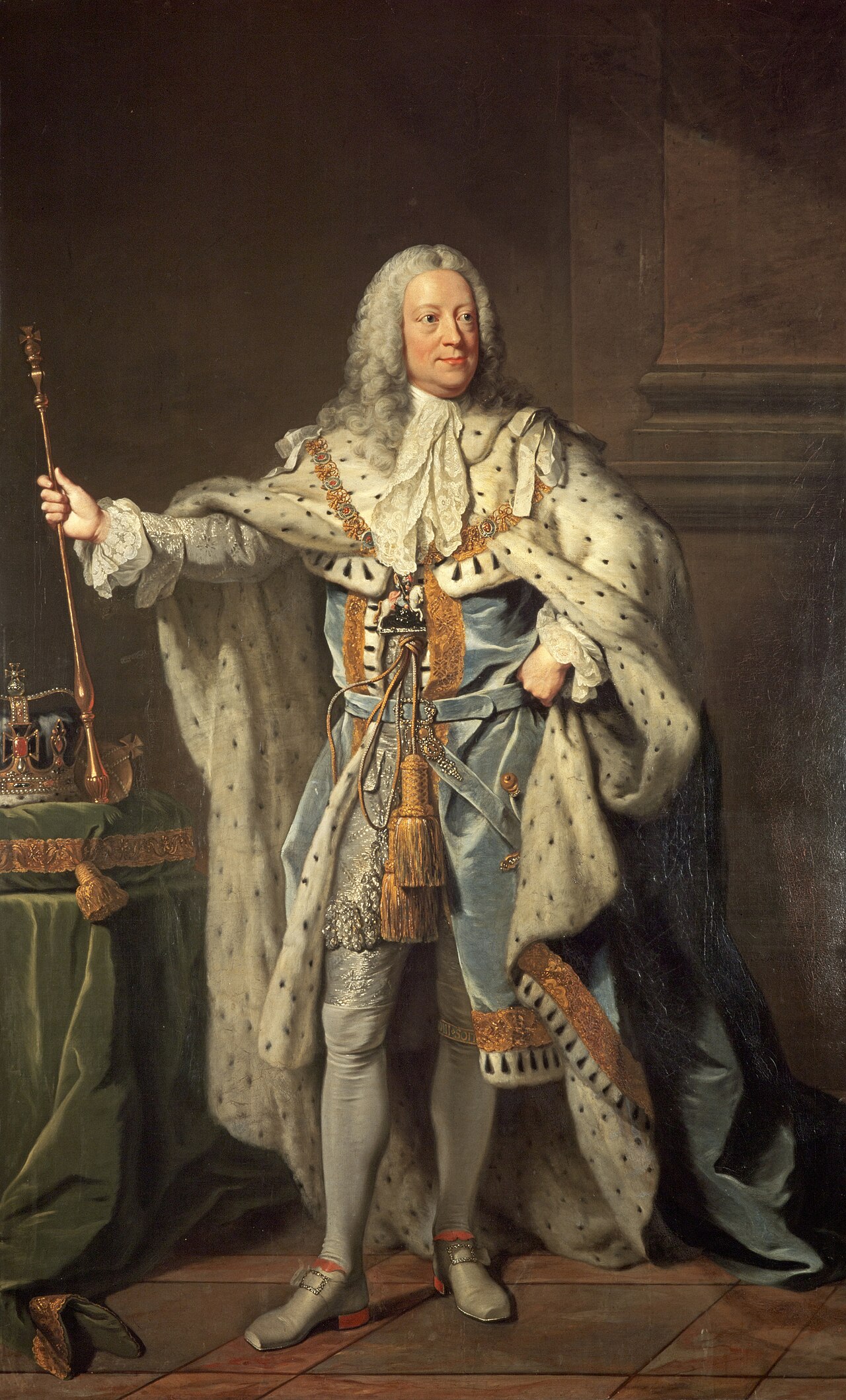 Painting
Primary source
John Shackleton · 1755
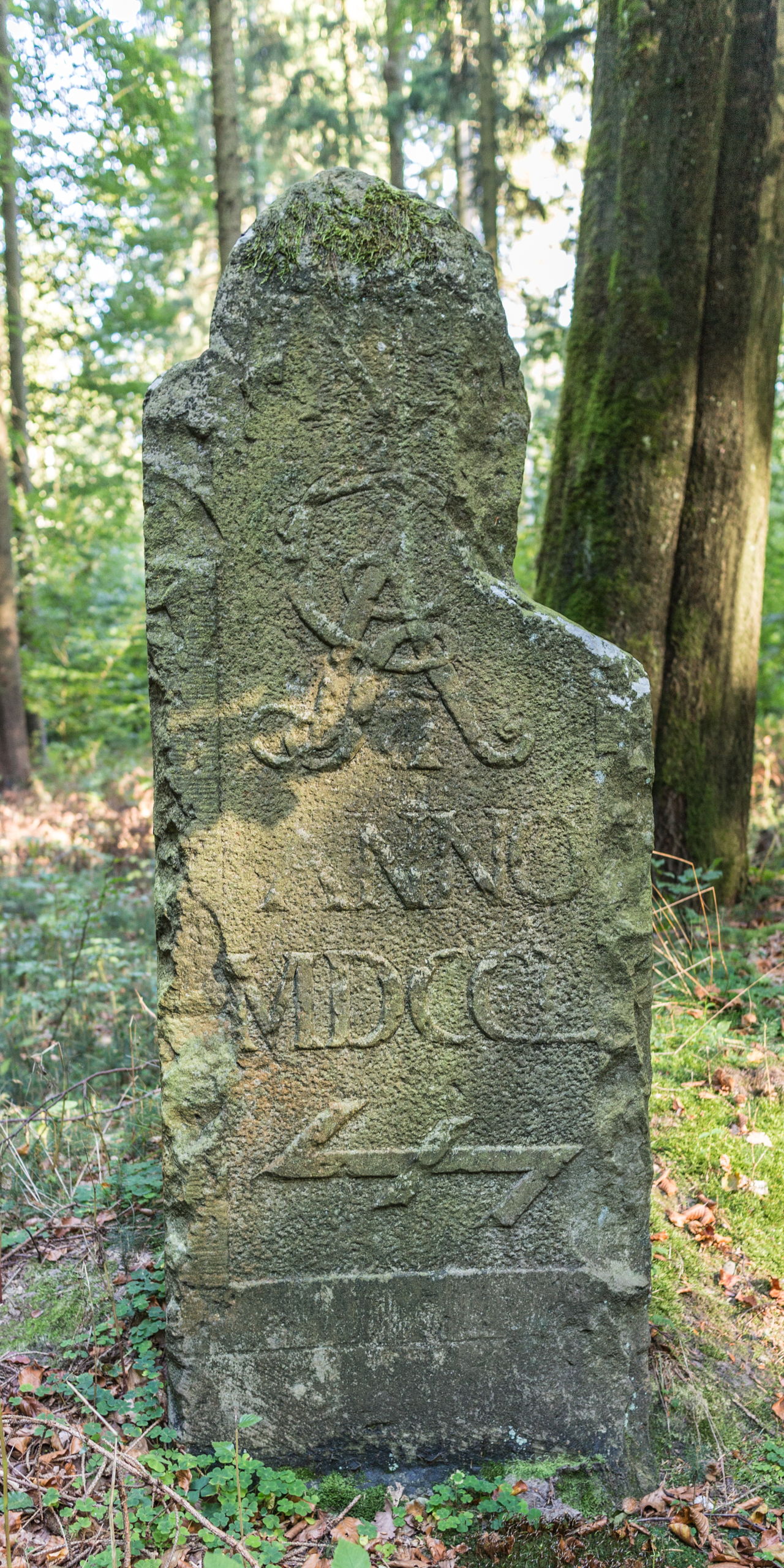 Artifact
Primary source
1754
 Book
Secondary source
Reginald Jaffray Lucas · 1910
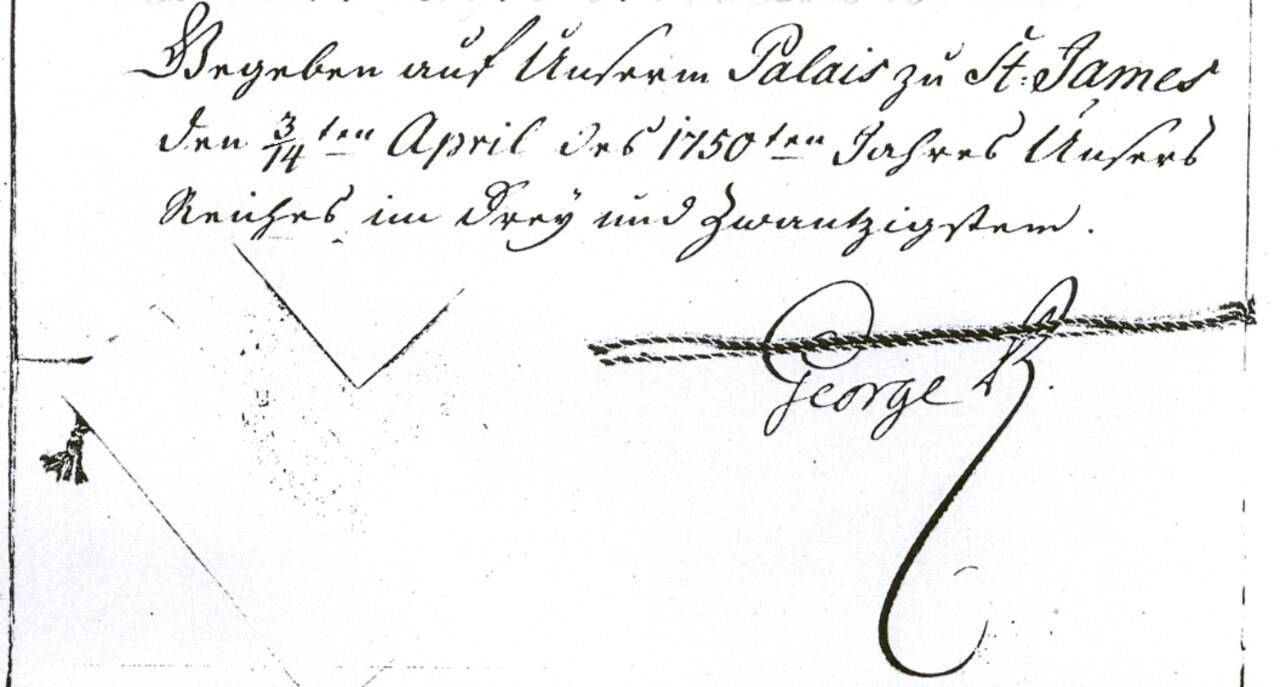 Document
Primary source
George II of Great Britain · 3/14 April 1750
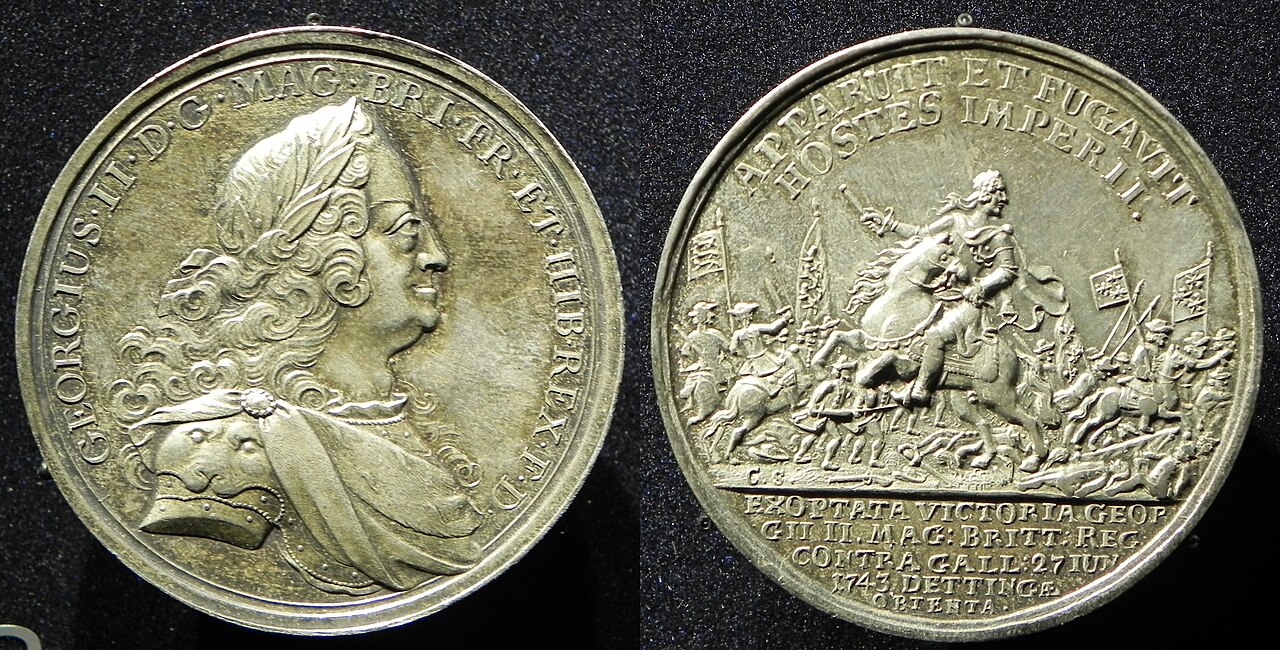 Artifact
Primary source
1743
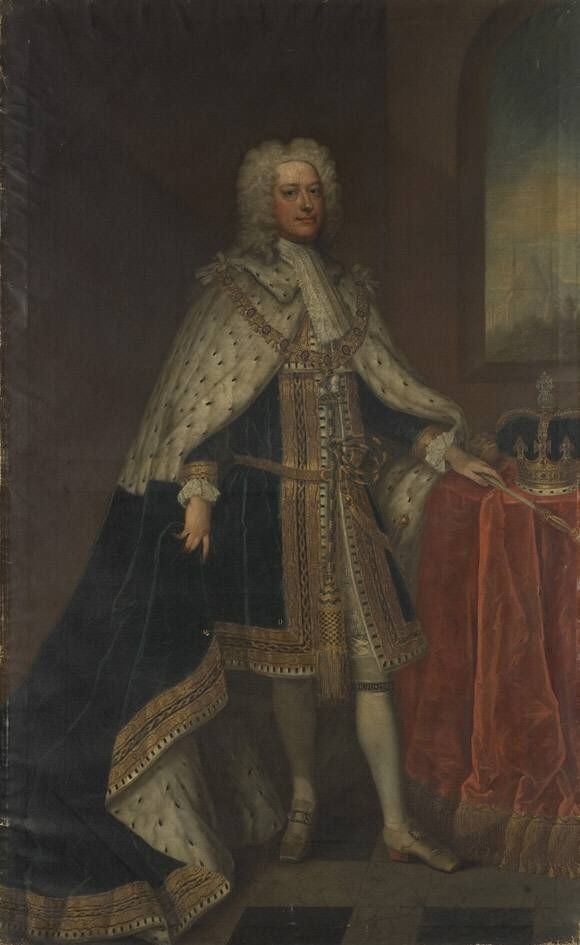 Painting
Primary source
Charles Jervas
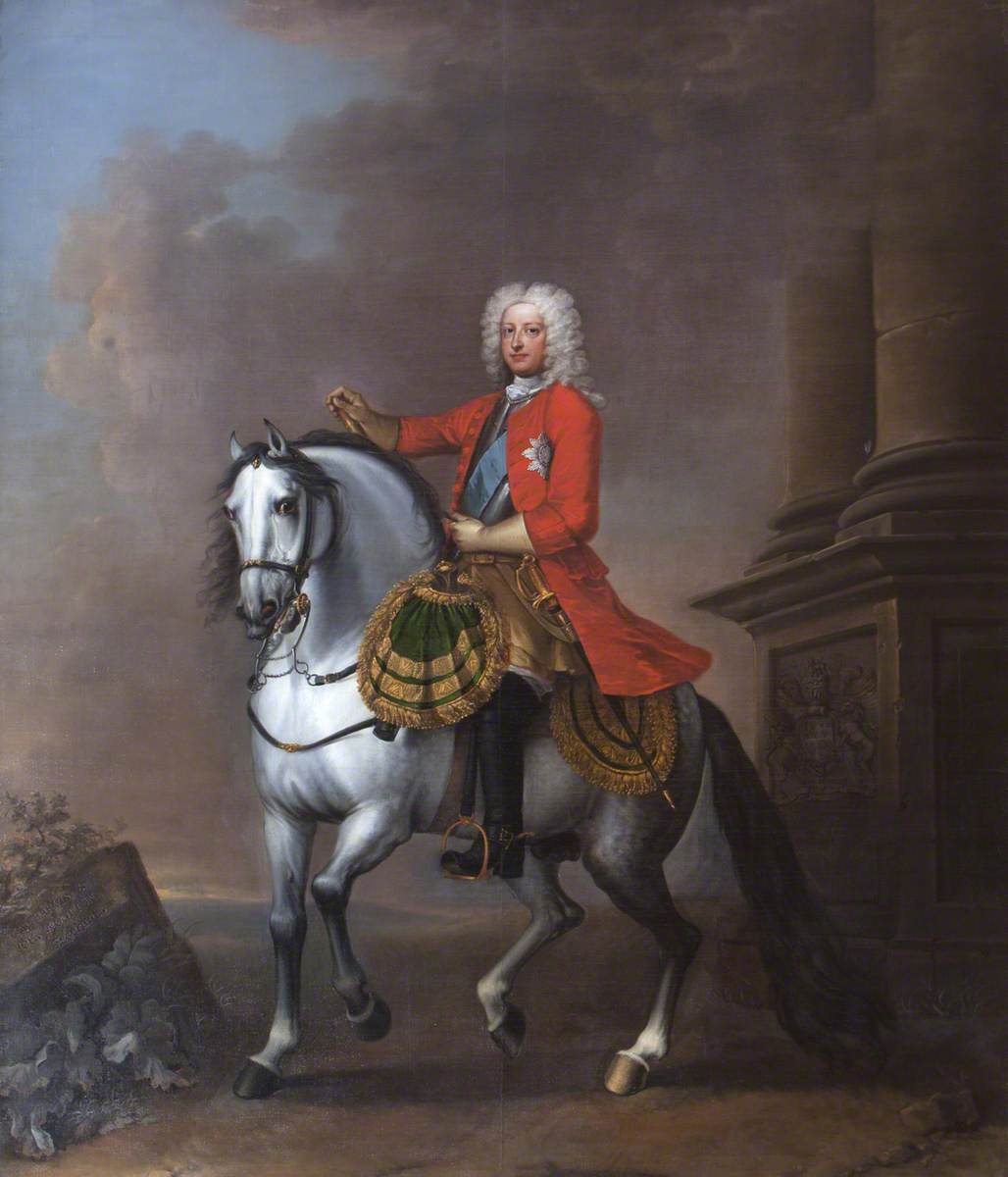 Painting
Primary source
John Wootton and Charles Jervas · 1732
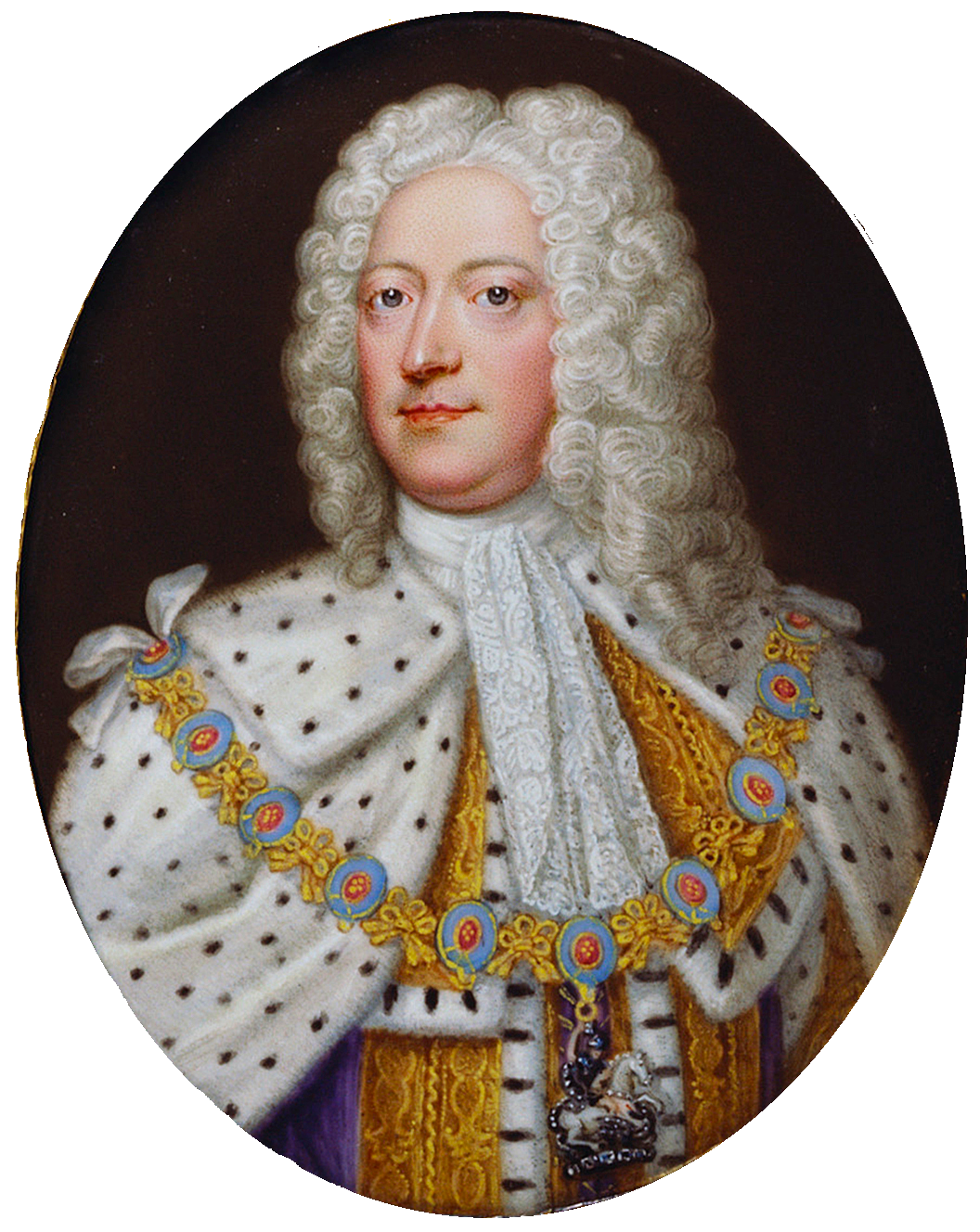 Painting
Primary source
Christian Friedrich Zincke · 1727
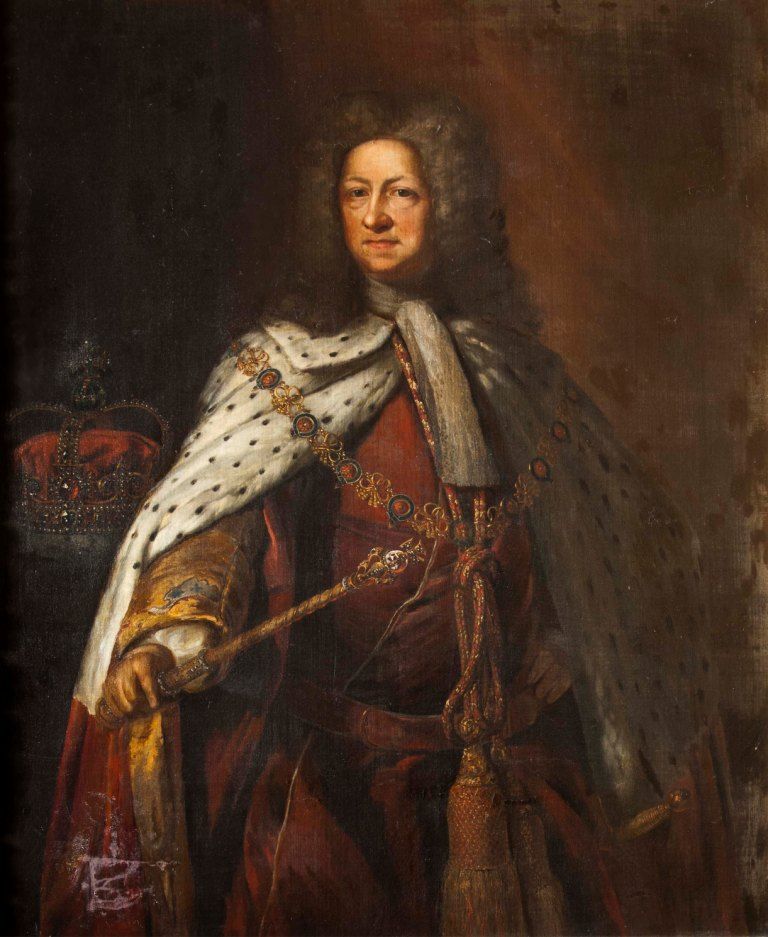 Painting
Primary source
John Shackleton · 11 October 1727
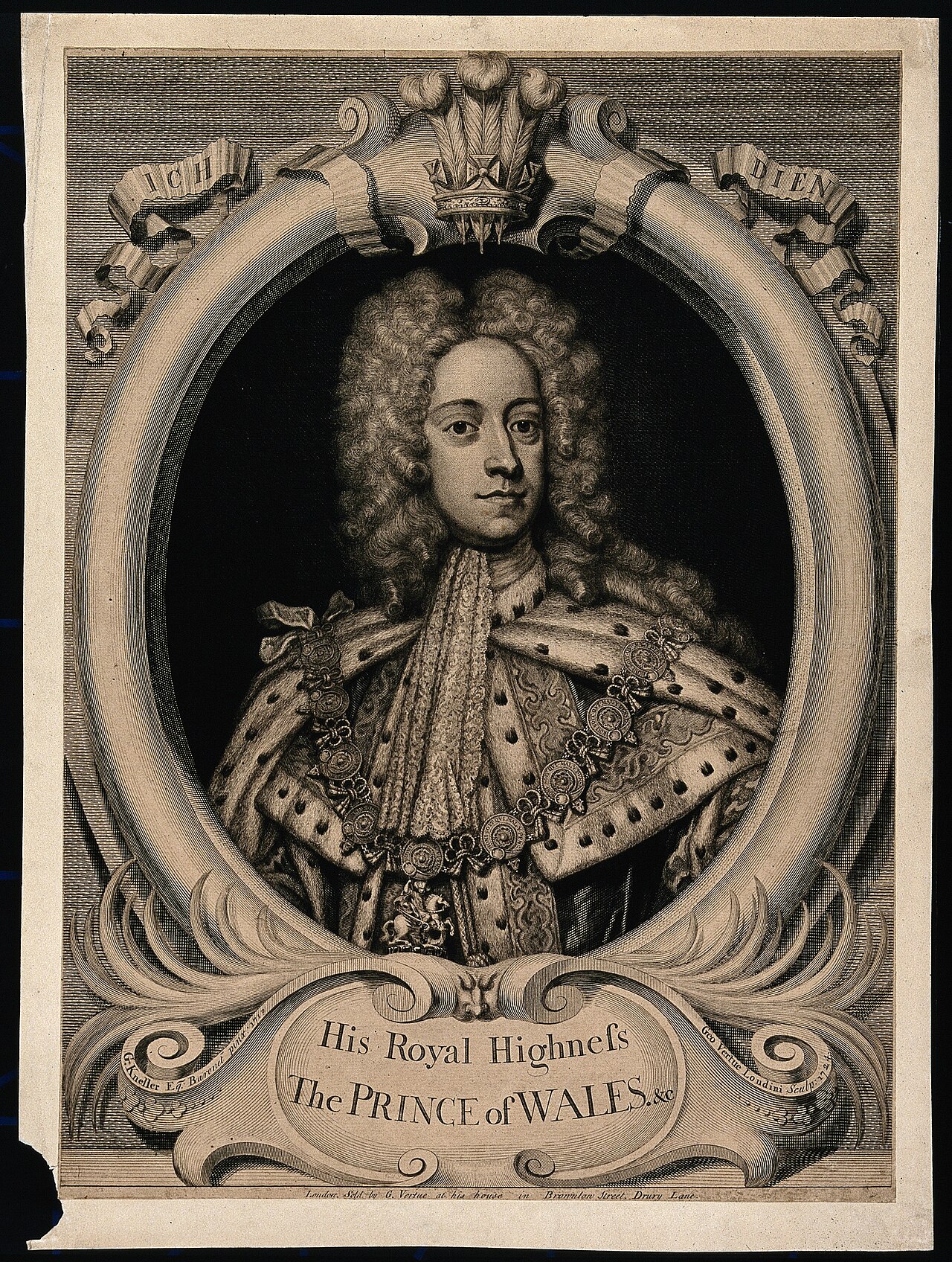 Painting
Primary source
Godfrey Kneller
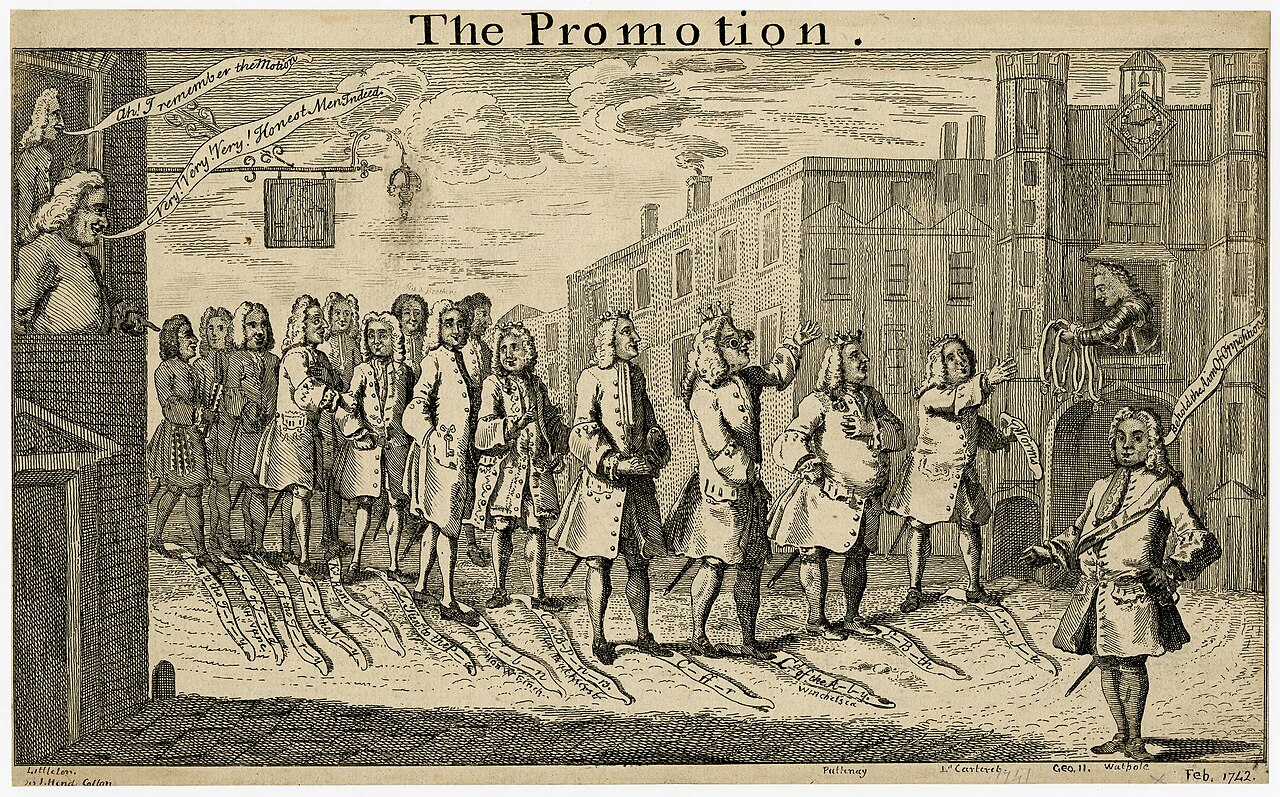 Painting
Primary source
1742
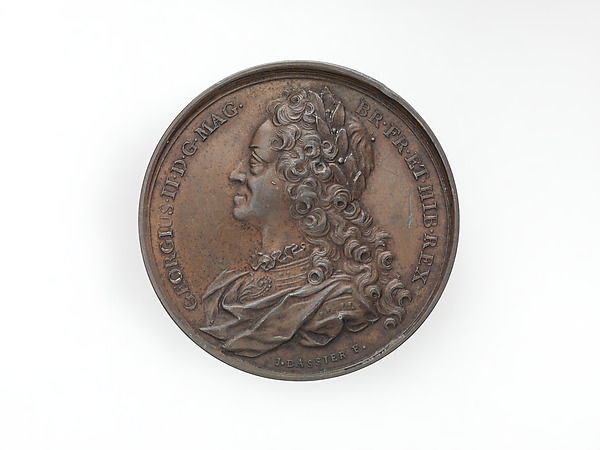 Artifact
Primary source
Jean Dassier · 1731–1732
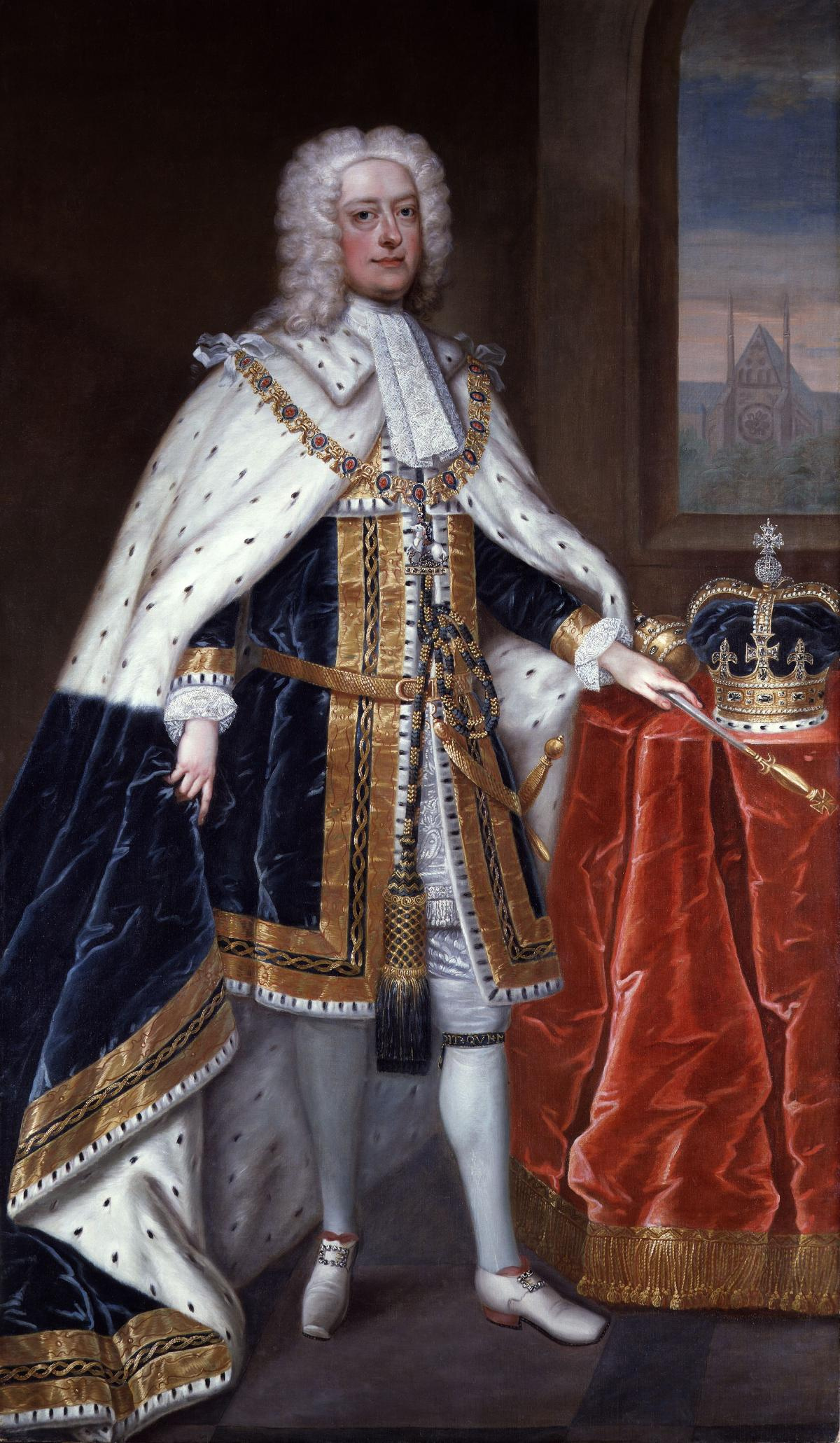 Painting
Primary source
Studio of Charles Jervas · 1727
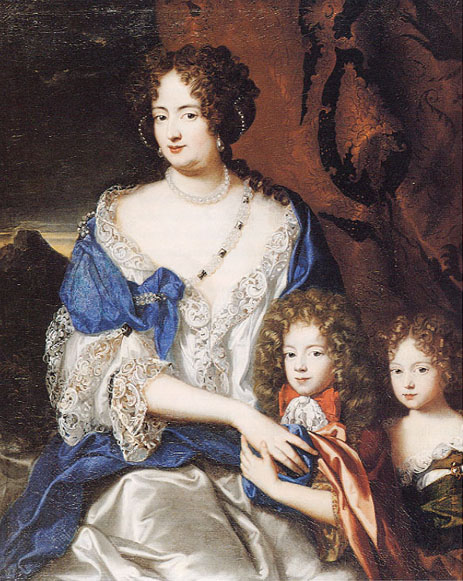 Painting
Primary source
Jacques Vaillant · c. 1690-1691
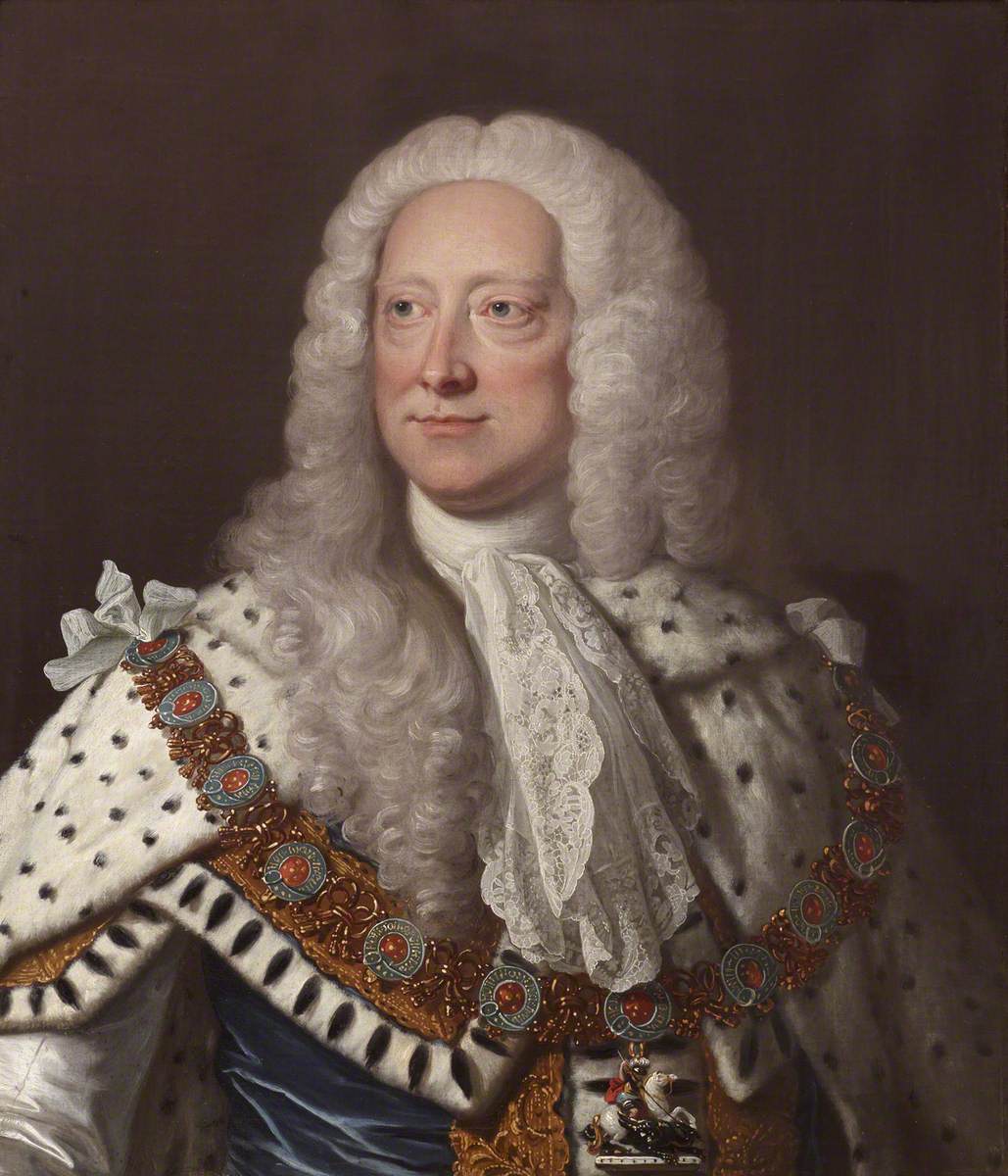 Painting
Primary source
Thomas Hudson · between c. 1744 and c. 1779
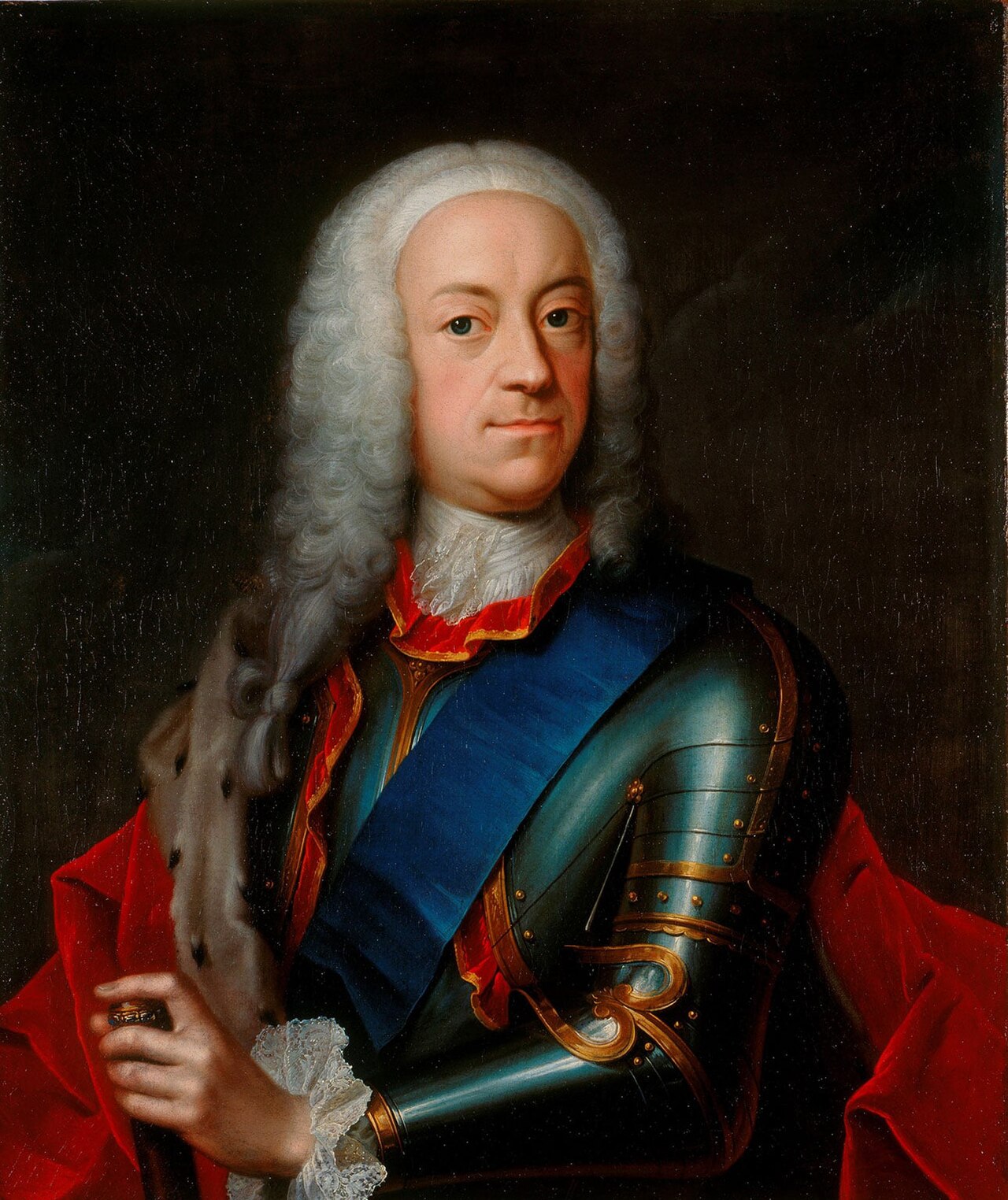 Painting
Primary source
Unknown Person · 1724
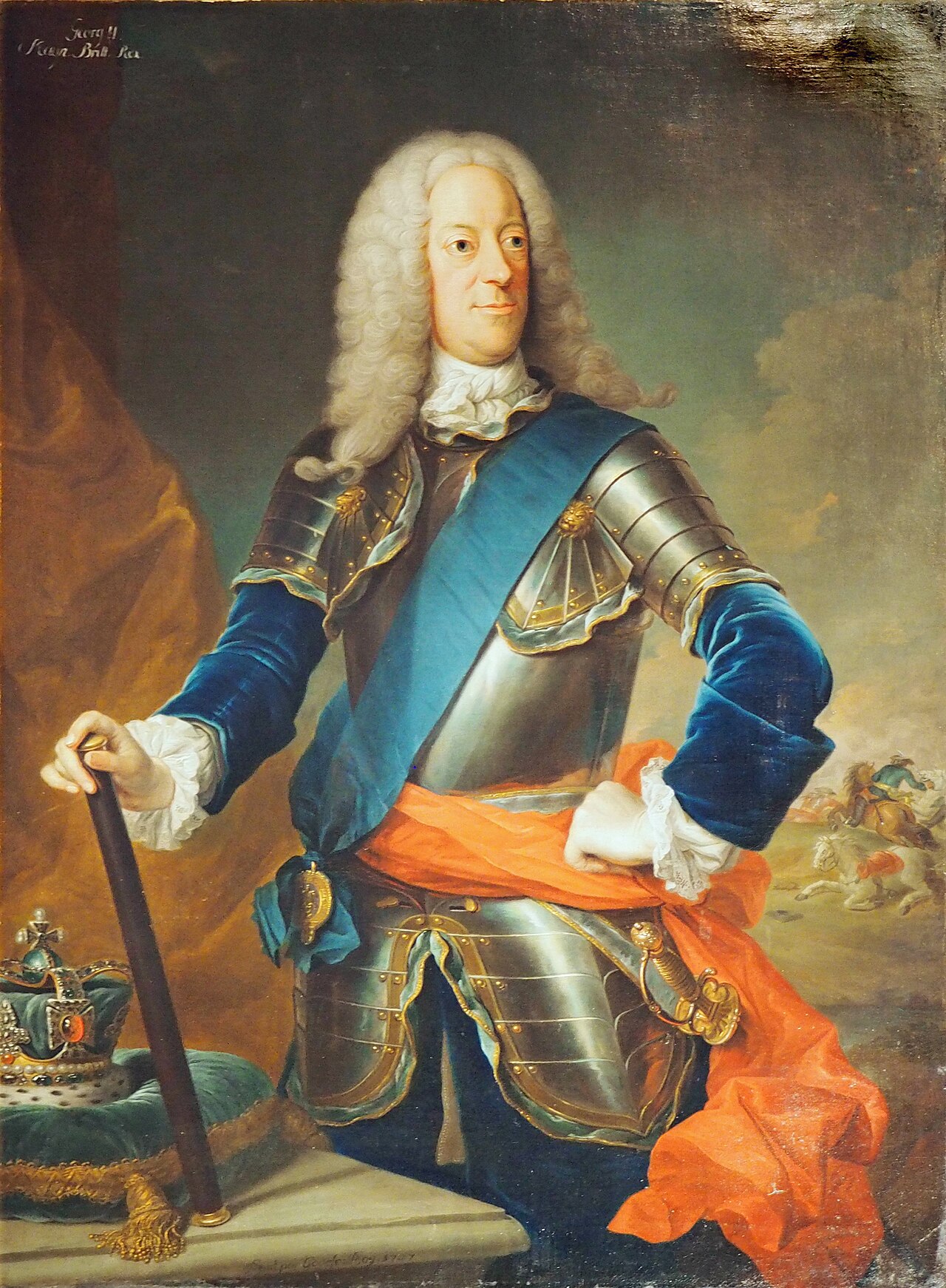 Painting
Primary source
Gottfried Boy · 1747
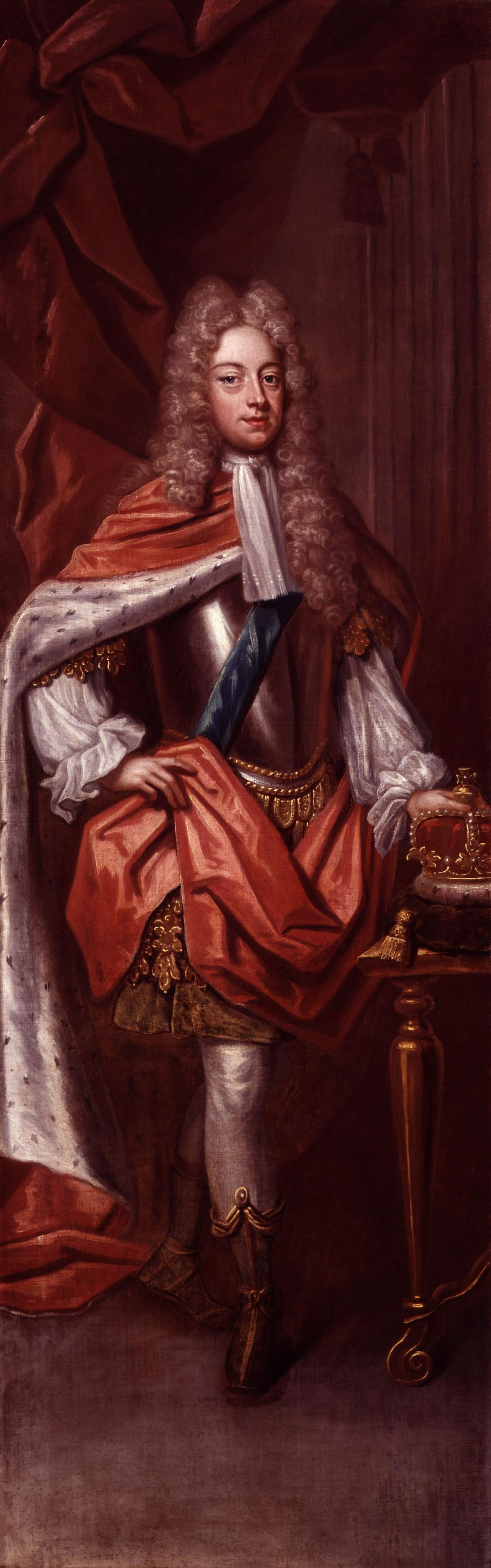 Painting
Primary source
After Sir Godfrey Kneller · 1716
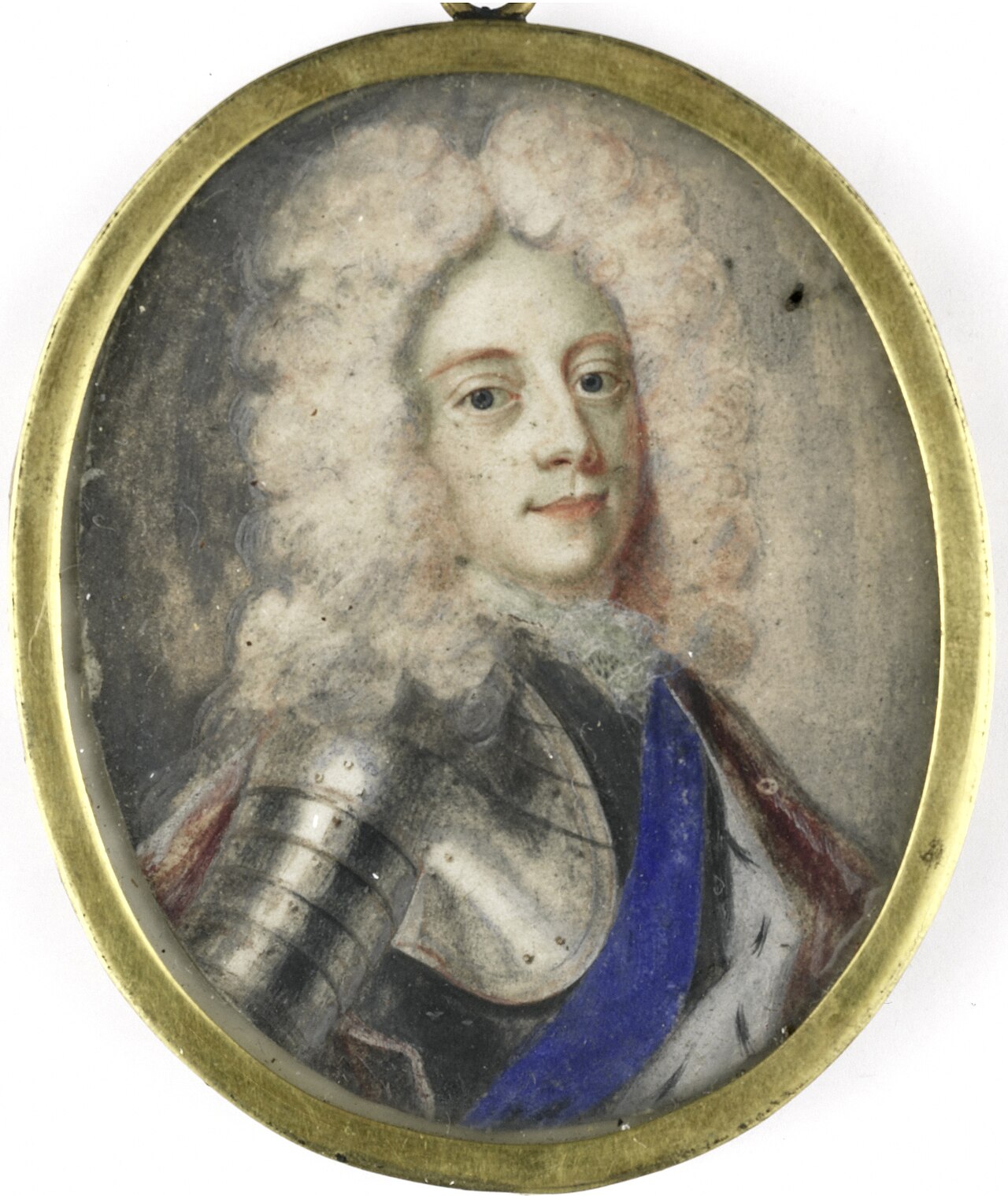 Painting
Primary source
Benoît Arlaud · 1706
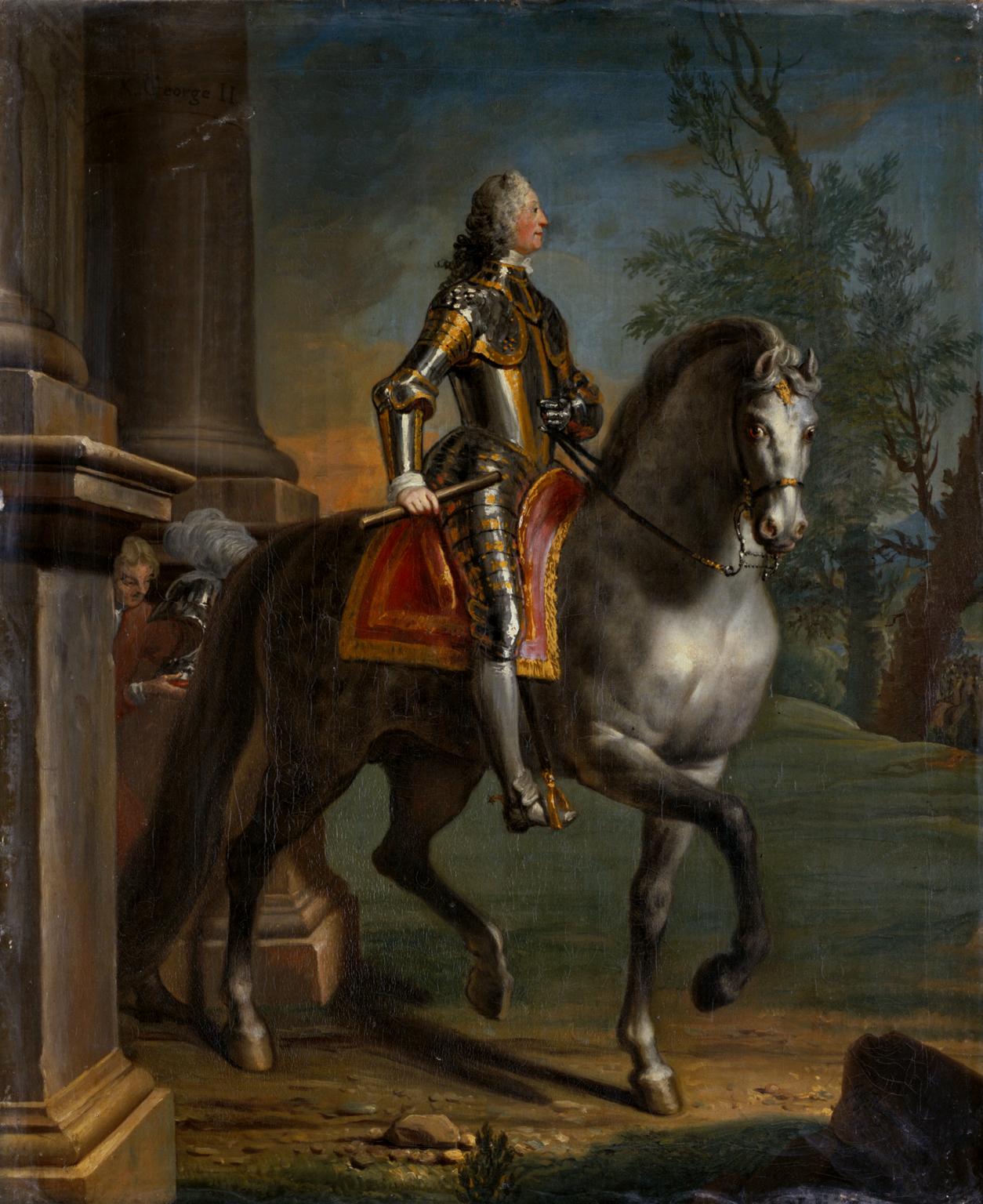 Painting
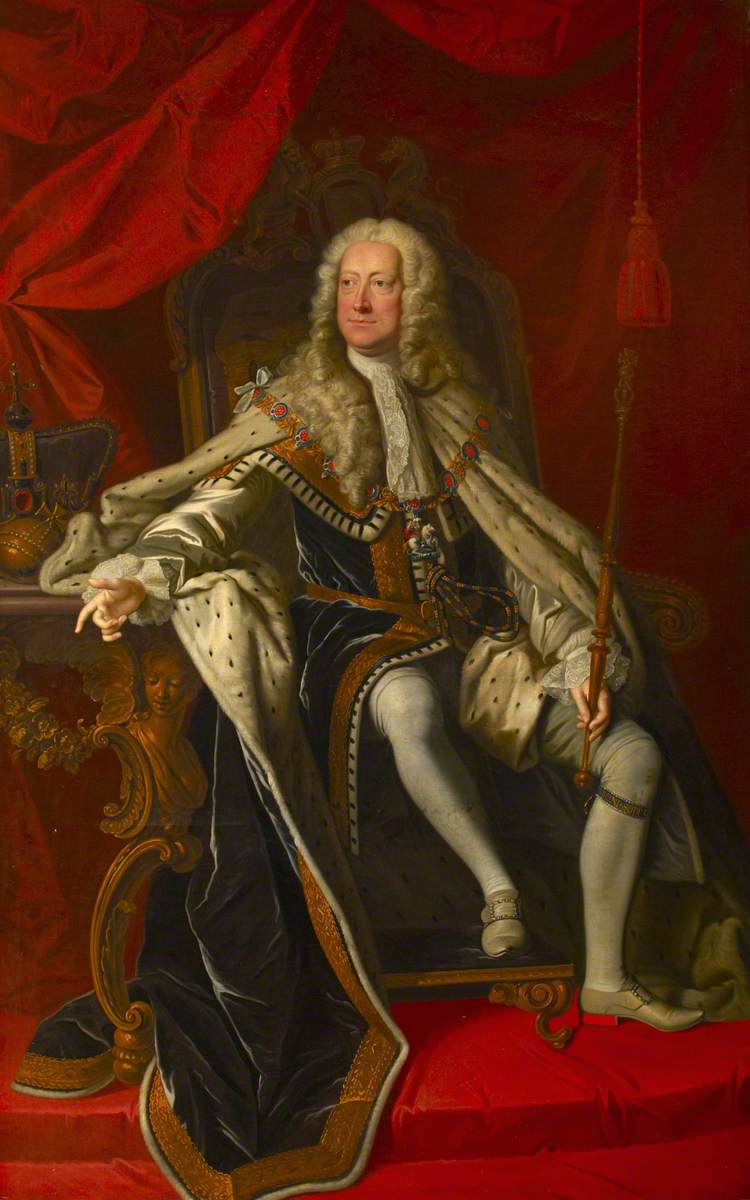
Primary source
Joseph Highmore · between 1743 and 1745
 Painting
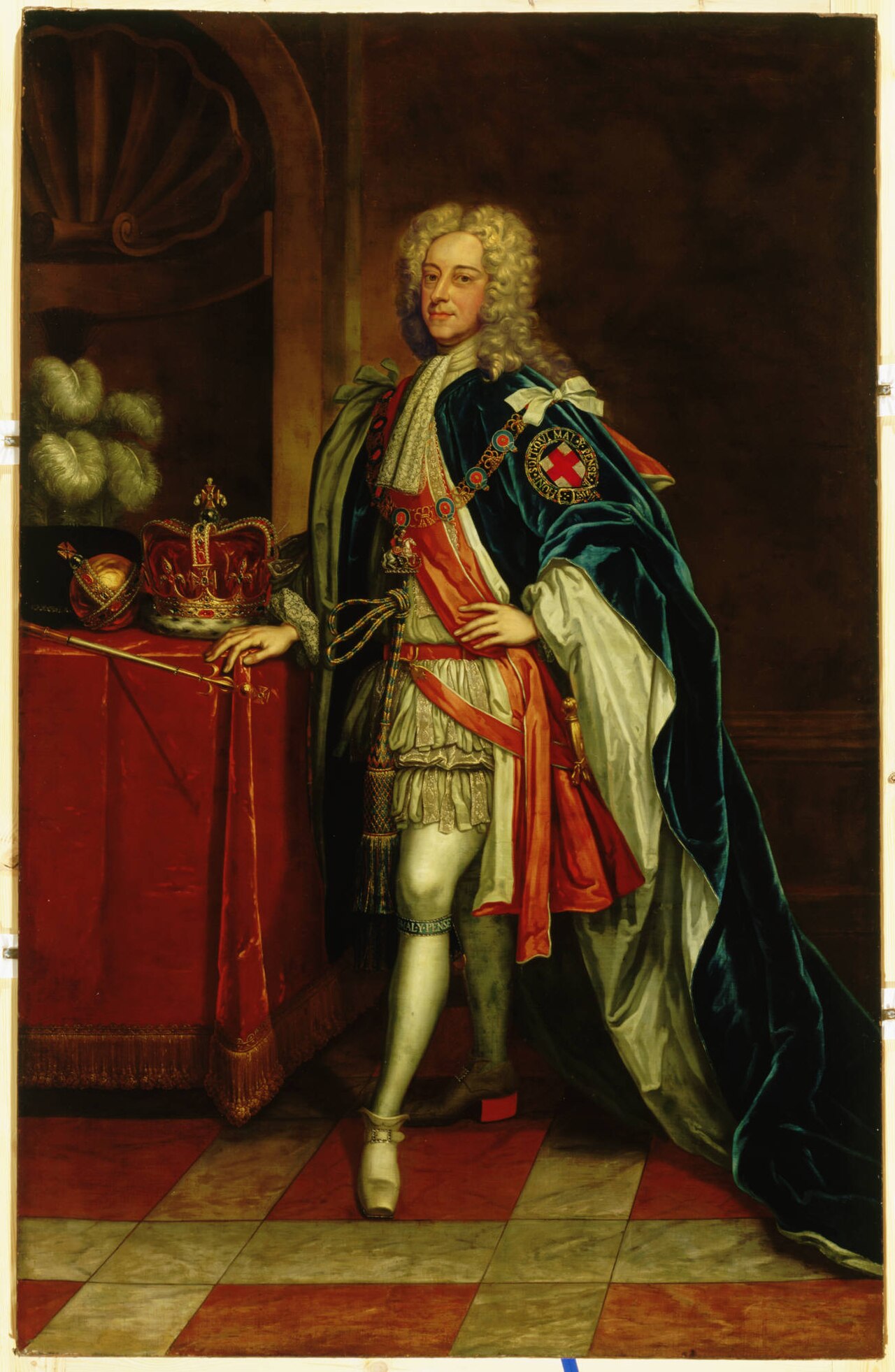
Primary source
Workshop of Thomas Hudson · 1744
 Painting
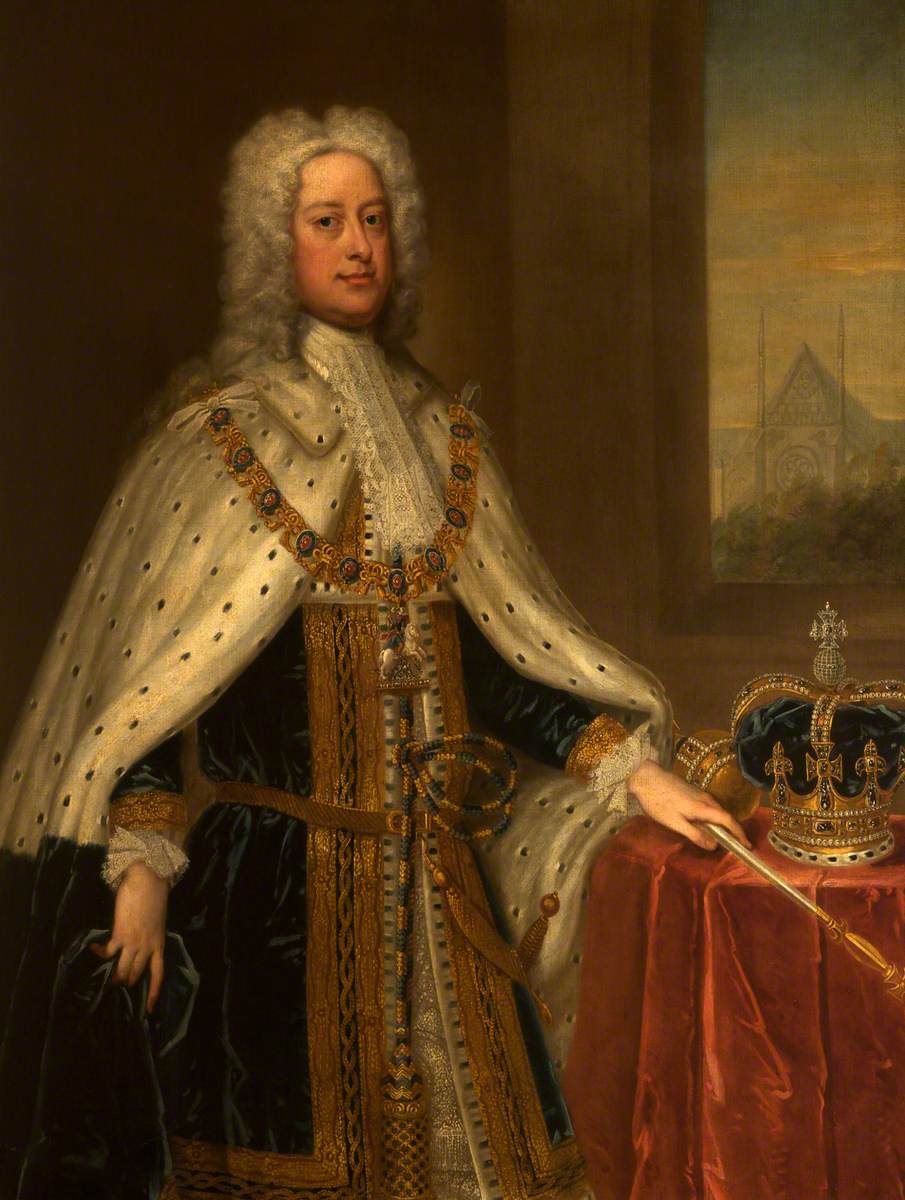
Primary source
Sir Godfrey Kneller (after); copyist unidentified · circa 1727-1732
 Painting
Primary source
1727
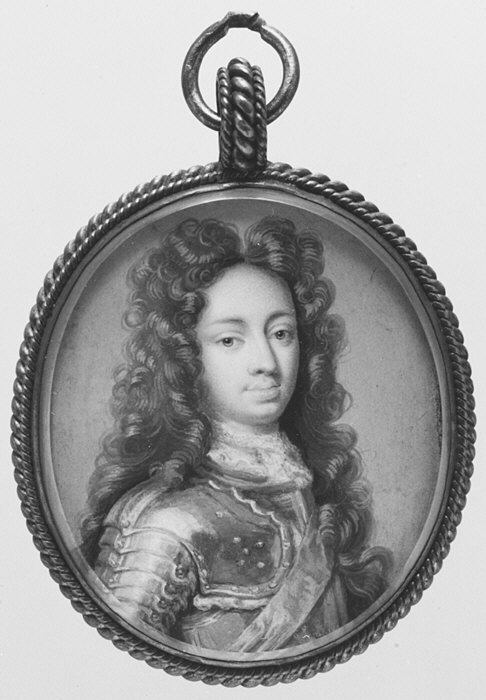 Painting
Primary source
Manner of Benjamin Arlaud · 1706
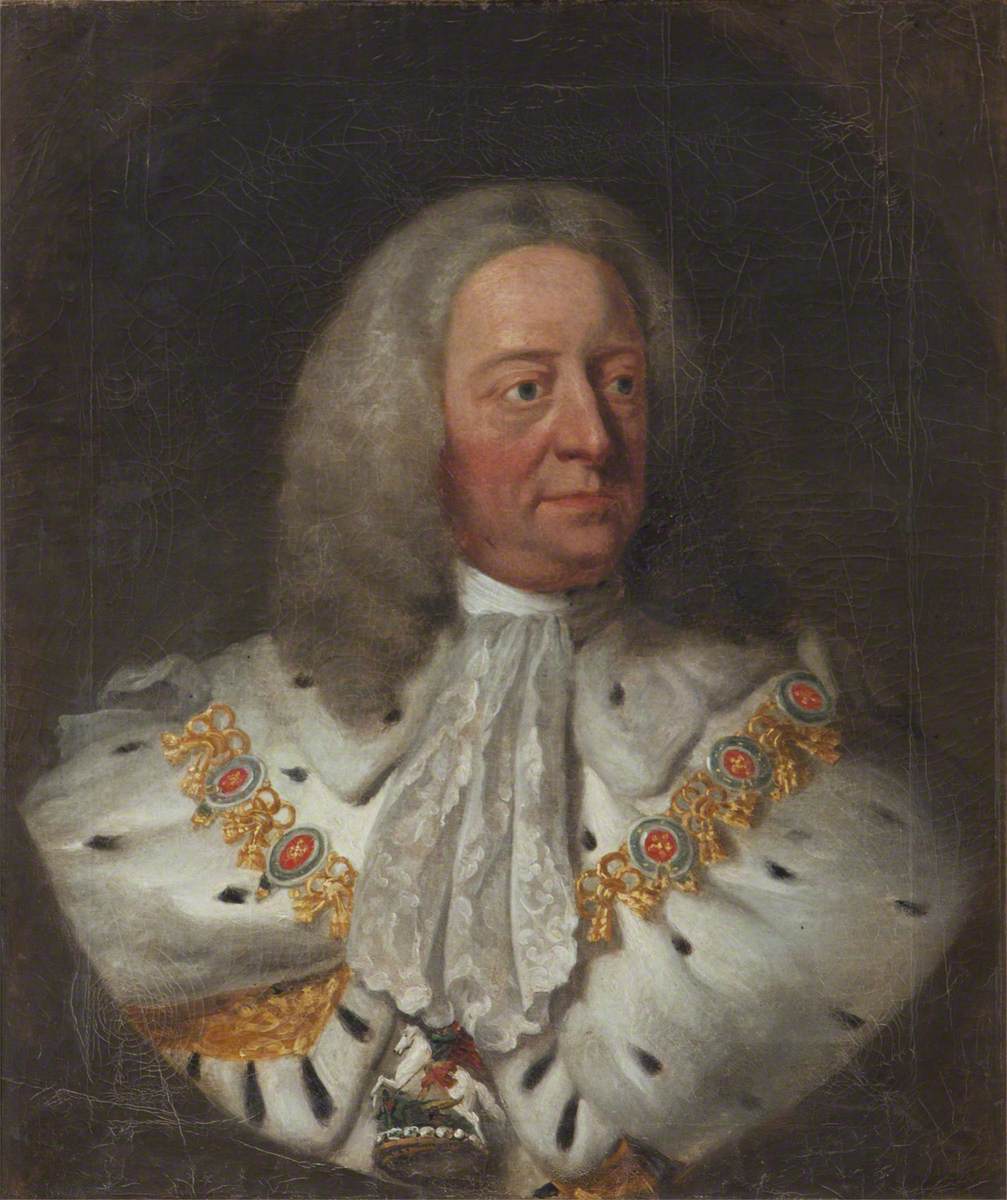 Painting
Primary source
between 1740 and 1760
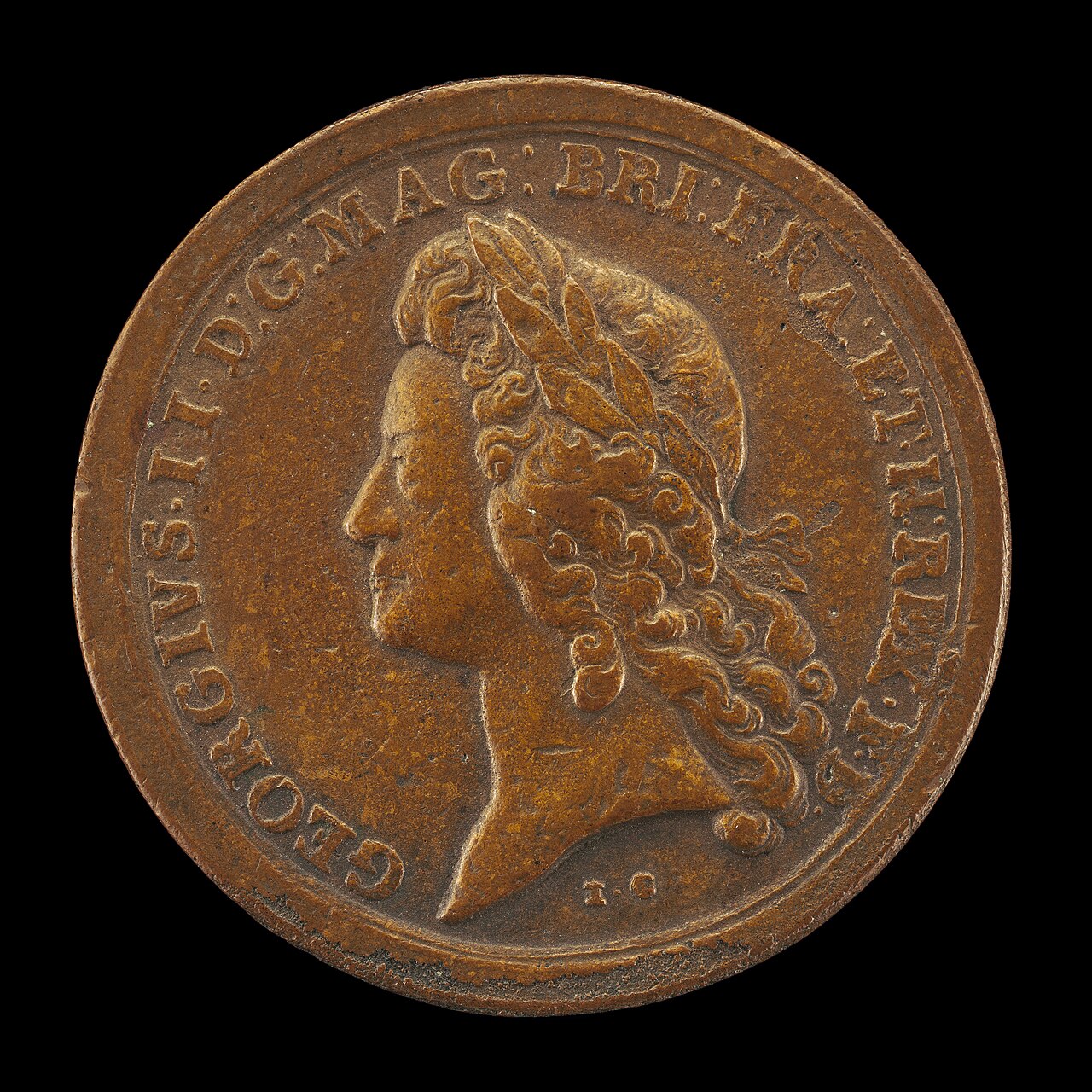 Artifact
Primary source
John Croker · 1731
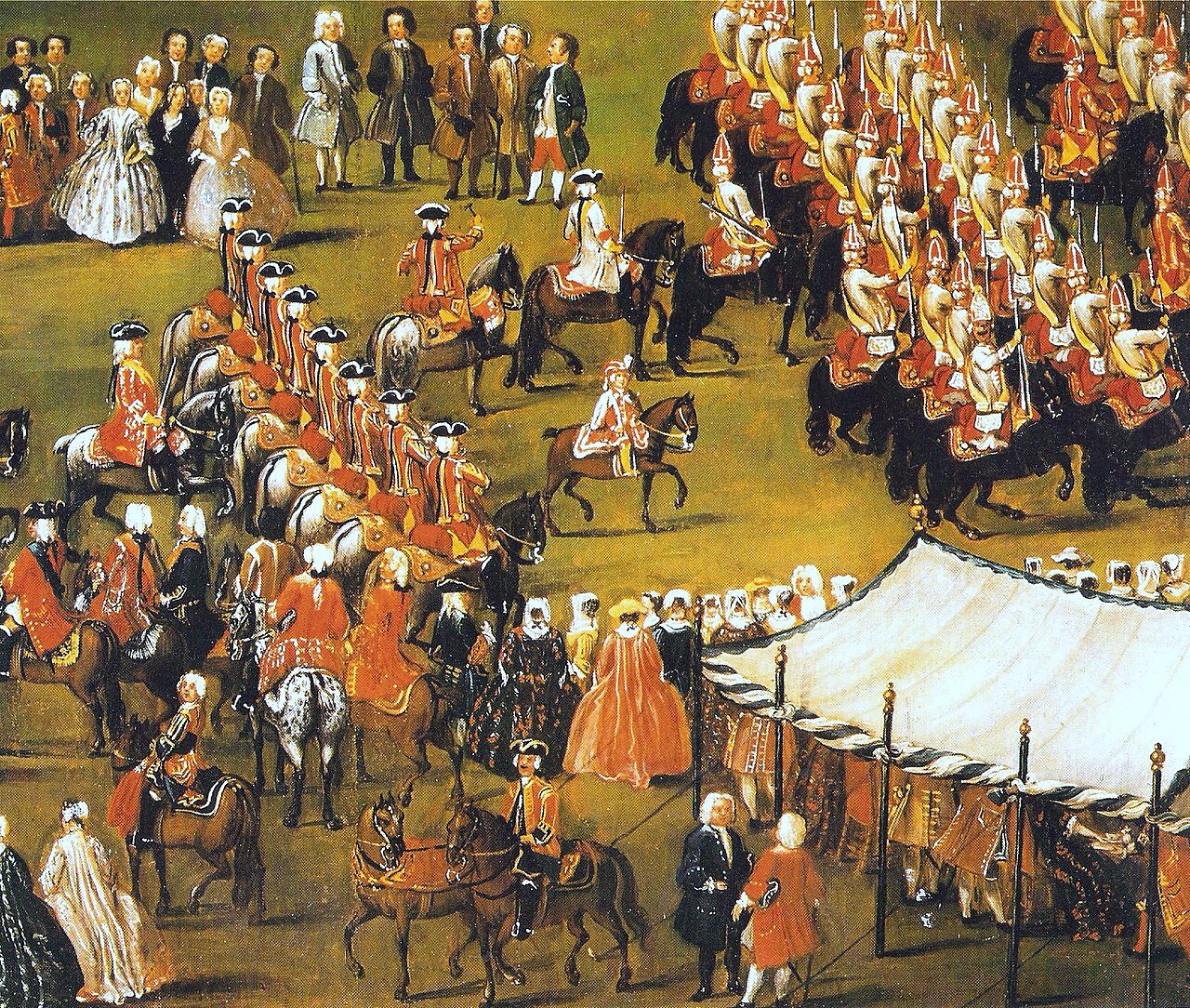 Painting
Primary source
J.F. Lüders · 1738
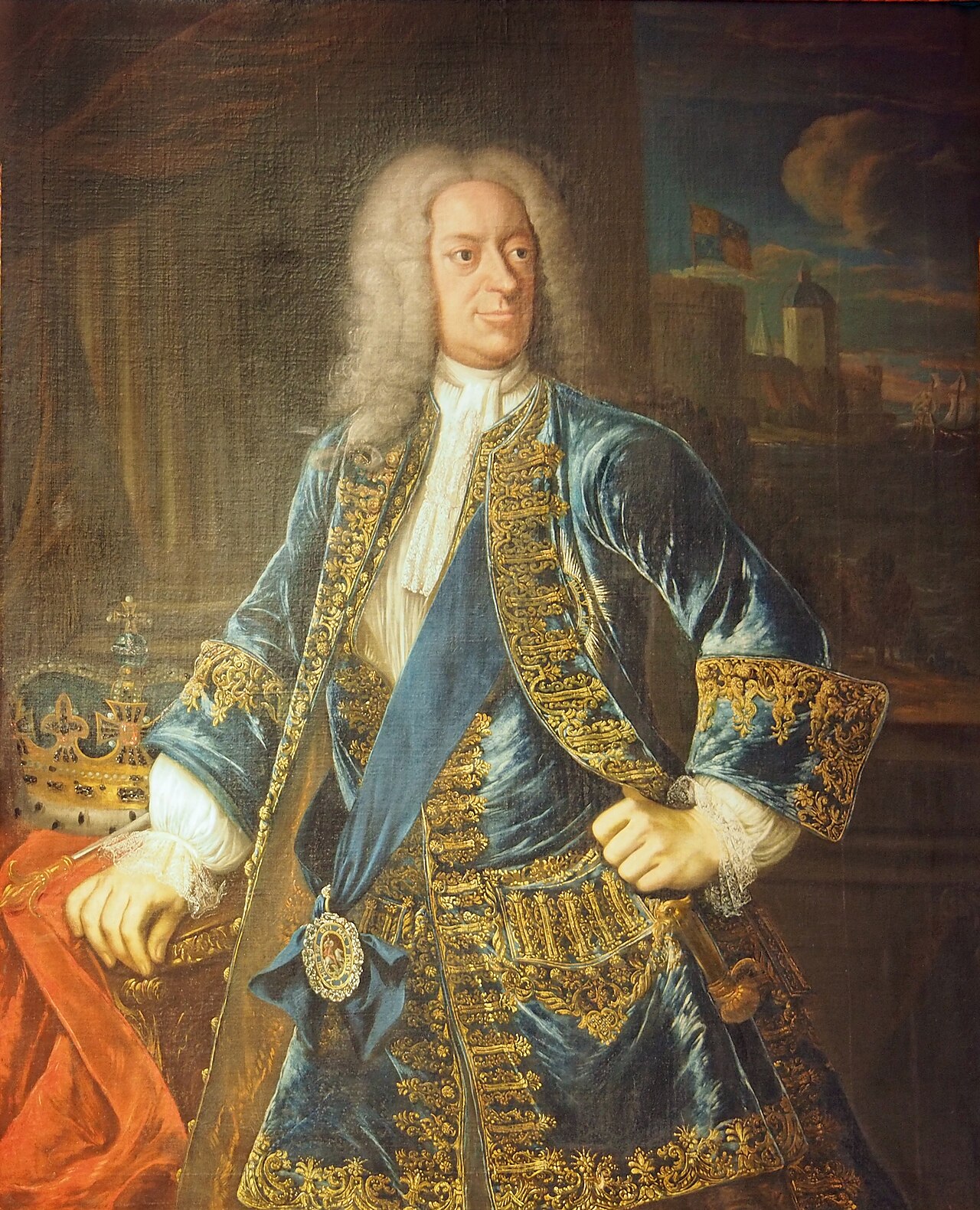 Painting
Primary source
circa 1750
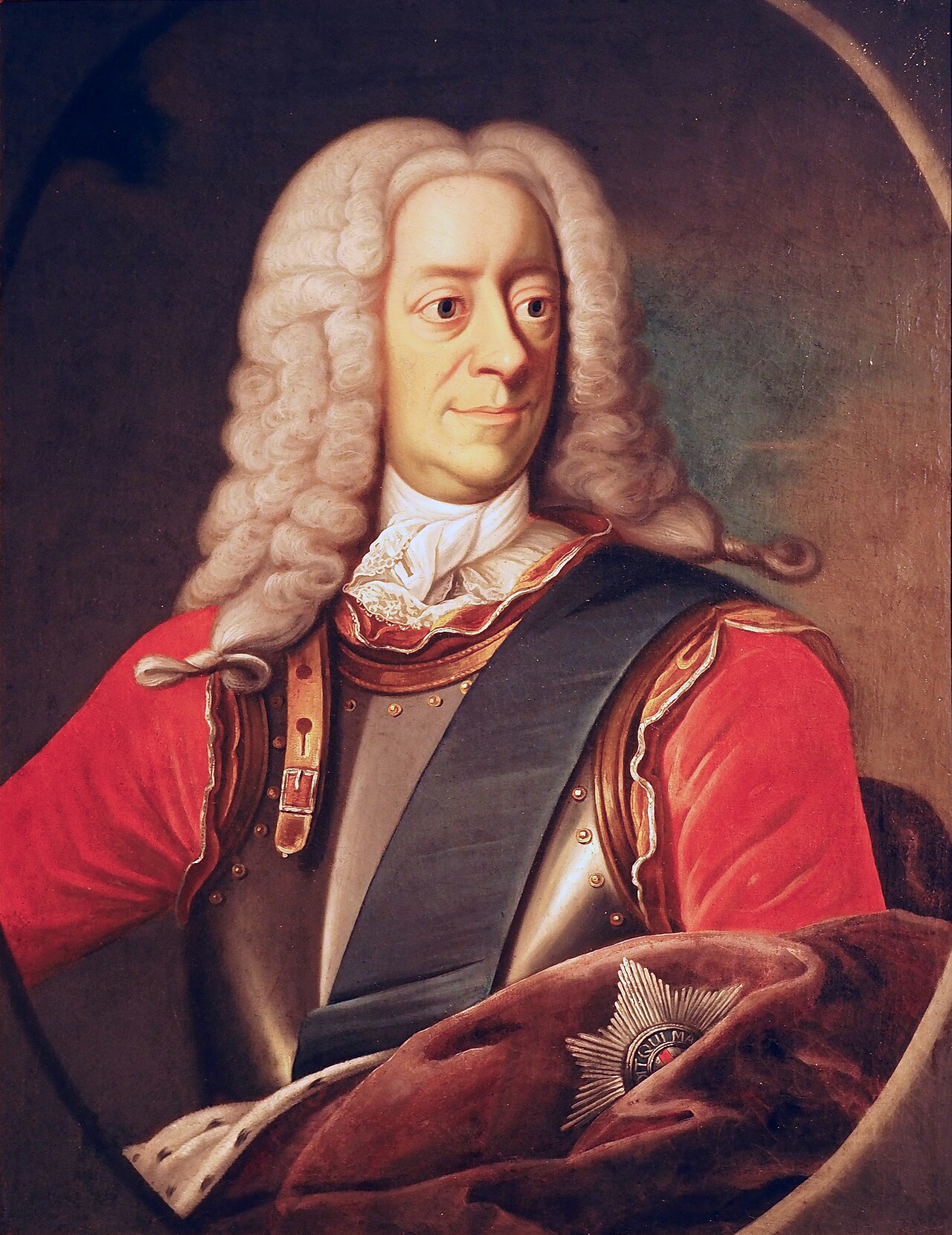 Painting
Primary source
Johann Bernhard Siemerding · circa 1731
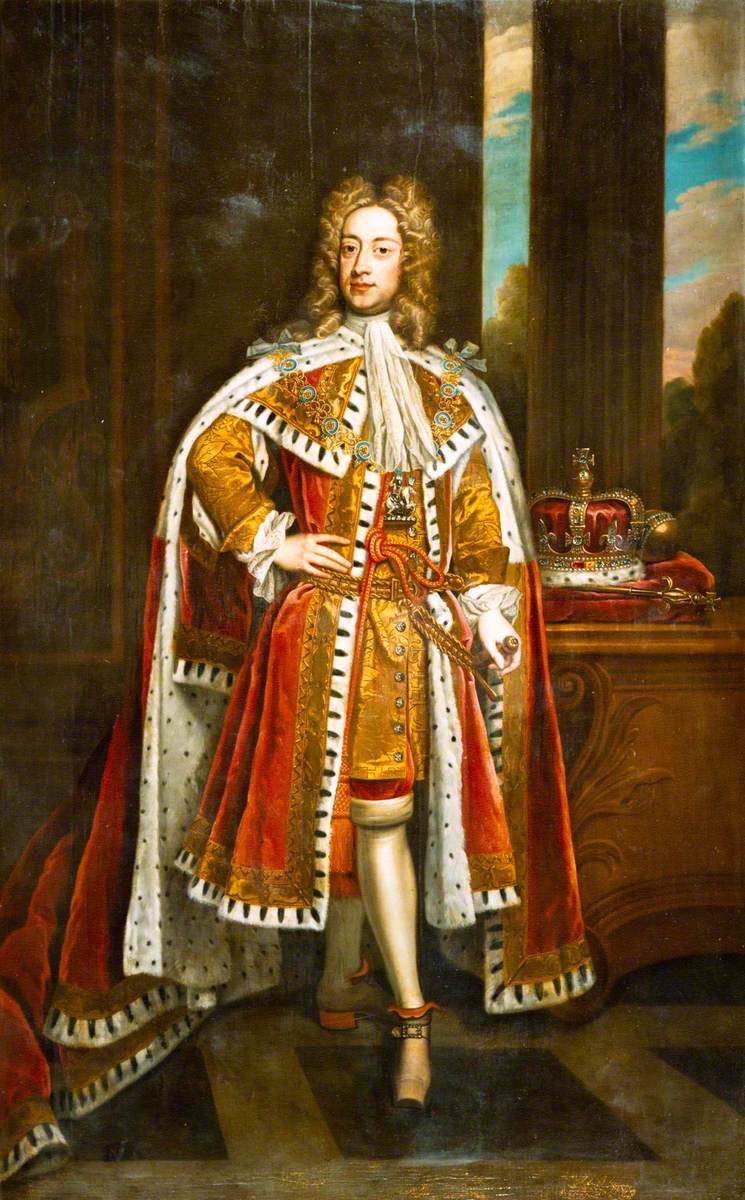 Painting
Primary source
Godfrey Kneller
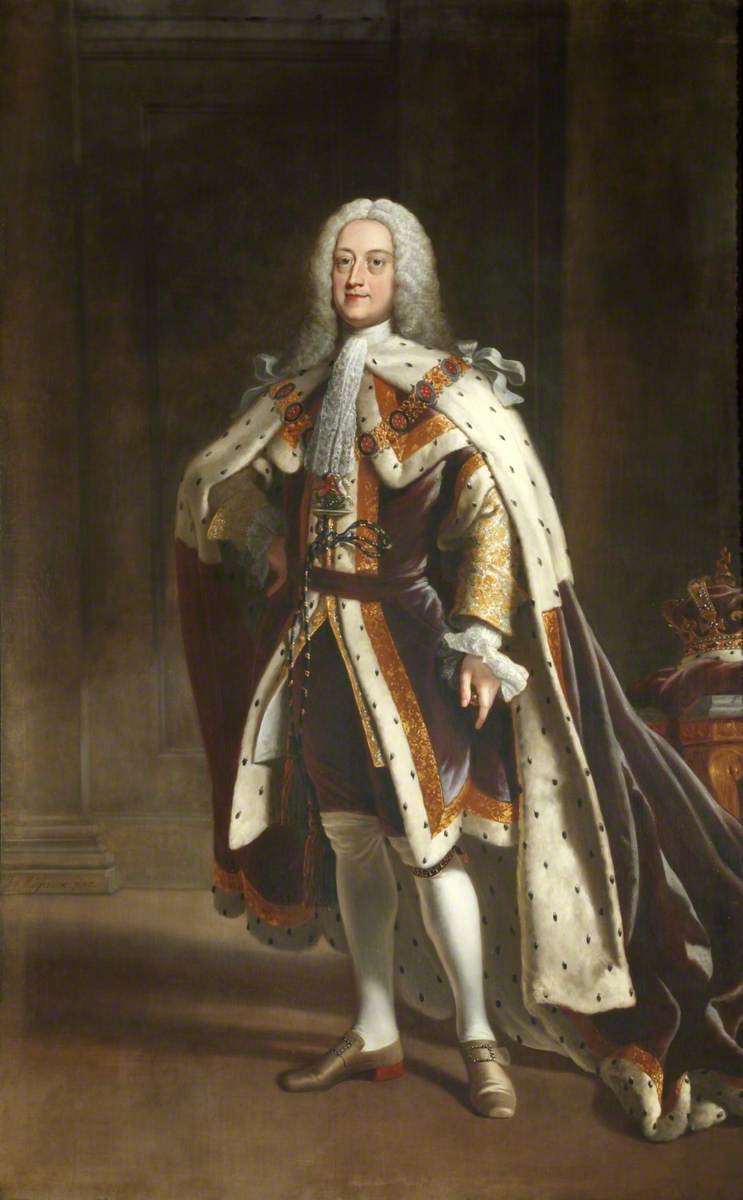 Painting
Primary source
Joseph Highmore
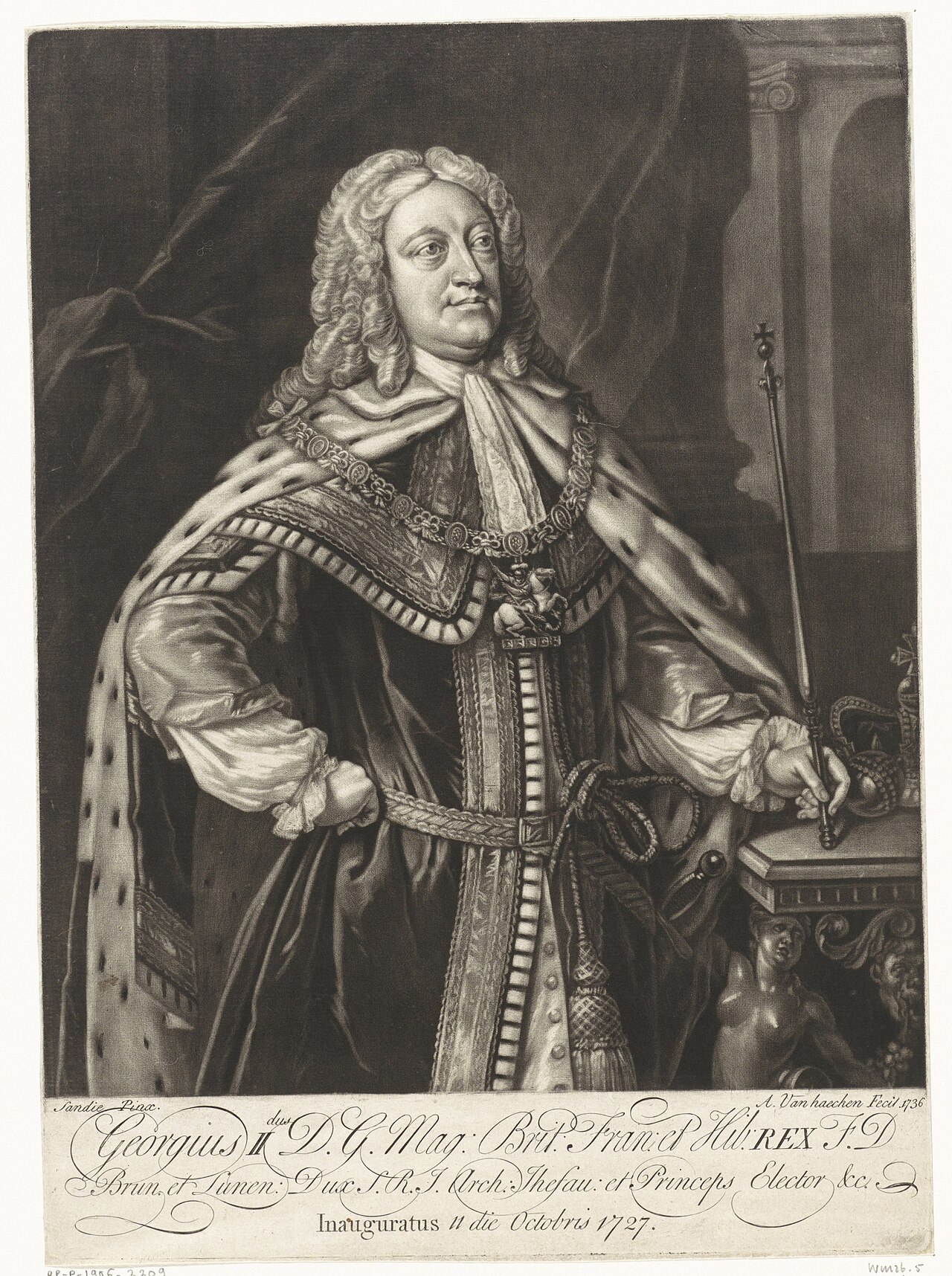 Painting
Primary source
Alexander van Haecken · 1736
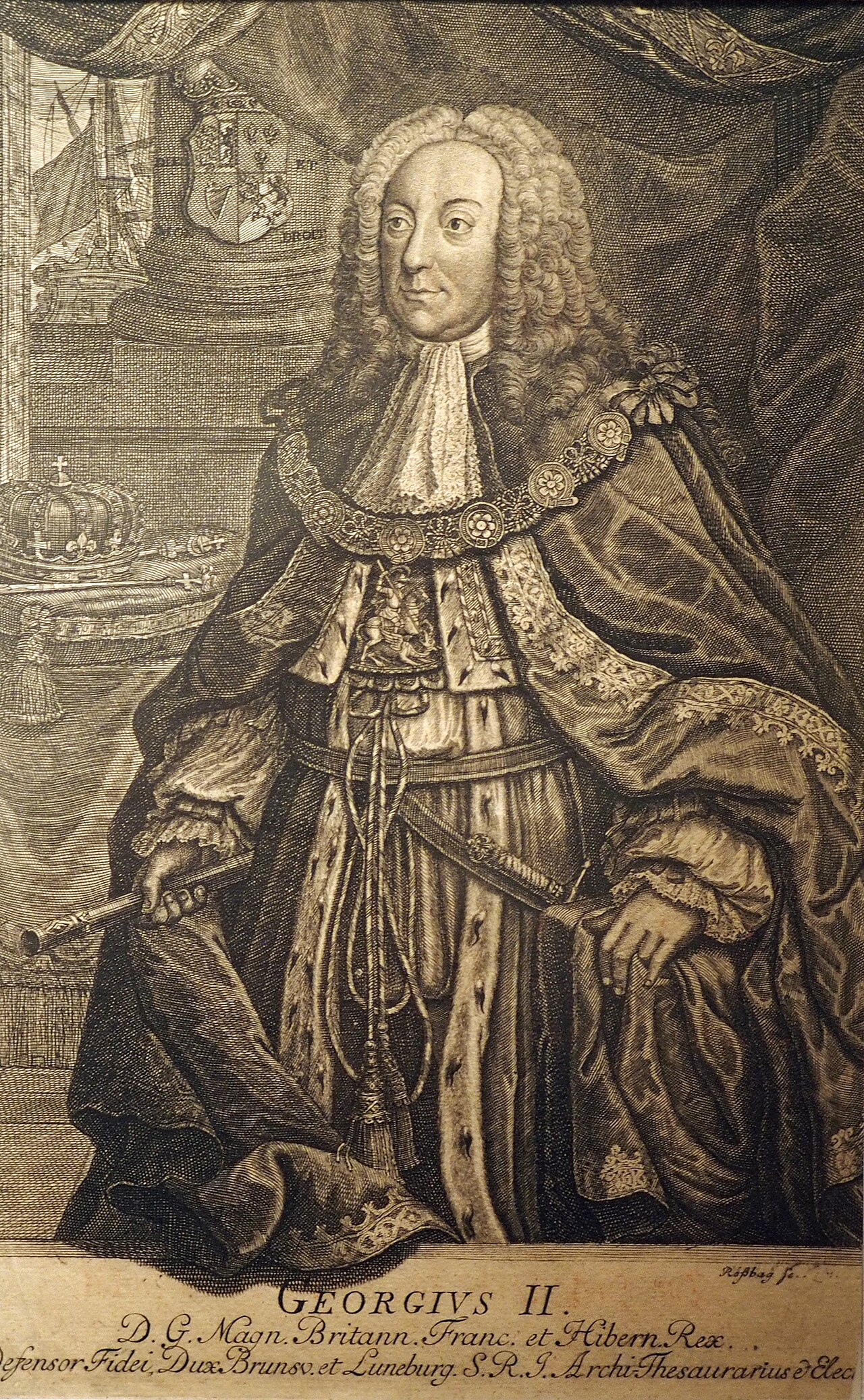 Painting
Primary source
Johann Friedrich Rosbach · after 1727
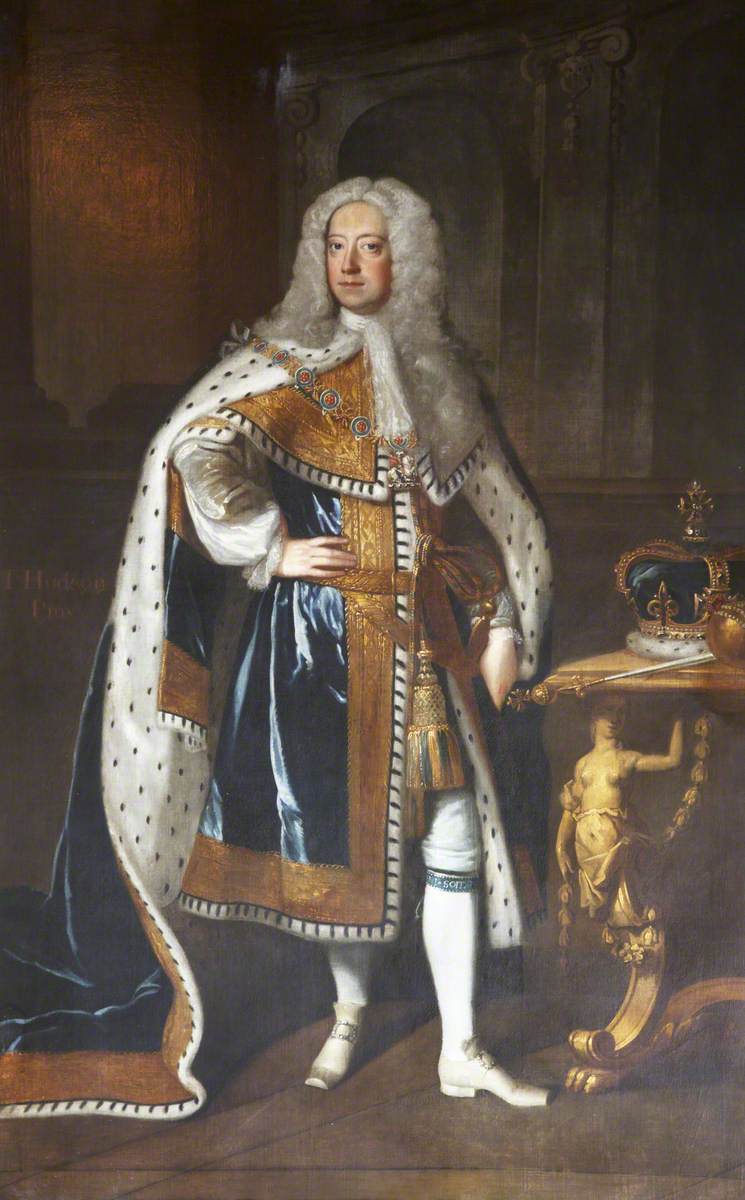 Painting
Primary source
Thomas Hudson
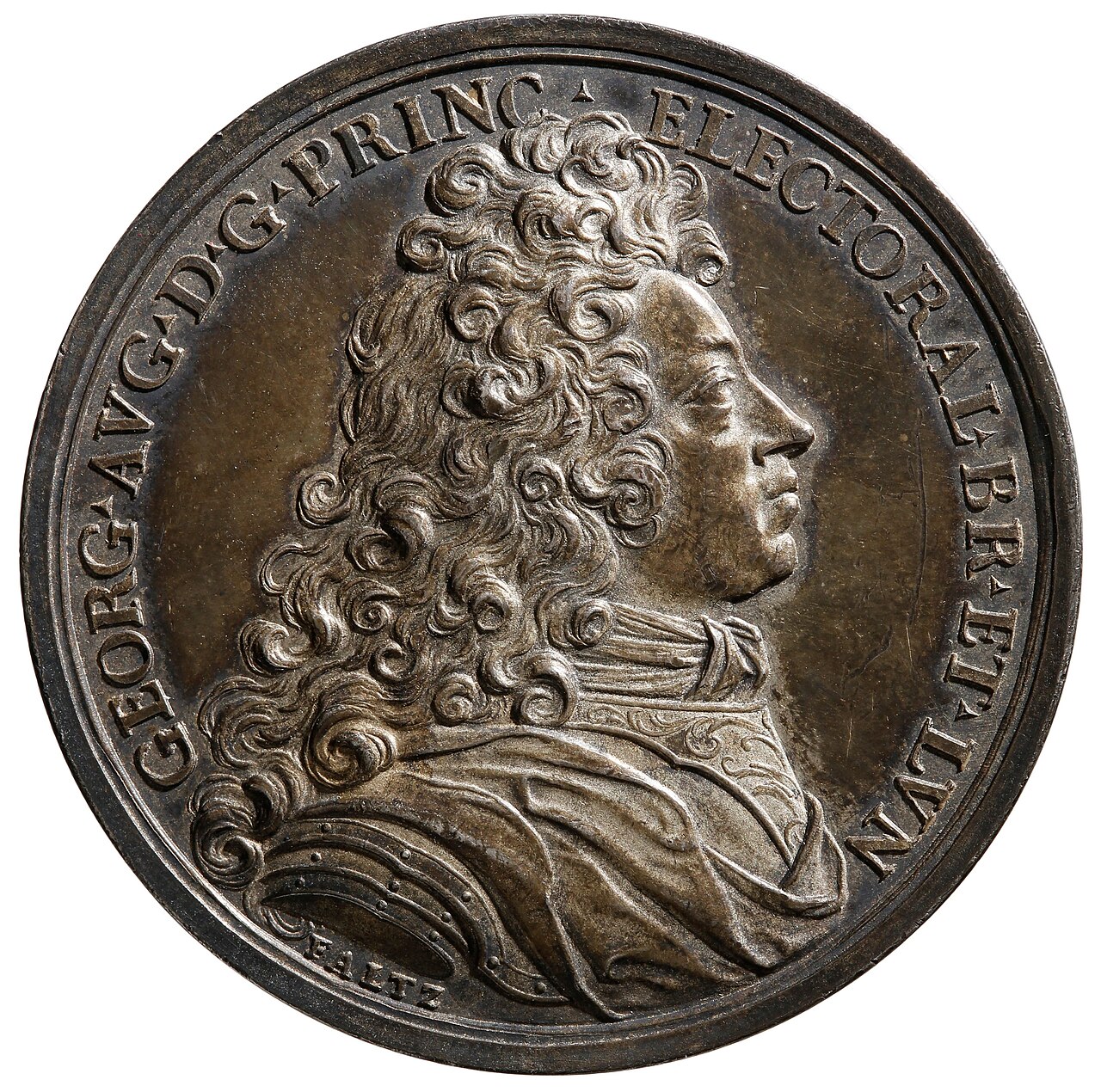 Artifact
Primary source
Raimund Faltz · 1701
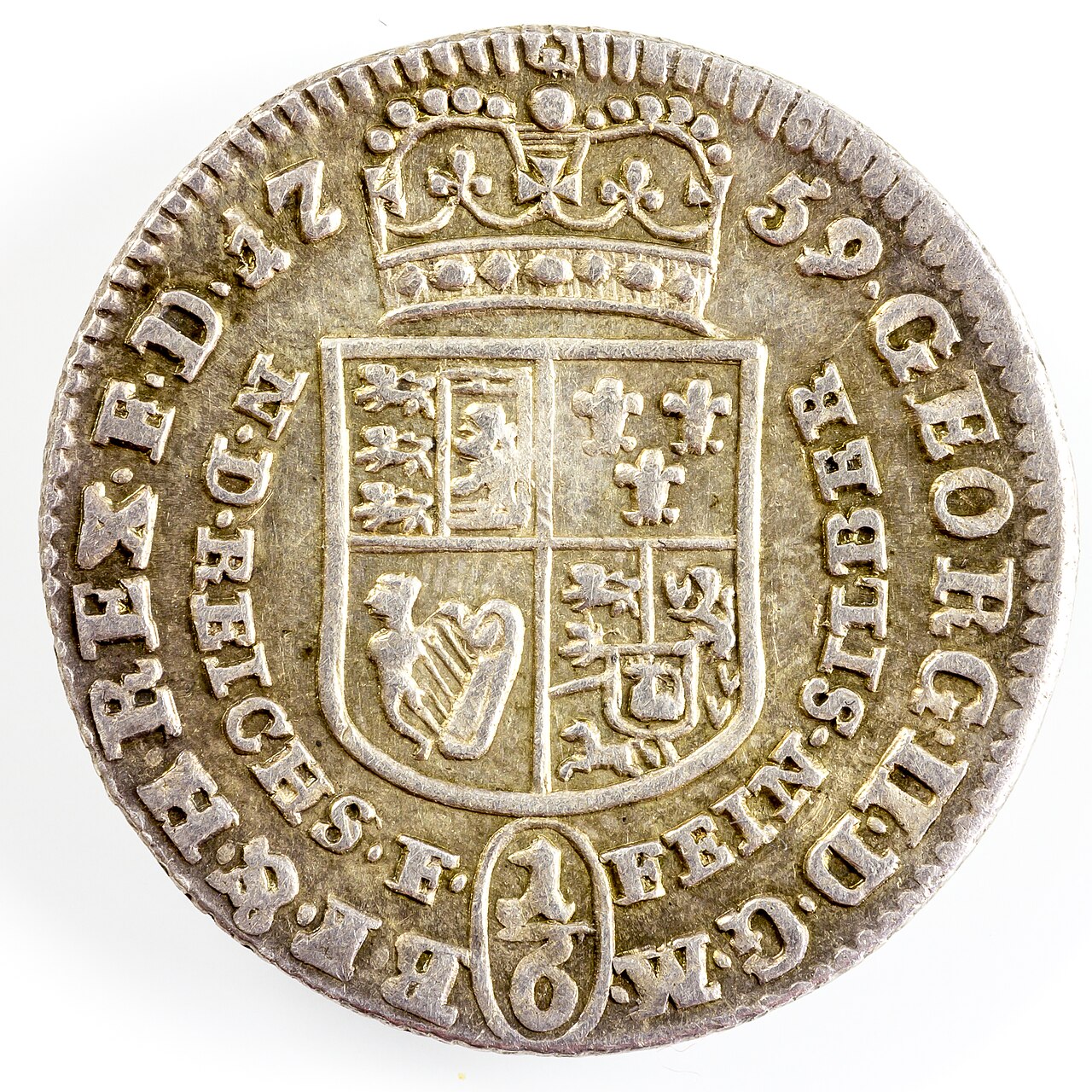 Artifact
Primary source
1759
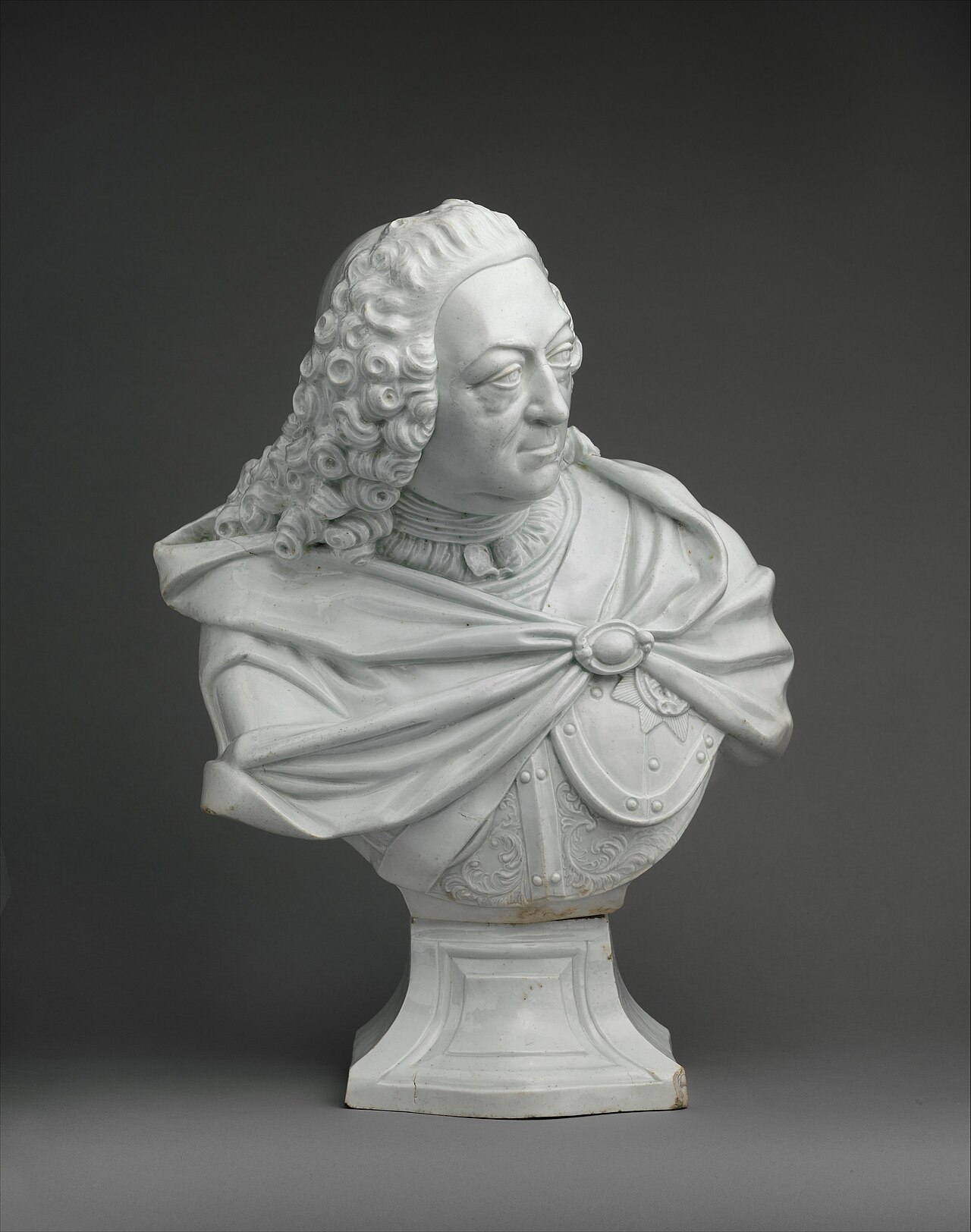 Sculpture
Primary source
Vauxhall (probable maker) · circa 1760
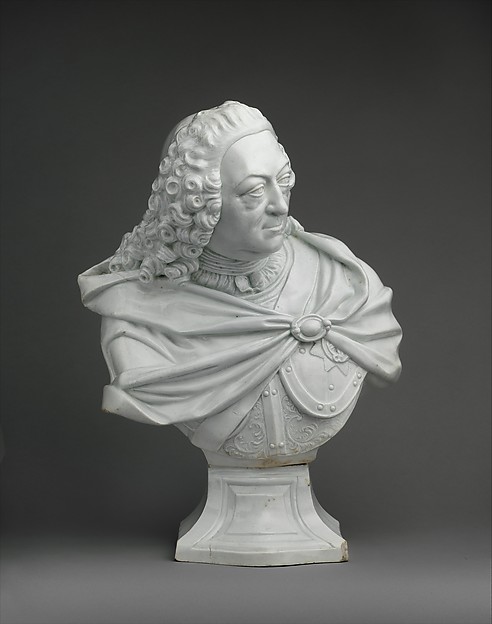 Sculpture
Primary source
Vauxhall · ca. 1760
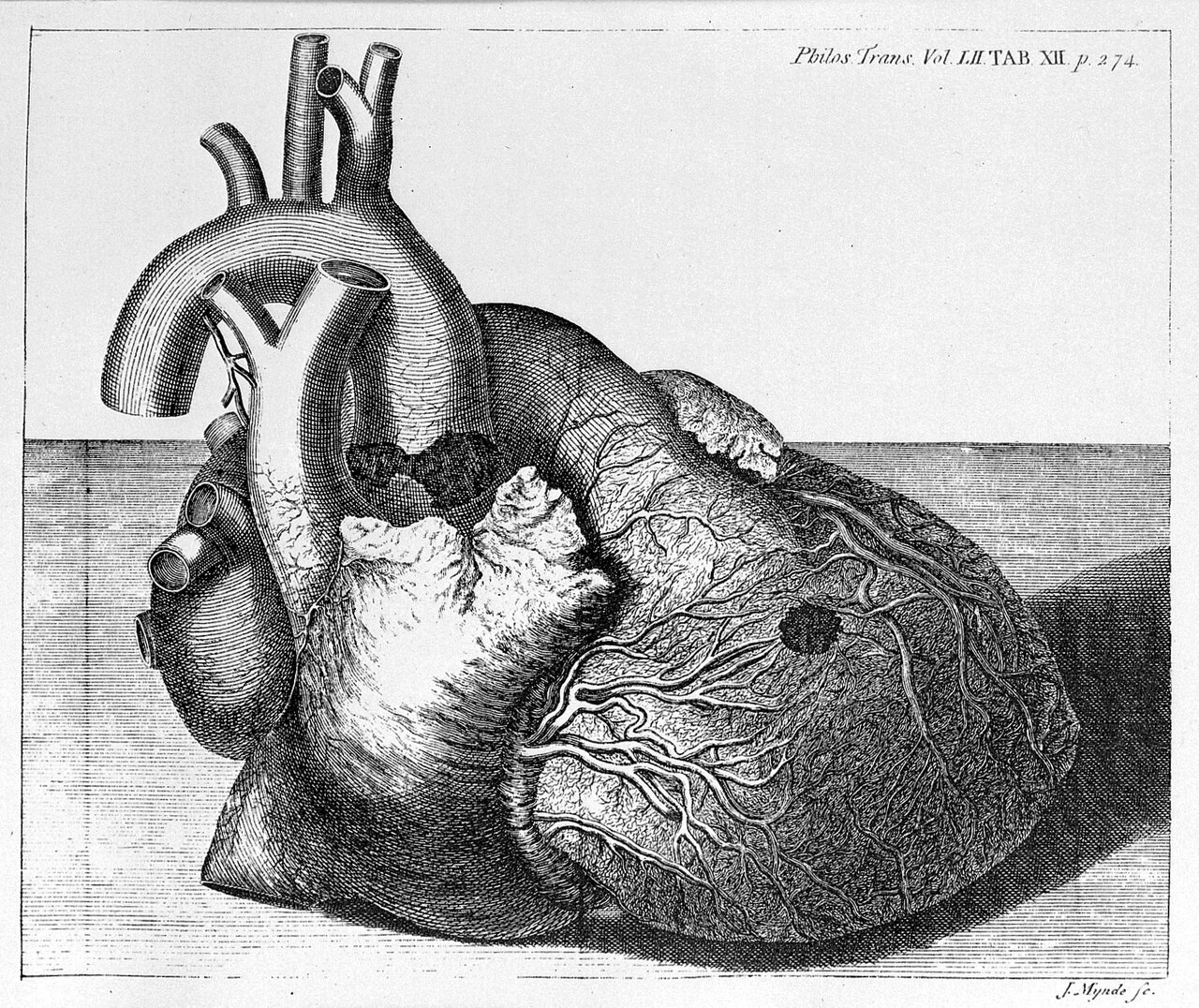 Painting
Primary source
J. Mynde (engraver) · 1761
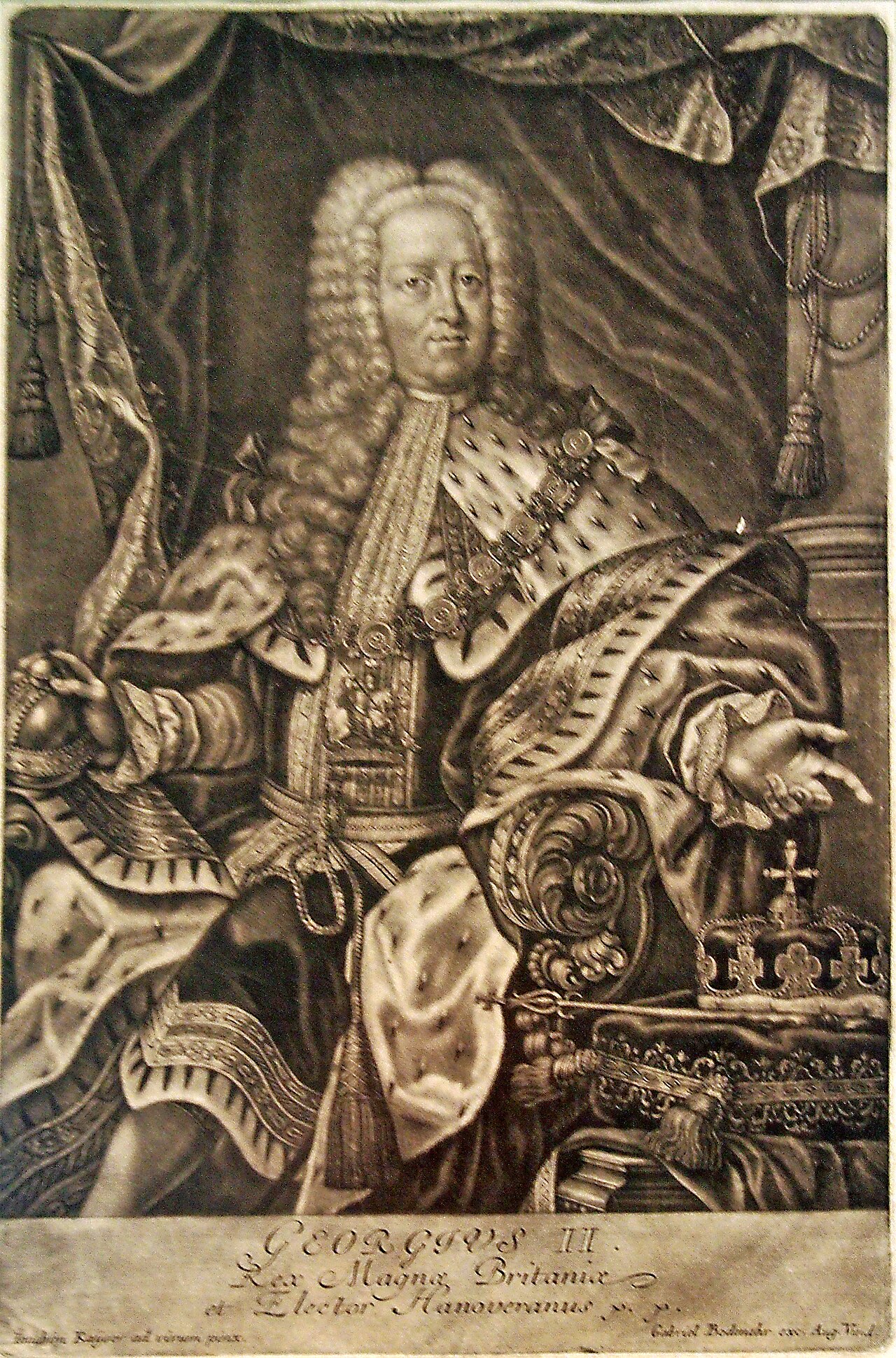 Painting
Primary source
Gabriel Bodenehr the Elder · circa 1745
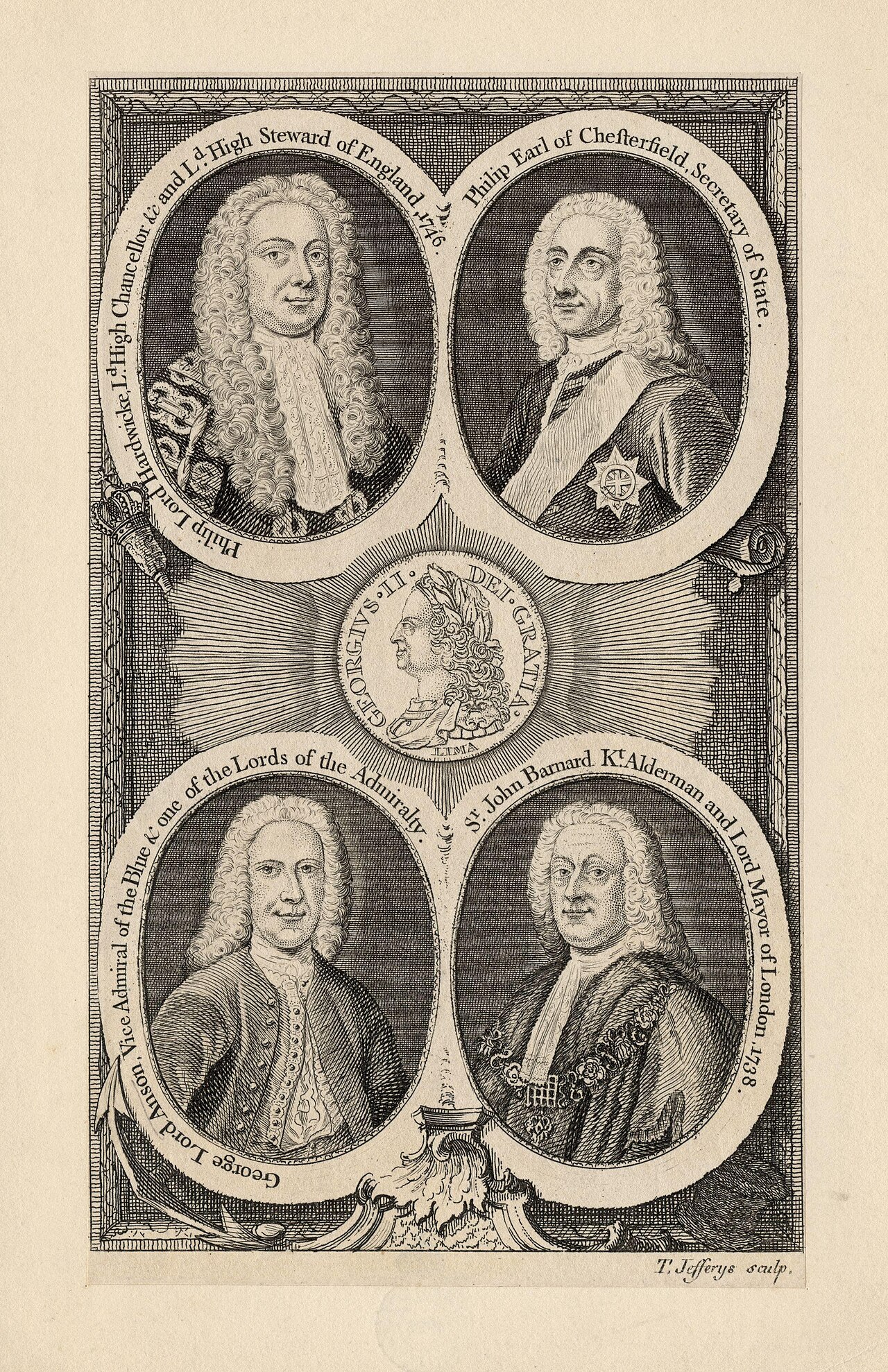 Painting
Secondary source
Thomas Jefferys (floruit 1759), after unknown artists · Unknown date, probably circa 1746-1760
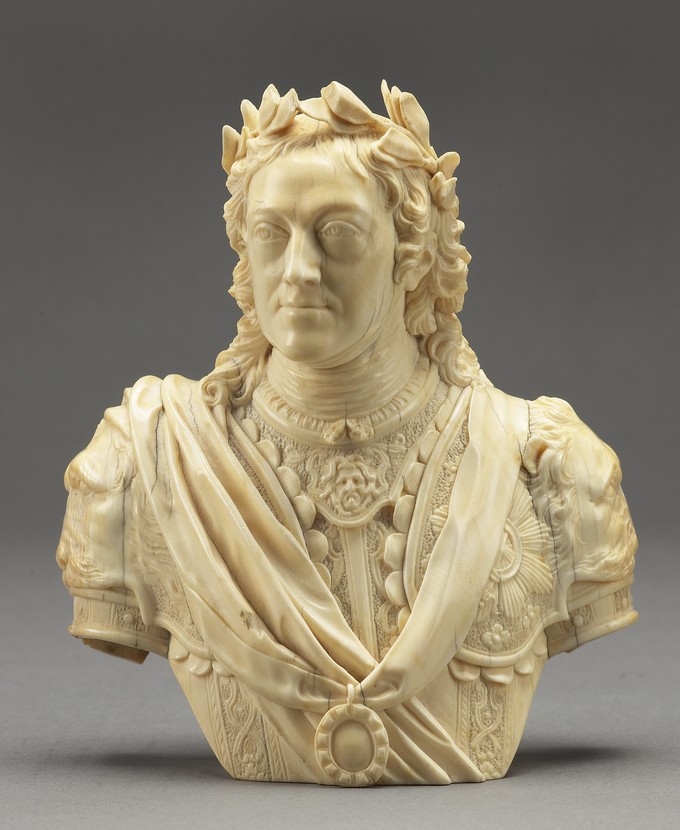 Sculpture
Secondary source
Gaspar van der Hagen (attributed) · between 1740 and 1769
 Book
Secondary source
Margaret Oliphant
 Book
Secondary source
Margaret Oliphant
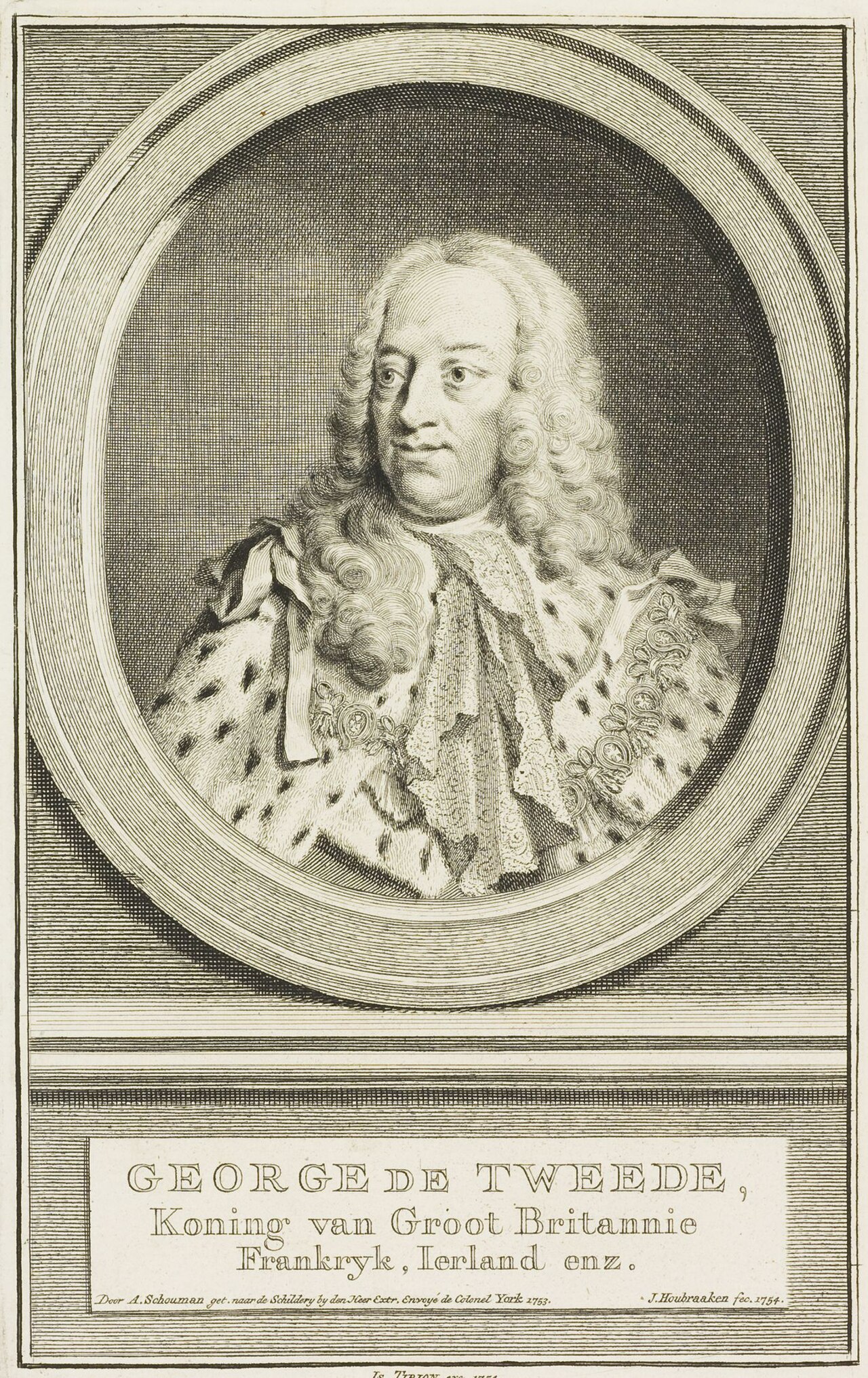 Painting
Secondary source
Aert Schouman · 1754
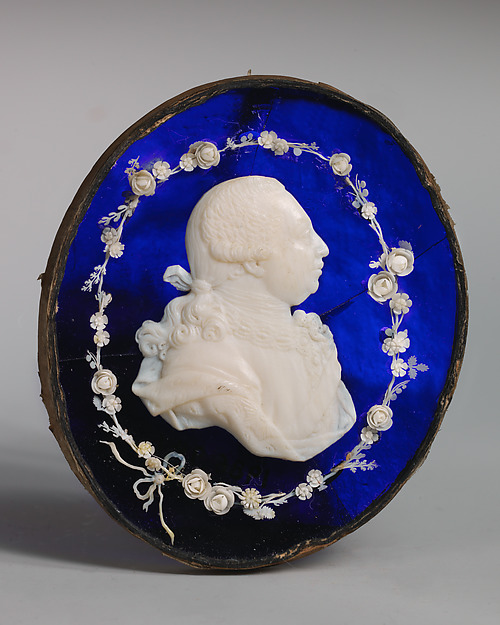 Artifact
Secondary source
ca. 1765
 Book
Secondary source
Mrs. A. T. Thomson · 1847
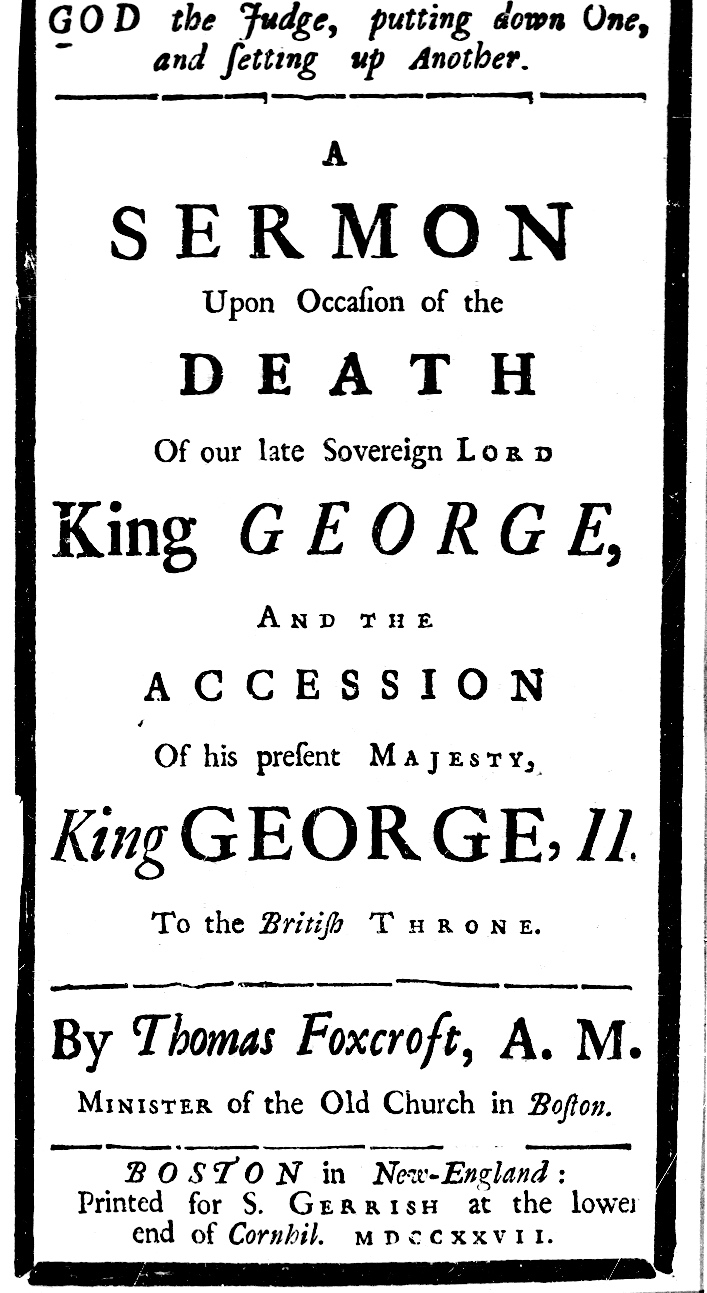 Document
Primary source
Thomas Foxcroft · 1727
Primary source
George II of Great Britain · 2. August 1732
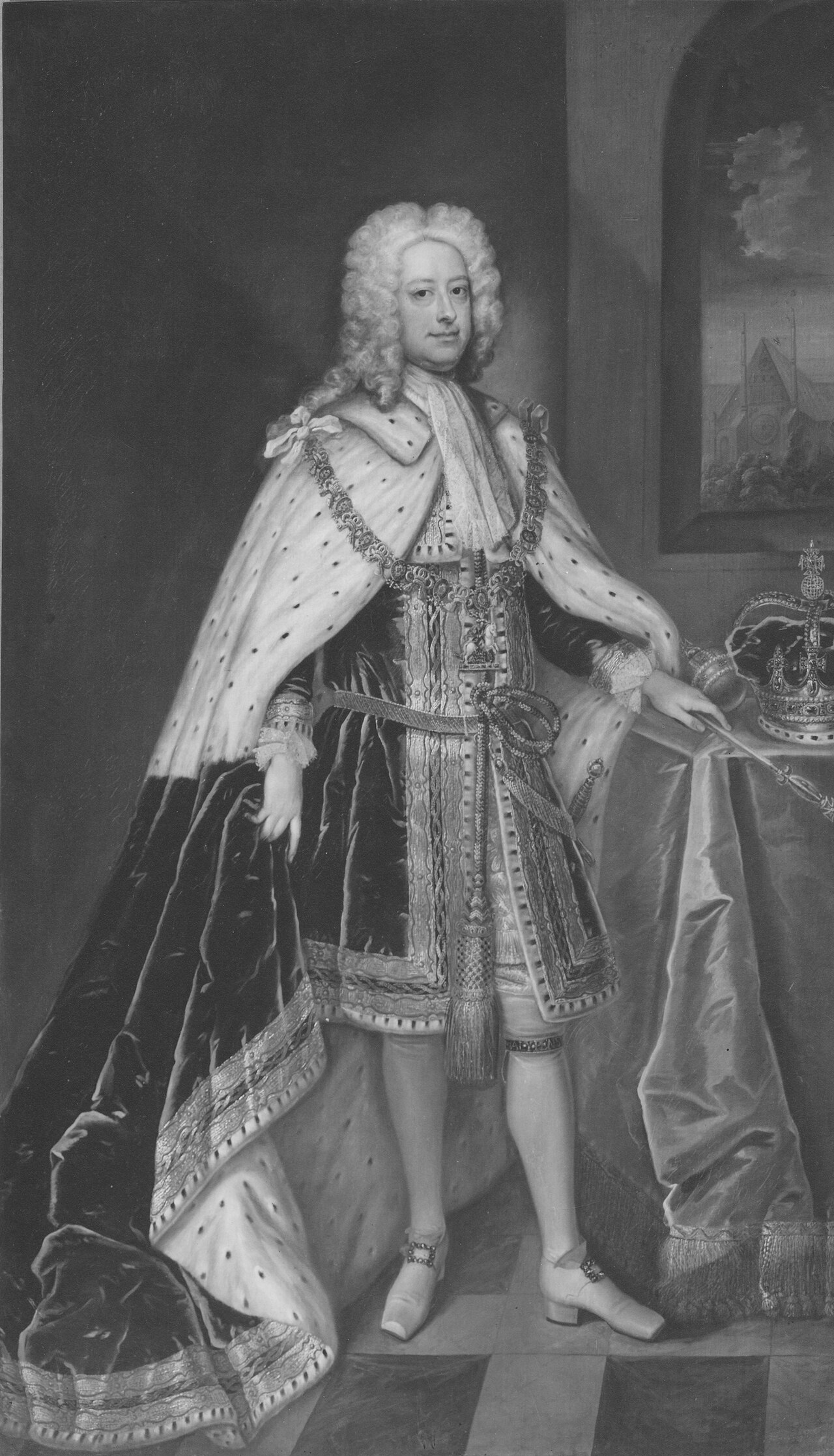 Painting
Secondary source
Charles Jervas (after)
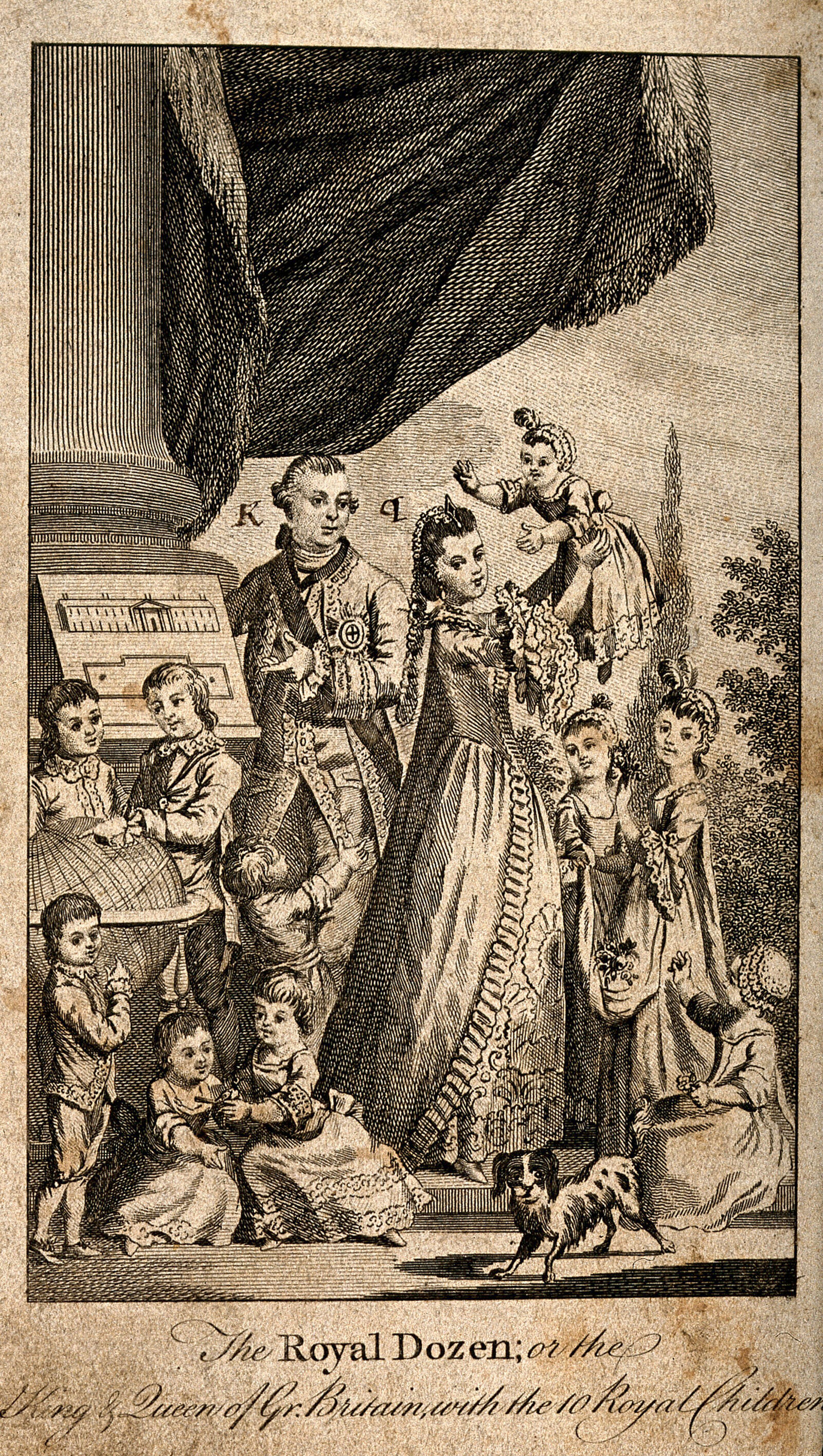 Painting
Secondary source
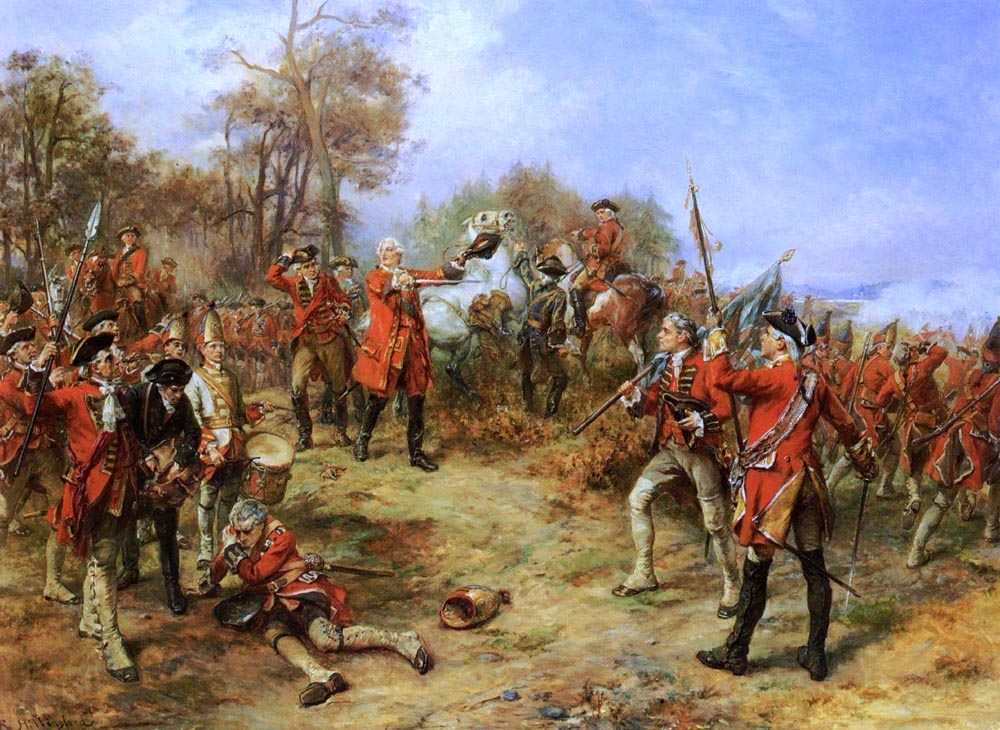 Painting
Secondary source
Robert Alexander Hillingford · 1902
Secondary source
Oliver Goldsmith
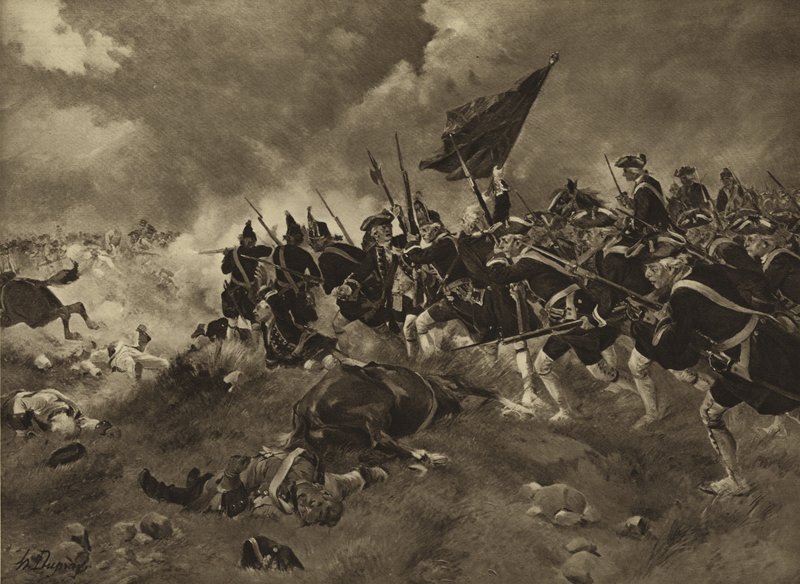 Painting
Secondary source
Henri Louis Dupray · 1850
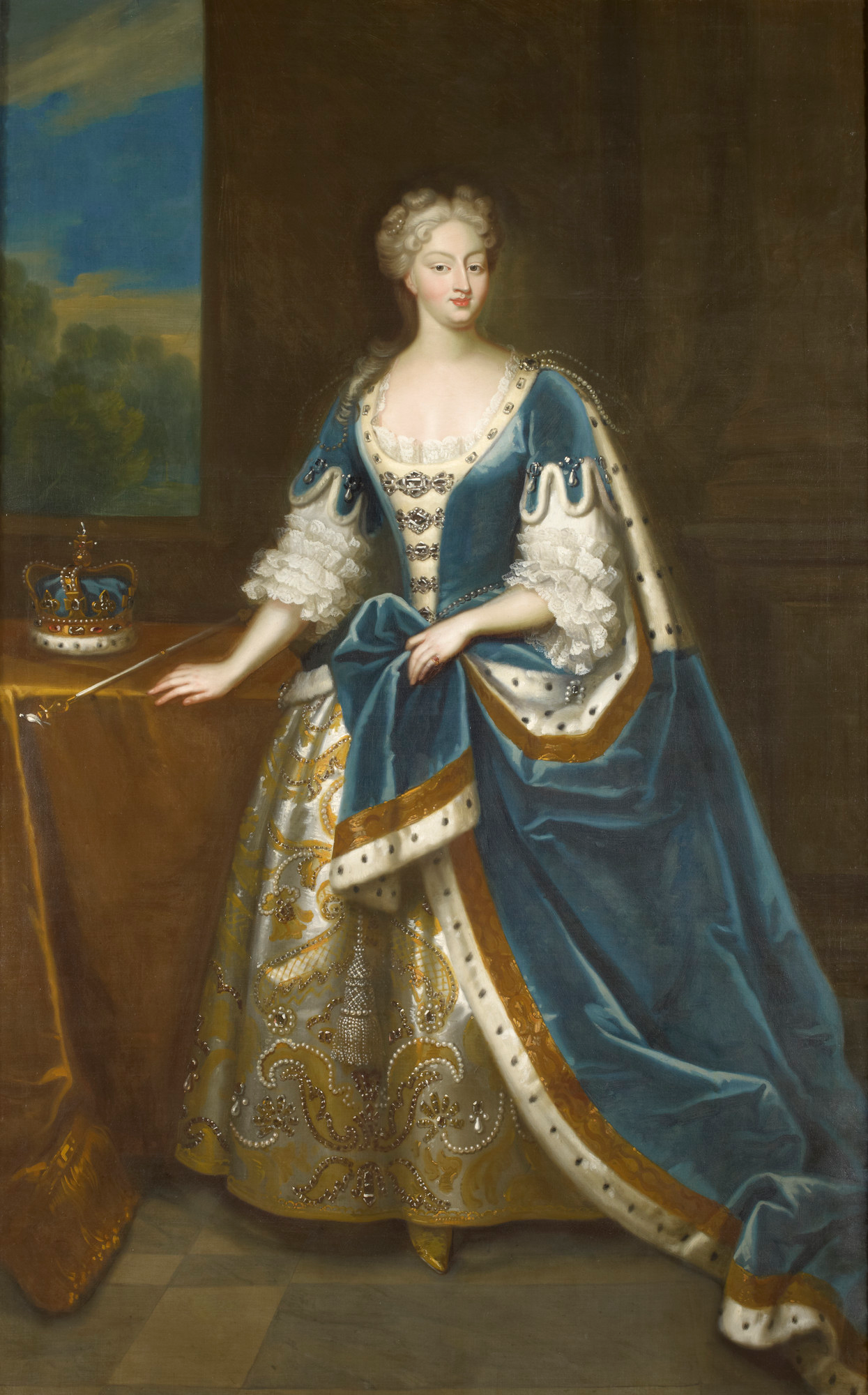 Painting
Primary source
Enoch Seeman · c. 1730
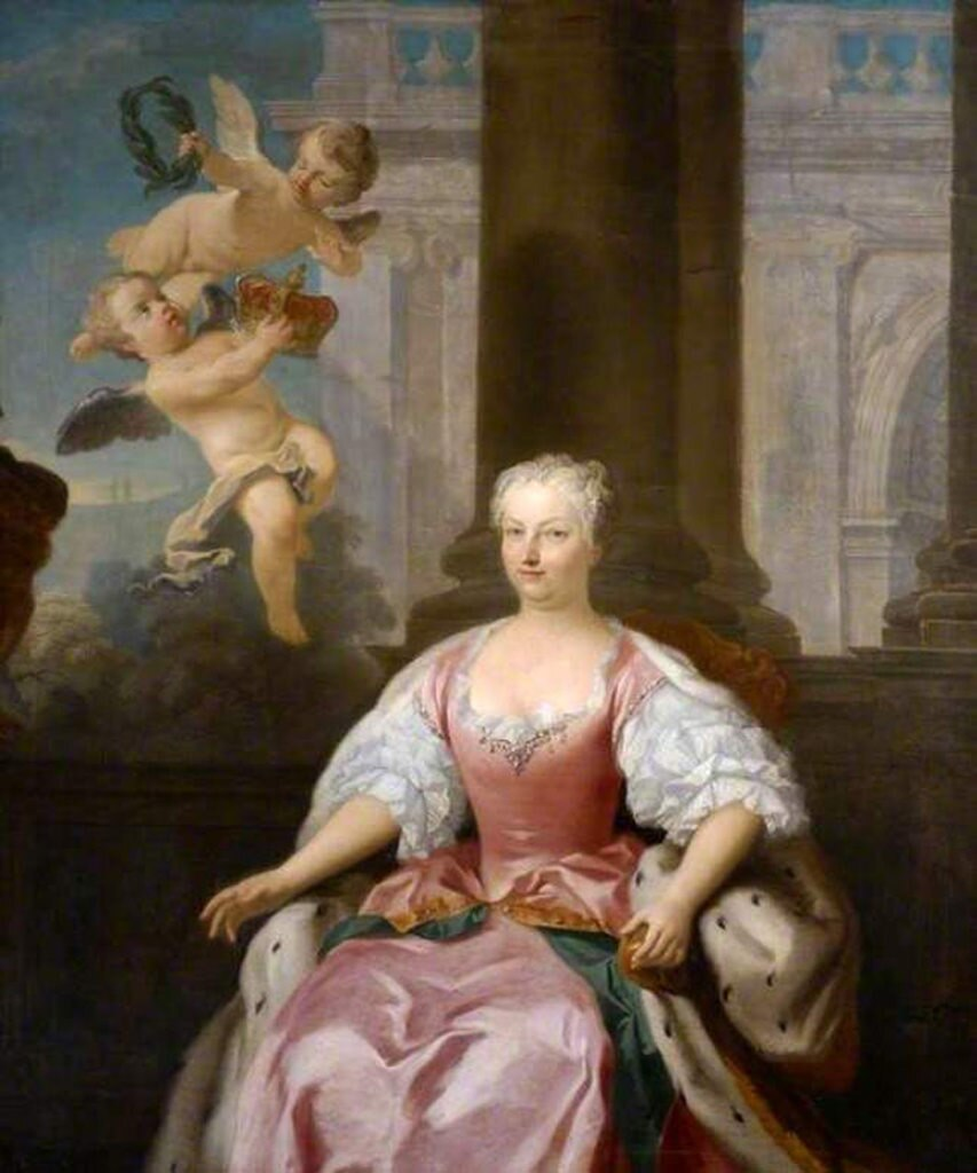 Painting
Secondary source
Jacopo Amigoni · between c. 1735 and c. 1750
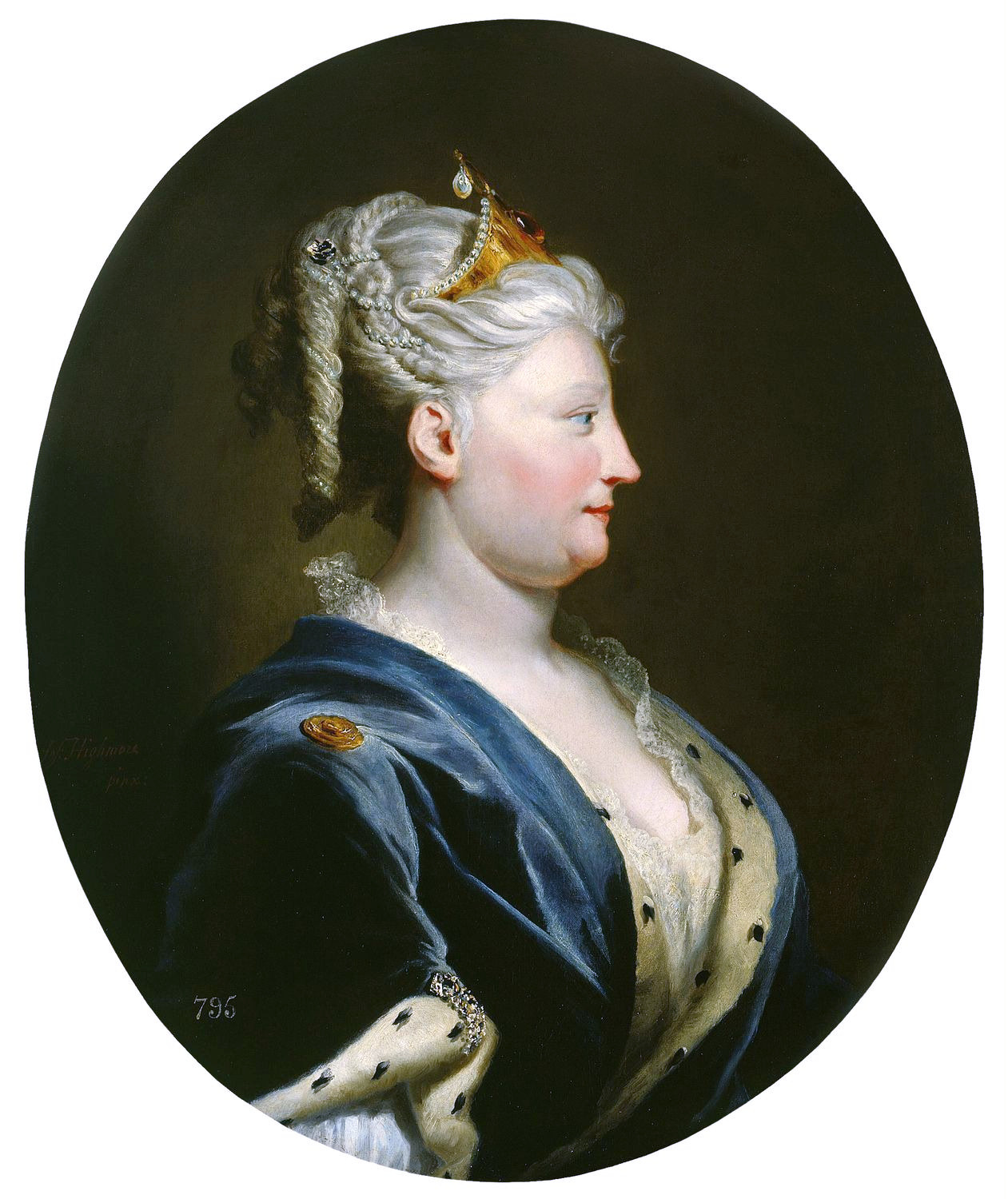 Painting
Primary source
Joseph Highmore · c. 1735
Secondary source
G. M. C. Fry and G. M. George
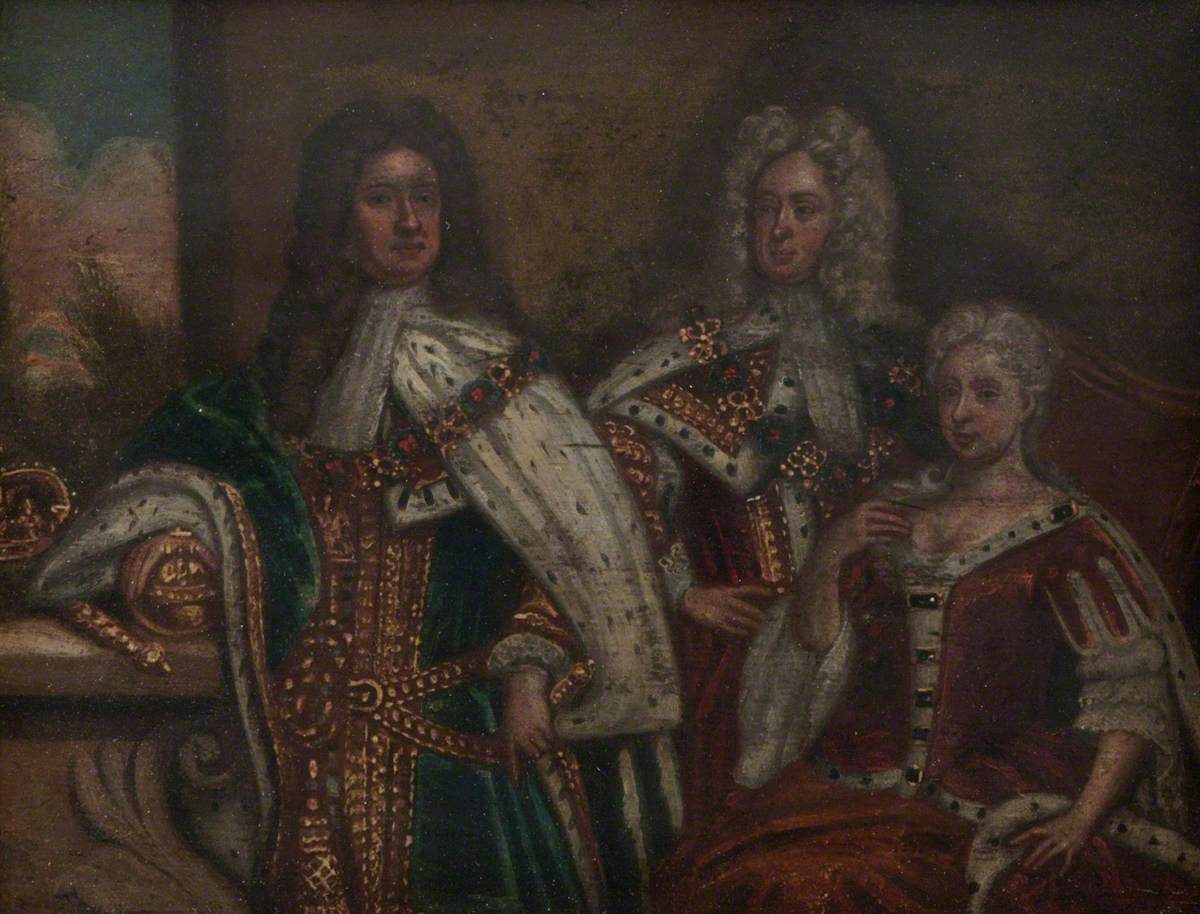 Painting
Primary source
Godfrey Kneller (style of)
Want the full shelf? Chat with George II in the app and open the Sources panel — every quote links back to the original.
2 collections
Ready-made collections from the Humy team that feature George II. Preview any of them, then try it free.
Paying customers



























Dr. Michael Calvert
Assistant Superintendent, South Allegheny School District, Pennsylvania
Been using Humy in his district since 2024
“We enjoyed the program last year and used it frequently.”

Jacob Chisom
World and American History, Monticello High School, Arkansas
Been using Humy in his classroom since 2024
“My students say it’s a welcome change of pace. I’m not a fan of the “sage on the stage” model, so I try to incorporate research-oriented and self-paced activities. With Humy, students have to take charge of their learning. They’ve become more adept at critical thinking, forming better questions, and improving their reading comprehension. The interview feature has been my go-to tool. I create assignments where students must ask historical figures a set number of questions, then summarize the responses to ensure they’re truly absorbing the material. This approach lets them actively explore the past rather than passively consuming information.”
Roger Campbell
7th-grade World History, Lancaster County, Pennsylvania
Been using Humy in his classroom since 2024
“Humy has helped me bring historical figures, sometimes long past, to life. When my students interact with these figures in real-time, it eliminates some of the perceived “ancient” characteristics of my curriculum. This has shifted my students’ thinking away from viewing history as abstract or irrelevant. Real-time interactions make historical figures relatable, even allowing students to ask off-topic questions that help put historical lives in a more relevant context for 13-year-olds. The feature I use the most is the interview feature. After teaching a topic, most recently Gandhi and Joan of Arc, I have the students ask pointed, focused questions. We practice good conversation techniques beforehand, teaching them to listen (or read) carefully and formulate thoughtful follow-up questions rather than just interrogating. It helps students practice effective conversation skills.”
Dr. Michael Calvert
Assistant Superintendent, South Allegheny School District, Pennsylvania
Been using Humy in his district since 2024
“We enjoyed the program last year and used it frequently.”
Jacob Chisom
World and American History, Monticello High School, Arkansas
Been using Humy in his classroom since 2024
“My students say it’s a welcome change of pace. I’m not a fan of the “sage on the stage” model, so I try to incorporate research-oriented and self-paced activities. With Humy, students have to take charge of their learning. They’ve become more adept at critical thinking, forming better questions, and improving their reading comprehension. The interview feature has been my go-to tool. I create assignments where students must ask historical figures a set number of questions, then summarize the responses to ensure they’re truly absorbing the material. This approach lets them actively explore the past rather than passively consuming information.”
Roger Campbell
7th-grade World History, Lancaster County, Pennsylvania
Been using Humy in his classroom since 2024
“Humy has helped me bring historical figures, sometimes long past, to life. When my students interact with these figures in real-time, it eliminates some of the perceived “ancient” characteristics of my curriculum. This has shifted my students’ thinking away from viewing history as abstract or irrelevant. Real-time interactions make historical figures relatable, even allowing students to ask off-topic questions that help put historical lives in a more relevant context for 13-year-olds. The feature I use the most is the interview feature. After teaching a topic, most recently Gandhi and Joan of Arc, I have the students ask pointed, focused questions. We practice good conversation techniques beforehand, teaching them to listen (or read) carefully and formulate thoughtful follow-up questions rather than just interrogating. It helps students practice effective conversation skills.”
FAQ
Like any LLM, the AI version of George II can get details wrong. Open one of these sources in a new tab to verify what you’ve read.

King of Great Britain during the American Revolutionary War.

King of the United Kingdom and Hanover.

Long-reigning British monarch.

King of the United Kingdom and Hanover from 1830 until 1837.

King of Great Britain and Ireland during the early 18th century.

King of the United Kingdom during World War I.
Ready when you are
20 messages free · No credit card · Available in 50+ languages.