


Primary sourcePainting1744
King George II
Thomas Hudson · 1744
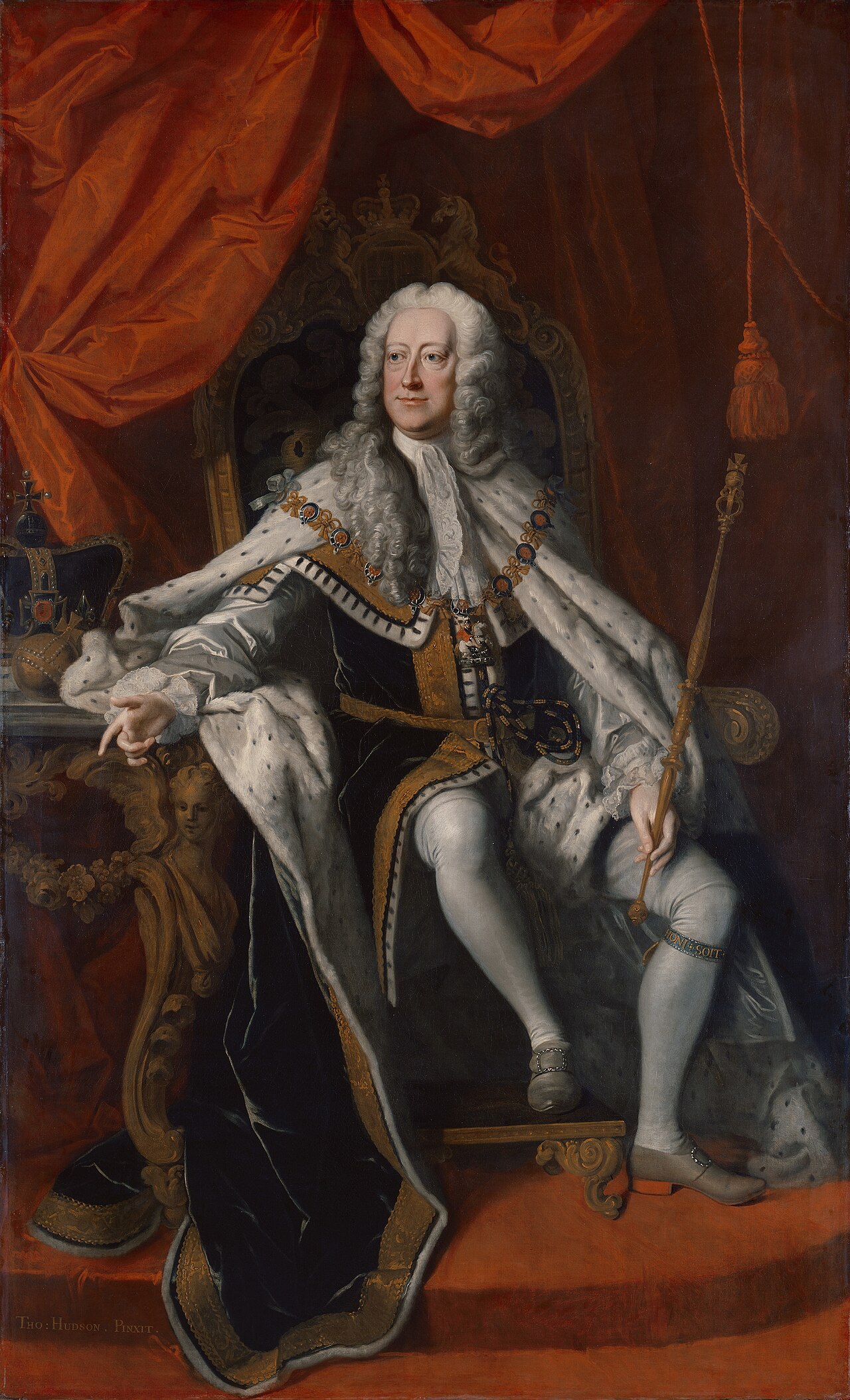
Thomas Hudson's 1744 state portrait shows George II enthroned in his royal robes, the standard image of him as reigning king.
The standard state portrait of George II, showing him enthroned in his crown and robes mid-reign.
About this source
What it is
This 1744 portrait by British artist Thomas Hudson shows King George II seated on his throne wearing his crown and robes of state, with symbols of sovereignty including a sceptre and crown. It was commissioned by judge John Willes for the Court of Common Pleas in Westminster and is now held by the National Portrait Gallery in London.
Why it matters
Painted the year after George II led troops at the Battle of Dettingen, this portrait presents him in his formal role as monarch rather than as a soldier. Commissioned for a law court, it shows how royal portraits were used to represent royal authority in official settings across the kingdom, reinforcing the king's image among those who administered justice in his name.
Look closer
- What objects and clothing in the portrait are meant to show the king's power and status?
- Why might a law court want a portrait like this displayed in its building?
- How does this formal image compare with the battlefield portrait of the same king made just a year earlier?
This painting is part of the curated material that grounds the AI version of George II on Humy.ai — when students ask about related events, the AI can quote it and cite it.
More George II sources
Meet the AI George II →Primary source
Charter of the Colony of Georgia
George II / Crown of Great Britain · 1732
Primary source
Zadok the Priest
George Frideric Handel · 1727
 Painting
Primary source
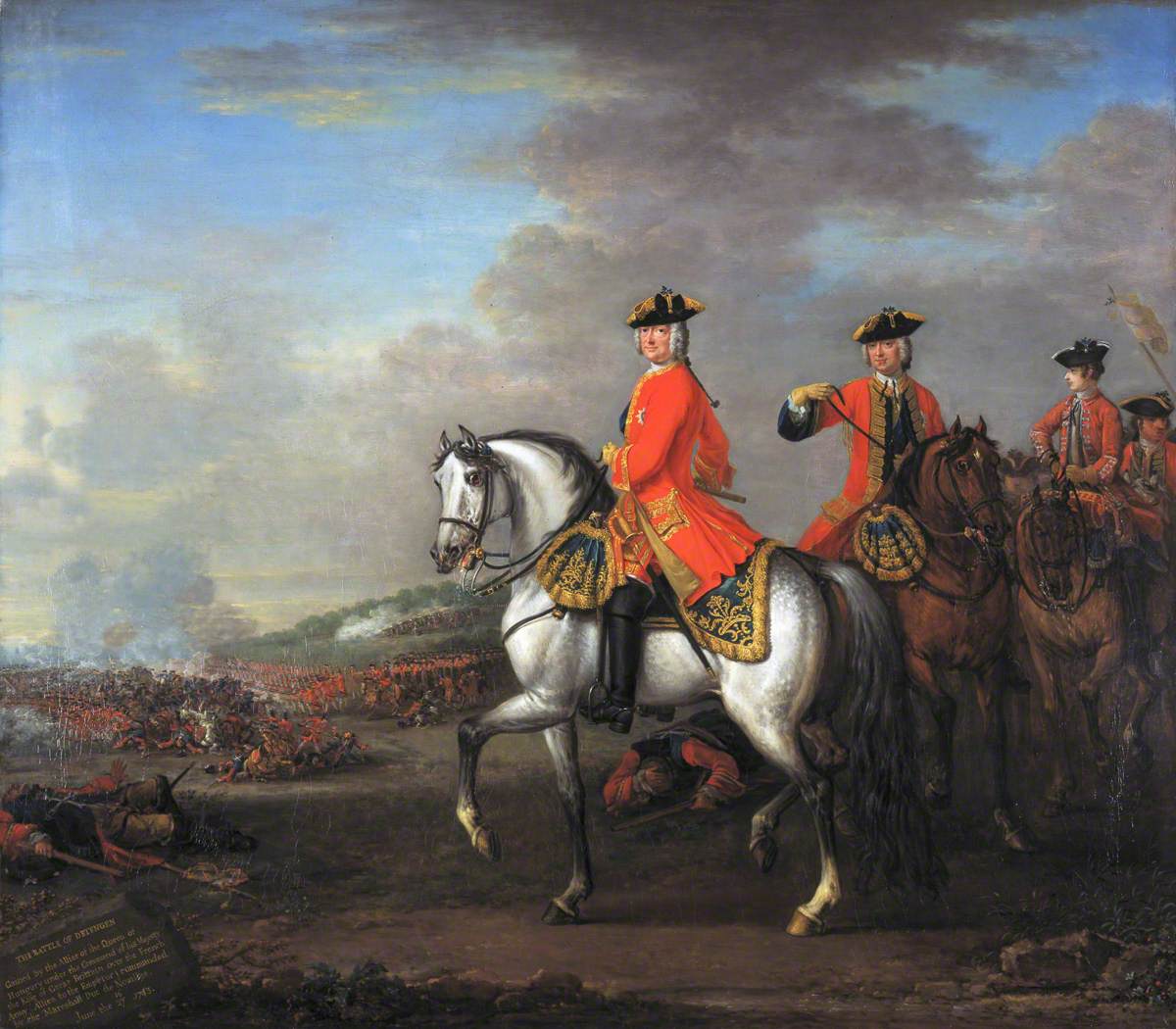
George II at the Battle of Dettingen, with the Duke of Cumberland and Robert, 4th Earl of Holderness
John Wootton · 1743
Primary source
Memoirs of the Reign of George the Second, from his Accession to the Death of Queen Caroline
John Hervey, Baron Hervey
 Document
Primary source
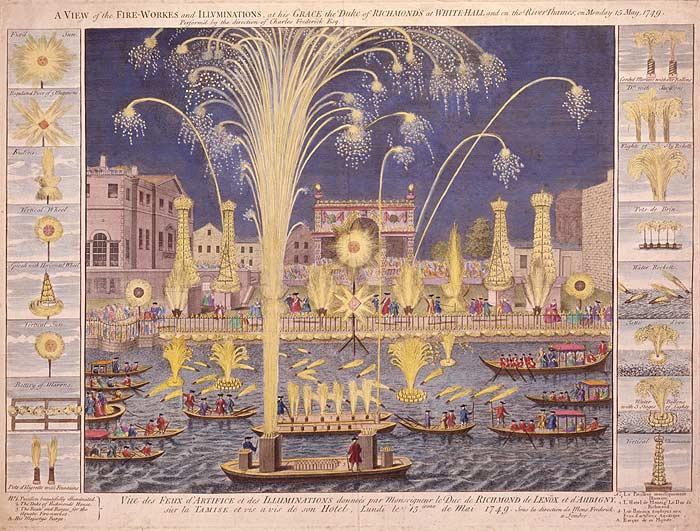
Music for the Royal Fireworks
George Frideric Handel · 1749
Ready when you are
Start chatting with George II now.
20 messages free · No credit card · Available in 50+ languages.