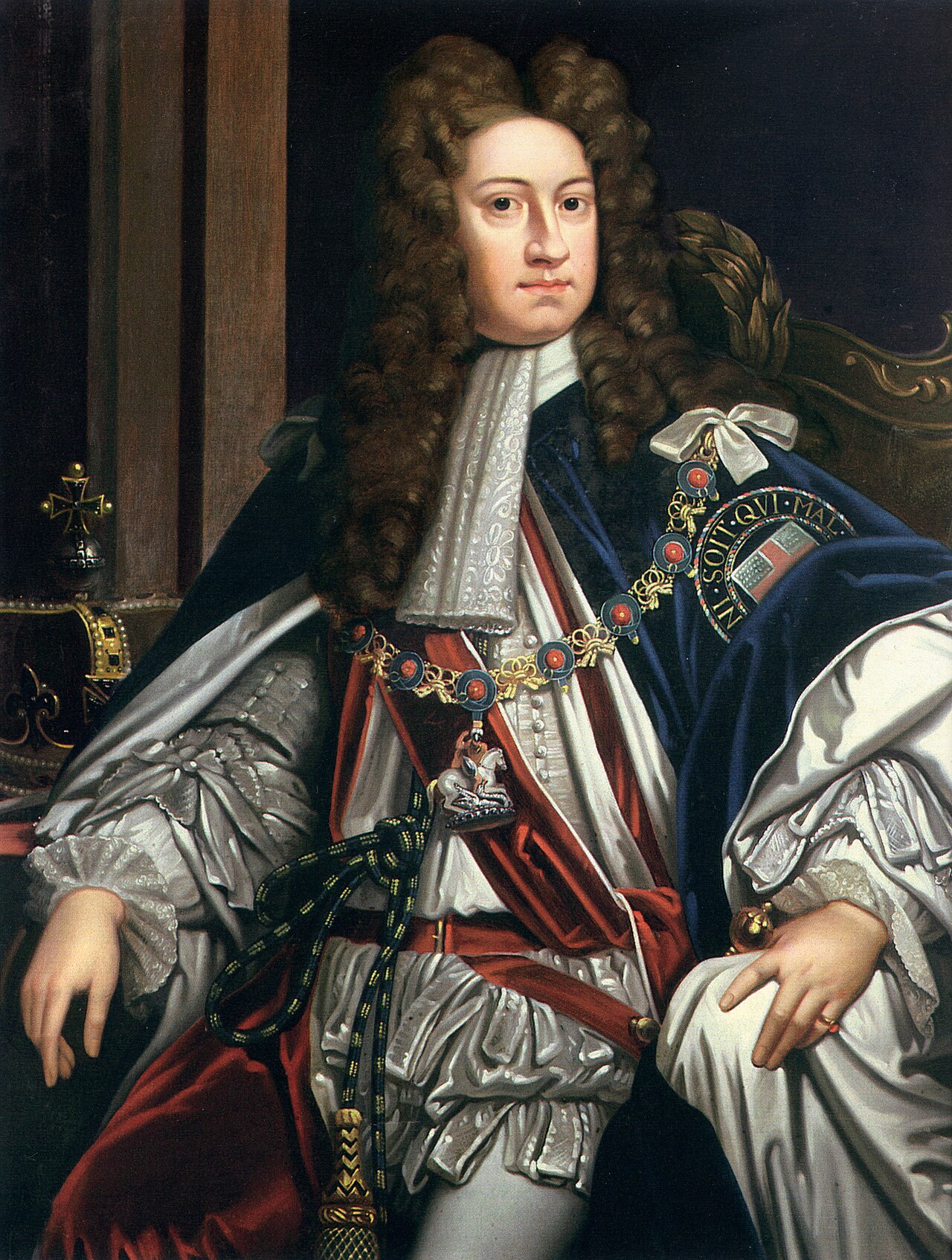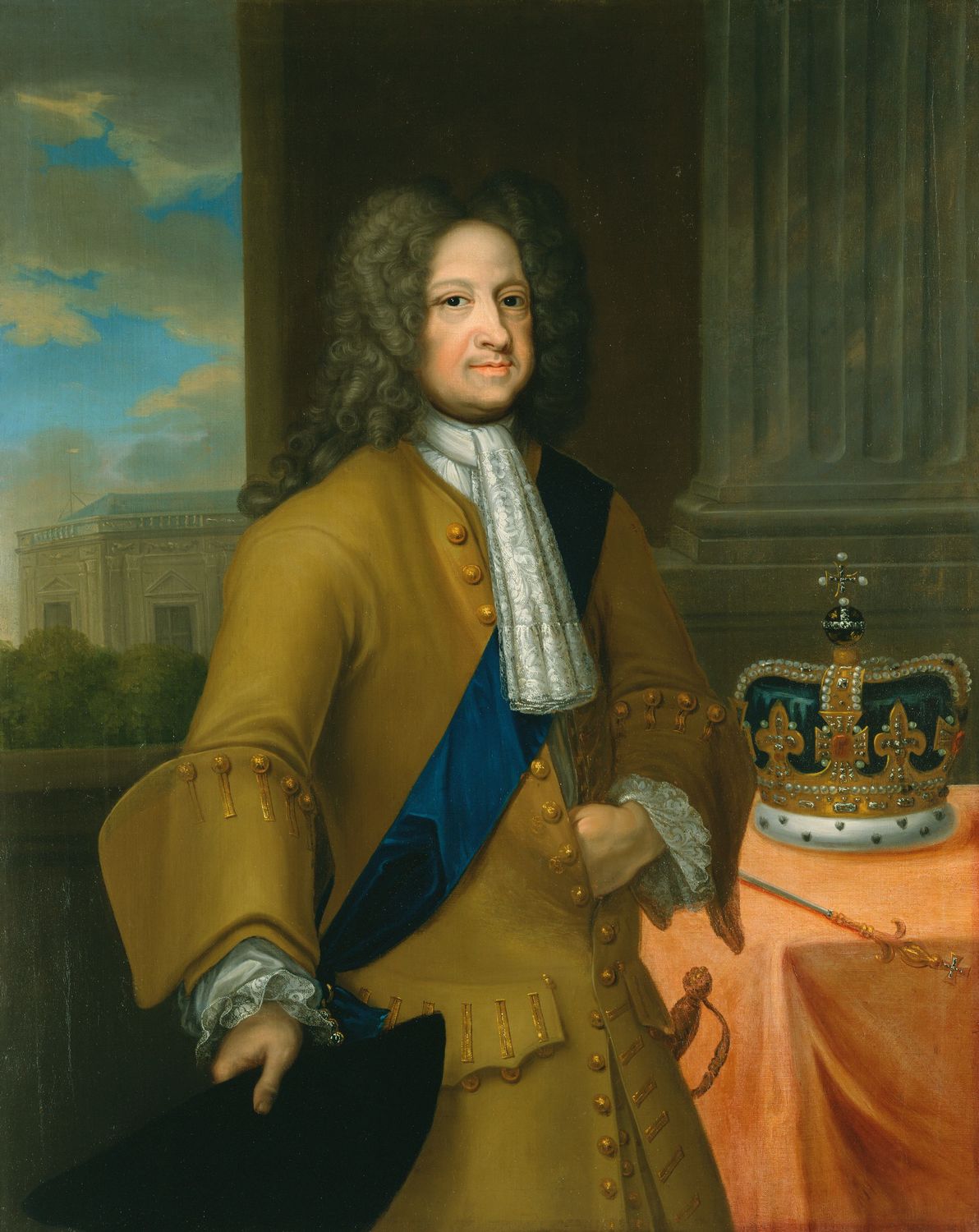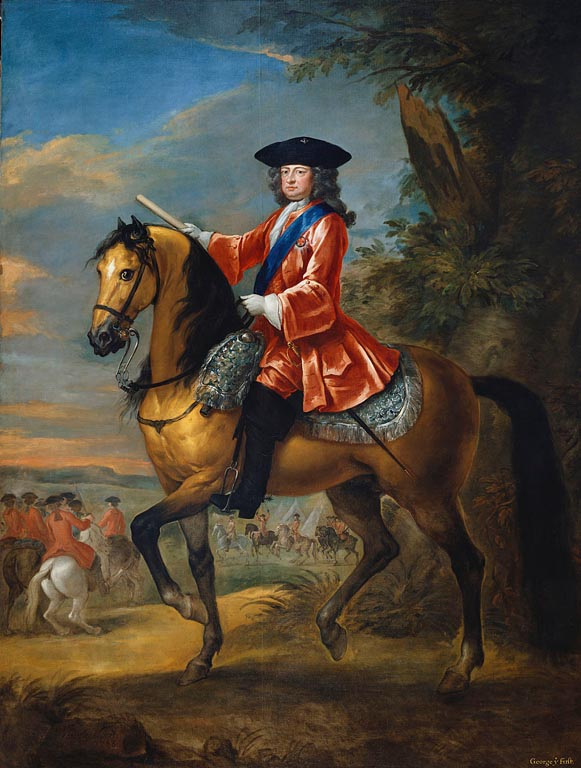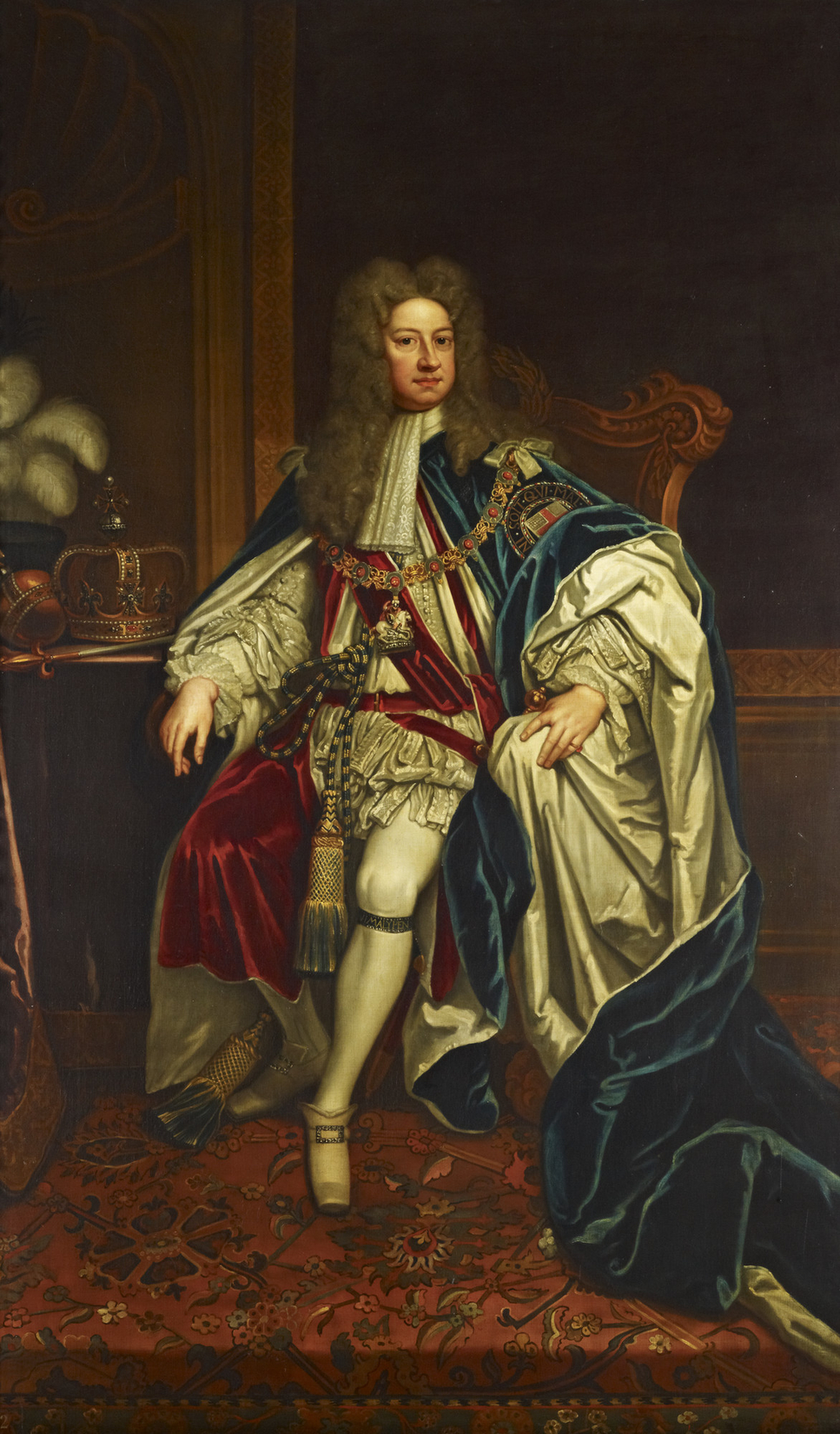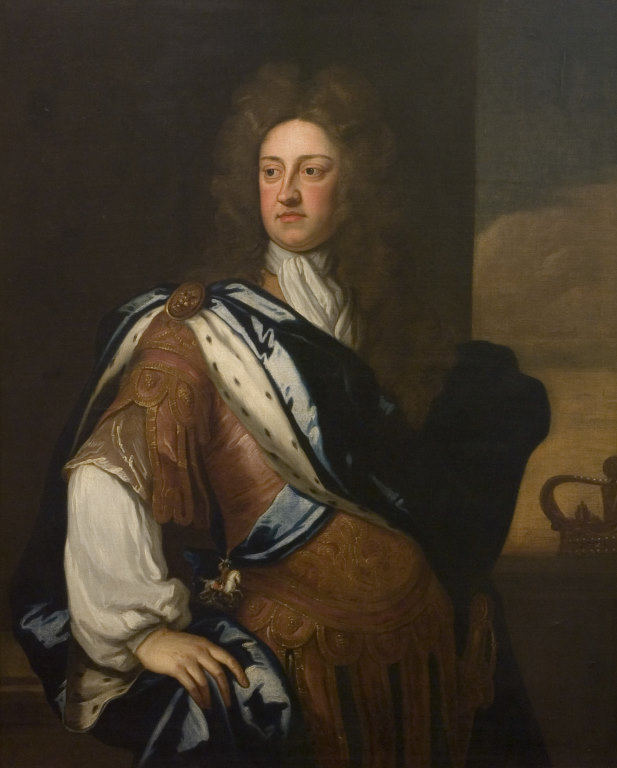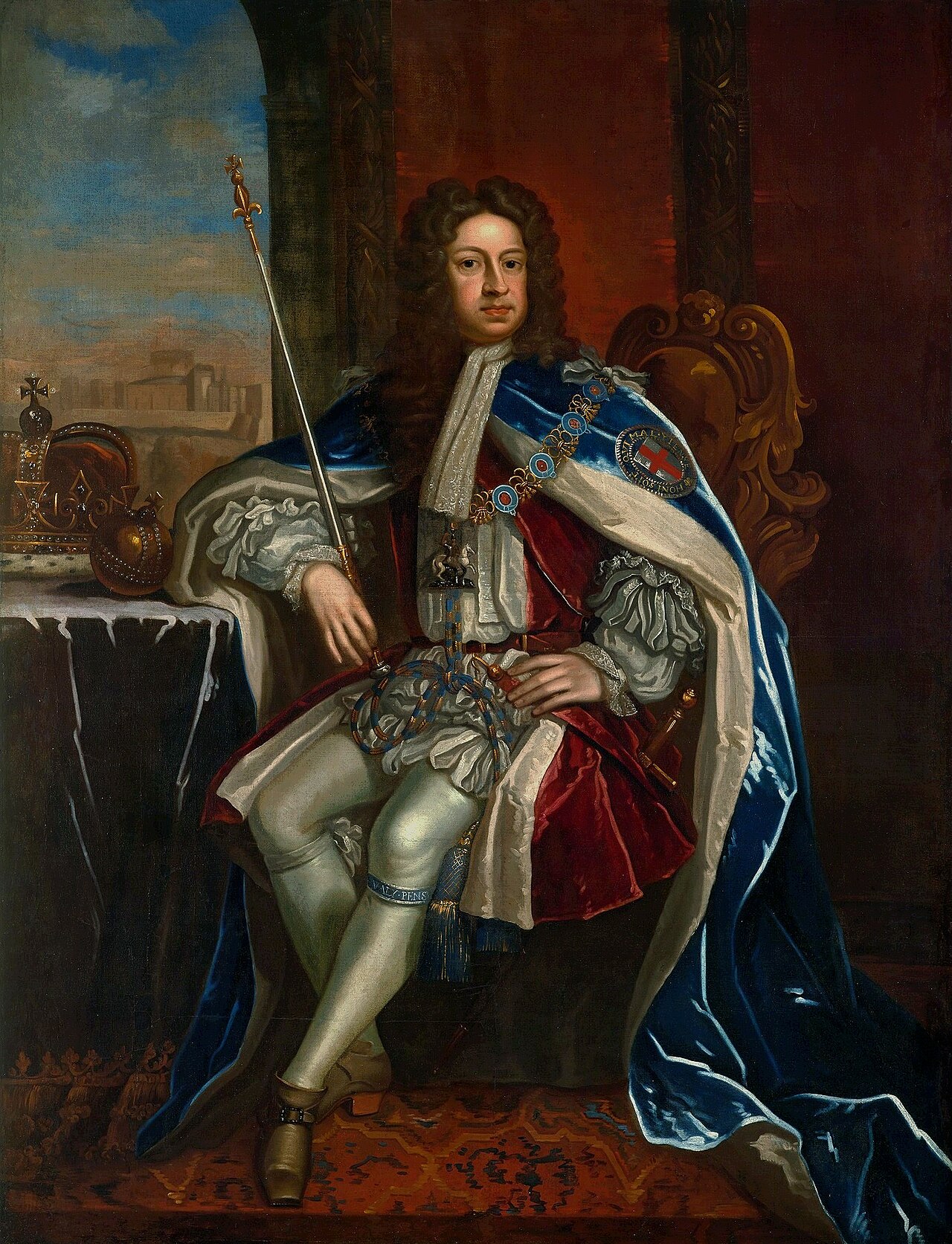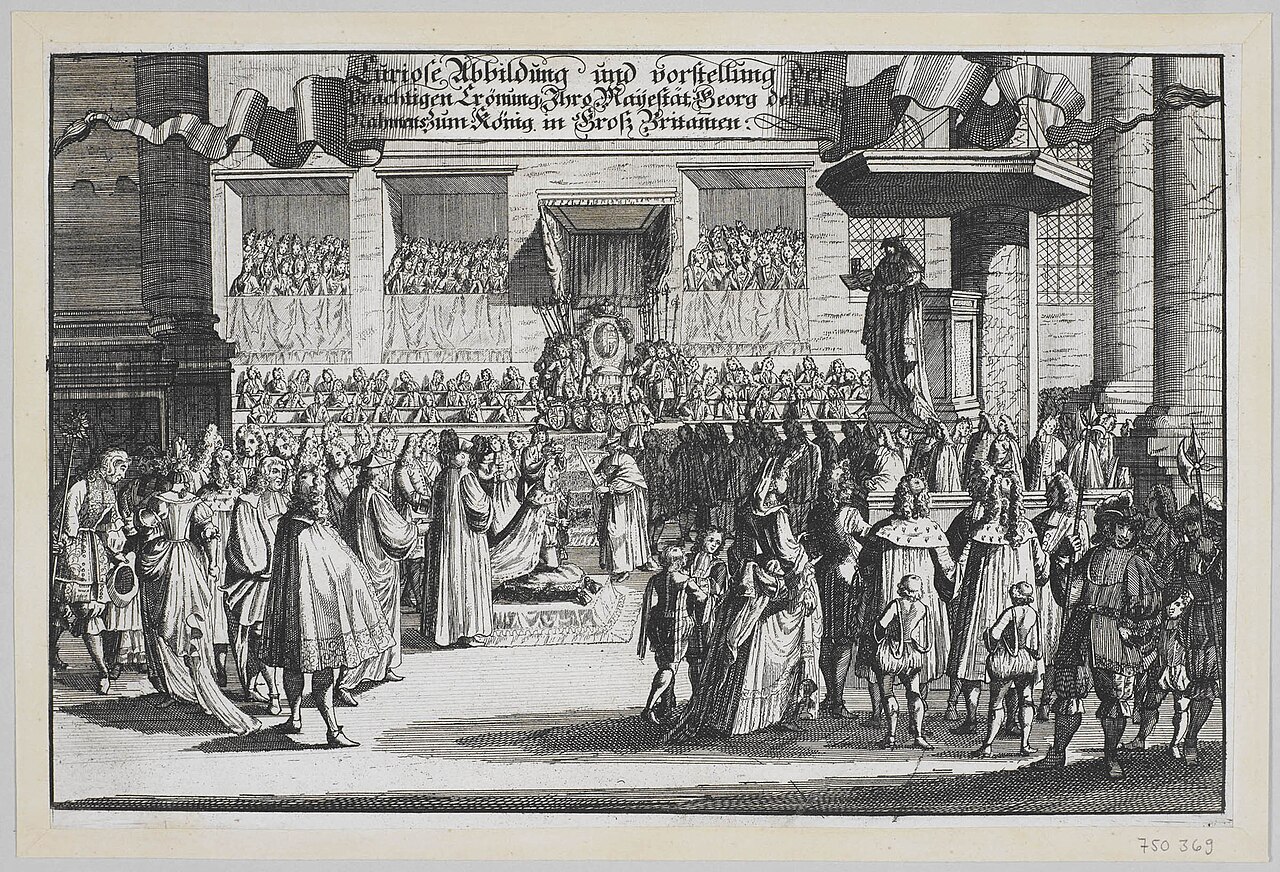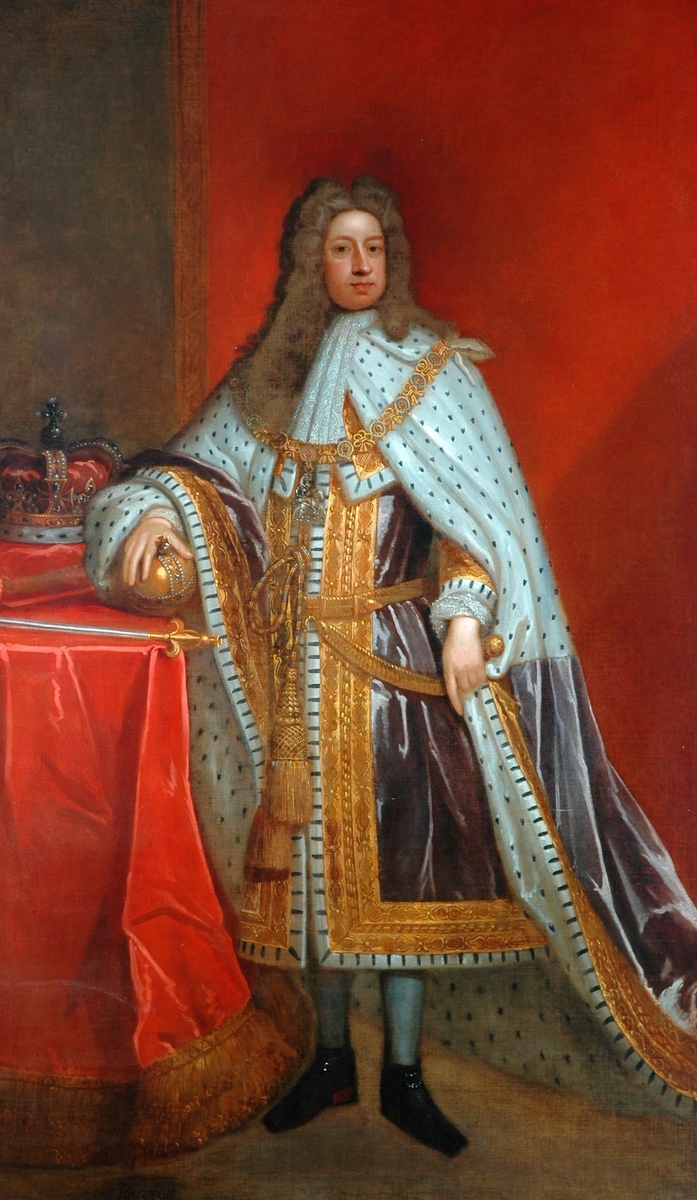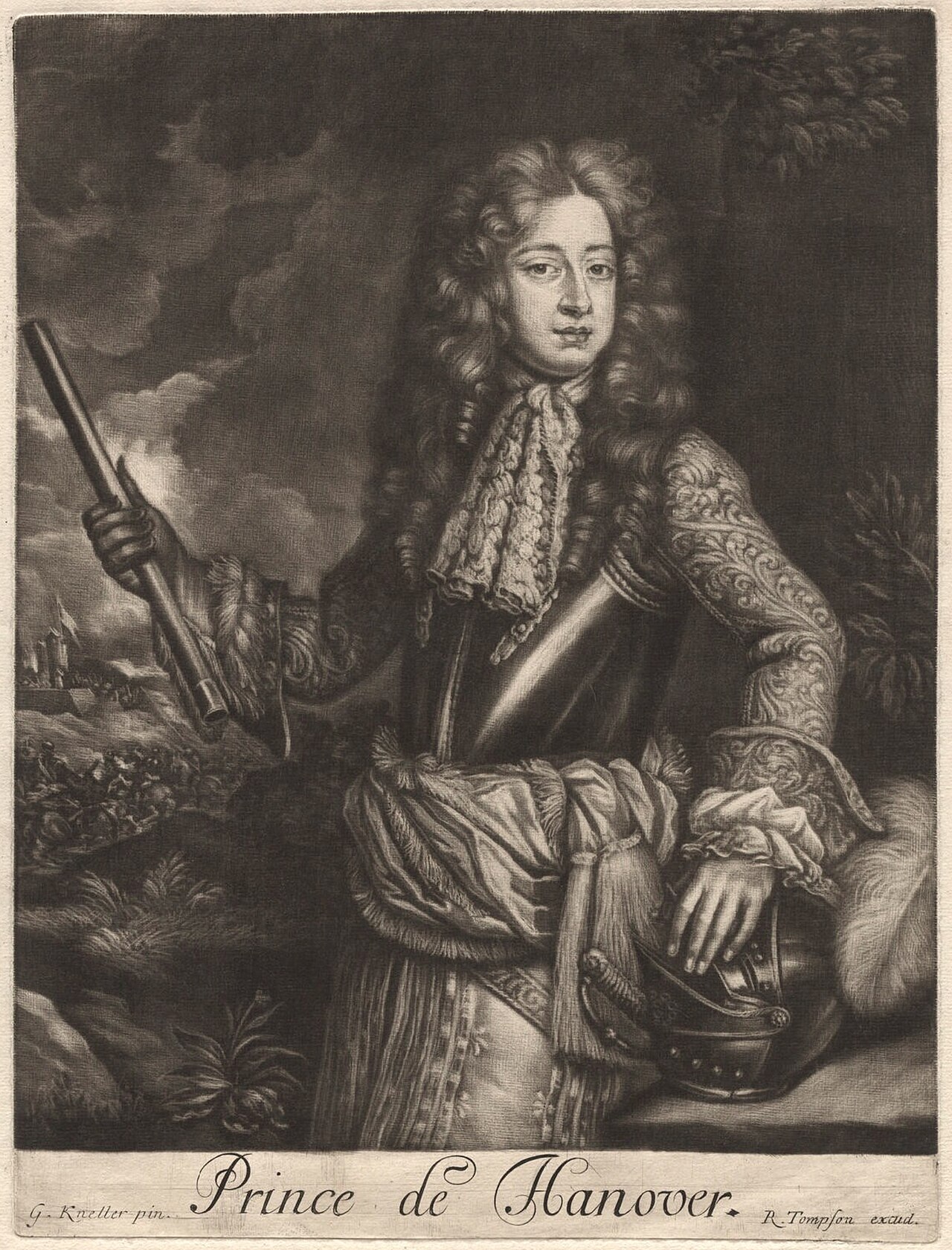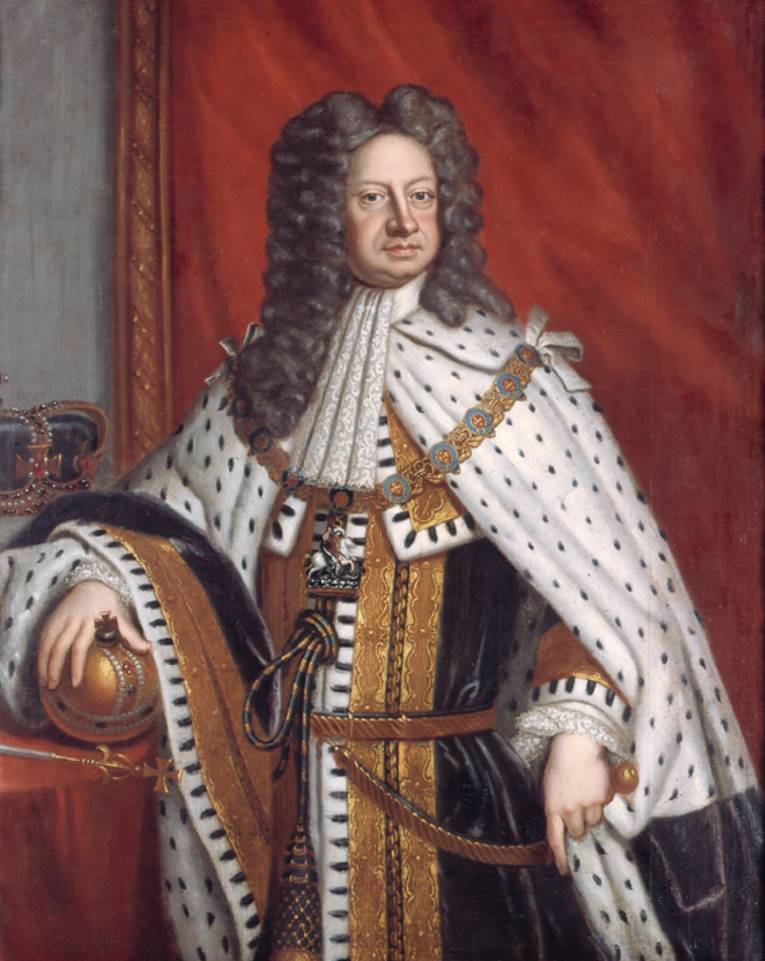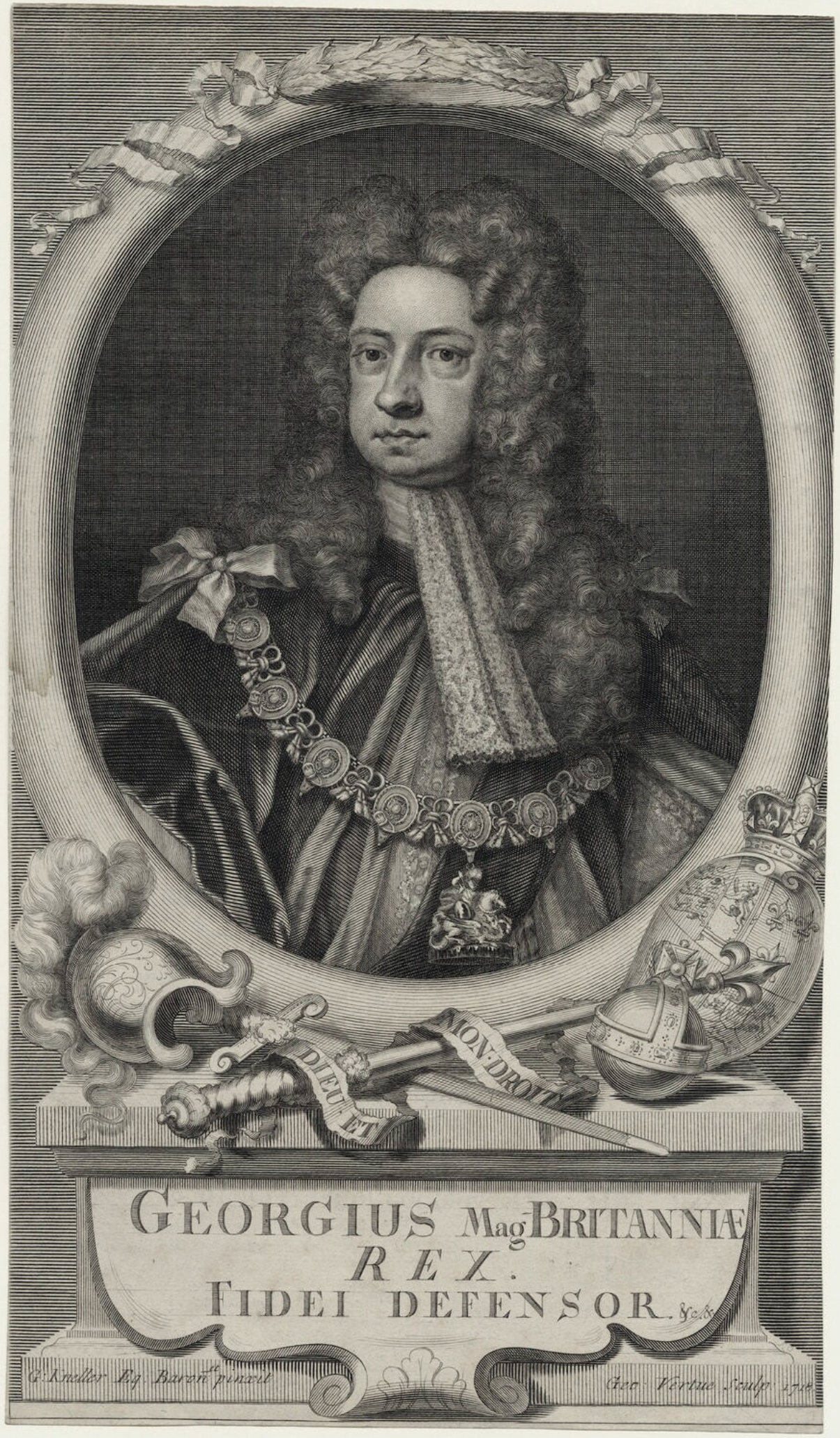
Portrait of George I

AI Historical Figure

George I

King of Great Britain and Ireland during the early 18th century.

Chat with George I via text or voice — in 42 languages, drawing on a curated biography and 93 historical sources. Available 24/7.

Start chatting with George I20 messages free · No credit card
Lived
1660–1727
From
United Kingdom
Known for
Rulers & royaltyPolitics & government
George I

George I

Online · responds in seconds

Hello — I'm George I. King of Great Britain and Ireland during the early 18th century. What would you like to ask me?

20 messages free · No credit card · Powered by Humy.ai

Live preview · Switch between 42 languages above · Send a message to continue in the app

Multilingual

Talk to George I in 42 languages

Ask George I questions in any language below, and the rest of Humy's app speaks it too. Pick yours to open the chat in that language.

Also in German (Austria), German (Switzerland), English (UK), English (Australia), English (Canada).

The sources behind this AI

93 sources · 29 paintings · 25 artifacts · 15 documents · 12 books · 4 sculptures · 4 speeches · 2 diary entries · 1 newspaper article · 1 letter

George I doesn’t improvise from thin air. The AI is grounded in 93 curated historical sources students can inspect. Open any of them to see what informs the conversation.

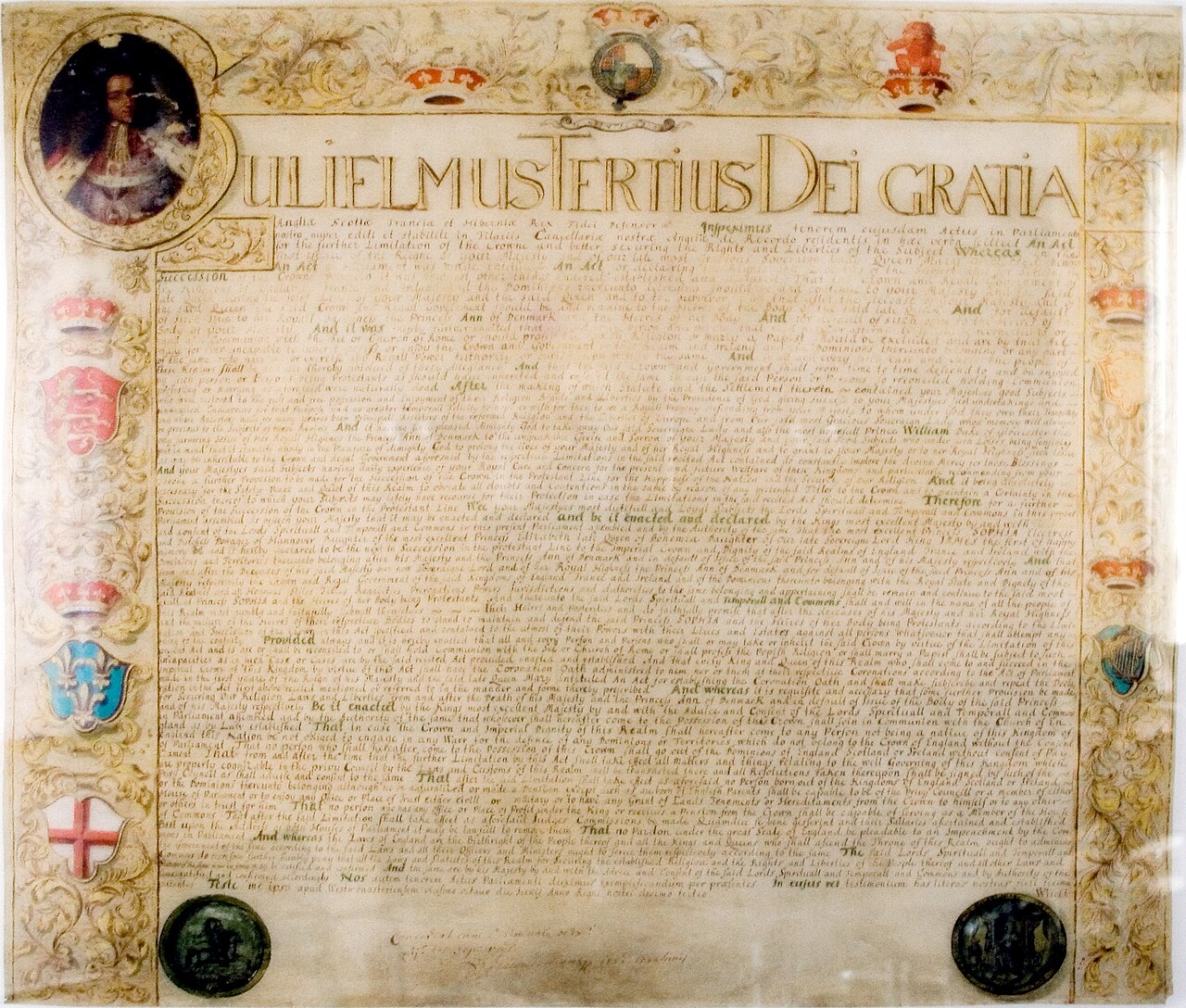
Illuminated manuscript parchment of the Act of Settlement 1701 under glass, with a portrait medallion of William III at upper left, the heading 'GULIELMUS TERTIUS DEI GRATIA' across the top, dense italic script text, decorative borders with coats of arms, and two green wax seals at the bottom.Document

Primary source

Act of Settlement 1701

1701

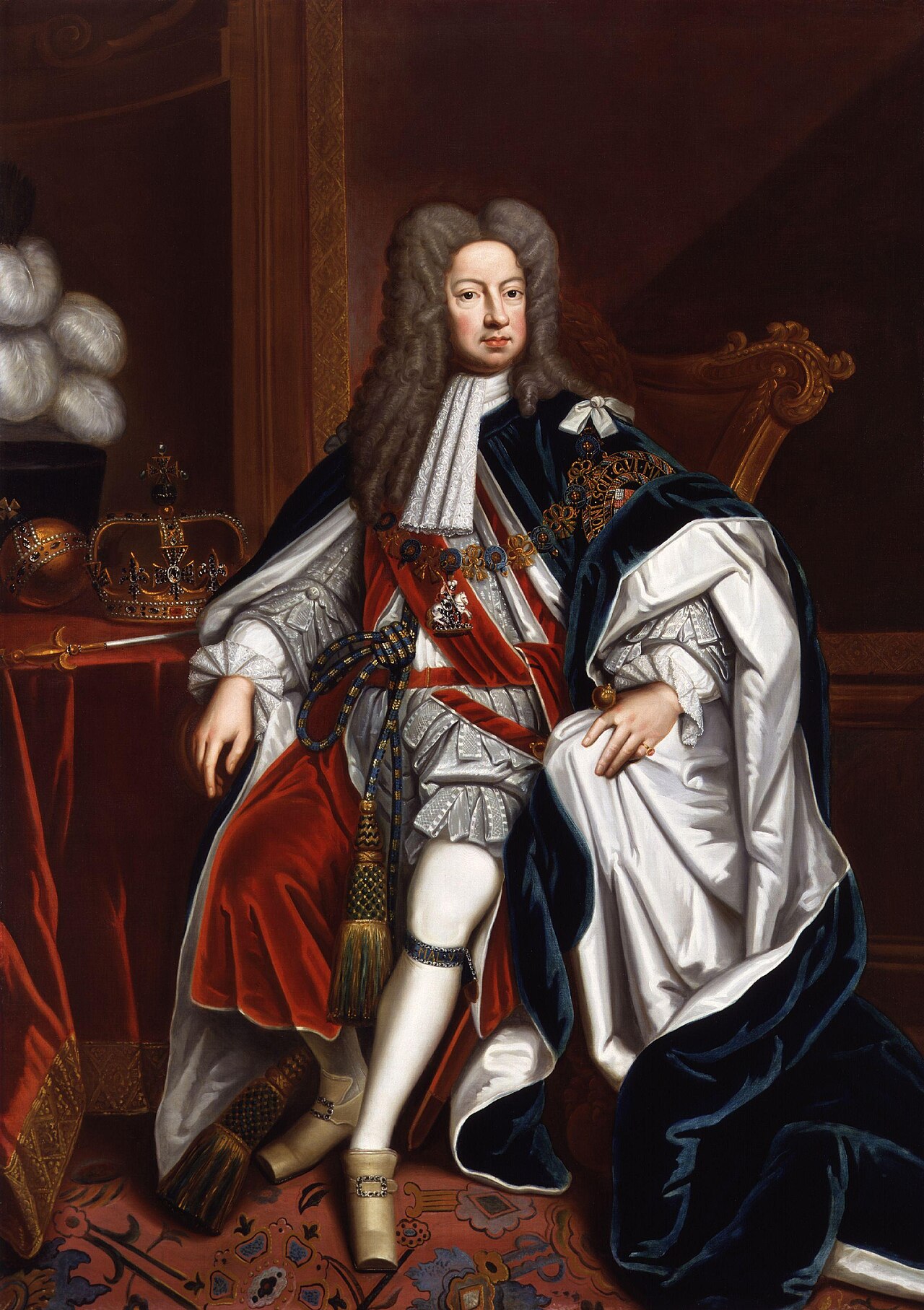
Full-length oil painting of a man in a grey wig and red and white royal robes with a dark blue velvet mantle, seated beside a gold crown and a red-draped table, with a gold chair behind him.Painting

Primary source

Portrait of George I of Great Britain

Godfrey Kneller

Artifact

Secondary source

Water Music

George Frideric Handel · 1717

Document

Primary source

Septennial Act 1715

1716

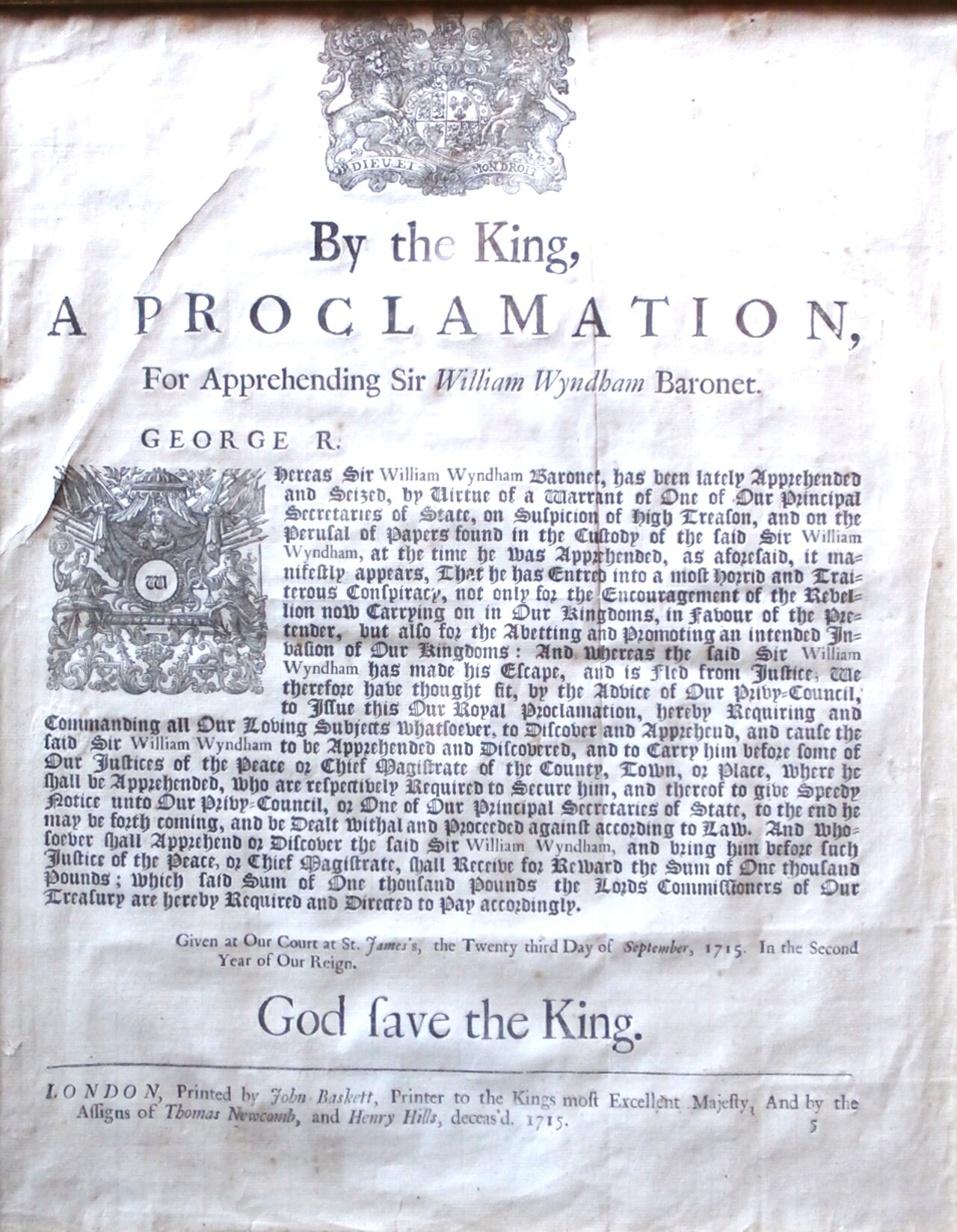
Photograph of a printed 1715 royal proclamation titled 'By the King, A Proclamation, For Apprehending Sir William Wyndham Baronet', with a crest at top, a vignette with a 'W' emblem, dense black-letter text, and London printer's imprint at bottom. Paper is aged and creased.Document

Primary source

Royal Proclamation for the Arrest of Sir William Wyndham

23 September 1715

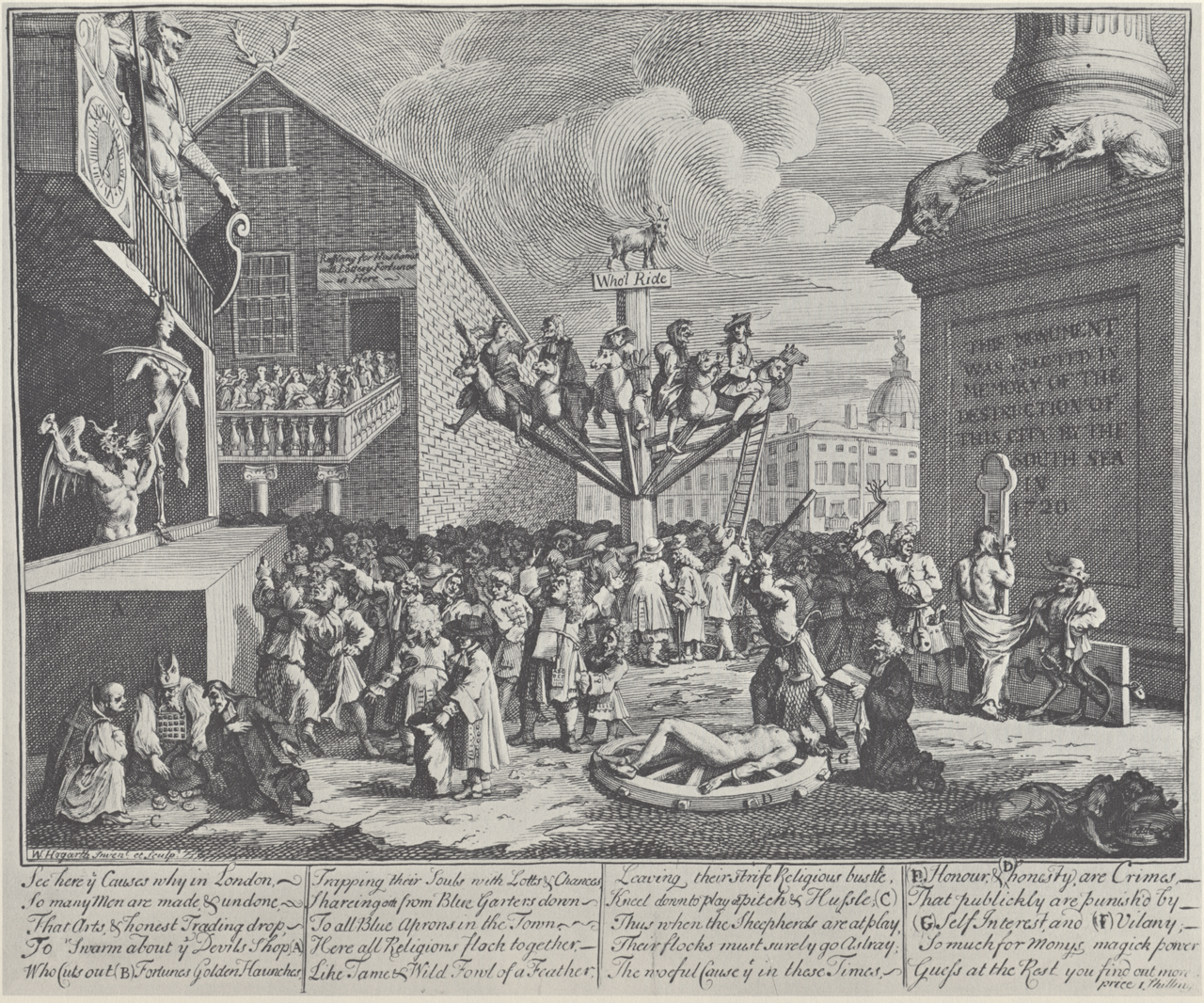
Engraving of a crowded London street scene satirising the South Sea scheme, with a Whirligig ride at centre, a monument inscribed about the 1720 South Sea bubble at right, and captioned verses along the bottom.Painting

Primary source

Emblematical Print on the South Sea Scheme

William Hogarth · 1721

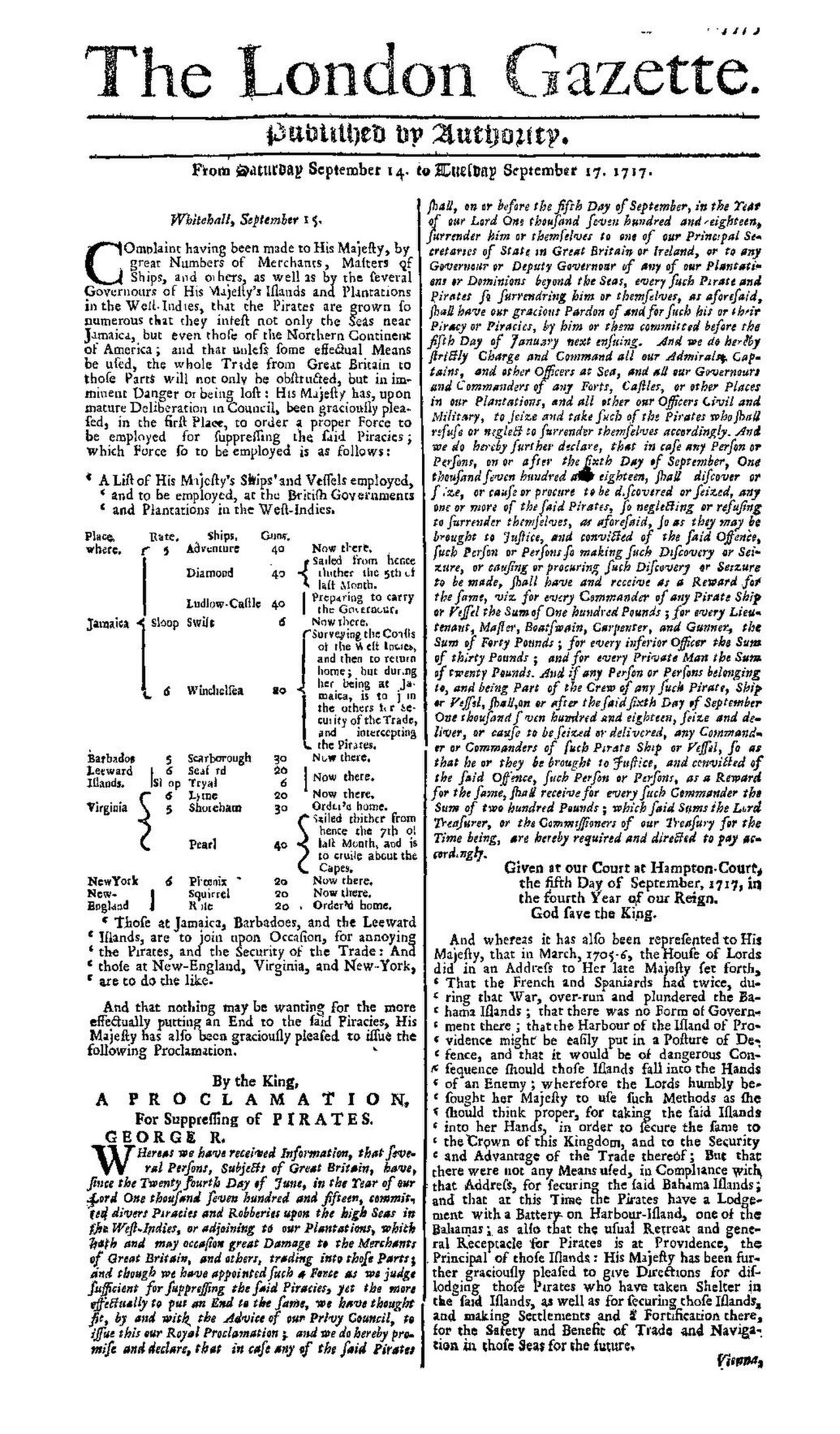
Scanned front page of The London Gazette, published by authority, dated Saturday September 14 to Tuesday September 17, 1717. Two columns of small black type include a royal proclamation headed 'For Suppressing of Pirates' and a list of ships and vessels.Document

Primary source

Proclamation for Suppressing of Pirates

George I of Great Britain · 5 September 1717

Scan of a London Gazette newspaper page dated Saturday September 14 to Tuesday September 17, 1717, headed 'Published by Authority'. Two columns of small print include a list of ships and a royal proclamation for suppressing pirates.Newspaper article

Primary source

Proclamation for Suppressing of Pirates in the London Gazette

The London Gazette · 14-17 September 1717

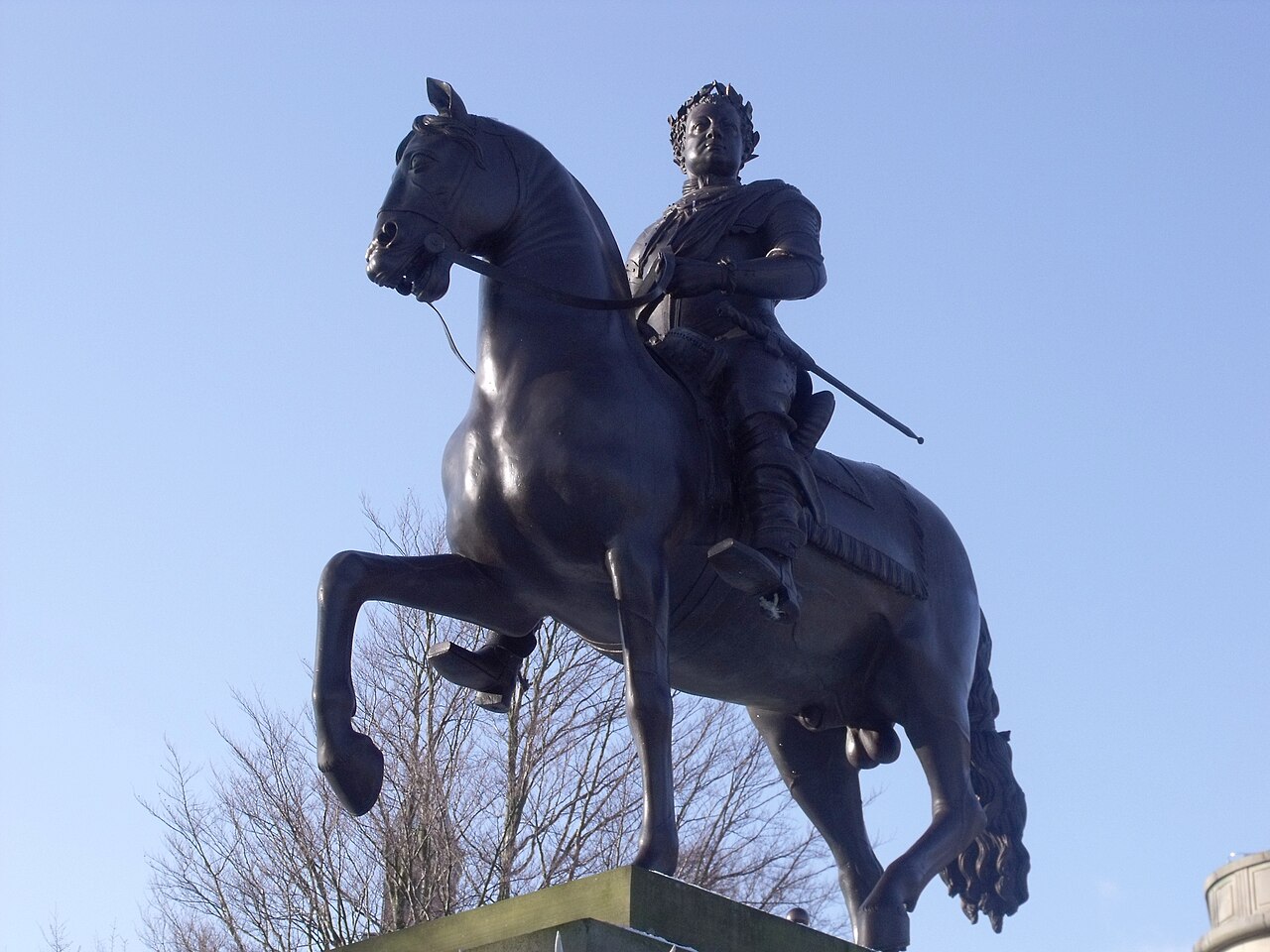
Dark bronze equestrian statue of a rearing horse with a rider in armour and a laurel wreath, photographed from below against a clear blue sky with bare trees behind. The statue stands on a stone plinth.Sculpture

Primary source

Equestrian Statue of George I

John van Nost the Elder · commissioned 1717, unveiled 1722

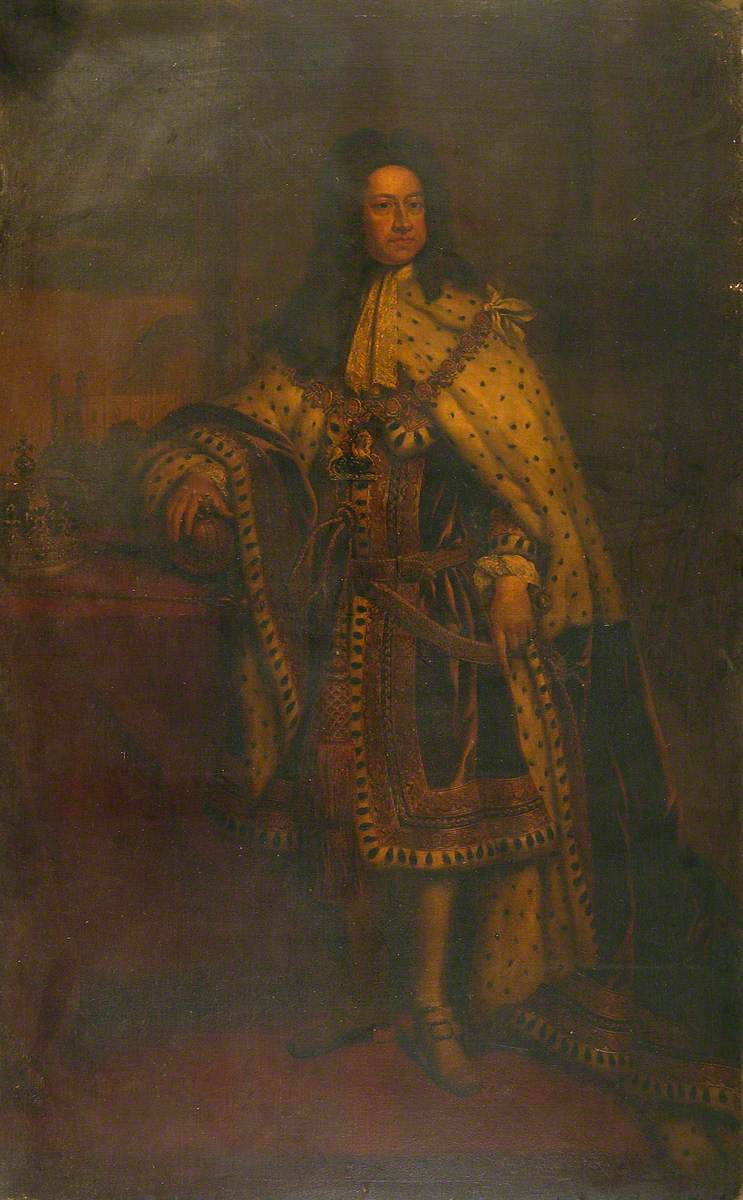
Full-length oil portrait of a man with long dark wig, wearing a gold-yellow ermine-spotted robe with a dark embroidered gown, a chain collar and a sash. He leans his left hand on a red draped table with a crown at its left edge, standing against a dim background.Painting

Primary source

George I as Elector of Hanover

Godfrey Kneller

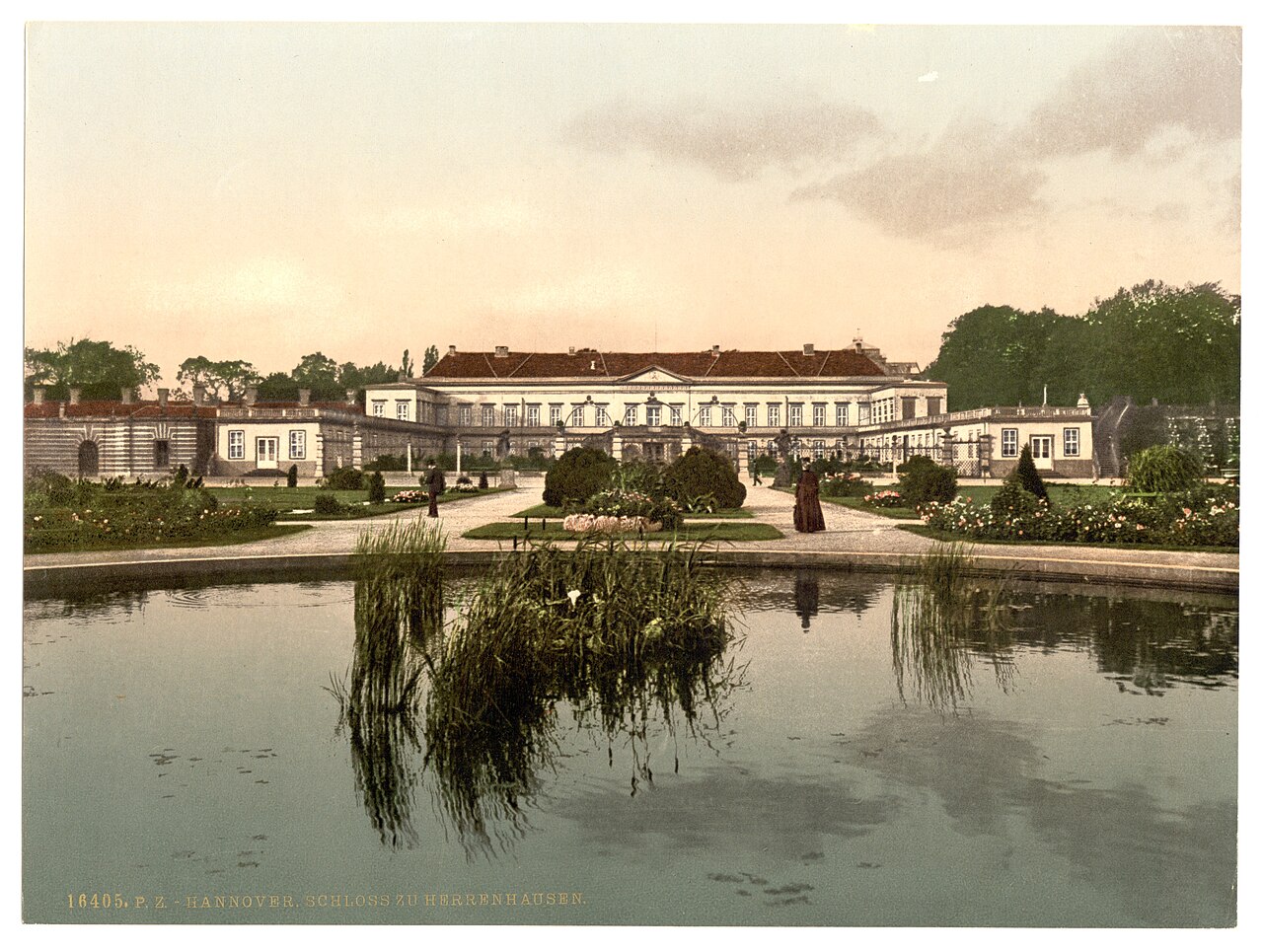
Hand-colored photograph of a large white palace with a dark red tiled roof and rows of windows, seen across a rectangular pond with reeds. Formal gardens with shrubs and flowers flank it, and two figures walk on the paths.Artifact

Secondary source

Herrenhausen Palace

1640, enlarged later

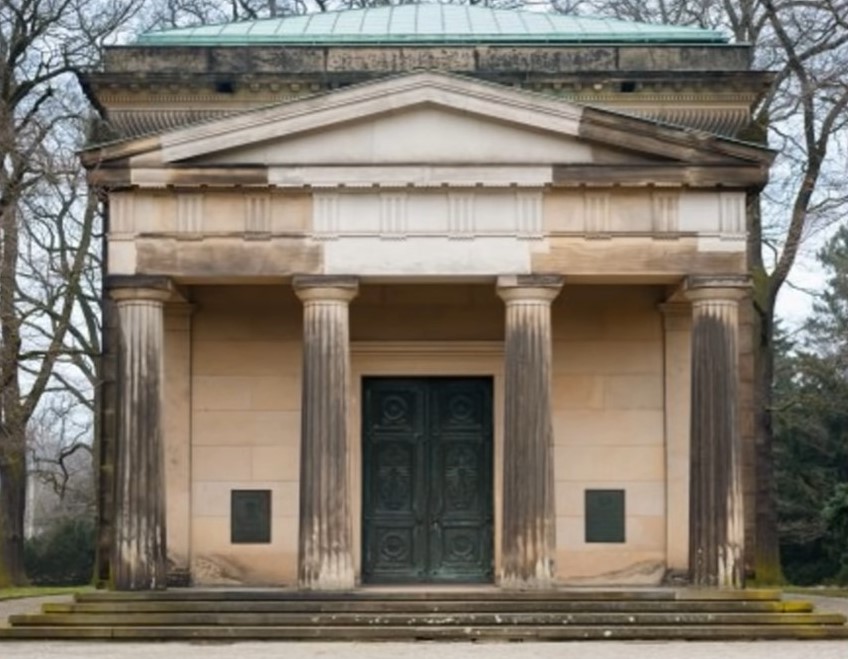
Front view of a neoclassical stone mausoleum with four fluted Doric columns, a triangular pediment, a green copper roof, bronze double doors with relief panels, and a stepped base, surrounded by bare trees.Artifact

Secondary source

Grave of George I of Great Britain

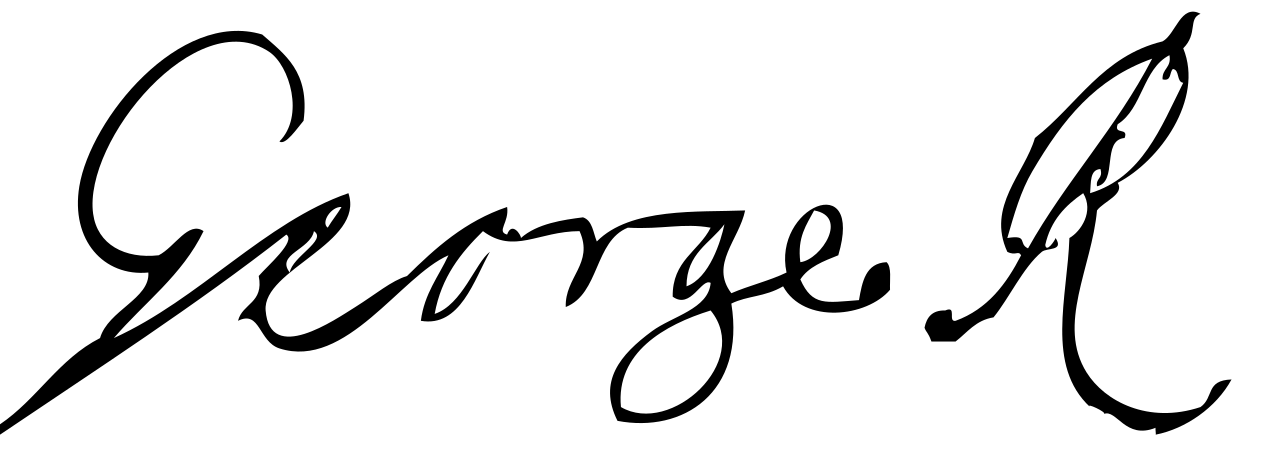
Black handwritten signature on a white background reading 'George R' in flowing cursive script, with a large looping G and a stylized R.Document

Primary source

Signature of George I of Great Britain

George I of Great Britain

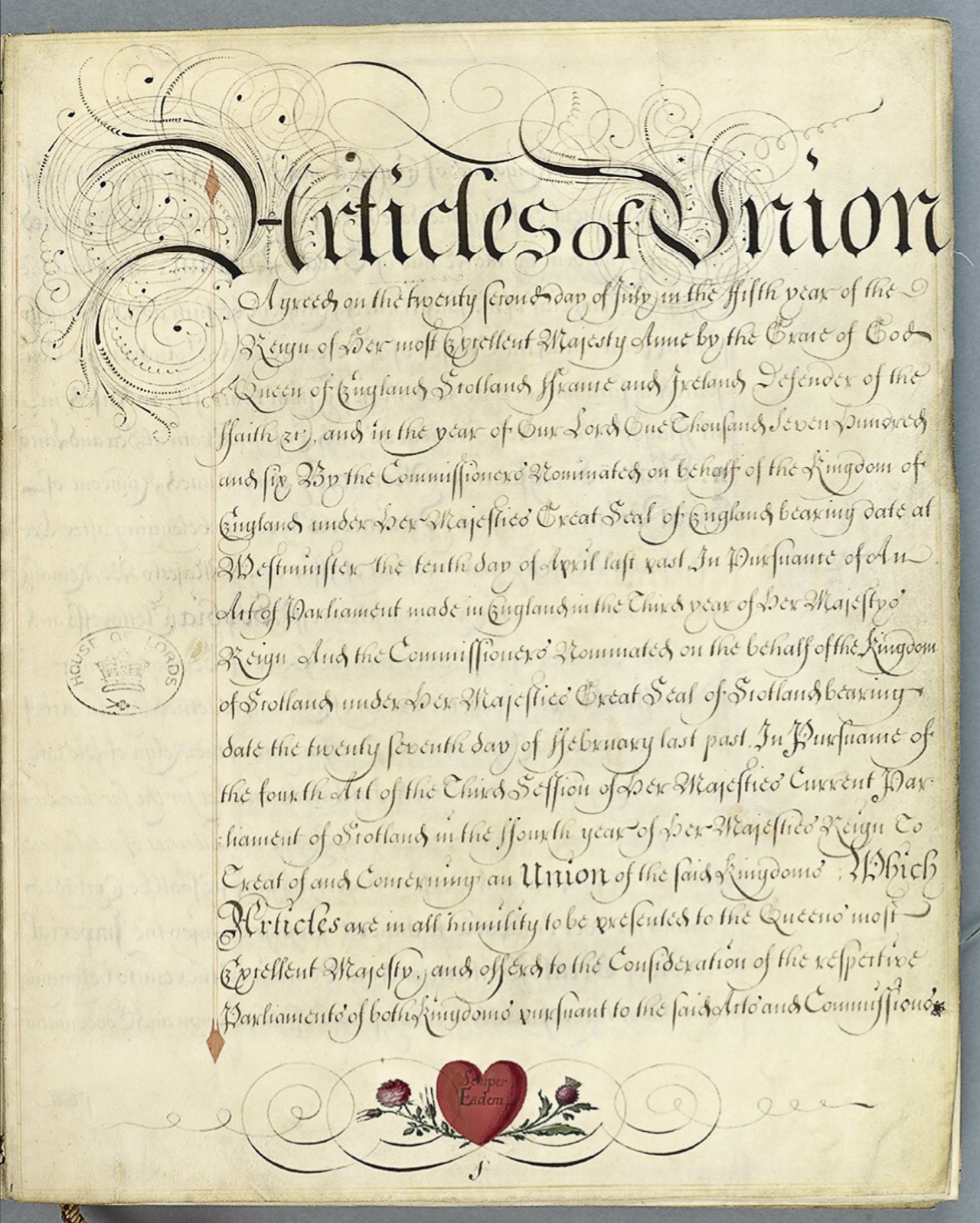
Manuscript page of the Articles of Union with a decorative calligraphic heading reading 'Articles of Union' and a long handwritten text in ornate script. A red wax seal with a thistle decoration sits at the bottom. A circular library stamp is visible on the left margin.Document

Primary source

Treaty of Union

1706-1707

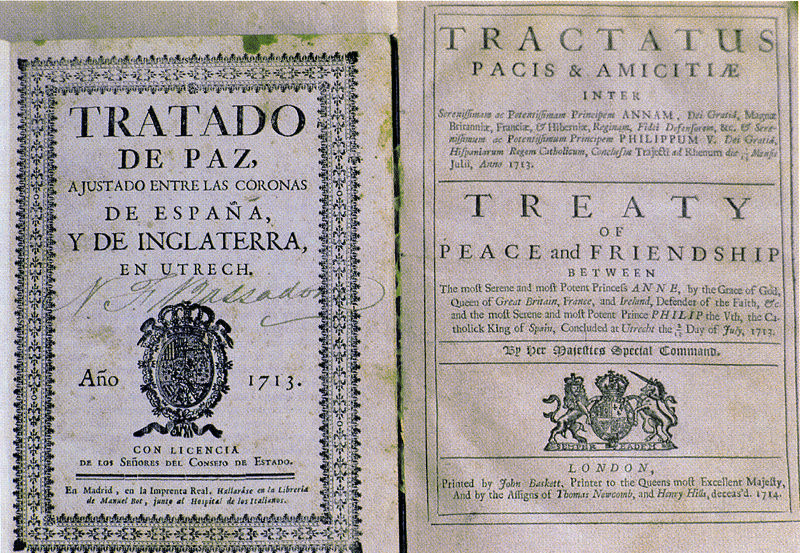
Two printed title pages side by side. Left: Spanish 'Tratado de Paz, ajustado entre las Coronas de España y de Inglaterra, en Utrech, Año 1713' with a royal coat of arms and a handwritten signature. Right: Latin and English 'Tractatus Pacis & Amicitiae' / 'Treaty of Peace and Friendship', Concluded at Utrecht 1713, printed in London 1714 with a royal coat of arms.Document

Primary source

Peace of Utrecht

1713-1715

Document

Primary source

Black Act 1723

Parliament of Great Britain · 1723

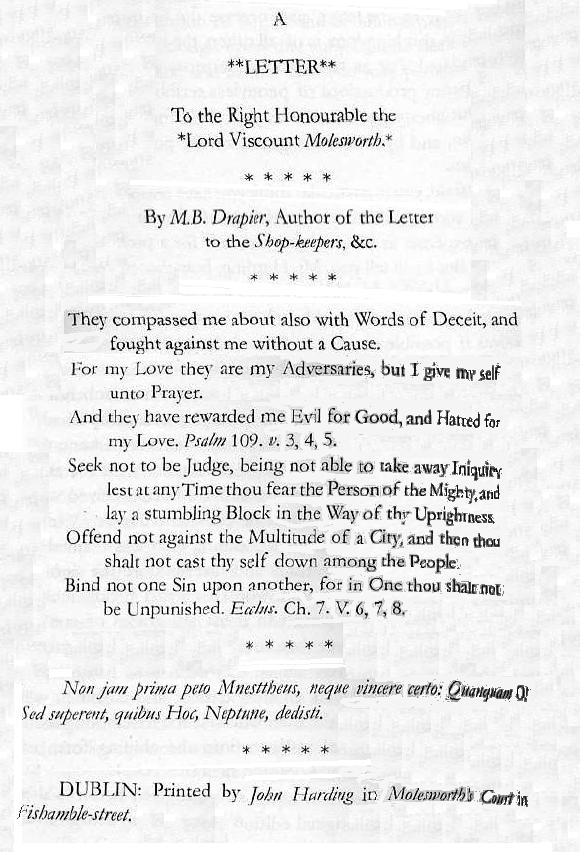
Title page of a printed letter: 'A LETTER To the Right Honourable the Lord Viscount Molesworth, By M.B. Drapier, Author of the Letter to the Shop-keepers, &c.' with Psalm and Ecclesiastes quotations, a Latin line, and the imprint 'DUBLIN: Printed by John Harding in Molesworth's Court in Fishamble-street.'Book

Primary source

Drapier's Letters

Jonathan Swift · 1724-1725

Book

Primary source

An Account of the Courts of Prussia and Hanover

John Toland · 1705

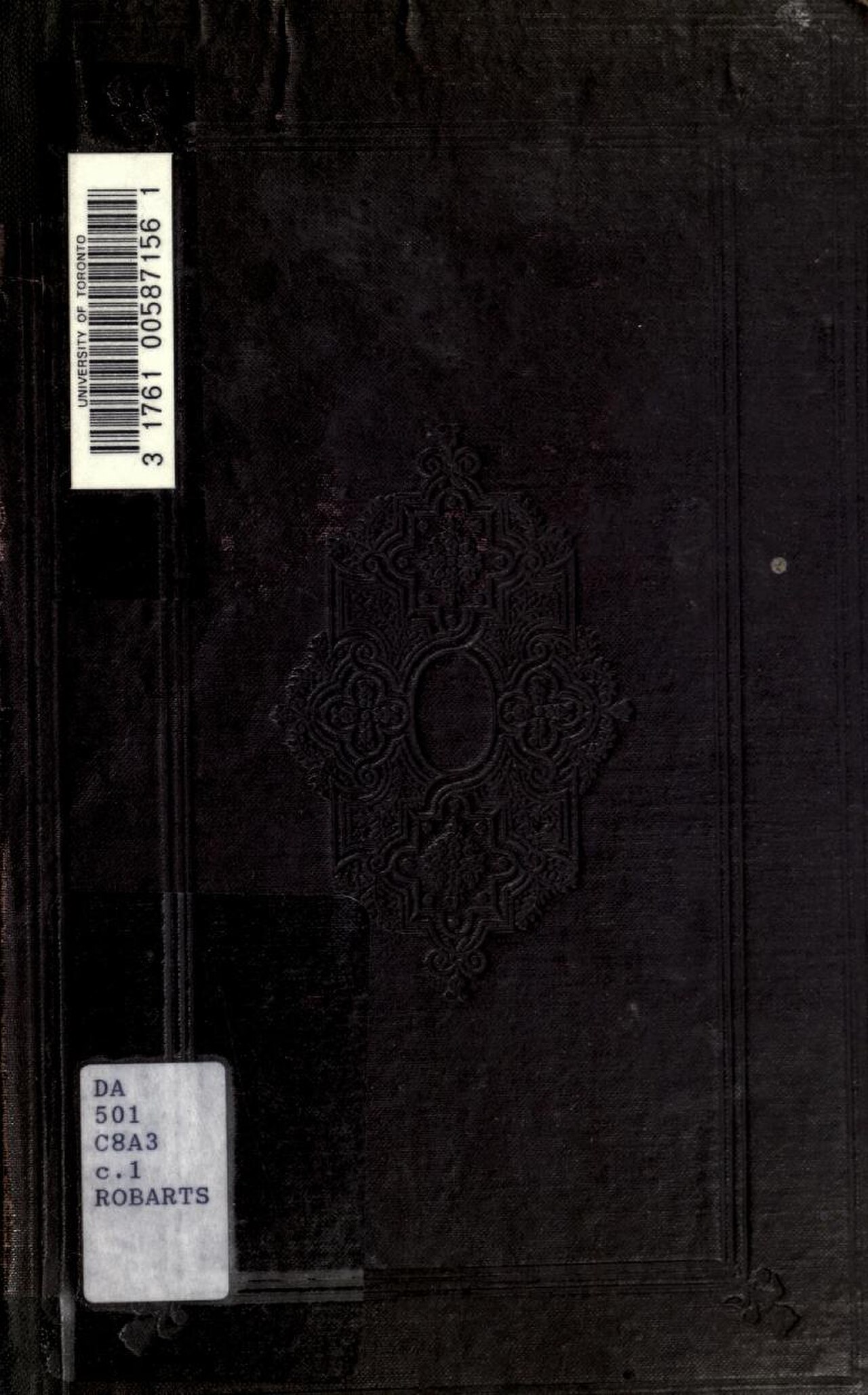
Front cover of a dark, nearly black cloth-bound book with a blind-stamped ornate central panel featuring an oval cartouche. A University of Toronto library barcode label is on the upper left and a call number label reading DA 501 C8A3 c.1 ROBARTS is on the lower left.Diary entry

Primary source

Diary of Mary, Countess Cowper

Mary Cowper, Countess Cowper · 1714–1720

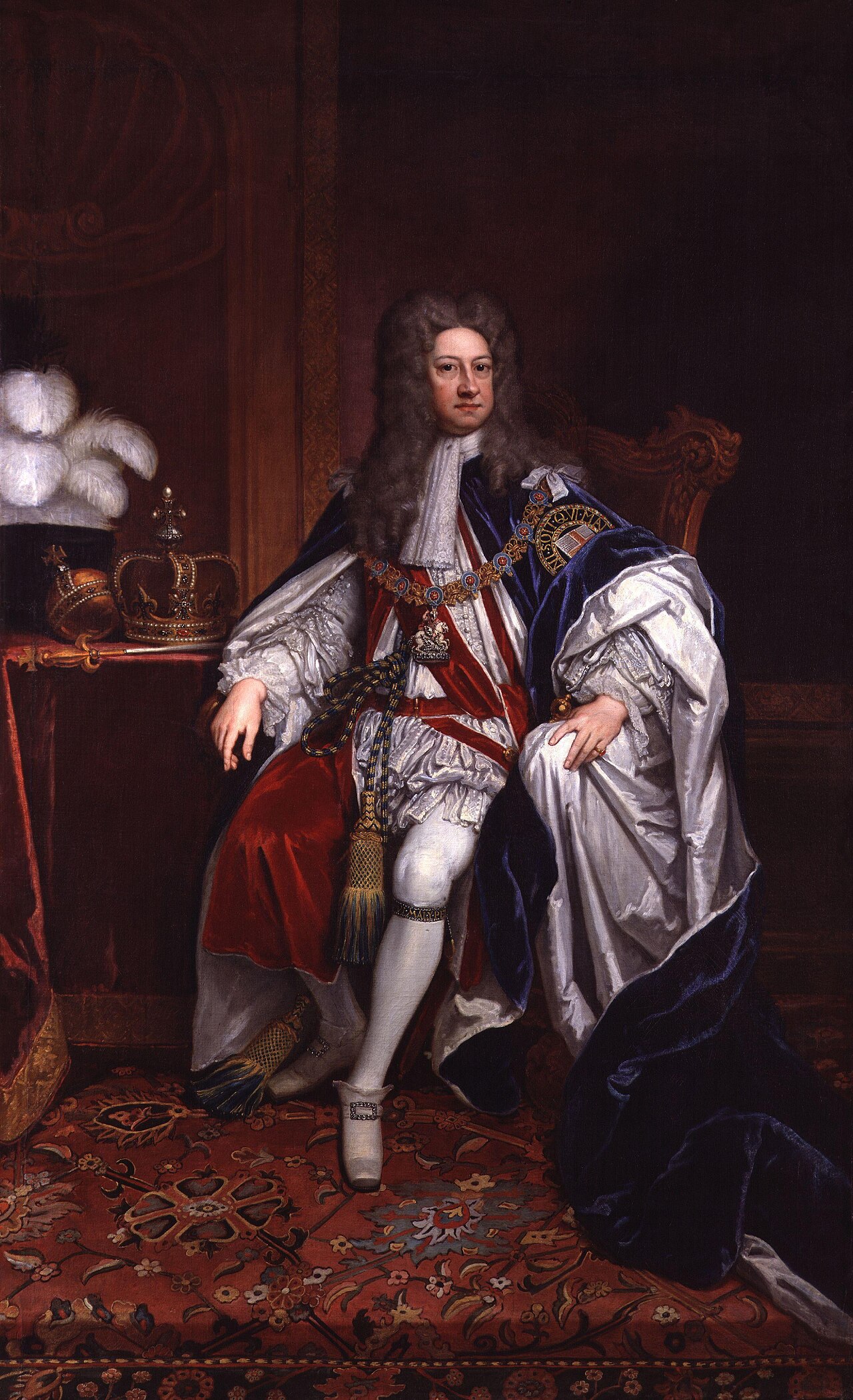
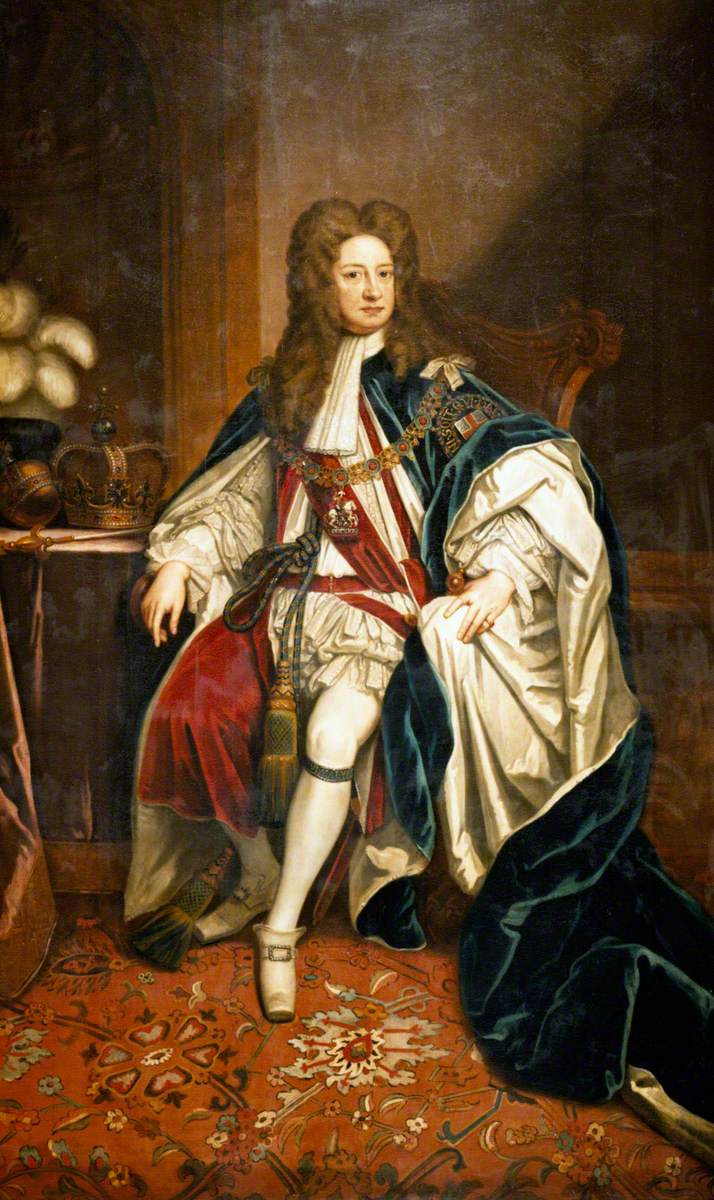
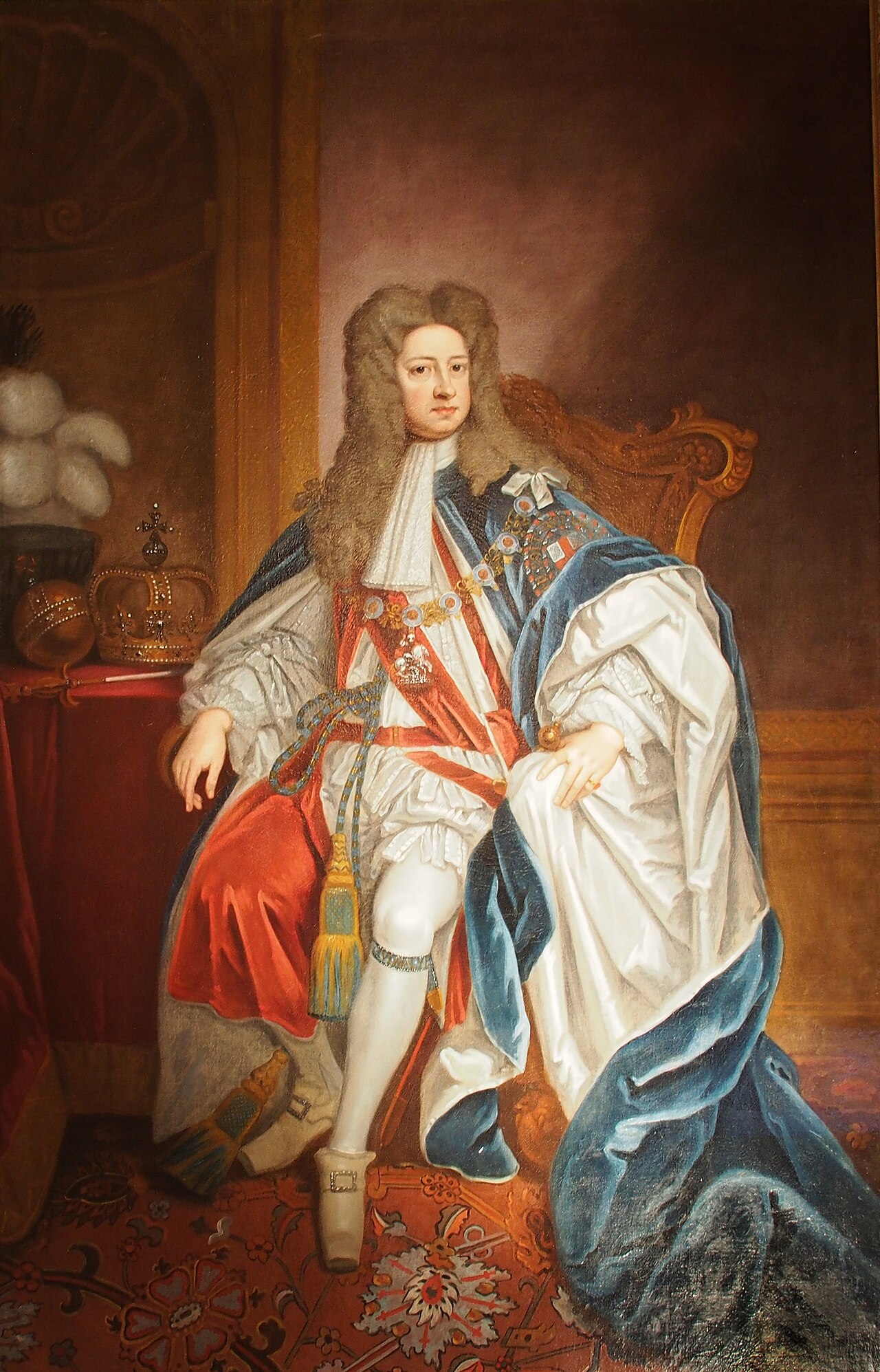
Full-length oil portrait of a man with long grey wig seated in a carved wooden chair, wearing a white lace-trimmed garment, red velvet breeches, a dark blue velvet robe, and a gold chain with a jewelled medallion. A crown and a plumed hat rest on a red table at left; a red patterned carpet covers the floor.Painting

Primary source

King George I

Godfrey Kneller · 1716

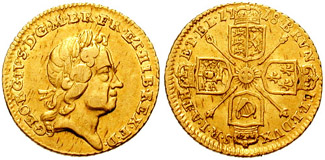
Two sides of a small gold coin. The left side shows a laureate bust of a man facing right with a Latin inscription around the edge. The right side shows a crowned shield of arms divided into quarters with a central star-like emblem and surrounding inscription and date.Artifact

Primary source

Quarter Guinea of George I

Royal Mint · 1718

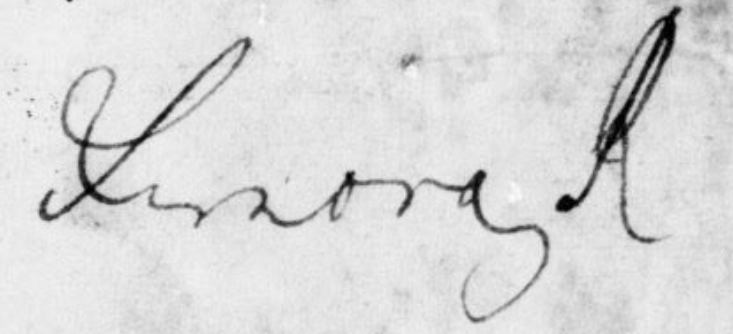
Close-up of a handwritten ink signature in cursive on a pale, grainy paper. The large looping letters are followed by a long descending stroke and a tall capital-like flourish on the right.Document

Primary source

George I Signature, 1723

George I of Great Britain · November 1723

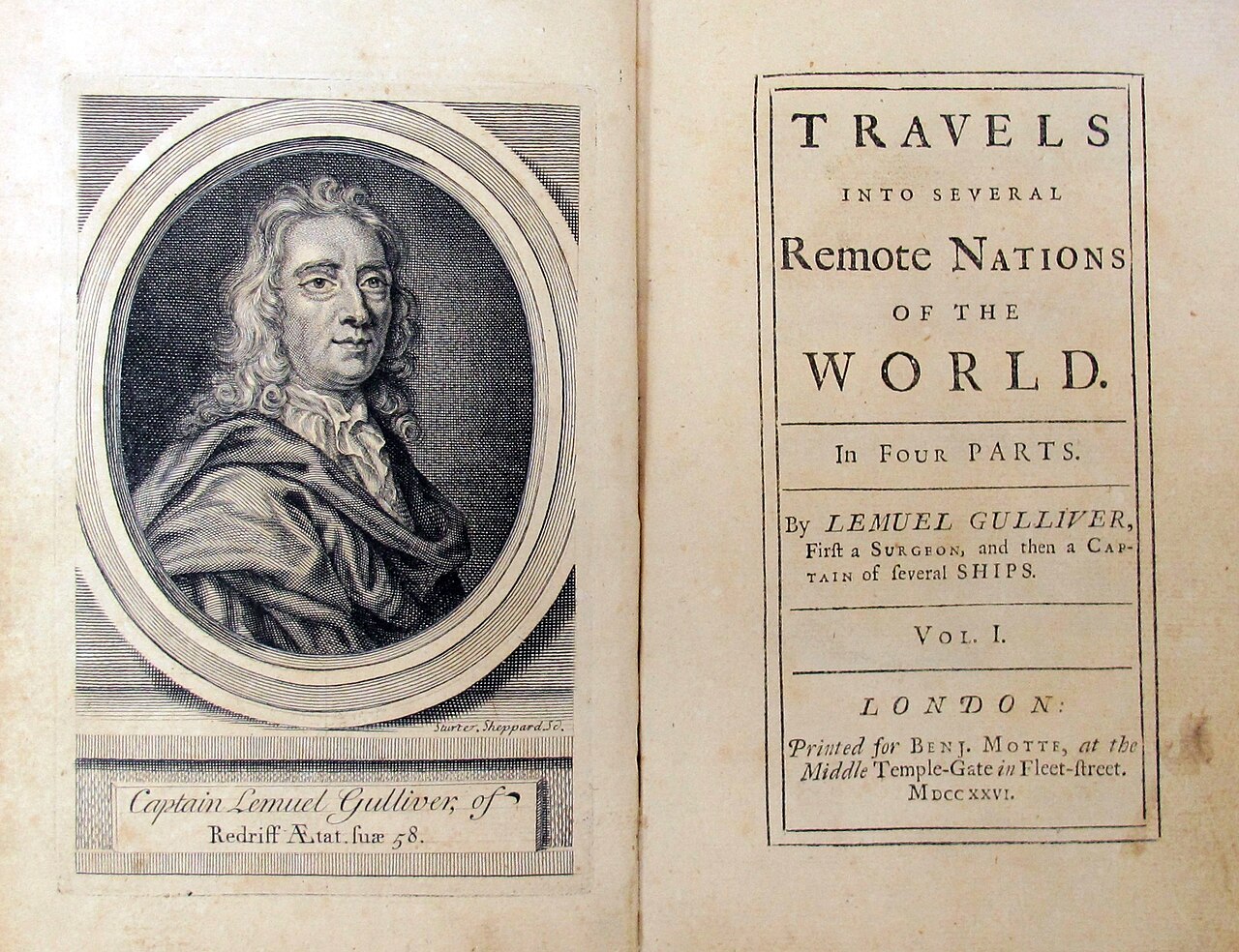
Open book showing an engraved frontispiece portrait of Captain Lemuel Gulliver in an oval frame, with a caption below it, facing a title page reading 'Travels into Several Remote Nations of the World, by Lemuel Gulliver, Vol. I, London, 1726'.Book

Secondary source

Gulliver's Travels

Jonathan Swift · 1726

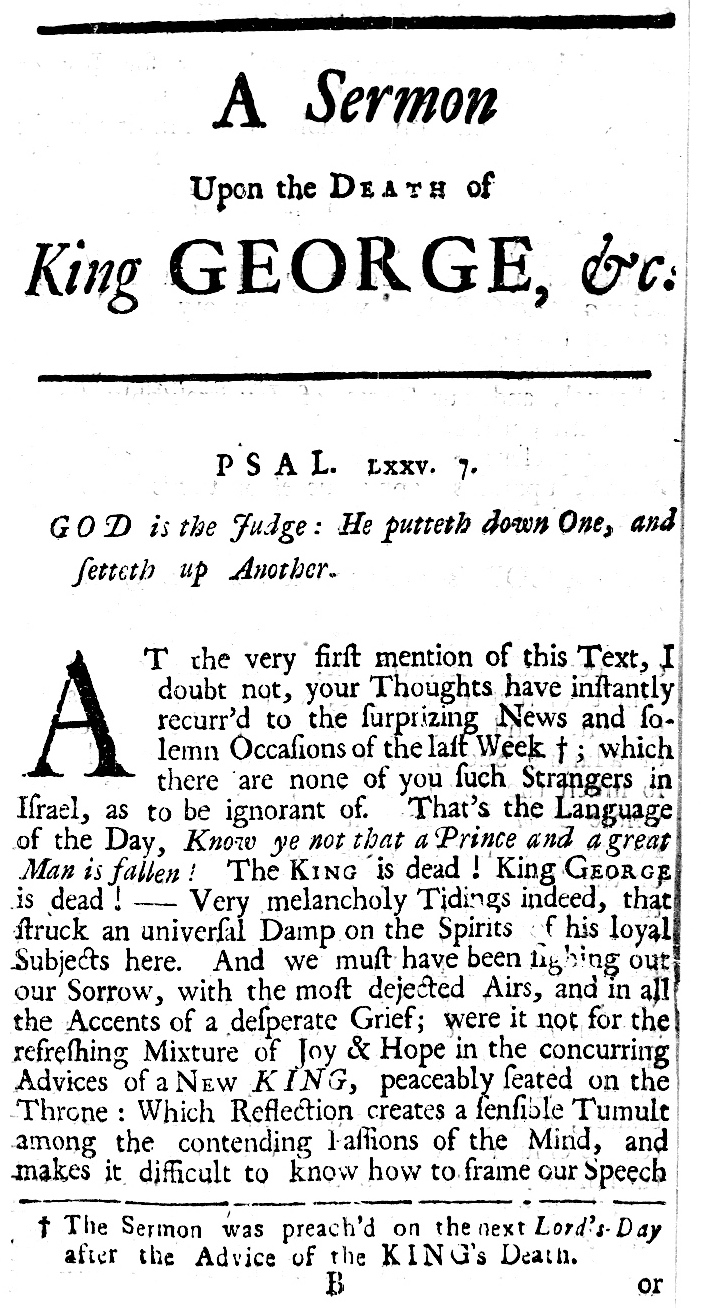
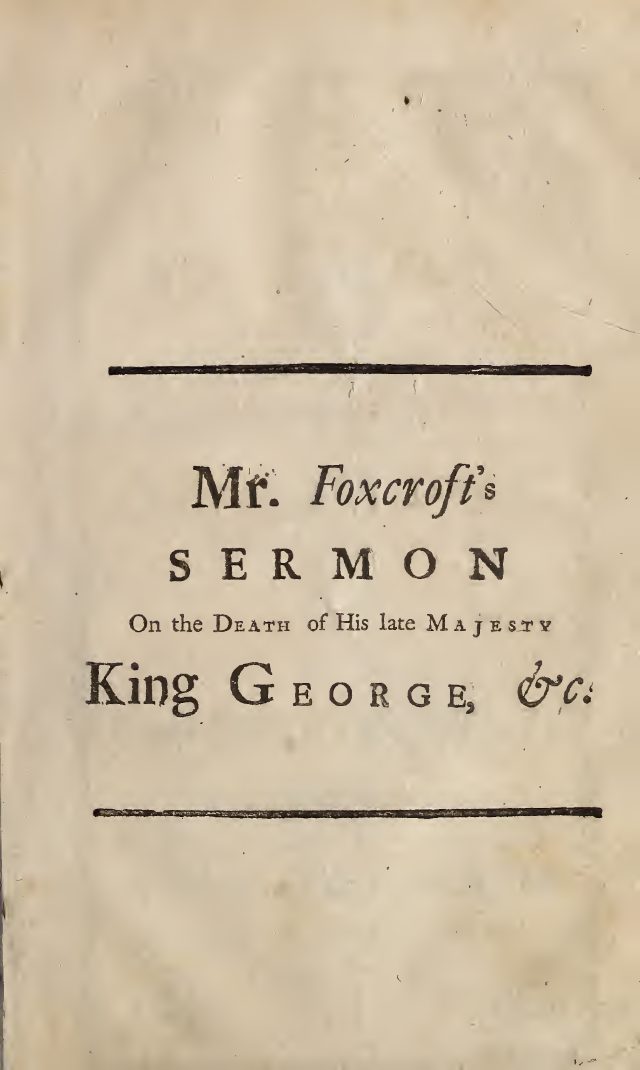
Title page of a printed sermon titled 'A Sermon Upon the Death of King George, &c.', with the text Psalm 75:7 'GOD is the Judge: He putteth down One, and setteth up Another.' Body text begins below, with a footnote about the sermon being preached the next Lord's Day.Document

Primary source

A Sermon Upon the Death of King George

Thomas Foxcroft · 1727

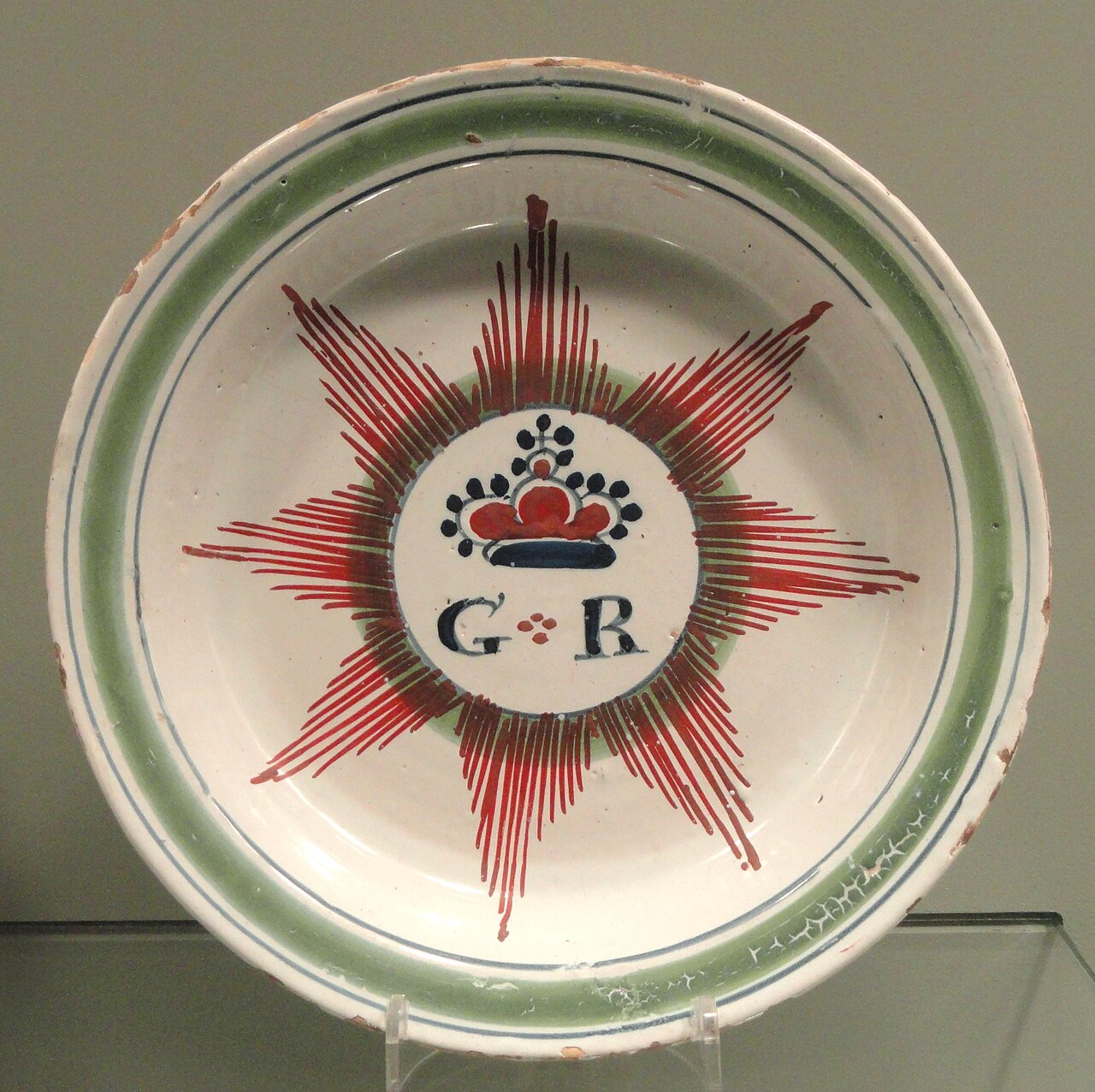
Photograph of a round white tin-glazed earthenware plate on a glass stand. A green band and thin blue lines border the rim. The center has a red and dark-red radiating star, a crown in red and blue, and the letters G and R in blue.Artifact

Primary source

Delftware Plate Commemorating George I

c. 1714-1727

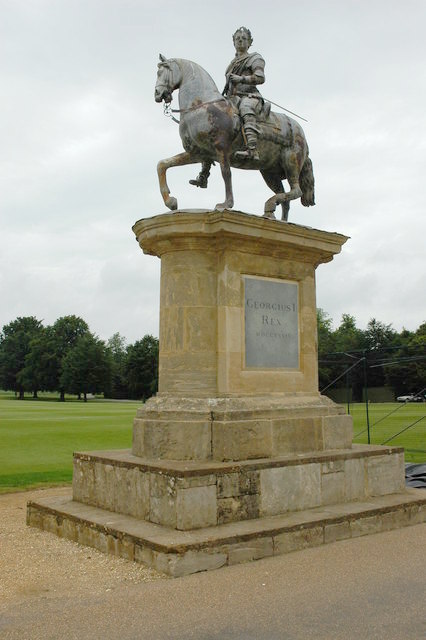
Bronze equestrian statue of a rider on a rearing horse, atop a tall stone pedestal with a plaque reading 'GEORGIUS REX'. Lawn and trees stand behind it under an overcast sky.Sculpture

Primary source

Equestrian Statue of George I at Stowe

Andries Carpentière

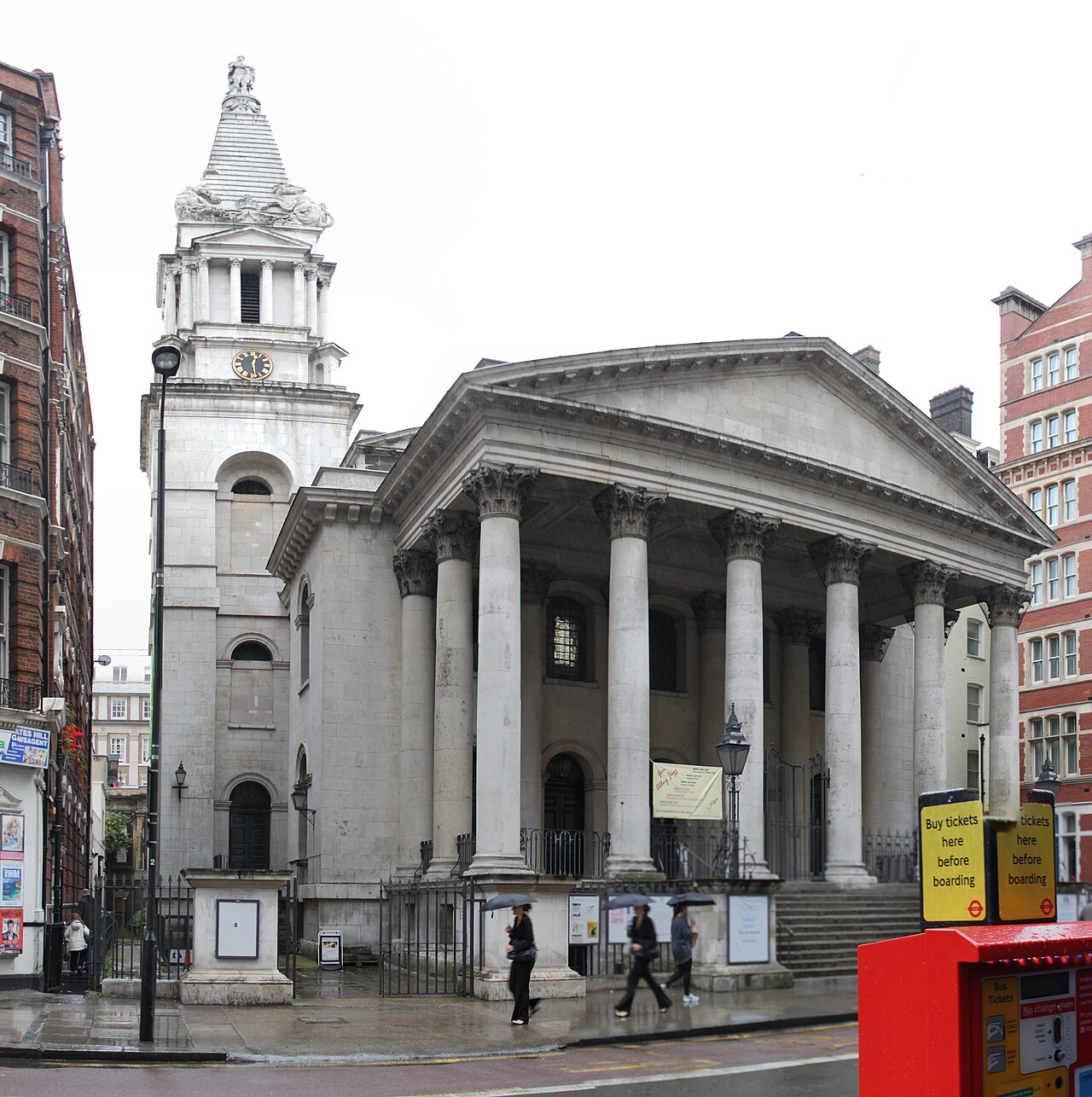
Exterior of St George's Church, Bloomsbury, showing a white Portland stone portico with tall Corinthian columns under a pediment, a stepped tower with a clock and a statue on top, flanked by red-brick buildings. A red London bus stop ticket machine and yellow 'Buy tickets here before boarding' signs stand at the lower right, with pedestrians on wet pavement.Artifact

Primary source

St George's, Bloomsbury

Nicholas Hawksmoor · 1716

Full-length painted portrait of a man with long curled wig, seated in a carved wooden chair in red and white robes with a dark blue velvet mantle, wearing a sash and ribbon of an order. A crown and cushion sit on a table at left, with a patterned red carpet below.Painting

Primary source

George I (1660–1727)

Godfrey Kneller

Blue interlaced script monogram with a red and white crown above, topped by a gold cross on a sphere. The monogram of George I's royal cypher, with looping letterforms in deep blue.Artifact

Primary source

Monogram of George I of Great Britain

Heraldic coat of arms with a gold lion and a white unicorn as supporters, a crowned gold lion crest above, a central shield quartered in red, blue and gold, and the motto Dieu et mon droit on a blue and light blue ribbon below.Artifact

Primary source

Coat of Arms of George I of Great Britain

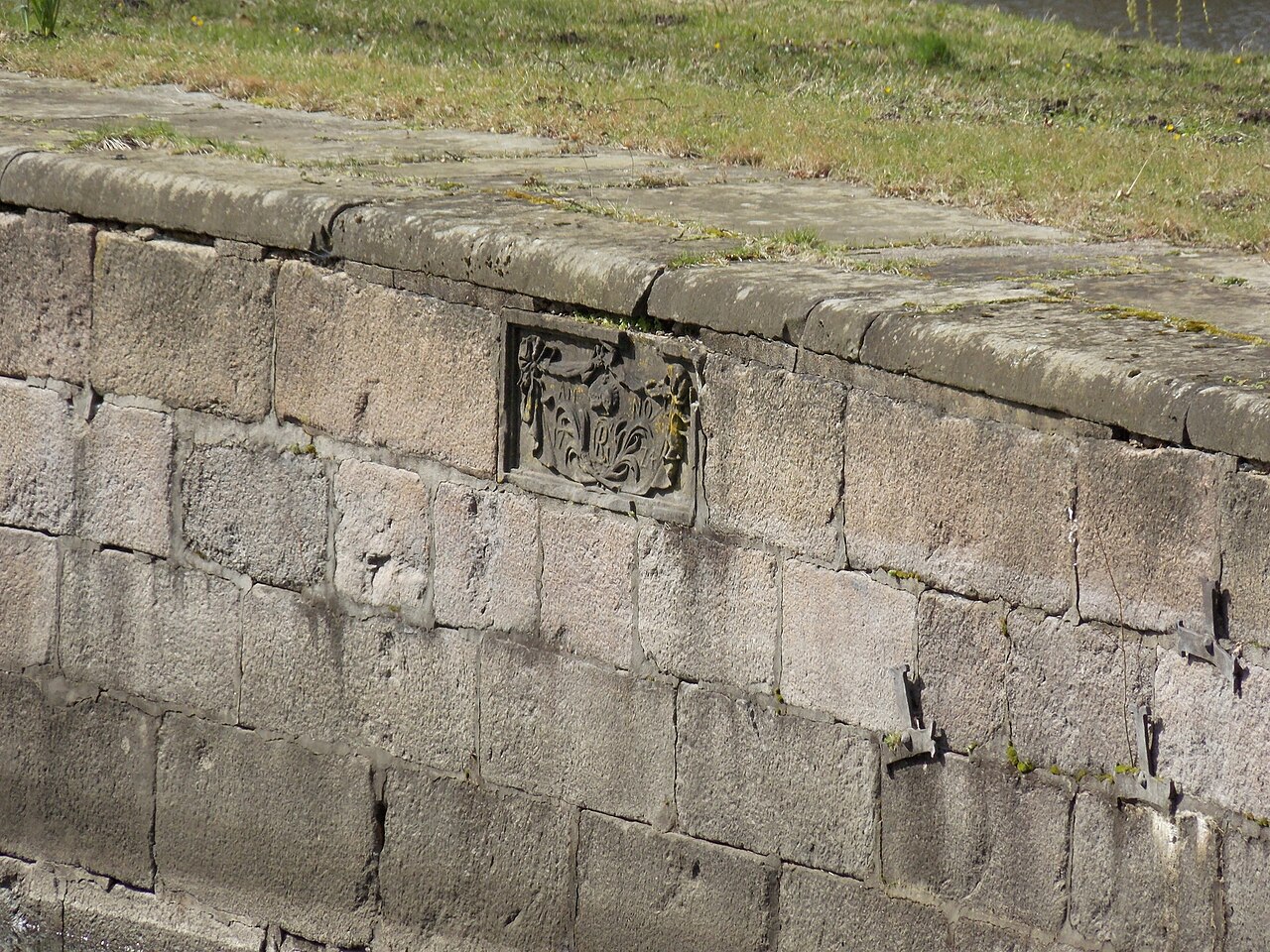
A stone quay wall of rough-cut grey blocks with a weathered cast-iron or metal coat-of-arms plaque set into it, decorated with ornamental scrollwork and a central heraldic shield. Grass and a water edge appear at the top.Artifact

Primary source

Lauenburg Palmschleuse Wappentafel

Infestus 969 · 1724

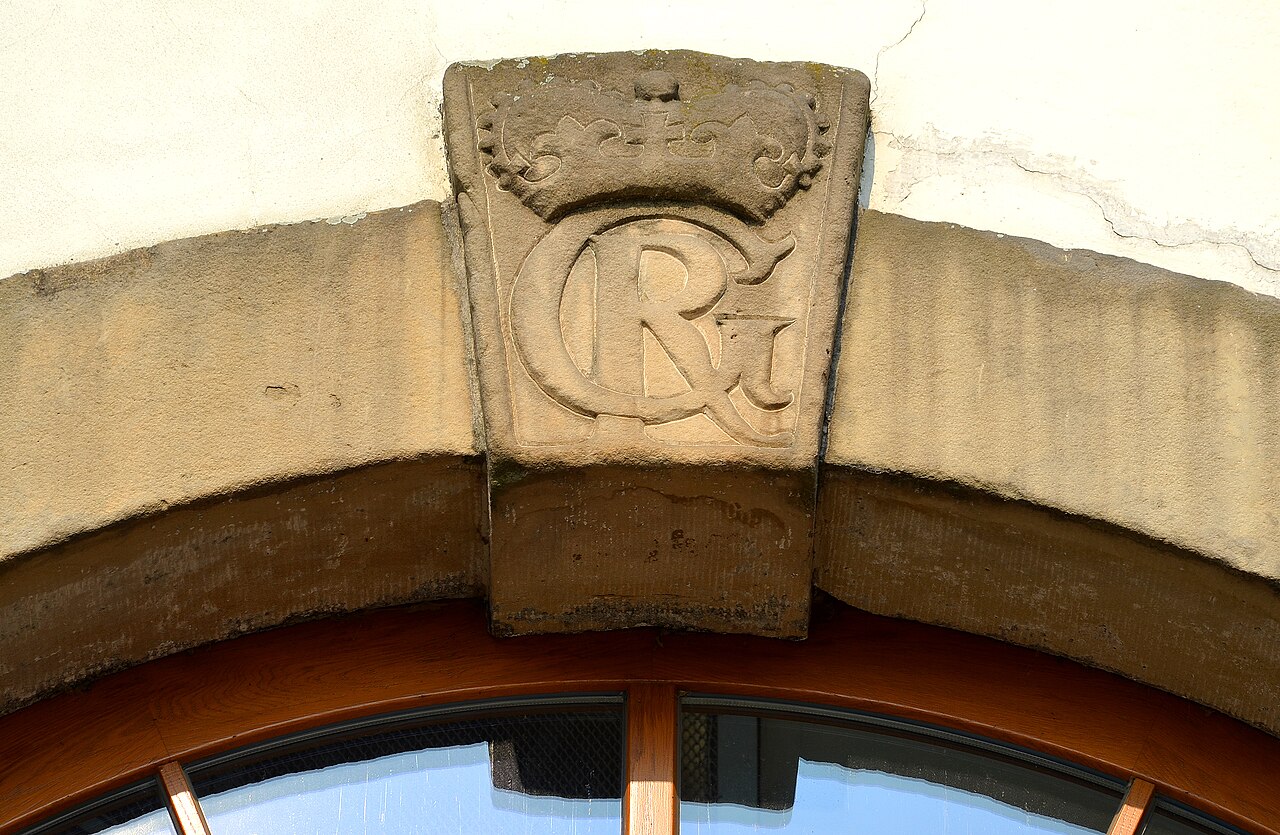
Photo of a carved sandstone keystone over an arched portal, bearing a crown above an interlaced monogram of the letters G and R within a circle. The stone sits in a pale plastered wall above a round-arched wooden window with glass panes.Artifact

Primary source

Crowned Monogram at the Old Stable, Hanover

Bernd Schwabe · 1682 or 1687

Document

Primary source

Andreasbergische Freiheit 1699

George I of Great Britain · 1699

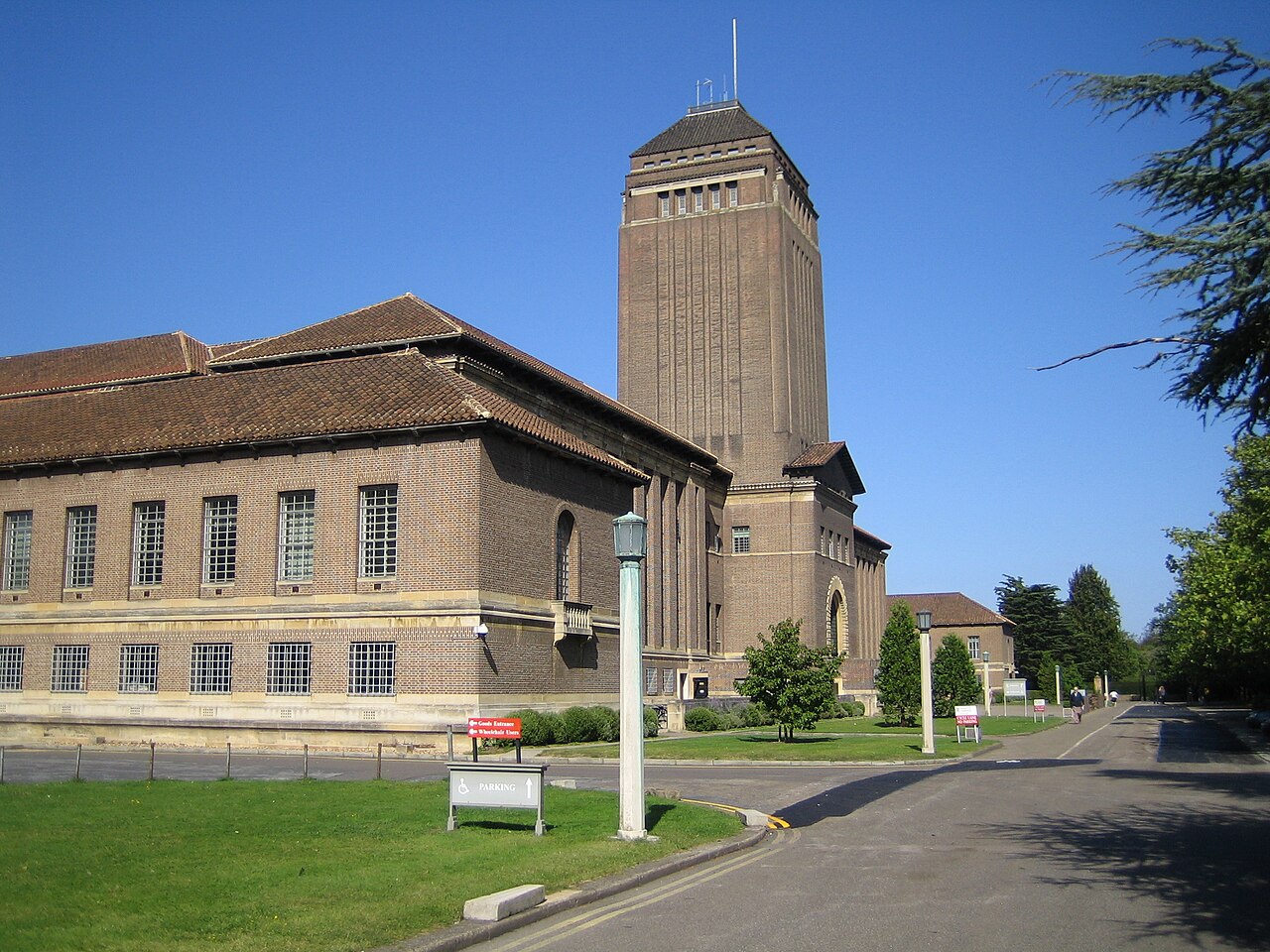
Exterior of a large brick building with a tall square tower and a tiled roof, under a clear blue sky. A lamp post, a parking sign, and green lawn are in the foreground, with trees to the right.Artifact

Secondary source

Cambridge University Library

1715 (gift); current building 1934

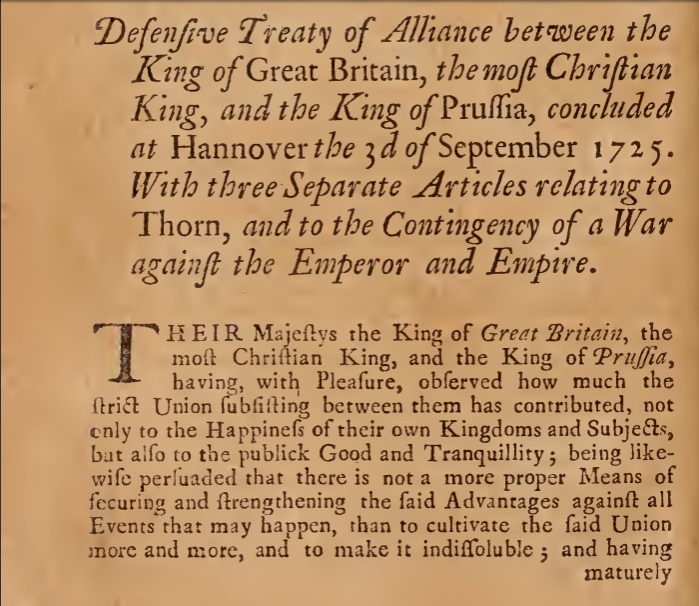
Scan of the title and opening text of the 1725 Defensive Treaty of Alliance concluded at Hanover between the King of Great Britain, the most Christian King, and the King of Prussia. Printed in old-style type on aged paper.Document

Primary source

Treaty of Hanover

3 September 1725

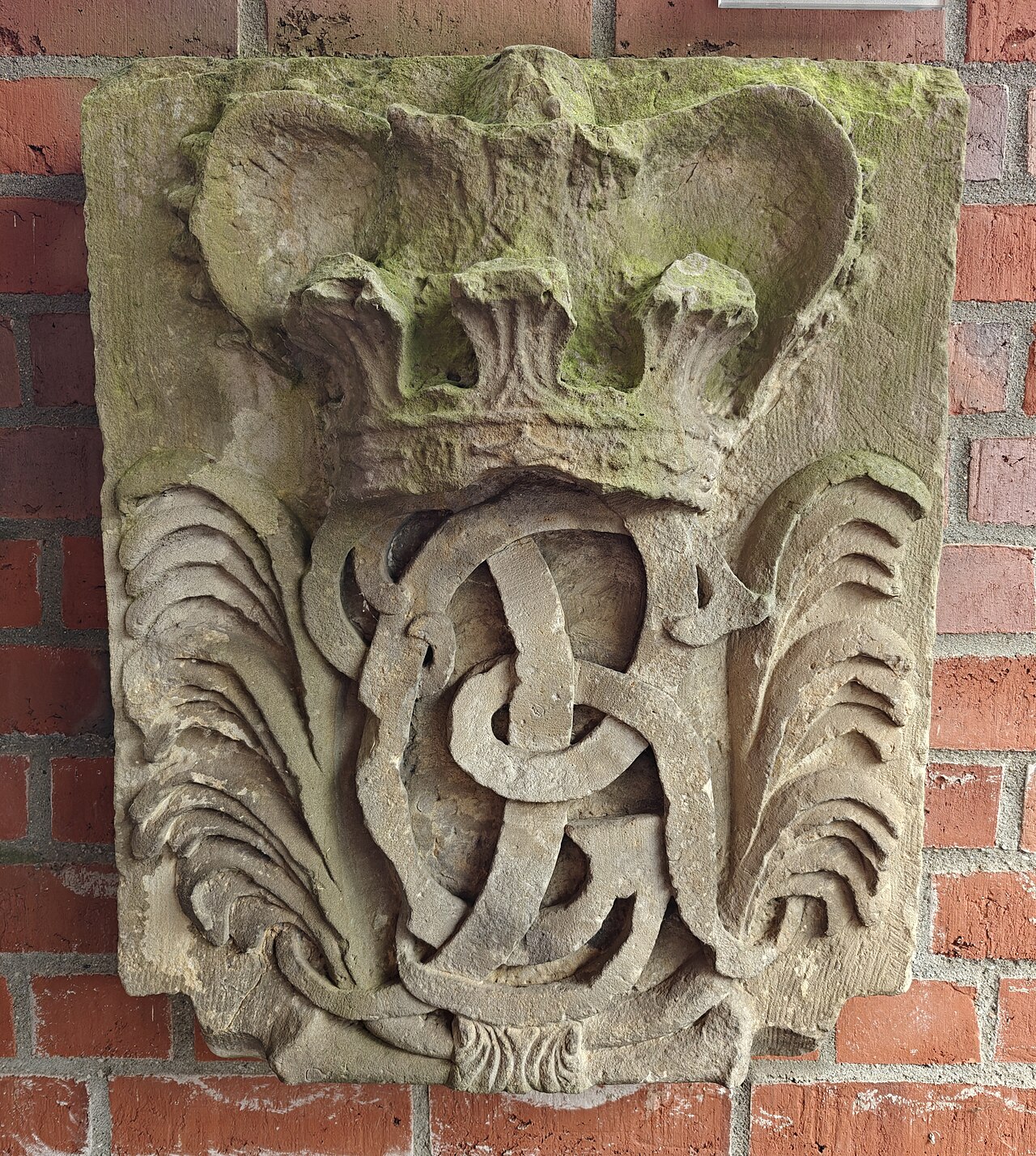
A weathered sandstone carved relief showing a royal crown above an interlaced cipher monogram, flanked on both sides by carved acanthus-like leaf scrolls, mounted against a red brick wall. Moss covers parts of the stone.Artifact

Primary source

Nienburg Bridge Keystone

Anastasiya Lvova · early 18th century

Document

Primary source

Dependency of Ireland on Great Britain Act 1719

Parliament of Great Britain · 1719

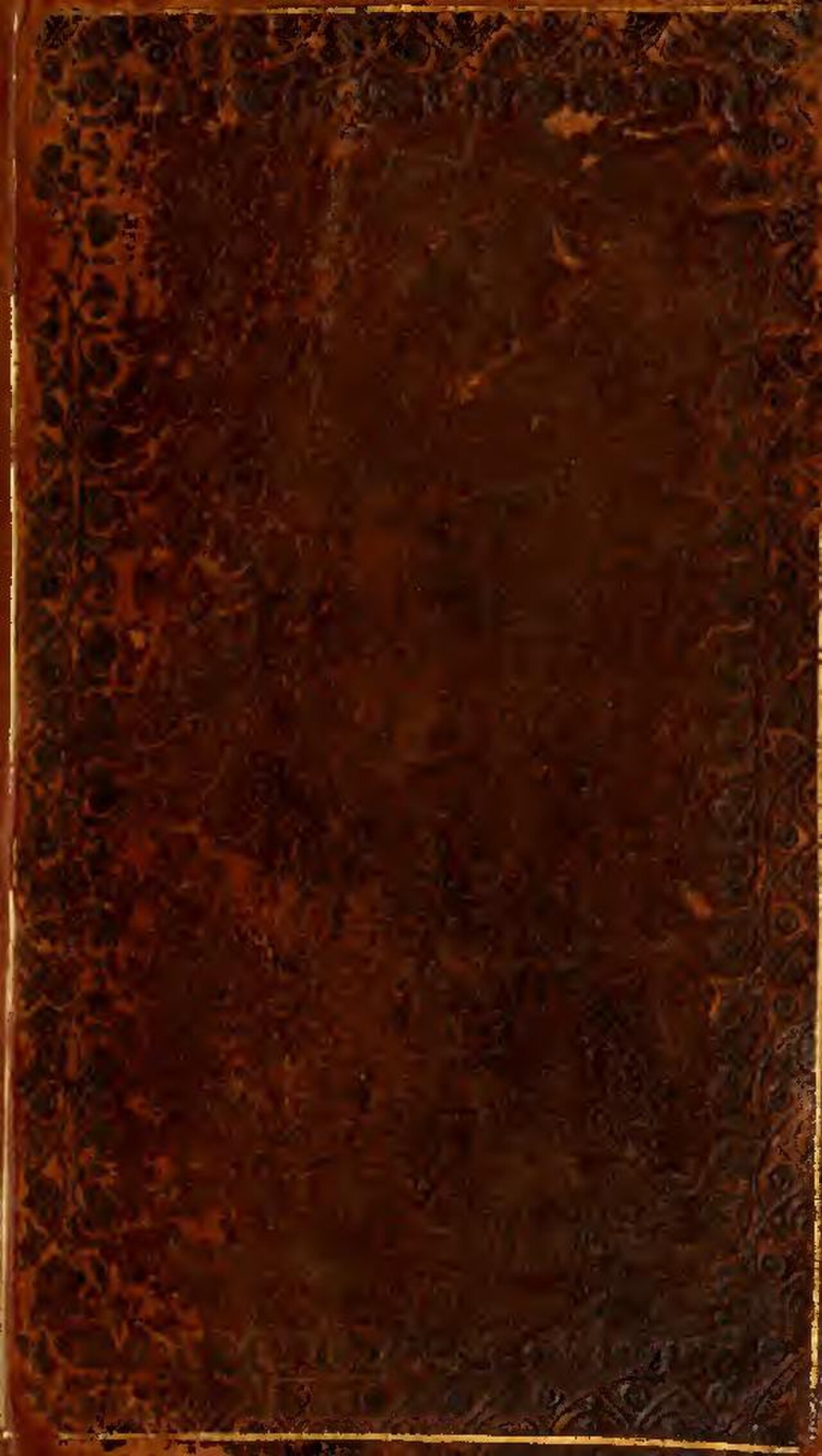
Front cover of a book bound in dark reddish-brown leather with a blind-stamped decorative border of interlaced patterns and gold-tooled edge lines. No title or text is visible on the cover.Book

Primary source

Cato's Letters

John Trenchard and Thomas Gordon · 1720–1723

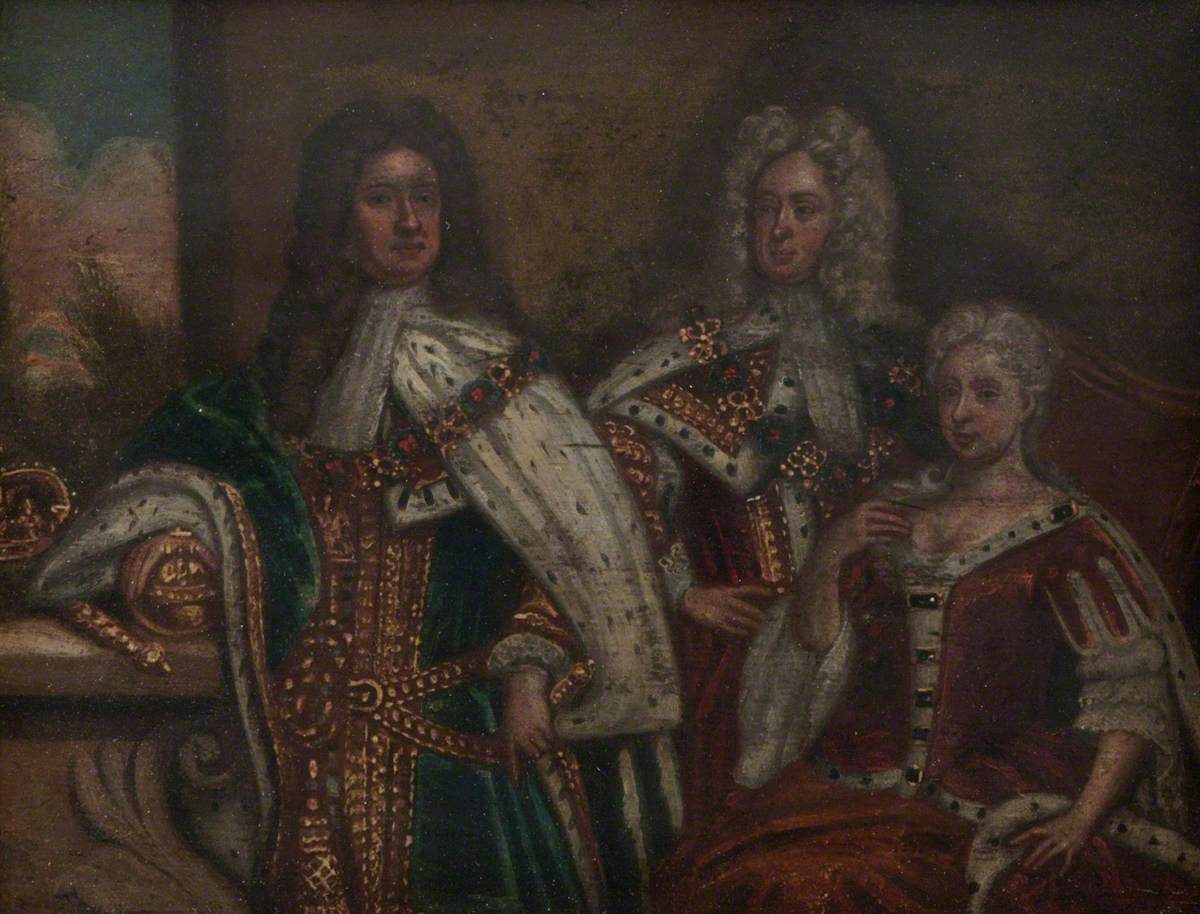
Oil painting of three figures in royal robes with ermine trim. A man with long dark hair in a green-lined robe stands at left, a man in a white wig stands center, and a woman in a red gown with a white wig sits at right, with a crown visible at the left edge.Painting

Primary source

George I with George II and Queen Caroline

Godfrey Kneller (style of)

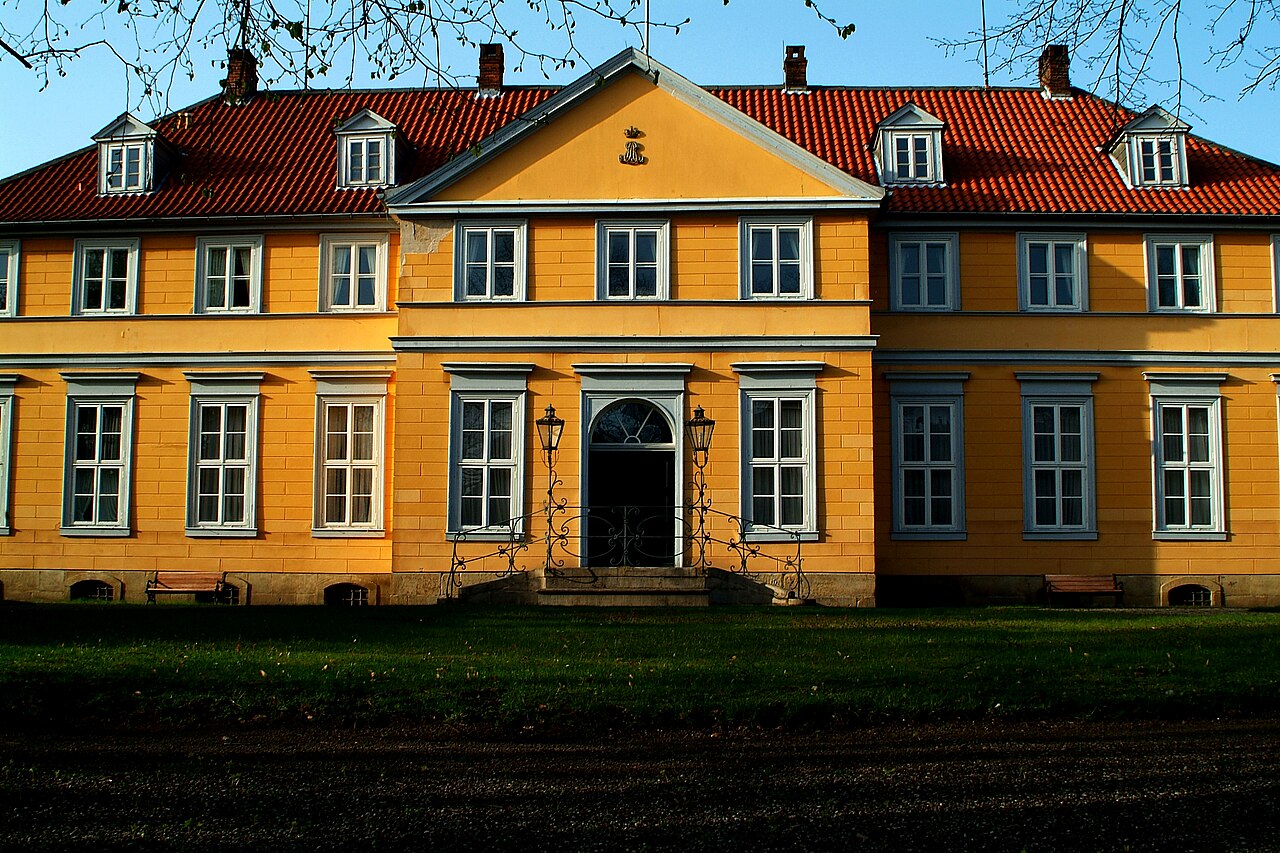
Front view of a two-story yellow baroque-style building with a red tiled roof, dormer windows, white-framed windows, a central pedimented gable, and an arched entrance with wrought-iron railings and lanterns, set on a lawn.Artifact

Secondary source

Fürstenhaus Herrenhausen-Museum

God the Judge, Putting Down One and Setting Up AnotherSpeech

Primary source

God the Judge, Putting Down One and Setting Up Another

Thomas Foxcroft · 1727

The First George in Hanover and EnglandBook

Secondary source

The First George in Hanover and England

Lewis Melville · 1908

The Brunswick AccessionBook

Secondary source

The Brunswick Accession

Percy Melville Thornton · 1887

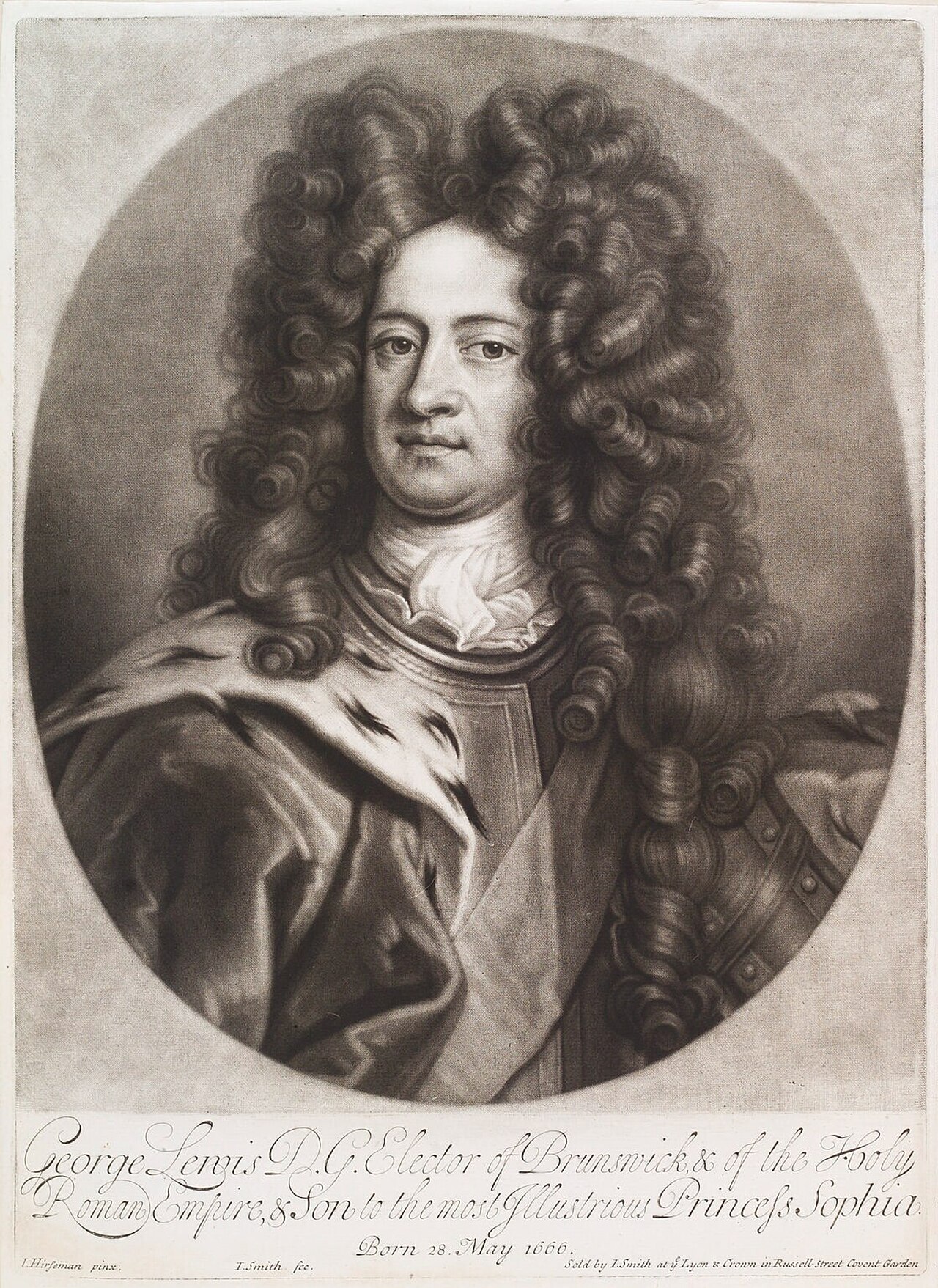
Sepia mezzotint engraving of a man in an oval frame, wearing a large curled periwig, a white cravat, and a dark cloak with fur trim. Below the oval is an engraved inscription naming George Lewis, Elector of Brunswick, and Son to Princess Sophia, born 28 May 1666, with the artist credits 'I. Hersleman pinx' and 'T. Smith fec.'Painting

Primary source

George I, Elector of Hanover, portrait by John Smith

John Smith · 1706

The Restoration Made a Blessing to Us, by the Protestant SuccessionSpeech

Primary source

The Restoration Made a Blessing to Us, by the Protestant Succession

Benjamin Hoadly · 29 May 1716

A Second Deliverance from Popery and SlaverySpeech

Primary source

A Second Deliverance from Popery and Slavery

William Stephens · 19 September 1714

The Way to Stable and Quiet TimesSpeech

Primary source

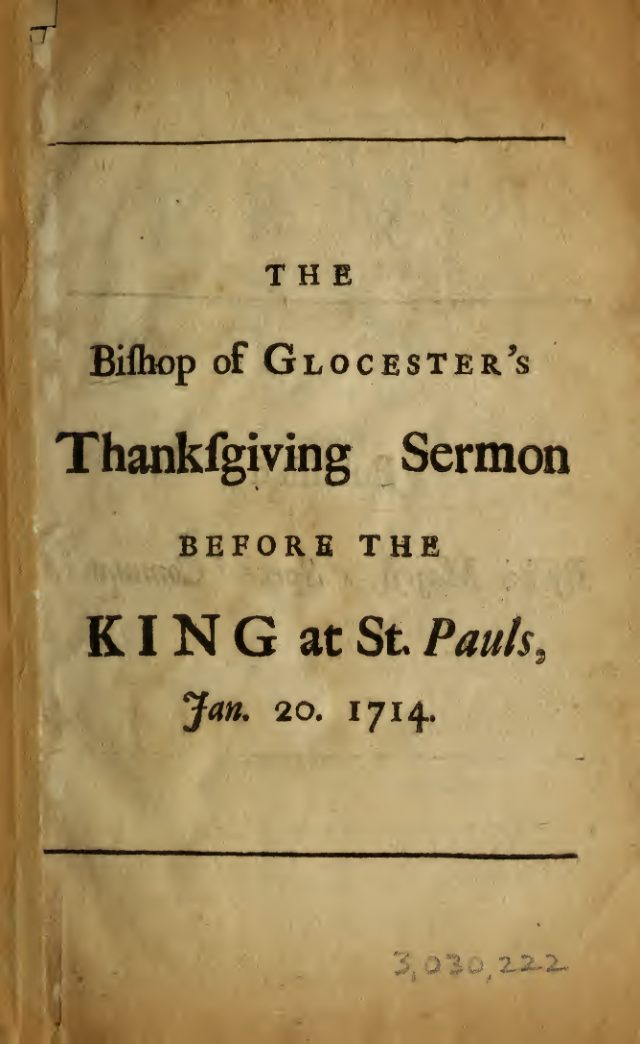
The Way to Stable and Quiet Times

Richard Willis · 20 January 1715

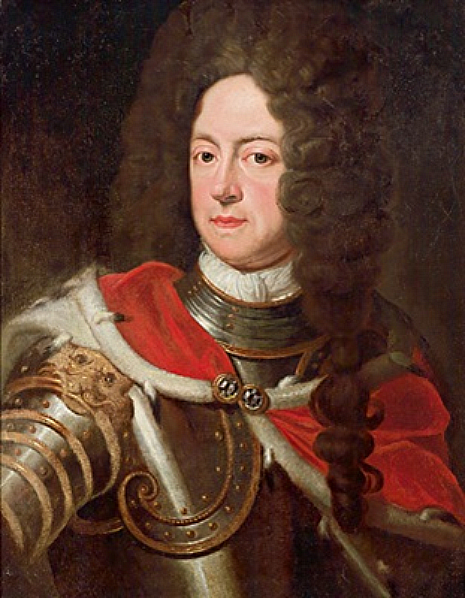
Oil painting of a man with long curled brown wig, wearing polished steel armour with gold trim, a red cloak edged with white fur, and a white lace collar. Dark background.Painting

Primary source

Portrait of Georg Ludwig of Hanover

Michael Dahl · 1714

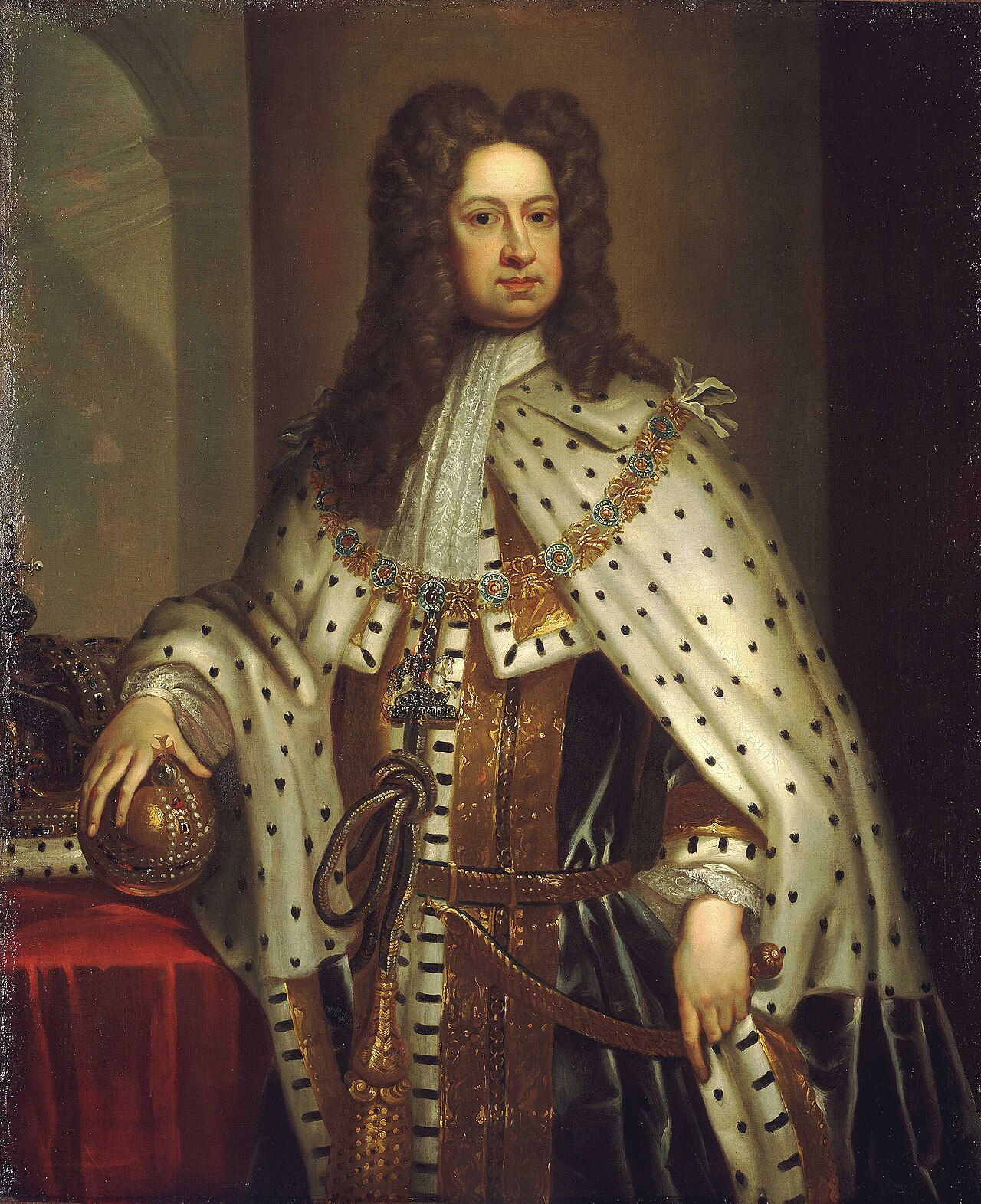
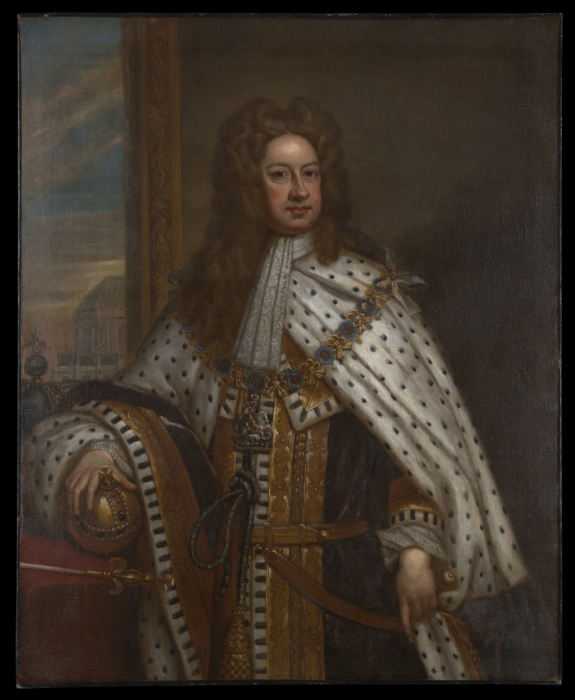
Oil portrait of a man with long curled brown wig in white ermine-spotted coronation robes with a gold chain collar and jewelled badge. His left hand rests on a golden orb on a red-draped table; his right hand holds a sword hilt. Dark background with a stone archway at left.Painting

Primary source

George I in Coronation Robes

Godfrey Kneller · after 1714

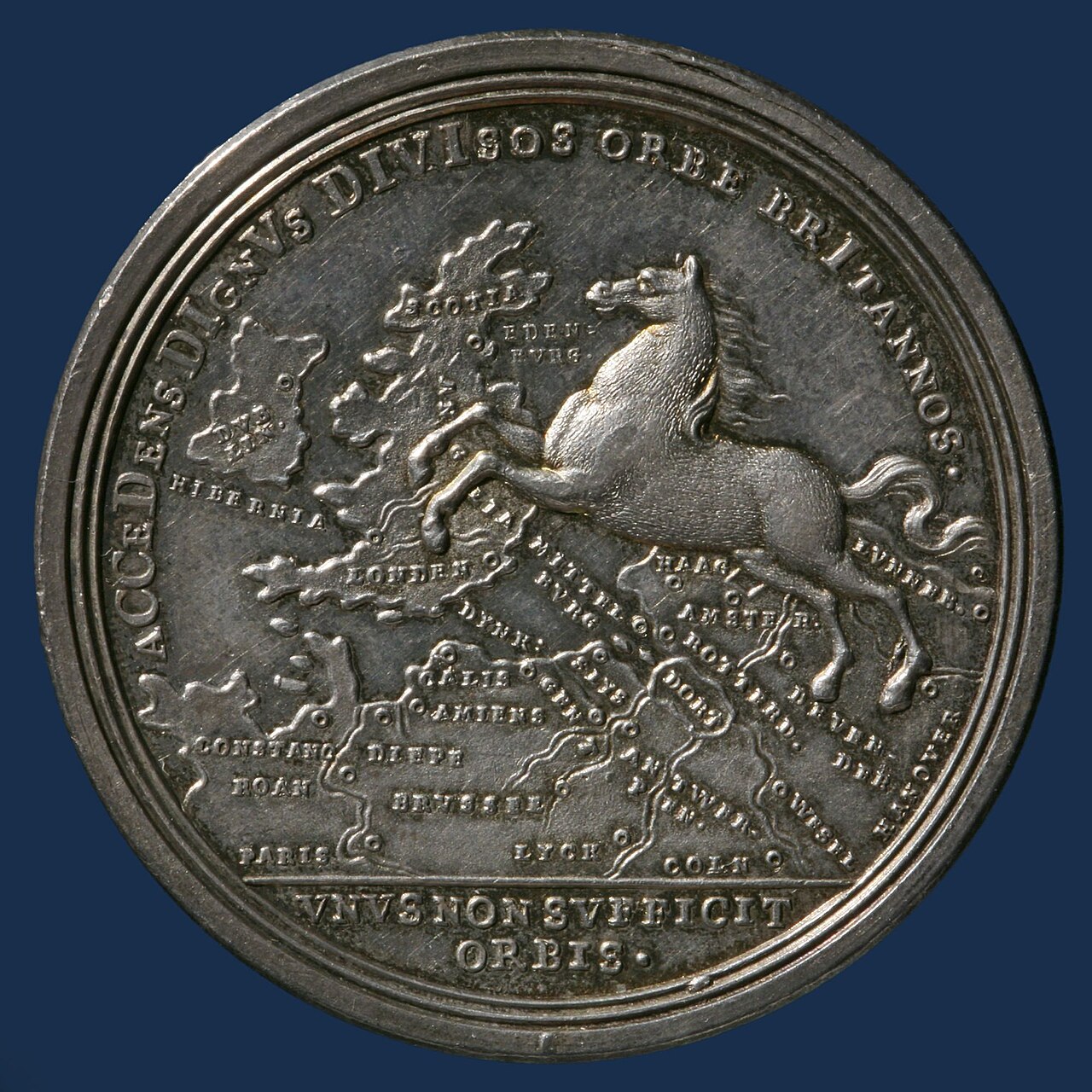
Reverse of a silver medal showing a rearing white horse leaping over a map of Europe with place names, a Latin inscription around the rim, and a Latin motto below. The horse is the Hanoverian emblem.Artifact

Primary source

The Leap from Hanover to London Medal

Philipp Heinrich Müller and Georg Wilhelm Vestner · 1714

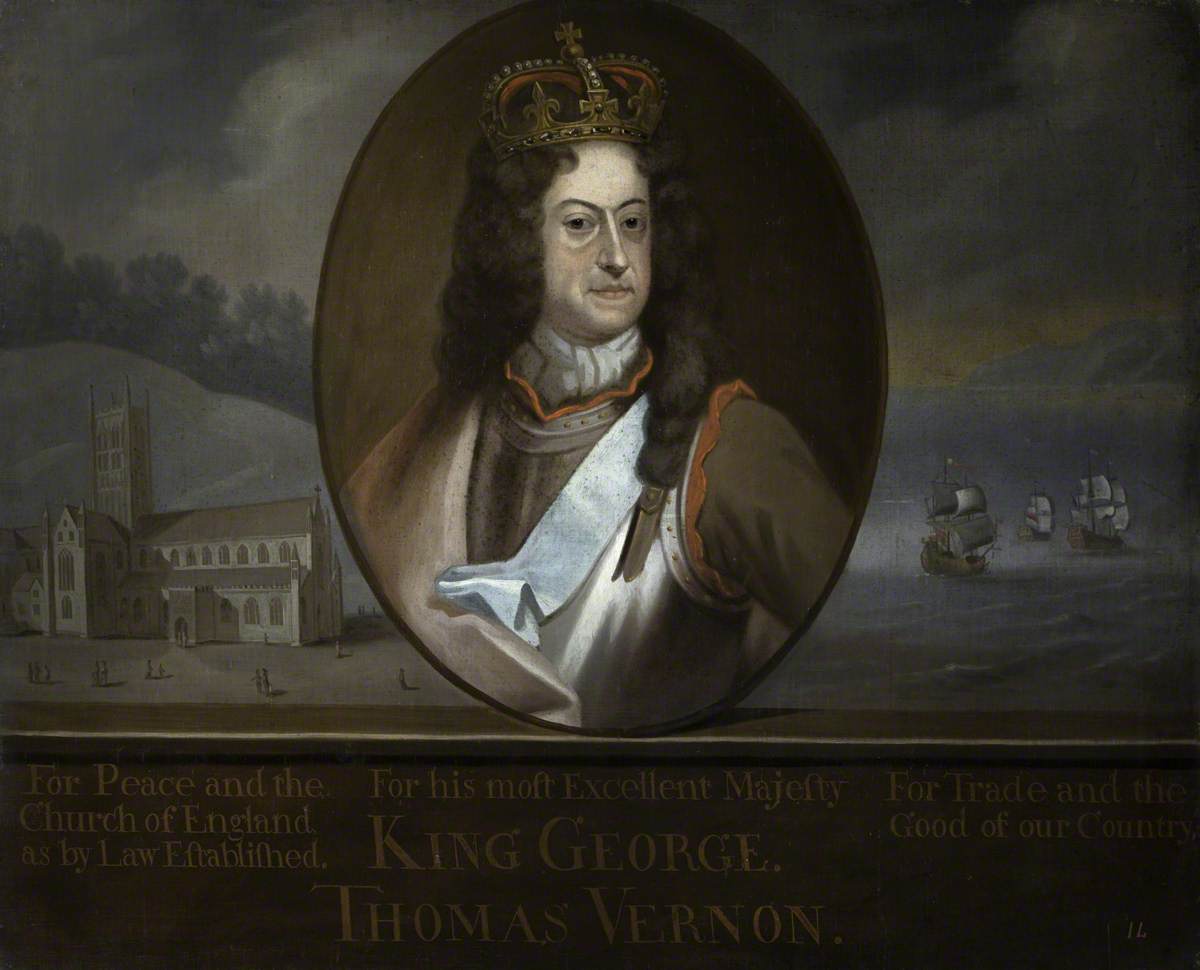
Oil painting of a bewigged man wearing a crown and white robes with a blue sash, in an oval frame. Behind him is a church with a tower, and ships at sea. Inscription below reads 'For his most Excellent Majesty King George' and 'Thomas Vernon'.Painting

Primary source

Portrait of King George I, 1715

Anonymous · 1715

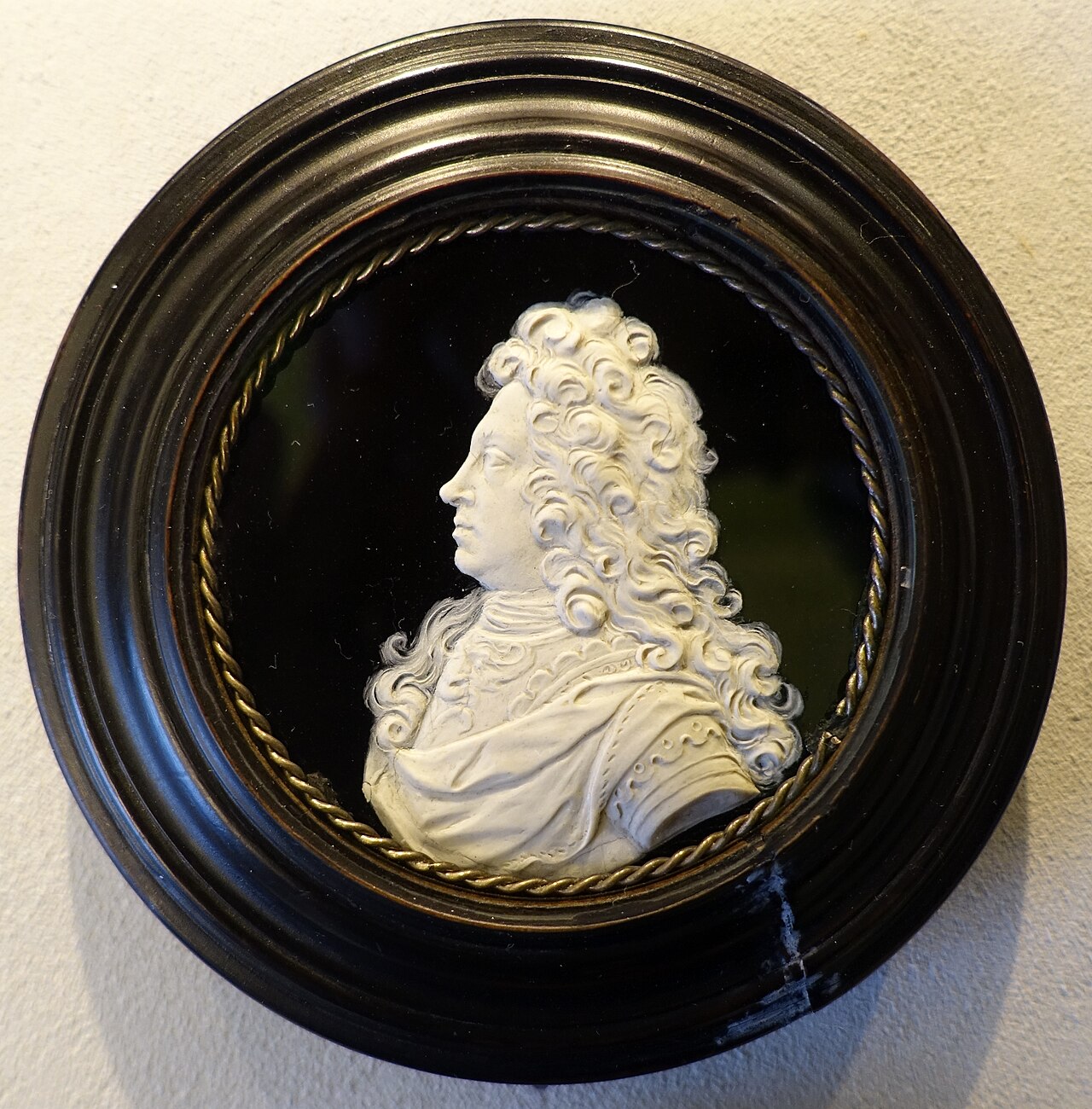
Framed circular wax relief portrait in profile, facing left, of a man with long curled wig and armored bust with draped cloak, set against a dark background within a black wooden frame with a twisted gold rope border.Artifact

Primary source

Wax Model of Elector Georg Ludwig

Raimund Faltz · c. 1700

Oil portrait of a man with long curled wig wearing white ermine-spotted robes, gold-embroidered vestments, and a blue and gold collar, holding a sword hilt and gloved hand near a red cushion, with a classical building in the background.Painting

Primary source

King George I of Great Britain and Ireland

Godfrey Kneller · 1714

Diary of Lady CowperDiary entry

Primary source

Diary of Lady Cowper

Mary Cowper, Countess Cowper · 1714-1720 (printed 1864)

Letter

Primary source

The Wentworth Papers

Thomas Wentworth, Earl of Strafford · 1705-1739 (printed 1883)

Oil portrait of a man with long curled brown wig, wearing a white lace cravat, dark blue velvet mantle with gold chain of an order and red and white sash, seated in a carved gilt chair, with a gold crown-like object at left.Painting

Primary source

Portrait of George I

Godfrey Kneller · 1714

Document

Primary source

Confirmation of privileges for the mining town of St Andreasberg

14 September 1699

Oil portrait of a man in a mustard-gold coat with gold buttons, a blue sash, and a dark tricorn hat under his arm. He wears a long grey wig and white lace cravat. A crown with jewels and a sceptre rest on a draped orange table. A classical column and building appear behind him.Painting

Primary source

George I

Georg Wilhelm Lafontaine · between circa 1720 and circa 1727

Equestrian portrait painting of a man in a red coat with a blue sash, wearing a black tricorn hat and holding a baton, seated on a golden-brown horse. Soldiers in red uniforms and an army camp appear in the background under a cloudy sky.Painting

Primary source

George I of Great Britain on horseback

John Vanderbank · 1726

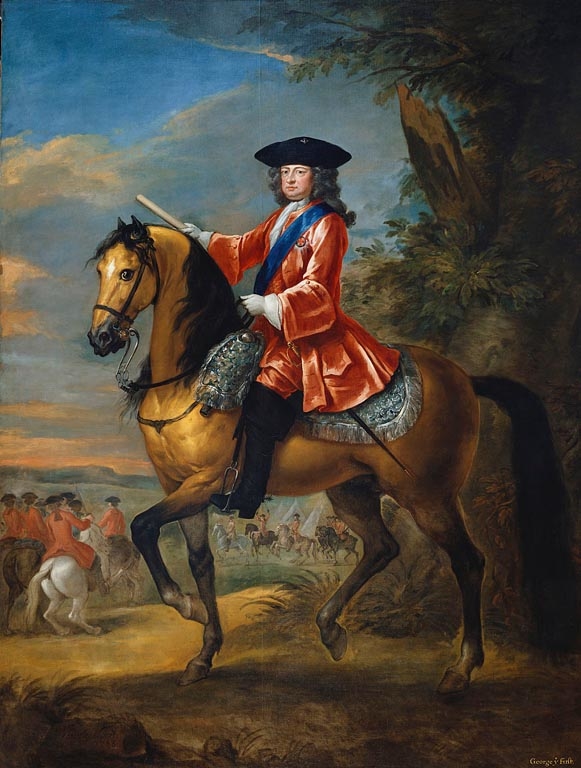
Equestrian portrait painting of a man in a red coat with a blue sash and tricorn hat, riding a golden-brown horse with a dark mane and tail. Soldiers in red coats and tricorn hats are visible in the background on the left and center, under a cloudy sky with trees on the right.Painting

Primary source

George I

John Vanderbank · 1726

Full-length oil portrait of a man in an early 18th-century wig, wearing a white lace-trimmed cravat, a red velvet mantle, a dark blue velvet robe with a white satin lining, and a gold chain with a medallion. He sits in a carved wooden chair before a dark background, with a crown and plumed hat on a table at left, on a red patterned carpet.Painting

Primary source

George I, anonymous portrait

between 1715 and 1727

Oil portrait of a man with long curled wig and white cravat, wearing a red-brown embroidered garment with white ermine-trimmed blue velvet robe and a gold brooch on the shoulder. A crown appears at right against a dark background.Painting

Primary source

King George I

Michael Dahl

Full-length painted portrait of a man with long curled wig seated in an armchair, wearing a blue and white mantle, red velvet robe, white lace cravat, and Garter insignia with a badge on his left shoulder. He holds a gold scepter in his right hand, with a crown and cushion on a table to the left and a landscape of a castle in the background.Painting

Primary source

George I in the robes of the Order of the Garter

Workshop of Godfrey Kneller · after 1715

Black-and-white engraving with a German title banner, showing the 1714 coronation of George I. A throned canopy stands at the center, with richly dressed nobles in wigs and robes in the foreground. Spectators fill galleries on the upper level, and a standing figure in a dark robe is at the right beside a column.Painting

Primary source

Coronation of George I, 1714

1710s

Full-length painting of a man in early 18th-century dress with a powdered wig, wearing an ermine-trimmed blue-white robe with gold embroidered borders over a purple velvet garment. He holds an orb in his left hand and rests his right hand on a sword hilt. A red velvet-draped table with a crown sits to the left, against a red background.Painting

Primary source

King George I, by Thomas Murray

Thomas Murray · 1722

Black and white mezzotint engraving of a young man with long curled wig, lace cravat, and ornate embroidered coat, holding a long tube-like object in one hand and a helmet in the other. Smoky battle scene at left. Inscription reads 'Prince de Hanover'.Painting

Secondary source

George I as Prince of Hanover, after Kneller

after Sir Godfrey Kneller · 1680

Oil portrait of a man in a long grey wig and white lace collar, wearing a white ermine-spotted robe with gold trim and a blue-jewelled collar, holding an orb and a sceptre beside a red curtain and a crown.Painting

Secondary source

George I, King of Great Britain, after Godfrey Kneller

After Godfrey Kneller · 1720

Engraved portrait print of a man in an oval frame wearing a long curled wig, a ribbon sash with a medallion chain, and a cloak. Below are a crown, orb, sword, and scepter, with a Latin inscription reading GEORGIUS Mag BRITANNIAE REX FIDEI DEFENSOR. Credits along the bottom edge read G. Kneller Eq. Baron pinxit and Geo. Vertue Sculp 1718.Painting

Secondary source

George I by George Vertue after Kneller

George Vertue, after Godfrey Kneller · 1718

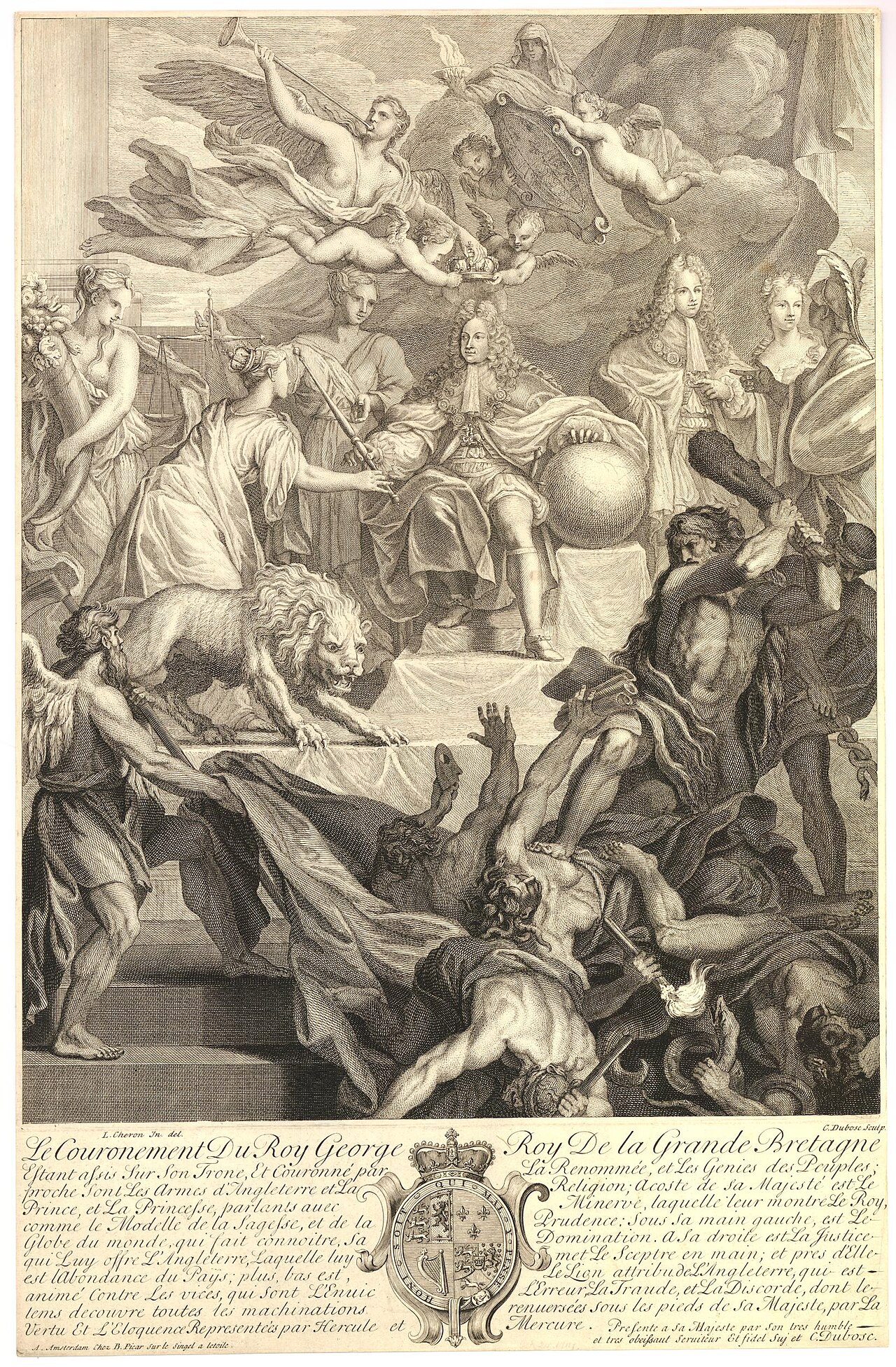
Engraved allegorical print of the coronation of King George I. He sits enthroned at center with a globe beside him, flanked by allegorical figures, winged Fame blowing a trumpet above, putti, a lion, and fallen figures below. Engraved text panels with French inscriptions and a coat of arms are at the bottom.Document

Secondary source

The Coronation of King George

Claude Du Bosc; Louis Chéron · 1728

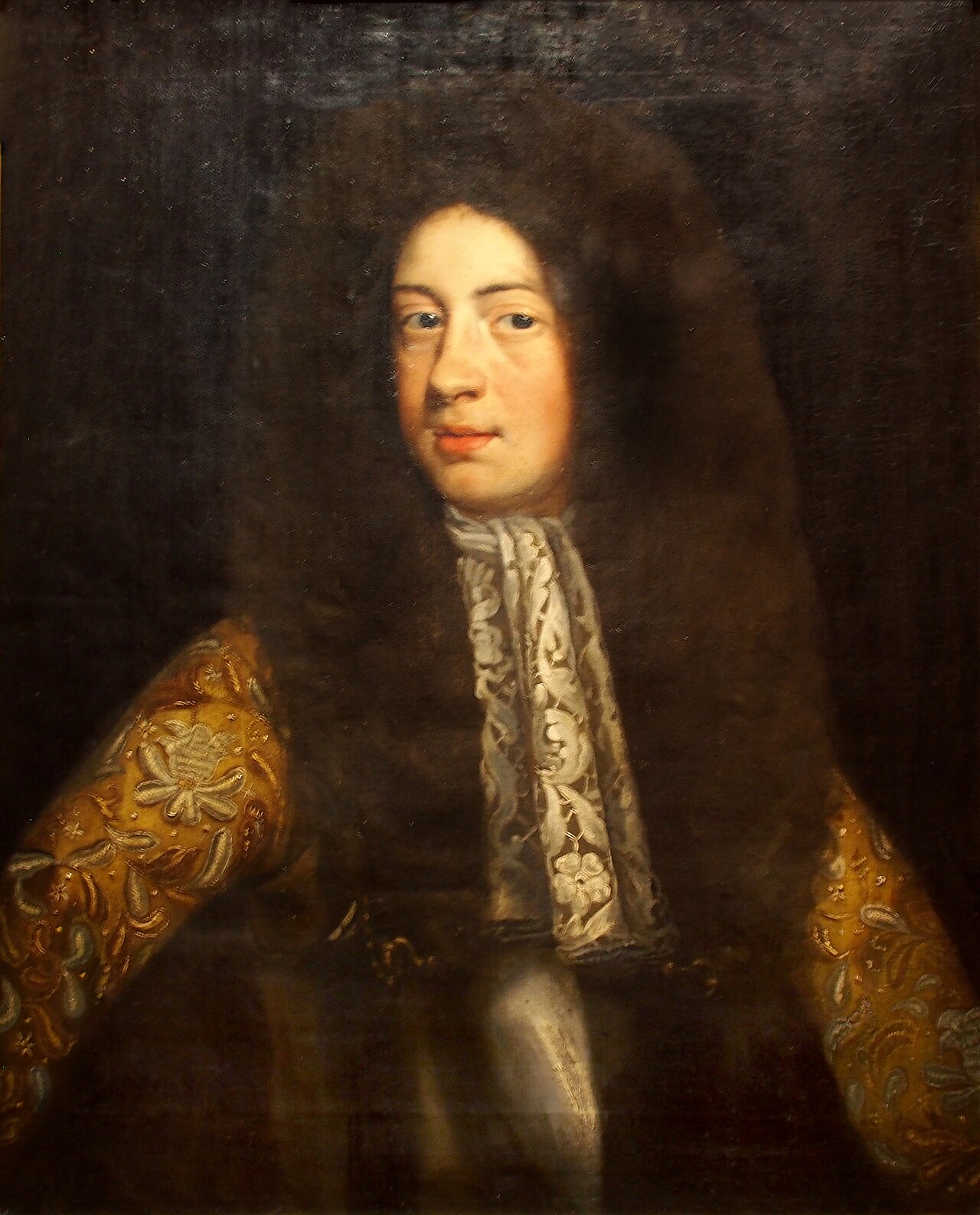
Oil portrait of a young man with a long brown wig, seen from the chest up against a dark background. He wears a gold embroidered sleeve with floral patterns on the left and right, and a white lace cravat at his neck.Painting

Secondary source

George Louis, Prince of Brunswick-Lüneburg

Godfrey Kneller (after) · circa 1680

Full-length oil portrait of a man in a long grey wig and white cravat, seated in a carved wooden armchair. He wears a blue velvet mantle lined with white, a red sash, and a gold chain with badges. A crown and a sceptre-like orb rest on a red draped table at left. A patterned red carpet covers the floor.Painting

Secondary source

George I as Knight of the Garter

Godfrey Kneller (after) · 19th century

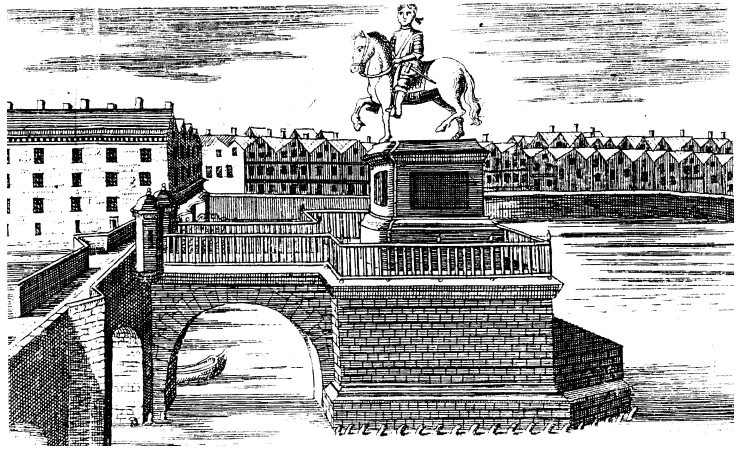
Black and white engraving of an equestrian statue of a rider on a horse atop a tall stone pedestal with a railing, set on a stone bridge arch over a river. A small boat passes under the arch; buildings line the banks.Artifact

Secondary source

Engraving of George I's Equestrian Statue on Essex Bridge

1728

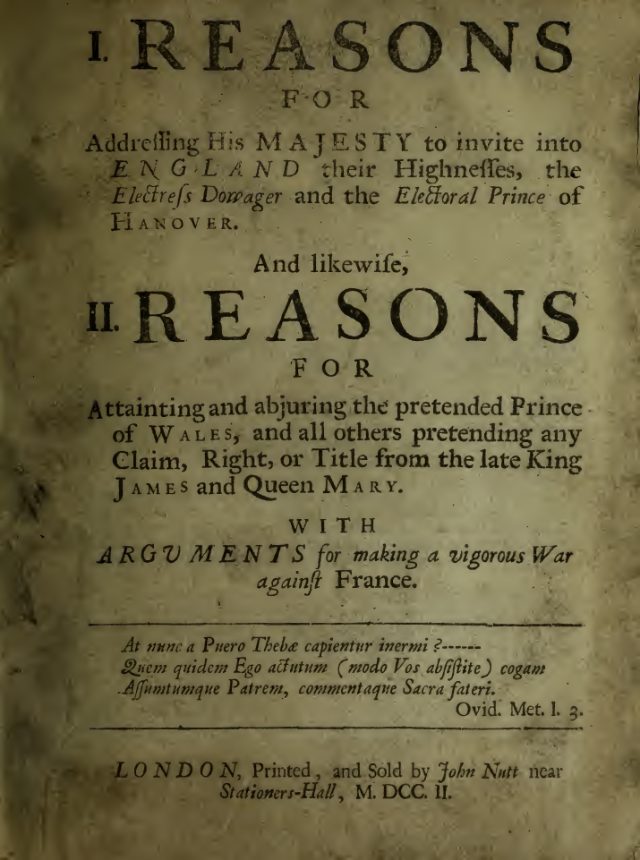
Reasons for Inviting the Electoral Family of Hanover into EnglandBook

Primary source

Reasons for Inviting the Electoral Family of Hanover into England

John Toland · 1702

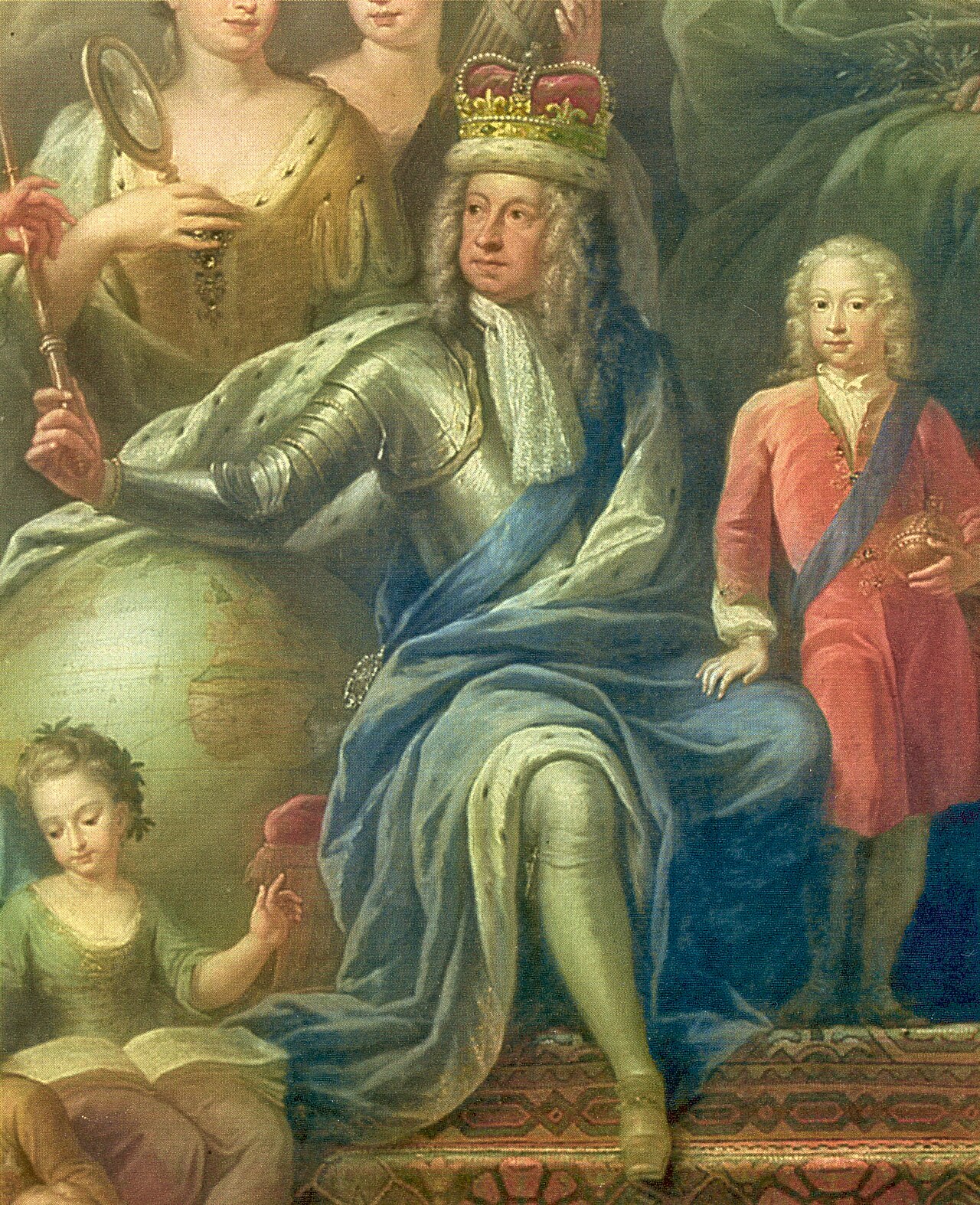
Detail of a painted ceiling-wall scene showing a seated, crowned man in silver armour and a blue sash and robe, with a globe beside him and a young boy in a red coat standing at right, and a child reading a book at lower left.Painting

Primary source

George I Seated, Painted Hall Ceiling Wall

James Thornhill · between 1718 and 1726

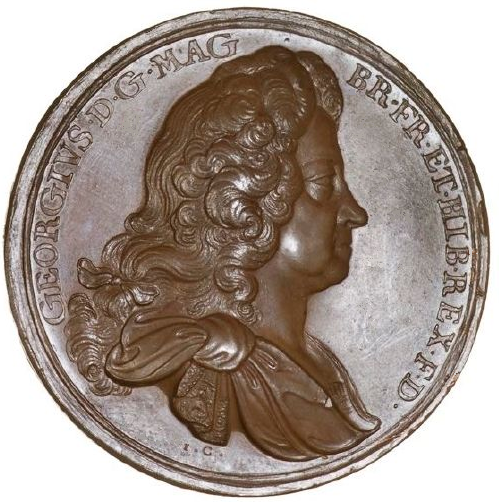
Bronze-toned medal showing a right-facing profile bust of a man with long curled wig and armour-like drapery at the shoulder. Inscription around the rim reads GEORGIVS D G MAG BR FR ET HIB REX F D, with the initials I C near the bottom edge.Artifact

Primary source

Medal commemorating the 1717 Act of Grace, obverse

Iohannes Croker · 1717

Memoirs of Sophia Dorothea, consort of George IBook

Secondary source

Memoirs of Sophia Dorothea, consort of George I

Robert Folkestone Williams · 1845

Book

Secondary source

The Love of an Uncrowned Queen, Sophie Dorothea

W. H. Wilkins · 1903

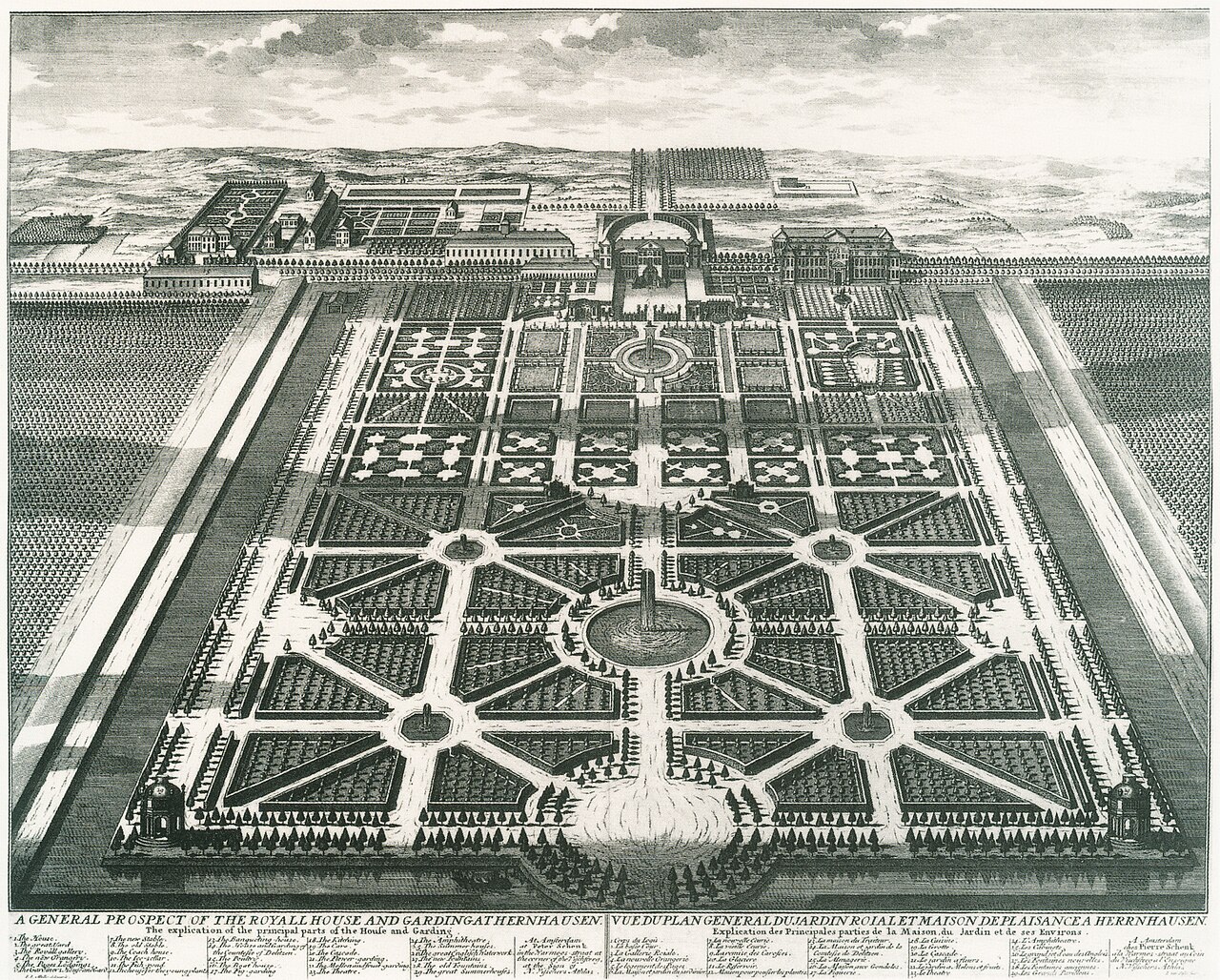
Bird's-eye engraved view of the Royal Garden Herrenhausen near Hanover, showing a formal geometric parterre with fountains, a central basin, and a palace with courtyard at the top, surrounded by wooded and cultivated land.Artifact

Primary source

Bird's-eye view of the Royal Garden Herrenhausen

Johann Jacob Müller · about 1725

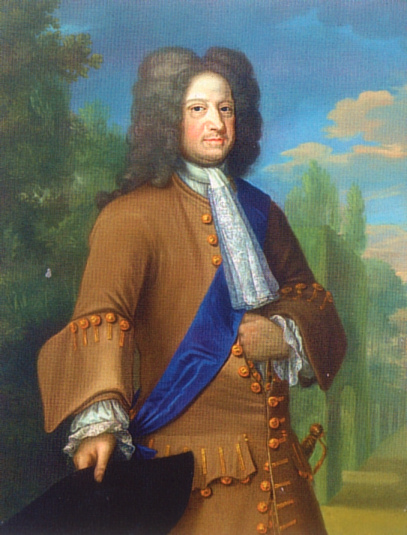
Oil portrait of a man with long grey wig, wearing a brown coat with orange buttons, white lace cravat and cuffs, and a blue sash across his chest. He holds a black hat in his left hand against a landscape with trees and a blue sky.Painting

Secondary source

Georg I. (Großbritannien) um 1715

about 1715

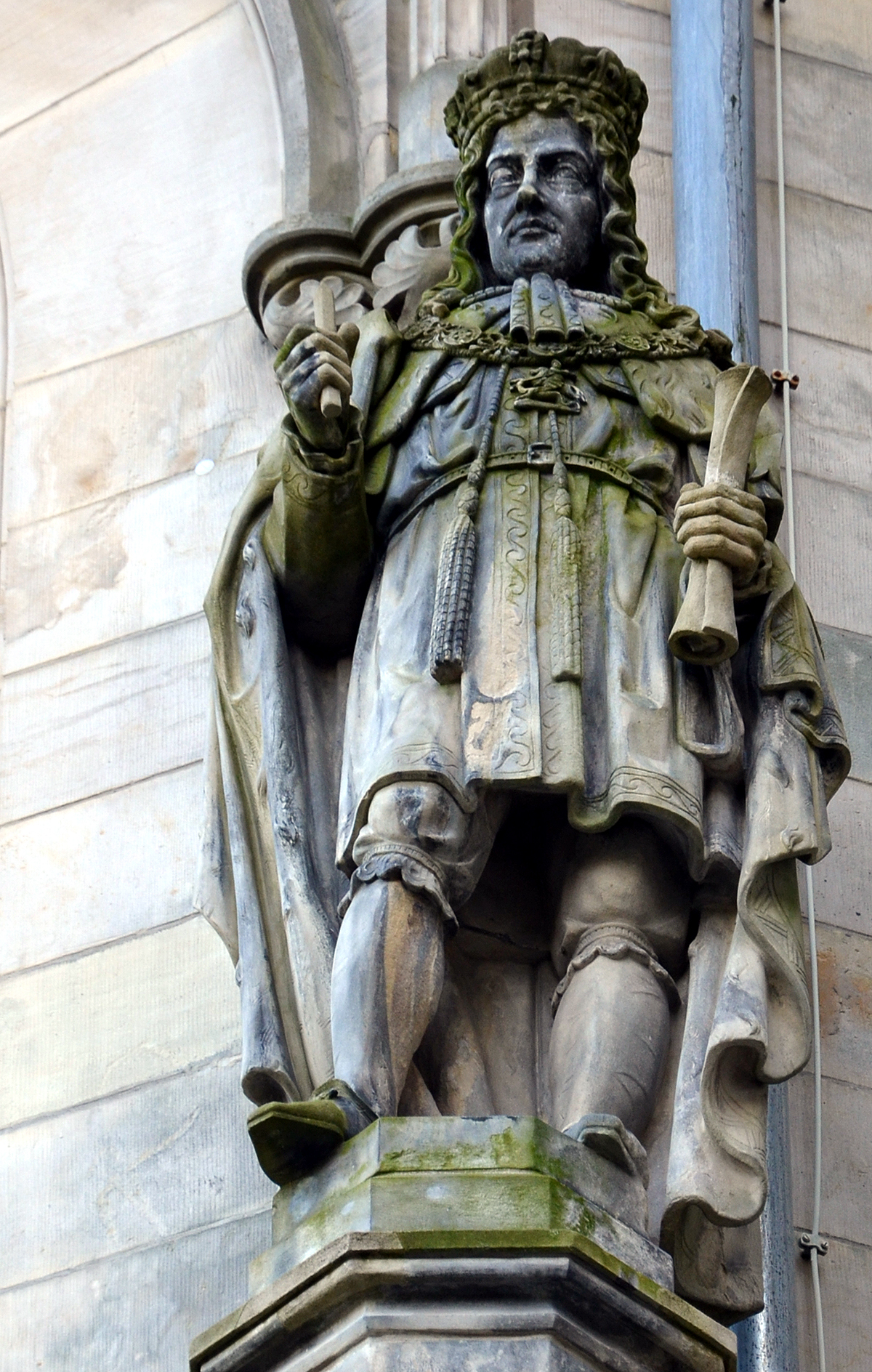
Weathered stone statue of a crowned, bearded-and-wigged man in robes, holding a scroll in one hand and raising a rolled document in the other, standing on an octagonal pedestal against a pale stone building facade.Sculpture

Secondary source

Statue of George I on the Welfenschloss facade, Hannover

Carl Rangenier · Photographed 2 October 2013

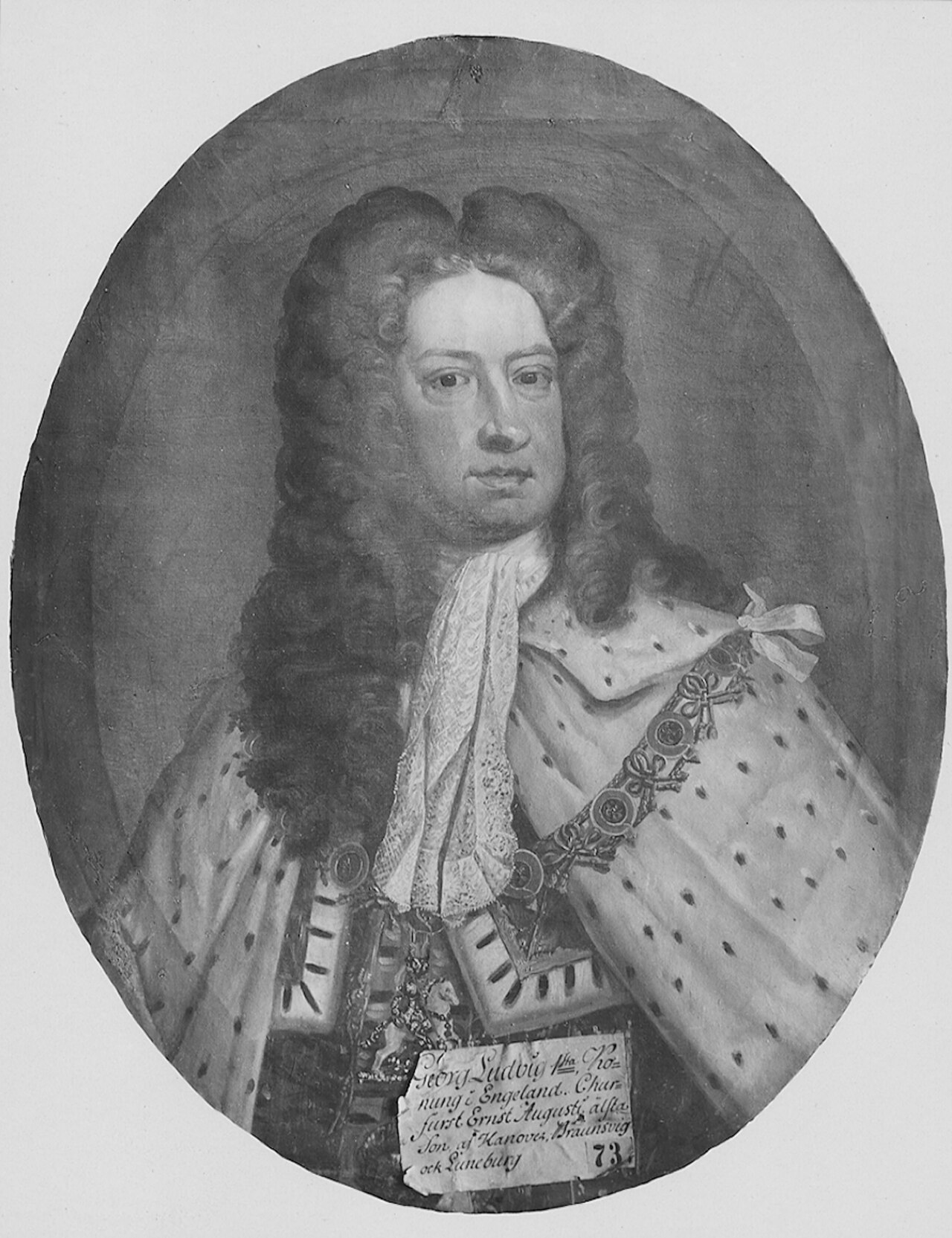
Black-and-white photograph of an oval-framed painted portrait of a man in a long curled powdered wig, wearing a lace cravat and an ermine-trimmed robe with a chain of honor across the shoulder. A handwritten paper label at the bottom reads George Ludvig, Kurfurst, Konung i England, and related text.Painting

Secondary source

George I, after Godfrey Kneller

Godfrey Kneller (original); copy after him · 1735

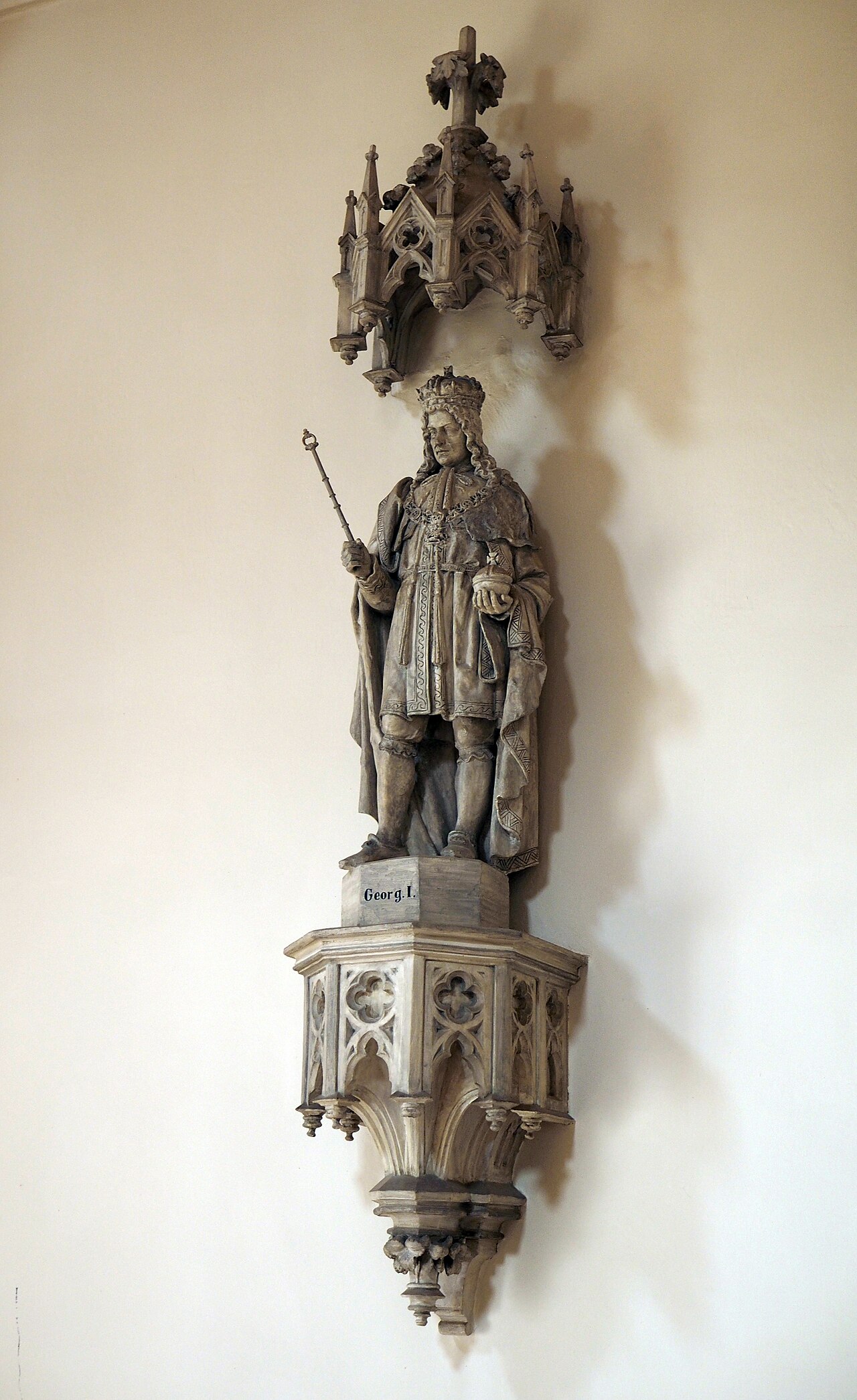
Stone statue of a crowned king in royal robes holding a scepter in his right hand and an orb in his left, standing on a pedestal inside a Gothic-style wall niche with pointed canopy. A plaque reads 'Georg I.'Sculpture

Secondary source

Statue of George I on the staircase of Celle Castle

Photographed 8 July 2016

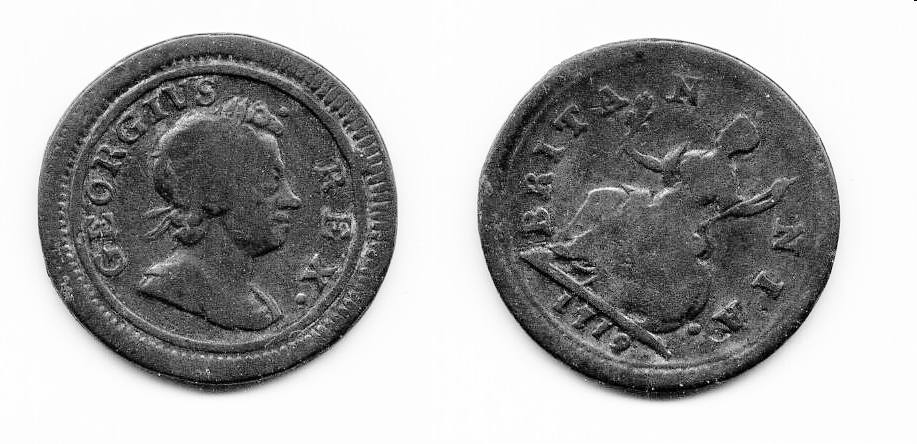
Black and white photograph of a small worn bronze coin, front and back. Front shows a bust of George I facing right, with the inscription GEORGIUS REX. Back shows Britannia seated right holding a spear, with BRITANNIA and the date 1719 in the exergue.Artifact

Primary source

1719 George I farthing

1719

The Private Sentiments of a Member of ParliamentBook

Primary source

The Private Sentiments of a Member of Parliament

1715

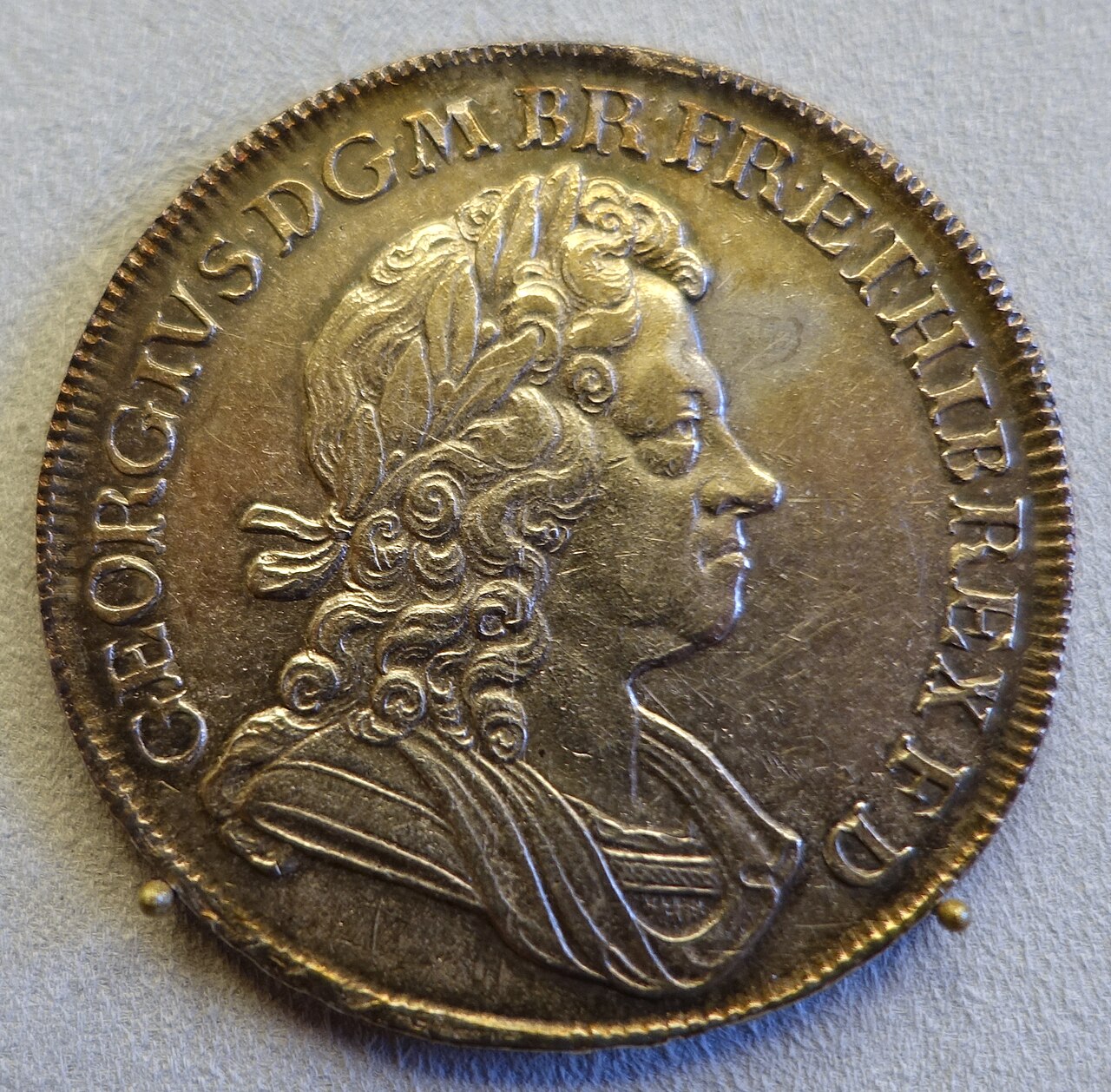
Photograph of a silver crown coin showing a laureate bust of George I in profile facing right, with a legend reading GEORGIVS D G M BR FR ET HIB REX F D around the edge. Plain grey background.Artifact

Primary source

Crown coin of George I, 1716

1716

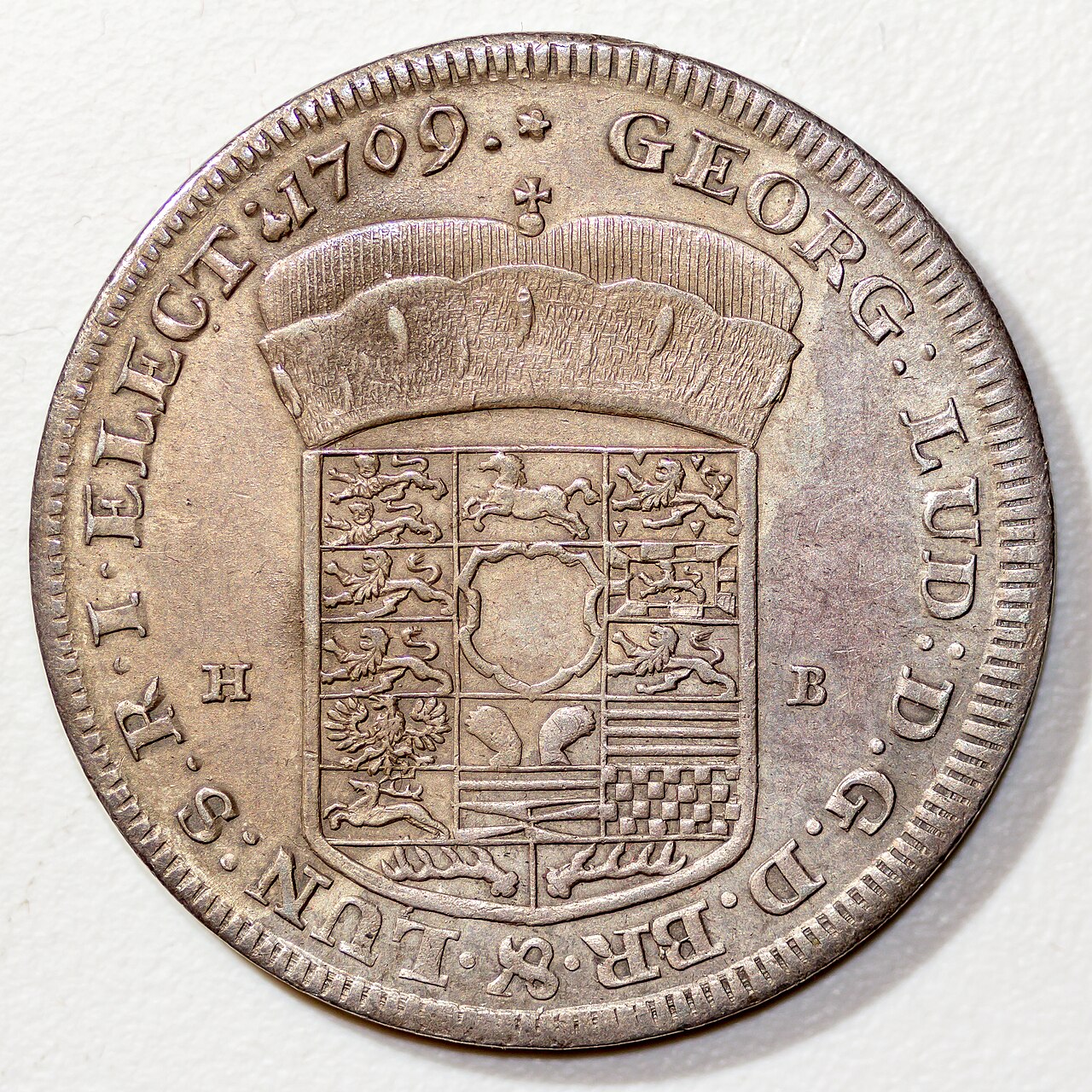
Photo of the obverse of a silver 1709 thaler coin. Inscription reads GEORG LUD D G D BR & LUN S R I ELECT 1709 around a crowned heraldic shield of quartered arms with a central inescutcheon, with mint marks H and B beside the shield.Artifact

Primary source

Thaler of Georg Ludwig, 1709 (obverse)

1709

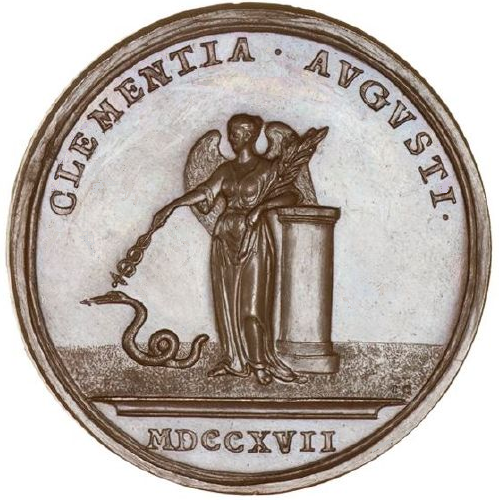
Reverse of a brown bronze medal showing a winged figure of Clementia holding a chain and leaning on a column, with an inscription reading CLEMENTIA AUGUSTI and the date MDCCXVII at the bottom.Artifact

Primary source

Clementia Augusti medal (reverse), 1717

John Croker · 1717

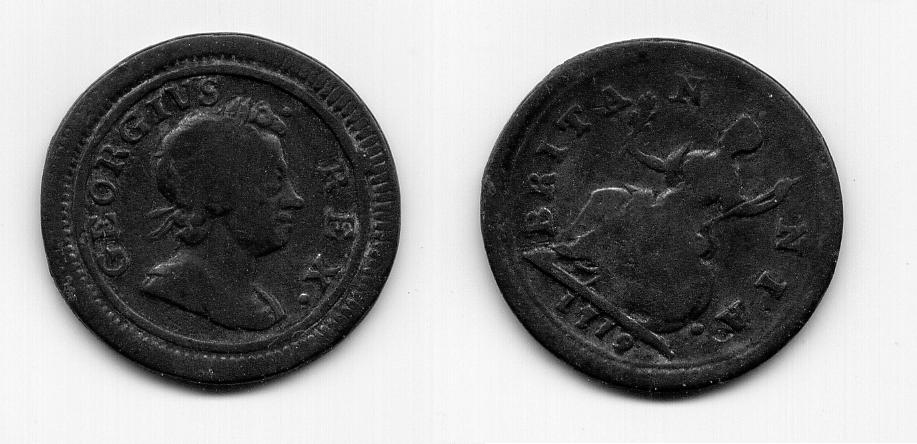
Black-and-white photo of two sides of a worn dark coin. Obverse: bust of George I facing right with inscription GEORGIVS REX. Reverse: seated figure of Britannia with BRITANNIA inscription and date area at bottom.Artifact

Primary source

Farthing of George I, 1719

1719

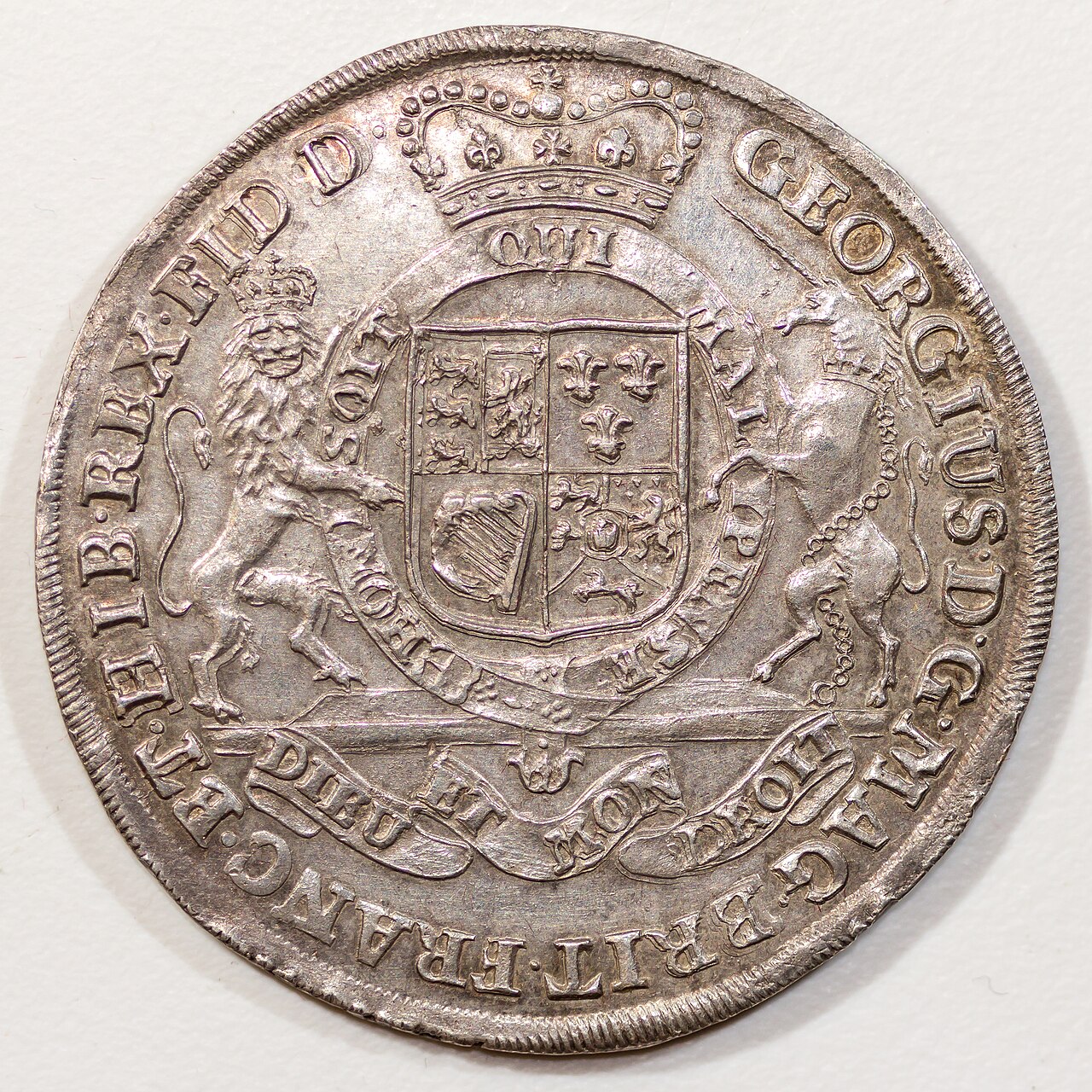
Silver coin viewed face on. Around the edge is the legend GEORGIUS D G MAG BRIT FRANC ET HIB REX F D with a crown above. The centre bears a crowned heraldic shield quartering lions, fleurs-de-lis and a harp, flanked by a lion and a unicorn, with a scrolled motto below.Artifact

Primary source

Thaler of George I, 1724 (obverse)

1724

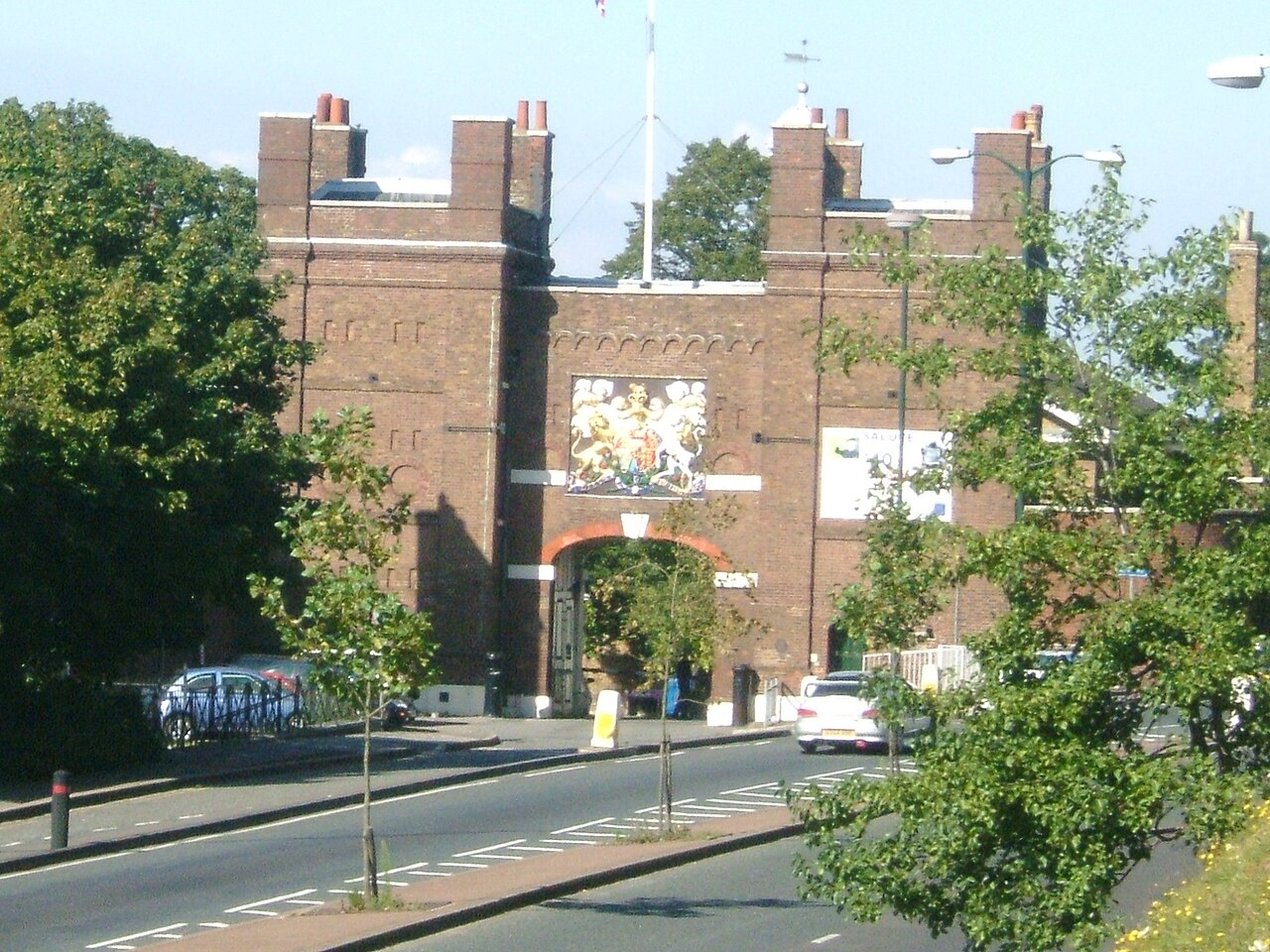
Brick gateway of Chatham Dockyard with two tall flanking towers topped by chimney stacks, a central arched passage, and a painted royal coat of arms on the wall above the arch. A road with parked cars runs in front, and trees frame the left and right sides under a clear sky.Artifact

Primary source

Chatham Dockyard main gate, 1722

1722

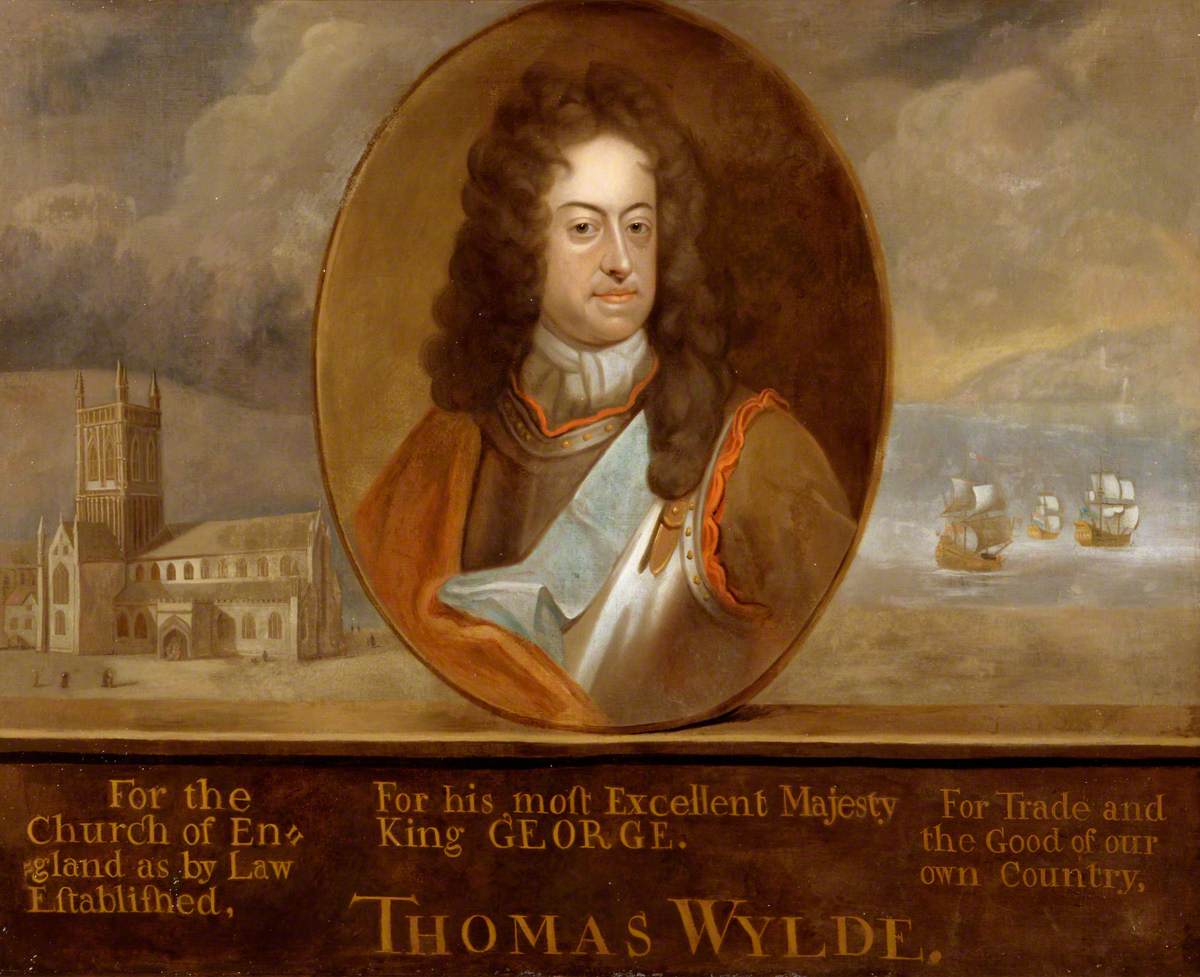
Oil painting in an oval portrait of a man with long brown wavy wig, white cravat, red-trimmed brown cloak over silver armour, set against a landscape with a church, cloudy sky, and sailing ships. Lettered panel below reads 'For the Church of England as by Law Established', 'For his most Excellent Majesty King George', 'For Trade and the Good of our own Country', and 'Thomas Wylde'.Painting

Primary source

George I trade sign of Thomas Wylde, Worcester, 1720

1720

The Life of the Princess of Zell, wife of George IBook

Secondary source

The Life of the Princess of Zell, wife of George I

1820

Histoire secrète de la Duchesse d'HanoverBook

Secondary source

Histoire secrète de la Duchesse d'Hanover

Karl Ludwig, Freiherr von Pöllnitz · 1732

Want the full shelf? Chat with George I in the app and open the Sources panel — every quote links back to the original.

Use George I in class

2 collections

Ready-made collections from the Humy team that feature George I. Preview any of them, then try it free.

Trusted by educators worldwide

Conversations
375,000+
Real exchanges between students and historical figures
Messages exchanged
4,142,000+
Across every figure, classroom and language
Historical figures
100,000+
Each informed by a curated biography and selected sources
Languages supported
50+
From English and Spanish to Arabic and Korean

Paying customers

Used by 98 schools and universities

Partner school logo
Tecnológico de Monterrey logo
Hyper Island logo
Partner school logo
Chambersburg Area School District logo
Broward County Public Schools logo
Nebo School District logo
National Louis University logo
South Florida PBS logo
Punahou School logo
University of Wisconsin–River Falls logo
Partner school logo
Partner school logo
Archbishop Mitty High School logo
Kingsburg High School logo
Norwalk Public Schools logo
Partner school logo
Connections logo
Partner school logo
Moore Public Schools logo
Partner school logo
Partner school logo
Partner school logo
Partner school logo
Robbinsville Public Schools logo
Partner school logo
Partner school logo
Partner school logo
Tecnológico de Monterrey logo
Hyper Island logo
Partner school logo
Chambersburg Area School District logo
Broward County Public Schools logo
Nebo School District logo
National Louis University logo
South Florida PBS logo
Punahou School logo
University of Wisconsin–River Falls logo
Partner school logo
Partner school logo
Archbishop Mitty High School logo
Kingsburg High School logo
Norwalk Public Schools logo
Partner school logo
Connections logo
Partner school logo
Moore Public Schools logo
Partner school logo
Partner school logo
Partner school logo
Partner school logo
Robbinsville Public Schools logo
Partner school logo
Partner school logo

What educators are saying

“We enjoyed the program last year and used it frequently.”
“My students say it’s a welcome change of pace. I’m not a fan of the “sage on the stage” model, so I try to incorporate research-oriented and self-paced activities. With Humy, students have to take charge of their learning. They’ve become more adept at critical thinking, forming better questions, and improving their reading comprehension. The interview feature has been my go-to tool. I create assignments where students must ask historical figures a set number of questions, then summarize the responses to ensure they’re truly absorbing the material. This approach lets them actively explore the past rather than passively consuming information.”
“Humy has helped me bring historical figures, sometimes long past, to life. When my students interact with these figures in real-time, it eliminates some of the perceived “ancient” characteristics of my curriculum. This has shifted my students’ thinking away from viewing history as abstract or irrelevant. Real-time interactions make historical figures relatable, even allowing students to ask off-topic questions that help put historical lives in a more relevant context for 13-year-olds. The feature I use the most is the interview feature. After teaching a topic, most recently Gandhi and Joan of Arc, I have the students ask pointed, focused questions. We practice good conversation techniques beforehand, teaching them to listen (or read) carefully and formulate thoughtful follow-up questions rather than just interrogating. It helps students practice effective conversation skills.”

FAQ

Frequently asked questions

Who is George I?
King of Great Britain and Ireland during the early 18th century. On Humy.ai you can chat with an AI version of George I that draws on a short biography and 93 historical sources during the conversation — by text or voice, in 42 languages.
Is George I AI free?
George I is part of Humy's full library of more than 100,000 figures, which comes with a paid plan. A free account (no credit card) includes 20 messages a month with the free library's figures, so you can try how the conversations work first.
What sources does the George I AI use?
It draws on a short biography and 93 historical sources (paintings, artifacts and documents), including “Act of Settlement 1701”, “Portrait of George I of Great Britain” and “Water Music”. Each source has its own page on Humy.ai.
How historically accurate is the AI version of George I?
Each figure uses a short biography and a small set of selected historical sources as context (retrieval-augmented generation), so answers stay closer to known material than the model's general knowledge alone. It isn't a citation-grade research tool — like any LLM, the AI can get details wrong or extrapolate. Treat it as a strong starting point for inquiry and cross-reference important claims.
Can I talk to George I by voice?
Yes. In addition to text chat, you can call George I and hear their voice respond in real time — useful for auditory learners, interview practice and Socratic dialogue.
Is Humy.ai safe and compliant for schools?
Yes. Humy.ai is used by more than 100 schools, universities and organisations. The platform is FERPA- and GDPR-aligned, supports SSO, and offers an IT-approval pack tailored for school procurement teams.

Ready when you are

Start chatting with George I now.

20 messages free · No credit card · Available in 50+ languages.