


Primary sourceArtifact1682 or 1687
Crowned Monogram at the Old Stable, Hanover
Bernd Schwabe · 1682 or 1687
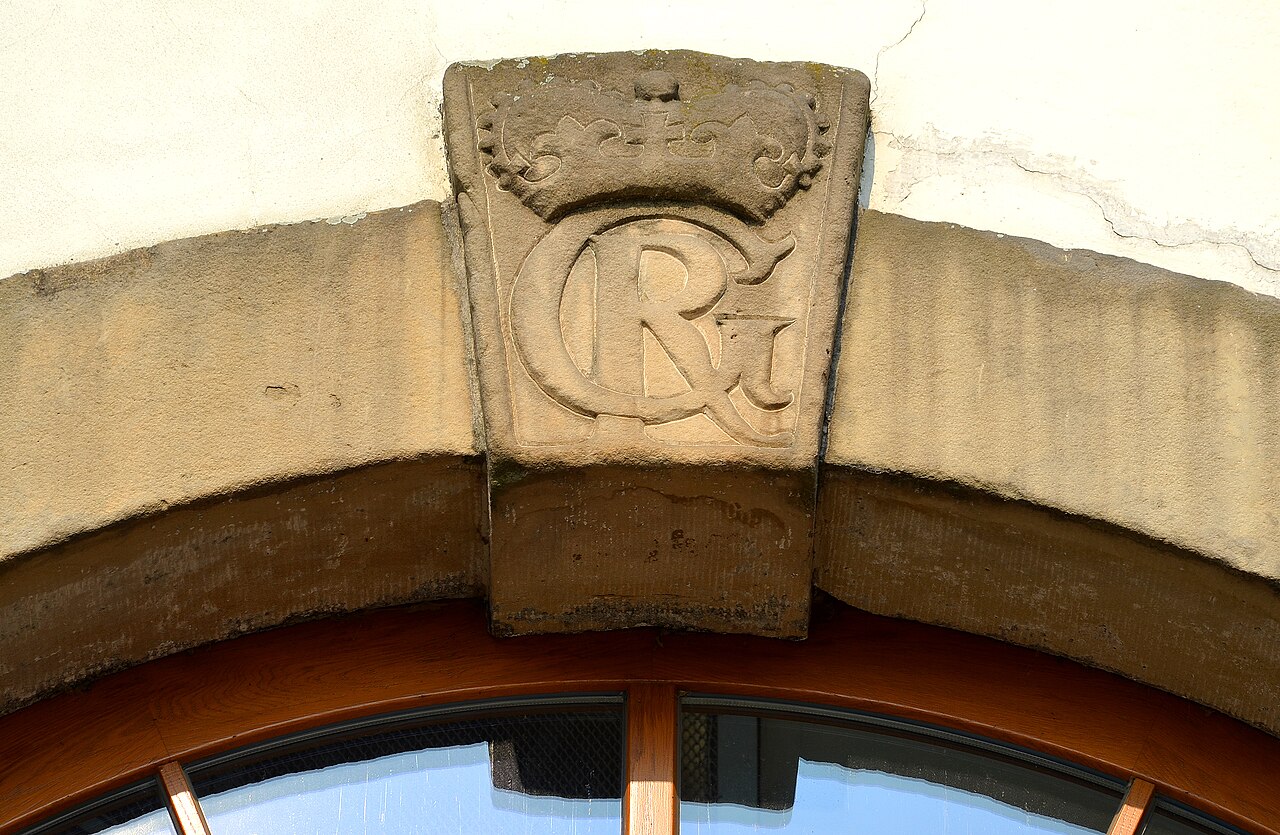
A carved stone monogram of George, from the 1680s stable building in Hanover, made when he was still a young duke.
This carved monogram marks George's ownership of the Hanover stable while he was still a young duke.
About this source
What it is
This is a carved sandstone keystone set above an arched doorway at the Old Stable (Alter Marstall) in Hanover, built in the 1680s. It bears a crown over an interlaced monogram of the letters G and R, standing for George as Duke, later Elector, of Brunswick-Lüneburg.
Why it matters
Long before George became King of Great Britain in 1714, he was a German duke managing his family's court and buildings in Hanover. This small decorative detail shows how rulers marked ordinary buildings, even stables, with their initials as a sign of ownership and status. It is one of the earliest surviving physical traces of George's rule in Hanover.
Look closer
- Why would a stable building be decorated with a royal monogram at all?
- What does the choice of letters and the crown tell you about how George wanted to be seen, even as a young duke?
- What does this object not tell you about George's later life as King of Great Britain?
This artifact is part of the curated material that grounds the AI version of George I on Humy.ai — when students ask about related events, the AI can quote it and cite it.
More George I sources
Meet the AI George I →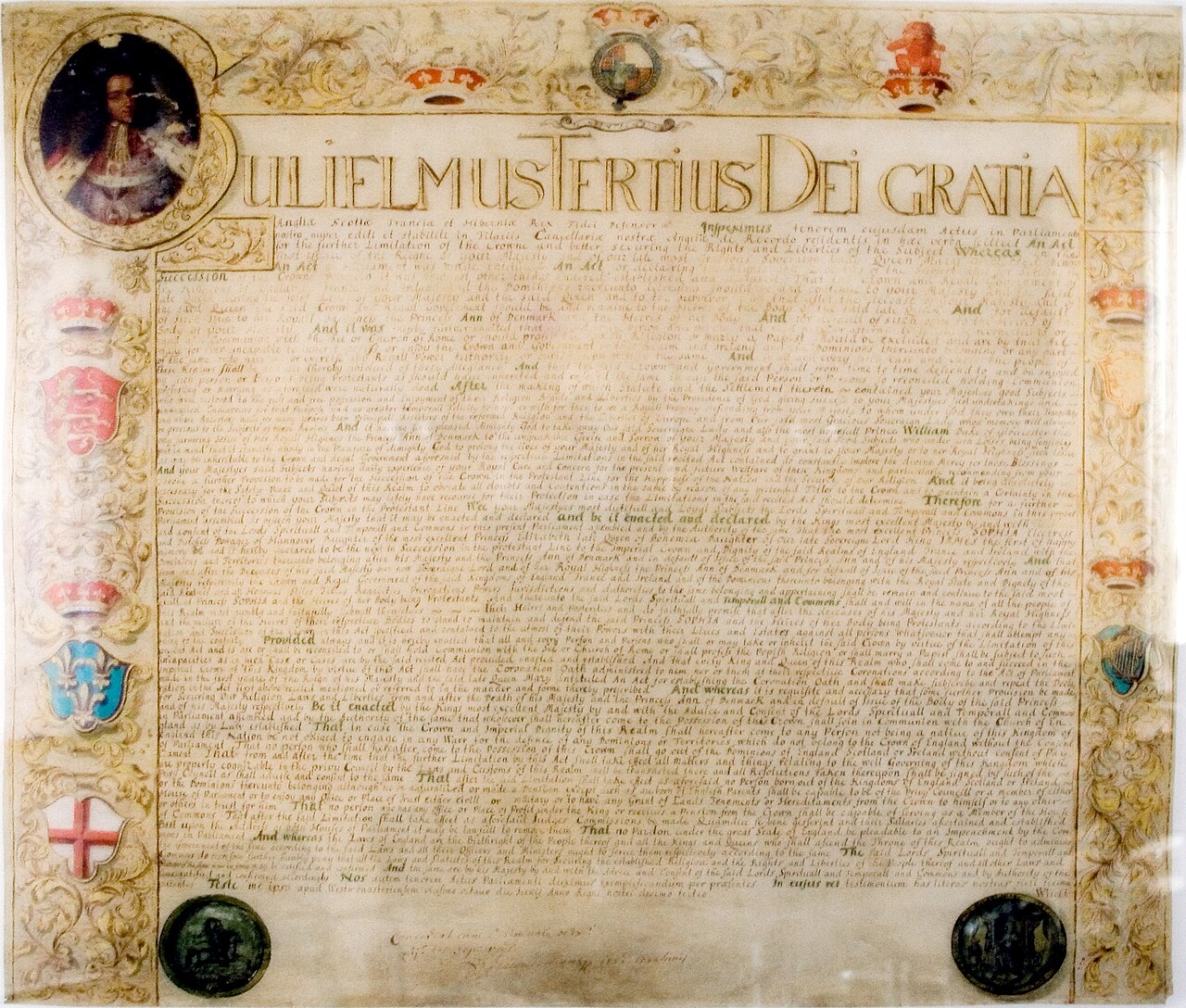 Document
Primary source
Act of Settlement 1701
1701
 Painting
Primary source
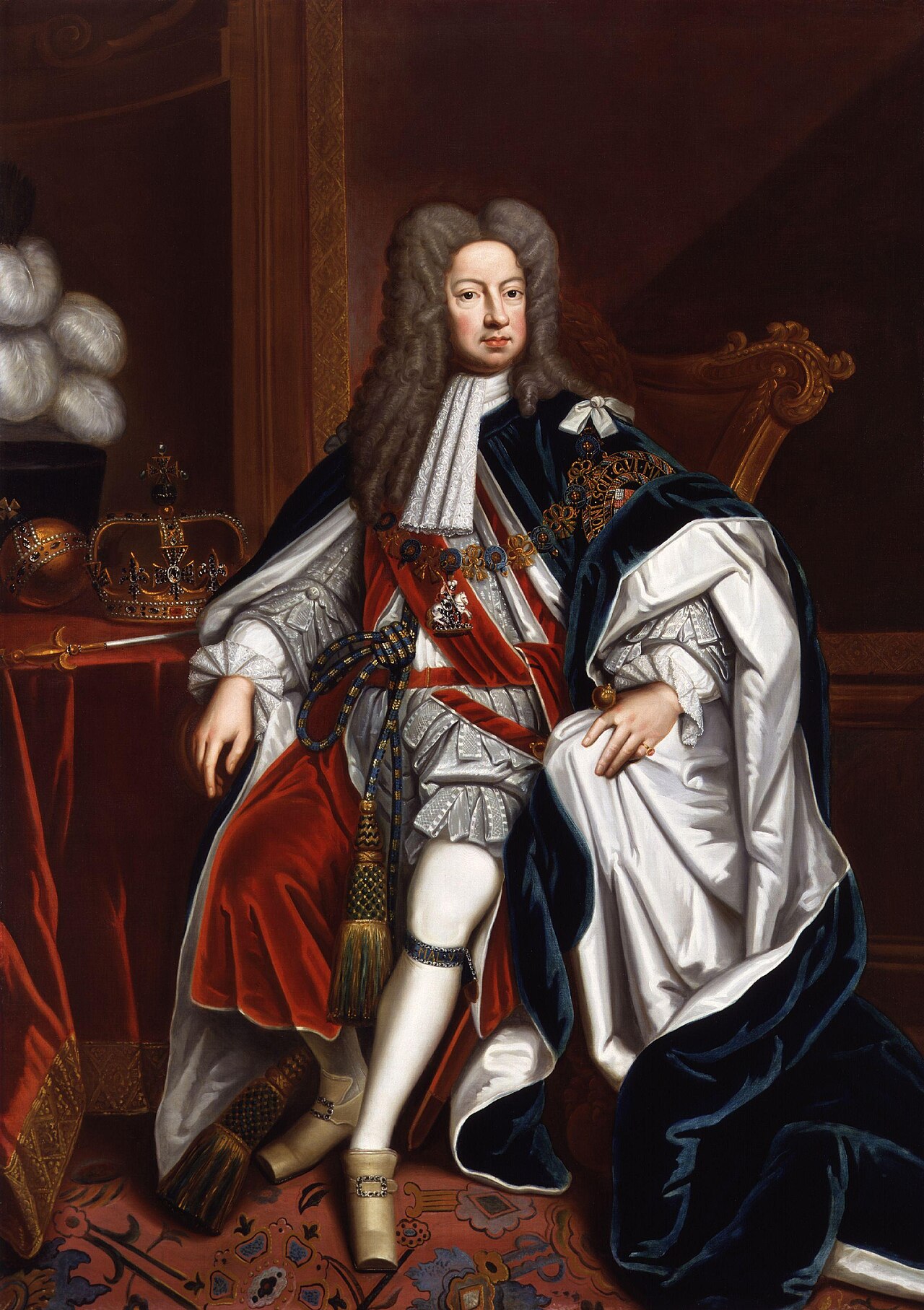
Portrait of George I of Great Britain
Godfrey Kneller
Secondary source
Water Music
George Frideric Handel · 1717
Primary source
Septennial Act 1715
1716
 Document
Primary source
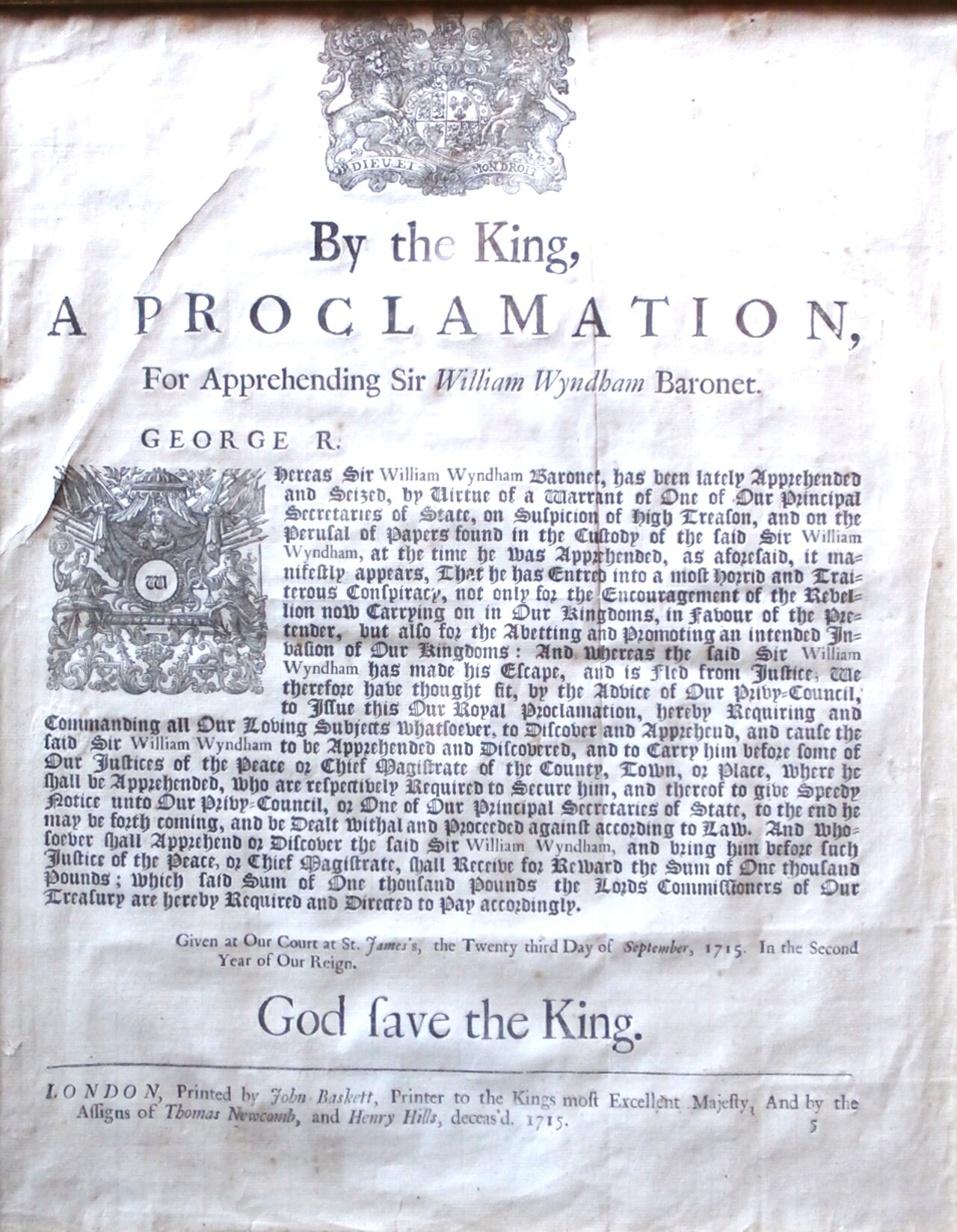
Royal Proclamation for the Arrest of Sir William Wyndham
23 September 1715
Ready when you are
Start chatting with George I now.
20 messages free · No credit card · Available in 50+ languages.