


Primary sourceDocument1716
Septennial Act 1715
1716
The law passed under George I that extended the maximum length of a parliament from three to seven years, strengthening Whig control of government.
This act, passed early in George I's reign, secured the Whig dominance his government relied on after the 1715 Jacobite rising.
About this source
What it is
This is an act of the Parliament of Great Britain passed in 1716. It increased the maximum length of a parliament from three years to seven years, overturning an earlier law from 1694. This limit stayed in place for nearly two centuries.
Why it matters
Passed shortly after the Jacobite rising of 1715, the act was officially meant to reduce the cost and disruption of frequent elections. In practice it helped keep the Whig party, which supported the Hanoverian succession, in power for longer, strengthening the political base that King George I depended on. It shows how laws about parliament's structure could be used to serve the interests of whoever held power.
Look closer
- Why would reducing the frequency of elections benefit the party already in power?
- What reasons does the text give for the change, and do you think they are the full story?
- How might this law have affected ordinary voters' influence over government?
This document is part of the curated material that grounds the AI version of George I on Humy.ai — when students ask about related events, the AI can quote it and cite it.
More George I sources
Meet the AI George I →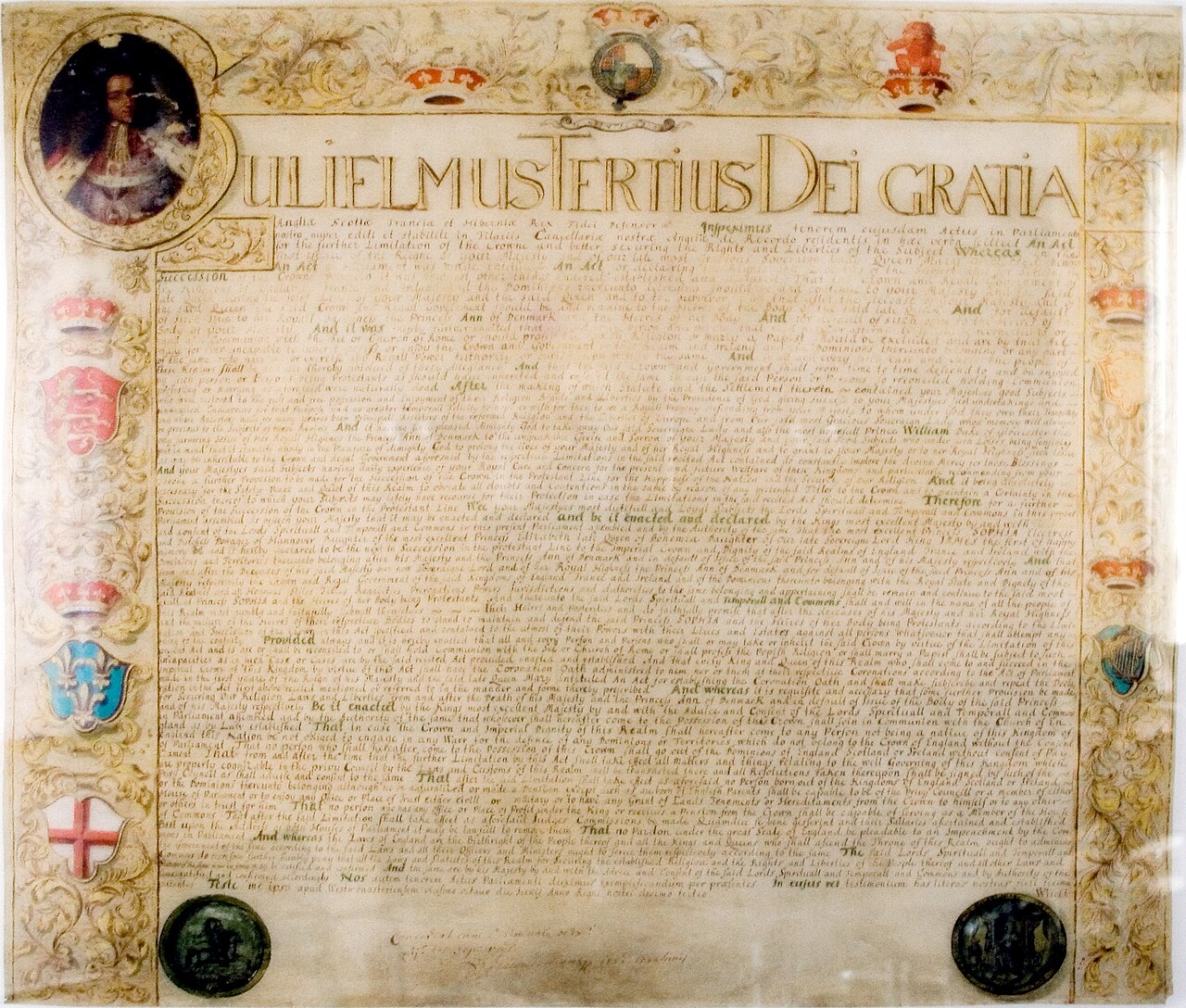 Document
Primary source
Act of Settlement 1701
1701
 Painting
Primary source
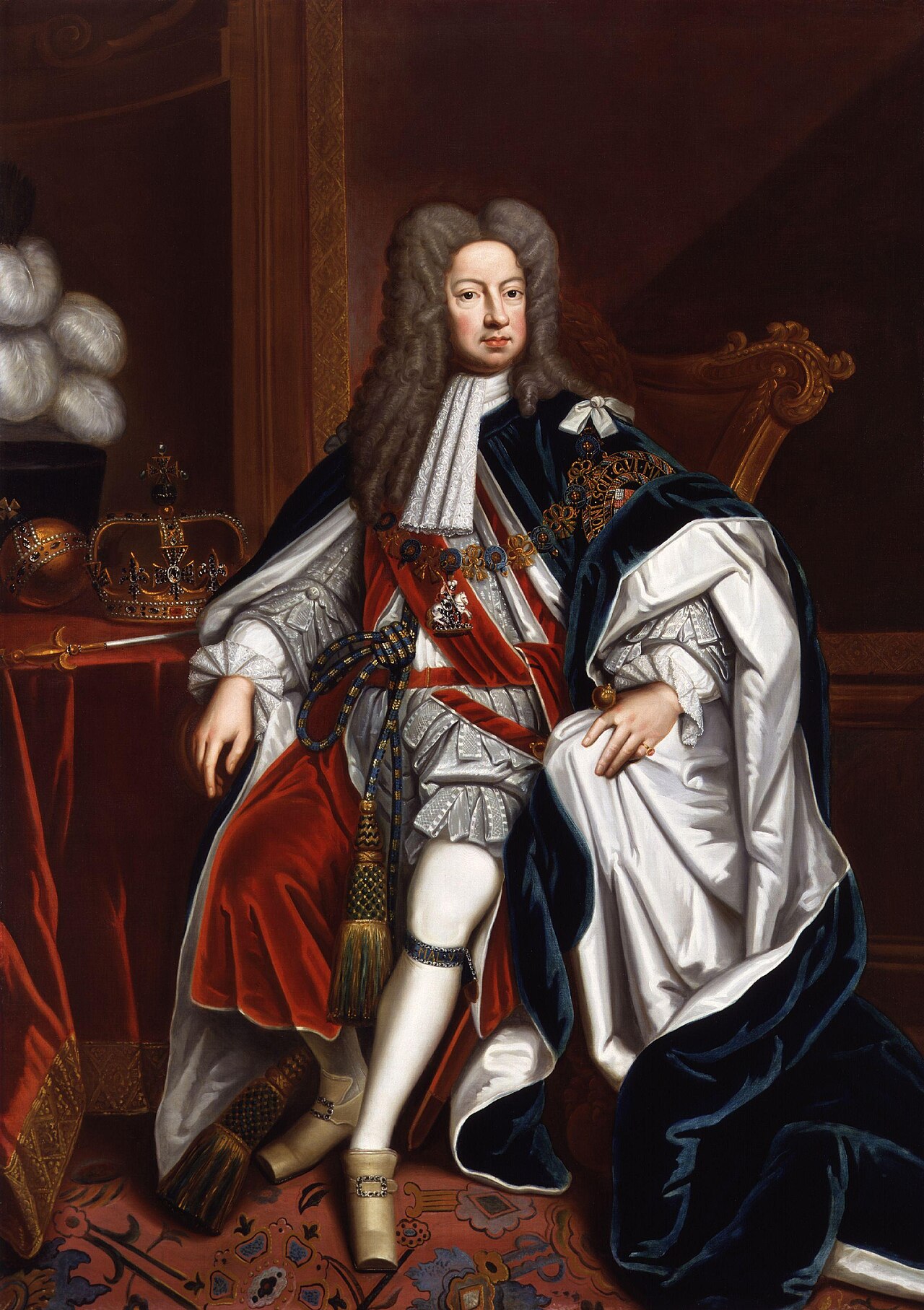
Portrait of George I of Great Britain
Godfrey Kneller
Secondary source
Water Music
George Frideric Handel · 1717
 Document
Primary source
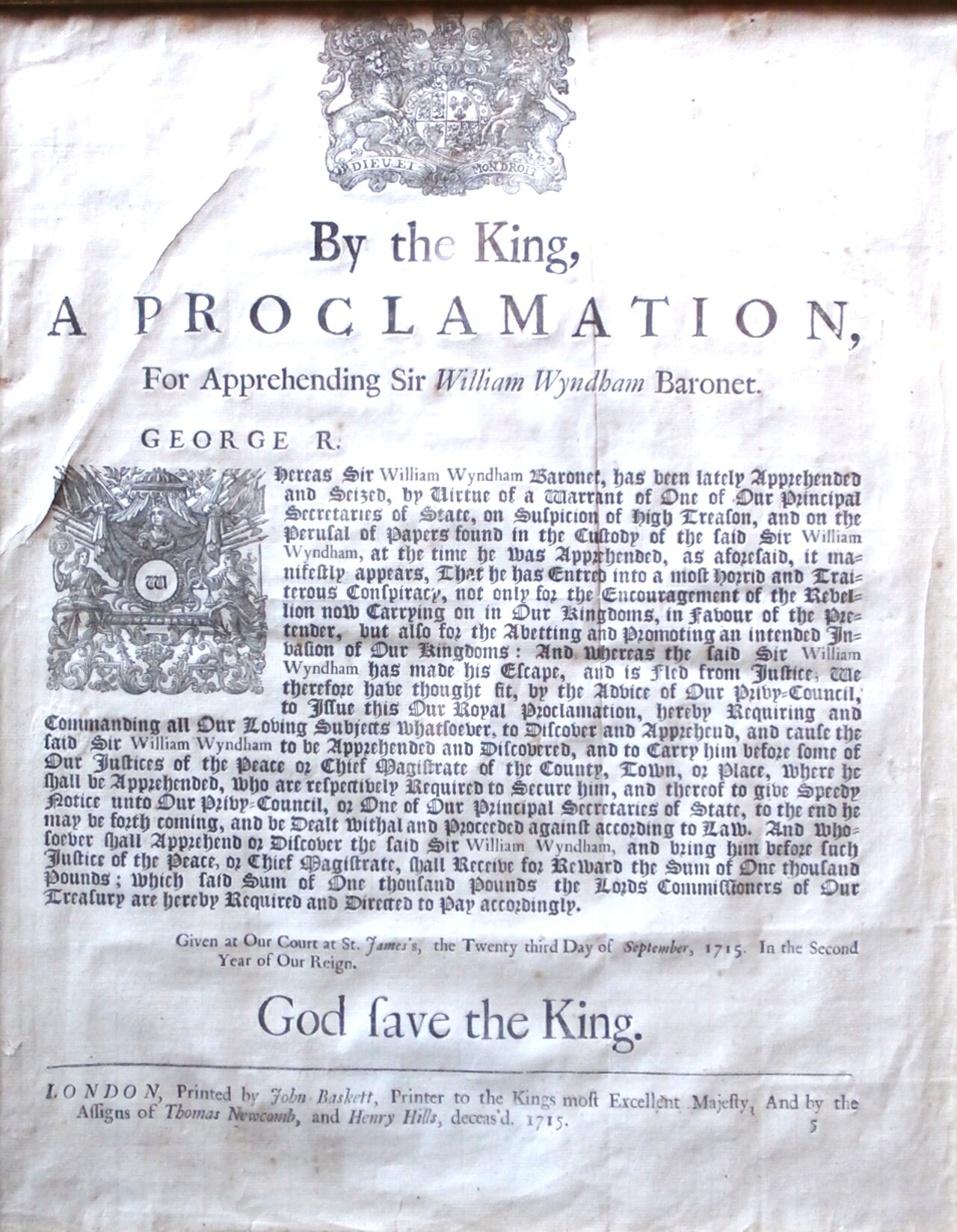
Royal Proclamation for the Arrest of Sir William Wyndham
23 September 1715
 Painting
Primary source
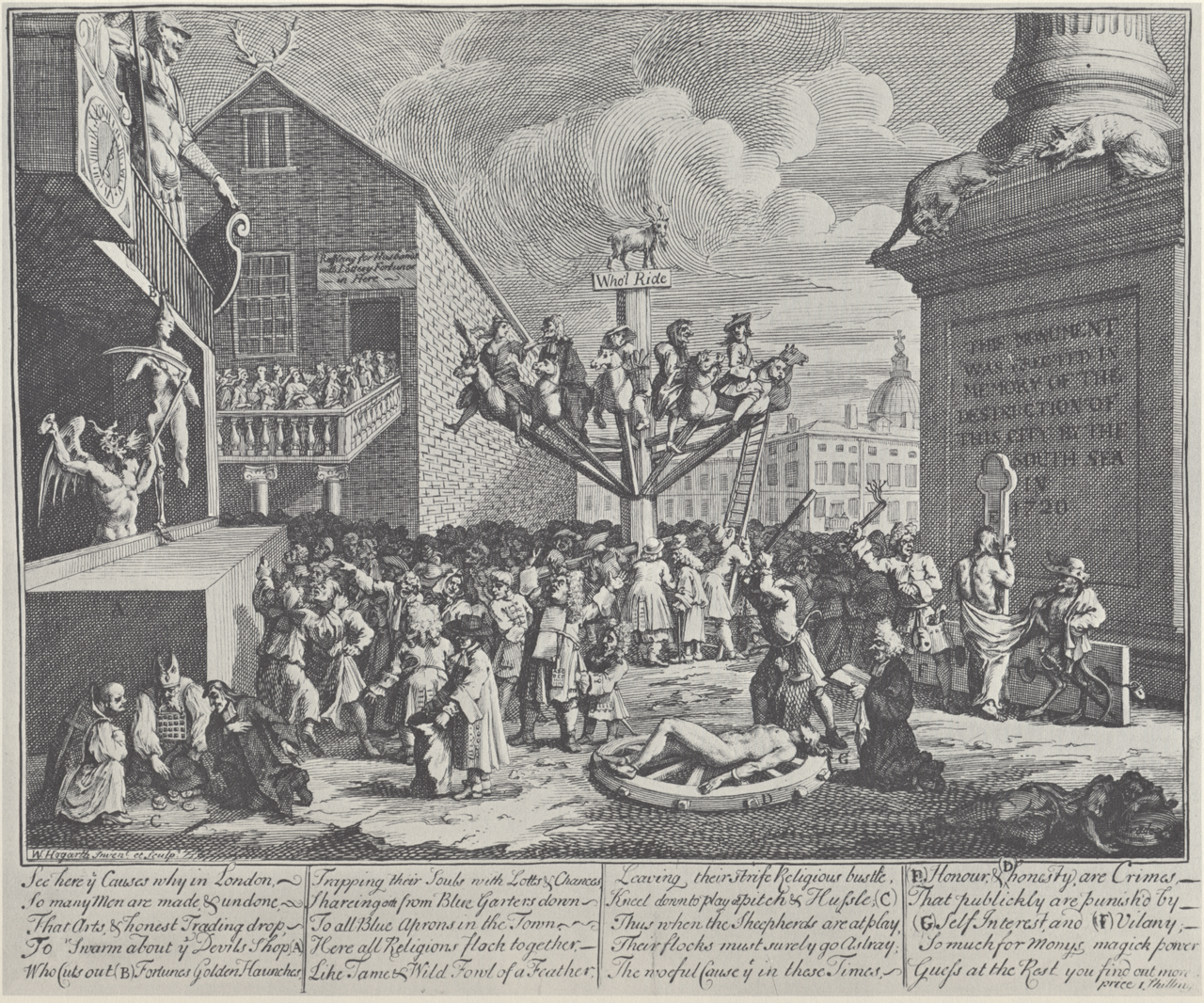
Emblematical Print on the South Sea Scheme
William Hogarth · 1721
Ready when you are
Start chatting with George I now.
20 messages free · No credit card · Available in 50+ languages.