


Primary sourceDocument3 September 1725
Treaty of Hanover
3 September 1725
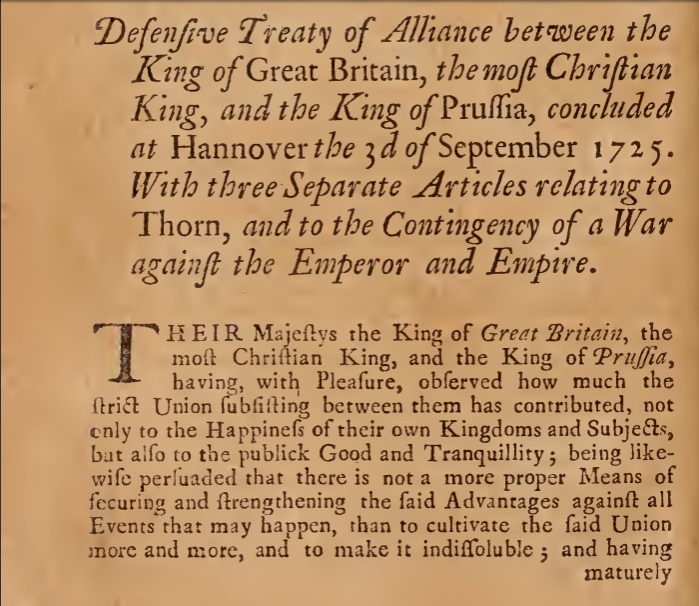
An alliance treaty signed in 1725 at George's Hanover court between Great Britain, Hanover, France and Prussia.
Signed at George's own Hanover court, the treaty shows how his foreign policy blended his British and Hanoverian roles.
About this source
What it is
The Treaty of Hanover was a defensive alliance signed on 3 September 1725 between the Kingdom of Great Britain, the Electorate of Hanover, the Kingdom of France and the Kingdom of Prussia. It was agreed at Hanover, George I's own German court, and promised mutual military support between the signing powers.
Why it matters
The treaty was a response to Austria and Spain forming their own alliance. It shows how George I, ruling both Britain and Hanover, shaped European diplomacy using his position in both states. The alliance also touched on religious tensions in Europe, including concerns raised by Britain and Prussia about treatment of Protestants in Poland. It reveals how closely George's foreign policy as king was tied to his interests as a continental elector.
Look closer
- Why might a treaty be signed at Hanover rather than London?
- What does the involvement of four different powers tell you about the balance of power in Europe at this time?
- What does the treaty's language of 'firm and inviolable peace' leave out about the real tensions behind it?
This document is part of the curated material that grounds the AI version of George I on Humy.ai — when students ask about related events, the AI can quote it and cite it.
More George I sources
Meet the AI George I →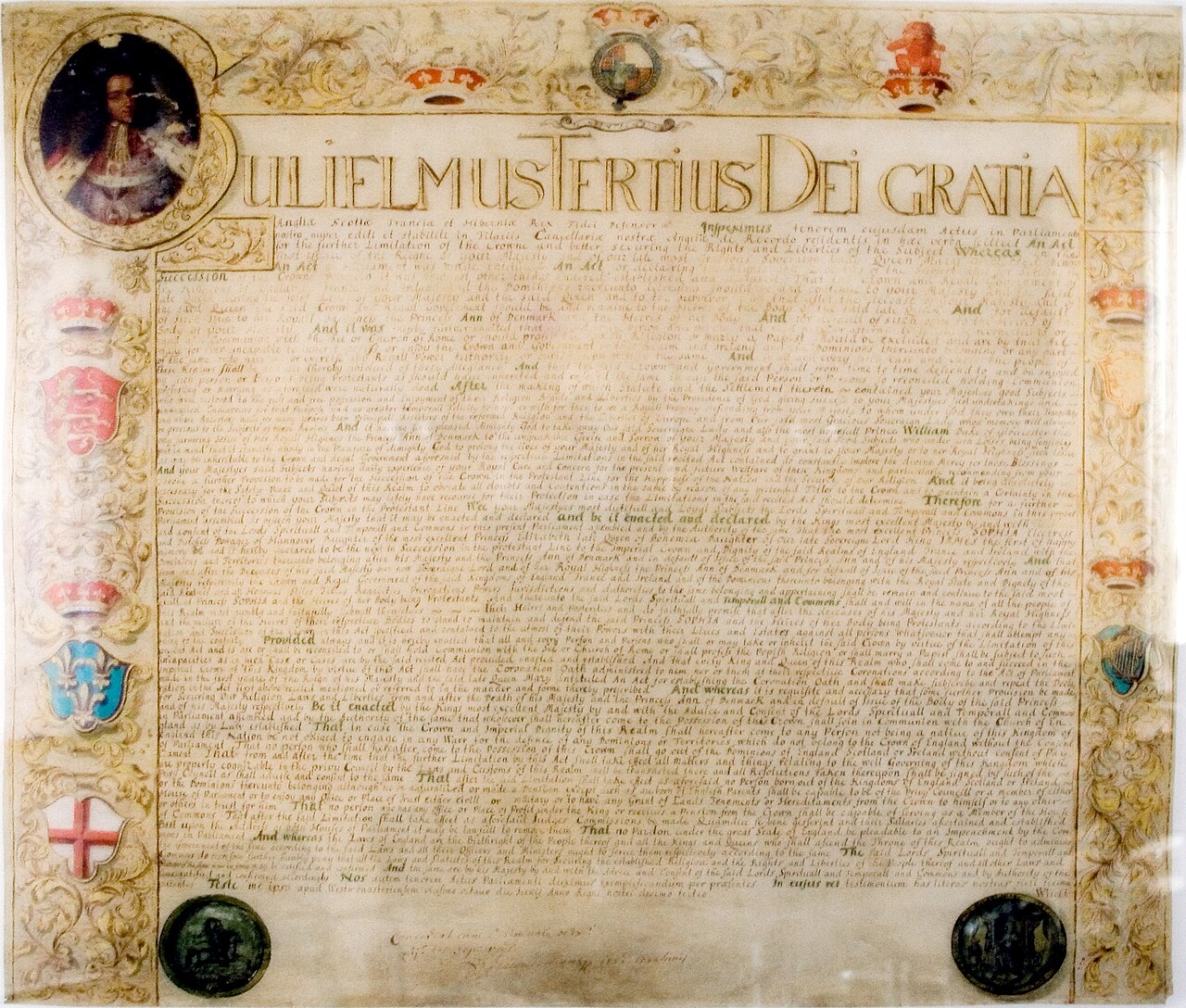 Document
Primary source
Act of Settlement 1701
1701
 Painting
Primary source
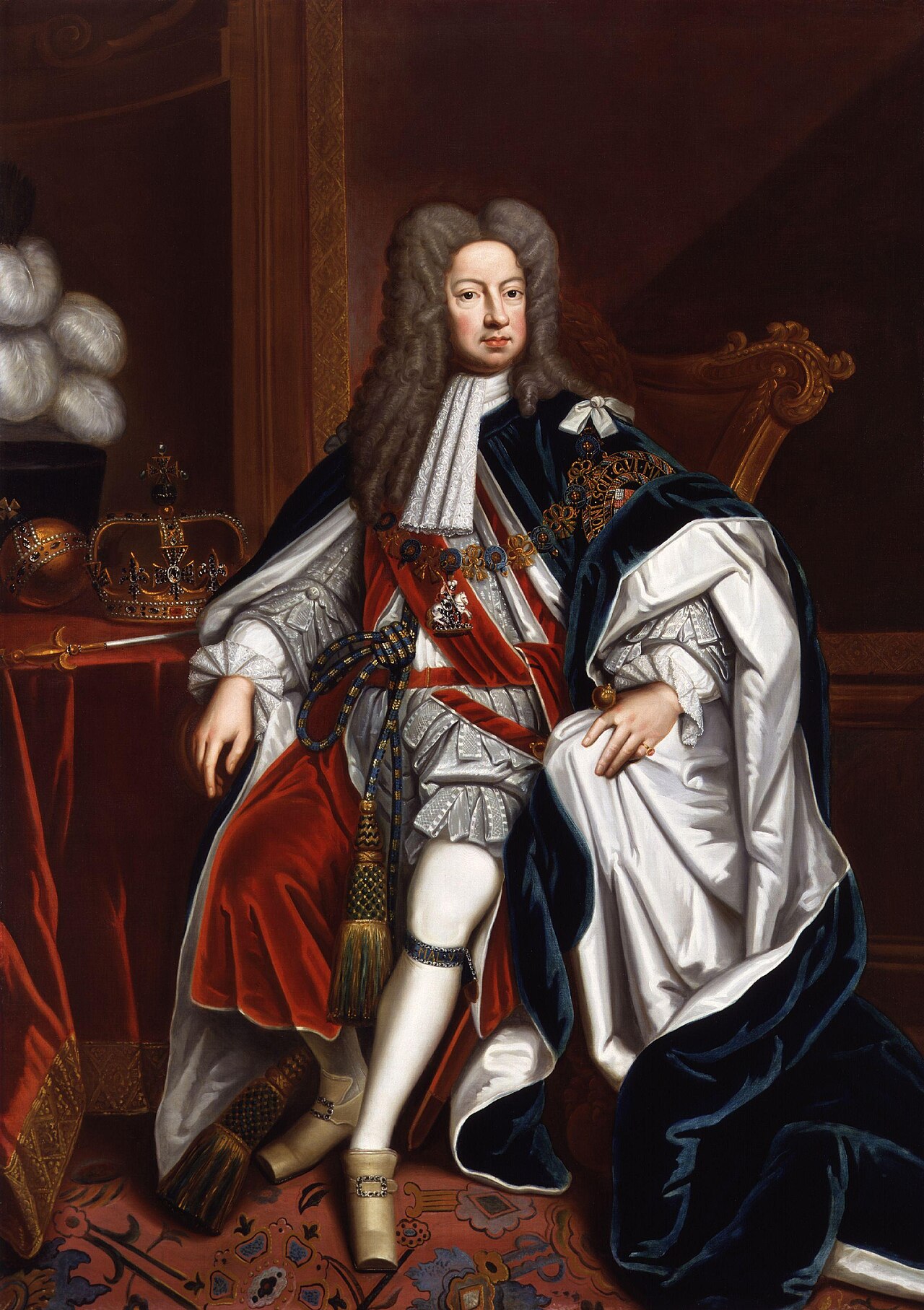
Portrait of George I of Great Britain
Godfrey Kneller
Secondary source
Water Music
George Frideric Handel · 1717
Primary source
Septennial Act 1715
1716
 Document
Primary source
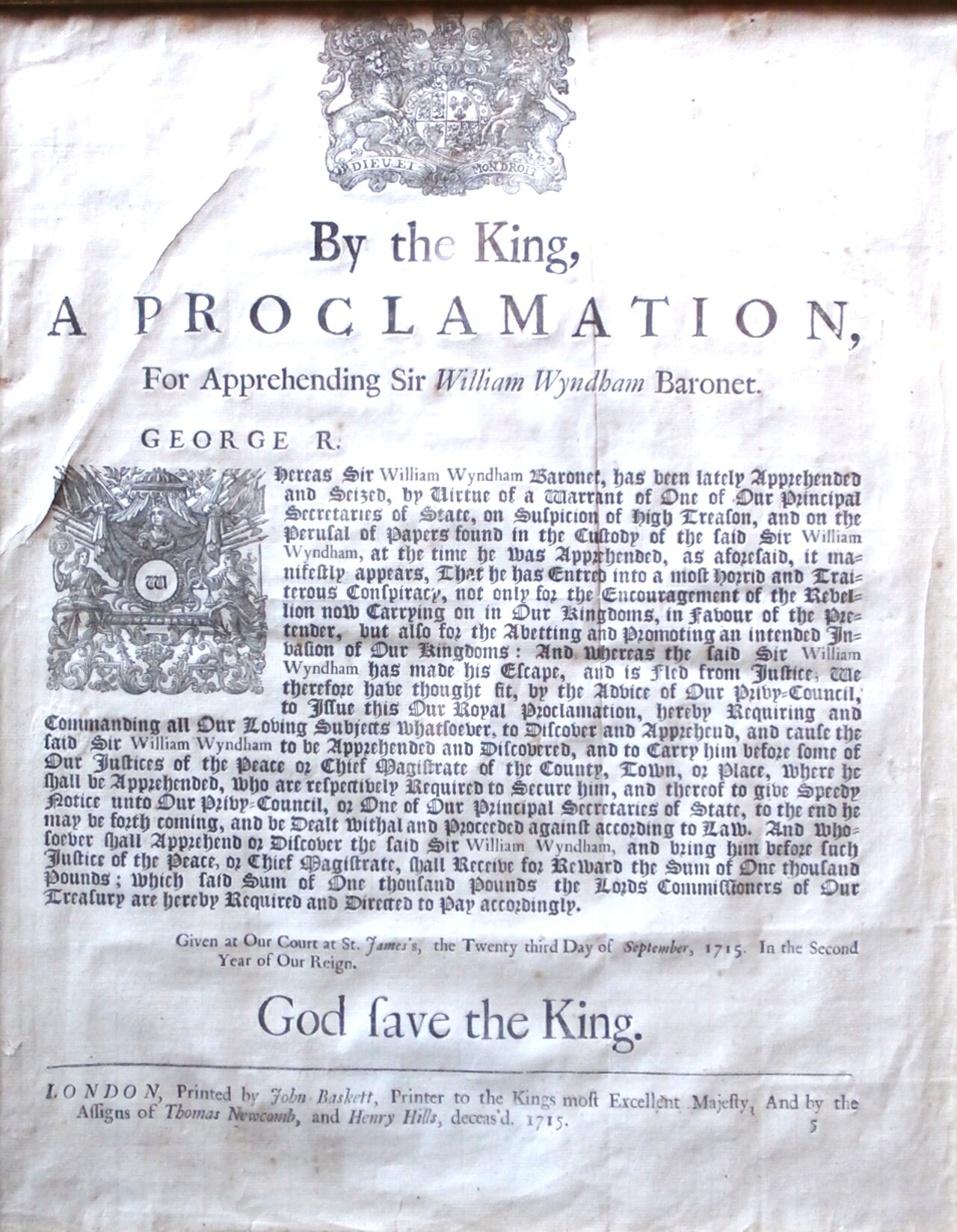
Royal Proclamation for the Arrest of Sir William Wyndham
23 September 1715
Ready when you are
Start chatting with George I now.
20 messages free · No credit card · Available in 50+ languages.