


Primary sourceArtifact1724
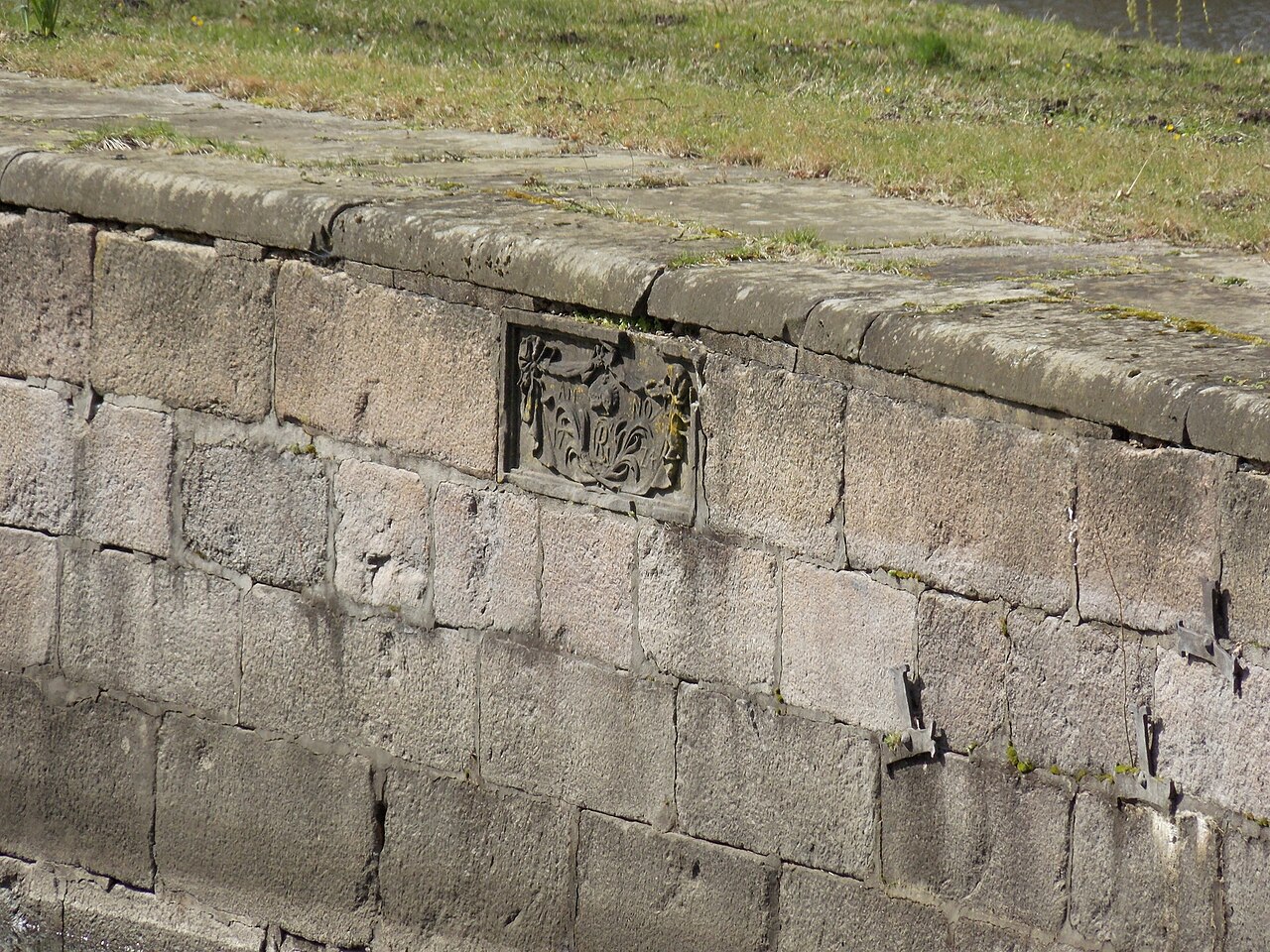
Lauenburg Palmschleuse Wappentafel
Infestus 969 · 1724
A 1724 armorial plaque set into a lock wall at Lauenburg, marking George I's sponsorship of works on the waterway.
The plaque records a public works project George commissioned as a German territorial ruler.
About this source
What it is
This is a stone and metal heraldic plaque fixed into the quay wall of a lock at Lauenburg. It was installed in 1724 to mark the enlargement of the lock, carried out under George I of Great Britain in his role as a German territorial ruler.
Why it matters
George I ruled not only Britain but also Hanover and other German lands. Plaques like this show his ongoing responsibilities as a continental prince, improving roads, waterways and infrastructure far from London. It is a reminder that his power and attention were divided between two very different kinds of rule.
Look closer
- Why might a ruler want his coat of arms on a piece of engineering like a lock?
- What does this plaque suggest about which of George's titles mattered most to the people who built the lock?
- What is missing from this object that a written record might tell us about the project?
This artifact is part of the curated material that grounds the AI version of George I on Humy.ai — when students ask about related events, the AI can quote it and cite it.
More George I sources
Meet the AI George I →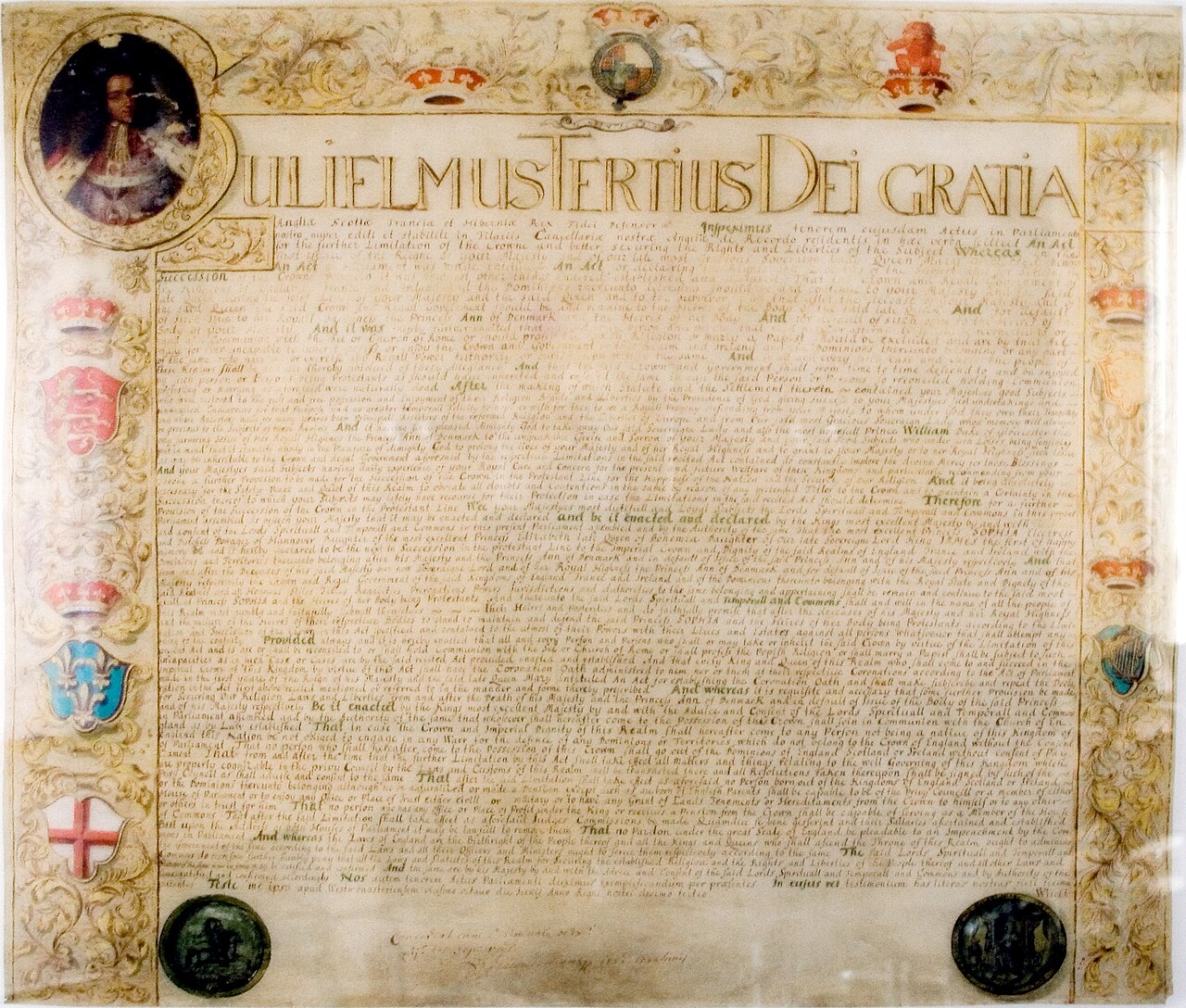 Document
Primary source
Act of Settlement 1701
1701
 Painting
Primary source
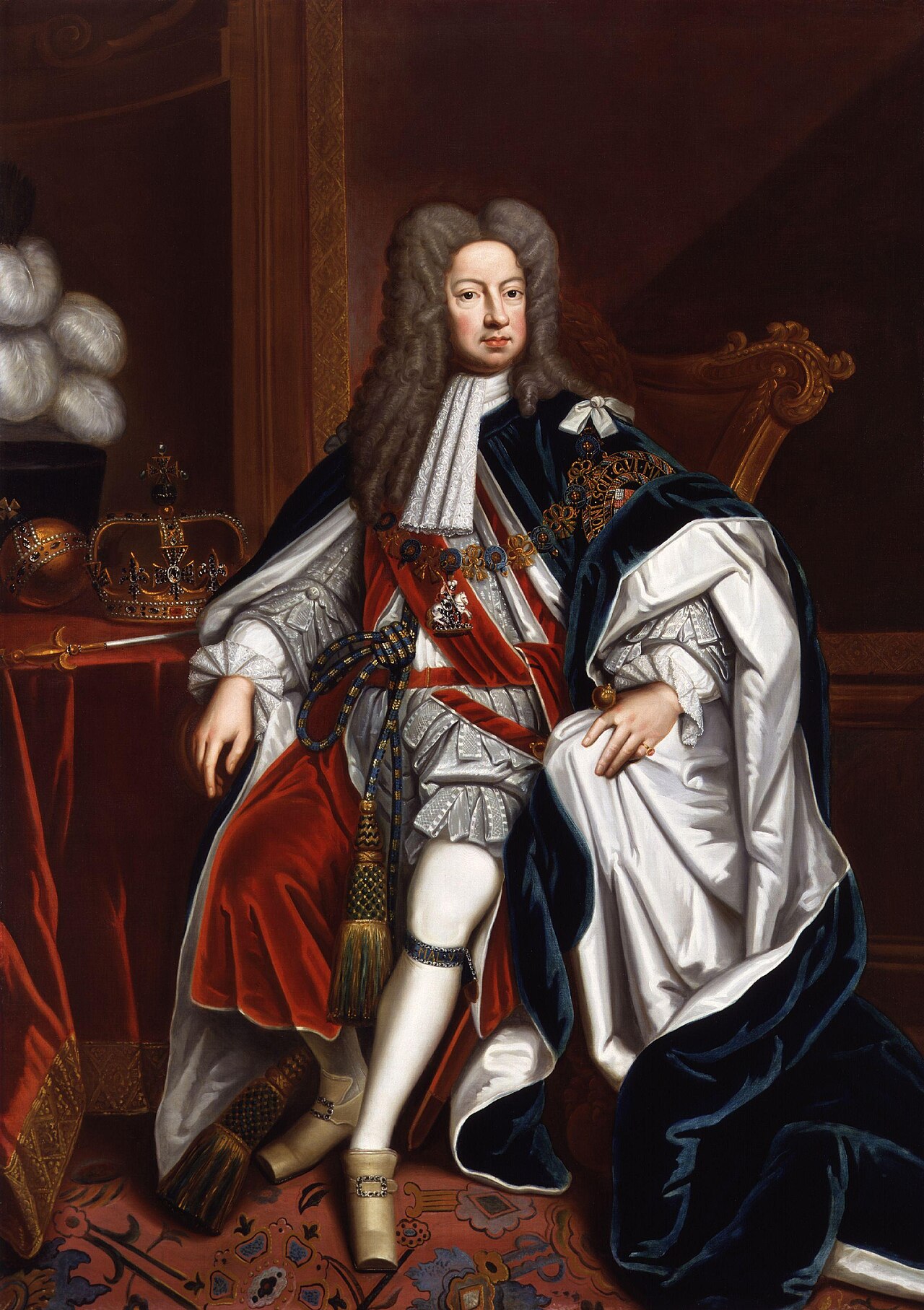
Portrait of George I of Great Britain
Godfrey Kneller
Secondary source
Water Music
George Frideric Handel · 1717
Primary source
Septennial Act 1715
1716
 Document
Primary source
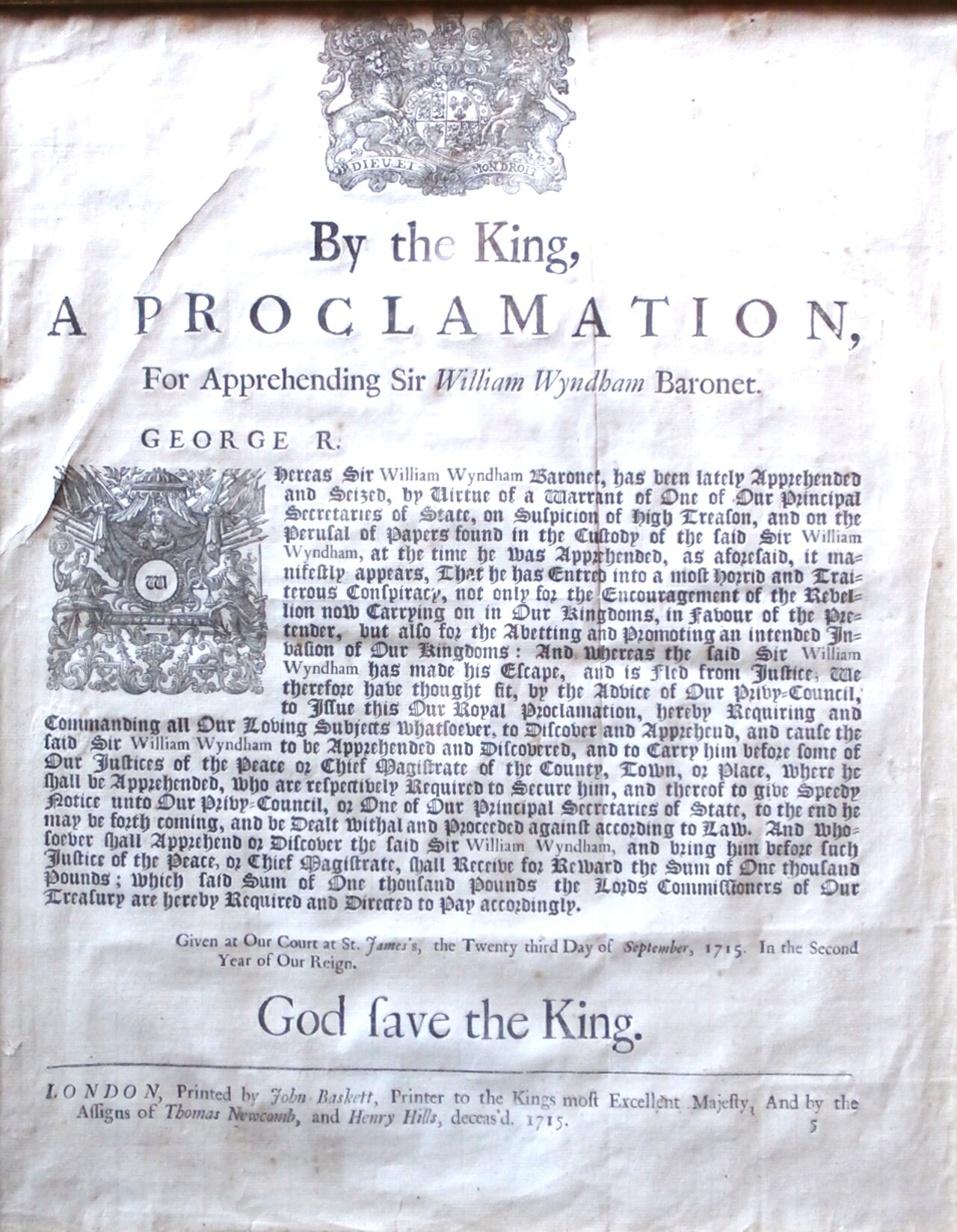
Royal Proclamation for the Arrest of Sir William Wyndham
23 September 1715
Ready when you are
Start chatting with George I now.
20 messages free · No credit card · Available in 50+ languages.