


Primary sourceBook1720–1723
Cato's Letters
John Trenchard and Thomas Gordon · 1720–1723
A series of Whig essays published under the pen name 'Cato' during George I's reign, attacking corruption after the South Sea Bubble scandal.
These essays attacked corruption and scandal under George I's government, reflecting political unrest during his reign.
About this source
What it is
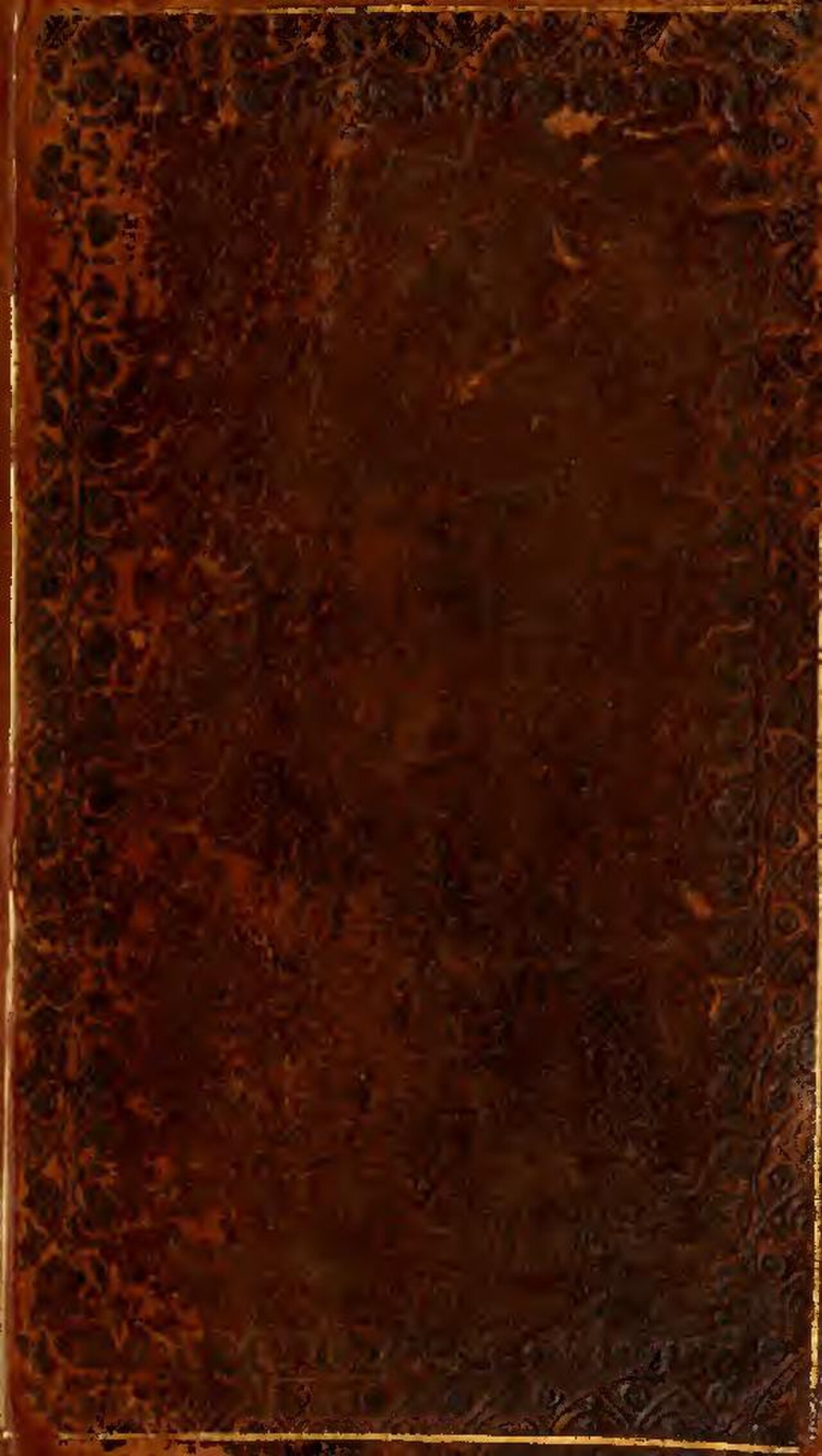
Cato's Letters were essays written by John Trenchard and Thomas Gordon under the pseudonym Cato, published between 1720 and 1723. The copy shown is a bound book, later part of the John Adams Library, with no title visible on its leather cover.
Why it matters
The letters were provoked by the South Sea Bubble, a financial scandal that happened under George I. They criticised corrupt ministers and court politics and defended ideas of liberty and limited government. Though written in Britain, the essays became hugely influential among American revolutionaries decades later, showing how political writing from George's reign echoed far beyond its own time.
Look closer
- Why might the authors have chosen to write under a pseudonym from ancient Rome?
- What does the choice of topics — like the South Sea scandal — tell you about public anger at the time?
- How might ideas written to criticise a king's government end up inspiring a revolution against another government later?
This book is part of the curated material that grounds the AI version of George I on Humy.ai — when students ask about related events, the AI can quote it and cite it.
More George I sources
Meet the AI George I →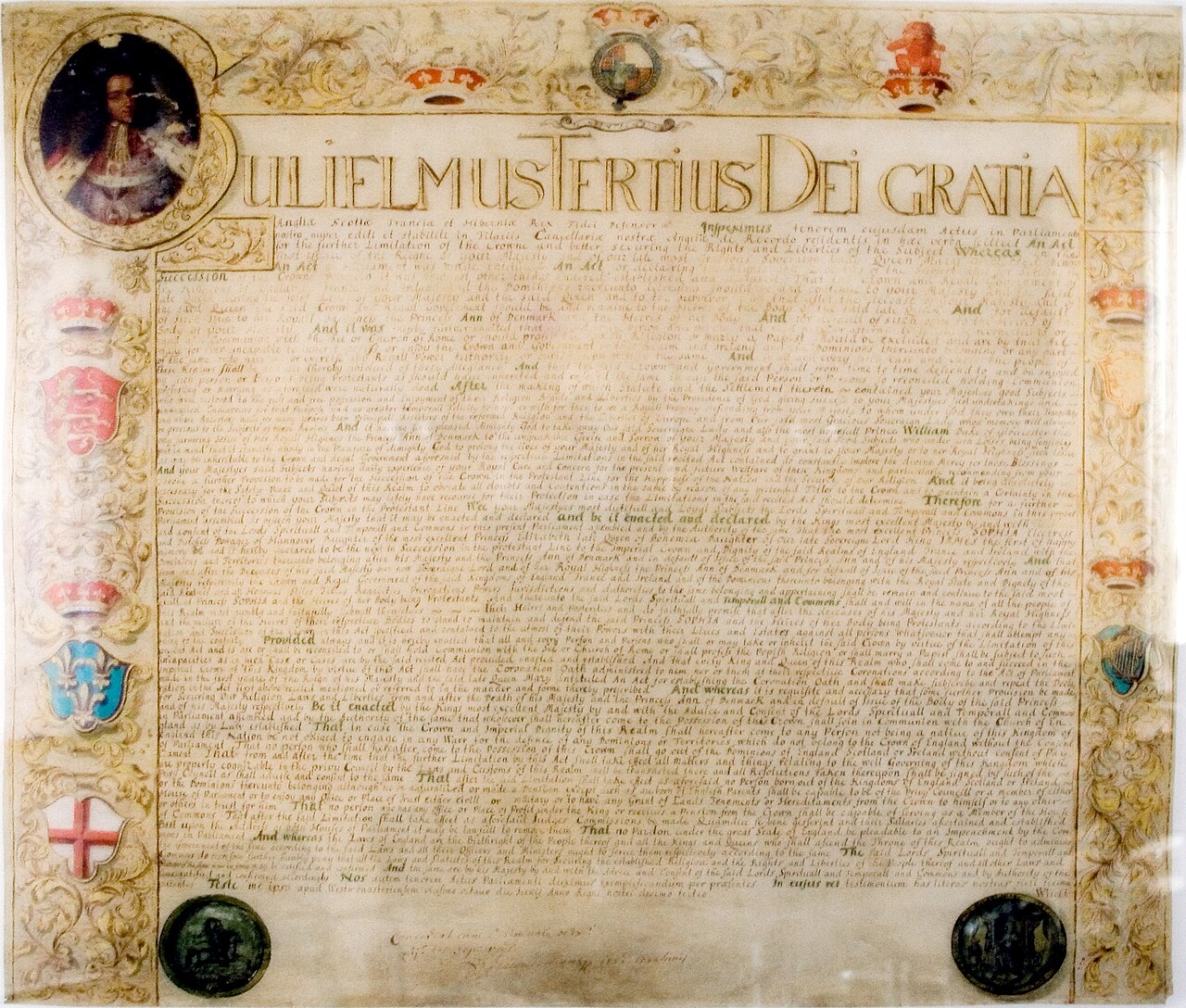 Document
Primary source
Act of Settlement 1701
1701
 Painting
Primary source
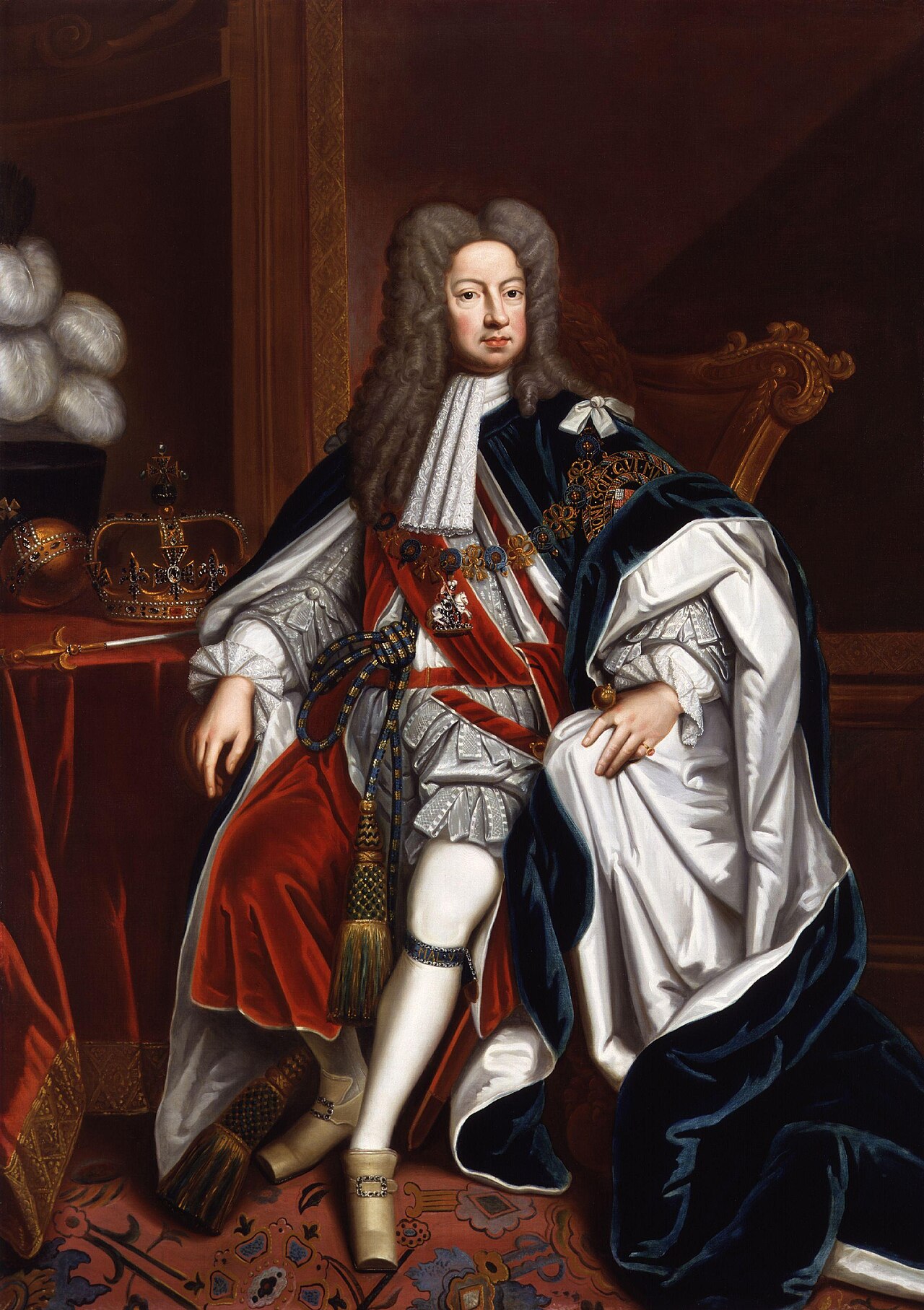
Portrait of George I of Great Britain
Godfrey Kneller
Secondary source
Water Music
George Frideric Handel · 1717
Primary source
Septennial Act 1715
1716
 Document
Primary source
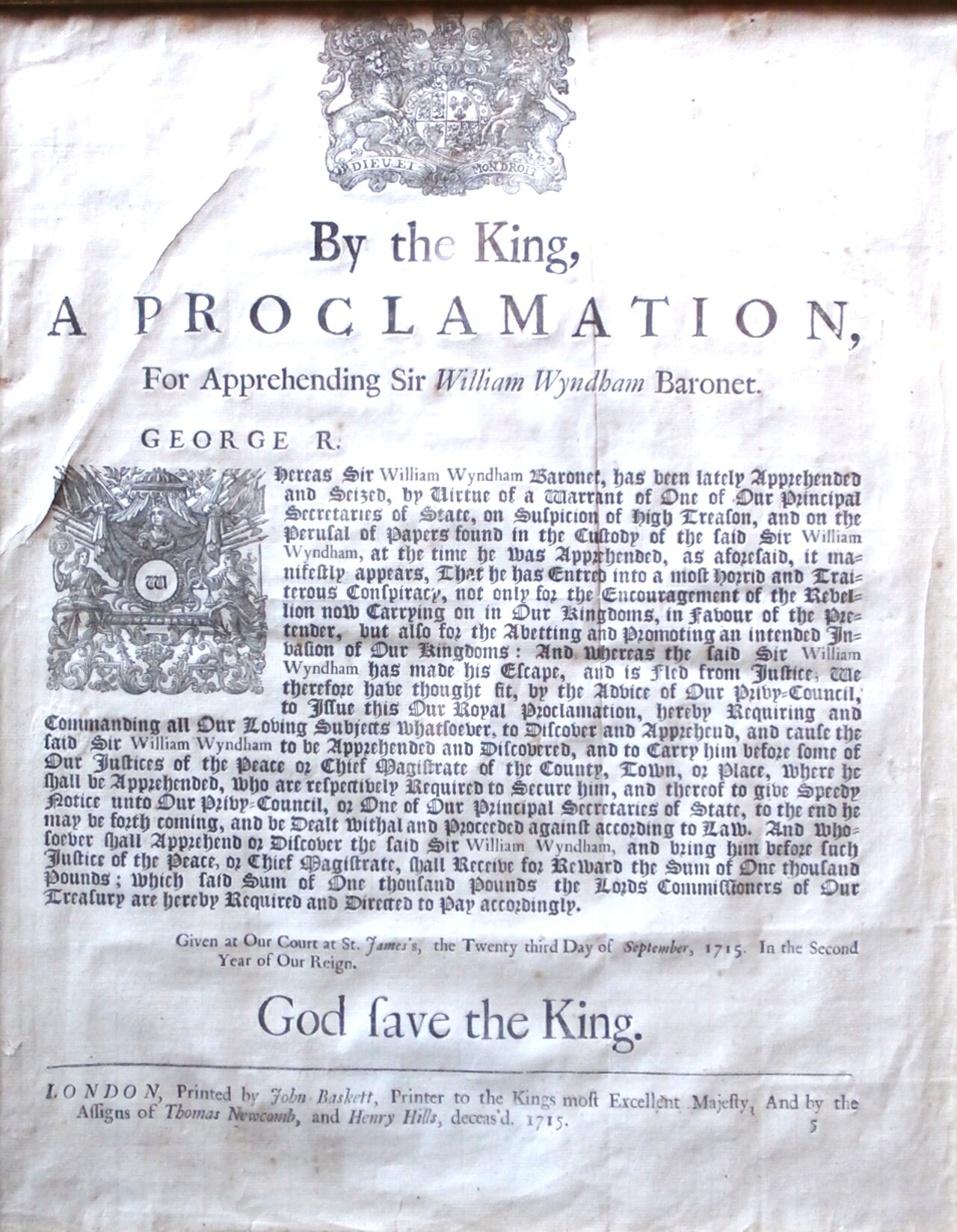
Royal Proclamation for the Arrest of Sir William Wyndham
23 September 1715
Ready when you are
Start chatting with George I now.
20 messages free · No credit card · Available in 50+ languages.