


Primary sourcePainting
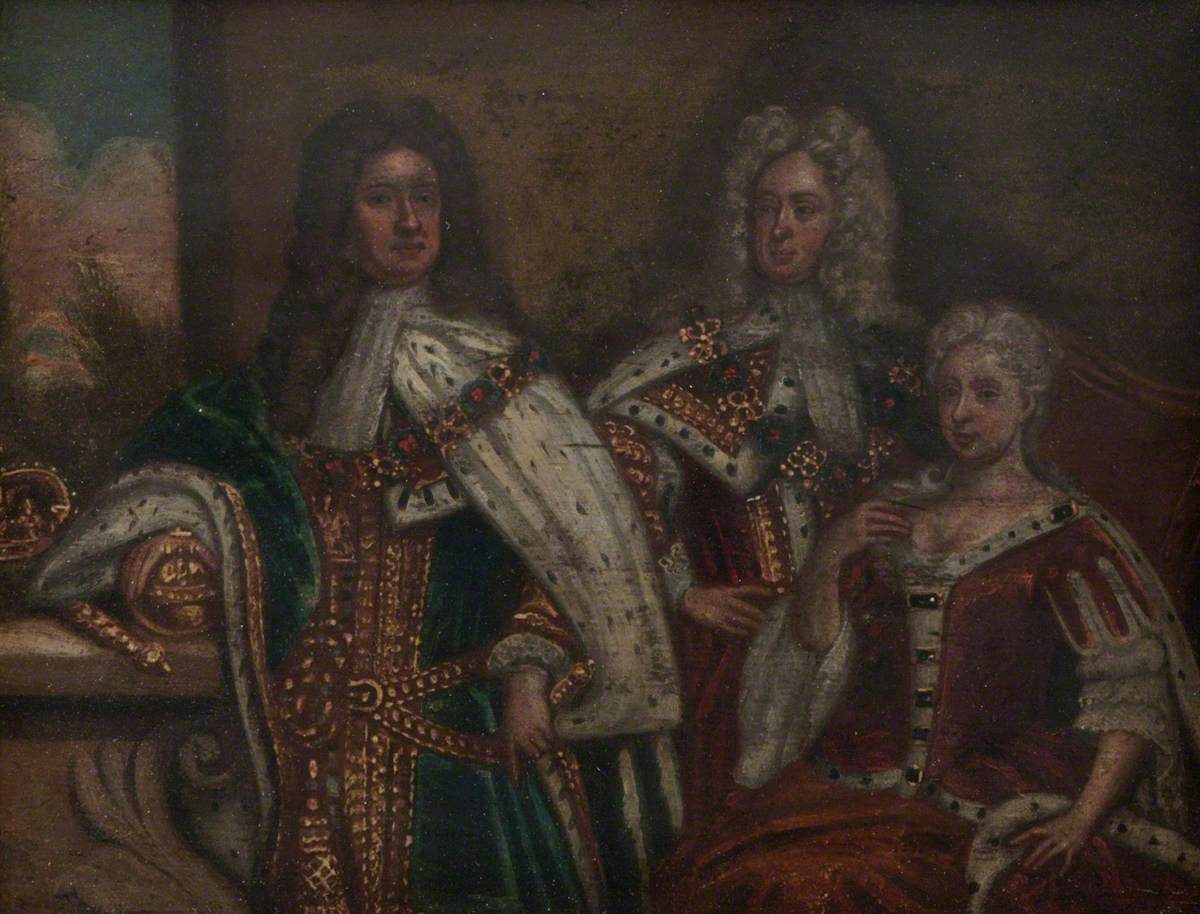
George I with George II and Queen Caroline
Godfrey Kneller (style of)
A painting grouping George I with his son George II and daughter-in-law Caroline, projecting unity in the new Hanoverian royal family.
George I appears here with his son and daughter-in-law in an image meant to show dynastic unity, despite their real family conflict.
About this source
What it is
This oil painting, in the style of Godfrey Kneller, shows three royal figures in ermine-trimmed robes: a man, a younger man, and a seated woman, with a crown visible nearby. It is held at the Inverness Museum and Art Gallery. The figures are understood to represent George I, his son George II, and George II's wife Queen Caroline.
Why it matters
Paintings like this were used to present the new Hanoverian dynasty as stable and unified after George I became king of Great Britain. In reality, George I and his son had a famously poor relationship, so this image of family harmony was more about political image-making than truth.
Look closer
- What symbols in the painting (robes, crown) are used to show royal status?
- Why might an artist be asked to paint the king and his heir together, even if they did not get along?
- What does this painting leave out about the real relationships between these people?
This painting is part of the curated material that grounds the AI version of George I and George II on Humy.ai — when students ask about related events, the AI can quote it and cite it.
More George I sources
Meet the AI George I →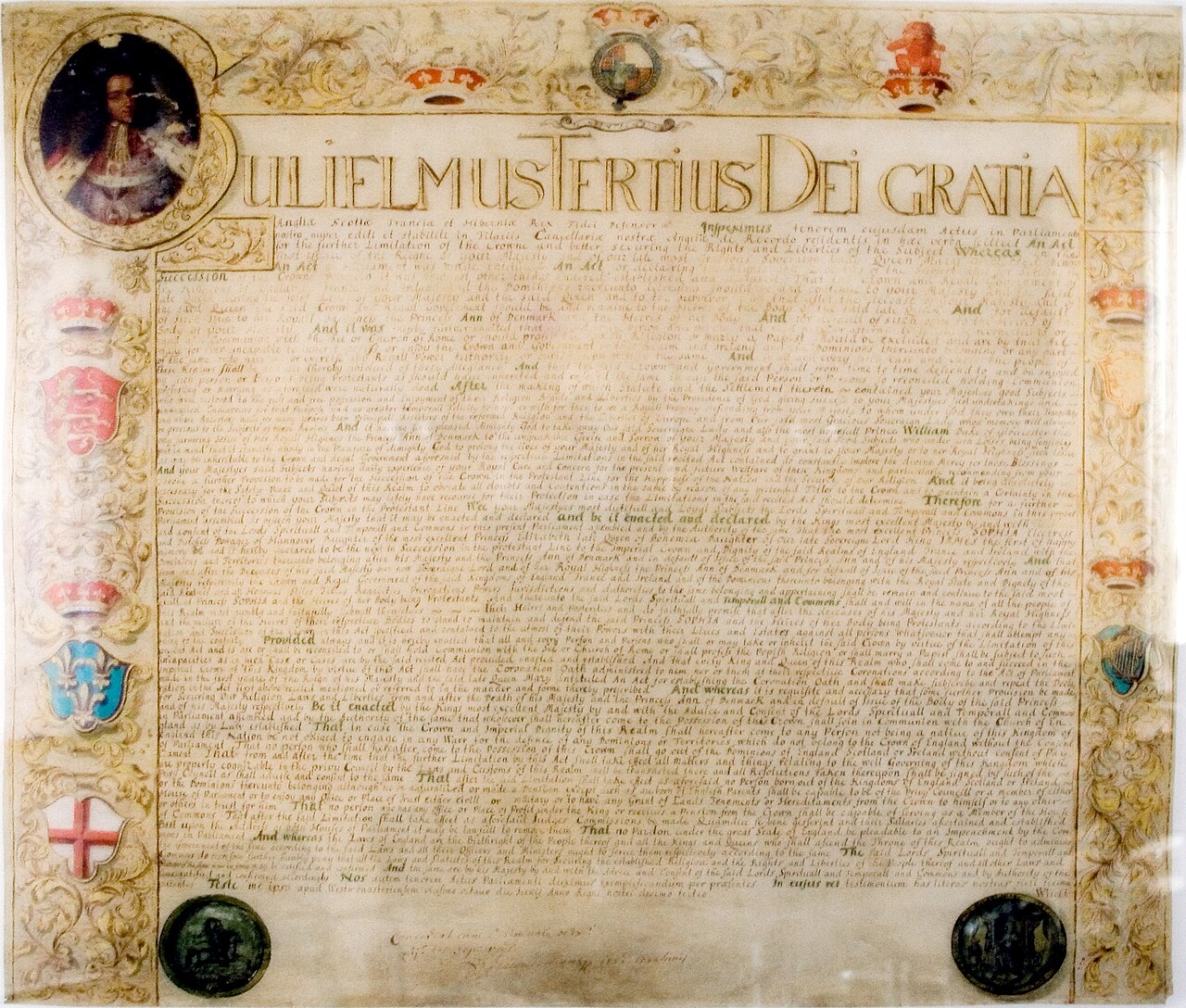 Document
Primary source
Act of Settlement 1701
1701
 Painting
Primary source
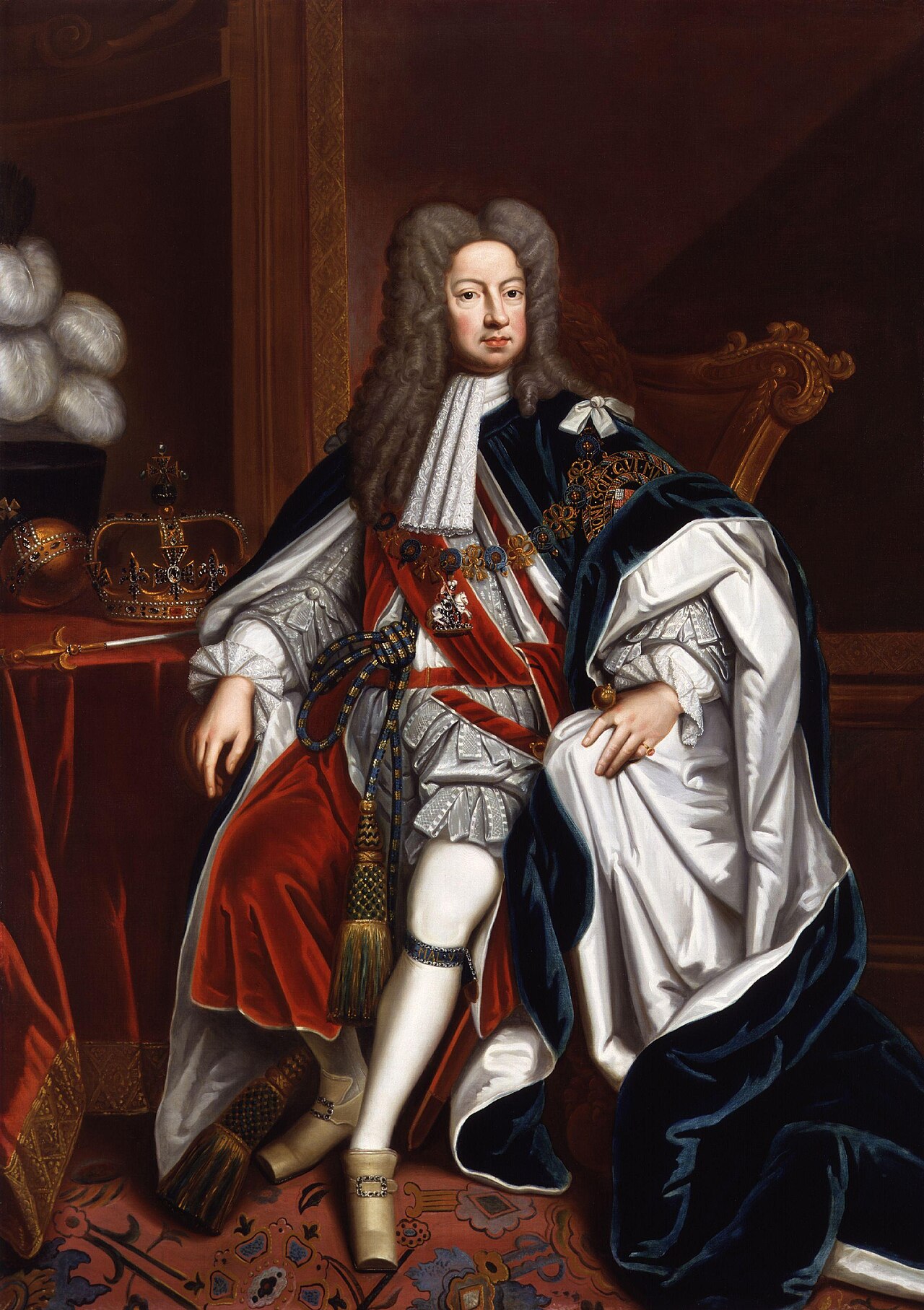
Portrait of George I of Great Britain
Godfrey Kneller
Secondary source
Water Music
George Frideric Handel · 1717
Primary source
Septennial Act 1715
1716
 Document
Primary source
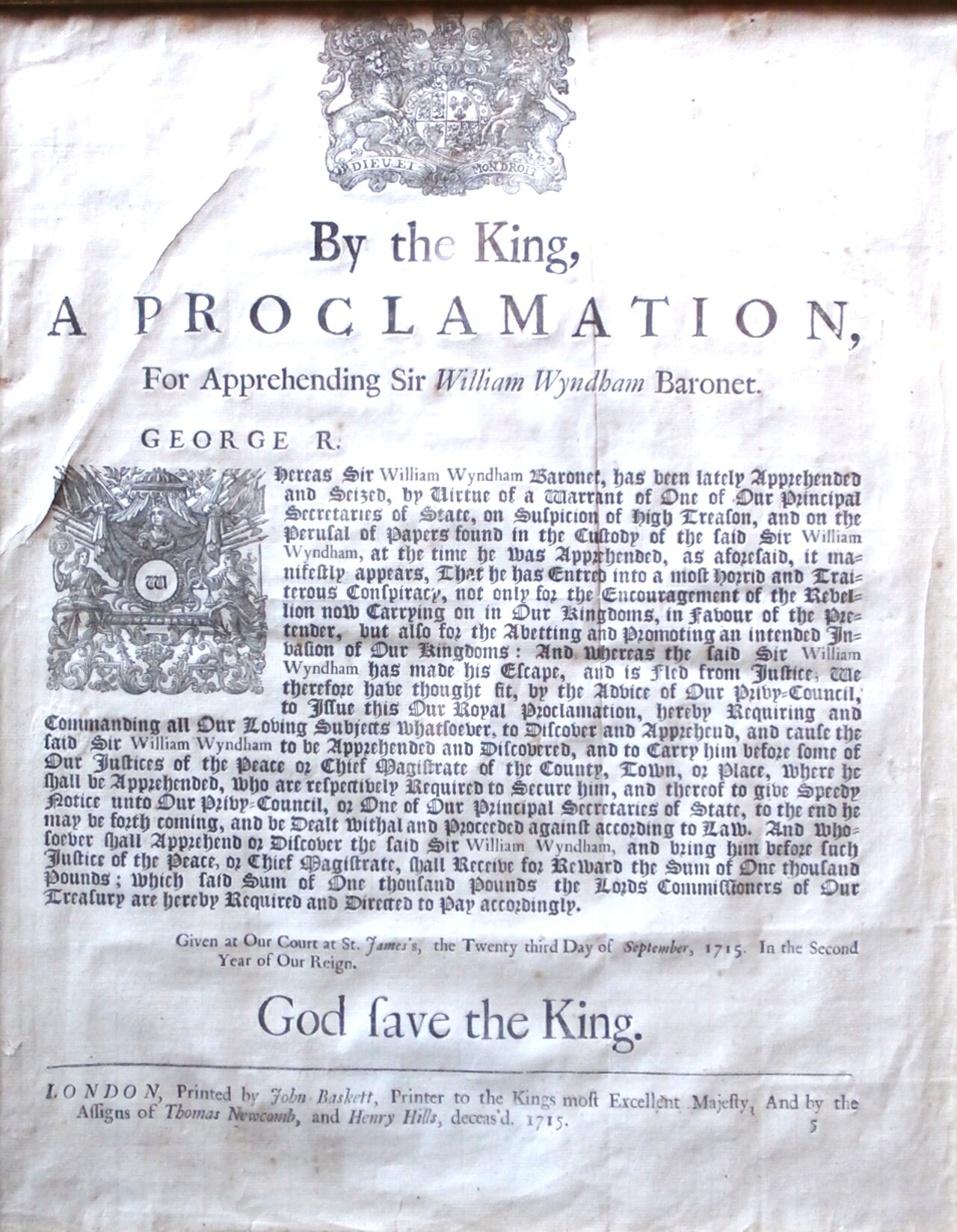
Royal Proclamation for the Arrest of Sir William Wyndham
23 September 1715
Ready when you are
Start chatting with George I now.
20 messages free · No credit card · Available in 50+ languages.