


Primary sourceSculpturecommissioned 1717, unveiled 1722
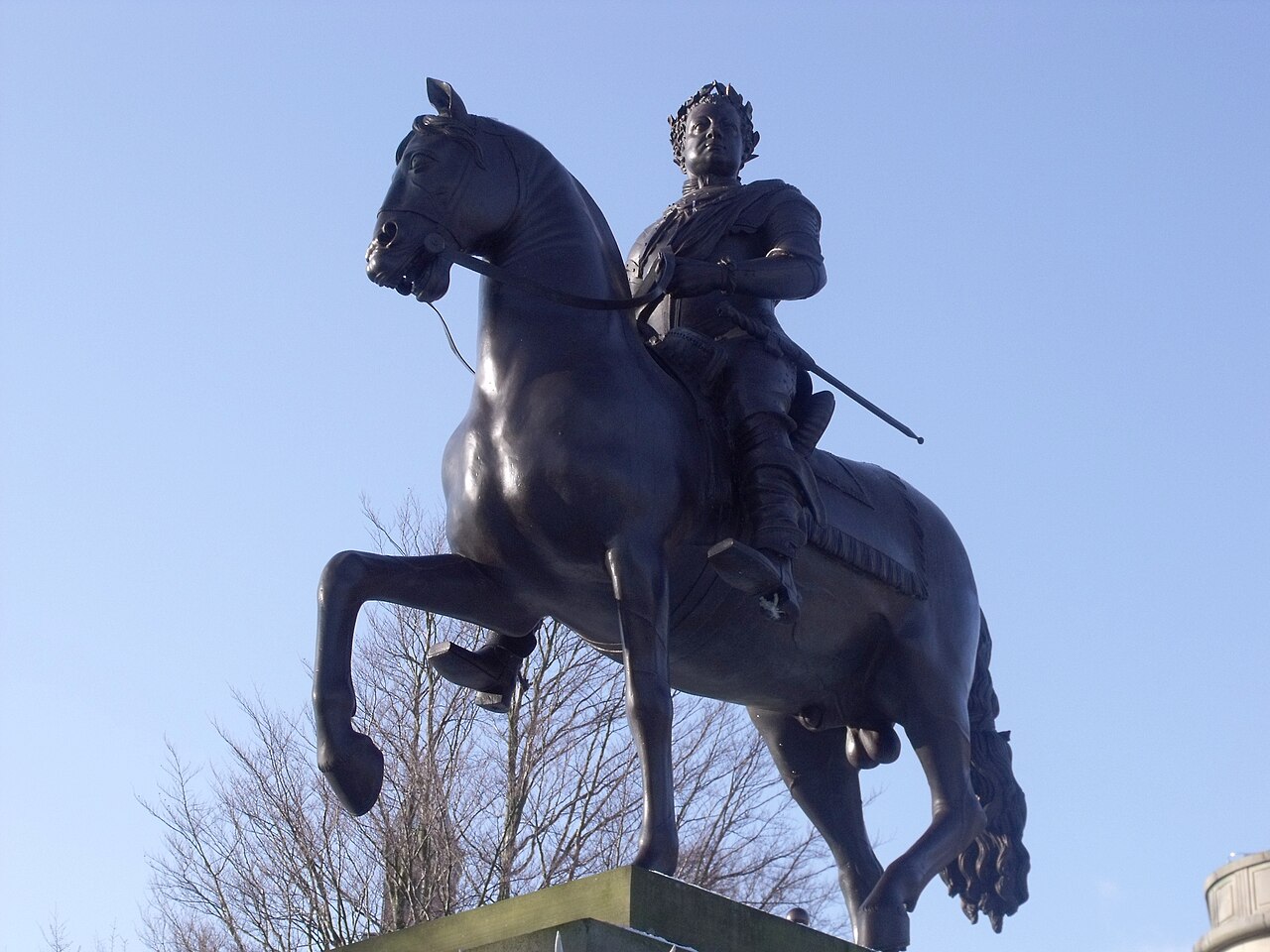
Equestrian Statue of George I
John van Nost the Elder · commissioned 1717, unveiled 1722
A bronze statue of George I on horseback, commissioned by Dublin in 1717 to show loyalty to the new king.
This statue depicts George I and was created during his reign as a public statement of loyalty to him.
About this source
What it is
This bronze equestrian statue of George I was made by the Dutch sculptor John van Nost the Elder, possibly finished by his students. It was commissioned by the city of Dublin in 1717 and unveiled there in 1722. It now stands outside the Barber Institute of Fine Arts in Birmingham.
Why it matters
The statue shows George in contemporary clothing but wearing a laurel wreath like a Roman emperor, a way of making him look like a powerful and legitimate ruler. Dublin's city leaders commissioned it to display loyalty to George I at a time when some Irish Catholics supported a rival claimant to the throne. It reveals how art could be used as political propaganda.
Look closer
- Why might the sculptor have mixed modern clothing with ancient Roman symbols?
- What does the commissioning of this statue by a city council tell you about politics at the time?
- The statue moved locations several times — what does that history suggest about how monuments are valued over time?
This sculpture is part of the curated material that grounds the AI version of George I on Humy.ai — when students ask about related events, the AI can quote it and cite it.
More George I sources
Meet the AI George I →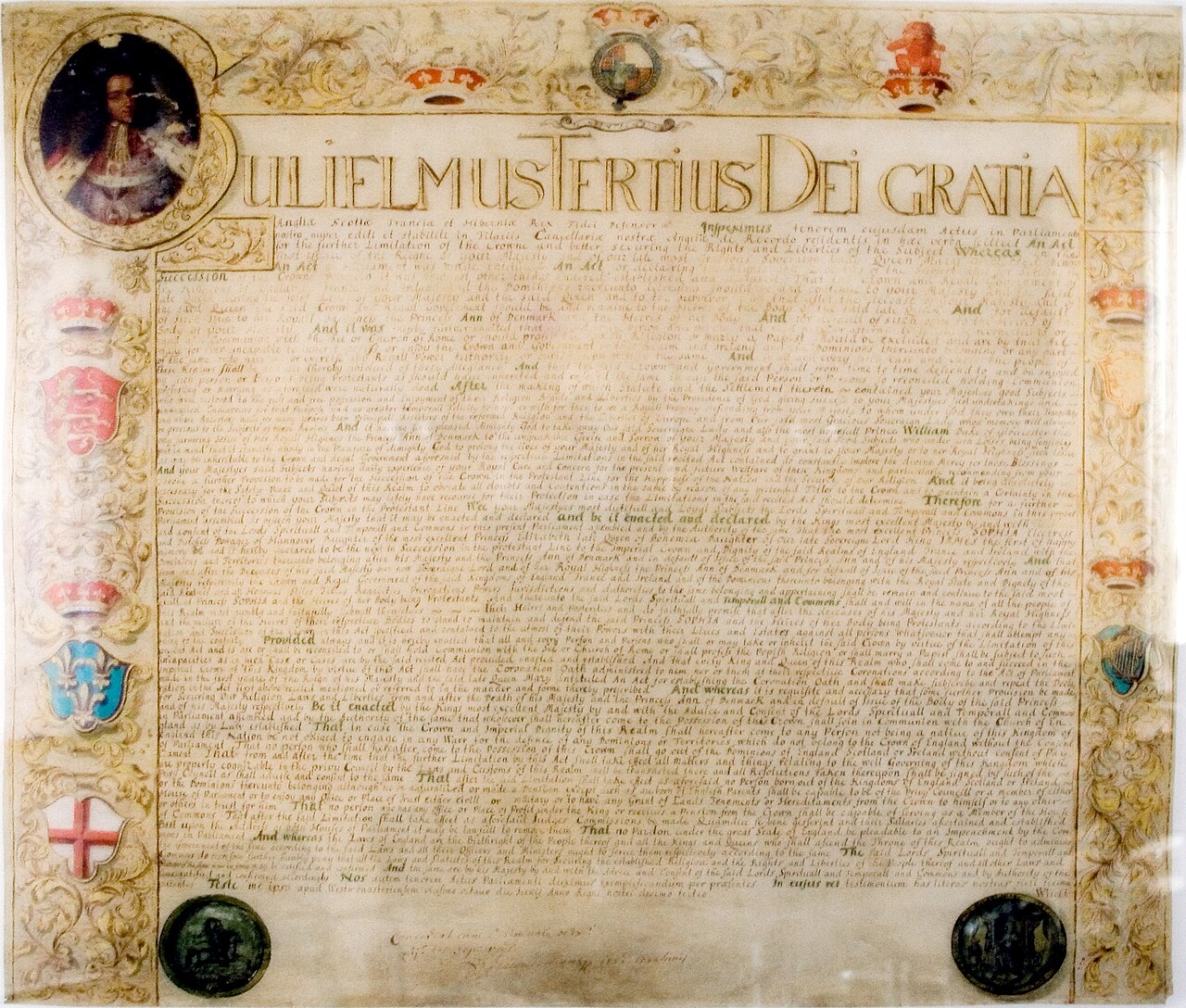 Document
Primary source
Act of Settlement 1701
1701
 Painting
Primary source
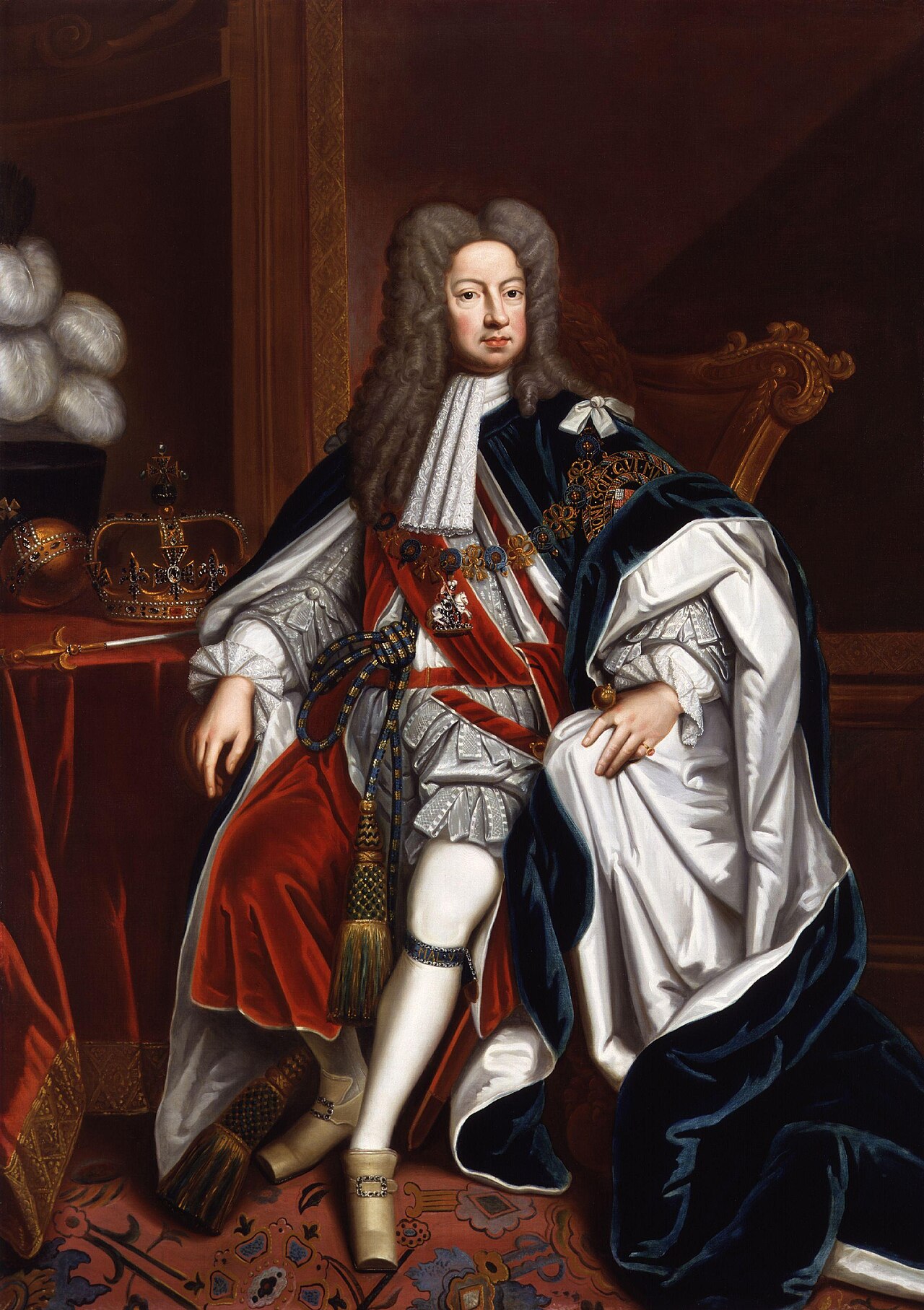
Portrait of George I of Great Britain
Godfrey Kneller
Secondary source
Water Music
George Frideric Handel · 1717
Primary source
Septennial Act 1715
1716
 Document
Primary source
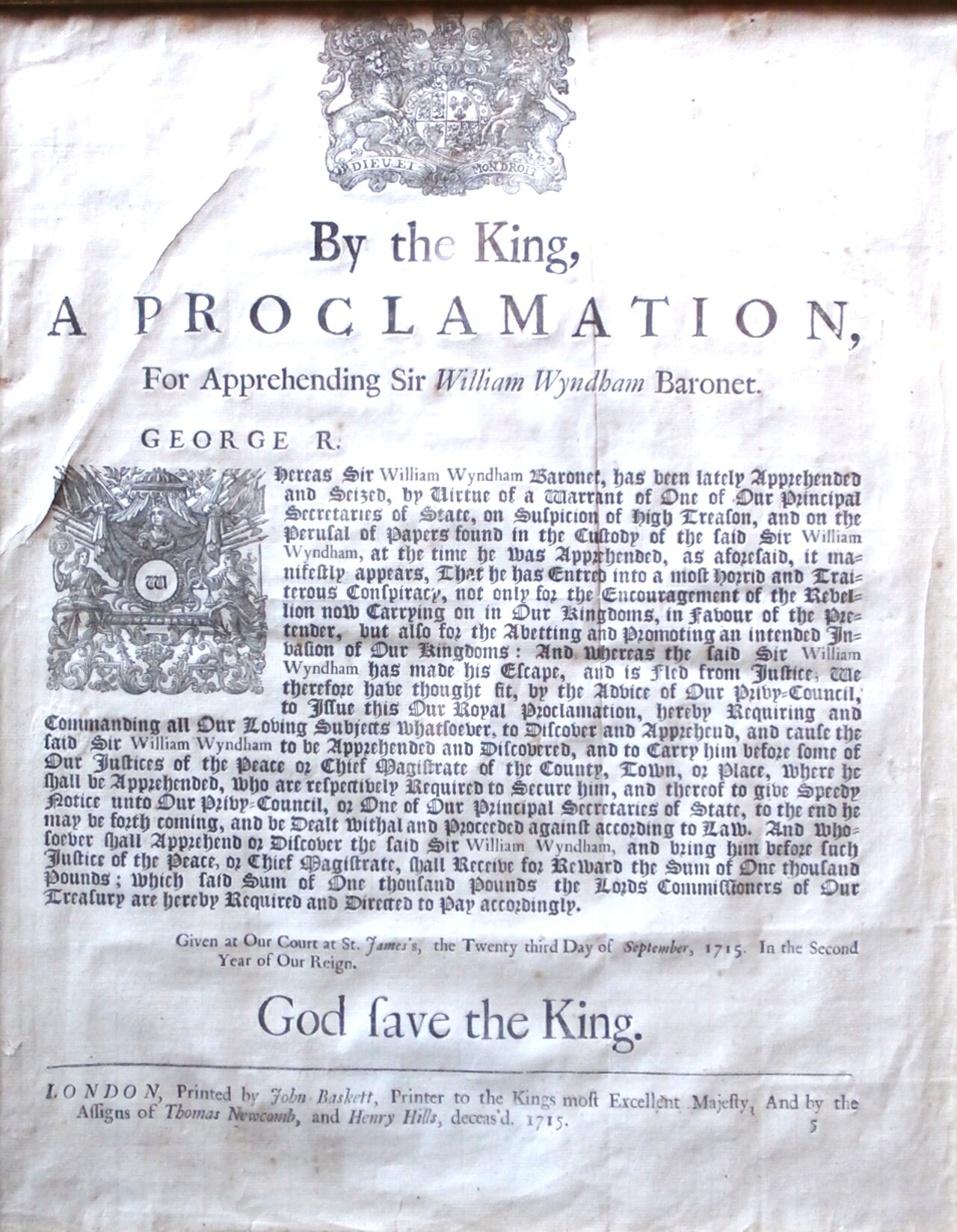
Royal Proclamation for the Arrest of Sir William Wyndham
23 September 1715
Ready when you are
Start chatting with George I now.
20 messages free · No credit card · Available in 50+ languages.