


Primary sourceDocument1706-1707
Treaty of Union
1706-1707
The 1706-07 treaty uniting England and Scotland into Great Britain, which secured the Hanoverian succession that brought George I to the throne.
This treaty secured the Hanoverian succession in Scotland, the legal path by which George I became king.
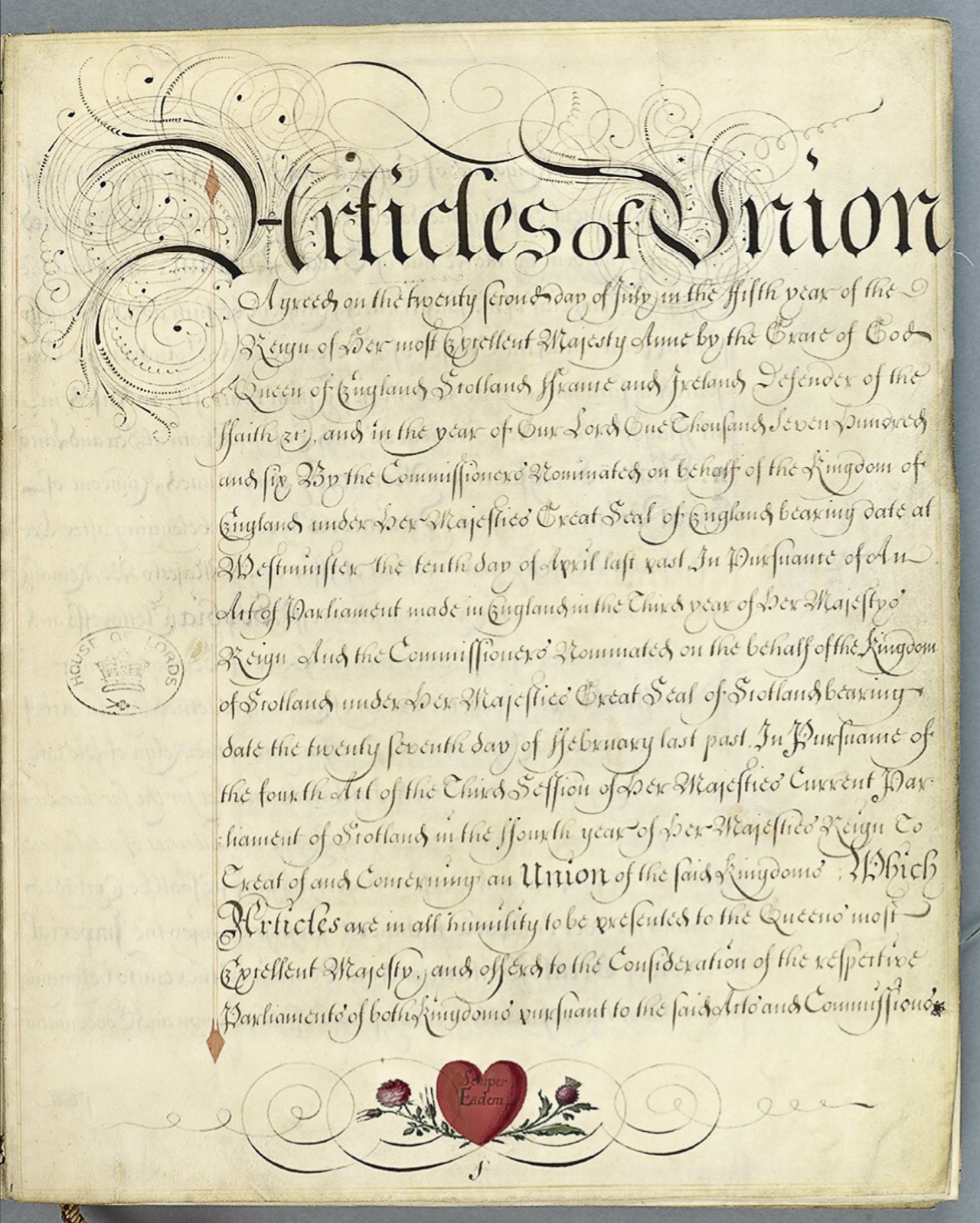
About this source
What it is
The Treaty of Union was agreed in 1706 by commissioners for England and Scotland, and passed into law by the Parliament of Scotland and the Parliament of England in 1707. It created the single Kingdom of Great Britain. The surviving manuscript is signed and sealed by the commissioners, with English signatures on one side and Scottish on the other.
Why it matters
The treaty tied Scotland's succession to the Protestant Hanoverian line laid down by the Act of Settlement, which is why George, Elector of Hanover, inherited the British throne in 1714 rather than a Catholic Stuart claimant. It shows how political deals among ministers and monarchs, not popular votes, shaped who would rule.
Look closer
- Why were separate columns used for English and Scottish signatures?
- What does the vote count suggest about how divided opinion was in Scotland?
- Whose voices are missing from this document?
This document is part of the curated material that grounds the AI version of George I on Humy.ai — when students ask about related events, the AI can quote it and cite it.
More George I sources
Meet the AI George I →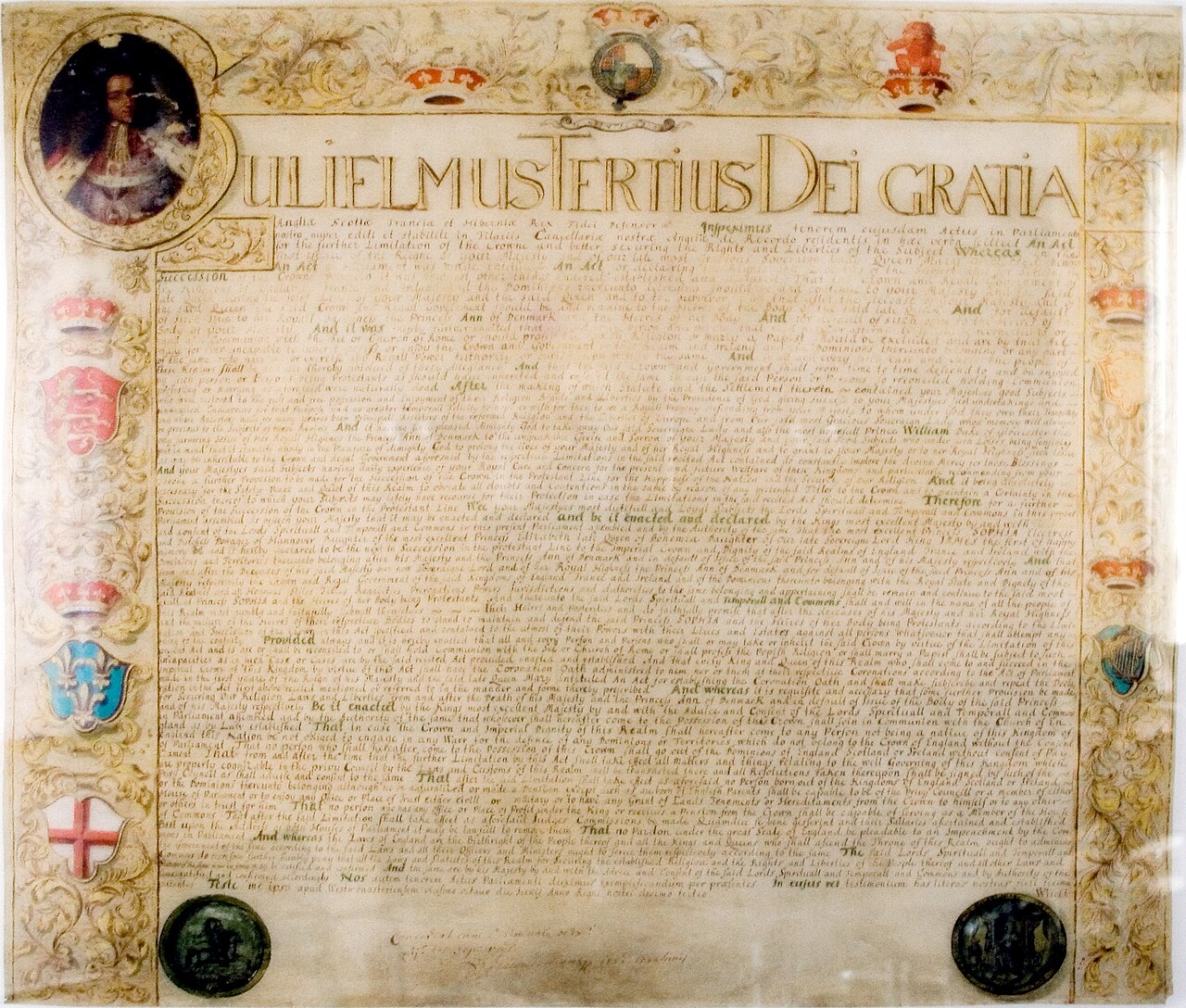 Document
Primary source
Act of Settlement 1701
1701
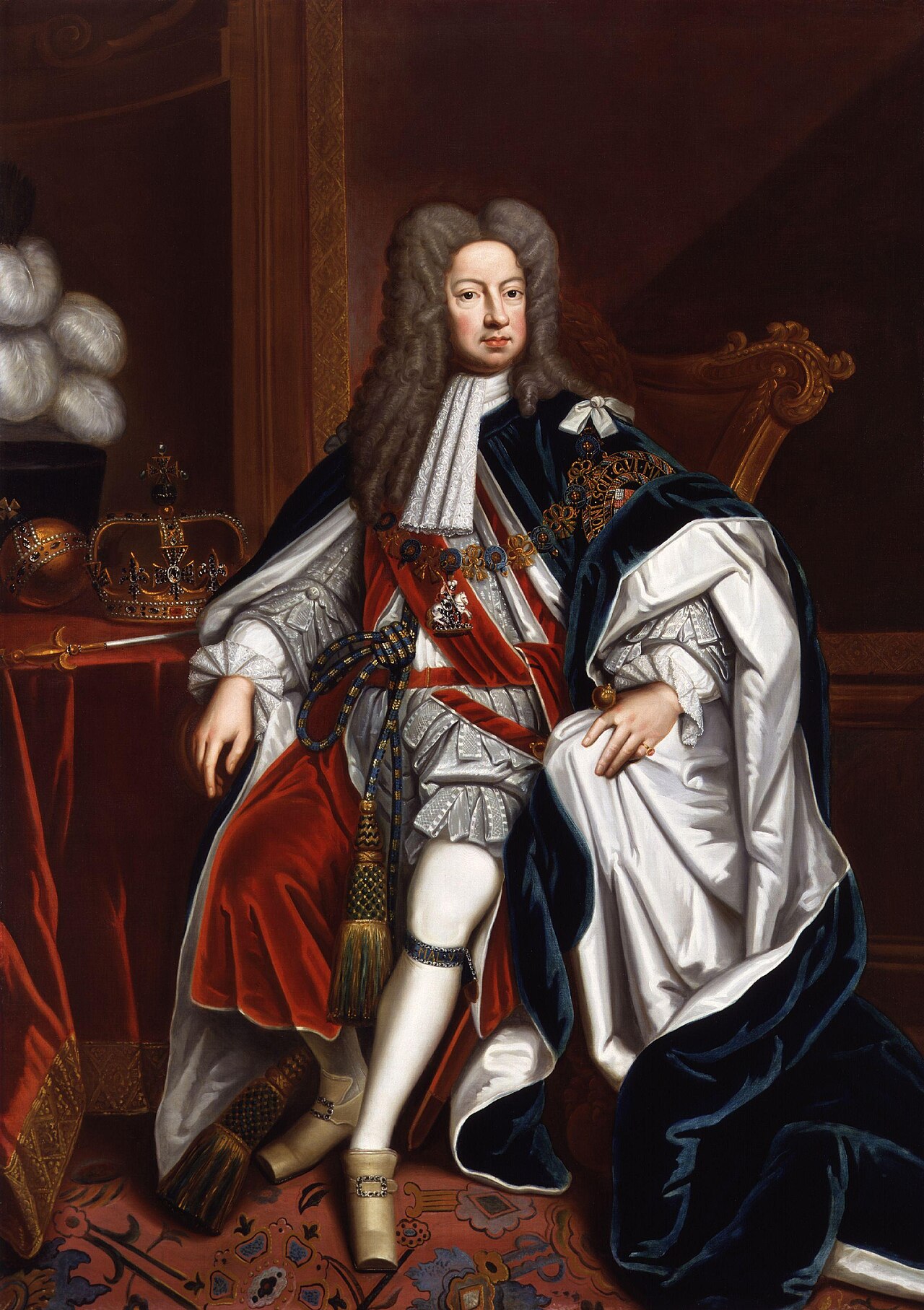 Painting
Primary source
Portrait of George I of Great Britain
Godfrey Kneller
Secondary source
Water Music
George Frideric Handel · 1717
Primary source
Septennial Act 1715
1716
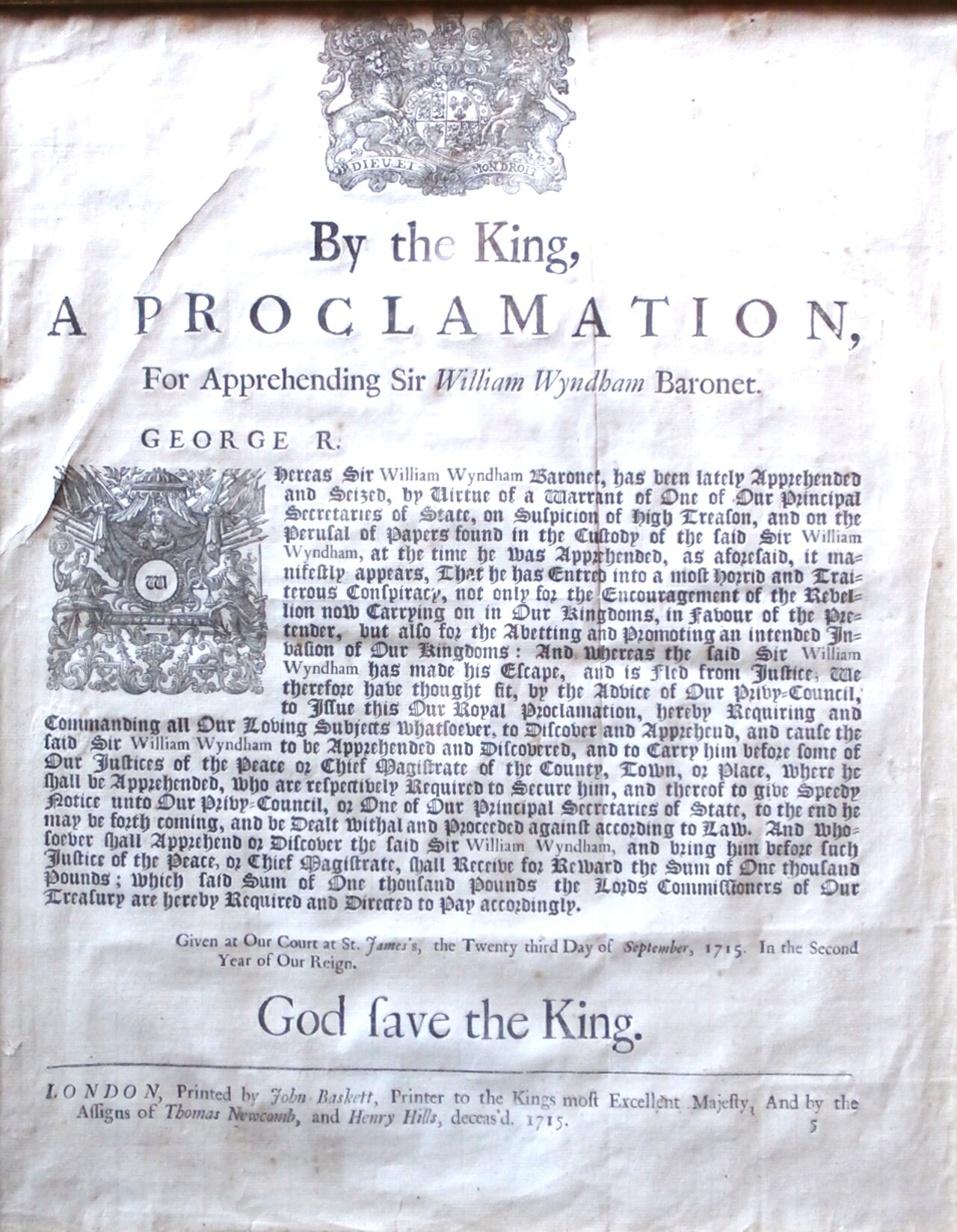 Document
Primary source
Royal Proclamation for the Arrest of Sir William Wyndham
23 September 1715
Ready when you are
Start chatting with George I now.
20 messages free · No credit card · Available in 50+ languages.